
ফ্লিট ভলিউমে লেবেলযুক্ত ফিল্ড টেলিমেট্রি
প্রতিটি সম্পূর্ণ ব্লক সময়, কভারেজ, ব্যাটারি ড্র এবং পরিবেশ প্রসঙ্গ লগ করে। ৫ GW+ দৈনিক থ্রুপুটে লেবেল দ্রুত জমা হয়।
NECTYR · ফ্লিট অপারেশন ইন্টেলিজেন্স
এই পৃষ্ঠাটি Taypro-এর সফ্টওয়্যার বুদ্ধিমত্তা স্তর, মডেল এবং NECTYR কর্মপ্রবাহগুলি কভার করে যা রাতের রোবট টেলিমেট্রিকে সময়সূচী, রাউটিং এবং O&M সিদ্ধান্তে পরিণত করে৷ 11 বিলিয়ন+ বার্ষিক প্যানেলে প্রশিক্ষিত স্ব-শিক্ষার সিস্টেমগুলি 150+ গাছপালা জুড়ে প্রতিটি লেবেলযুক্ত চক্রের সাথে মাটির ভবিষ্যদ্বাণী, ব্যাটারি রাউটিং এবং আবহাওয়ার সময় পরিমার্জন করে।
আজ চালু করা উদ্ভিদগুলি বহু বছর পূর্বের ফ্লিট ইন্টেলিজেন্সের উত্তরাধিকারী। NECTYR স্বায়ত্তশাসিতভাবে আবহাওয়ার মডেল, ময়লা ঝুঁকি, ব্যাটারির অবস্থা, এবং রোবট স্বাস্থ্যের উপর ভিত্তি করে পরিচ্ছন্নতার সূচনা, স্থগিত বা ত্বরান্বিত করে, প্রতিটি ধুলো ঝড়ের পরে সময়সূচী পুনর্লিখন করার জন্য একজন অপারেটরের অপেক্ষা না করে।
5 GW+
প্রতিদিন পরিষ্কার করা সোলার অ্যাসেট
11B+
বার্ষিক পরিষ্কার প্যানেল
150+
লাইভ প্ল্যান্ট স্থাপনা
5 GW+
স্থাপিত রোবট সক্ষমতা
ফ্লিট প্রভাব পরিসংখ্যান লাইভ স্থাপনা থেকে মডেল করা হয়. আমাদের দেখুন পারফরম্যান্স ও পরীক্ষা পদ্ধতি অনুমানের জন্য
স্কেল কেন গুরুত্বপূর্ণ
ইউটিলিটি-স্কেল রোবোটিক ক্লিনিং এমন স্ট্রাকচার্ড টেলিমেট্রি তৈরি করে যা একক-সাইট পাইলট মিলাতে পারে না। ৫ GW+ দৈনিক থ্রুপুটে প্রতিটি চক্র ভূগোল, মৌসুম ও অ্যারে ধরন অনুযায়ী সয়েলিং প্রতিক্রিয়া লেবেল করে।
প্রতিটি সম্পূর্ণ ব্লক সময়, কভারেজ, ব্যাটারি ড্র এবং পরিবেশ প্রসঙ্গ লগ করে। ৫ GW+ দৈনিক থ্রুপুটে লেবেল দ্রুত জমা হয়।
এই কোয়ার্টারে কমিশন করা প্ল্যান্ট শতাধিক পূর্ববর্তী স্থাপনা থেকে শিডিউলিং ইন্টেলিজেন্স উত্তরাধিকার পায়।
আরও প্ল্যান্ট মানে আরও লেবেলযুক্ত চক্র, তীক্ষ্ণ সয়েলিং মডেল ও ভাল O&M পূর্বানুমেয়তা।
তিন-স্তর প্ল্যাটফর্ম
Taypro একটি বন্ধ লুপ হিসাবে স্থাপিত হয়েছে, ফিল্ড হার্ডওয়্যার ডেটা তৈরি করে, ফ্লিট সফ্টওয়্যার ডেটাকে রাতের সিদ্ধান্তে পরিণত করে, এবং রোডম্যাপ স্তরটি সম্পূর্ণ উদ্ভিদ স্বাস্থ্যের সাথে বুদ্ধিমত্তা পরিষ্কার করে।
আজ · ক্ষেত্র
GLYDE, GLYDE-X, NYUMA, এবং NYUMA-X রোবটগুলি সেন্সর, স্ব-চালিত ড্রাইভ এবং অন-বোর্ড নিরাপত্তা ইন্টারলক বহন করে। প্রতিটি পাস লেবেলযুক্ত টেলিমেট্রি তৈরি করে: সারি কভারেজ, ব্যাটারি ড্র, ব্রাশ টর্ক, ওয়েট-এলিমেন্ট স্টেট এবং ফল্ট স্বাক্ষর।
আজ · ফ্লিট
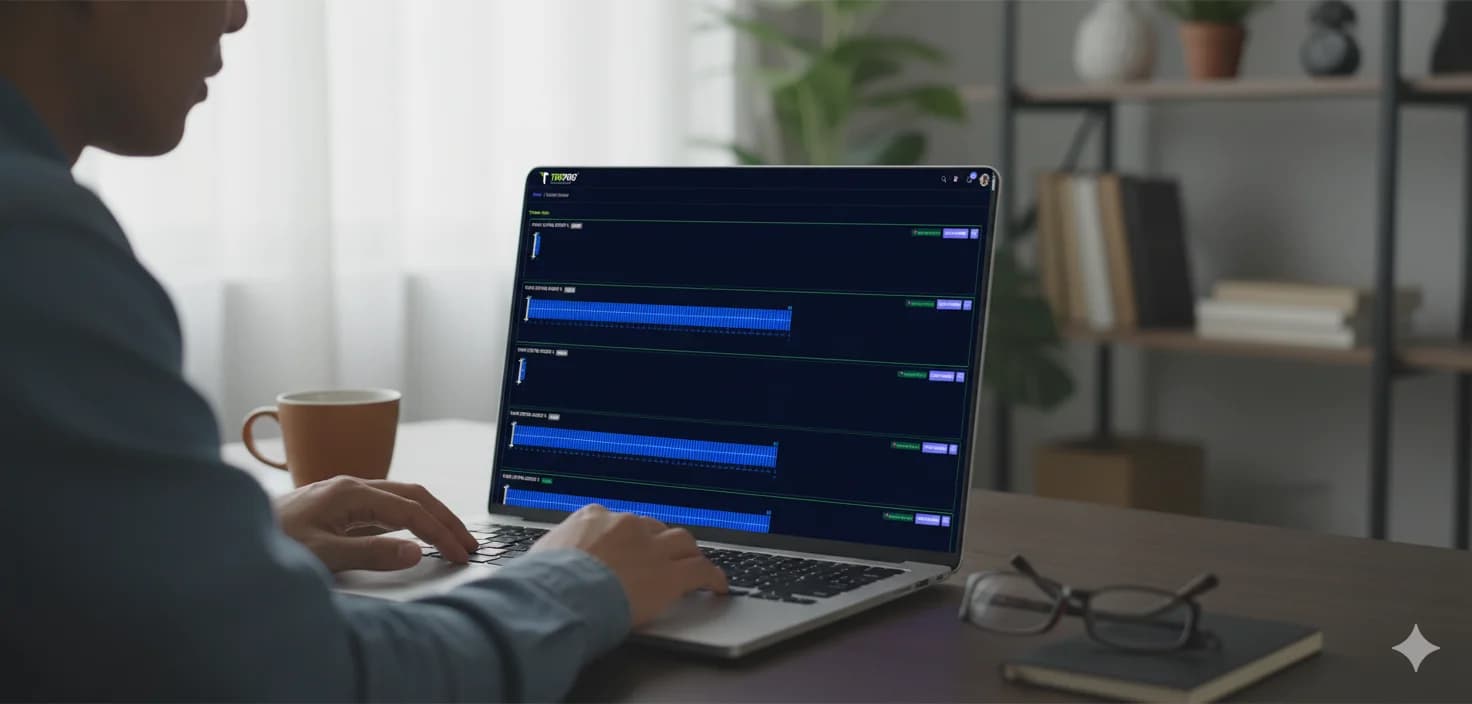
নিরাপদ ওয়েব পোর্টাল যেখানে ফ্লিট এআই লাইভ চালায়: স্বায়ত্তশাসিত সময়সূচী, উদ্ভিদ বিন্যাসে লাইভ রোবট ট্র্যাকিং, মূল-কারণ ত্রুটি শ্রেণীবিভাগ, ভবিষ্যদ্বাণীমূলক রক্ষণাবেক্ষণ সতর্কতা, এবং PR এবং AMC প্রমাণের জন্য রপ্তানিযোগ্য চক্র অডিট লগ।
রোডম্যাপ · উদ্ভিদ
জেনারেশন-সচেতন মনিটরিং যা একই বুদ্ধিমত্তা রেলকে পরিচ্ছন্নতার ক্রিয়াকলাপ থেকে সম্পূর্ণ সম্পদের স্বাস্থ্য পর্যন্ত প্রসারিত করে, যাতে মালিকরা MWh চলে যাওয়ার আগে কাজ করতে পারে, SCADA ডিপ দেখানোর পরে নয়।
ডেটা ফ্লাইহুইল
Taypro-এর 5 GW+ নিয়োজিত ফ্লিট জুড়ে প্রতিটি পরিচ্ছন্নতা চক্র কাঠামোগত ডেটা, ভূগোল এবং ঋতু অনুসারে মাটির হার, আবহাওয়ার পারস্পরিক সম্পর্ক, ব্যাটারির কার্যকারিতা এবং ফল্ট প্যাটার্ন তৈরি করে। মডেলরা এই টেলিমেট্রি ক্রমাগত গ্রহণ করে: রাজস্থানের একটি উদ্ভিদ মহারাষ্ট্রে বর্ষা-কাঁধের সময় শেখা থেকে উপকৃত হয়; একটি নতুন GLYDE-X ট্র্যাকার সাইট শত শত পূর্বের অ্যারে মানচিত্র থেকে রাউটিং বুদ্ধিমত্তার উত্তরাধিকারী হয়।
প্রতিটি সাইটের সাথে ডেটাসেট যৌগ যোগ করা হয়েছে। সেন্স → শিডিউল → ক্লিন → লগ → শিখুন, প্রতি রাতে ফ্লিট জুড়ে।
প্রতিটি চক্র কী ধরে
জেনেরিক আপটাইম মনিটরিং আপনাকে বলে যে একটি রোবট অনলাইন আছে। Taypro-এর ইন্টেলিজেন্স লেয়ার লেবেল লেবেল কি ঘটেছে, কেন এটা গুরুত্বপূর্ণ, এবং কিভাবে পরবর্তী চক্র পরিবর্তন করা উচিত।
পোস্ট-ক্লিন পারফরম্যান্স প্রতিক্রিয়া ভূগোল, ঋতু এবং অ্যারের প্রকারের সাথে সম্পর্কযুক্ত, ভারতের সবচেয়ে কঠিন পরিবেশ জুড়ে আঞ্চলিক ধুলো লাইব্রেরি তৈরি করা।
বাতাসের গতি, বৃষ্টির সম্ভাবনা, আর্দ্রতা, পরাগ এবং শিশির প্রসঙ্গ প্রতিটি চক্রের সিদ্ধান্তের সাথে আবদ্ধ - একা বাইনারি রেইন সেন্সর নয়।
চার্জ এবং ডিসচার্জ কার্ভগুলি সারির দৈর্ঘ্য, ফাঁক জ্যামিতি, এবং আনডুলেশনে ম্যাপ করা হয়েছে, ML রুট অপ্টিমাইজেশান মডেলগুলিকে খাওয়ানো৷
মোটর কারেন্ট, ব্রাশ টর্ক, এবং সেন্সর বিচ্যুতি স্বাক্ষর যা ভারবহন পরিধান, ব্রাশ স্যাচুরেশন, বা কন্ট্রোলার অবক্ষয়ের আগে।
মডিউল সুরক্ষার জন্য মাইক্রোফাইবার আর্দ্রতা সনাক্তকরণের লেবেল চক্রগুলি স্থগিত করা হয়েছে, ধুলোযুক্ত গ্লাসে স্মিয়ারের ক্ষতি প্রতিরোধ করা।
ব্লক-ভিত্তিক টাইমস্ট্যাম্প, অগ্রগতি শতাংশ, এবং O&M শাসন, AMC পুনর্মিলন, এবং সম্পদ-মালিক প্রতিবেদনের জন্য রপ্তানিযোগ্য রেকর্ড।
ছয়টি AI ক্ষমতা
সফ্টওয়্যার ক্ষমতা যা লেবেলযুক্ত টেলিমেট্রি এবং আউটপুট সময়সূচী, রাউটিং এবং সুরক্ষা সিদ্ধান্ত গ্রহণ করে, অপারেটররা প্রতিটি আবহাওয়া ইভেন্টের পরে ক্যালেন্ডারগুলি পুনর্লিখন না করে।
ফ্লিট মডেলগুলি লেবেলযুক্ত চক্রে 5 GW+ দৈনিক থ্রুপুট থেকে পুনরায় প্রশিক্ষণ দেয়, তারপর প্রথম দিনে নতুন কমিশন করা প্ল্যান্টে স্থাপন করা হয়। সিজন্যালিটি লাইব্রেরি, আঞ্চলিক ধুলোর স্বাক্ষর এবং ঝড়-পরবর্তী পুনরুদ্ধারের সময় মডেলের সাথে ভ্রমণ করে, শুধু সেই সারিতে থাকা রোবট নয়।
NECTYR একটি স্থায়ী অ্যারে মানচিত্র, সারি জ্যামিতি, ফাঁক, উন্ডুলেশন, প্রথম-স্থাপন টেলিমেট্রি থেকে নির্মিত। রাত্রিকালীন রুট গ্রাফগুলি প্রতি চার্জের পরিচ্ছন্ন এলাকা সর্বাধিক করার জন্য এই মডেল থেকে আঁকা হয়, সাধারণত ~2× বনাম আনম্যাপড ট্রাভার্সাল, এবং পূর্ববর্তী GLYDE-X সাইটগুলি থেকে ট্র্যাকার রাউটিং প্যাটার্নগুলি উত্তরাধিকারসূত্রে পাওয়া যায়৷
যখন ইরেডিয়েন্স রিচার্জকে সীমিত করে, তখন অর্কেস্ট্রেশন লেয়ার লাইভ স্টেট-অফ-চার্জ থেকে পরিস্কারযোগ্য ক্ষমতা গণনা করে, নোংরা ঝুঁকির ভিত্তিতে ব্লকগুলিকে ক্রমানুসারে রাখে এবং আংশিক চক্রগুলিকে ক্রম করে যা এখনও অর্থপূর্ণ প্রজন্ম পুনরুদ্ধার করে, ব্লক-স্তরের অডিট প্রসঙ্গে লগ ইন করা NECTYR।
NECTYR বাতাসের গতি, বৃষ্টির সম্ভাবনা, আর্দ্রতা, পরাগ, এবং স্থানীয় পরিবেশগত ফিডগুলি গ্রহণ করে, শুধুমাত্র বাইনারি বৃষ্টির পতাকা নয়, চক্রের প্রস্তাব, স্থগিত বা ত্বরান্বিত করতে। ক্ষেত্র-যাচাইকৃত 95% সময়সূচী নির্ভুলতা নষ্ট রান কমায় এবং O&M বাজেটকে স্থিতিশীল করে।
যখন শিশির, আর্দ্রতা, বা অবশিষ্ট বৃষ্টি পরিচ্ছন্ন মিডিয়া পরিপূর্ণ হয় তখন উপাদান-আর্দ্রতা টেলিমেট্রি স্বয়ংক্রিয় চক্র স্থগিত করে। NECTYR সতর্কতা এবং কারণ কোডটি প্রকাশ করে যাতে অপারেটররা দেখতে পান কেন একটি ব্লক স্থগিত করা হয়েছে, মডিউলগুলিকে 4 টা ফোন কল ছাড়াই স্মিয়ার ঝুঁকি থেকে রক্ষা করে৷
ফ্লিট নিয়ম এবং মডেল আউটপুট নোংরা ঝুঁকি, আবহাওয়ার জানালা, এবং রোবট স্বাস্থ্য সারিবদ্ধ করার সময় ক্যাডেন্স শুরু, বিরতি বা শক্ত করে। ধুলো ঘটনা সময়সূচী আঁট; বৃষ্টি বা ভেজা-উপাদান রাজ্যের বহর নিচে দাঁড়িয়ে আছে। প্রতিটি সিদ্ধান্ত শাসন এবং AMC প্রমাণের জন্য ব্লক-স্তরের অডিট ট্রেলগুলিতে লেখা হয়।
রোবটগুলি কীভাবে শারীরিকভাবে পরিষ্কার করে, ডুয়াল-পাস ড্রাই ক্লিনিং, প্ল্যাটফর্ম ওজন এবং ফিল্ড হার্ডওয়্যার, নথিভুক্ত করা হয়েছে পরিষ্কার প্রযুক্তি.
মাঠে কীভাবে কাজ করে
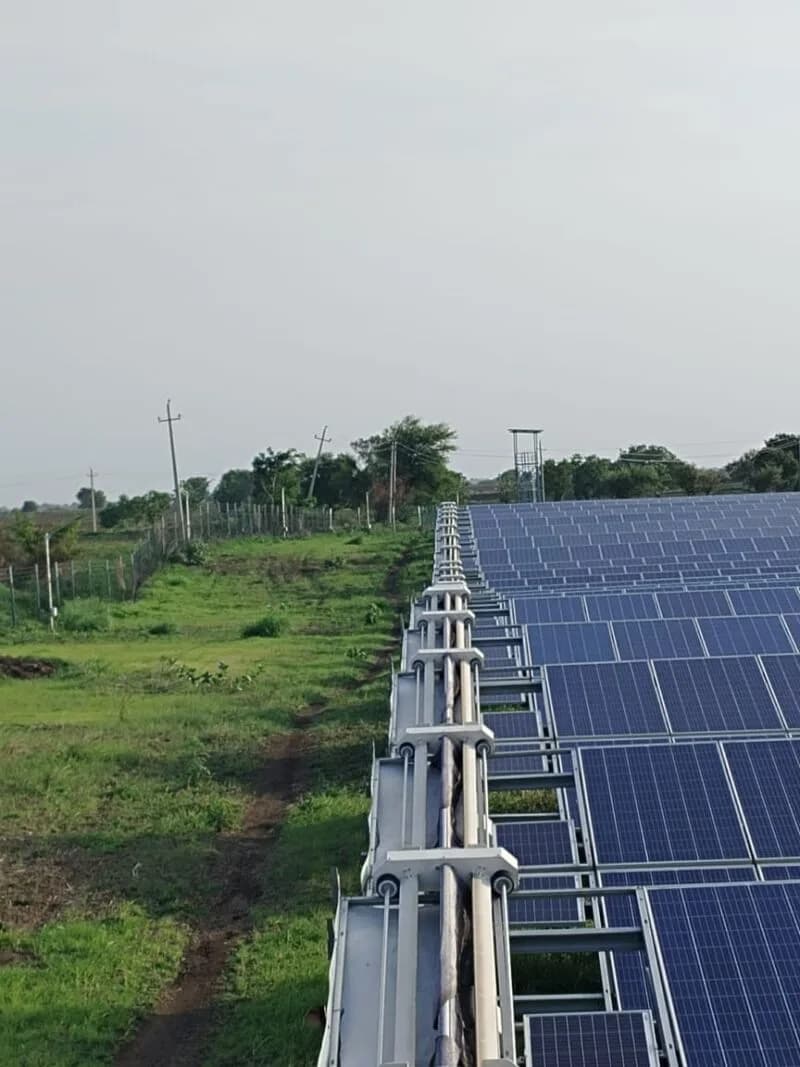
ফার্স্ট-ডিপ্লয়মেন্ট ট্রাভার্সাল একটি সংরক্ষিত সাইট গ্রাফ তৈরি করে, প্যানেলের মাত্রা, ফাঁক, সারির দৈর্ঘ্য, অন্ডুলেশন, শেষ অবস্থা, যা NECTYR প্রতি রাতে পুনরায় ব্যবহার করে। রুট সমাধানকারীরা জ্যামিতি পুনঃআবিষ্কার করার পরিবর্তে এই গ্রাফটি পড়ে, মৃত ভ্রমণ কাটা এবং মোটামুটি 2× বনাম লোভী আনম্যাপড পাথ দ্বারা প্রতি চার্জে পরিচ্ছন্ন এলাকা বাড়ানো।
ট্র্যাকার পোর্টফোলিও শত শত পূর্ববর্তী একক-অক্ষ গ্রাফ থেকে রাউটিং হিউরিস্টিক উত্তরাধিকারসূত্রে প্রাপ্ত। অপারেটররা একই মানচিত্রের বিপরীতে কভারেজ প্ল্যান এবং এক্সিকিউশন লগ দেখতে পায়, O&M এবং মডেল প্রশিক্ষণের জন্য সত্যের একটি উৎস।
ফিক্সড-শিডিউল রোবট বৃষ্টির জন্য বিরতি দেয় এবং একটি ক্যালেন্ডারে আবার শুরু করে। Taypro-এর ফ্লীট AI মাল্টি-প্যারামিটার আবহাওয়ার মডেল, মাটির পূর্বাভাস, ব্যাটারির অবস্থা, এবং ফ্লিট স্বাস্থ্যকে সূচনা, স্থগিত বা চক্রকে ত্বরান্বিত করার জন্য গ্রহণ করে, প্রতিটি ধূলিঝড়ের পরে টাইমার সম্পাদনা করার জন্য কোনো অপারেটরের অপেক্ষা না করে।
95% ক্ষেত্র-যাচাইকৃত সময়সূচী নির্ভুলতার অর্থ হল অকার্যকর অবস্থার পরে কম রান নষ্ট করা এবং প্রজন্মের উইন্ডোগুলির সাথে আরও ভাল প্রান্তিককরণ। ভেজা-উপাদান সনাক্তকরণ শুধুমাত্র পূর্বাভাসের ডেটার বাইরে একটি দ্বিতীয় নিরাপত্তা স্তর যুক্ত করে।
When a robot stops, NECTYR identifies where it stopped and the probable cause: misaligned panel edge, physical obstacle, motor fault, brush saturation, battery threshold, or communication drop. Field teams dispatch with the right spares instead of exploratory truck rolls.
ব্রেকডাউন প্রকাশের আগে মোটর কারেন্ট, চার্জ কার্ভ এবং ব্রাশ টর্ক পতাকা বিচ্যুতি স্বাক্ষর থেকে তৈরি প্রতি-রোবট স্বাস্থ্য প্রোফাইলগুলি, হার্ডওয়্যার ভবিষ্যদ্বাণীমূলক রক্ষণাবেক্ষণ ফ্লিট-ওয়াইড প্যাটার্ন স্বীকৃতির দ্বারা জানানো হয়েছে।
NECTYR লাইভ ইন্টেলিজেন্স
ফ্লিট সফ্টওয়্যার রোবট টেলিমেট্রিকে এমন সিদ্ধান্তে পরিণত করে যা উদ্ভিদ দল আসলে ব্যবহার করে, সাধারণ SCADA দর্শক নয়, বরং রোবোটিক পরিষ্কারের জন্য একটি সক্রিয় বুদ্ধিমত্তা স্তর।
NECTYR প্ল্যান্ট লেআউট মানচিত্রে রিয়েল-টাইম রোবট অবস্থানকে ওভারলে করে। অপারেটররা কোন সারি সাফ করা হচ্ছে, অগ্রগতি শতাংশ, এবং ফ্লিট স্টেট যেকোন মুহুর্তে দেখেন - ঘন্টা আগে থেকে শেষ দেখা টাইমস্ট্যাম্প নয়।
মোটর কারেন্ট ড্র, ব্যাটারি চার্জ এবং ডিসচার্জ কার্ভ, ব্রাশ রোটেশন টর্ক এবং সেন্সর সিগন্যাল প্যাটার্ন প্রতিটি রোবটের জন্য একটি স্বাস্থ্য প্রোফাইল তৈরি করে। বিচ্যুতি স্বাক্ষর যা ভারবহন পরিধান বা বুরুশ-জীবনের শেষের আগে ফল্ট একটি ভাঙ্গন হয়ে যাওয়ার আগে পতাকাঙ্কিত হয়।
আবহাওয়ার মডেল, মাটির পূর্বাভাস, ব্যাটারির অবস্থা এবং রোবট স্বাস্থ্যের উপর ভিত্তি করে ফ্লিট এআই দ্বারা পরিচ্ছন্নতার চক্রগুলি শুরু, বিরতি দেওয়া এবং ত্বরান্বিত করা হয়। ব্লক-লেভেল অডিট ট্রেলগুলি O&M পর্যালোচনা এবং সম্পদ-মালিক প্রতিবেদনের জন্য প্রতিটি সিদ্ধান্তের নথিভুক্ত করে।
ইউটিলিটি O&M-এর জন্য
বুদ্ধিমত্তা স্তরটি একই রাতের ডেটা জুড়ে বিভিন্ন স্টেকহোল্ডারদের পরিবেশন করে, ব্লক-লেভেল অপারেটর থেকে পোর্টফোলিও সম্পদের মালিকদের।
সকালের শিফটের আগে গত রাতের ব্লক-ভিত্তিক কভারেজ নিশ্চিত করুন। মাসিক পরিচ্ছন্নতার কৌশলের বিপরীতে পরিকল্পিত বনাম প্রকৃত চক্রের তুলনা করুন। অনুমানের পরিবর্তে মূল-কারণ প্রসঙ্গে ফিল্ড ক্রুদের প্রেরণ করুন।
এক্সপ্লোর করুন NECTYRমাল্টি-সাইট পোর্টফোলিও জুড়ে স্পট সয়েলিং প্রবণতা। AMC পুনর্মিলন এবং কর্মক্ষমতা অনুপাত আলোচনার জন্য অডিট-প্রস্তুত পরিচ্ছন্নতার প্রমাণ রপ্তানি করুন। নতুন চালু করা প্ল্যান্টে প্রথম দিনেই ফ্লিট-লার্নিং মডেলের উত্তরাধিকারী হন।
লাইভ প্রকল্পবুঝুন কেন 5 GW+ দৈনিক থ্রুপুট যৌগ-এ ফিল্ড ডেটা একটি গভীর প্রযুক্তি সুবিধার মধ্যে পরিণত হয়৷ NECTYR আজ লাইভ; ORION একই রেলে AMC পুনর্নবীকরণে উদ্ভিদের স্বাস্থ্য প্রসারিত করে।
কোম্পানি এবং স্কেলরোডম্যাপ
ORION পরিচ্ছন্নতার ক্রিয়াকলাপ থেকে সম্পূর্ণ উদ্ভিদ স্বাস্থ্য, প্রজন্ম-সচেতন মনিটরিং পর্যন্ত বুদ্ধিমত্তা স্তরকে প্রসারিত করে যা পরিচ্ছন্নতা, আবহাওয়া এবং কর্মক্ষমতাকে সংযুক্ত করে যাতে সম্পদের মালিকরা MWh চলে যাওয়ার আগে কাজ করতে পারে৷ ORION সংযুক্ত করে AMC পুনর্নবীকরণে NECTYR রেলগুলি ইতিমধ্যেই IPP পোর্টফোলিও জুড়ে থাকে৷ প্রারম্ভিক অ্যাক্সেস নির্বাচিত সম্পদ মালিকদের জন্য উন্মুক্ত।
ORION প্রাথমিক অ্যাক্সেসবিনিয়োগকারী এবং এন্টারপ্রাইজ ক্রেতাদের জন্য
বুদ্ধিমত্তা স্তরের সুবিধা হল ক্রমবর্ধমান সফ্টওয়্যার ডেটা, একটি একক অ্যালগরিদম প্রকাশ নয়। 5 GW+ দৈনিক থ্রুপুট জুড়ে প্রতিটি লেবেলযুক্ত চক্র সেই মডেলগুলিকে পুনরায় প্রশিক্ষণ দেয় যা NECTYR ফ্লীট-ব্যাপী স্থাপন করে। ইউটিলিটি-স্কেল টেলিমেট্রির বছরগুলি প্রতিটি নতুন সাইট চালু হওয়ার সাথে সময়সূচী, রাউটিং এবং ডায়াগনস্টিক নির্ভুলতাকে গভীর করে।
এটি Taypro-এর রোবোটিক ক্লিনিং ফ্লিটের পিছনে স্ব-শিক্ষার সফ্টওয়্যার স্ট্যাক, মডেলগুলি লেবেলযুক্ত ফিল্ড টেলিমেট্রিতে 5 GW+ দৈনিক অপারেশনাল থ্রুপুট থেকে প্রশিক্ষিত যা ময়লা ভবিষ্যদ্বাণী, ব্যাটারি রাউটিং, আবহাওয়ার সময়সূচী এবং প্রতিটি চক্রের সাথে ত্রুটি সনাক্তকরণকে উন্নত করে৷ NECTYR হল লাইভ অপারেশন পোর্টাল যেখানে আজ এই বুদ্ধিমত্তা চলে৷
মূল ক্ষমতাগুলি NECTYR-এ সক্রিয় ফ্লিট জুড়ে লাইভ: স্ব-শিক্ষার ময়লা মডেল, ML অ্যারে ম্যাপিং, ব্যাটারি-সচেতন রাউটিং, 95% নির্ভুলতা আবহাওয়ার সময়সূচী, ভেজা মাইক্রোফাইবার সনাক্তকরণ, এবং স্বায়ত্তশাসিত চক্র সূচনা৷ ORION: সম্পূর্ণ উদ্ভিদ স্বাস্থ্যের জন্য বুদ্ধিমত্তা প্রসারিত করা, নির্বাচিত সম্পদ মালিকদের জন্য প্রাথমিক অ্যাক্সেস সহ রোডম্যাপে রয়েছে৷
লাইভ ফ্লিটে প্রশিক্ষিত মডেলগুলি কমিশনিংয়ের সময় প্রয়োগ করা হয়। এই ত্রৈমাসিকে লাইভ করা একটি প্ল্যান্ট শত শত পূর্ববর্তী স্থাপনা থেকে সময়সূচী বুদ্ধিমত্তার উত্তরাধিকারী হয়, বর্ষা-কাঁধের সময়, আঞ্চলিক ধূলিকণা স্বাক্ষর, ট্র্যাকার রাউটিং মানচিত্র এবং 2022 সাল থেকে সঞ্চিত ফল্ট প্রিকার্সর লাইব্রেরি।
SCADA আপনাকে বলে প্রজন্ম বাদ পড়েছে। Taypro-এর বুদ্ধিমত্তা স্তর আপনাকে বলে যে কেন পরিষ্কার করা মিস করা হয়েছে, কোন ব্লকগুলিকে অগ্রাধিকার দেওয়া প্রয়োজন, রোবটগুলি স্বাস্থ্যকর কিনা, এবং পরিচ্ছন্নতার শর্তগুলি সঠিক ছিল কিনা৷ NECTYR পরিপূরক SCADA এবং CMMS: এটি রোবোটিক সোলার ক্লিনিং অপারেশনের জন্য বিশেষায়িত।
স্ট্রাকচার্ড লেবেল যার মধ্যে রয়েছে ব্লক দ্বারা নোংরা করার হার, আবহাওয়ার পারস্পরিক সম্পর্ক, প্রতি সারি টপোলজিতে ব্যাটারি খরচ, কভারেজ অডিট ট্রেল, ওয়েট-এলিমেন্ট স্টেট এবং ফল্ট প্রিকার্সর স্বাক্ষর। এই ডেটা এমন মডেলগুলিকে ফিড করে যা ফ্লিট-ব্যাপী রাউটিং এবং সময়সূচীকে উন্নত করে, শুধুমাত্র উদ্ভূত প্ল্যান্টে নয়।
ক্লিনিং টেকনোলজি পেজে ডুয়াল-পাস ড্রাই ক্লিনিং, প্ল্যাটফর্মের ওজন, লাইভ অপারেশন ইন্টেলিজেন্স এবং সম্পূর্ণ এআই ক্যাপাবিলিটি ব্রেকডাউন রয়েছে। NECTYR ফ্লিট পোর্টাল বৈশিষ্ট্য, নিরাপত্তা, এবং O&M কর্মপ্রবাহের জন্য একটি উৎসর্গীকৃত পণ্য পৃষ্ঠা রয়েছে৷