成長
上昇中
新しいユーティリティ MW のトラッカー シェア
グジャラート州、ラジャスタン州、カルナタカ州がトラッカーの導入をリードしています。手動の作業員では 50 MW+ スケールの列の長さに合わせることができません。
単軸トラッカーセグメント
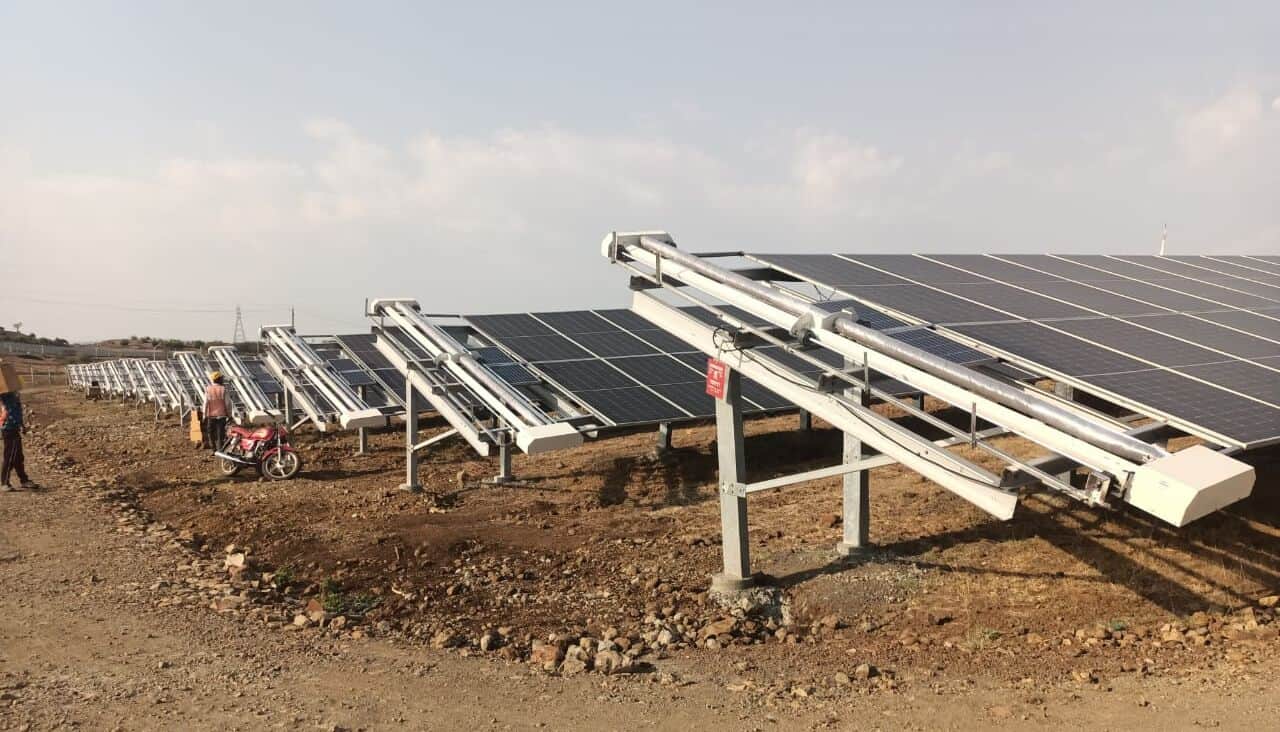
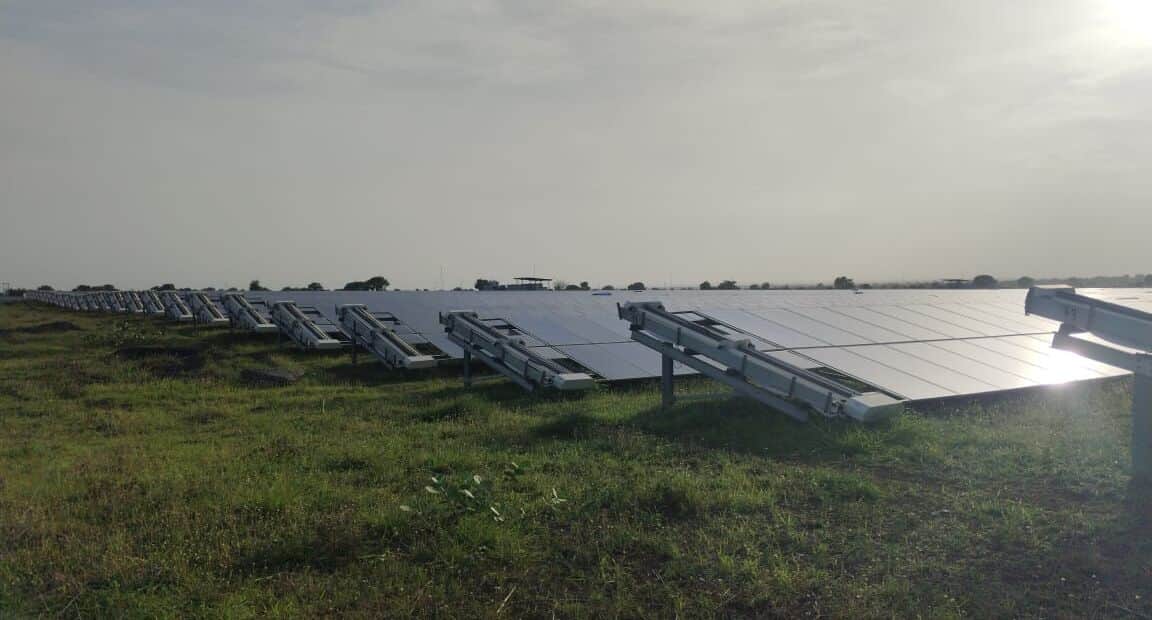
トラッカーの導入はグジャラート州、ラジャスタン州、カルナータカ州全域で加速していますが、手動のブラシ乗組員では列の長さや積み込み角度に追いつくことができません。 Taypro GLYDE-X および NYUMA-X は、50 ~ 300 の MW フリートの CRADYL 行転送ドッキングを備えたトラッカー テーブルをトラバースします。
トラッカー市場
成長
上昇中
グジャラート州、ラジャスタン州、カルナタカ州がトラッカーの導入をリードしています。手動の作業員では 50 MW+ スケールの列の長さに合わせることができません。
製品
ロボット2台
デュアルパス マイクロファイバーと PBT シングルパス, PR 目標と設備投資効率に基づいて選択します。
移行
CRADYL
テーブル間をロボットが手動で運ぶ必要がない、複数列のトラッカー ブロックに不可欠です。
規模
50–300 MW
SECI およびトラッカー互換の Taypro フリートに関する州のディスコム参照。
トラッカー固有の課題
トラッカーの列の長さと MW のスケールが大きくなるにつれて、固定傾斜ロボットと手動乗組員は限界に達します。
単軸列は 100 モジュールを超えます。ロボットには自律的な列端移動が必要です。CRADYL ドッキング ステーションは、手動で運ぶことなく列間でフリートを移動します。
クリーニングは、モジュールや駆動システムに損傷を与えることなく、トラッカーの収納位置や季節ごとの傾斜範囲にわたって機能する必要があります。
100 の MW トラッカー サイトには、月あたり 3 ~ 10 回の乾燥サイクルが必要です。手作業による作業員では、利用可能な清掃ウィンドウ内のブロック全体の形状をカバーすることはできません。
MW あたりのロボット数の計画は、一般的な固定傾斜の仮定ではなく、行数、転送ポイント、バッテリー交換戦略と一致する必要があります。
GLYDE-X および NYUMA-X は、インドの主要なトラッカー ブランド全体に導入されています。サイト評価では、フリートのサイズを決定する前に、積み込み角度、列の長さ、地上高をマッピングします。
エンジニアリング モデルでは、月に 3 ~ 10 回のサイクル (汚れの多いトラッカー ベルトの最小値) に達するように、利用可能な洗浄時間と行数を比較します。
導入経験
Taypro は、SECI と、グジャラート州とラジャスタン州にわたる州のディスコム プロジェクトでトラッカー互換の清掃部隊を委託しました (100 件の MW+ 単一サイト参照を含む)。導入には、サイト マッピング、CRADYL 配置計画、オペレーター トレーニング、NECTYR オンボーディングが含まれます。
GLYDE-X と NYUMA-X のどちらを選択するかは、PR の回収目標、粉塵の化学的性質、設備投資とサイクル速度のトレードオフによって決まります。直接比較を使用するか、Taypro エンジニアリングをリクエストして、行レイアウトの MW ごとにロボットをモデル化します。
トラッカー プラントも OPEX の対象となります。前払いのロボット CAPEX を使用せずに清掃されたパネルごとに支払います。
GLYDE-X と NYUMA-X
GLYDE-X は、Taypro の特許取得済みのデュアルパス マイクロファイバー システムを使用しています。パスあたりの粉塵除去能力が最も高く、汚れの化学物質が粘着性またはセメント質であり、サイクルあたりの PR 回収が優先される場合に最適です。
NYUMA-X は PBT シングルパス ブラシ テクノロジーを使用しています。夜間ウィンドウあたりの適用範囲がより速く、設備投資が少なくて済むため、粉塵が主に乾燥しており、サイクル スループットがボトルネックである場合に適しています。
どちらも行転送には CRADYL 、フリート スケジューリングには NECTYR と統合されています。トラッカー レイアウトのエンジニアリング モデリングをリクエストします。
100 モジュールの列には、列の端でブラシを運ぶ作業員ではなく、自律的な移動が必要です。
Taypro GLYDE-X および NYUMA-X と CRADYL 列転送ドッキングは、50 台の MW から 300 台の MW までのインドの単軸トラッカー プラント向けに設計されています。
トラッカーの展開
MW、トラッカー タイプ、行数、モジュールの寸法、収納範囲、および現在のクリーニング方法を共有します。 Taypro は、MW ごとにロボットをモデル化します。
Dual-pass quality (GLYDE-X) vs single-pass speed and capex (NYUMA-X). Head-to-head comparison available or engineering recommendation.
列端のドッキング ステーションは自律搬送用に配置されており、100 列以上のモジュールを運ぶオペレーターの負担を最小限に抑えます。
ロボットはブロックにマッピングされ、オペレーターはトラッカー固有の SOP でトレーニングされ、接続が開始されました。
月に 3 ~ 10 回の乾燥サイクル。NECTYR カバレッジ ログはブロック PR の傾向と相関していました。
トラッカーのリソース
トラッカーロボットのラインナップ
単軸トラッカー用の主力デュアルパス マイクロファイバー クリーニング。ユーティリティフリートでプレミアム PR リカバリを実現する、パスごとの最高のクリーニング品質。
GLYDE-X仕様Polymer brush technology single-pass robot for tracker sites prioritising cycle speed and capex efficiency.
NYUMA-X仕様トラッカー列間でロボットを移動するための自律型ドッキング ステーション。オペレーターが運ぶことなく複数列のブロックに不可欠です。
CRADYL ドッキング ステーショントラッカーのリファレンス
グジャラート州とインドのトラッカープラントおよび実用規模のプラントでの自動ロボット洗浄。
GLYDE-X (デュアルパス マイクロファイバー) および NYUMA-X (PBT シングルパス) は、単軸トラッカー アレイ用に設計されています。固定傾斜 GLYDE および NYUMA はトラッカーの設置には推奨されません。
CRADYL は Taypro の行転送ドッキング ステーションです。列の端にあるトラッカー列の間で清掃ロボットを自律的に移動させるため、長い単軸テーブルを手動で運ぶ必要がなくなります。
Robots-per-MW は、行数、行の長さ、転送ポイントのレイアウト、および月ごとのターゲット サイクルによって異なります。 Taypro エンジニアは、サイト評価中にフリート サイズをモデル化します。通常、固定傾斜比とは異なります。
GLYDE-X は、パスごとに高い洗浄品質を実現します (デュアルパス マイクロファイバー)。 NYUMA-X は、より高速なシングルパス カバレッジと設備投資効率を優先します。詳細ページで仕様を比較するか、Taypro エンジニアリング情報をリクエストしてください。
手動の作業員は、トラッカーの列の長さ、夜窓のスループット、公共規模での一貫したカバレッジに苦労しています。ロボットによるドライ クリーニングは、50 台の MW+ トラッカー フリートで月に 3 ~ 10 サイクルの経済的な方法です。
はい。 OPEX は、オペレータとパネルごとの請求書をクリーンアップした状態で GLYDE-X または NYUMA-X を展開します。トラッカーのインストールでは、固定チルトに対して OPEX レート乗数が適用されます。
一般的な動員には、サイト マッピング、CRADYL の配置、接続セットアップ、オペレーターのトレーニング、NECTYR のオンボーディングが含まれます。タイムラインはプラントのサイズと列の形状によって異なります。Taypro は提案中のスケジュールを提供します。
プラント MW、トラッカー ベンダー、列の形状、場所、現在の清掃方法を共有します。 Taypro は、ロボットのモデル、フリートのサイズ、および CAPEX または OPEX の商業条件を推奨します。
Taypro トラッカー ロボットは、グジャラート州とラジャスタン州にある複数の単軸トラッカー施設で稼働しています。互換性を確認するために、評価中にトラッカー ベンダーを共有します。
ロボットは、トラッカーの機械ドライブをロードせずにモジュールの表面を移動します。清掃スケジュールは、サイト SOPs で定義された積み込み位置を考慮します。
トラッカーの設置では、形状と転送の複雑さにより、パネルごとの固定傾斜レートの約 1.8 倍が使用されます。 OPEX の価格ガイドを参照してください。
清掃プログラムは、動員中のプラント固有の清掃 SOP で定義された、合意された積み込み角度と夜間窓に合わせてスケジュールされます。
トラッカーのレイアウトと MW 容量を共有します。 Taypro は、GLYDE-X、NYUMA-X、およびフリート展開計画を推奨します。
関連している: GLYDE-X 製品ページ, NYUMA-X 製品ページ, OPEX の価格設定.