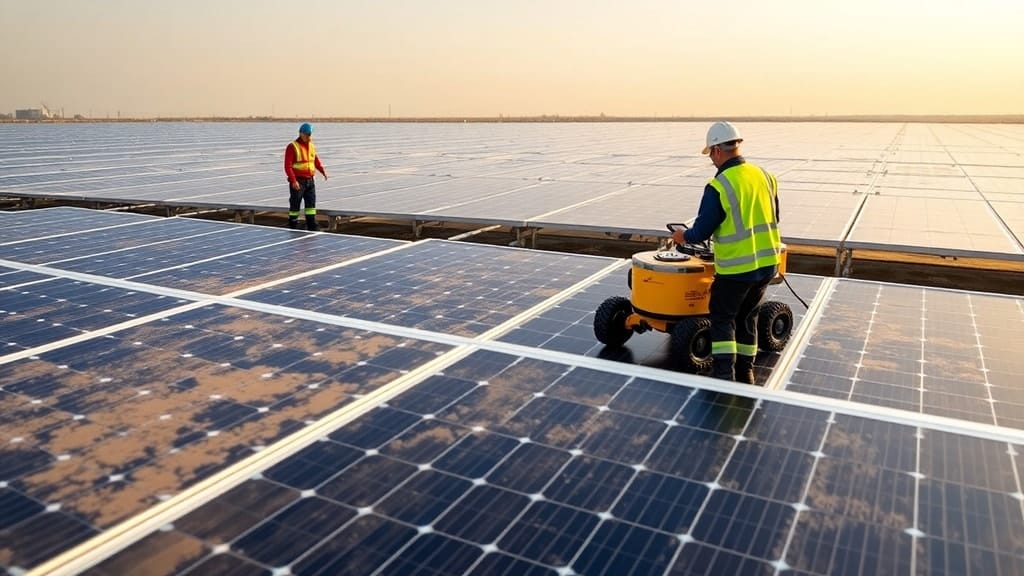
Quick answer: Why module specs dictate your O&M and cleaning strategy
Choosing the right PV panel suppliers at the procurement stage is not just about CAPEX; it is the most critical factor in determining your long-term O&M viability. When you select a module, you are implicitly selecting the constraints for your future cleaning technology, site access protocols, and performance ratio (PR) management. Asset owners who overlook panel dimensions, frame rigidity, and anti-soiling coating compatibility during the shortlist phase often find themselves locked into high-cost manual cleaning or forced to invest in expensive, custom-engineered robotic solutions later in the plant life cycle.
Panel architecture, specifically bifacial versus monofacial and frame design, determines the feasibility and installation efficiency of automated solar panel cleaning systems.
Selecting suppliers with robust, standard frame-to-tracker compatibility can reduce the deployment costs of cleaning robots by up to 20%.
Indian utility-scale sites frequently experience annual soiling losses between 6% and 15%; integrating waterless, automatic solar panel cleaning systems allows for full project ROI within 14 months.
While modules with advanced anti-soiling coatings may technically require fewer cleaning cycles, robotic, waterless mechanical cleaning remains essential for maintaining consistent, high-tier PR in India’s dust-heavy belts.
How does the choice of PV panel suppliers influence long-term O&M costs?
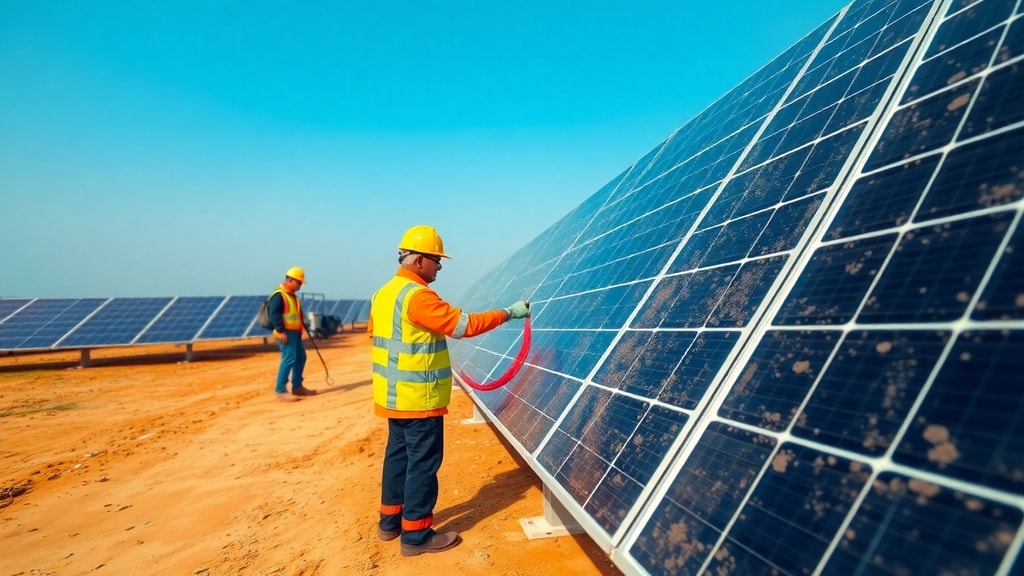
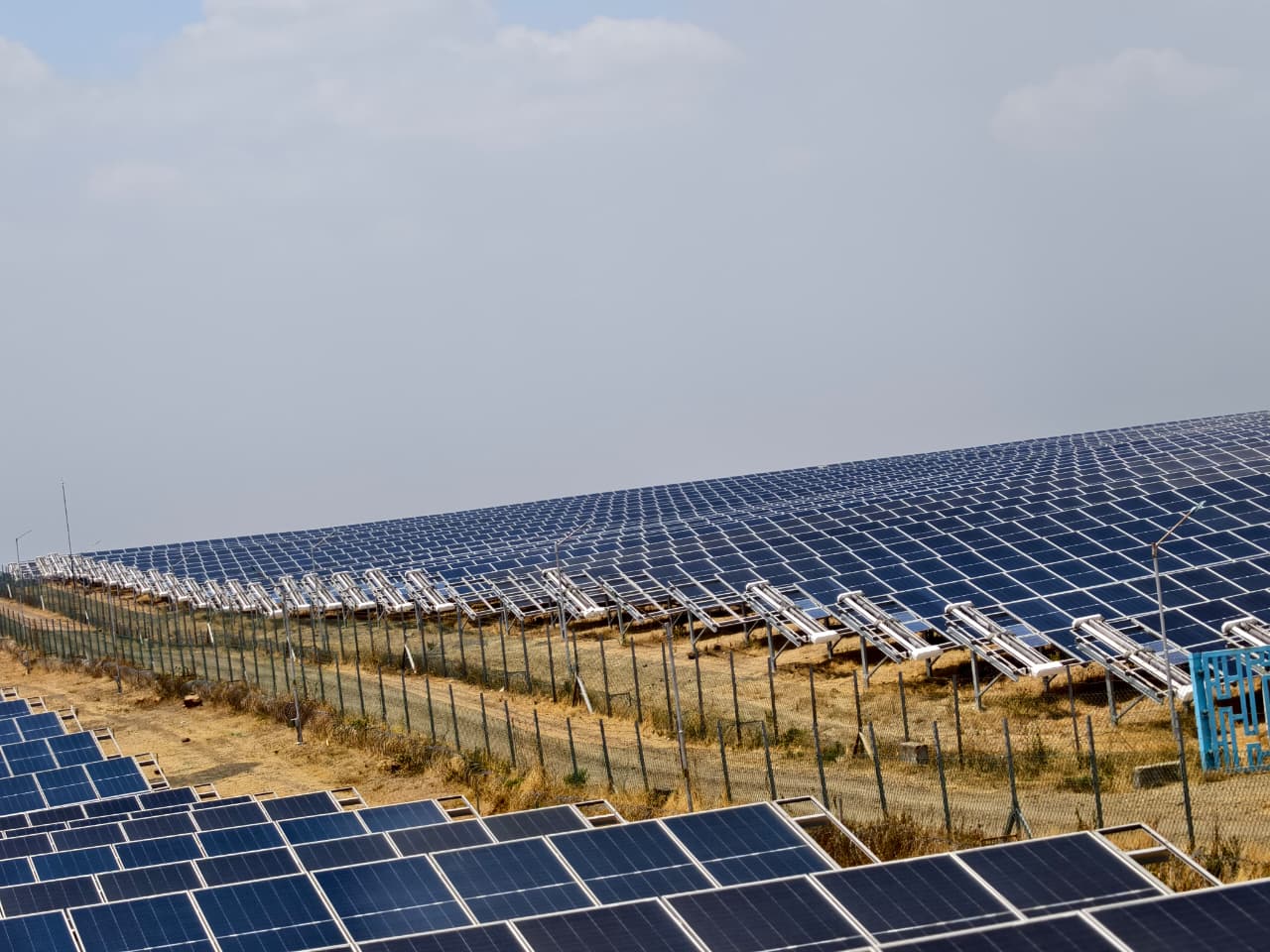
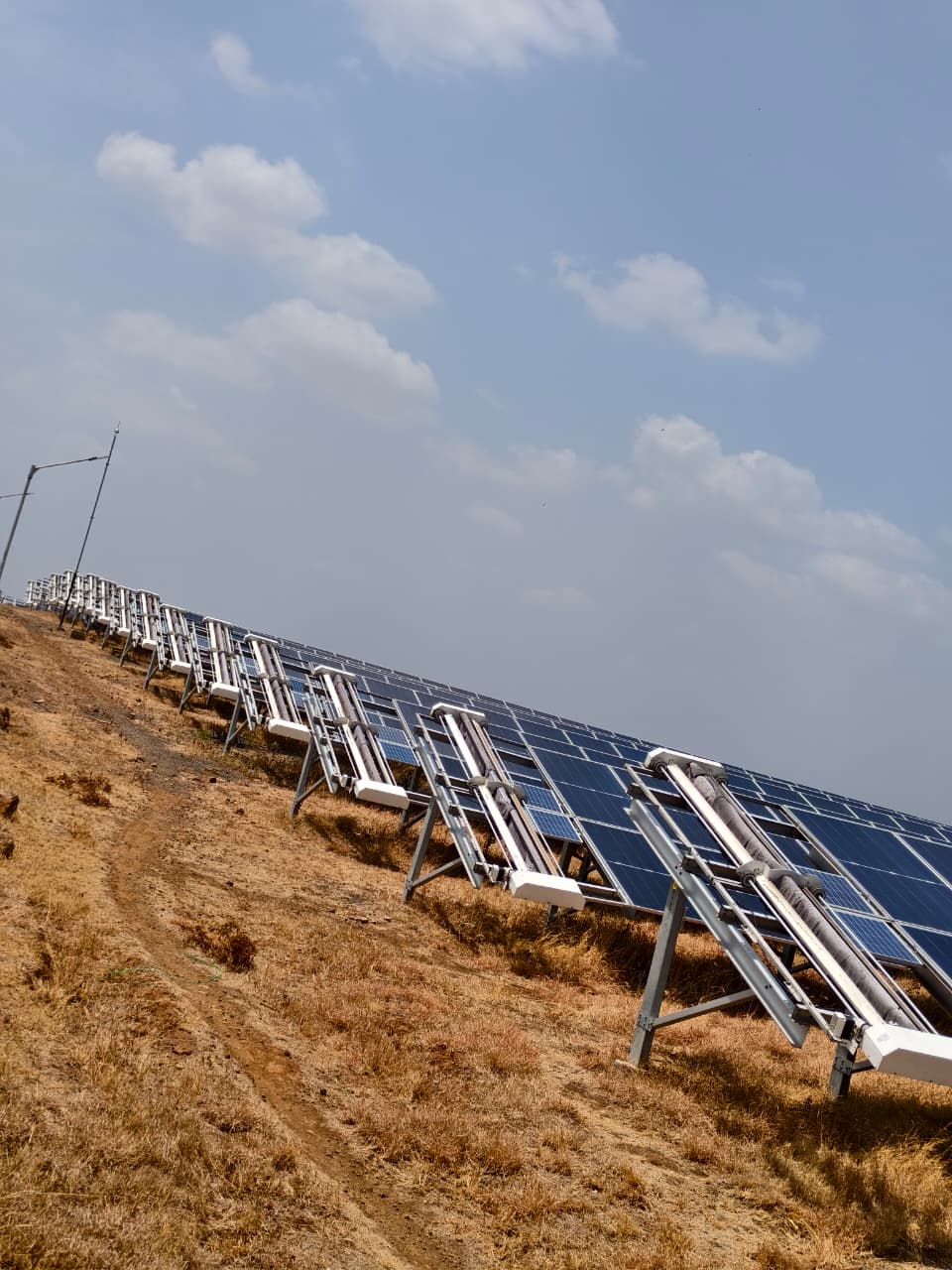
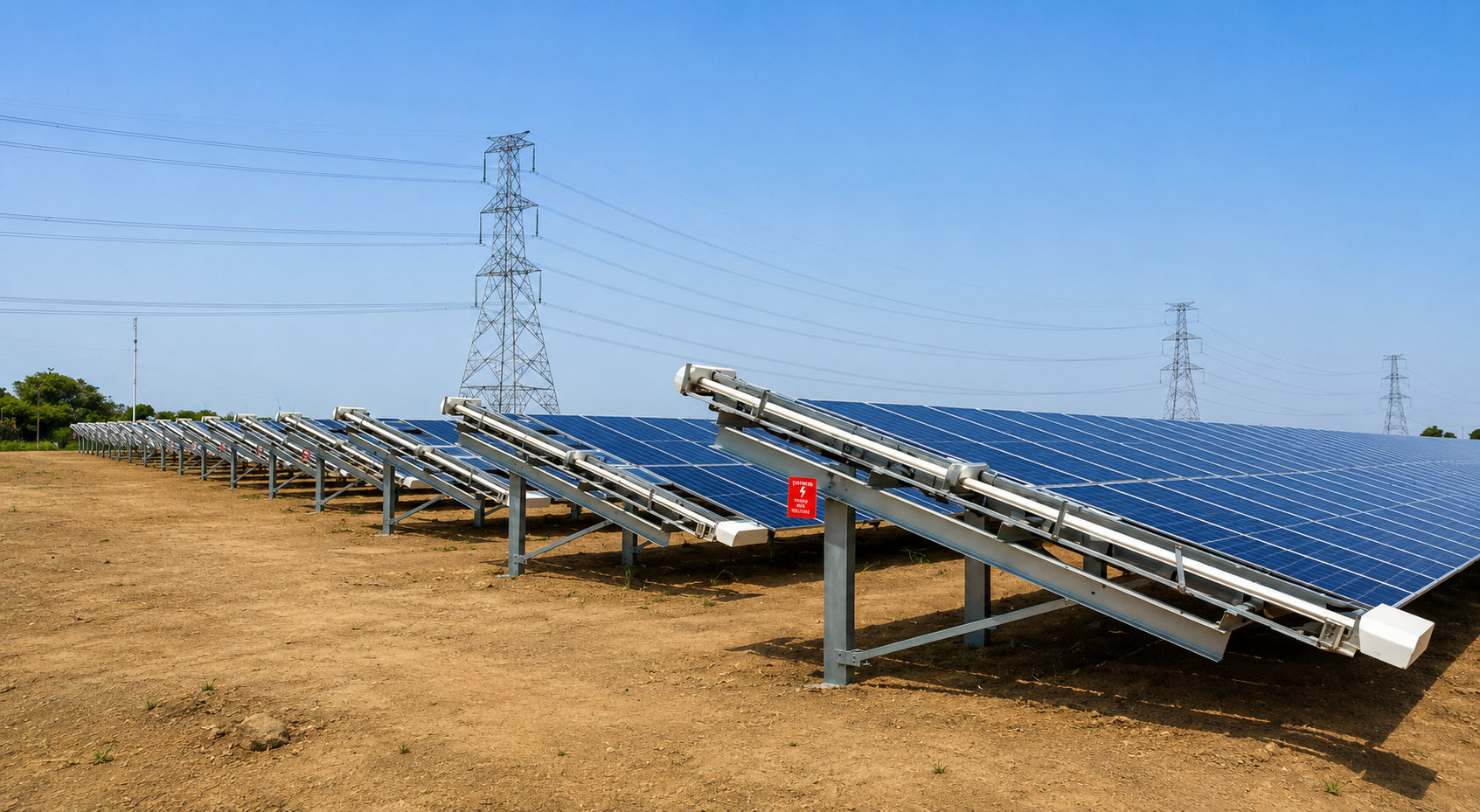
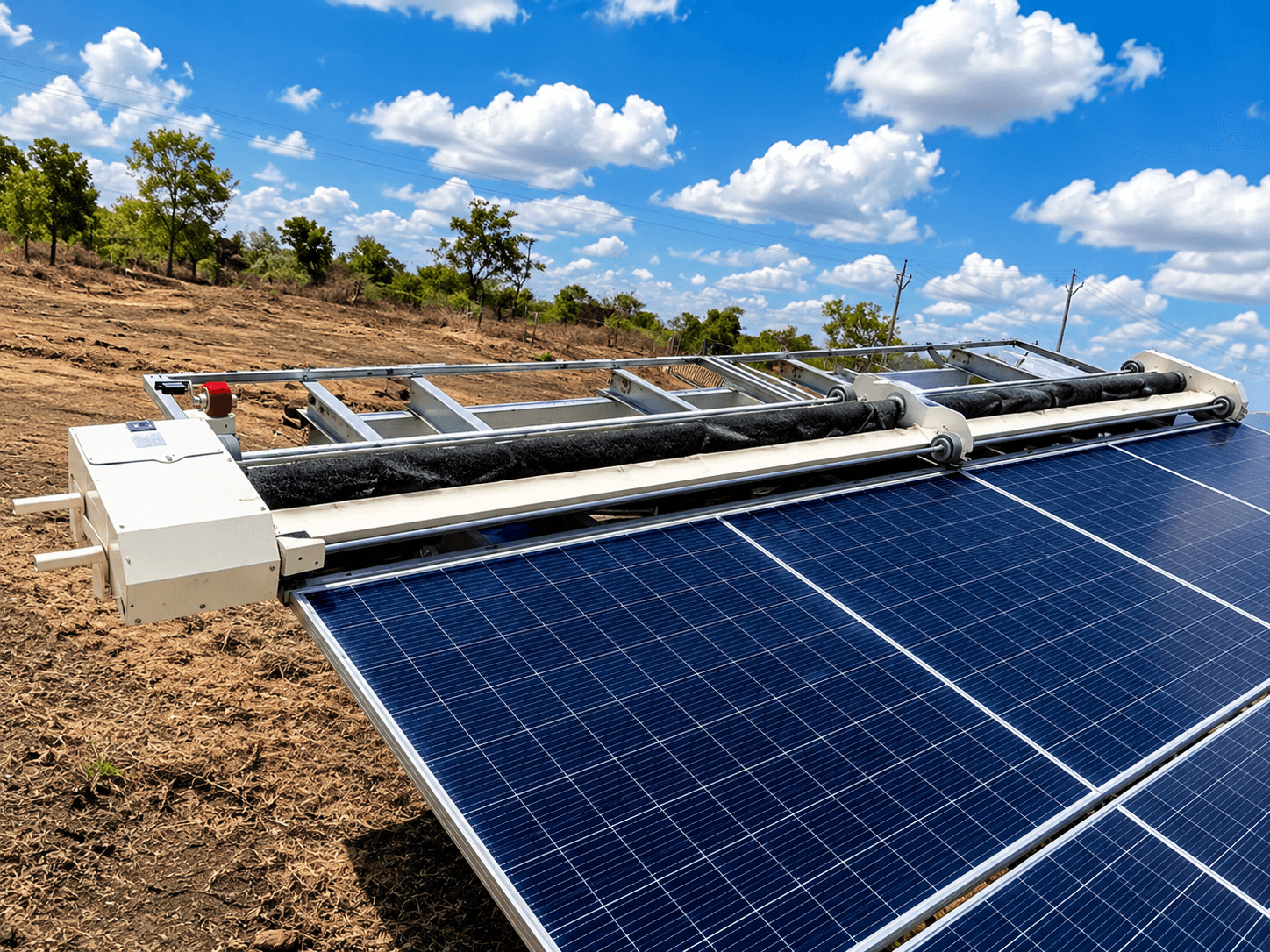
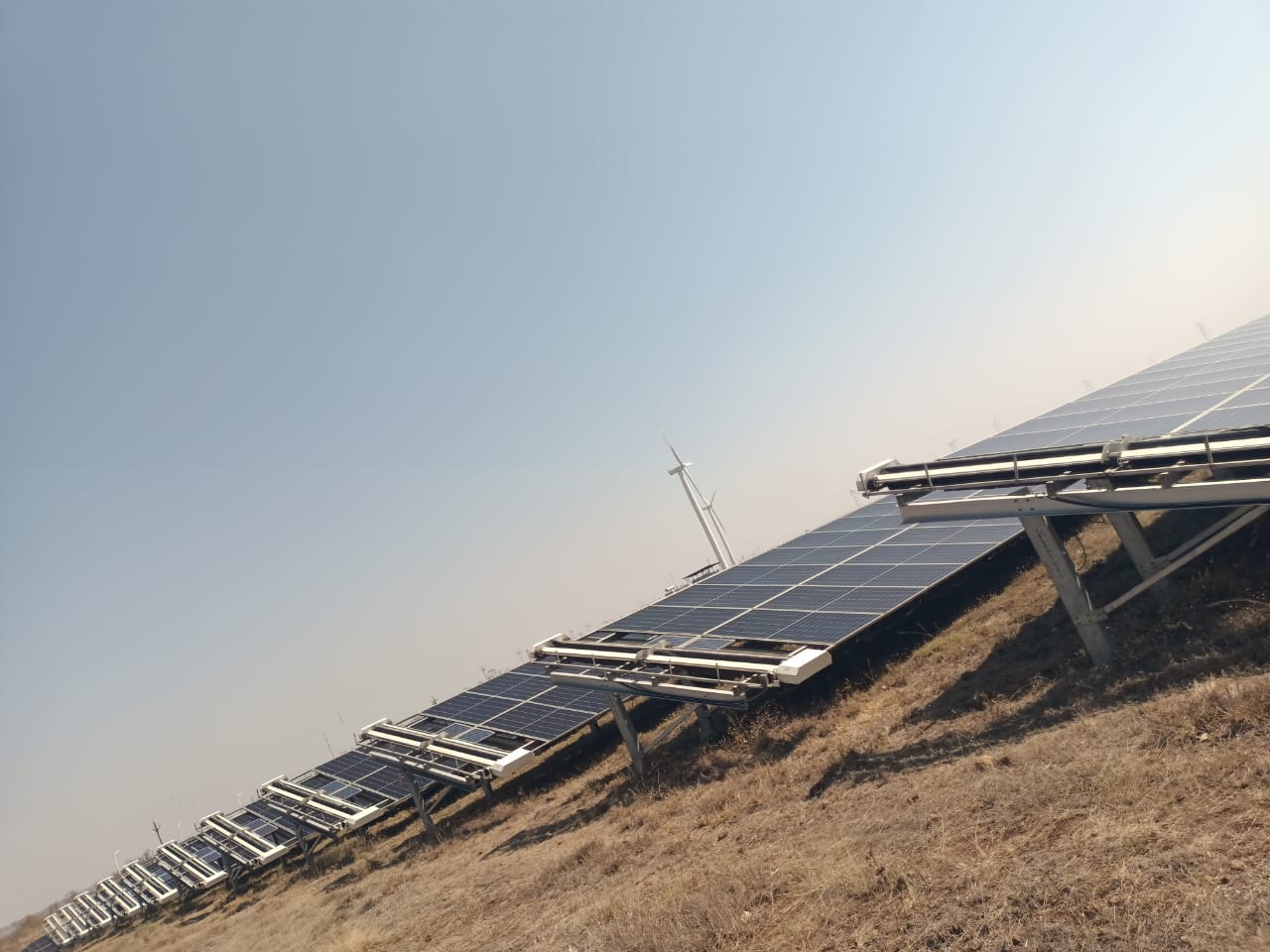
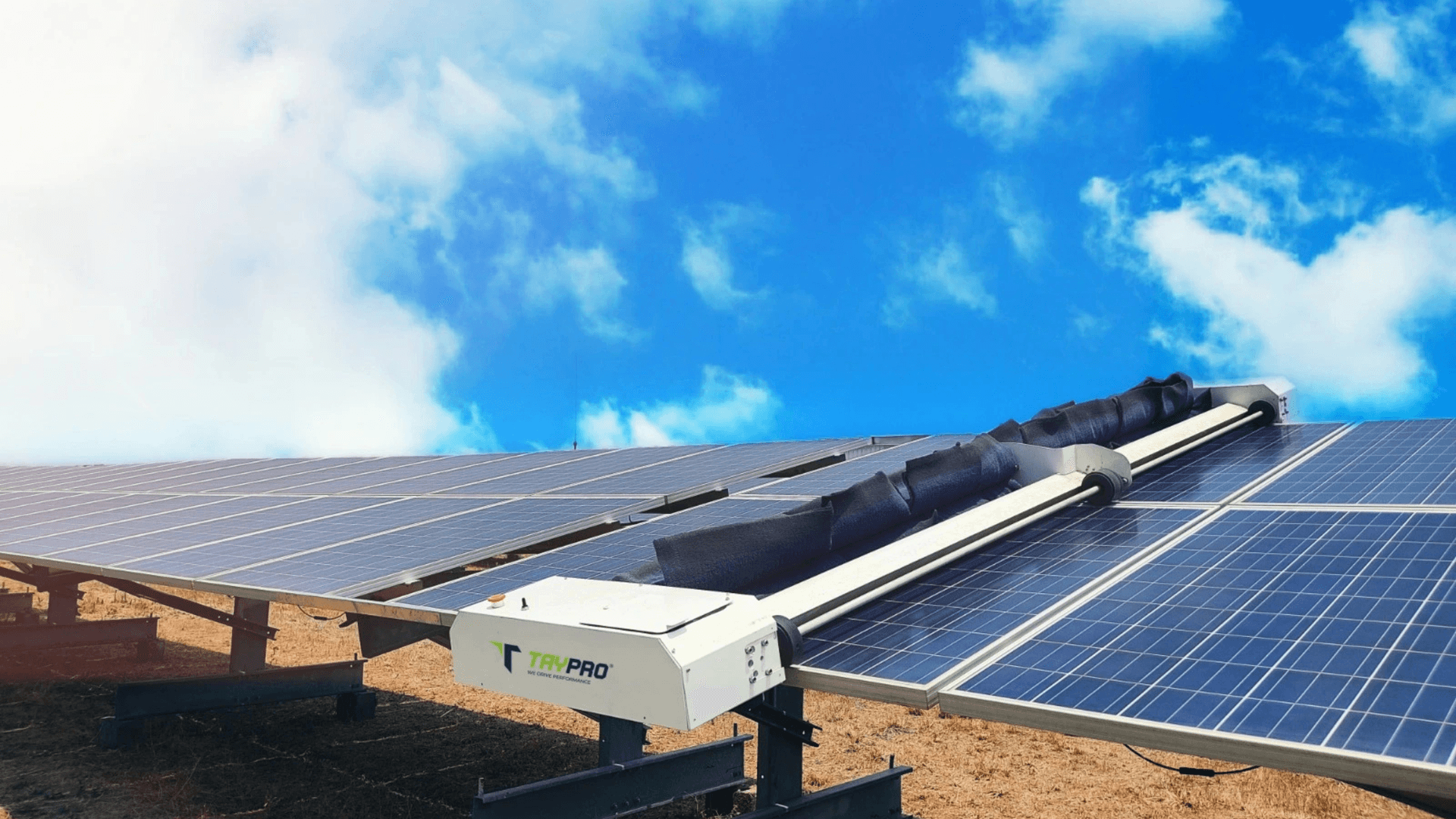
Shortlisting PV Panel Suppliers: Specs That Impact O&M and Cleaning, Product/page preset (default): Taypro Solar Panel Cleaning Robot at a utility-scale solar site in India
The relationship between your chosen panel supplier and your operations team is rarely highlighted during the tender phase, yet it is where most 50MW+ projects either succeed or stagnate. When you review bids from various pv panel suppliers, your O&M lead should be evaluating three specific technical intersections: structural articulation, surface durability, and fleet-wide standardization.
First, the structural design of the frame determines how a robot grips, traverses, and cleans the surface. Some high-efficiency modules use frameless or glass-glass designs that offer aesthetic and durability benefits but can present unique challenges for traditional mounting brackets found on many robotic systems. In contrast, standard aluminum frames allow for easier integration of autonomous cleaning units like our GLYDE or NYUMA lines, which are designed to navigate standard array geometries. If your chosen supplier forces a non-standard frame thickness or mounting gap, you may face compatibility issues that drive up your long-term service costs.
Second, we must consider the surface chemistry. While high-efficiency modules like TOPCon or Monocrystalline PERC are the standard for utility-scale deployment in India, the anti-reflective coatings (ARC) on these modules are susceptible to abrasion if the cleaning method is aggressive. Opting for a supplier with reputable, scratch-resistant glass quality allows you to utilize cleaning technology, such as microfiber-based dual-pass systems, that cleans effectively without degrading the panel’s anti-reflective properties. This is a critical trade-off; saving on initial panel price by choosing lower-quality glass can lead to premature surface degradation, which permanently lowers your module efficiency and nullifies the gains of even the most advanced cleaning robot.
Finally, standardization across the fleet is the enemy of high OPEX. If your project is large enough to source modules from multiple vendors, you risk having varying frame tolerances across the same plant. This fragmentation makes it nearly impossible to implement a uniform robotic cleaning strategy. For plant managers looking to optimize ROI, we recommend working with a limited set of proven suppliers whose modules meet the dimensional requirements of your chosen autonomous fleet. This allows you to leverage the solar panel cleaning robot price calculator to accurately predict your maintenance spend, as you will not be required to maintain disparate cleaning toolsets or custom-adapted robot variants for different blocks of the same plant.
Cleaning Robot | Plant Compatibility | Technology | Best Used For |
|---|---|---|---|
GLYDE | Fixed/Seasonal-Tilt | Dual-Pass (Air + Microfiber) | Maximizing yield in dust-prone, fixed-tilt plants. |
GLYDE-X | Single-Axis Trackers | Dual-Pass (Air + Microfiber) | High-efficiency tracker farms requiring safe, deep cleaning. |
NYUMA | Fixed/Seasonal-Tilt | Single-Pass PBT Brush | Standard utility blocks prioritizing speed and cost-effective maintenance. |
NYUMA-X | Single-Axis Trackers | Single-Pass PBT Brush | Tracker farms looking for reliable, scalable PBT cleaning. |
HELYX | Scattered/Distributed | Single-Pass PBT Brush | Distributed plant layouts where permanent installs are difficult. |
Navigating the ALMM and supply chain: Impact on plant uptime
The Approved List of Models and Manufacturers (ALMM) mandate significantly alters how asset owners approach supplier shortlisting. For utility-scale projects commissioned after June 1, 2026, domestic content requirements dictate a shift toward Indian manufacturing. While this provides a more stable local supply chain, it creates a new operational reality: you must now verify that your domestic module partners are designing for O&M accessibility, not just short-term performance ratios.
When selecting from the list of top solar module manufacturers in India, technical procurement teams often overlook the integration of automated cleaning hardware. A module supplier might offer a high-efficiency TOPCon panel that is physically incompatible with the clamping mechanisms of your preferred automatic solar panel cleaning system. If your chosen vendor alters frame dimensions or terminal box placements to accommodate rapid manufacturing scaling, your site could face months of downtime while cleaning robots are retrofitted or re-calibrated. For a 50 MW site, a 1% drop in performance due to delayed cleaning cycles caused by supply chain fragmentation can equate to significant revenue loss annually.
To mitigate these risks, procurement strategies must bridge the gap between initial CAPEX and long-term O&M. Before signing a supply agreement, request a technical compatibility audit from your chosen robot supplier. At Taypro, we ensure our NYUMA and GLYDE-X systems are tested against the specific frame geometries of major domestic manufacturers to prevent mid-project surprises. By prioritizing suppliers who provide consistent, standardized form factors across their production runs, you ensure that your solar panel cleaning robot price calculator estimates remain accurate, avoiding the hidden costs of custom engineering during the commissioning phase.
Technical specs that dictate cleaning compatibility
The physical profile of a solar module is the primary variable that determines whether your plant can achieve autonomous, waterless cleaning at scale. When evaluating top solar manufacturers, focus on three specific technical specs that directly impact your ability to maintain a high Performance Ratio (PR): frame thickness, junction box protrusion, and glass-to-frame spacing.
Standardization is the bedrock of low-OPEX operations. Modules with non-uniform frame profiles or exposed, bulky junction boxes on the underside create obstacles that trigger error codes in navigation sensors. This effectively halts the autonomous cycle and forces manual intervention, which is exactly the scenario that automated cleaning technology is designed to prevent. For plants utilizing horizontal single-axis trackers, these physical specs become even more critical. Because tracker robots like the NYUMA-X must maintain continuous contact while traversing a moving table, any deviation in module height or frame edge finish can lead to micro-cracking or robot derailing.
Furthermore, the material composition of the glass surface, specifically the presence and durability of anti-reflective coatings (ARC), must be vetted against your cleaning method. Aggressive PBT brushes used in HELYX systems are designed for durability, but they require a consistent glass hardness to ensure they do not abrade the delicate surface chemistry over thousands of cleaning cycles. When you align your module procurement with a proven cleaning strategy, you create a sustainable maintenance ecosystem. Below is a summary of how specific module types interact with robotic cleaning hardware:
Module Feature | Impact on Robotic Cleaning | Taypro Compatibility Strategy |
|---|---|---|
Frame Thickness | Affects robot grip and stability on tilted arrays. | Adjustable clamping systems across all GLYDE and NYUMA units. |
Glass Hardness/ARC | Determines brush material and rotation frequency. | Dual-pass microfiber (GLYDE) for fragile coatings; PBT for standard glass. |
Junction Box Position | Defines clearance for robotic traversal bridges. | 360° bridge articulation in GLYDE-X and NYUMA-X. |
Tracker Geometry | Influences sensor navigation and battery load. | AI-powered NECTYR path planning for variable tracker angles. |
By treating cleaning compatibility as a fundamental component of the procurement checklist, asset owners can ensure that their solar panel cleaning service remains efficient, scalable, and fully autonomous, regardless of the fluctuating module supply chain landscape in India.
Comparison of cleaning approaches for utility-scale solar
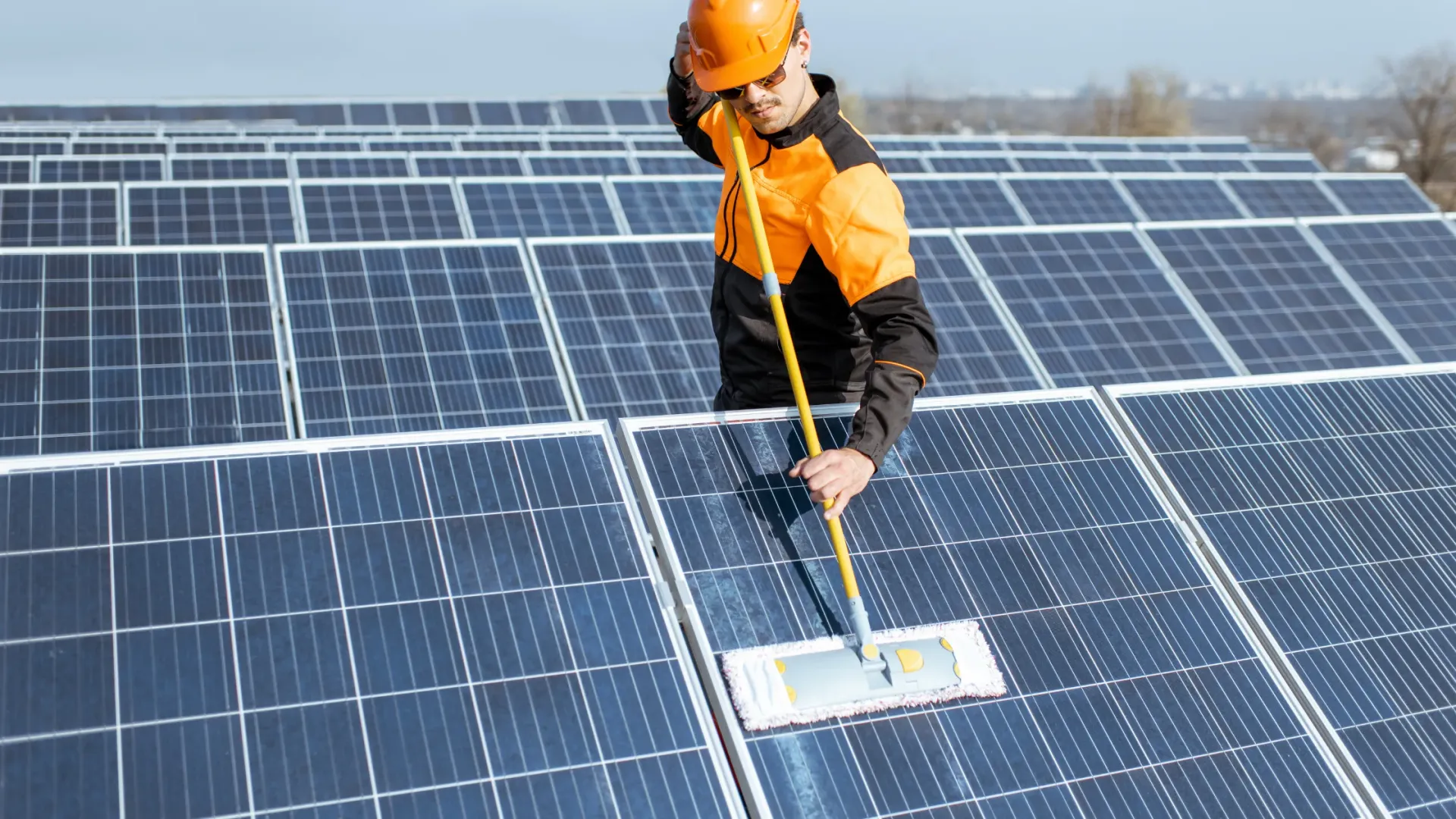
Selecting the right cleaning method is a strategic decision that extends far beyond the initial procurement of PV modules. Asset owners in India must weigh the long-term impact on Performance Ratio (PR) against labor availability, water scarcity, and the technical constraints of their chosen module supplier. While manual labor remains the legacy baseline, the shift toward autonomous robotics is accelerating as plants exceed 50 MW in capacity, where the cumulative impact of soiling on revenue becomes too significant to ignore.
Cleaning Method | Infrastructure Requirements | CAPEX/OPEX Profile | India-Scale Suitability |
|---|---|---|---|
Manual Brush | High labor headcount; Water access. | Low initial; High variable OPEX. | Declining; prone to human error. |
Semi-Auto (HELYX) | Pick-and-place deployment. | Medium CAPEX; Optimized OPEX. | Ideal for scattered/distributed blocks. |
Autonomous (NYUMA) | Fixed-tilt arrays; Docking ports. | High CAPEX; Low, predictable OPEX. | Standard for large fixed-tilt plants. |
Autonomous (GLYDE-X) | Single-axis tracker rows. | High CAPEX; Long-term ROI. | Best-in-class for high-density trackers. |
As indicated by industry data, annual soiling losses in India range from 6% to 15% depending on the region. When you rely on manual cleaning, the variance in cycle quality, often caused by inconsistent pressure or water usage, results in localized hotspots and micro-cracking. In contrast, Taypro’s automated solutions, such as the NYUMA or the tracker-optimized GLYDE-X, ensure a uniform cleaning pressure. By standardizing your maintenance through cleaning technology, you align your cleaning cycles with the specific degradation profiles of your chosen module technology, protecting your warranty while maximizing energy yield.
How often should cleaning cycles be triggered for high-efficiency modules?
The optimal cleaning frequency is determined by the interaction between your specific site's environmental soiling rate and the performance threshold established by your plant's SCADA system. For high-efficiency modules like TOPCon or Monocrystalline PERC, dust accumulation acts as a significant thermal insulator, which not only blocks irradiance but also causes the modules to operate at higher temperatures, further reducing their conversion efficiency. In arid Indian environments, a bi-weekly or monthly cycle is often insufficient, whereas high-frequency autonomous cycles can be triggered daily or on-demand without the cost penalties of human labor.
To determine your frequency, we recommend integrating your fleet diagnostics with NECTYR. This allows for predictive scheduling based on real-time dust storm warnings and actual PR drops rather than arbitrary calendar-based maintenance. When you use an automated system, you are not limited by the cost of labor; you can clean more frequently to maintain a near-perfect PR. For utility-scale operators, this means moving from a reactive model, where you clean only after performance has visibly dipped, to an autonomous model that preserves peak output throughout the entire operating life of the plant. Assets using our automatic solar panel cleaning system have consistently reported that maintaining a high cleaning frequency pays for itself in additional GWh recovered over the plant's operational window.
Key takeaways for asset owners
Prioritize panel frames and glass hardness during the procurement phase to ensure compatibility with autonomous robotics.
Standardize your site layout to enable 360-degree robotic traversal, reducing the need for manual rescue of stuck units.
Move away from manual cleaning labor for any plant over 10 MW to eliminate human-induced panel damage and reduce water dependency by up to 70%.
Use AI-driven monitoring like NECTYR to transition from fixed schedules to performance-based, on-demand cleaning.
Calculate your break-even point using a solar panel cleaning robot price calculator to shift from CAPEX-only thinking to a long-term TCO-focused O&M strategy.
Summary for plant managers: Balancing supplier specs and O&M
Prioritize panel frames and glass durability: Ensure your module supplier provides hardware compatible with standardized robotic traversal to prevent micro-cracking and frame fatigue.
Match robot technology to plant geometry: Use automatic solar panel cleaning systems like GLYDE-X for tracker-mounted modules, while reserving simpler PBT-based NYUMA units for fixed-tilt configurations.
Data-driven O&M: Integrate NECTYR to automate cleaning triggers based on real-time PR performance, shifting your operational model from calendar-based maintenance to dynamic, on-demand cycles.
TCO vs. CAPEX: When evaluating pv panel suppliers, shift your procurement focus from the lowest module price to the total lifecycle cost; a slightly higher-spec module that resists dust adhesion or structural stress often yields higher net GWh over 25 years.
Frequently asked questions
Choosing the right PV panel suppliers at the procurement stage is not just about CAPEX; it is the most critical factor in determining your long-term O&M viability. When you select a module, you are implicitly selecting the constraints for your future cleaning technology, site access protocols, and performance ratio (PR) management.
Robotic cleaning systems require specific frame rigidity and dimensions to properly grip and traverse the solar array. Standardized frames are essential for seamless integration. Selecting suppliers that offer high frame-to-tracker compatibility can reduce the deployment costs of cleaning robots by up to 20 percent. Frameless or glass-glass designs may require specialized mounting hardware, which can complicate the installation of automated systems.
In India's dust-heavy belts, soiling losses typically range from 6% to 15% annually. While some modules include advanced anti-soiling coatings that may slightly reduce the need for cleaning, mechanical robotic cleaning remains necessary for both bifacial and monofacial modules to maintain a consistent performance ratio. Waterless robotic systems are the recommended standard to ensure optimal output regardless of the panel technology type.
Choosing a quality manufacturer impacts long-term viability by ensuring surface durability and structural integrity. Proper selection prevents accelerated degradation caused by improper cleaning methods or environmental factors. Integrating waterless, automatic cleaning systems onto these vetted modules allows for a full project ROI within 14 months, securing the plant's performance metrics and protecting the long-term value of the underlying asset.