Taypro is a field-executed intelligence platform, not a hardware vendor with calendar software. We engineer autonomous and semi-automatic solar panel cleaning robots that generate labelled telemetry on every row, operated through NECTYR and refined by self-learning AI that improves with each of 11 billion+ annual panel passes. Over 5 GW of solar assets are cleaned daily across India's most demanding environments, throughput that compounds into a field data advantage no smaller fleet can replicate.
5 GW+
Solar assets cleaned daily
11B+
Panels cleaned annually
150+
Plant installations
5 GW+
Robot capacity deployed
Architecture
The Taypro cleaning technology stack
Four integrated layers, field hardware, fleet operations, self-learning intelligence, and compounding field data, designed so performance ratio gains are repeatable at utility scale.
Patented dual-pass field hardware
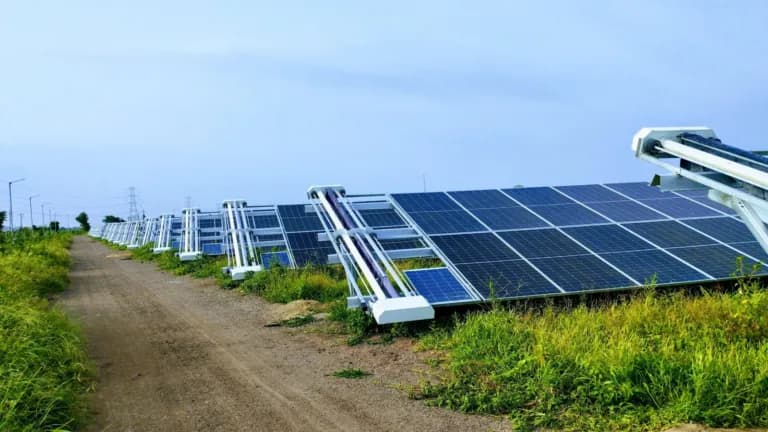
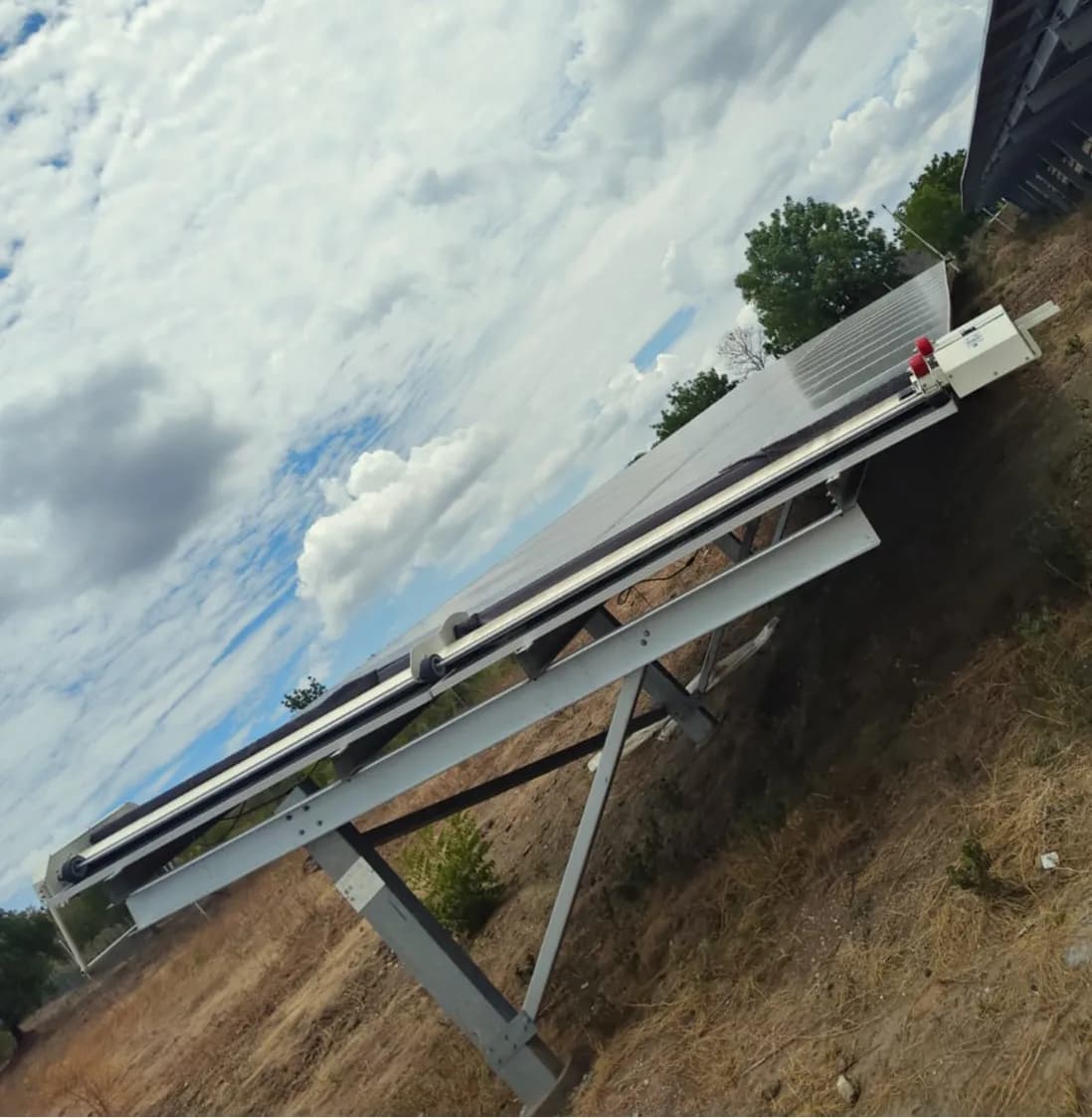
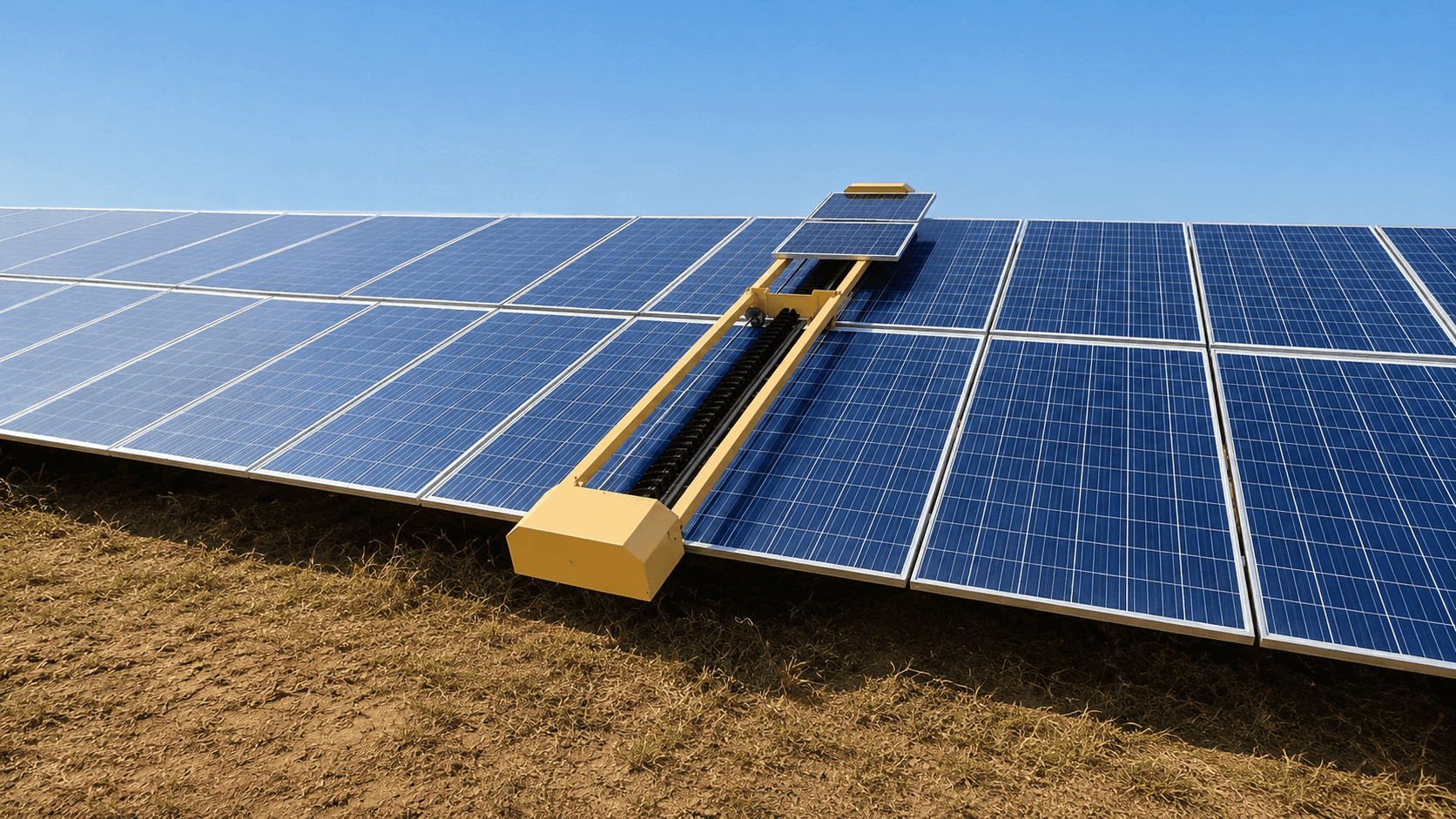
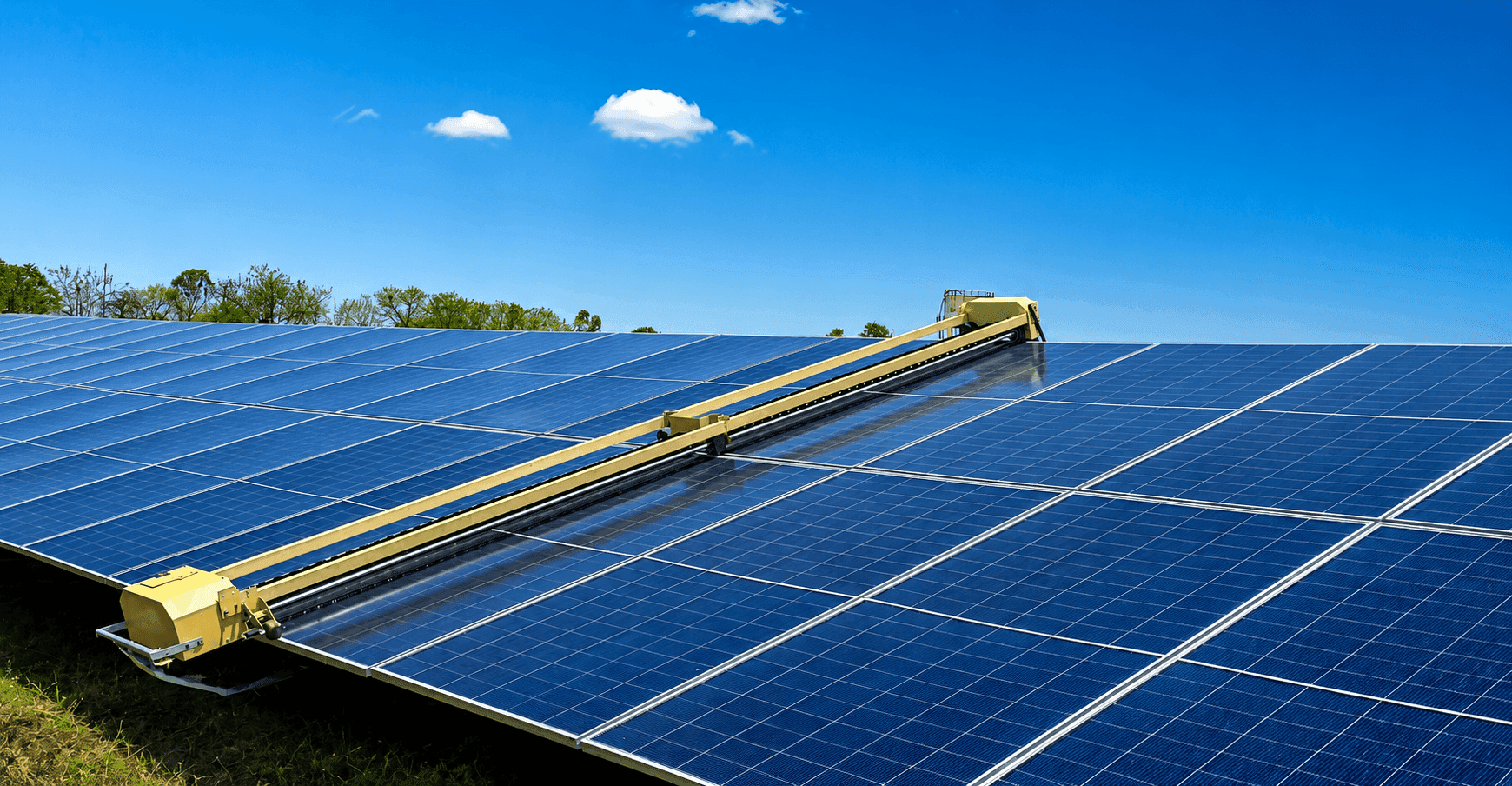
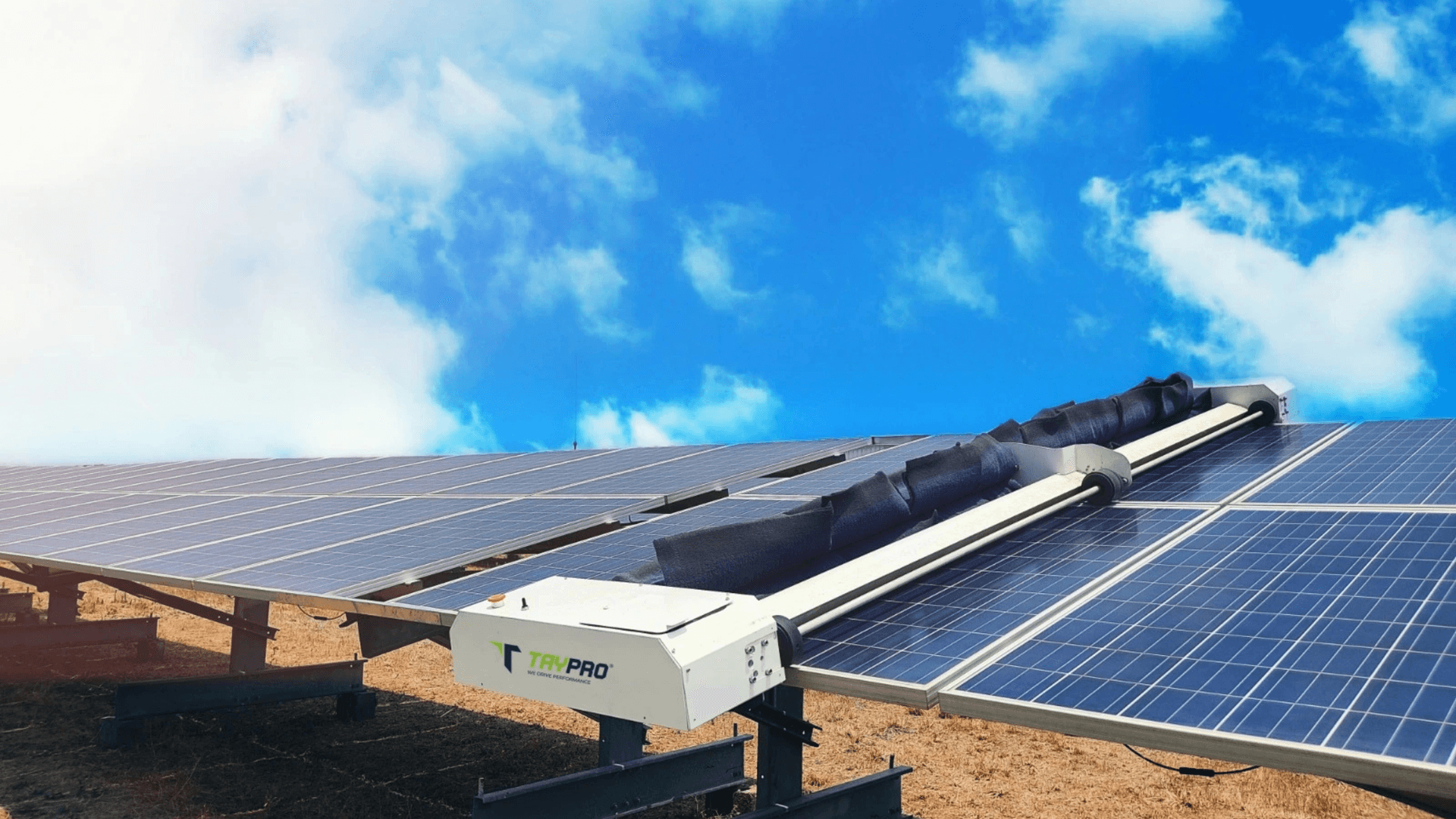
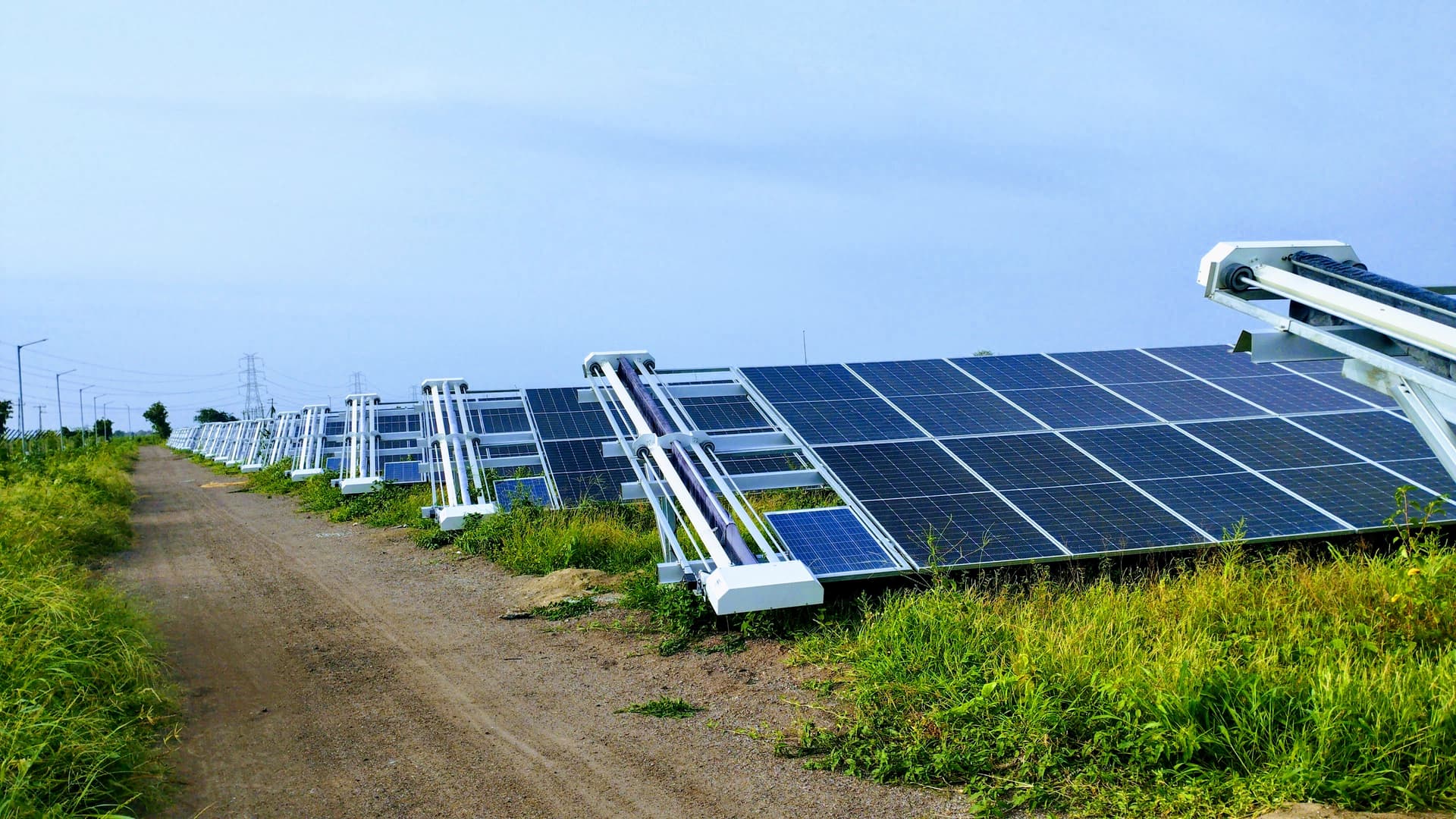
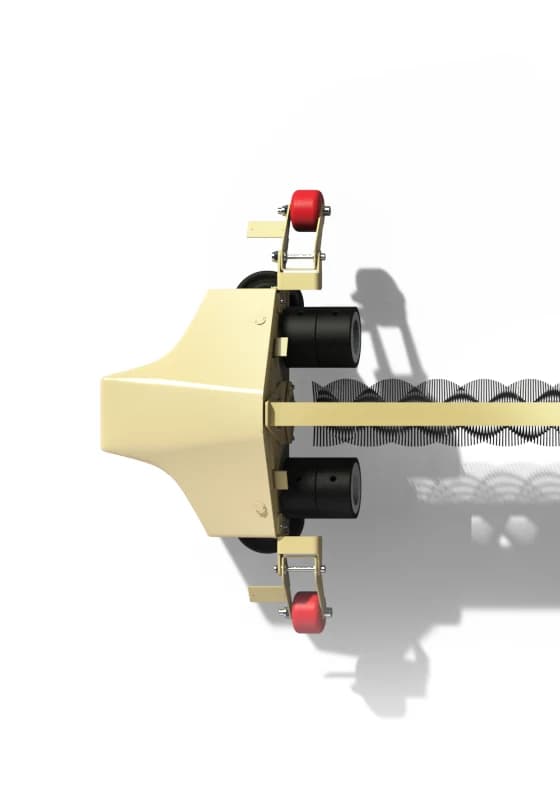
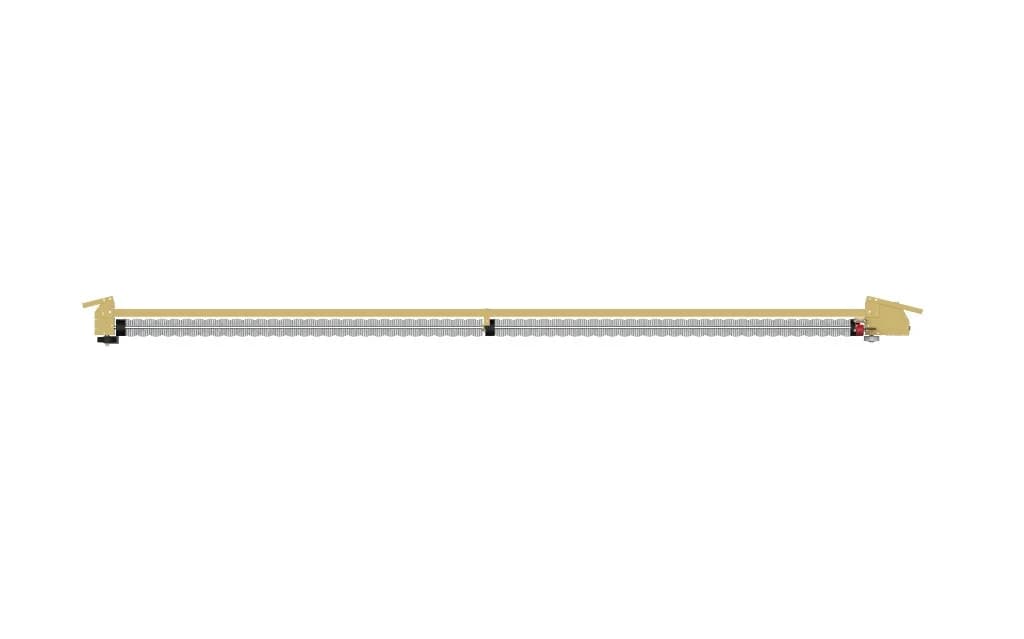
Autonomous GLYDE, GLYDE-X, and semi-automatic HELYX execute waterless cleaning without grid power, water logistics, or crew placement per row. All automatic platforms are fully self-powered via on-board solar charging. Tracker platforms carry a patented 360° articulating flexible bridge; fixed-tilt platforms use continuous self-alignment on undulated terrain.
NECTYR fleet operations layer
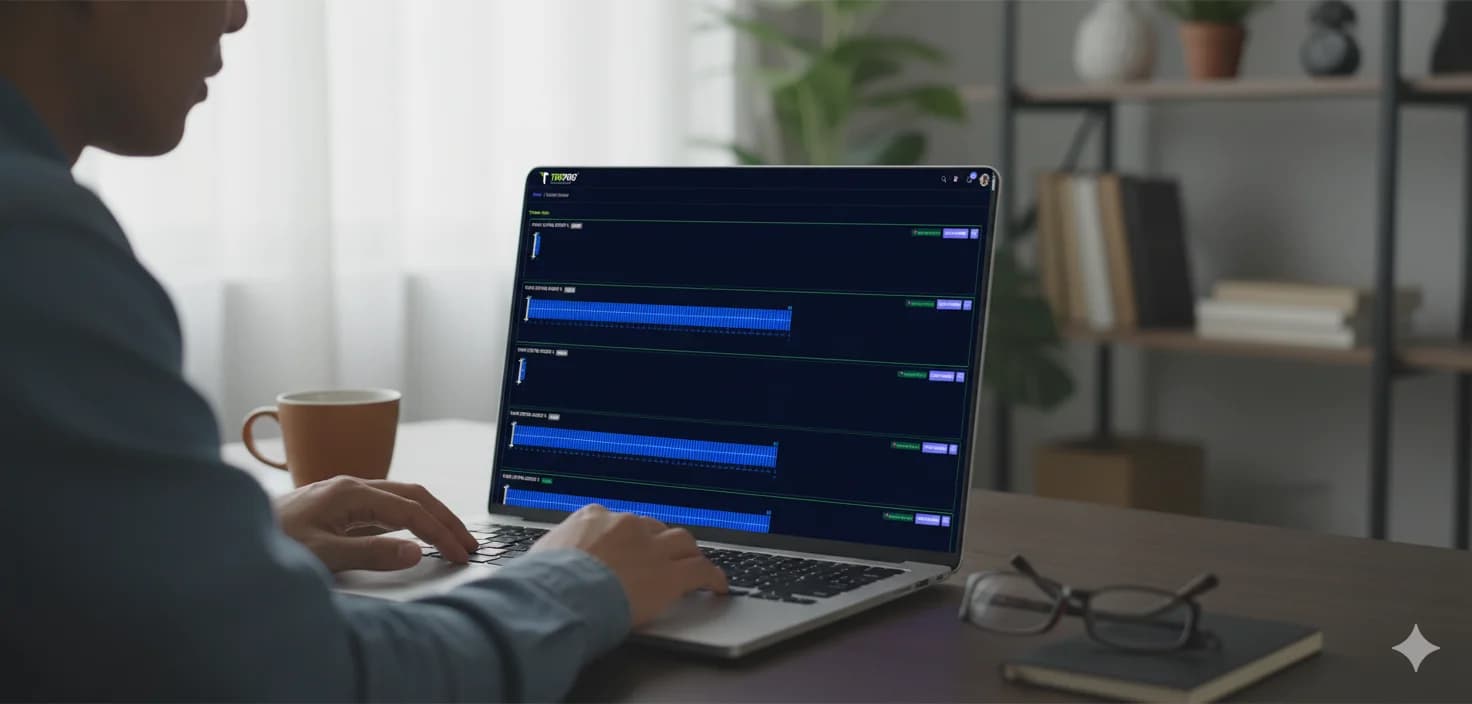
Scheduling, live robot visualisation on plant layout, block-level audit trails, AMC ticketing, and autonomous cycle initiation based on fleet rules and AI recommendations, not spreadsheet calendars. Operators see where each robot is, what progress it has made, and why it stopped before trucks roll.
Self-learning fleet AI
Models improve with every cleaning cycle across 5 GW+ of daily operational throughput. Soiling prediction, battery-aware routing in cloudy conditions, ML panel-array mapping, 95%-accurate weather rescheduling, and wet-element detection compound with fleet scale. Plants commissioned today inherit intelligence from years of prior field operations.
Predictive health intelligence
Motor current, battery charge/discharge curves, brush torque, and sensor signal patterns build a health profile per robot. Deviation signatures that precede bearing wear, brush saturation, or controller degradation are flagged in NECTYR before downtime, hardware predictive maintenance, not just cleaning schedule optimisation.
Operational scale
5 GW+ of solar assets cleaned every day
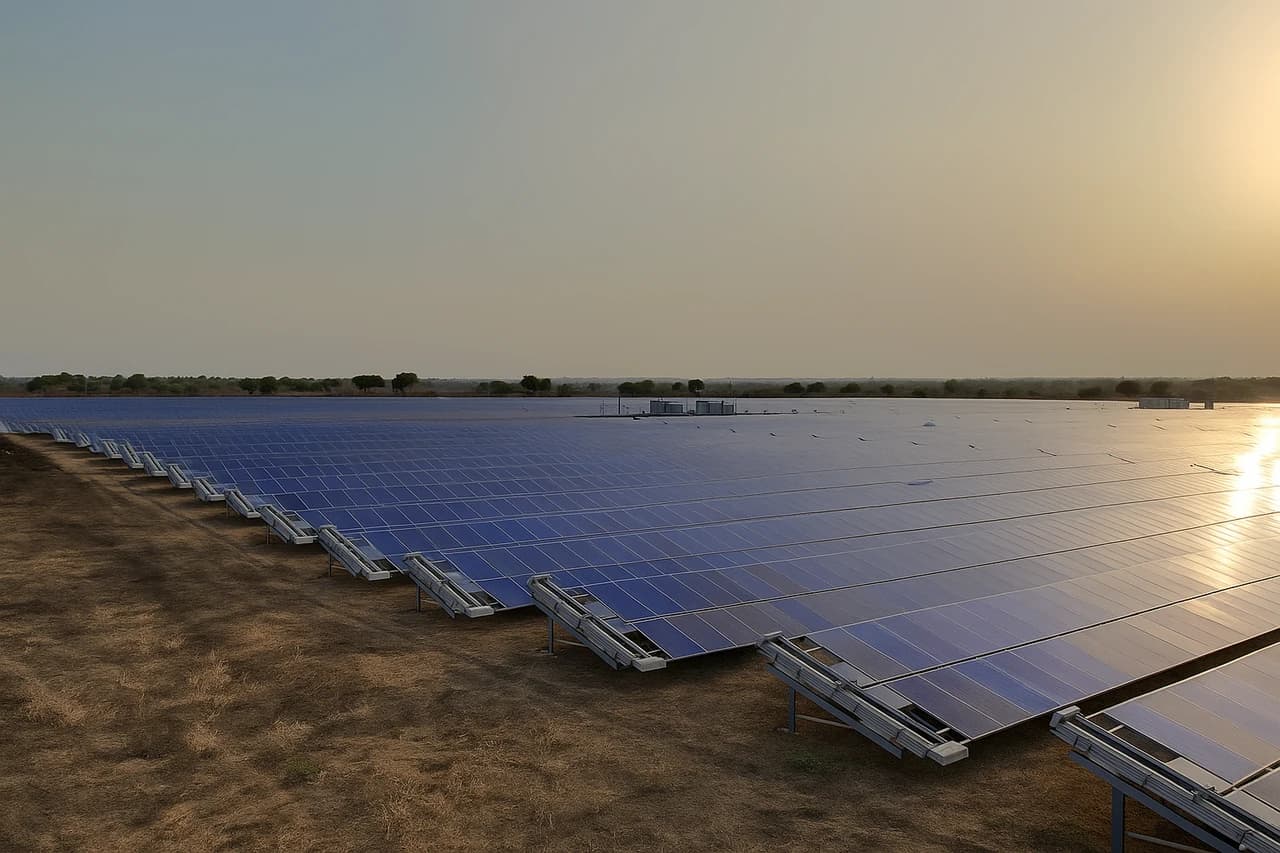
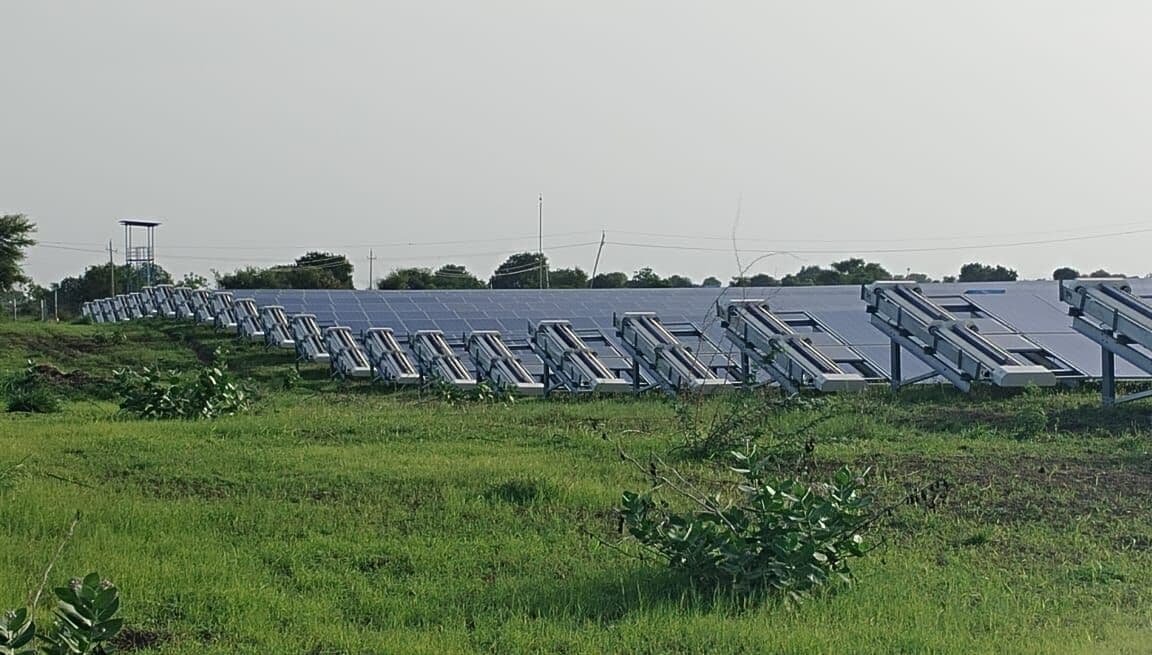
Taypro cleans more than 5 GW of solar assets every day, among the largest active daily robotic cleaning throughput in the global utility O&M industry. This is live, recurring cleaning execution across 150+ plants in deserts, agricultural belts, and coastal zones, not installed nameplate capacity alone. Every daily cycle generates structured soiling, weather, battery, and fault data that trains fleet AI continuously. The technology advantage compounds with each cleaning season.
5 GW+
Solar assets cleaned daily
11B+
Panels cleaned annually
150+
Live plant installations
5 GW+
Robot capacity deployed
Compounding advantage
A field data advantage that compounds with every clean
Every executed dual-pass cycle across 5 GW+ daily throughput produces field labels tied to cleaning quality, soiling response, row topology, weather windows, and hardware stress signatures. That execution data feeds the fleet models NECTYR runs, but this page focuses on the cleaning mechanism and robot platforms that generate it. The software intelligence story lives on the AI intelligence layer page.
Platform overview
What powers Taypro cleaning robots
Hardware, self-learning software, and resilient connectivity designed as one system, so O&M outcomes are repeatable, not dependent on crew availability, tanker schedules, or manual calendar edits.
Patented dual-pass dry cleaning
Non-contact airflow lifts dry dust first; ultra-soft microfiber completes the wipe. Separating lift from contact delivers higher cleaning quality with lower abrasive wear than single-pass air-assist or brush-first systems.
Self-learning fleet AI
Models trained on 11 billion+ annual panel passes refine soiling prediction, battery routing, and weather timing with each cycle. NECTYR autonomously initiates, postpones, or accelerates cleans without operator intervention.
NECTYR fleet intelligence
Live robot tracking on plant layout, root-cause fault classification, autonomous scheduling, and telemetry over LTE, Wi-Fi, hybrid self-healing RF mesh, LoRa, and LoRaWAN, scheduling, health profiles, and audit-ready reporting in one dashboard.
Built for harsh field duty
360° tracker bridges, self-alignment on undulated rows, wet-element detection, 26 kg tracker / 38 kg fixed-tilt platforms, and advance fault detection for utility blocks from desert dust to coastal humidity.
Intelligent automation
AI that learns with every clean, and initiates without manual scheduling
Field robots apply fleet models on every row, battery-aware routing, weather-gated execution, and wet-element protection during the physical dual-pass sequence. This section covers how cleaning hardware uses AI during nightly cycles across 5 GW+ daily throughput.
For NECTYR portal workflows, labelled telemetry types, the data flywheel, and investor-level fleet intelligence, see the AI intelligence layer.
Fleet-learning model
Each cycle adds labelled data: soiling rate by block, season, and geography; post-clean performance response; weather correlation; battery consumption per row topology. Models trained on the live fleet are applied to newly commissioned plants on day one, new sites inherit intelligence accumulated across years of prior operations.
Battery optimisation in cloudy conditions
When irradiance is low and battery recharge is limited, the algorithm does not blindly attempt a full-array pass. It calculates cleanable capacity from available charge, prioritises highest-soiling blocks first, and sequences partial cycles that maximise generation recovery per watt-hour, rather than leaving half the array attempted and half untouched.
ML panel-array mapping → ~2× coverage per charge
On first deployment, computer vision and traversal telemetry map row geometry: panel dimensions, gaps, row lengths, undulations, and end conditions. This persistent site model drives route optimisation so the same battery pack covers approximately twice the array length versus unmapped greedy traversal, enabling lighter robots without sacrificing daily coverage.
95% weather-scheduling accuracy
NECTYR ingests windspeed, rain probability, humidity, airborne pollen levels, and local environmental data, not binary rain sensors alone. Cleaning cycles are rescheduled to optimal windows with 95% accuracy, reducing wasted runs after ineffective conditions and avoiding cleans that would smear wet dust on modules.
Wet microfiber / wet-element detection
Sensors detect whether the cleaning element has absorbed moisture from dew, overnight humidity, or residual rain. The cycle is automatically postponed, a wet element dragged across dry dust smears particulates and risks glass micro-abrasion, with no operator call required.
Autonomous cycle initiation
NECTYR and fleet AI together trigger cleaning when conditions, soiling risk, and robot health align, independent of manual schedule edits. After dust events, models tighten cadence; after effective rain or wet-element detection, cycles stand down to conserve charge and protect module surfaces.
NECTYR is the operations layer between field robots and asset owners, real-time visibility, autonomous scheduling, root-cause diagnostics, and per-robot health profiles in one platform.
Live cleaning visualisation with root-cause fault location
NECTYR overlays real-time robot position on the plant layout map. Operators see which row is being cleaned, progress percentage, and fleet state at any moment, not a last-seen timestamp from hours ago. When a robot stops, NECTYR identifies where it stopped and the probable cause: misaligned panel edge, physical obstacle, motor fault, brush saturation, battery threshold, or communication drop. Field teams dispatch with the right spares instead of exploratory truck rolls.
Per-robot health profiles and advance fault detection
NECTYR builds a health profile for each robot from motor current draw, battery charge and discharge curves, brush rotation torque, and sensor signal patterns across the fleet. Deviation signatures that precede bearing wear, controller degradation, or brush end-of-life are flagged before the fault becomes a breakdown. This is hardware predictive maintenance informed by fleet-wide pattern recognition, not faster reactive maintenance alone.
Autonomous cleaning initiation and fleet orchestration
Cleaning cycles are initiated, paused, and accelerated by fleet AI based on weather models, soiling forecasts, battery state, and robot health, without requiring operators to manually rewrite schedules after every dust storm or rain event. Block-level audit trails document every decision for O&M review and asset-owner reporting.
Single-axis tracker cleaning without fixed cross-table infrastructure
Tracker tables are never perfectly aligned. Wind loading, foundation settling, and installation tolerances mean adjacent tables can be offset horizontally and vertically. Conventional cross-tracker approaches often require dedicated fixed bridges installed at planned intervals, civil work, added cost, and inflexible geometry.
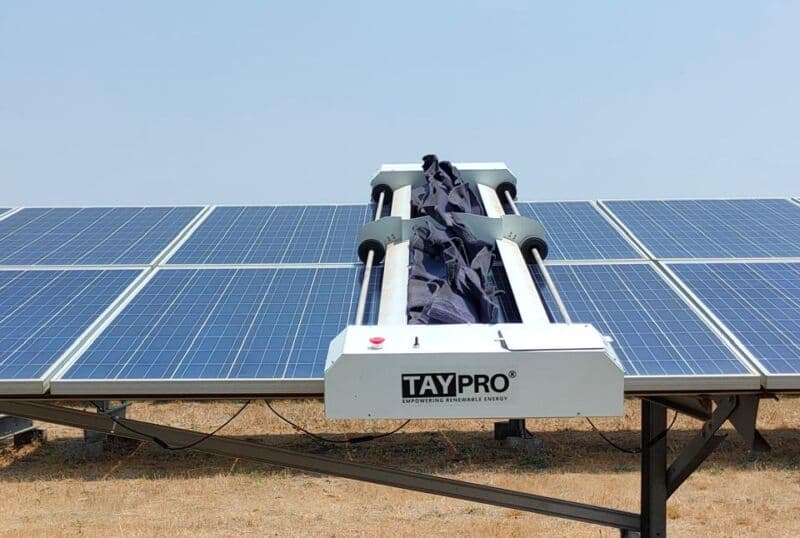
GLYDE-X and NYUMA-X carry a patented 360° articulating flexible bridge integrated into a flexible robot body. The robot autonomously transfers between tracker tables even when adjacent tables are misaligned, while the tracker is in stow position, without manual repositioning and without pre-installed fixed bridge infrastructure at every crossing point.
At 26 kg, tracker platforms impose significantly lower structural load on tracker frames than heavier 40 kg-class robots, critical on aging Indian plants where structural margin and module warranty preservation matter across a 25-year asset life.
360° articulation accommodates misalignment on any axis
Autonomous table-to-table transfer in tracker stow
No fixed bridge civil work at every crossing point
26 kg GLYDE-X / NYUMA-X: reduced frame loading
Fixed-tilt engineering
Self-alignment on undulated terrain
Indian utility sites are rarely perfectly level. Rows built on undulating ground introduce tilt variations that cause less sophisticated robots to drift off-axis, miss row edges, or lose contact pressure. Taypro's self-alignment system continuously corrects robot orientation relative to the panel row, maintaining cleaning contact and trajectory across gradients without operator intervention. This is essential on older plants with settled foundations and in hilly terrain across Himachal Pradesh, Maharashtra, Karnataka, and similar geographies. GLYDE fixed-tilt platforms at 38 kg combine self-alignment with patented dual-pass cleaning for undulated utility blocks.
Deployment scope
Utility-scale core, rooftop-capable
Utility-scale: where the data moat is built
Taypro's technology stack and fleet AI are optimised for utility-scale fixed-tilt and single-axis tracker plants, where soiling losses, labour scale, and water scarcity make autonomous cleaning essential. Daily cleaning across multi-hundred-MW fleets generates the labelled telemetry that trains self-learning models.
C&I and rooftop installations
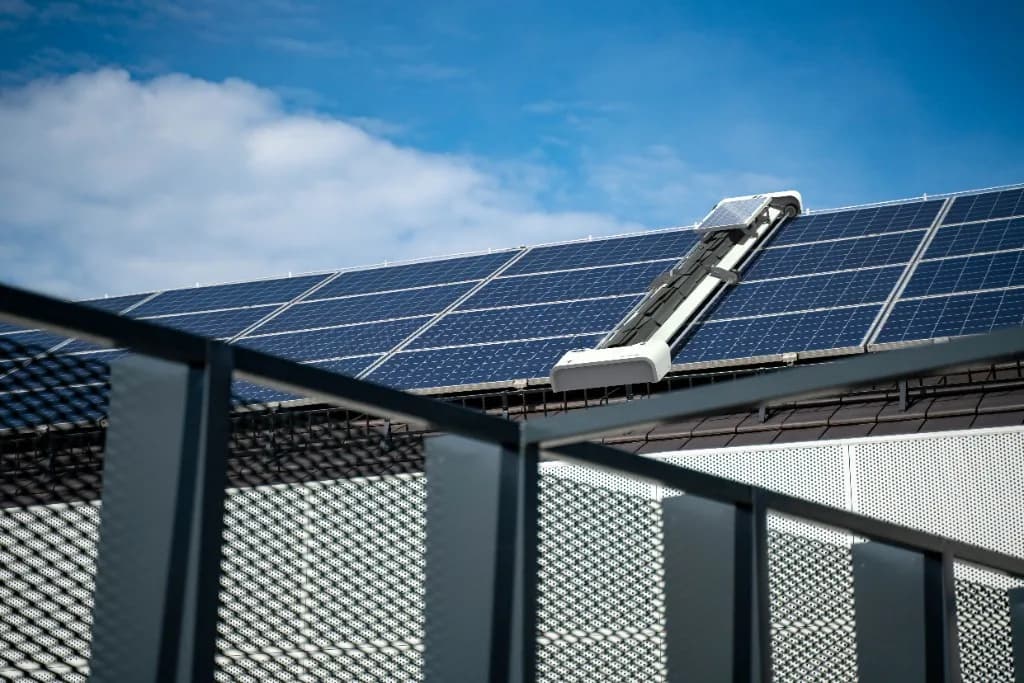
The same platforms serve commercial and industrial rooftop installations: GLYDE and HELYX configurations address distributed blocks, seasonal tilt, and scattered arrays across Taypro's 150+ site footprint. Utility scale builds the intelligence layer; rooftop deployments extend the same NECTYR operations and dry-cleaning methodology to underserved C&I segments.
Who this is for
Built for every stakeholder in the plant lifecycle
Whether you underwrite generation, run daily O&M, or engineer the array, Taypro's cleaning technology maps to your decisions on budget, uptime, module warranty, and long-term performance ratio.
Developers & asset owners
Protect performance ratio and tariff capture with 5 GW+ daily fleet execution proof, documented cycles in NECTYR, self-learning schedules, 25-year AMC-linked warranty, and CAPEX or Opex procurement models.
Replace labour-heavy washing with autonomous fleet schedules you can audit. NECTYR shows live robot position, probable root cause, and per-robot health before trucks roll, plus same-day breakdown targets, pan-India spares, and structured AMC support.
Specify robots by array type: fixed tilt with self-alignment, single-axis trackers with 360° flexible bridges, scattered blocks, or C&I rooftops, with connectivity and commissioning plans sized at design stage.
Dust, pollen, and agricultural particulates settle on modules within days in many states, long before manual crews can cover every block. Uncleaned arrays lose irradiance, drag down performance ratio, and create uncomfortable conversations between O&M and asset owners during peak tariff months.
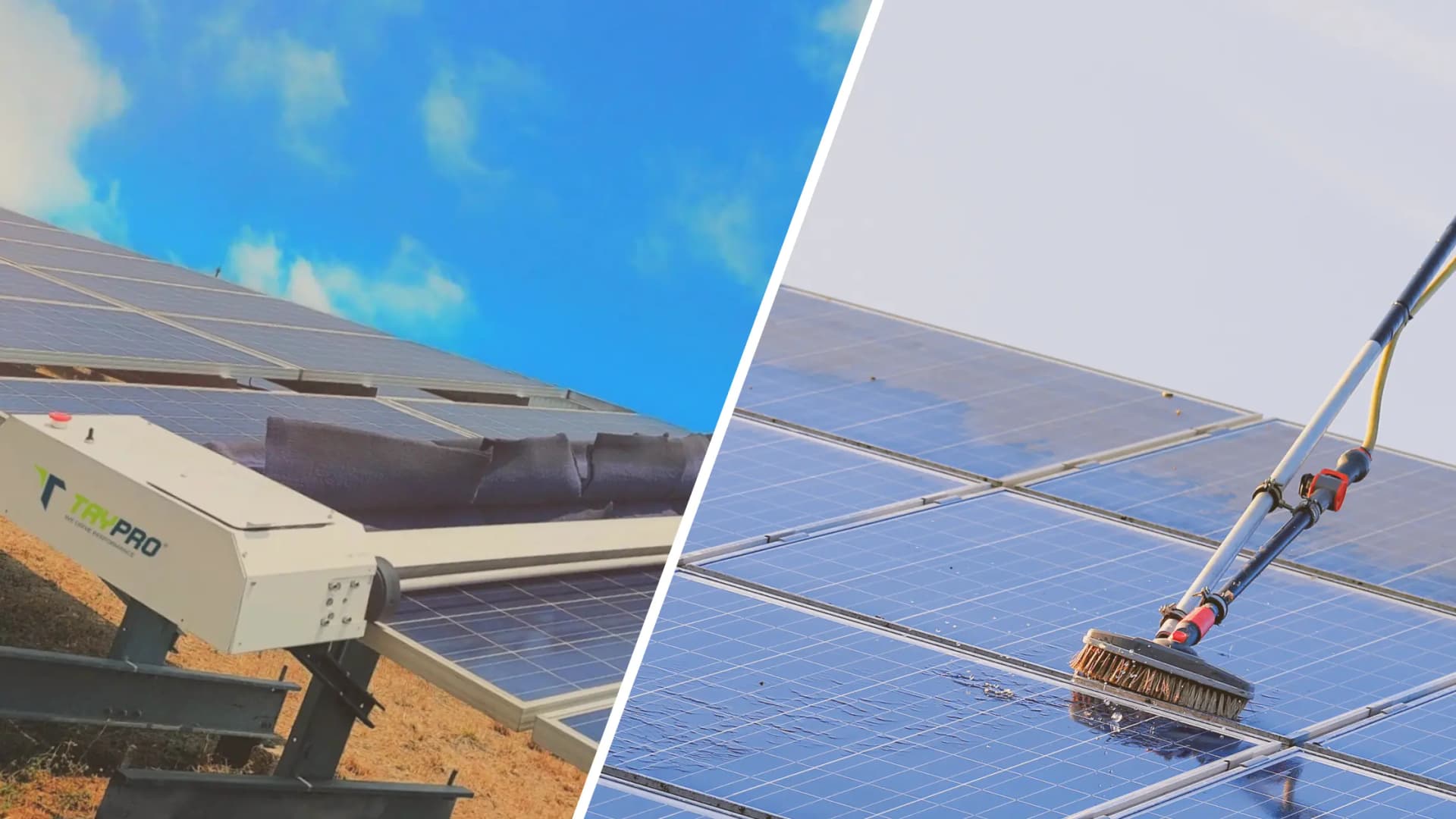
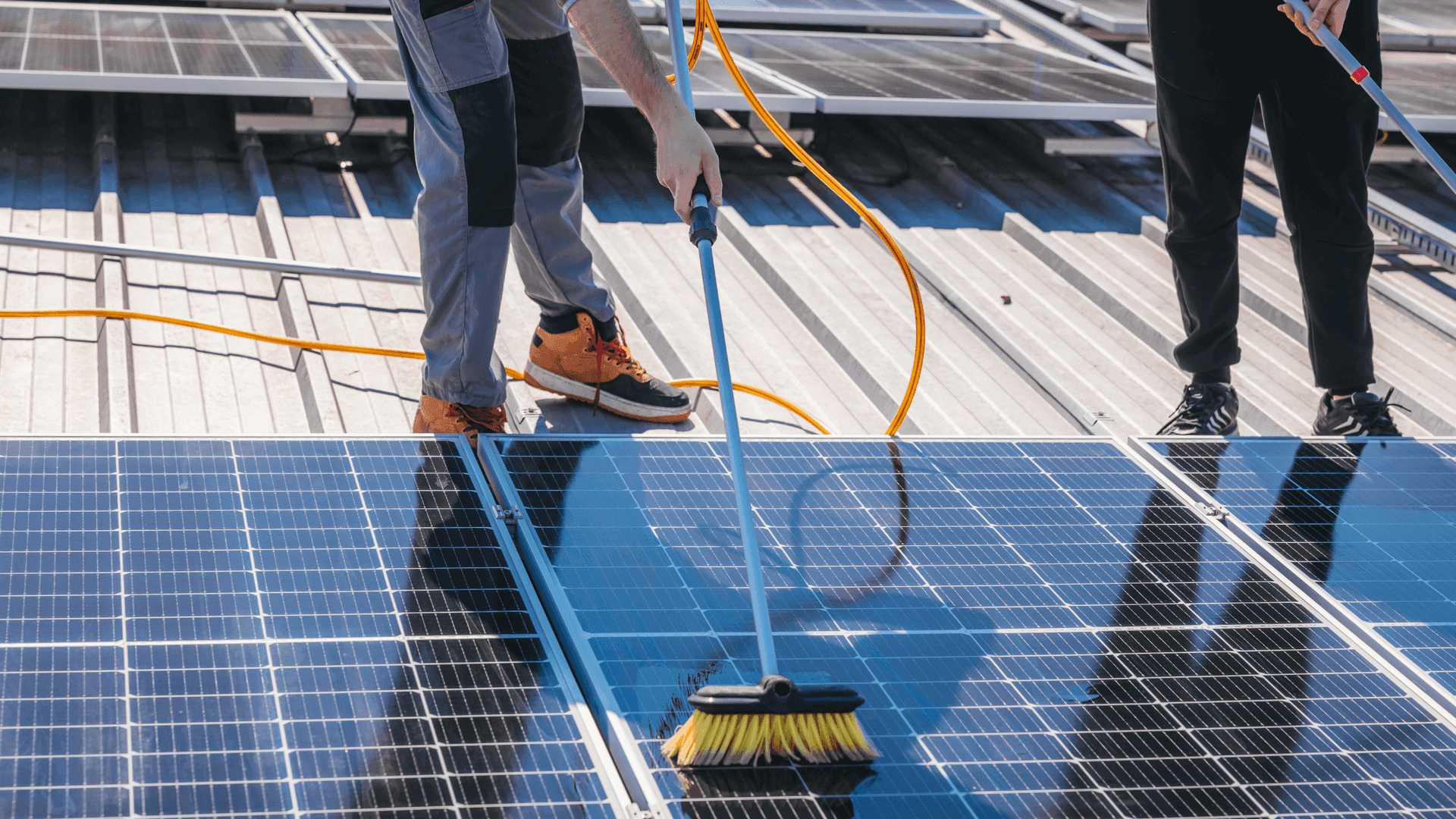
Wet washing at 100 MW scale competes for water, labour, and daylight. Tanker schedules slip; crews skip rows; and inconsistent cadence leaves soiling losses baked into annual budgets. That is why developers increasingly specify solar panel cleaning robots as core O&M infrastructure, not an optional add-on.
Taypro's technology stack targets repeatable dry cleaning at world-scale throughput: 5 GW+ cleaned daily, 11 billion+ annual panel passes, self-learning AI, and NECTYR operations that tighten schedules when weather turns harsh. The sections below explain dual-pass science, fleet intelligence, tracker hardware, and the field systems that survive Indian duty cycles.
Some dry-cleaning robots use a single pass, high-pressure air or wind-assist combined with a brush drum across the glass in one motion, optimising for distance per charge rather than cleaning quality per pass. Taypro's patented dual-pass method separates dislodgement from contact.
Pass 1: Controlled airflow (non-contact)
High-speed airflow lifts loose dust and sand without dragging grit across module glass. This reduces micro-abrasion risk versus brush-first or combined air-brush passes where particulates can be ground into the surface during a single continuous motion.
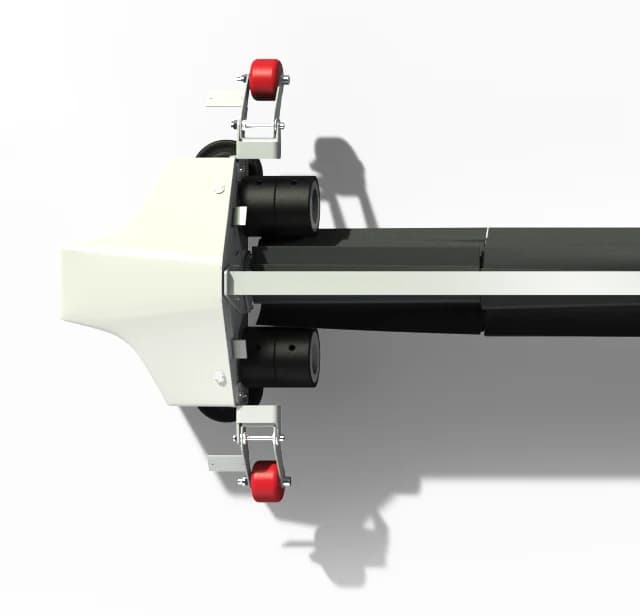
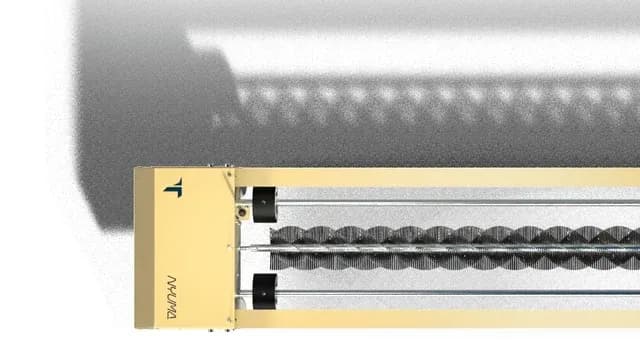
Pass 2: Ultra-soft microfiber (contact)
Microfiber completes the wipe for adhered residue, agricultural film, pollen, post-storm particulates, that airflow alone cannot clear. Wet-element sensors postpone the pass automatically if humidity has saturated the cloth.
Together: 99%+ dust removal per automated cycle (platform-dependent), without water, without grid electricity, and with lower abrasive wear over a 25-year module life than stiff-brush or single-pass air-assist systems.
Dry cleaning mechanism comparison
Method
Contact model
Dust lift
Adhered residue
Module wear risk
Manual wet wash
Water + brush/crew
Good
Good
Water logistics, thermal shock
Single-pass air-assist dry
Combined air + brush
Moderate
Variable
Higher grit-drag risk
Taypro dual-pass dry
Air first, microfiber second
High
High
Minimised contact abrasion
Step by step
How dual-pass dry cleaning works
A four-stage waterless cycle executed on each row, designed to maximise dust removal while limiting abrasive contact with module glass over a 25-year asset life.
1
Airflow pass, lift dry dust without contact
High-speed controlled airflow dislodges loose dust and sand without abrasive contact on module glass, reducing scratch risk compared with single-pass brush or combined air-brush systems.
2
Microfiber pass, remove adhered residue
Ultra-soft microfiber completes the wipe for pollen, agricultural film, or post-storm particulates airflow alone cannot clear. Wet-element sensors automatically postpone the cycle if dew or humidity has saturated the cloth.
3
AI-initiated cycle on the row
Self-powered automatic robots execute the dual-pass sequence at controlled speed while NECTYR logs position, progress, and telemetry for O&M audit trails and fleet-learning models.
4
Fleet repeat, learning improves each cycle
Self-learning schedules adapt to weather, soiling, battery state, and fleet health. NECTYR can autonomously initiate, postpone, or accelerate cycles without operator calendar edits.
Cleaning method comparison
How autonomous Taypro robots compare to manual wet washing and semi-automatic dry platforms for utility-scale O&M in India.
Factor
Manual wet
Semi-auto dry (HELYX)
Autonomous dry (GLYDE / T)
Water consumption
High (tankers, scheduling)
None (dry)
None (dry)
Labour at 50–250 MW
Large crews, inconsistent
Crew places robot per row
Minimal, fleet runs rows
Cleaning cadence
Weekly/monthly at best
Daily possible on blocks
Daily/alternate-day fleet-wide
Soiling recovery
Variable by crew & season
95%+ dust per pass (HELYX)
99%+ dust per cycle (GLYDE/GLYDE-X) · 98%+ (NYUMA/NYUMA-X)
Fleet visibility
Paper logs, if any
Limited telemetry
NECTYR + live root-cause tracking
Best fit
Small sites, water-available
Scattered blocks, mixed layout
Utility fixed-tilt & trackers
Core methodology
Dual-pass waterless solar panel cleaning
Soiling is the silent tax on Indian utility-scale PV: dust films can suppress generation by double-digit percentages in arid and agricultural belts before O&M teams mobilise manual crews. Taypro's patented approach treats cleaning as a two-stage mechanical process tuned for dry climates, separating dust lift from contact wipe, not adapting a hose-down for robots.
Pass one uses controlled airflow to lift loose particulates without dragging grit across the glass. Pass two follows with microfiber contact to remove adhered residue, agricultural dust, pollen, post-storm events, that single-pass air-assist systems often leave behind when optimising for traverse distance over cleaning completeness.
Because the first pass is non-contact, modules see less abrasive wear over years of daily cleaning than with stiff brushes or uncontrolled dry wiping. That matters when asset owners model 25-year degradation, glass warranty exposure, and structural load from robot mass on aging frames.
Fixed tilt, seasonal tilt, rooftop, and tracker rows (platform-dependent)
99%+ dust removal per cycle on automatic platforms
Fleet intelligence
From calendars to self-learning autonomous operations
Taypro's fleet AI goes beyond weather pauses. Models ingest billions of annual panel passes across 5 GW+ daily throughput to refine when to clean, how to route battery-limited cycles, and which blocks need priority after dust events, initiating cycles autonomously through NECTYR.
Battery-aware logic prioritises highest-soiling sections when charge is limited. ML panel-array mapping on first deployment builds a persistent site model delivering approximately double the cleaning coverage per charge versus unoptimised paths, enabling lighter 26 kg / 38 kg platforms without sacrificing array coverage.
Per-robot health profiles monitor motor current, battery curves, brush torque, and sensor patterns. Deviation signatures that precede bearing wear, brush saturation, or controller degradation surface in NECTYR before multi-day outages.
95% accurate weather-reschedule across windspeed, humidity, pollen, and rain probability
Autonomous cycle initiation without manual calendar edits
Block-level audit trails for PR and warranty discussions
Fleet operations
Live cleaning visualisation with root-cause fault location
NECTYR provides real-time robot position tracking overlaid on the plant layout, operators see exactly which row each robot is cleaning and at what progress, at any moment. Large sites use LTE, Wi-Fi, hybrid self-healing RF mesh, LoRa, and LoRaWAN so robots stay reachable across hundreds of hectares.
If a robot stops, the system identifies where it stopped and the probable cause, misaligned panel edge, obstacle, motor fault, brush saturation, or communication drop, before a field technician is dispatched. This cuts mean time to resolution and eliminates the offline robot, unknown cause downtime pattern common on less instrumented fleets.
Mesh-style links help when a single gateway cannot cover the full plant: robots relay status row-to-row while backhaul carries aggregated fleet data to NECTYR for scheduling, health monitoring, and investor-grade exports.
Probable root-cause classification before truck rolls
Secure telemetry path to NECTYR for audit-ready exports
Engineering
Hardware built for Indian field conditions
Utility plants in India face dust storms, monsoon humidity, coastal salt, and wide temperature swings, consumer-grade robotics do not survive that calendar. Taypro platforms use waterproof drives, corrosion-resistant materials, and modular sub-assemblies sized for rapid field swap.
GLYDE-X and NYUMA-X carry a patented 360° articulating flexible bridge with a flexible robot body, autonomous transfer between misaligned tracker tables without fixed bridge civil work at every crossing. Self-alignment continuously corrects orientation on undulated fixed-tilt rows across Himachal Pradesh, Maharashtra, Karnataka, and similar terrain.
Wet-element detection postpones cycles when microfiber has absorbed dew, humidity, or rain, preventing smear and micro-abrasion. All automatic platforms are self-powered; no grid draw, no water, no operators per row.
GLYDE-X and NYUMA-X at 26 kg and GLYDE at 38 kg impose lower structural load than heavier conventional platforms, preserving tracker frames, aging fixed-tilt structures, and module warranties over 25-year asset life. Manufacturing and QA run from Chakan, Pune.
Wet-element detection protects cleaning quality and module glass
Self-alignment for undulated fixed-tilt installations
Self-powered · TÜV NORD certified · GLYDE-X 26 kg · GLYDE 38 kg
Platform weight and structural load
Lower robot mass reduces structural load on tracker frames and aging fixed-tilt structures, preserving module warranties and mounting integrity over 25-year asset life.
Patented dual-pass autonomous platform with self-alignment
NYUMA-X (tracker)
26 kg
Compact single-pass PBT tracker platform with flexible bridge
HELYX (semi-auto)
39 kg
Portable pick-and-place for scattered blocks and rooftops
Fully self-powered, no grid, no water, no operators per row
All Taypro automatic cleaning robots are self-powered. On-board solar panels charge the lithium battery between cycles. Robots do not draw site grid electricity, do not require water logistics, and do not need human operators walking rows to initiate each pass. Semi-automatic HELYX is crew-placed per block but still operates on battery without grid tether, viable in remote utility blocks where auxiliary power and labour are constrained.
25-year product warranty with annual AMC
Taypro offers a 25-year product warranty on deployed robot platforms, aligned to the operational life of utility solar assets. Warranty remains valid when AMC is renewed annually, tying long-term hardware commitment to structured maintenance, spare planning, and NECTYR-monitored fleet health. For asset owners modelling 25-year IRR, this pairs robot CAPEX with predictable O&M accountability across the full degradation window.
Module compatibility
Approved by leading PV module manufacturers
Taypro cleaning robots are accepted for use on plants with modules from top-tier manufacturers, so waterless robotic cleaning does not put your module warranty at risk.
LONGi
Solex
Premier Energies
RenewSys
Satvik
Trina Solar
Future Solar
Company names are used for identification only. All trademarks are the property of their respective owners and do not imply endorsement by those companies.
Waterless O&M at utility scale
Manual wet washing competes for scarce water, labour, and daylight windows. Taypro robots eliminate tanker dependency while executing predictable autonomous cycles through dust seasons, 5 GW+ cleaned daily without a litre of water.
Across 11 billion+ annual panel cleaning passes, Taypro deployments have contributed to saving 700M+ litres of water annually while operating 5 GW+ of robot capacity deployed across 150+ live sites.
Dual-pass dry cleaning, autonomous fleets at 5 GW+ daily throughput, and NECTYR monitoring across multi-MW installations in India: documented as project case studies.
Automatic, semi-automatic, and tracker-ready platforms share the same dry-cleaning DNA, NECTYR intelligence, and self-learning fleet AI: configured per array type. Compare all robots.
GLYDE
Automatic solar panel cleaning robot
Fully autonomous waterless cleaning with patented dual-pass airflow and microfiber for fixed and seasonal-tilt utility plants.
Fine dust, agricultural residue, and seasonal haze bond to module glass within days on many Indian utility sites, suppressing output before visible soiling is obvious in SCADA. Industry discussions often cite roughly 8–25% seasonal soiling loss when washing cadence is infrequent.
Robotic dry cleaning targets daily or near-daily cycles through dust season without tanker logistics. Taypro's dual-pass method lifts dry dust first, then microfiber-wipes the glass, at a fleet scale of 5 GW+ cleaned daily, recovering generation manual crews cannot sustain at MW scale.
Solar panel dust cleaning FAQs (India)
Soiling loss varies by region, tilt, and O&M cadence, often cited in the 8–25% range on utility plants when cleaning is infrequent. High-soiling blocks in Rajasthan and Gujarat typically show the fastest payback from tighter robotic schedules.
On 10 MW+ sites, manual brush or wet-wash crews scale poorly. Taypro robots run waterless dual-pass cycles on autonomous schedules with NECTYR audit trails, 5 GW+ cleaned daily across the live fleet.
Most utility plants benefit from daily or near-daily dry cleaning during dry months and faster cycles after dust storms. Taypro starts with a soiling study to recommend block-wise cadence rather than a one-size-fits-all interval.
Technology FAQs
Common questions about Taypro dry cleaning, self-learning AI, NECTYR operations, and fleet scale.
No. Taypro robots use a patented dual-pass dry method, airflow plus microfiber, so plants avoid water procurement, runoff management, and module thermal shock common with wet washing in arid regions.
Pass one dislodges dry dust with controlled airflow without contacting the glass. Pass two uses microfiber for adhered residue. Separating lift from contact reduces grit-drag abrasion versus single-pass air-assist or brush-first systems that combine both in one motion.
Taypro cleans more than 5 GW of solar assets every day across the live fleet, distinct from 5 GW+ robot capacity deployed (installed base). Daily throughput is live recurring cleaning execution across 150+ plants.
Fleet models ingest soiling, weather, battery, and fault data from 11 billion+ annual panel passes across 150+ sites. Each clean refines soiling prediction, timing windows, and battery routing. NECTYR autonomously initiates, postpones, or accelerates cycles with 95% weather-reschedule accuracy using windspeed, rain probability, humidity, and pollen, not simple rain/no-rain logic.
Deployments use LTE, Wi-Fi, hybrid self-healing RF mesh, LoRa, and LoRaWAN depending on site layout and backhaul. Taypro sizes the architecture during commissioning so NECTYR receives telemetry and can push schedules reliably across the plant.
GLYDE-X and NYUMA-X use a patented 360° articulating flexible bridge and flexible robot body to transfer between misaligned tracker tables autonomously, without fixed bridge civil work at every crossing and without manual repositioning. GLYDE handles fixed-tilt with self-alignment on undulated terrain; HELYX covers portable crew-assisted blocks and rooftops.
Yes. All automatic platforms charge via on-board solar panels between cycles. They do not draw site grid electricity or require manual charging logistics. No water, no grid power, no operators per row on autonomous platforms.
Taypro offers a 25-year product warranty on deployed robots, valid when AMC is renewed annually. This aligns hardware commitment to structured maintenance, NECTYR-monitored fleet health, and the 25-year operational life of utility solar assets.
Yes. Opex is operator-led, pay per panel cleaned with Taypro running the fleet. Same dual-pass technology and NECTYR intelligence; economics differ. Discuss both models during site assessment.
Use the free solar panel cleaning robot ROI calculator, review case studies under Projects, then contact Taypro with your layout for a site-specific robot count, quote, and service SLA.
Sensors detect whether the cleaning element has absorbed moisture from dew, humidity, or rain. If wet, the cycle is automatically postponed, a wet element on dusty glass smears soiling and risks micro-abrasion, without operator intervention.
NECTYR overlays live robot position and row progress on the plant layout. When a robot stops, the system flags location and probable cause, misaligned edge, obstacle, motor fault, or communication drop, so field teams arrive with the right spares.
Every pass generates structured soiling, weather, battery, and fault data across 5 GW+ daily throughput and 150+ sites. This proprietary dataset trains fleet AI that improves each cycle. Field intelligence at this scale cannot be replicated without years of equivalent utility-scale deployments.
NECTYR monitors motor current, battery curves, brush torque, and sensor patterns per robot. Deviation signatures preceding bearing wear, brush saturation, or controller degradation are flagged before downtime manifests.
Heavier robots impose more structural load on tracker frames and aging fixed-tilt mounting systems. GLYDE-X and NYUMA-X at 26 kg and GLYDE at 38 kg are designed for lower frame stress over 25-year module and mounting life.
Yes. While utility-scale fixed-tilt and tracker plants are the core deployment and data-moat engine, GLYDE and HELYX also serve commercial, industrial, and rooftop arrays across Taypro's 150+ site footprint.
When charge is limited, the algorithm calculates how much of the array can be cleaned optimally, prioritises highest-soiling blocks first, and avoids incomplete passes that waste charge without meaningful soiling recovery.
On first deployment, ML maps row geometry and builds a persistent site model. Route optimisation from this map delivers approximately 2× cleaning coverage per charge versus unmapped traversal, reducing required robot weight and structural load.
TÜV NORD, NISE, UL, Karandikar Labs, and Elca Labs: including accelerated module-safety testing equivalent to 30 years of daily cleaning cycles, IP65 protection, and desert/coastal environmental conditioning within safe limits.
Manual wet washing needs water, large crews, and lower cadence at MW scale. Taypro runs waterless dual-pass cycles autonomously at 5 GW+ daily fleet throughput with NECTYR visibility, self-learning schedules, and predictive maintenance.
Explore next
Hardware depth, fleet AI software, ROI, managed service, and project proof for your plant.