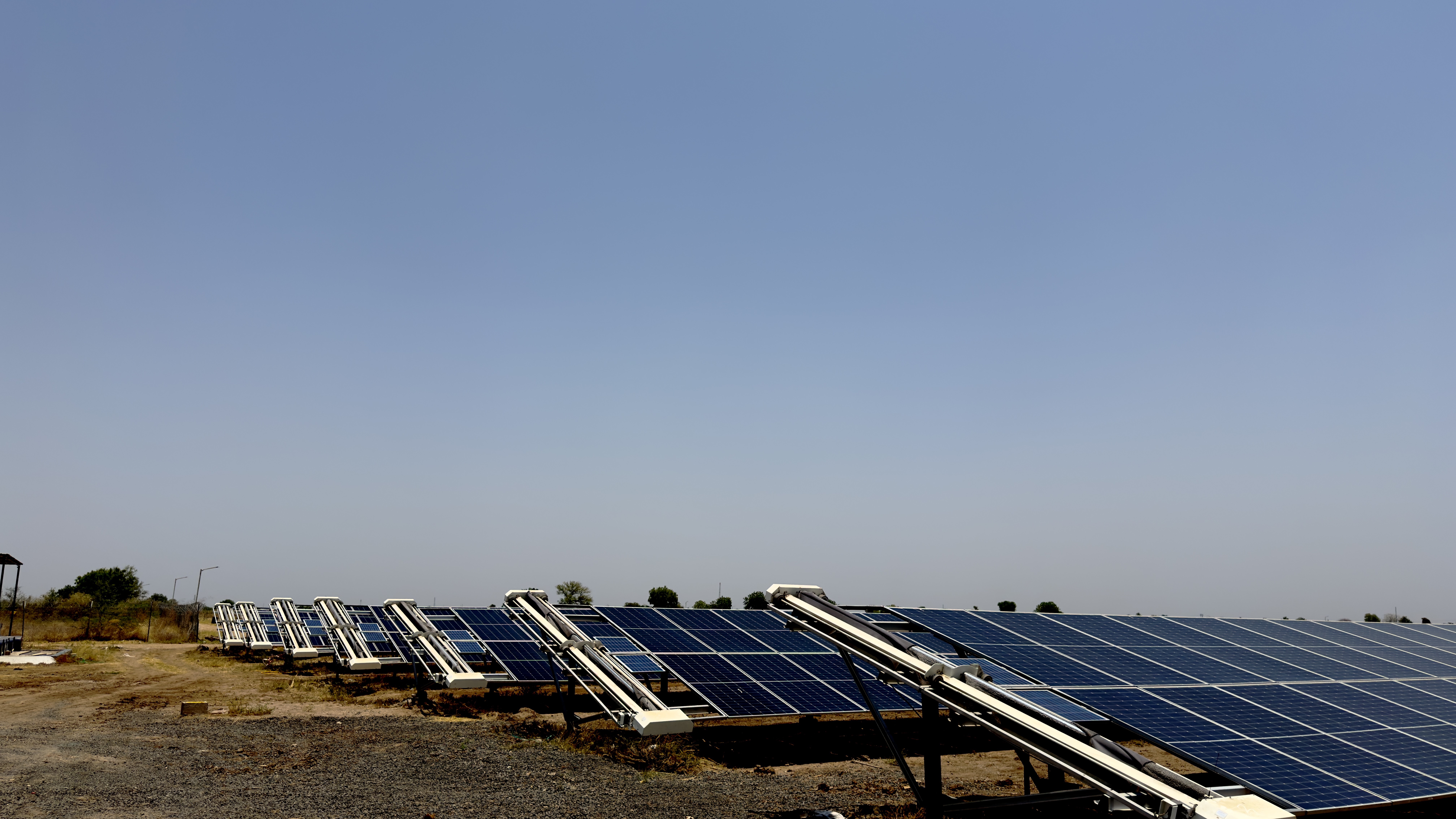

Solar panel cleaning on Indian utility plants means restoring light transmission across thousands of modules so performance ratio and MWh align with financial models. It is not rooftop bucket washing scaled up. It is dust management on 10–100 MW assets where a sustained 4% PR gap can cost more in lost PPA revenue than an entire annual cleaning budget at tariffs near ₹3.00–3.80/kWh.
Owners ask whether cleaning is "necessary" when modules look fine from the substation road. The answer is economic and operational: when soiling loss exceeds cleaning cost, skipping is a revenue donation to the off-taker. This article defines cleaning on MW sites, why rain is insufficient in dust belts, and when programs pay for themselves.
Quick answer
- Cleaning = remove soiling blocking irradiance on module glass.
- Necessary when soiling MWh loss exceeds fully loaded clean cost.
- Methods include manual wet, waterless robots, and hybrids per OEM rules.
- Measure on reference modules; do not rely on visual inspection alone.
- Core O&M in west India dry season, not optional cosmetics.
What cleaning means at utility scale
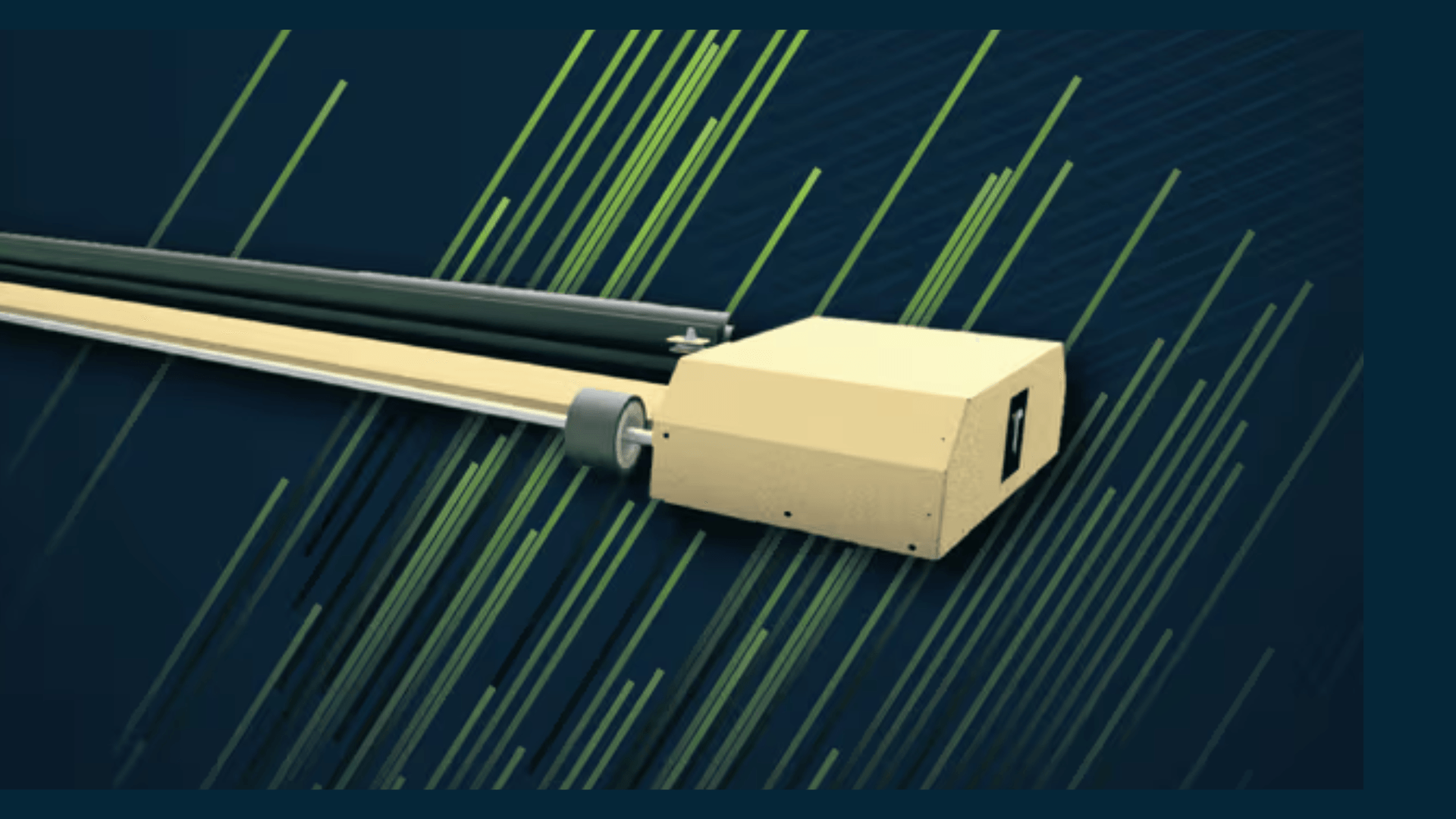
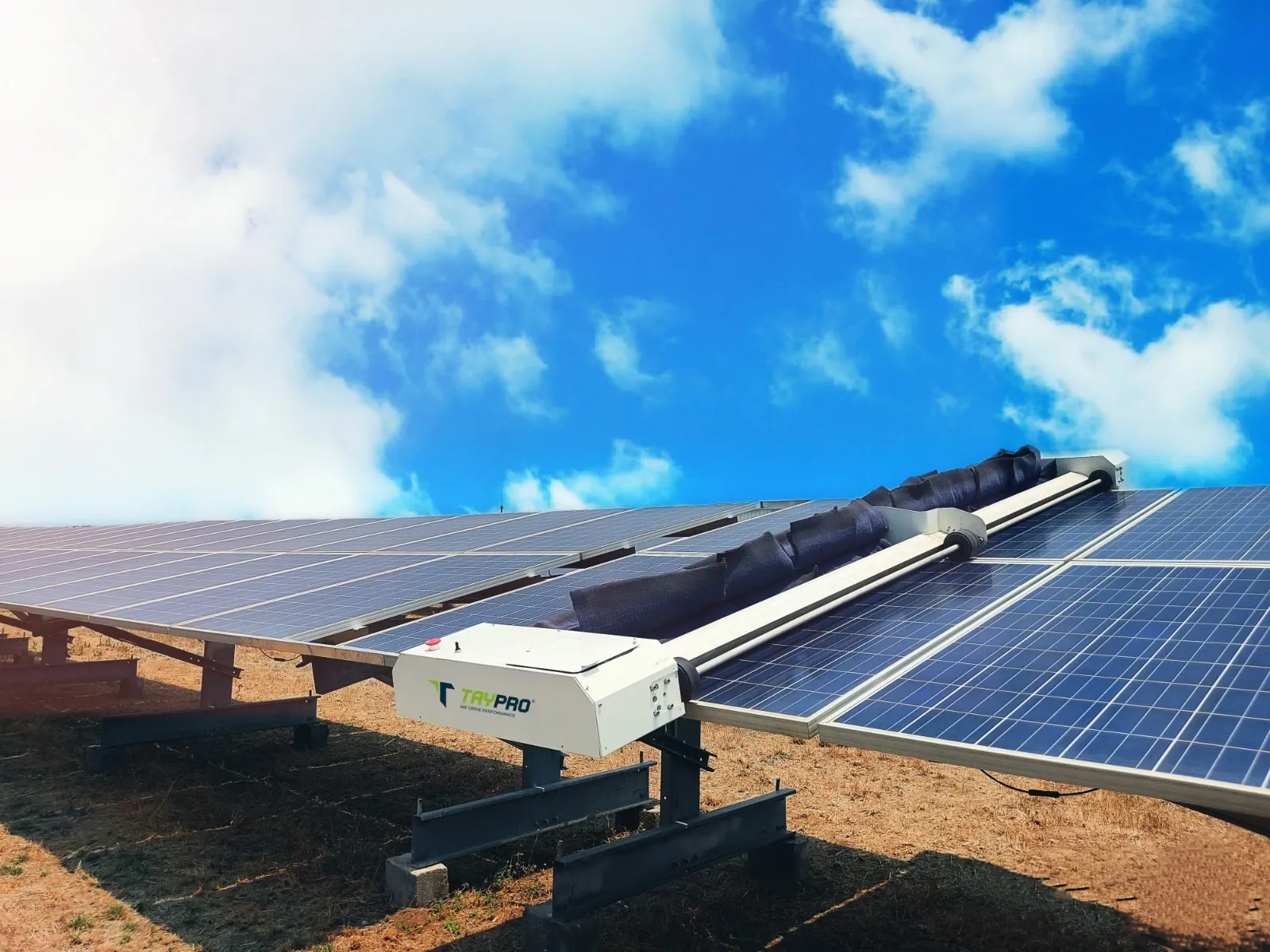
Utility cleaning covers scheduled or data-triggered campaigns across blocks: manual crews with water-fed poles, tractor brushes, fixed rinse systems designed at EPC, or autonomous waterless robots with logged passes. Each method must follow module manufacturer guidance on brush type, pressure, chemicals, and temperature.
Programs include method statements, water logs where applicable, safety permits, and post-campaign PR verification. Asset management treats output like vegetation control or inverter preventive maintenance: necessary for modeled availability and PR, not a discretionary polish.
Why modules soil faster than finance models assume
Indian utility clusters in Rajasthan, Gujarat, Madhya Pradesh, and Karnataka face mineral dust, agricultural drift, pollen, construction activity during build-out, and post-monsoon mud splash. Single-axis trackers expose more edge area; internal roads kick up fines that redeposit within hours after storms.
Financial models often assume 1–3% soiling loss annually. Real dry-season weeks can exceed that band on individual blocks. Cleaning closes the gap between model and meter when executed with measurement discipline.
Illustrative economics: skip vs clean (30 MW, dry season)
| Scenario | Avg. PR vs clean baseline | Illustrative 5-month MWh loss | Revenue at ₹3.50/kWh |
|---|---|---|---|
| No cleaning program | −5% | ~1,200 MWh | ~₹42 lakh |
| Data-triggered cleaning | −1.5% | ~360 MWh | ~₹12.6 lakh |
| Cleaning program cost | N/A | N/A | ₹18–28 lakh typical |
| Net vs no program | N/A | ~840 MWh recovered | ~₹29 lakh+ benefit |
Illustrative planning math only. Use site yield and cost-benefit framework.
Why rain does not replace cleaning
Light rain on lightly dusty glass helps. It does not reliably clear heavy uniform dust after haboobs, sticky pollen near farms, or salt on coastal MW sites. Rain on already-heavy dust can create mud spotting at module edges where frames trap soil.
Monsoon months may lift PR temporarily, but post-monsoon low-lying blocks and splash zones often need mechanical cleaning before Q3 targets. See weather impact on cleanliness in India.
Methods overview (where to go deeper)
Manual wet cleaning offers flexibility and low capex but high water and labour at scale. Waterless robots target frequent passes with minimal water on compatible geometry. Sprinkler systems designed at EPC can help mild dust but struggle with cemented films without mechanical action.
Full comparison: cleaning methods on utility plants and robot vs manual.
Warranty, lender, and off-taker expectations
Lender technical advisors compare actual PR to base case during operational reviews. Documented OEM-aligned cleaning supports the narrative that owners actively manage soiling. Off-takers with availability or generation bands care about sustained PR, not whether glass looks shiny on inspection day.
Neglect that leads to abrasive unauthorized methods can damage anti-reflective coatings and complicate warranty claims. Necessity includes doing it correctly, not avoiding it.
When owners skip cleans (and pay anyway)
Skipping scheduled programs saves O&M invoices short term while PR bleeds. A 50 MW asset at 6% sustained dry-season PR loss can forfeit crores in MWh over months, dwarfing ₹80 lakh–1.2 crore annual cleaning budgets. Emergency storm mobilization at premium rates often costs more per MW than disciplined prevention.
Read importance at MW scale and five signs you need automated cleaning.
Cleaning scope should appear explicitly in O&M RFPs at COD. Plants that treat it as post-commissioning afterthought often discover soiling loss only when the first lender review compares PR to base case twelve months later.
Vegetation control and cleaning interact on rural Gujarat and Rajasthan sites. Tall grass throws pollen and holds dust that redeposits on modules after wind. Maintenance plans that clean without mowing see faster re-soiling. Necessity includes site hygiene, not only module glass.
Cleaning as part of commissioning and repowering
New blocks after expansion campaigns often ship with construction dust, concrete splatter, and tire fines. Commissioning cleaning is necessary before accepting PR baselines lenders will use. Skipping construction clean and calling later soiling "normal" poisons performance data for years.
Repowering or inverter retrofit periods are natural windows to reset cleaning methods and obtain fresh OEM approvals when module types change.
Integration with performance guarantees and LD regimes
Some EPC and O&M contracts include generation or PR bands. Cleaning becomes legally material when underperformance triggers liquidated damages discussions. Documenting that soiling caused deviation, and that owners declined approved cleaning spend, shifts commercial conversations.
Conversely, proactive cleaning strengthens owner position when defending availability claims against off-taker curtailment disputes. Necessity is partly contractual risk management, not only physics.
Cleaning in lender base-case models
Project finance models during COD typically assume 1.5–3% annual soiling loss and a cleaning budget line. When actual dry-season PR diverges because cleaning was treated as optional, DSCR conversations get uncomfortable. Defining cleaning upfront as necessary O&M aligns operations with covenants.
Technical advisors on Indian IPP deals increasingly ask for method statements and historical PR recovery evidence from sponsor portfolios. Plants with none inherit skepticism and higher performance haircuts at refinance.
Common misconceptions plant teams should avoid
Misconception one: new modules do not need cleaning for two years. Dust does not read warranty dates. Misconception two: rain in monsoon resets the year. Post-monsoon splash and winter dust still matter. Misconception three: cleaning is only for visible white modules. Uniform light dust depresses PR without dramatic appearance.
Training shift engineers on these points prevents accidental program cancellation when budgets tighten mid-year.
Is cleaning necessary on every Indian utility plant?
Nearly all utility assets in high-dust, low-rainfall regions require active cleaning programs. Milder coastal or high-rainfall sites may clean less frequently but still need measurement and occasional mechanical passes. The necessity test is economic: if reference modules show sustained loss above cleaning cost, inaction is negative ROI.
Academy and certification programs for robot operators are spreading in India. Plants that certify two operators per shift reduce vendor dependency and night-callout costs. Training spend is small relative to fleet capex but large relative to uptime when holidays leave rosters thin.
Key takeaways for plant managers
- Define cleaning as irradiance recovery O&M, not optional wash.
- Measure soiling on reference blocks before skipping campaigns.
- Match method to water, labour, geometry, and OEM approvals.
- Document programs for lenders, warranties, and ESG water reporting.
- Compare skip cost (lost MWh) to clean cost every dry season.
Define cleaning as revenue-protection O&M with triggers, not optional washing. That framing survives budget cuts better than aesthetic arguments.
Related resources
Frequently asked questions
It is the removal of dust, mud, pollen, salt, and organic films from module glass using OEM-approved wet, dry, or robotic methods to restore light transmission and performance ratio. On MW-scale sites it is a scheduled O&M workstream with measurement and documentation, not an occasional hose-down for aesthetics.
Rain rinses light dust on some modules but rarely clears cemented films, agricultural coatings, or uniform desert dust across lakhs of panels. Western Rajasthan may see months with ineffective rain rinse while soiling accumulates daily. Relying on rain alone typically leaves 2–6% PR below model in dry seasons.
O&M plans and lender technical advisors increasingly expect documented cleaning aligned with performance models, especially in dust belts. While not every warranty mandates a fixed frequency, neglect that damages coatings or violates OEM methods can void claims. Lenders review PR against base case during dry-season audits.
When measured soiling loss stays below economic threshold for months, often under 1–1.5% PR on mild sites with cheap manual access. That is uncommon in Gujarat and Rajasthan dry seasons on exposed utility tables. Always measure reference modules before skipping.
Cleaning targets soiling on glass; broader O&M covers inverters, trackers, vegetation, and safety. Cleaning is necessary because soiling directly reduces irradiance on modules at a scale no inverter tune-up fixes. Both roll into the same PR accountability framework asset managers report monthly.