Taypro OPEX — Robotic Solar Panel Cleaning Service

Pay only for the solar panels we clean each month. We deploy GLYDE, HELYX, or GLYDE-X under a managed 3–10 waterless dry cleaning cycles per monthprogramme with NECTYR.
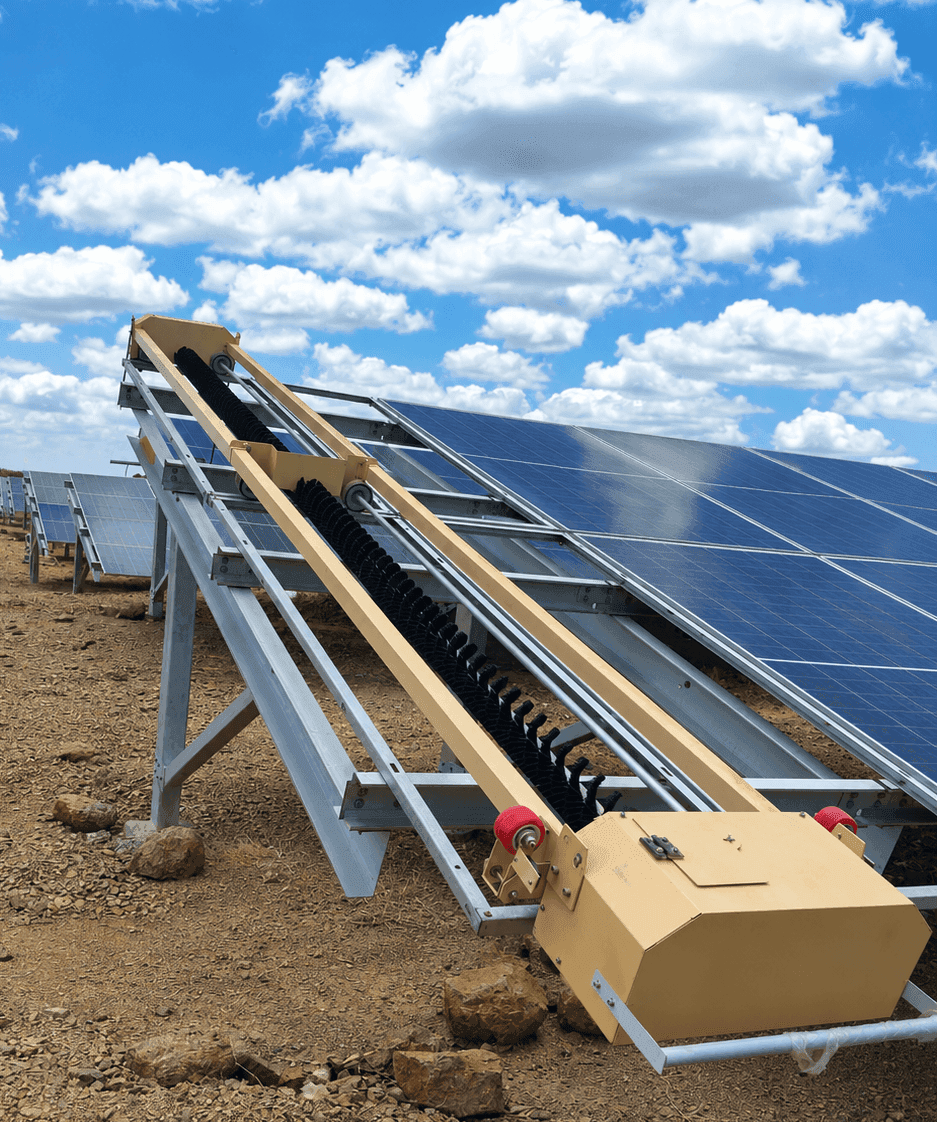
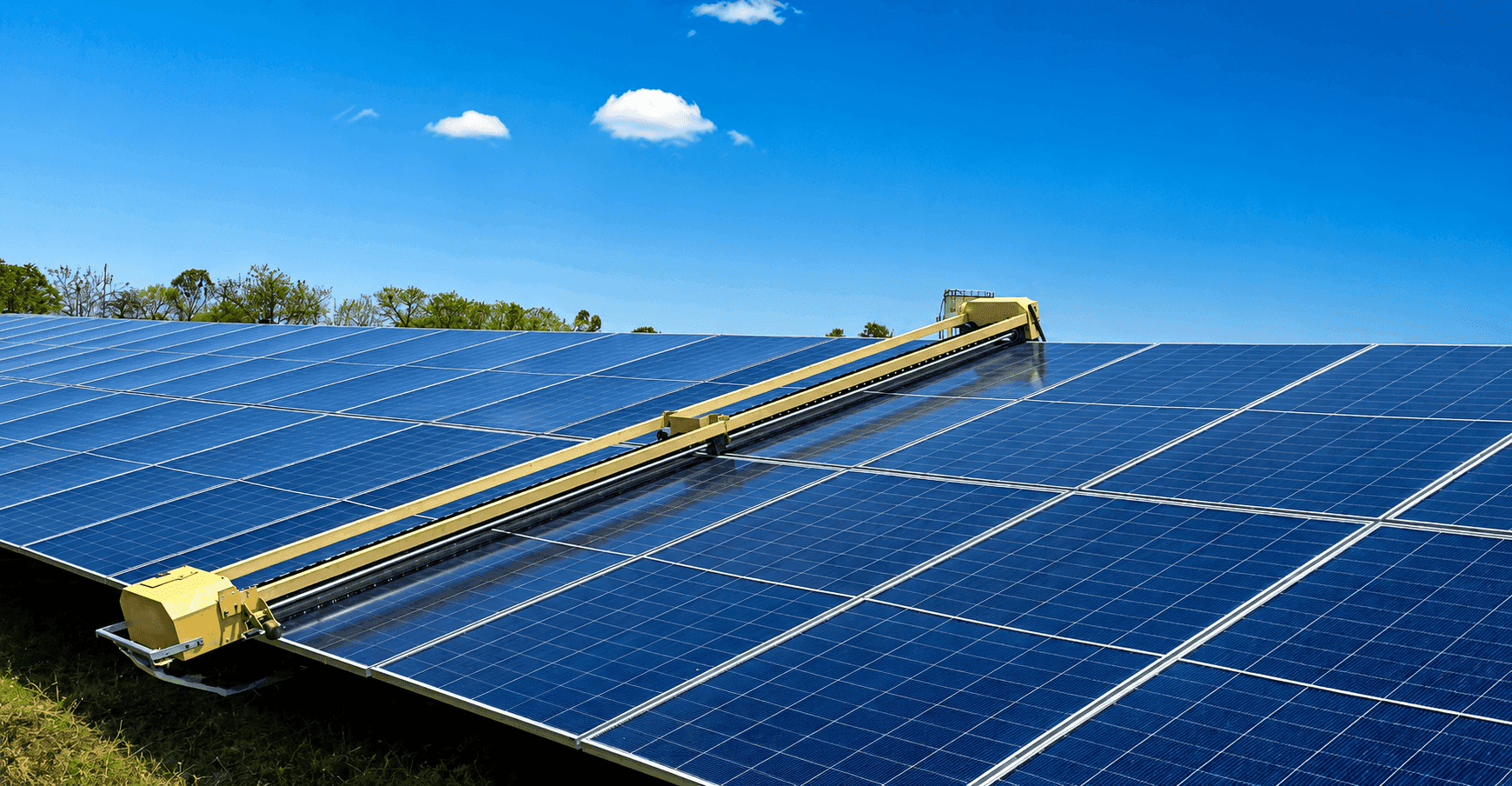
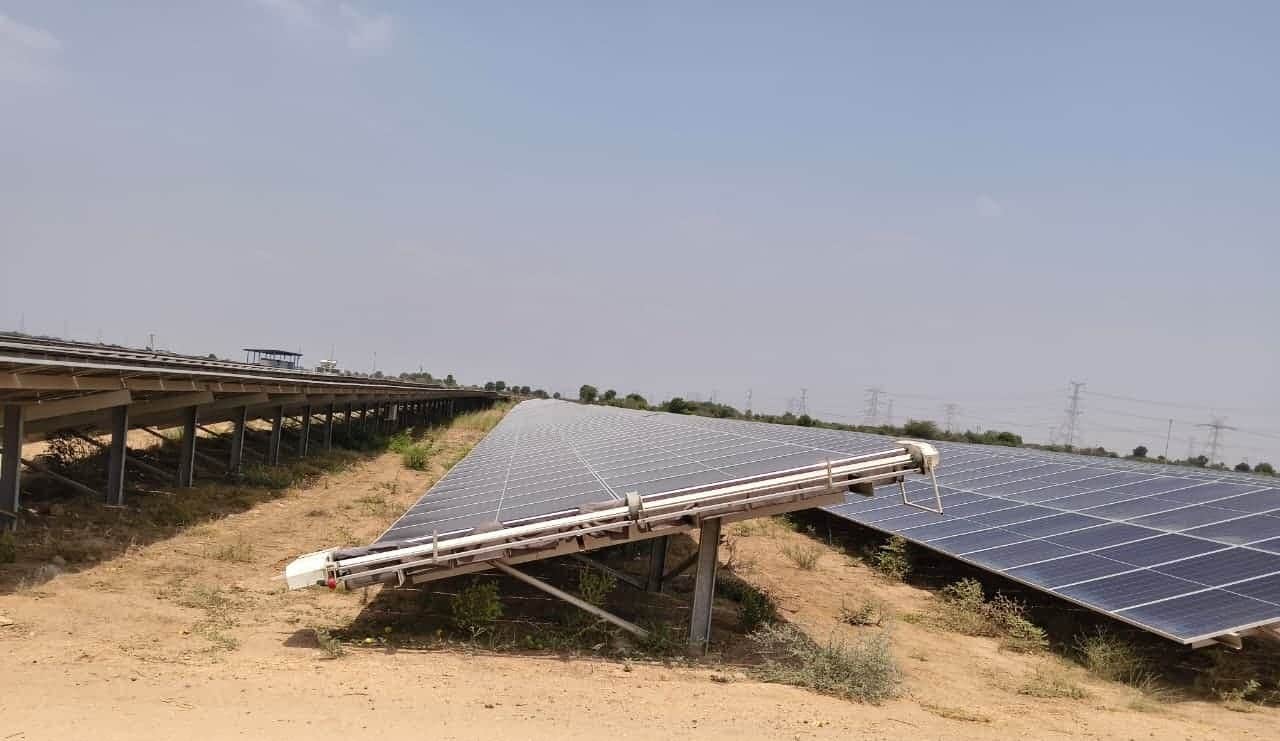
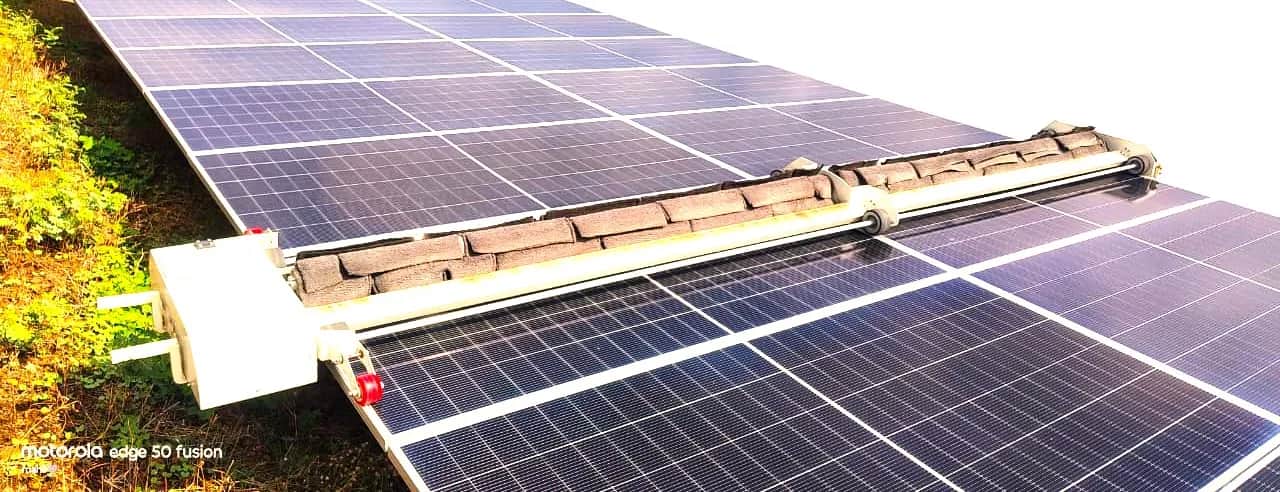
Taypro OPEX solar panel cleaning service — robotic waterless cleaning at utility-scale solar plant
Pay-per-outcome solar O&M cleaning

What is Taypro OPEX?

Taypro OPEX is how large solar plants consume robotic solar panel cleaning as a service instead of buying and maintaining their own fleet. Under a Taypro OPEX contract, TAYPRO Private Limited supplies the robots, spare parts philosophy, trained operators, remote monitoring, and continuous optimisation — while you pay in line with verified panels cleaned each month, not unused machine hours.
Every engagement begins with a disciplined plant study that quantifies soiling drivers and recommends an operating envelope — most utility sites land on three to ten dry cleaning cycles per month once meteorology, dust chemistry, and generation risk are balanced. From that study we publish a detailed cleaning plan that spells out when robots move, which electrical blocks and tracker tables are visited in sequence, where robots dwell in idle, and where the dedicated parking / rest area sits relative to roads, substations, and fire lanes.
During operations, your team receives granular cleaning reports — per shift, per day, or per cycle depending on your governance needs — via NECTYR, with fleet telemetry carried over LTE, Wi-Fi, hybrid self-healing RF mesh, LoRa, and LoRaWAN as designed for your site.
Who this service is for

Built for utility-scale plants — not residential rooftops

Ideal for

  • Ground-mount and utility solar from ~10 MW and up (many programmes start near 50 MW)
  • IPPs, developers, and O&M teams that want pay-per-panel-cleaned billing
  • Sites with recurring soiling where 3–10 dry robotic cycles per month move performance ratio

Not designed for

  • Single-home rooftop or small residential arrays
  • One-off manual brush or pressure-washer jobs without a robotic programme
  • Full-plant EPC maintenance (inverters, trackers, module swap) — we partner with your existing O&M on cleaning scope only
Commercial model

Billing tied to panels cleaned — not capex

Your monthly invoice is anchored to the count of modules actually cleaned in the period, cross-checked against NECTYR logs and the mutually agreed measurement protocol. That keeps plant leadership, finance and O&M aligned on one simple question: did we restore transmissivity to the contracted panel population this month?
Engineering-first programme design

What goes into the Taypro OPEX plant study?

We do not guess cycle counts from a brochure. Each proposal is built from structured field and desk analytics so your cleaning calendar matches real soiling physics and commercial risk.

Soiling rate & pattern

On-site dust accumulation curves, directional soiling bias, and row-to-row variance inform how aggressively we must clean and which blocks lead the schedule.

Environmental exposure

Wind rose, humidity, dew point, rain probability, and seasonal haze or smoke events determine safe cleaning windows and when to skip or compress cycles.

Soil & geology

Local soil type, sand fraction, and soluble salts change how dust adheres to glass and anti-reflective coatings — tuning brush pressure, speed, and pass count.

Plant layout & area

Inter-row spacing, block count, module tilt or tracker brand, and distance to parking or staging areas drive path planning, bridge requirements, and idle/rest strategy.

Nearby vicinity & land use

Quarries, highways, agricultural burns, cement batching, or industrial stacks nearby are mapped so we can pre-empt soiling spikes instead of reacting after PR collapse.
What you receive on day one

Cleaning plan, paths, rest zones & reports

Movement & path design

Time-of-day rules, block sequencing, tracker parking collaboration (where relevant), and row-by-row path sheets so every shift knows exactly where robots should be.

Idle, staging & dedicated rest

Documented idle behaviour on modules, staging points between blocks, and a dedicated robot parking / charging enclave that satisfies your HSE, security, and fire access rules.

Cleaning reports

Cycle-level and daily summaries delivered through NECTYR: distance travelled, blocks completed, anomalies, operator notes, and exportable files for your internal performance review boards.

Safety & module-care governance

Written risk assessments, edge-case playbooks, and alignment with your module warranty and O&M insurance requirements — backed by Taypro's lab-tested cleaning physics.
Methodology

Built for utility-scale performance

At TAYPRO Private Limited, we treat solar module transmissivity as a first-class production input — especially for 50 MW and larger plants where even a single percentage point of performance ratio shows up immediately in your revenue line.
Taypro OPEX is our dedicated monthly cleaning service built around that reality: a recommended schedule of custom three to ten waterless dry cleaning cycles each calendar month, tuned from the plant study above, executed by Taypro robots and operators, and strategically planned to maximise energy generation while minimising downtime for your operations and finance teams.

Why plants choose
Taypro OPEX

Taypro OPEX combines the same waterless, AI- and ML-driven robotics trusted on gigawatts of Indian solar with a service wrapper: you get outcomes and transparency — we carry fleet risk, manpower scheduling, and continuous programme tuning.

The Benefits

  • Plant-specific soiling study & 3–10 dry cycles / month
  • Billing based on panels cleaned each month
  • Detailed SOP: timing, paths, idle & dedicated rest zones
  • Daily cleaning reports & NECTYR transparency
  • GLYDE, HELYX or GLYDE-X matched to your site
  • Dedicated operators + nationwide technical support

How Taypro operates the fleet on your site

These pillars sit underneath every OPEX contract — whether we are running GLYDE, HELYX, GLYDE-X, or a blended deployment.

Dedicated skilled manpower

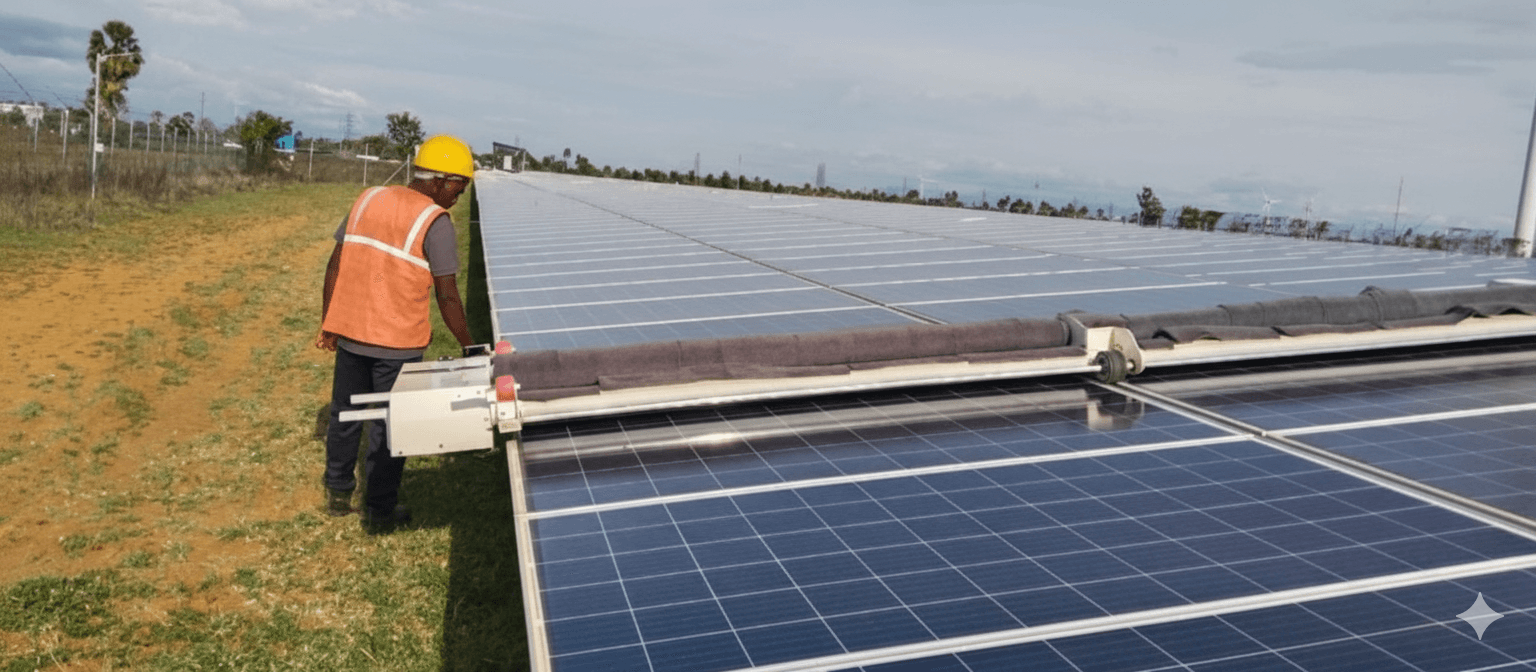
Trained Taypro operators remain accountable for safe robot deployment, daily checklists, and coordination with your control room so modules never see experimental handling.

Weather-aware scheduling

Wind, rain, humidity, and dust forecasts feed the live cleaning calendar so we clean when physics says it will help — not when a static calendar says we must.

Same-day breakdown discipline

Automated ticketing, remote diagnostics, and a nationwide field bench mean faults get triaged immediately — with same-day resolution targets on qualifying service plans.

Dual-pass dry physics

Patented dual-pass waterless cleaning removes loose dust then tackles adhered film without water chemistry — preserving anti-reflective coatings and keeping discharge compliance simple.
Service levels

SLA, reporting & breakdown response

Every Taypro OPEX contract defines measurable service levels so your O&M and asset management teams know what to expect beyond the cleaning calendar.

Cleaning reports

Cycle-level and daily summaries in NECTYR—route coverage, completion status, exceptions, and exportable files for monthly governance.

Breakdown response

Automated ticketing and remote diagnostics with same-day resolution targets on qualifying plans; nationwide field bench for on-site intervention when needed.

Programme reviews

Quarterly or seasonal reviews of soiling drivers and cycle count so the 3–10 dry cleaning envelope stays aligned with actual PR and weather.

Reconciliation

Monthly panel-cleaning volume reconciled against agreed measurement rules before invoicing—aligned to panels cleaned, not idle hours.

Schedule a Taypro OPEX solar panel cleaning consultation

Let us help you

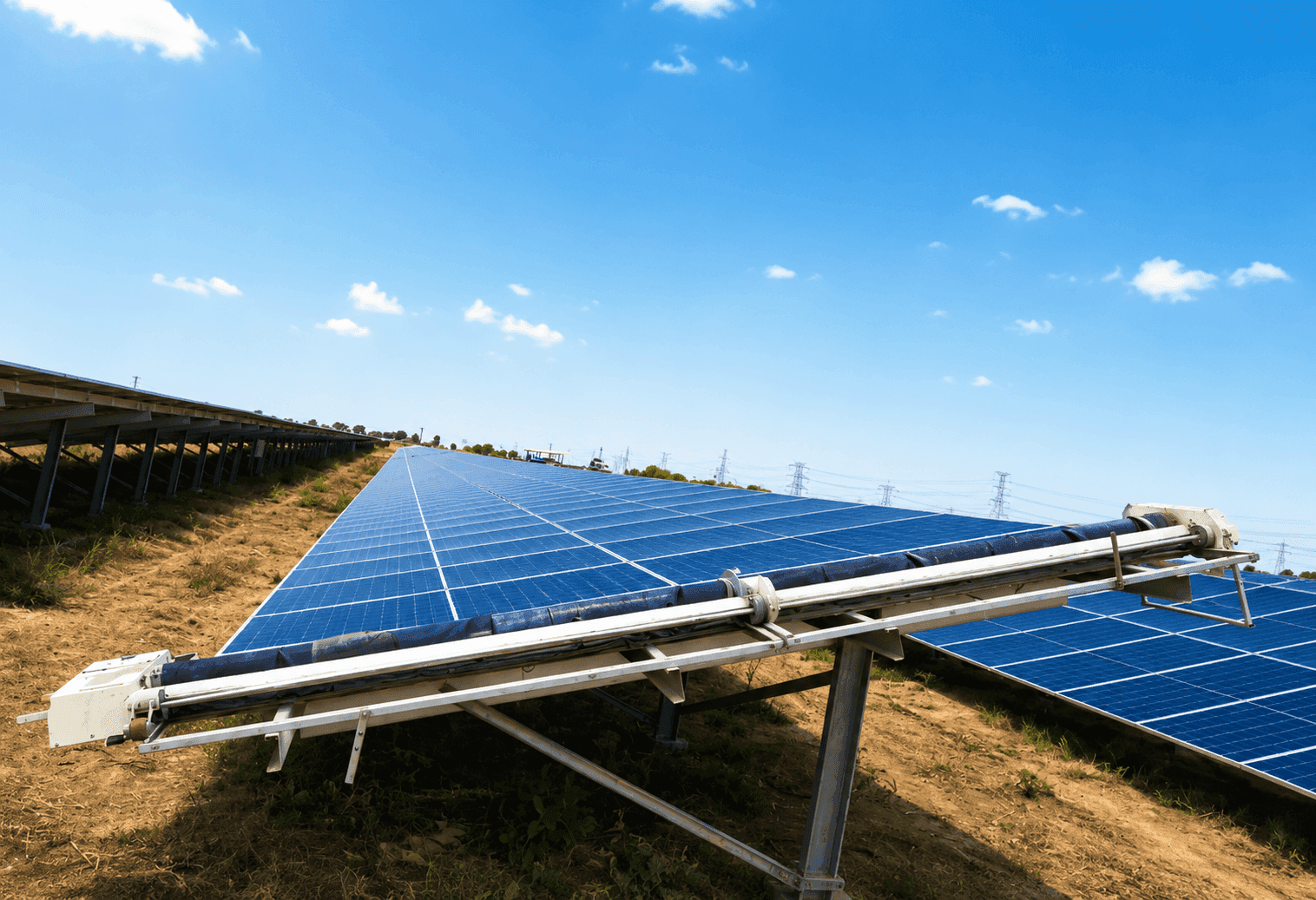
Taypro Solar Panel Cleaning Robot demonstration - Cleaning solar panels at solar farm with autonomous robotic system

Taypro OPEX vs buying robots (capex)

Both routes use the same Taypro hardware DNA — the question is who carries asset risk and how you want to recognise cost.
TopicTaypro OPEXRobot purchase (capex)
Capital outlayLow — robots stay on Taypro balance sheetHigh — full robot + spare parts capitalisation
Billing modelPer panels cleaned per month (contracted formula)Sunk cost + O&M to operate your own fleet
Programme designTaypro-led plant study & 3–10 cycle recommendationYour engineering team sets cycle strategy
Risk ownershipFleet, manpower surge, upgrade path with TayproAsset depreciation, obsolescence, inventory risk
Explore hardware directly: GLYDE, HELYX, GLYDE-X, or NECTYR.

Calculate ROI & savings on Taypro Opex

Model how much additional generation and avoided manual cost you unlock when soiling is removed systematically instead of episodically.

Loading calculator…

Frequently asked questions

Taypro OPEX service questions — plus broader Taypro programme FAQs below.

Taypro OPEX is a fully managed, robotic solar panel cleaning service from TAYPRO Private Limited. We place the right Taypro cleaning robot (GLYDE automatic, HELYX semi-automatic pick-and-place, or GLYDE-X for single-axis trackers) at your plant, operate it with dedicated trained manpower, and maintain peak plant performance — without you purchasing the robot fleet. You pay a predictable monthly fee based on the number of solar panels actually cleaned each billing period.

Commercial terms are structured around verified panel-cleaning volume: you are charged for the number of panels cleaned in each monthly settlement cycle, aligned with NECTYR telemetry and agreed reconciliation rules. This keeps your OPEX aligned directly to delivered cleaning outcomes rather than idle asset time.

Before mobilisation, Taypro engineers conduct a structured plant study covering soiling rate, local dust sources, seasonal wind and rain patterns, soil and geology type, module height and row geometry, tracker vs fixed-tilt behaviour, nearby construction or agricultural activity, and historical performance ratio trends. From that study we recommend a custom programme — typically between 3 and 10 waterless dry cleaning cycles per month — designed to maximise energy yield while avoiding unnecessary wear or operational conflict with generation.

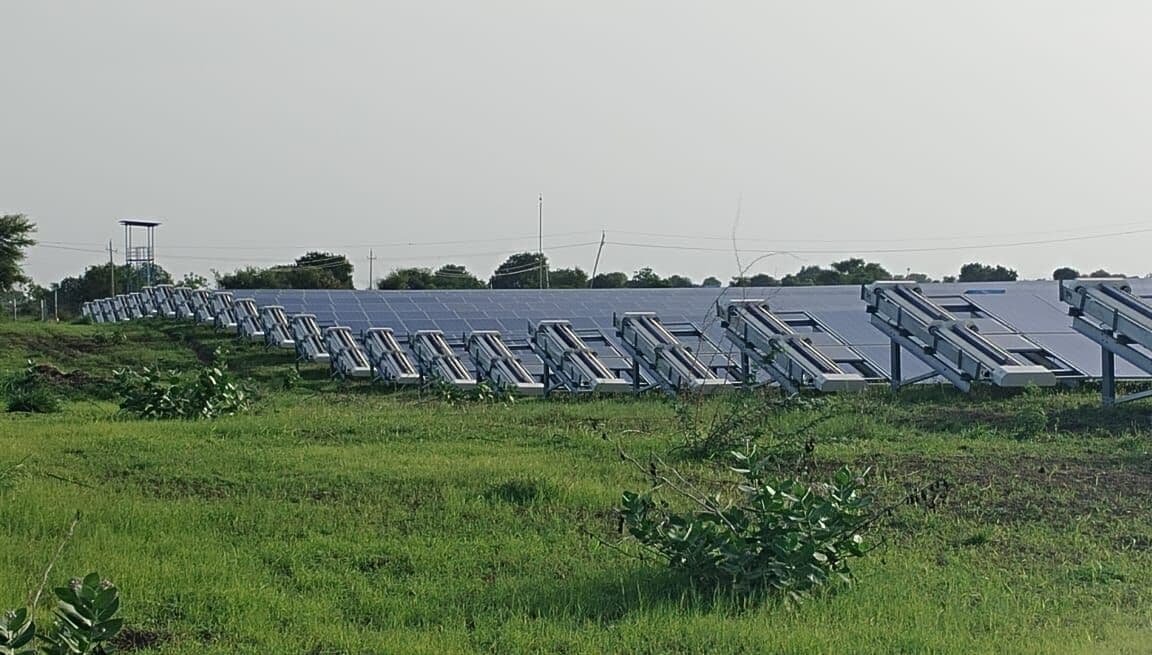
Every Taypro OPEX engagement includes a written cleaning plan and standard operating procedure: when robots move, which arrays and paths they follow, where they pause in idle conditions, and where dedicated robot parking and charging / rest zones are located on site. You also receive detailed cleaning reports — available for each run and summarised monthly — through the NECTYR, including cycle completion, route coverage, exceptions, and fleet health data where connectivity is provided via LTE, Wi-Fi, hybrid self-healing RF mesh, LoRa, or LoRaWAN.

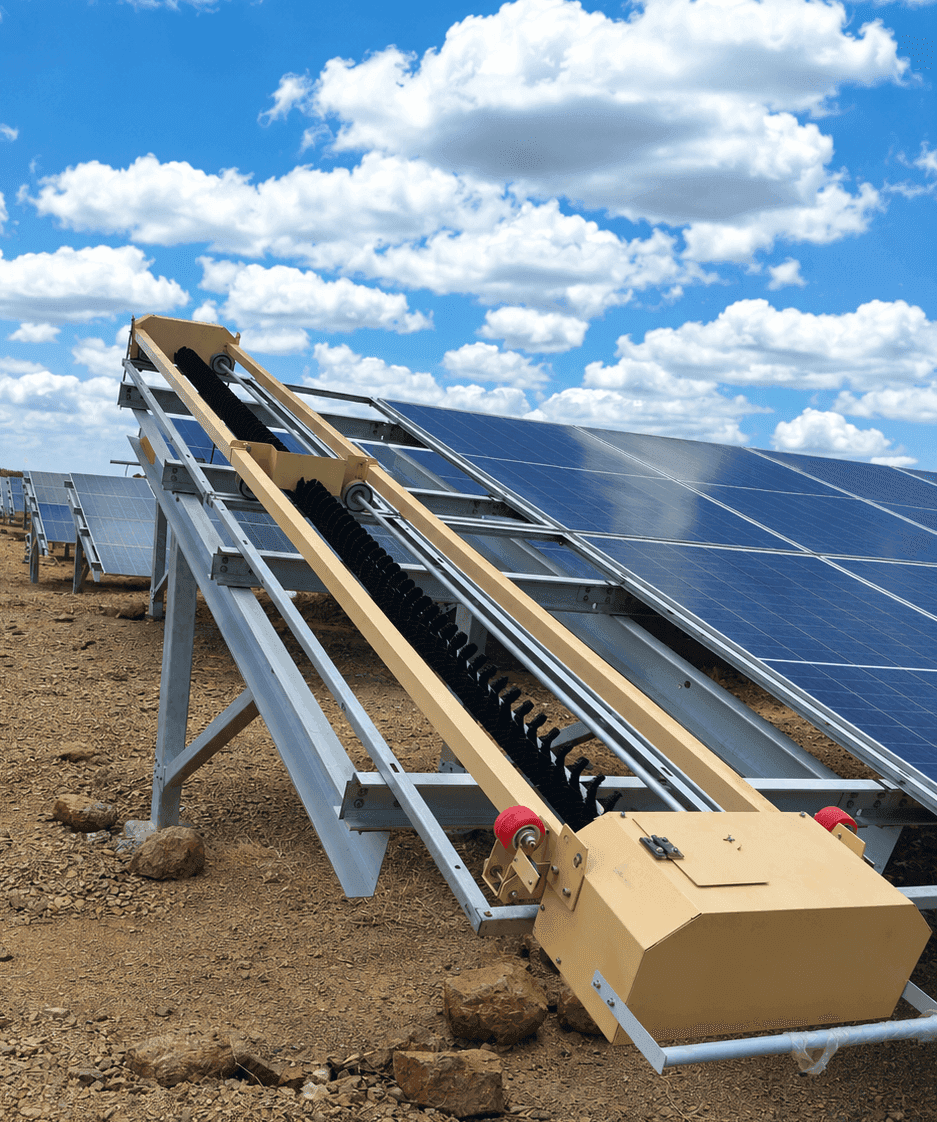
We match the robot platform to your plant architecture and economics. Fixed-tilt and large utility blocks typically use the Automatic Solar Panel Cleaning Robot (GLYDE). Scattered blocks or pick-and-place workflows may use HELYX. Single-axis tracker sites use GLYDE-X. The same NECTYR stack is used across models for scheduling, reporting, and service coordination.

Taypro OPEX is engineered primarily for utility-scale solar power plants — especially those from about 50 MW and upward — where robotic cleaning at scale and predictable monthly economics matter most. Smaller or distributed portfolios may still qualify; our team assesses feasibility, cycle count, and manpower footprint during the proposal stage.

With capex you own the robots, spares inventory, and depreciation. With Taypro OPEX, TAYPRO Private Limited retains ownership and lifecycle risk for the deployed fleet while you consume cleaning as a service: agreed cycles, agreed reporting, and billing tied to panels cleaned. Many IPPs choose OPEX to move quickly, preserve balance sheet, and lock in operational outcomes with a single accountable vendor.

Taypro OPEX is not designed for single-home rooftop solar, hobby arrays, or sites that only need occasional manual brush cleaning. We focus on utility-scale and commercial ground-mount portfolios—typically from about 10 MW upward—where robotic dry cleaning at scale and predictable monthly economics justify a managed fleet. If you operate a smaller C&I site, contact us anyway; we may recommend capex purchase, HELYX, or a lighter programme after feasibility review.

Taypro OPEX covers robotic module cleaning and the service wrapper around it: fleet health, operator deployment, cleaning SOPs, spare parts for cleaning robots, and reporting through NECTYR. It does not replace inverter maintenance, HV electrical O&M, tracker mechanical repair, or module replacement—that remains with your EPC or O&M contractor. When we say maintenance in an OPEX context, we mean keeping the cleaning robots and cleaning programme running, not full-plant EPC maintenance.

Our Esteemed Clients

Taypro Solar Panel Cleaning Robot Client 1 - Partner using Taypro robotic cleaning solutions
Taypro Solar Panel Cleaning Robot Client 2 - Partner using Taypro robotic cleaning solutions
Taypro Solar Panel Cleaning Robot Client 3 - Partner using Taypro robotic cleaning solutions
Taypro Solar Panel Cleaning Robot Client 4 - Partner using Taypro robotic cleaning solutions
Taypro Solar Panel Cleaning Robot Client 5 - Partner using Taypro robotic cleaning solutions
Taypro Solar Panel Cleaning Robot Client 6 - Partner using Taypro robotic cleaning solutions
Taypro Solar Panel Cleaning Robot Client 7 - Partner using Taypro robotic cleaning solutions
Taypro Solar Panel Cleaning Robot Client 8 - Partner using Taypro robotic cleaning solutions
Why solar plants choose Taypro OPEX

Advantages of Taypro OPEX solar cleaning

Outcome-based cleaning with robotics, transparency, and no surprise asset ownership.

Expert handling for best results

Trained Taypro technicians supervise every robotic cycle so AI decisions stay inside safe envelopes for your modules and trackers.

Maintaining panel safety

Waterless dual-pass systems and frame-riding kinematics are chosen specifically to protect glass, ARC, and tracker mechanics.

Enhanced efficiency

Cleaning calendars are revisited whenever soiling drivers shift — keeping performance ratio closer to nameplate across seasons.

Eco-friendly operation

Zero water consumption for module washing means no tanker queues, no discharge risk, and simpler environmental compliance.

Hassle-free for your O&M

Single vendor accountability: robots, connectivity, manpower, reporting, and billing tied to panels cleaned.

Value for money

You fund cleaning outcomes, not stranded capital — ideal when you want predictable monthly OPEX lines and rapid scale-out.
The economics & cadence

Cleaning cadence & return on investment

How long does a Taypro OPEX cleaning cycle take?

Robotic passes typically run at 10–15 metres per minute with a maximum autonomous range of up to 2.2 km per charge, depending on the deployed model. Under Taypro OPEX, the monthly programme is not a single visit — it is the agreed 3–10 dry cleaning cycles derived from your plant study, spaced to maximise generation and minimise operational conflict. Night-time or post-production windows are preferred so cleaning never competes with your peak irradiance hours.
10–15
m/min
2.2 km
per charge
3–10
cycles / month

What is the ROI of Taypro OPEX?

Soiling can erode 10–25% of practical output on aggressive sites. Taypro OPEX converts that hidden loss into a managed service line item with measurable before / after performance ratio lift — letting you compare a clean, contracted O&M cost against unpredictable manual washing or under-cleaned baseline scenarios.
Open the ROI calculator

Skillful operation
for optimal results

Taypro OPEX pairs soft, lab-validated contact materials with disciplined operator oversight — so panels stay clean, warranty exposure stays controlled, and your team always knows who is on site, why, and what was achieved each shift.

Looking for more solutions?

Let's Get Started

Request a detailed estimate