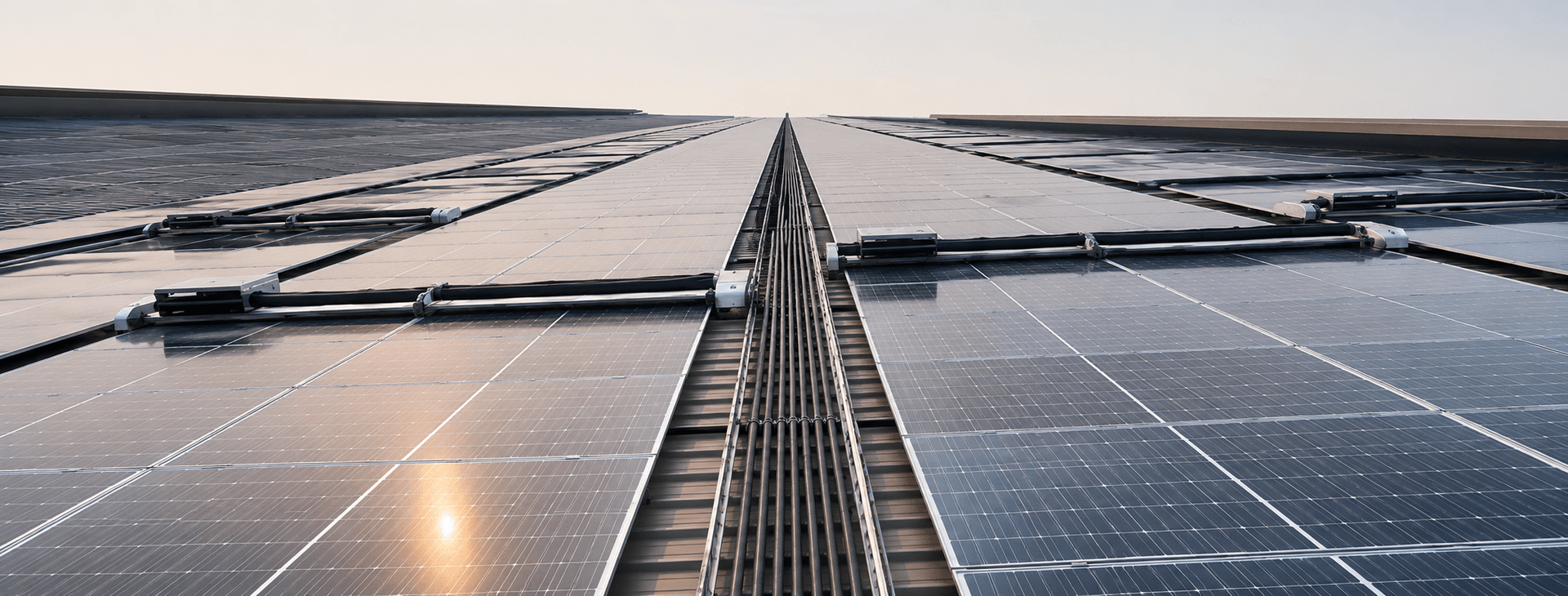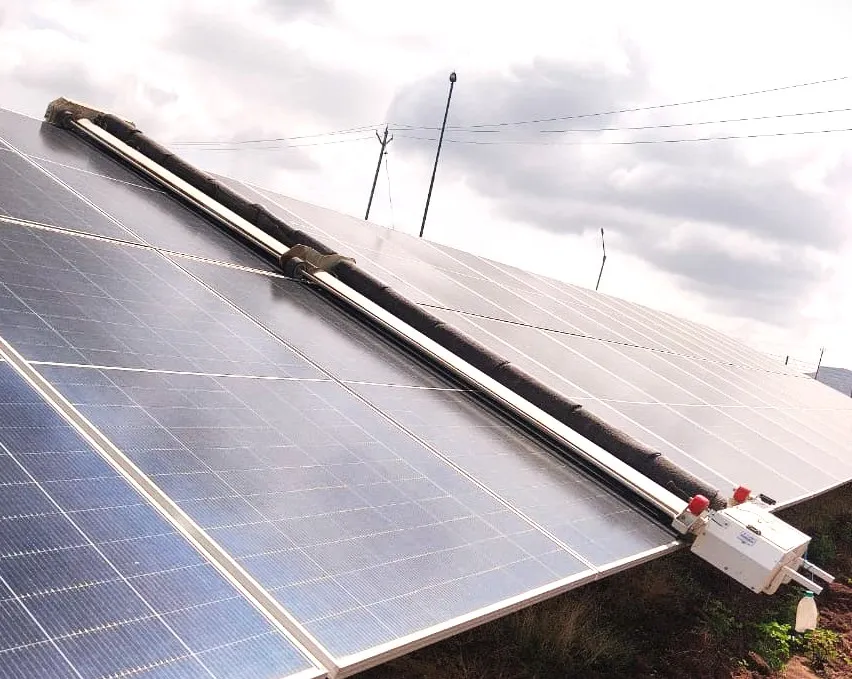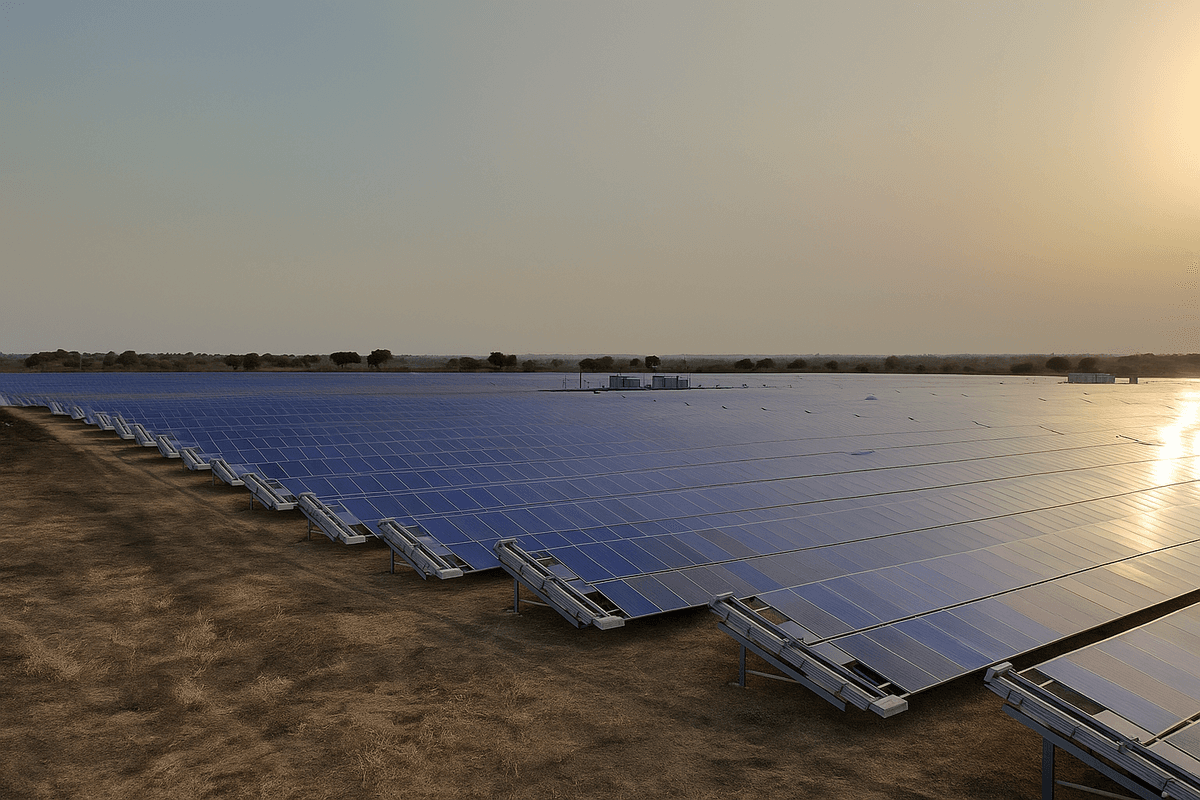
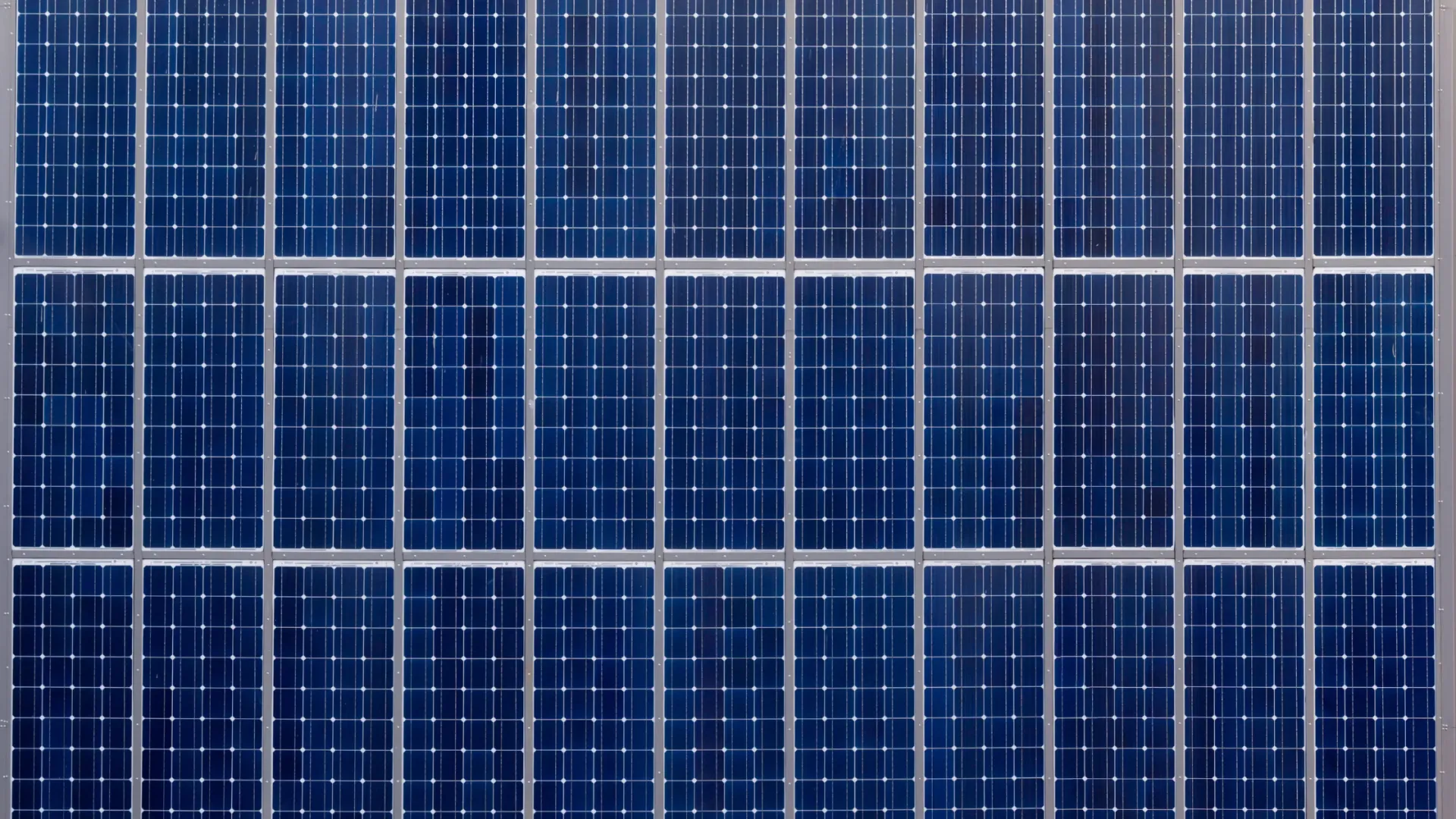
Choosing the best solar panels for utility scale in India is a procurement and finance exercise, not a consumer ranking list. IPPs optimizing a 100 MW SECI bid care about delivered watts per rupee, degradation at year 25, ALMM status, and whether the module supplier will still answer calls when containers arrive at a Rajasthan site in June. Cell hype matters less than enforceable warranty and mounting compatibility.
This guide gives asset owners and EPC teams a selection framework for Indian utility modules: technology tiers, tender evaluation criteria, bankability checks, and integration with trackers and inverters without drifting into O&M topics unrelated to module choice.
Quick answer
- Tier-one bankability and ALMM status where subsidies apply.
- 540–700 Wp mono PERC/TOPCon dominates new utility bids.
- Score ₹/W against yield and degradation, not STC alone.
- Validate tracker/inverter load and voltage windows early.
- Lock BOM before NTP; substitutions need re-engineering.
Utility selection criteria vs rooftop
Rooftop buyers optimize aesthetics and area. Utility IPPs optimize project IRR at discovered tariffs. That shifts weight to volume pricing, logistics, warranty litigation history, and compatibility with central inverters and single-axis trackers. A module that wins a 5 kW install may fail insurance scrutiny on a 200 MW portfolio.
Module choice also affects installation cost per MW through structure count and cable losses; coordinate with utility installation cost breakdown.
Technology tiers in Indian utility procurement (2025–2026)
| Technology | Typical wattage | Utility fit | Selection note |
|---|---|---|---|
| Mono PERC | 540–600 Wp | Workhorse for most bids | Strong field history; cost competitive |
| TOPCon | 580–700 Wp | Growing share in new tenders | Higher efficiency; verify ₹/W premium vs yield |
| HJT | 600–720 Wp | Niche high-efficiency projects | Premium price; check supply continuity |
| Legacy poly | 300–340 Wp | Operating assets only | Repower decisions, not greenfield |
ALMM, domestic content, and policy filters
MNRE's Approved Models and Manufacturers List gates which modules qualify for certain domestic content claims and linked benefits. Lists update on rolling cycles; a bid-winning SKU must still be listed at delivery. Procurement teams maintain compliance spreadsheets tied to PO dates.
SECI and state tender documents specify applicable rules per tranche. Misalignment between module origin claims and ALMM records has delayed COD on industry-reported projects.
Bankability and supplier shortlisting
Lenders and independent engineers recognize a short list of tier-one manufacturers with audited financials and utility-scale shipment volume. Shortlist three to five suppliers with:
- Third-party bankability reports acceptable to your lender.
- Indian utility reference plants >50 MW commissioned.
- Warranty backed by insurance or balance sheet disclosure.
- Service presence for claims, not only import offices.
- Flash test and EL protocols aligned with IEC practice.
Manufacturer landscape: solar panel technologies 2025 and module types overview.
₹/W vs lifecycle energy yield
Lowest ₹/W modules may carry higher degradation or wider power tolerance bands that clip inverter output. Model P50/P90 yield with each candidate's temperature coefficient and degradation curve. A 3% higher price module that delivers 1.5% more MWh over 25 years often wins IRR at ₹2.70/kWh tariffs.
Align yield assumptions with module efficiency fundamentals and PR measurement post-COD.
Tracker and inverter compatibility
| Check | Why IPPs care |
|---|---|
| Module dimensions + weight | Tracker torque tube and wind stow loads |
| String voltage at site Tmax/Tmin | Inverter MPPT window compliance |
| Bifaciality factor | Energy model for tracker + albedo assumptions |
| Connector and cable spec | BoS standardization across MW blocks |
| Fire class and UL/IEC certs | Insurer and lender checklists |
Module swaps after bid award without re-running structural and electrical studies are a common source of EPC change orders.
Tender evaluation scorecard (sample weights)
Sample IPP weighting for 100 MW module RFP:
- Delivered ₹/W to site (35%)
- Bankability and warranty (25%)
- Predicted MWh from independent yield run (20%)
- ALMM / domestic compliance (10%)
- Logistics and delivery schedule (10%)
Adjust weights to your tariff and lender. Do not let sales discounts override missing compliance docs.
Quality assurance at receipt
Utility scale means thousands of modules per week on site. QA sampling plans should include flash testing, EL imaging on sampled cartons, and visual inspection for microcrack and frame damage before install. Reject batches with traceability gaps; warranty claims fail without serial mapping.
Coordinate QA with EPC install rates so bad modules do not mount before detection.
Repower and brownfield module selection
Repower projects add constraints: existing table sizes, inverter reuse, and feeder capacity. Sometimes a lower-watt module that fits legacy geometry beats maximum wattage requiring full tracker replacement. Evaluate repower as mini-greenfield with separate IRR.
Design context: designing a solar power plant.
Which module type should a 150 MW Rajasthan SECI project pick?
If ALMM-compliant TOPCon at acceptable ₹/W clears yield uplift in P90 models and tracker OEM approves load tables, it is the rational default for 2026 greenfield. If TOPCon premium erodes IRR below lender floor, mono PERC from the same bankable tier-one pool often remains the winning bid. Run both through identical yield and degradation scenarios before BOM lock.
Supply chain and logistics risk
Utility modules ship in thousands of containers across quarters. Port congestion, rupee movement, and polysilicon supply shocks move ₹/W faster than EPC can renegotiate tariffs. IPPs mitigate with frame agreements, indexed pricing formulas, and dual-qualified suppliers in case one SKU faces ALMM delisting or export restriction.
Site logistics matter: remote Rajasthan parks need staging area and theft protection before install. Module insurance from port to mount should match lender requirements. Late delivery liquidated damages should reflect daily IDC burn, not symbolic amounts.
Independent engineer and lender module review
Before financial close, independent engineers sample manufacturer datasheets against bill of materials, verify certification folders (IEC 61215/61730 class tests), and flag power tolerance bands that could cause clipping. Lenders repeat this review on each drawdown when module make is locked.
Presenting a module change after IE sign-off triggers re-review and schedule risk. Treat BOM lock as a covenant, not a procurement convenience.
Long-term O&M and technology obsolescence
Module type affects spare module strategy for warranty replacements. Large-format TOPCon SKUs may be unavailable a decade later if product lines retire. IPPs negotiate long-term spare availability clauses or compatible successor SKUs in supply agreements.
Higher-efficiency types can reduce modules per MW, lowering future replacement cart counts but increasing per-module replacement cost. Model both in 25-year O&M reserves submitted to lenders.
Climate-specific yield validation
Rajasthan high-GHI sites favor technologies with strong high-temperature performance in independent yield runs. Coastal Gujarat sites stress humidity and soiling in degradation assumptions. Run technology comparisons with site-specific met data, not manufacturer generic India averages, before tender award.
Commissioning flash test alignment
Module selection should specify flash test standards and power tolerance acceptance bands at receipt. Rejecting out-of-tolerance modules before mount protects string design assumptions. EPC install rates should not outpace QA sampling on 100 MW class projects.
Key takeaways
- Best utility modules are bankable, compliant, and compatible, not just high wattage.
- Compare lifecycle MWh per rupee, not sticker efficiency.
- ALMM and delivery-date compliance are pass/fail gates.
- Lock electrical and structural fit with inverters and trackers early.
- QA sampling at receipt protects 25-year warranty value.
Module selection for Indian utility scale is really a lender diligence exercise with a yield spreadsheet attached. The best panel is the one your insurer, IE, and ALMM records all agree on at delivery.
Related resources
Frequently asked questions
For IPPs, best means bankable tier-one supply, ALMM listing where required, predictable degradation, compatible mounting and inverter voltage windows, and delivered ₹/W that preserves IRR at your bid tariff. Highest laboratory efficiency is secondary to field reliability, warranty enforceability, and logistics to remote sites.
New builds in 2025–2026 commonly specify 540–700 Wp mono PERC or TOPCon modules from tier-one manufacturers. Older operating plants may still run 330–450 Wp poly or early mono. Greenfield tenders increasingly standardize large-format cells to reduce structure count per MW.
Projects claiming domestic content benefits or certain government-linked offtake need Approved Models and Manufacturers List compliance. MNRE updates shift eligible SKUs; procurement must verify list status at order and delivery, not only bid date, to avoid subsidy or PPA disputes.
TOPCon offers higher efficiency and favorable temperature coefficients on paper. PERC remains cost-competitive with longer field track records in India. Choose based on delivered ₹/W, warranty terms, independent bankability reports, and EPC yield models at your site GHI, not cell marketing alone.
Request independent EL sampling plans, flash test protocols, insurance-backed warranty, tracker load compatibility letters, and bill of lading traceability. Visit reference plants in similar climates. Align module BOM lock with inverter and tracker contracts before notice to proceed.