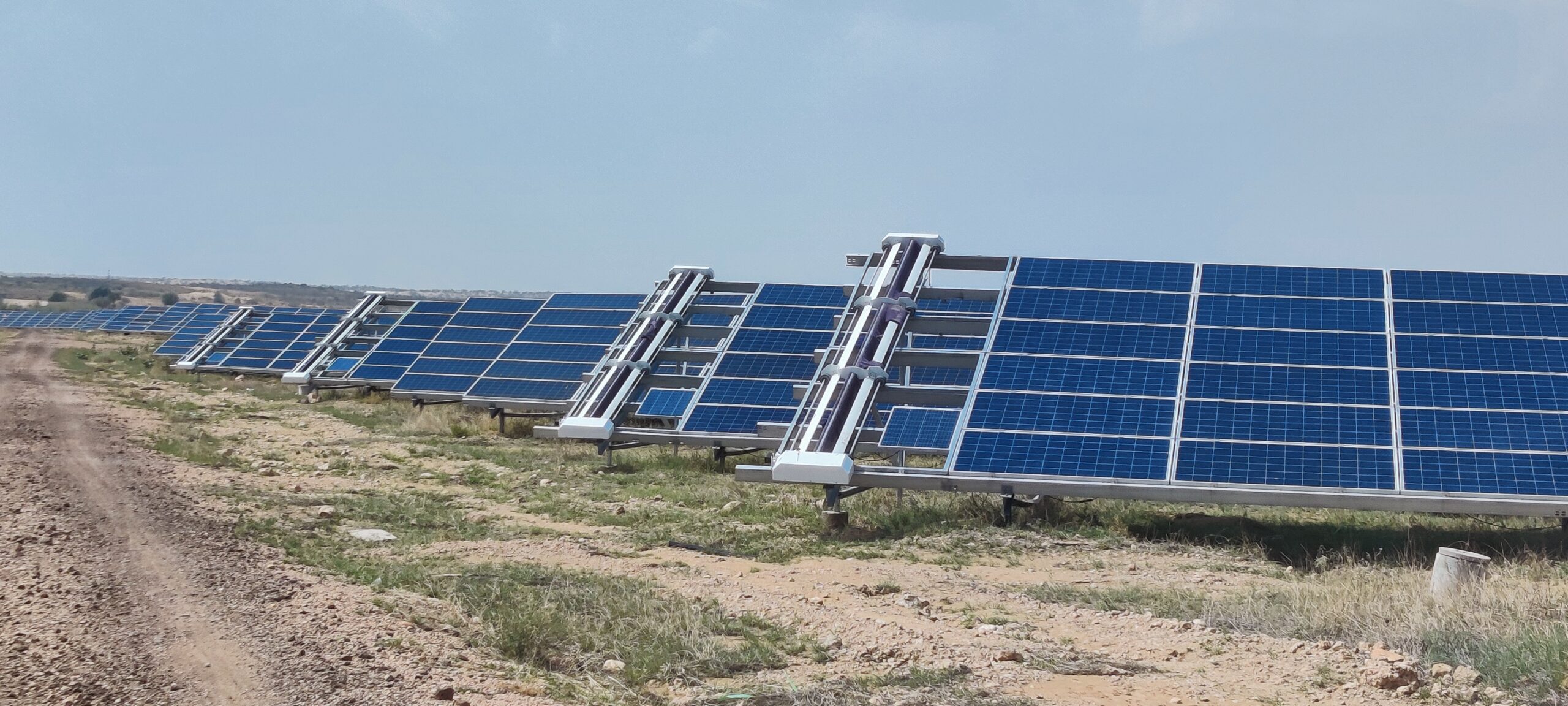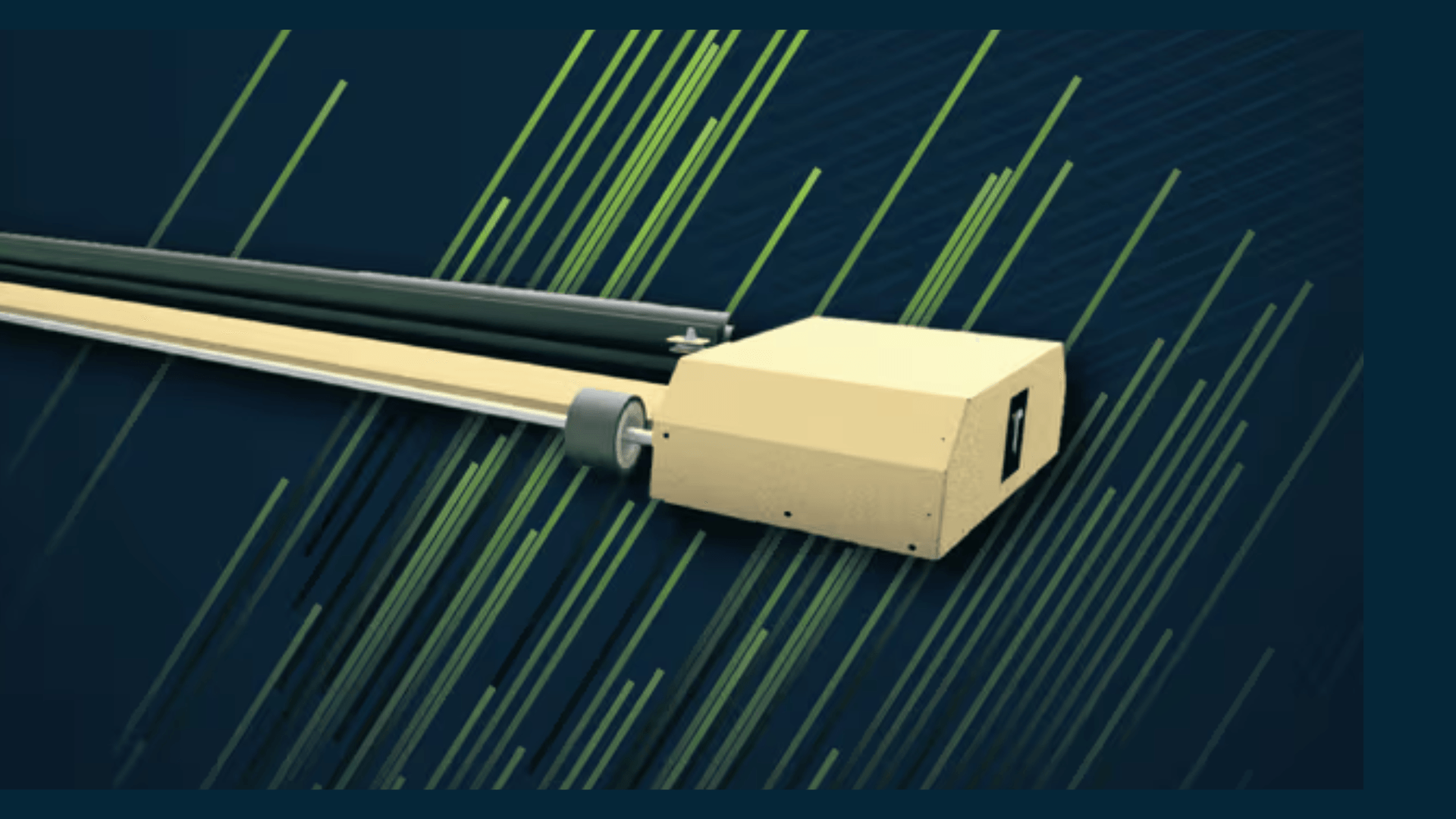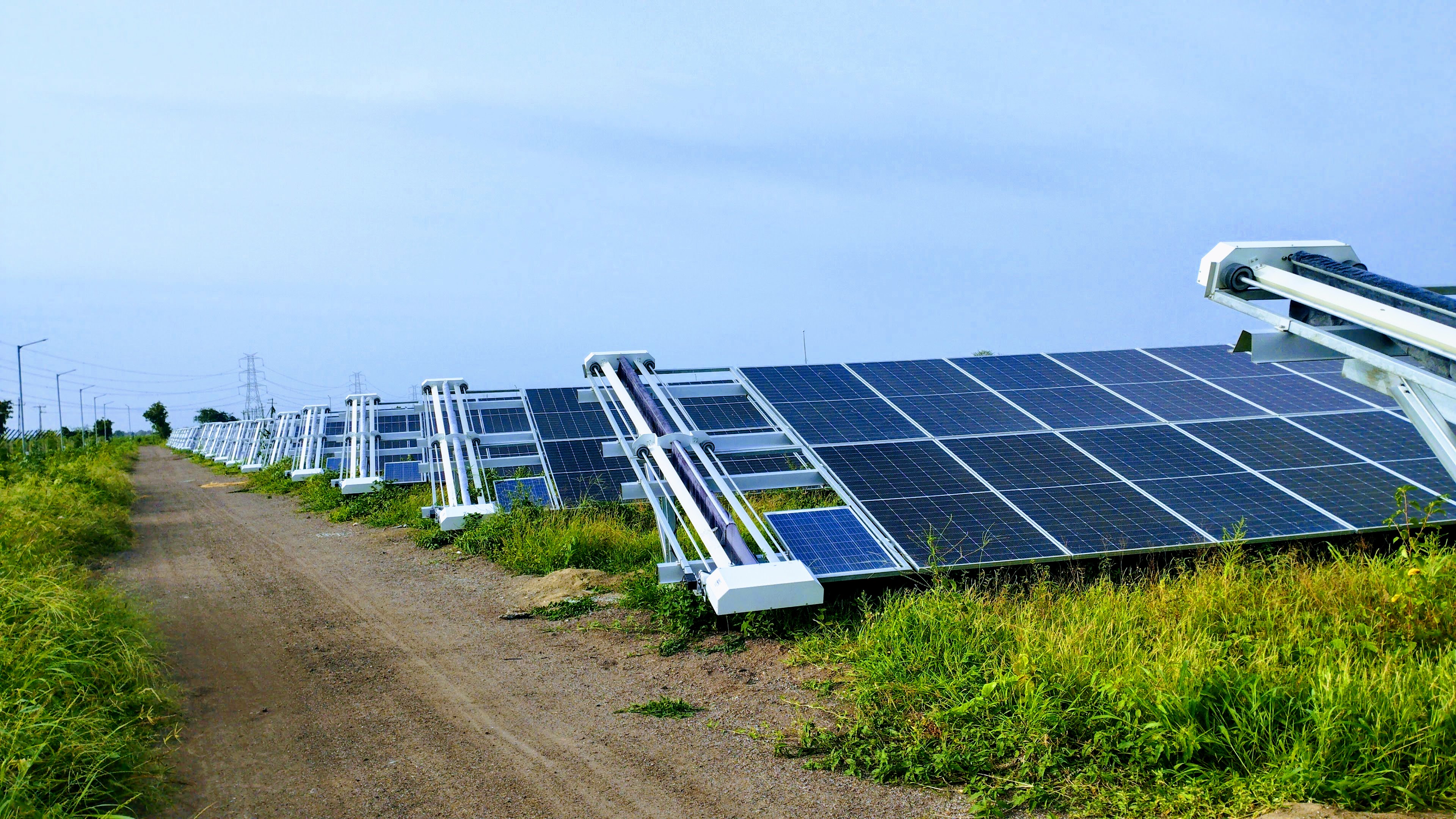
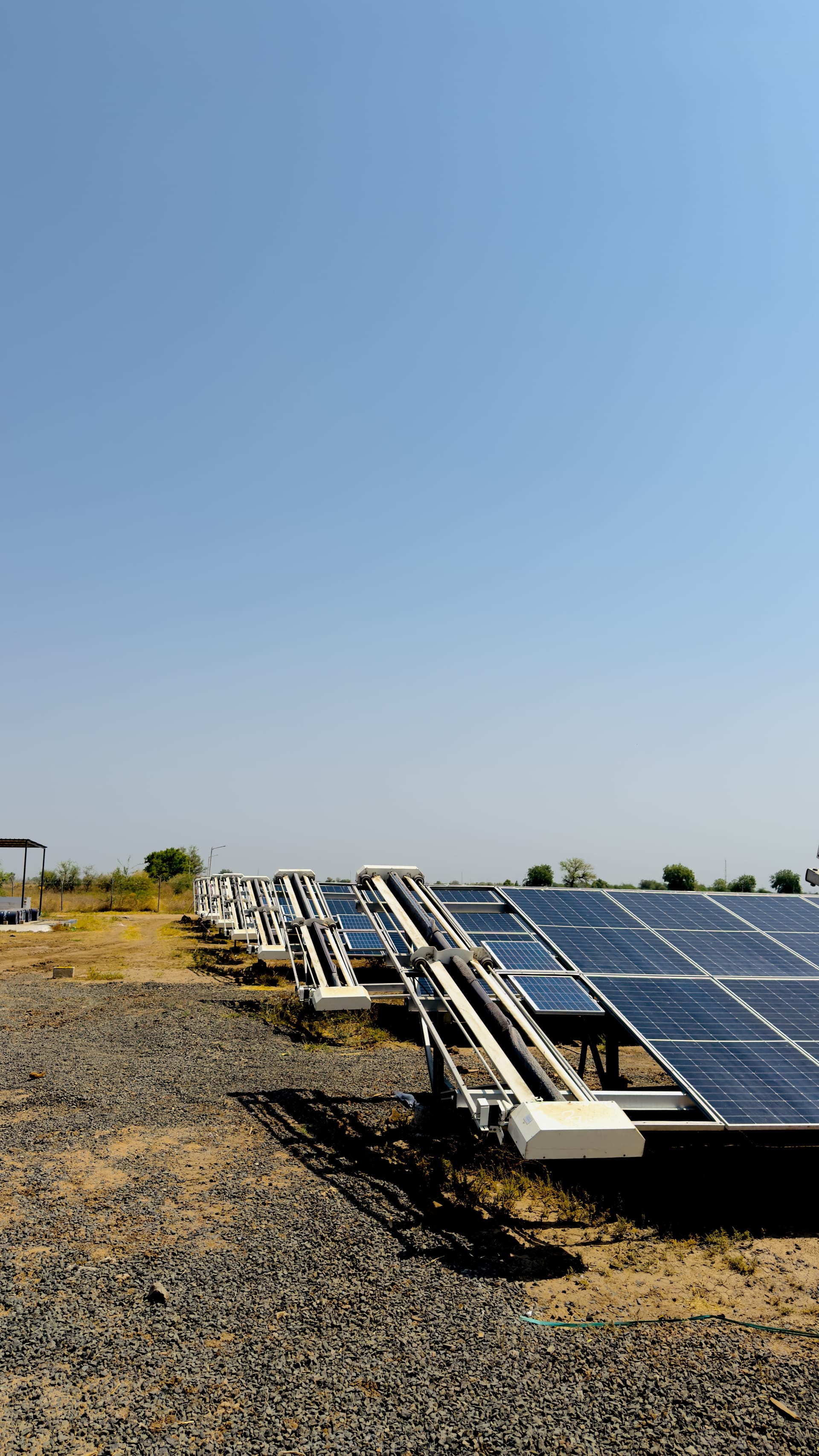
Can a solar cleaning robot truly manage itself, scheduling, adapting, reporting, without human input? The answer is closer than you think, and the stakes are enormous for the energy industry.
The Dirty Truth About Solar Efficiency
Dust, bird droppings, pollen, and industrial grime are silent killers of solar ROI. In arid regions like Rajasthan, the Middle East, and the Atacama Desert, panels can lose up to 30% of their energy output within weeks of installation, without a single mechanical failure.
Traditional cleaning is expensive, water-intensive, and inconsistent. Human crews operate on fixed schedules that ignore weather patterns, soiling rates, or real-time energy data. The result? Billions in unrealized solar potential, every single year.
"The problem was never generating solar energy, it was keeping the glass clean enough to let it happen."
What "Self-Managing" Really Means
A self-managing asset isn't just automated, it's intelligent. The distinction matters enormously. An automated robot follows a script; a self-managing robot rewrites its own script based on conditions it reads in real time.
True self-management means the robot decides when to clean, how to clean, flags its own maintenance needs, communicates with grid operators, and adapts to unexpected situations, all without a human making the call.
The 5 Capabilities That Enable Autonomy
Vision & Sensing
Computer vision detects soiling levels panel-by-panel, triggering targeted rather than blanket cleaning.
Weather Intelligence
Integrates live meteorological data to defer cleaning before rain or accelerate it after a sandstorm.
Energy-Aware Scheduling
Prioritizes high-yield panels and schedules work during off-peak solar hours to maximize net output.
Predictive Self-Diagnosis
Monitors its own motor health, brush wear, and water tank levels, raising alerts before failure occurs.
Performance Reporting
Generates cleaning logs, efficiency deltas, and ROI reports, audit-ready with zero manual input.
Real-World Challenges Standing in the Way
- Edge-case terrain: Warped panels, debris, bird nests, and unexpected obstacles require judgment that rule-based systems still struggle with.
- Connectivity in remote farms: Large utility-scale sites in deserts often lack reliable internet, limiting cloud-dependent AI models.
- Hardware reliability at scale: A fleet of 50 robots on a 100MW farm introduces failure-cascading risks that manual oversight used to catch.
- Regulatory ambiguity: Many markets lack frameworks for fully autonomous industrial equipment operating without a licensed operator on-site.
- Data ownership and integration: Feeding robot data into existing SCADA and ERP systems requires standardization that the industry hasn't agreed on yet.
ROI Beyond Clean Glass
The financial argument for self-managing cleaning robots goes well beyond energy yield recovery. When a robot handles its own scheduling and reporting, the operations team shrinks. When it predicts its own failures, warranty claims drop. When it logs every clean, insurance and compliance audits become trivial.
- Reduced O&M labour costs by removing manual scheduling and inspection rounds
- Water savings of 70–90% versus manual cleaning through precision targeted application
- Improved bankability, lenders and insurers reward verifiable, automated maintenance records
- Faster fault detection on panels, robots traversing arrays spot micro-cracks and hotspots early
- Scalability, one operations manager can oversee a fleet that previously required ten field technicians
"A robot that cleans panels is a tool. A robot that manages its own schedule, reports its own health, and adapts to conditions is an asset."
Four Stages to Full Autonomy
Stage 1, Automated Execution
Fixed-schedule robots that clean without human operation. Most commercial systems today.
Stage 2, Sensor-Driven Scheduling
Soiling sensors and weather feeds trigger cleaning events dynamically. Reduces unnecessary cycles by ~40%.
Stage 3, Predictive & Self-Diagnosing
AI models anticipate soiling buildup, plan fleet-wide cleaning campaigns, and flag hardware degradation before failure.
Stage 4, Fully Self-Managing Asset
Integrates with grid operators, financial reporting, and supply chains. Decisions, documentation, and adaptation require zero human input.
Most enterprise deployments today sit between Stage 2 and Stage 3. Stage 4 is commercially viable but rare.
Asset or Liability? The Answer Is: It Depends on the Stack.
A solar cleaning robot can become a self-managing asset, but only when it's paired with the right data infrastructure, AI decision layer, and operational integration. The hardware is largely solved. The intelligence layer is maturing fast. The bottleneck is integration: connecting robot data to plant management systems, financial dashboards, and regulatory reporting.
For large-scale solar operators in high-soiling environments, deserts, coastal dust belts, heavy agricultural zones, the question is no longer whether to deploy autonomous cleaning robots. It's how quickly they can reach Stage 4 before their competitors do.
The solar farm of 2030 won't just generate clean energy, it will largely maintain itself. The cleaning robot is the first domino.
Related resources
For procurement and O&M teams evaluating robotic cleaning in India:
- robotic vs manual solar panel cleaning
- solar panel cleaning robot price guide for India
- solar panel cleaning robots in Rajasthan
Related reading
Frequently asked questions
An automated robot follows a fixed schedule. A self-managing robot uses sensing, weather data, and energy-aware scheduling to decide when and how to clean, flags its own maintenance needs, and reports performance — all without human intervention.
Compared to manual cleaning, autonomous robots using precision-targeted dry cleaning can reduce water consumption by 70–90%, which is especially valuable in arid, water-stressed solar regions.
Key challenges include handling edge-case terrain and obstacles, limited connectivity at remote sites, managing reliability across large robot fleets, unclear regulations for autonomous equipment, and integrating robot data with existing SCADA/ERP systems.
Most commercial deployments sit between Stage 2 (sensor-driven scheduling) and Stage 3 (predictive, self-diagnosing systems). Fully self-managing assets (Stage 4) are technically possible but still rare.