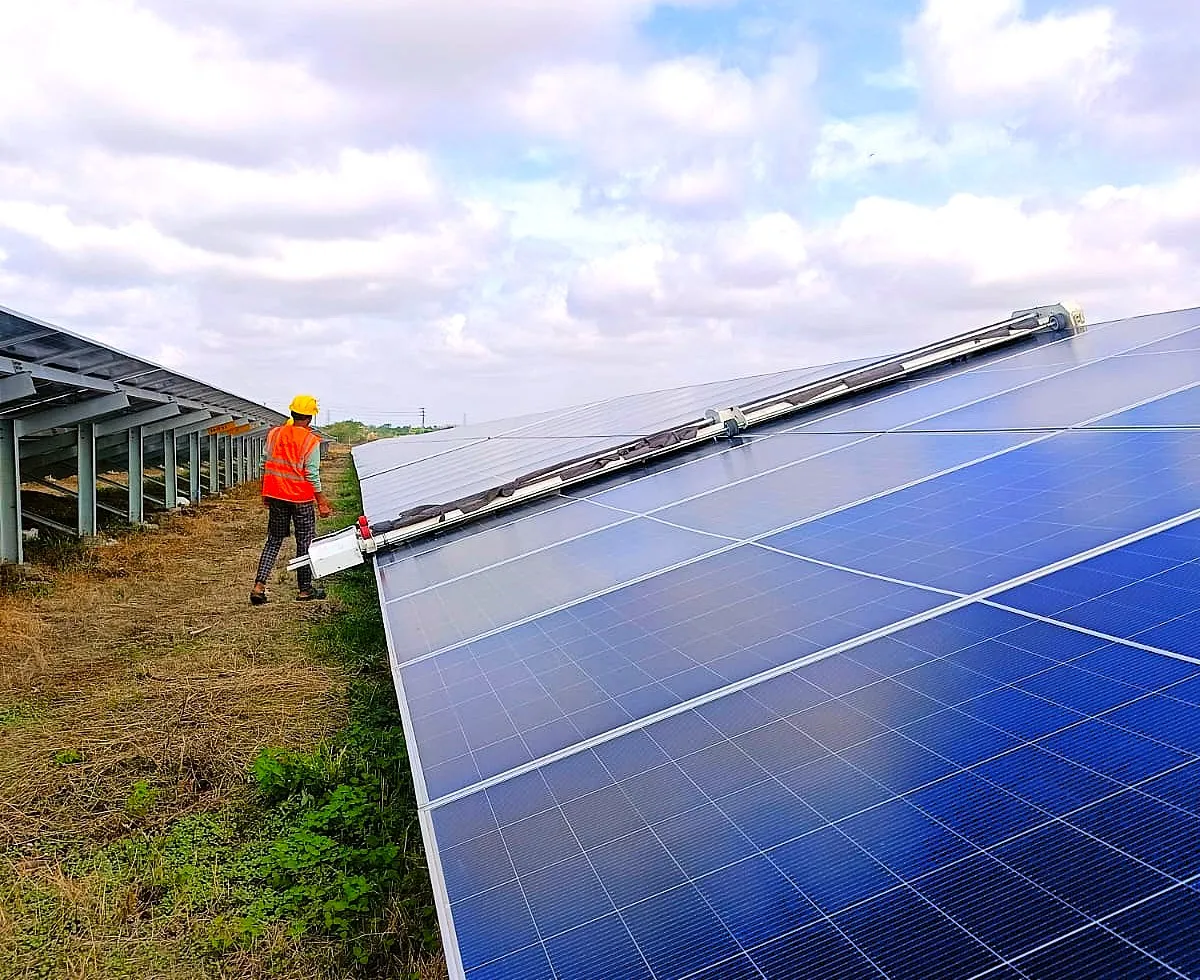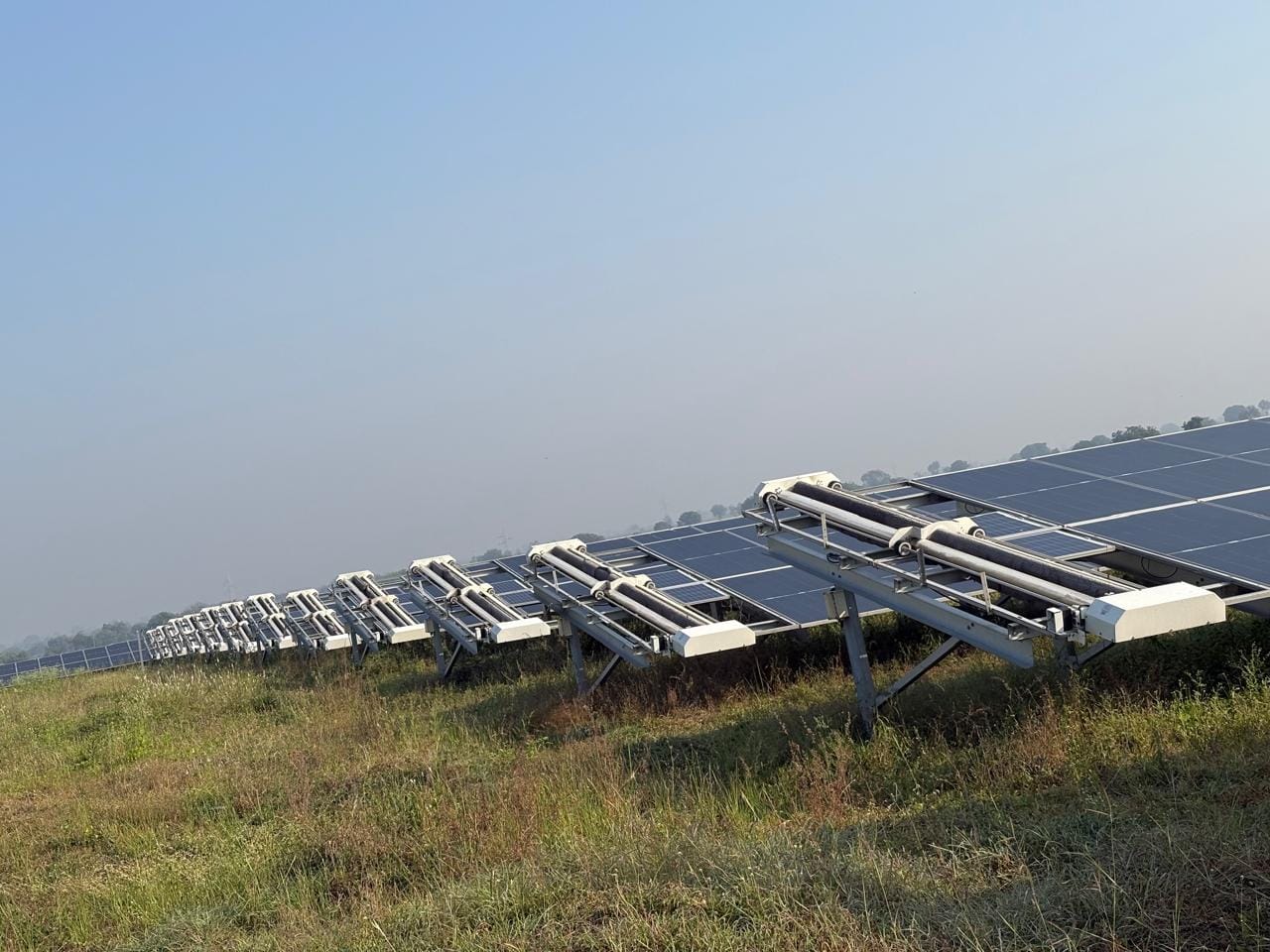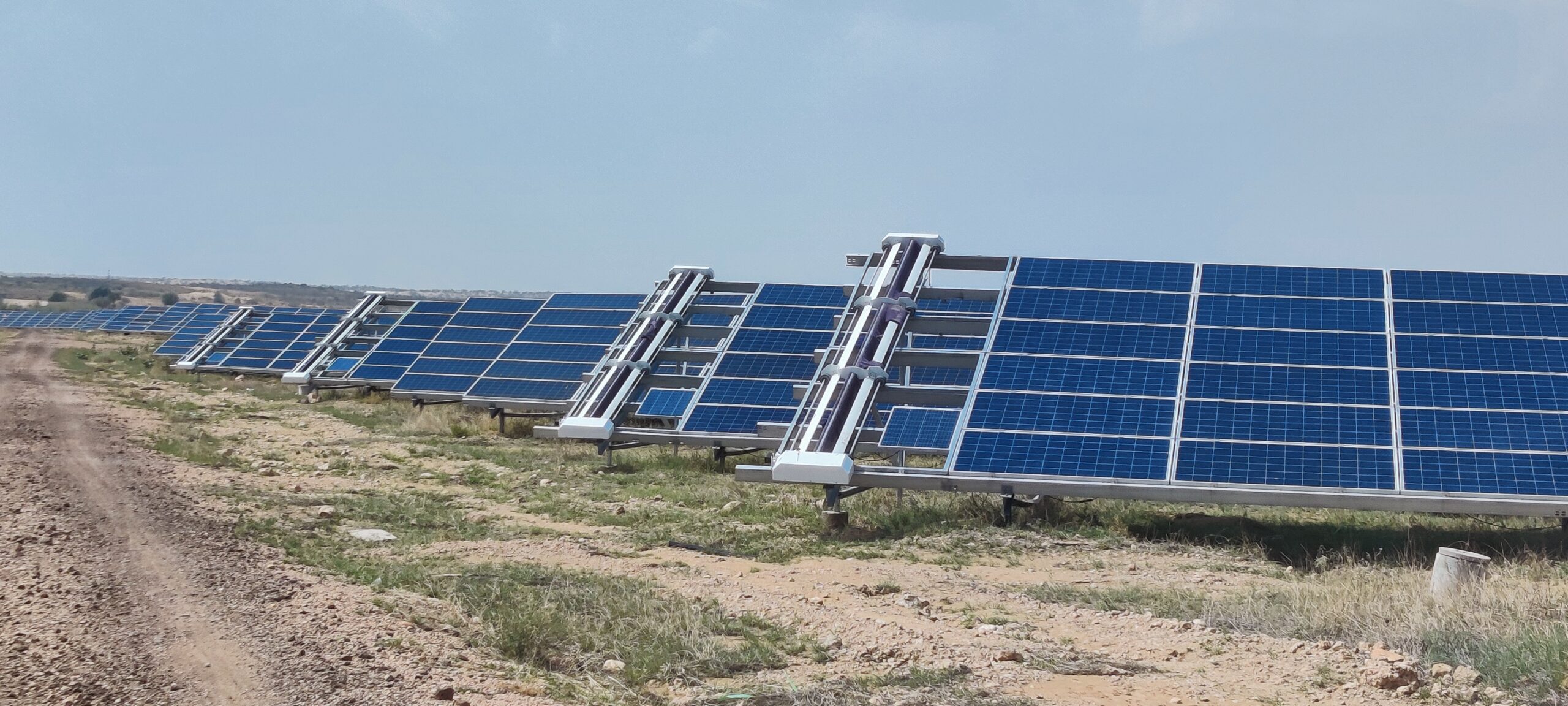
Modern Indian solar farms are too large and too dusty for heroic manual campaigns alone. A 100 MW site in western Rajasthan cannot treat cleaning as a seasonal vendor call without accepting sustained performance ratio loss between mobilizations. Autonomous waterless systems exist so operators keep cleaning frequency near the soiling curve without scaling headcount linearly with every new MW commissioned.
Autonomy is not a luxury badge for investor decks. It is how GW-scale operators defend PPA revenue when dust events arrive weekly in May, water withdrawals face village scrutiny, and lenders compare actual PR to base case every dry season. This article explains drivers, economics, and adoption patterns on 10–500 MW Indian assets.
Quick answer
- Dust frequency often exceeds manual throughput on large GW clusters.
- Waterless robots address scarcity and ESG pressure in west India.
- Night cleaning on trackers protects daytime MWh.
- Fleet logs satisfy lender and asset management audits.
- Autonomy needs uptime discipline, not just hardware purchase.
Scale: when MW outruns manual calendars
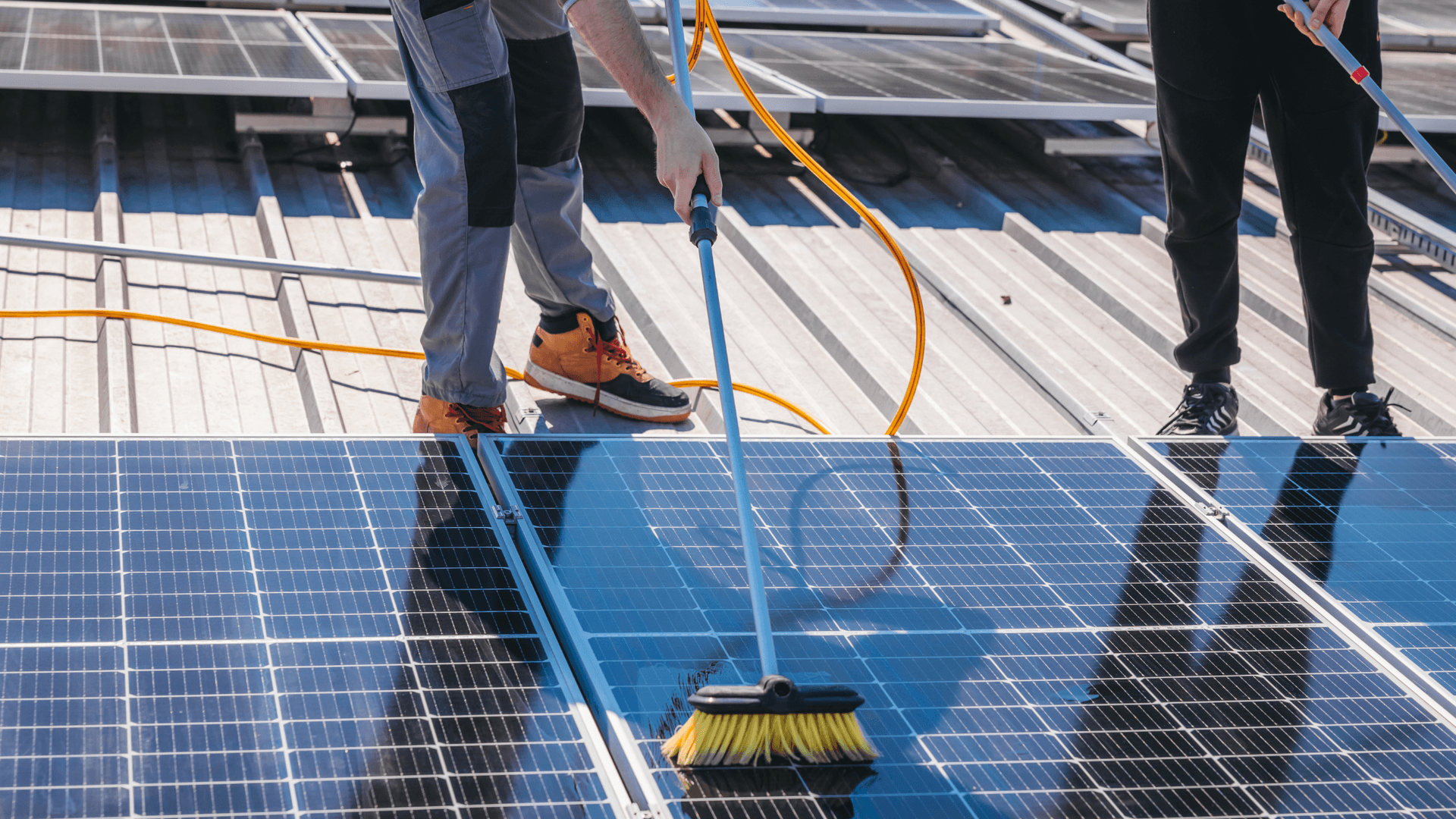
Manual wet programs organize as zone waves: mobilize tankers, clean Block A while Blocks B through F soil, demobilize, repeat. On 50 MW that may be manageable with tight supervision. On 150 MW with single-axis trackers, full-plant cycles stretching past fourteen days mean leading blocks re-soil before trailing blocks see a brush.
Average annual PR reflects time spent dirty, not best-day shine after the last zone finishes. Autonomous fleets aim to shrink that dirty window with nightly passes on compatible rows, subject to wind rules and coverage QA.
Water stress as a forcing function
Rajasthan and Gujarat plants commissioned with generous borewell assumptions now face deeper draws, tanker queues, and ESG questions on litres per MWh. Wet manual cleaning at scale consumes water budgets that autonomy reduces on approved waterless systems. Savings are both O&M rupees and social license.
Compare waterless vs water-based cleaning and traditional vs waterless robots.
Drivers on Indian MW sites
| Driver | Operational effect | Autonomy response |
|---|---|---|
| Plant scale 50–500 MW | Multi-week manual cycles | Parallel nightly row passes |
| Dust storms (May–June) | Rapid PR stair-steps | Faster storm recovery SLAs |
| Water caps | Limits wet frequency | Waterless routine passes |
| Tracker penetration | Slow manual row walks | Night stow cleaning paths |
| Lender PR audits | Documentation demand | Timestamped coverage logs |
Tracker farms and night autonomy
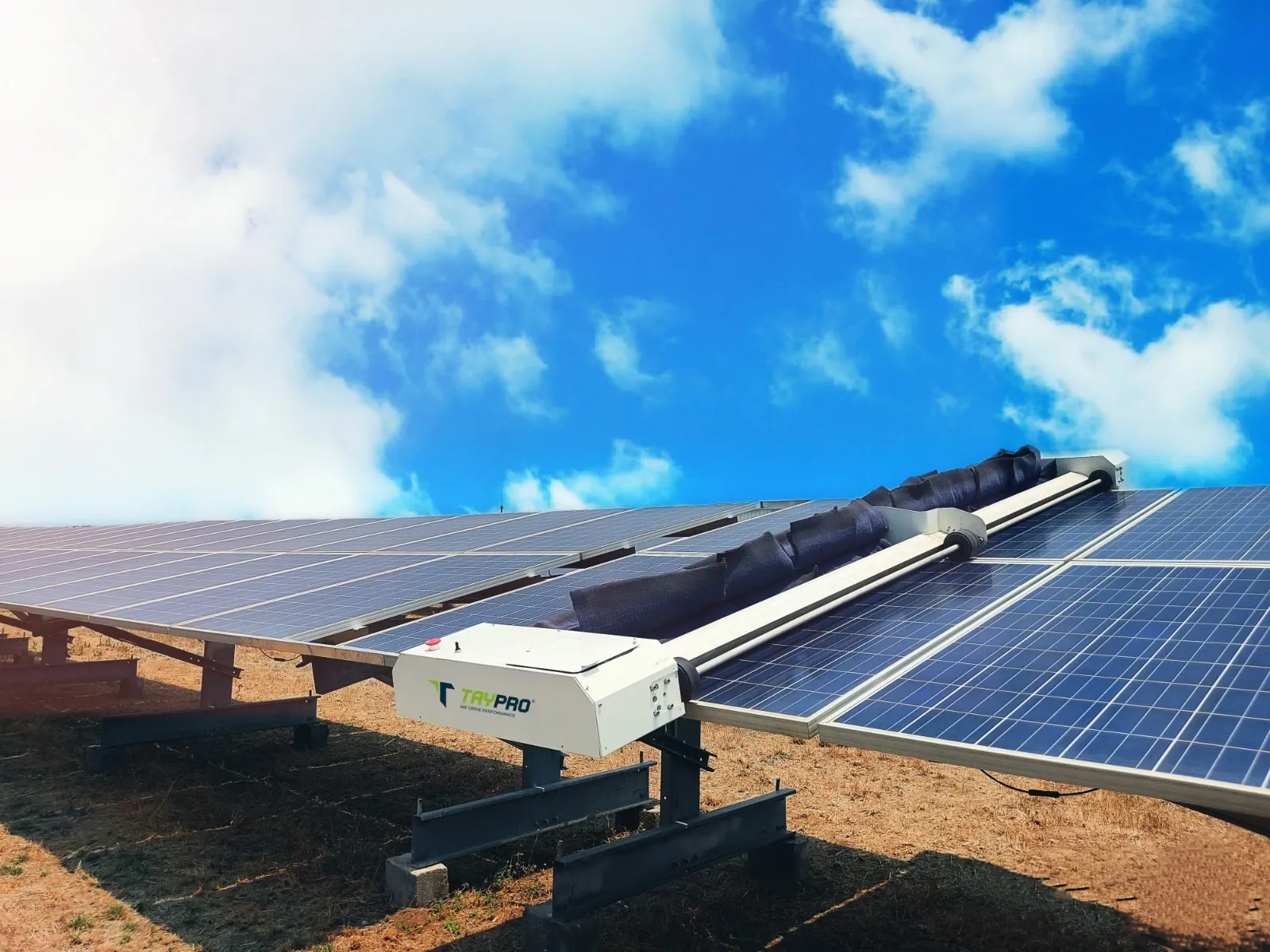
Single-axis trackers dominate new Indian utility capacity. Manual crews on 400-meter rows with cable trays and stow variability cannot match robot night passes where OEM clearance exists. Autonomy here means scheduled stow cleaning with wind interlocks, not daytime shade conflicts during peak irradiance.
Read robotic cleaning on trackers and tracker site preparation.
Illustrative 80 MW storm recovery comparison
| Metric | Manual-only program | Autonomous fleet (85% uptime) |
|---|---|---|
| Days to 90% row coverage post-storm | 12–18 days typical | 4–7 days typical |
| PR dip duration (illustrative) | −6% to −10% peak weeks | −2% to −5% peak weeks |
| Water use that week | High tanker mobilization | Minimal (waterless) |
| Audit trail | Paper / partial logs | Fleet pass IDs per row |
Ranges vary by vendor, geometry, and storm severity. Pilot on your blocks.
Labour: redeploy, not eliminate
Autonomy reduces person-hours on routine dust rows; it does not delete O&M teams. Skilled labour shifts to inverter diagnostics, tracker faults, vegetation, and manual exceptions robots miss. Plants that cut all manual capacity while running robots learn painfully during monsoon mud weeks.
Best programs define hybrid zones and retain storm manual surge capacity.
Data integration with asset management
Modern farms report monthly PR packs to lenders and off-takers. Autonomous systems export which rows cleaned, when aborts occurred, and whether coverage met SLA. That data closes gaps when off-takers question soiling assumptions in availability disputes.
Explore monitoring beyond cleaning and fleet connectivity on large sites.
Adoption path: pilot to portfolio
Leading IPPs pilot on two worst blocks, prove PR recovery and coverage, then phase fleets across compatible zones. Legacy blocks without robot fit stay manual until retrofit. This staged model limits stranded capex and builds operator skill before monsoon peaks.
Warning signs manual is failing: five signs you need automated cleaning.
Cybersecurity on fleet management portals is emerging maintenance scope: who has login access, whether robots can be commanded remotely without dual approval, and how mesh networks segment from corporate IT. Autonomy increases connected attack surface modestly; include in IT maintenance calendar.
Human factors: change management for control rooms
Shift engineers accustomed to manual-only O&M may distrust robot pass logs until validated against PR. Budget training hours and paired shifts where vendor specialists work nights with plant staff for first month. Autonomy fails culturally when teams treat robots as vendor problem not plant asset.
Celebrate measurable PR wins in monthly meetings to reinforce adoption. One visible 4% recovery on a dusty block converts skeptics faster than executive memos.
Autonomous programs should define escalation paths when fleet availability drops below SLA: rental units, manual surge vendor on retainer, or cross-park shared fleet agreements. Autonomy without contingency is fragile in year one before spare inventory stabilizes.
Benchmarking against peer plants in same solar park
In Bhadla, Pavagada, and similar parks, IPPs compare PR anonymously through technical advisor networks. Plants with autonomy and logs increasingly set the benchmark others must explain away. Falling behind peer PR without documented cleaning difference invites lender questions at annual reviews.
Peer benchmark does not mandate robots, but it pressures underperformers to prove why manual choice still holds on same resource and dust regime.
GW clusters and centralized fleet operations
Indian solar parks hosting multiple IPP blocks increasingly explore shared robot depots, cross-block routing, and centralized night operations centers. Autonomy at park scale amortizes charging hubs and specialist operators across 200–500 MW, improving per-MW economics versus isolated 10 MW silos.
Park-level coordination requires inter-IPP agreements on road access, liability, and scheduling when blocks have different module types. Early MOU templates prevent fleet deadlock after first robot purchase.
Future-proofing against tightening water and labour rules
State water policy and rural labour availability are not static. Plants modeling only today’s tanker rate may face step-change cost increases mid-decade. Autonomous waterless capacity insulates partially against those shocks even if year-one ROI looks marginal.
Heat regulations limiting outdoor crew hours in summer will tighten manual throughput further, strengthening autonomy case in already-hot commissioning belts.
Do all modern solar farms need autonomy on day one?
Not every newly commissioned site must buy robots at COD. Sites under 10 MW with mild soiling may delay. But farms above 30–50 MW in dust belts planning manual-only O&M without measuring soiling often discover autonomy necessity after the first dry season PR shortfall. Earlier pilot costs less than emergency retrofit reputation damage with lenders.
Regulators and state discoms may not care about cleaning method directly, but availability complaints from scheduling staff often trace to unexplained PR gaps. Autonomy with logs gives dispatch liaisons credible answers when daily schedules underperform versus irradiance forecasts.
Key takeaways for plant managers
- Autonomy solves throughput and water constraints at MW scale, not marketing.
- Start with data-rich pilots on highest-soiling blocks.
- Integrate fleet logs with monthly PR and lender reviews.
- Keep manual hybrid capacity for exceptions and mud seasons.
- Evaluate automatic systems with PR proof, not demos alone.
Autonomous cleaning earns its place when labour and water cannot match dust throughput. Mild sites may still justify manual programs with data, not dogma.
Related resources
Frequently asked questions
Scheduled robot passes with minimal daily crew intervention, fleet monitoring from control room or O&M apps, and data-logged coverage across many rows. It is distinct from occasional manual campaigns mobilized after dust is obvious. Autonomy targets throughput aligned to the soiling curve, not one-off deep cleans.
Mobilization time, water logistics, heat safety limits, and crew availability mean full-plant manual passes may take one to three weeks on 80–150 MW sites while dust accumulates on untouched blocks. Economic PR loss during that window often exceeds annual robot O&M cost in dust belts.
High-dust, water-stressed states with single sites above 10 MW and growing tracker penetration: Rajasthan, Gujarat, Madhya Pradesh solar parks, and expanding Karnataka clusters. IPPs with lender PR scrutiny and ESG water reporting tend to pilot earlier than smaller C&I rooftops.
Present five-year TCO versus manual with recovered MWh at PPA tariff, water litres saved, storm response time improvement, and pilot PR data on worst blocks. Frame autonomy as operations infrastructure sustaining modeled PR, not optional technology spend.
No. Autonomy requires fleet uptime, integration with O&M workflows, wind and stow interlocks on trackers, and coverage audits. A robot in storage or aborted half the nights is not an autonomous program; it is stranded capex.