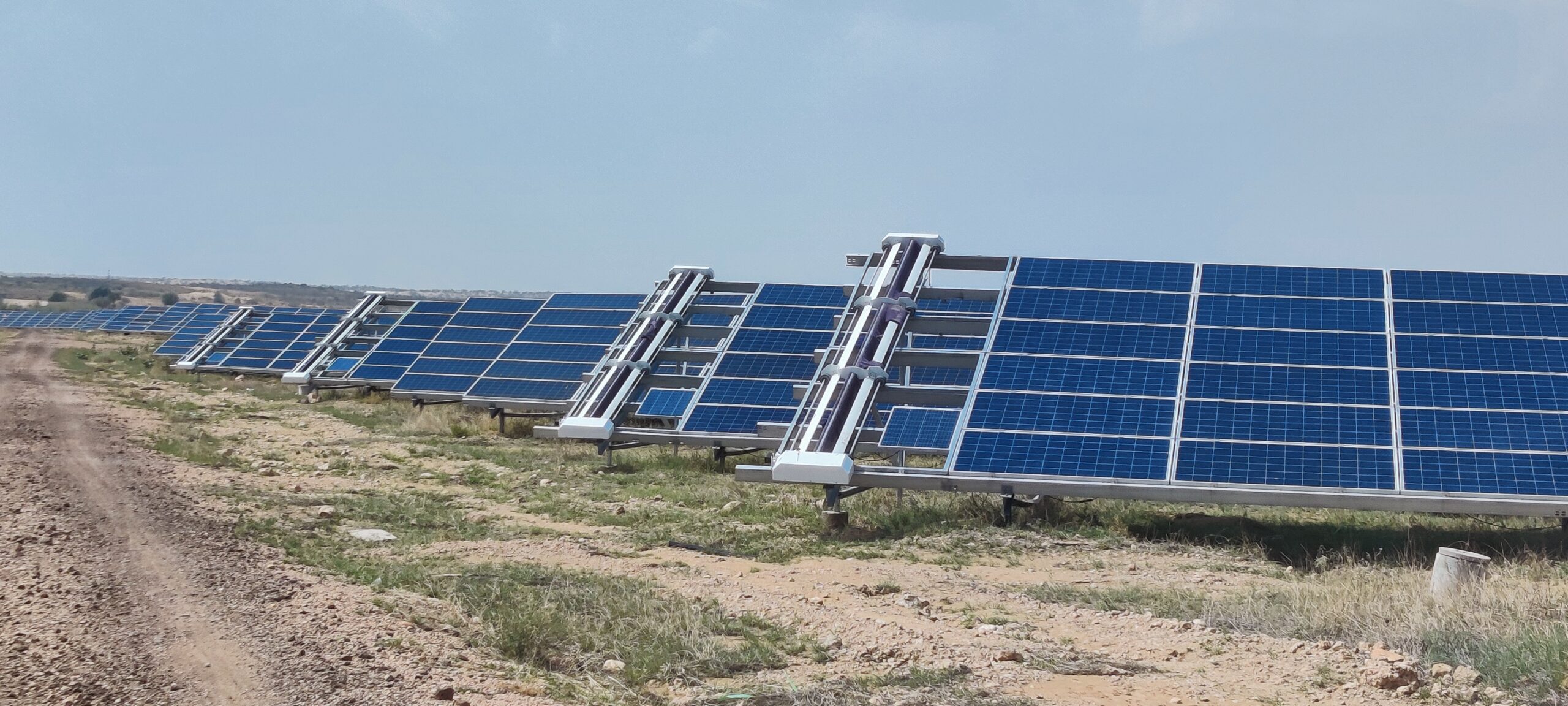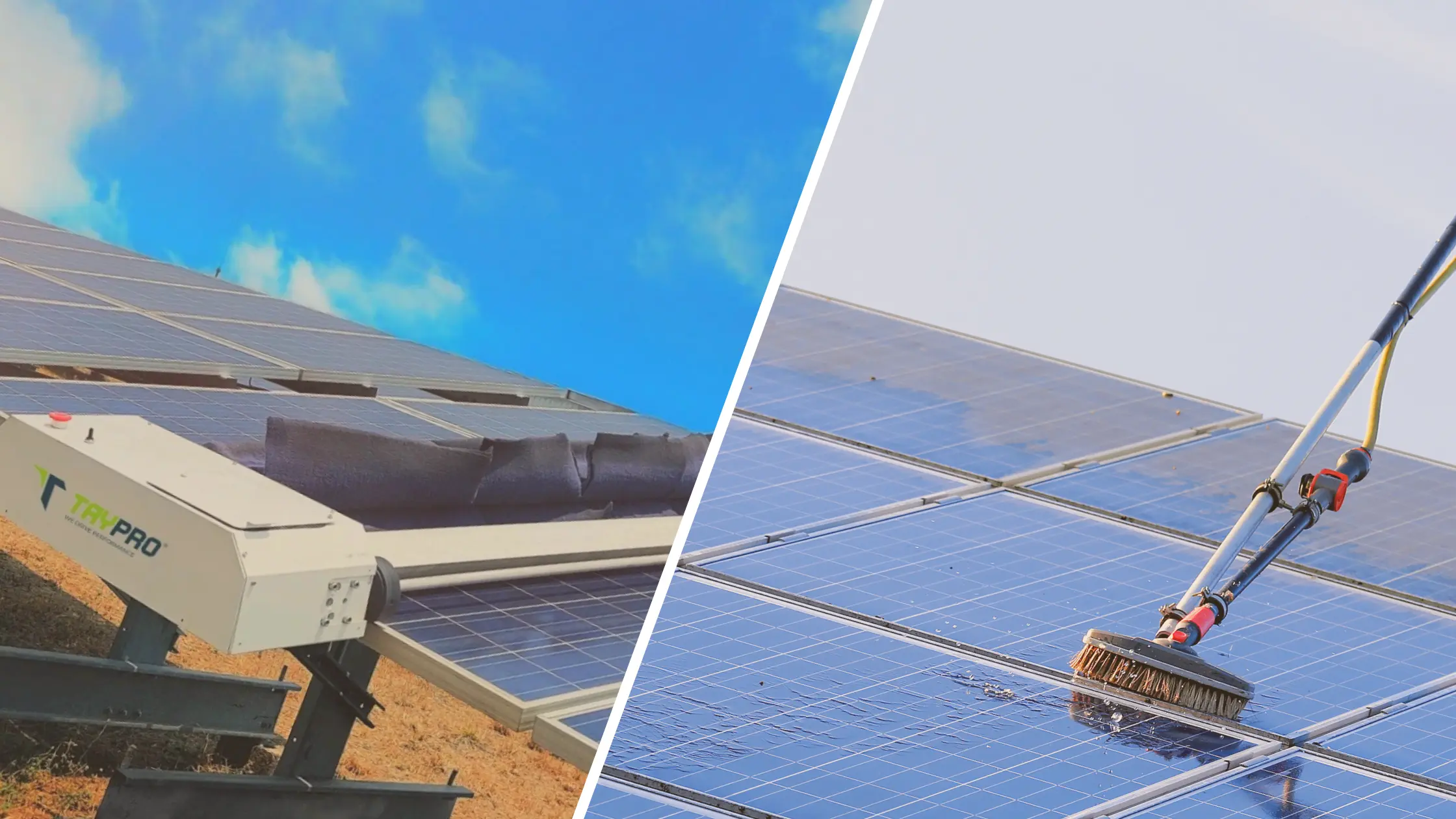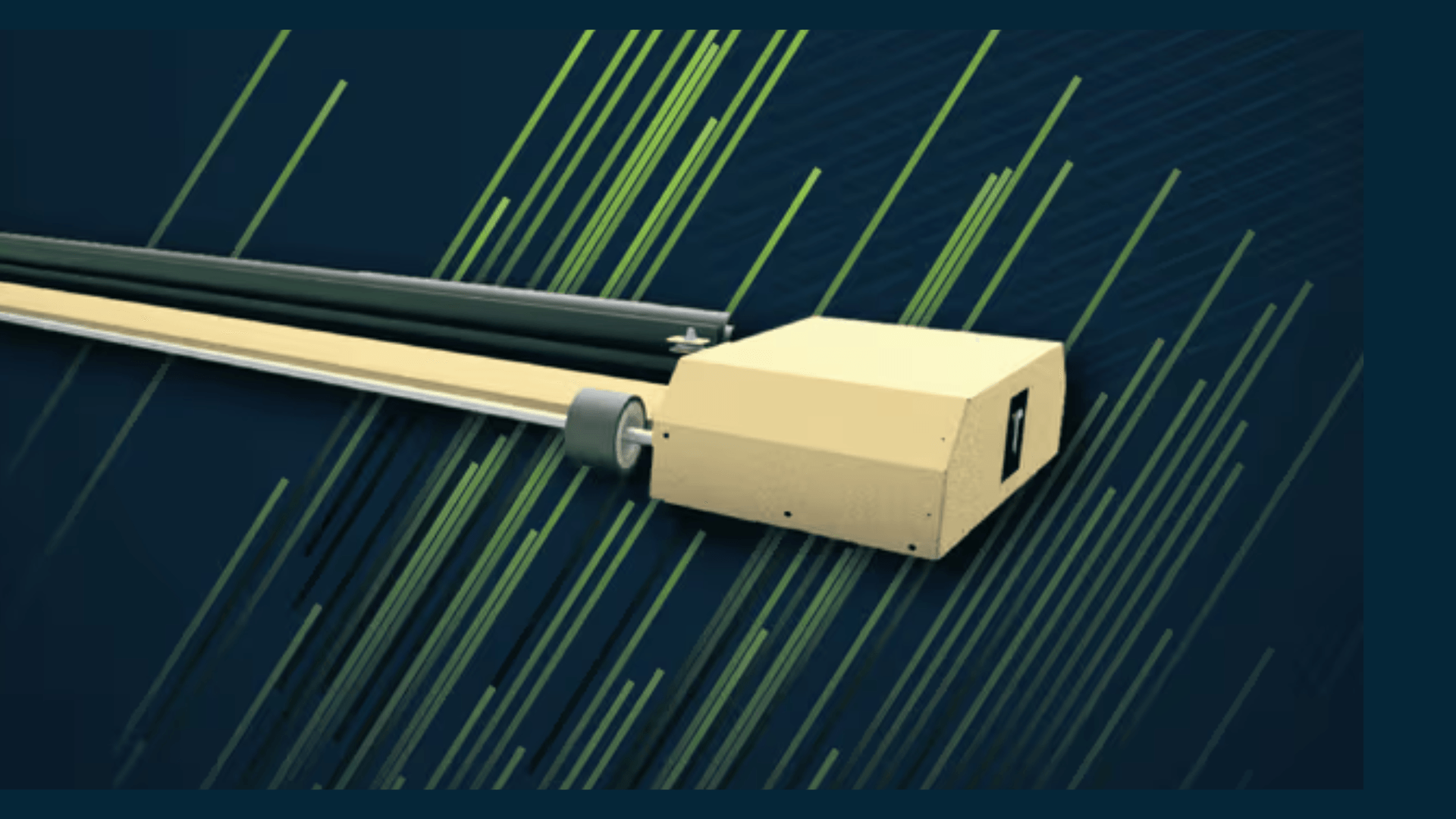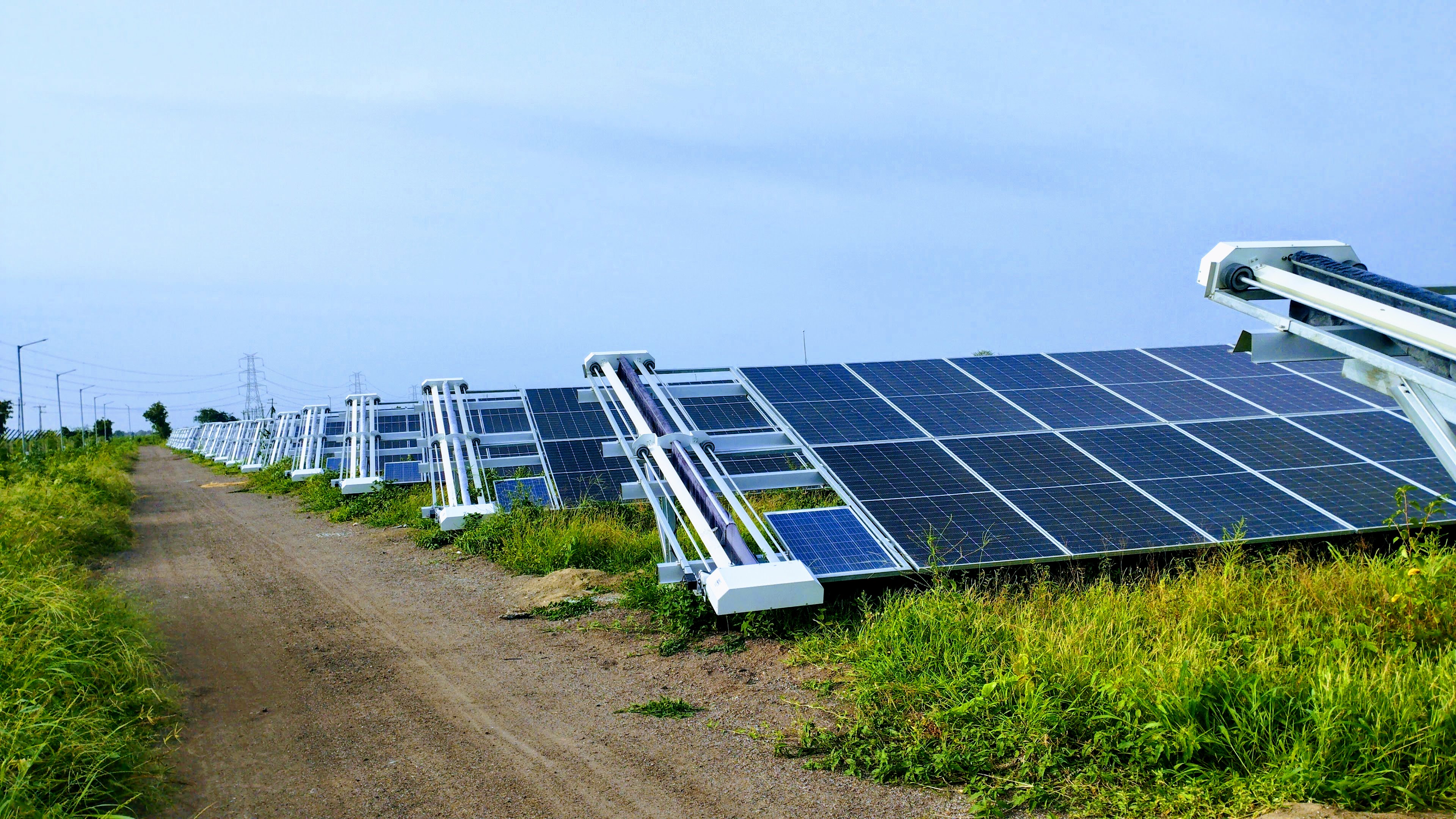

Headlines about solar cleaning innovation often list gadgets without context. Indian utility farms making measurable PR gains in 2024 to 2026 converged on a narrower stack: waterless robotic cleaners on night windows, fleet monitoring with pass audit trails, battery swap discipline on long tracker rows, and weather-aware defer logic that avoids damaged dry passes on damp modules.
This article trims hype and documents what top MW-scale operators actually deploy, with adoption drivers, comparison tables, and verification steps for IPPs evaluating similar programs on 25 to 500 MW assets.
Quick answer
- Waterless robots dominate new utility adoption in arid India.
- Night tracker cleaning avoids daytime export loss.
- Fleet logs prove coverage for AMC and lenders.
- Hybrid manual backup stays for mud and exceptions.
- Copy peers only after pilot PR proof on your blocks.
Shift from calendar wet washes to robotic programs
Legacy utility O&M scheduled two to four manual wet passes per year plus storm callouts. That cadence under-serves western India dry-season soiling rates. Leading farms now target effective full-plant coverage every 5 to 10 days on worst blocks using autonomous dry brushing, with manual wet reserved for post-monsoon mud and inaccessible rows.
Innovation is operational rhythm plus hardware, not a single purchase order. Plants without coverage discipline see robots idle while PR still drifts.
Waterless robotic cleaning: why utilities adopt
| Driver | Manual wet baseline pain | Waterless robot response |
|---|---|---|
| Water scarcity | Tanker queues, borewell caps | Near-zero litres per dry pass |
| Labour mobilization | 5 to 10 day storm response | Nightly deploy from on-site fleet |
| ESG disclosure | Rising withdrawal per MWh | Lower reported water intensity |
| Coverage proof | Paper tickets | Block pass logs with timestamps |
| Scale | Crew limits above 100 MW | Parallel rows with multi-robot zones |
Deep dive: traditional vs waterless autonomous robots.
Tracker night cleaning as standard practice
Single-axis tracker sites dominate new Indian utility capacity. Daytime cleaning costs export on energized rows and exposes workers to heat on long spans. Top farms run stow-aware night programs when wind limits allow, with OEM-approved brush contact parameters. Innovation includes interlocks that pause on wind exceedance and resume with logged abort codes, not only hardware purchase.
Read robotic cleaning on trackers vs fixed tilt.
Fleet comms and monitoring adoption
Large blocks break consumer-grade WiFi. Leading deployments use mesh radio from robot to gateway to control room, with pass confirmation stored when links flap. Operators review dashboards at dawn for deferred blocks before irradiance rises. Exportable cycle logs support performance ratio bridges in investor reporting.
Architecture reference: RF mesh on solar farms.
Battery swap and routing innovations
Long rows exhaust single-cycle packs. Top farms staff swap points with charged packs rotating through night shift, paired with array mapping software that minimizes dead travel. Coverage per charge often approaches 2x unoptimized paths on the same robot class when maps stay current after layout changes.
Detail: battery optimization for cleaning coverage.
Weather-aware defer and rain detection
Innovation also means not cleaning on bad nights. Moisture on cleaning elements after dew or light rain causes smear damage if forced dry. Automatic postpones plus forecast inputs protect modules while logging defer reasons for O&M transparency.
See wet detection and cycle postponement.
What top farms are not doing
- Replacing all O&M with robots while ignoring inverter and tracker maintenance.
- Running unapproved brush types to save spare cost.
- Skipping pilot PR measurement before fleet orders.
- Treating vendor uptime slides as contract KPIs without exportable logs.
- Using manual-only calendars on 150 MW+ dust belts without modelling soiling ₹.
Adoption snapshot by plant profile (illustrative)
| Profile | Common innovation bundle | Manual role retained |
|---|---|---|
| 50 MW Rajasthan fixed-tilt | 4 to 6 waterless robots, night passes | Edge mud after monsoon |
| 120 MW Gujarat tracker | 8 to 12 robots, swap ops, mesh comms | Storm mud, geometry exceptions |
| 200 MW multi-block IPP | Zone-based fleet + central NECTYR-style dashboard | Contract wet crew surge |
| 25 MW mild soiling | Manual optimized; robot pilot optional | Primary method |
Validate counts on your as-built layout with vendor simulation.
Verify before you replicate a peer farm
- Pilot two high-soiling blocks with reference modules.
- Require 30-day coverage and PR export from peer vendor if available.
- Match row geometry and OEM approval to your modules.
- Model five-year TCO vs manual on your PPA tariff.
- Contract for data export, uptime bands, and spare parts SLA.
Use choosing a cleaning system for power plants and ROI calculator.
Are Indian top farms standardizing on waterless robots?
On high-soiling utility assets above roughly 50 MW in water-stressed states, robot-first waterless programs are the default innovation path for new O&M tenders. Smaller or mild-soiling sites may stay manual with improved ticketing. The unifying trend is measurable coverage tied to PR, not any single brand headline.
Tender language top farms now require
Leading IPP tenders specify waterless robotic cleaning as preferred option for blocks above 50 MW in arid zones, with minimum coverage KPIs, module OEM approval, exportable pass logs, and hybrid manual surge clause for post-monsoon mud. Penalty bands for chronic under-coverage appear alongside bonus for exceeding PR targets on reference blocks. Innovation is contracted, not assumed from hardware delivery alone.
Dual-pass brush vs single-pass legacy robots
| Approach | Soil removal on fine dust | Typical utility adoption trend |
|---|---|---|
| Single-pass quick brush | May leave heel marks | Legacy early robot fleets |
| Dual-pass waterless | Lift plus finish pass | New Rajasthan and Gujarat tenders |
| Manual wet only | Strong on mud | Shrinking as primary cadence |
See dual-pass vs microfiber comparison.
Data advantage as innovation multiplier
Farms connected to large fleet portfolios inherit scheduling priors from multi-GW daily throughput elsewhere. New sites benefit from cross-site dust libraries described in GW-scale cleaning data advantage. Standalone manual sites cannot replicate that learning curve without joining autonomous programs with telemetry export.
What changed from 2020 manual-default to 2026 robot-first
Water cost and labour mobilization after supply shocks pushed IPPs to scrutinize cleaning opex. Robot platform weights dropped while brush OEM approvals matured. Mesh comms and swap operations solved long-row tracker coverage. Top farms moved from one annual wet wash narrative to documented 5 to 10 day effective cadence on worst blocks. Innovation is cumulative, not a single year gadget cycle.
Should mid-size IPPs wait for the next cleaning technology?
Waiting often means another dry season of unquantified soiling loss. Current waterless robot stacks are field-proven on Indian utility scale when piloted correctly. Upgrade paths exist for software and brush consumables without full fleet replacement. Defer only if your soiling gap stays below 2% with fast manual cycles and low tariff; otherwise pilot now with exportable data requirements.
How do top farms measure innovation success?
Not by robot count alone. Leading IPPs track average PR gap between effective cleans, block coverage percent from exportable logs, rupees recovered per cleaning hour at PPA tariff, and manual surge hours after monsoon. Innovation succeeds when those metrics improve year on year, not when hardware photos appear in ESG brochures.
Quarterly reviews compare storm response time before and after fleet deployment. Many Gujarat operators cut mobilization from seven to ten days manual to two to three nights robotic on dry dust events when swap ops and mesh comms are mature.
Key takeaways
- Utility innovation clusters on waterless robots, night ops, and fleet data.
- Manual wet remains for mud and exceptions, not primary cadence.
- Mesh comms, battery swap, and weather defer are part of the stack.
- Demand pilot PR proof before copying peer deployments.
- Innovation without coverage logs fails lender and IC reviews.
Related resources
Frequently asked questions
Leading MW-scale sites shift from periodic manual wet washes to waterless robotic fleets with night cleaning windows, pass logging, battery swap operations, weather-driven defer logic, and mesh comms to control rooms. Hybrid manual backup remains for exceptions and mud events.
Water withdrawal limits, tanker cost, and slow manual mobilization after dust storms make dry autonomous passes attractive in Rajasthan, Gujarat, and similar belts. Robots offer repeatable row throughput with near-zero litres per module when dust is dry.
Rarely on day one. Most top farms run robot-first programs with manual wet teams for adhered mud, edge cases, and geometry that robots cannot traverse. Innovation is program design plus telemetry, not robots alone.
Row geometry fit, module OEM cleaning approval in writing, fleet uptime and coverage logs from pilot blocks, PR recovery data on similar soiling, water disclosure impact, and five-year TCO versus manual baseline on your tariff.
Dashboards export block pass history, abort reasons, and battery metrics for AMC and lender reviews. Scheduling ties forecast weather to defer or deploy decisions. Without exportable data, hardware innovation does not survive technical advisor scrutiny.