Executive summary
robotic solar panel cleaning Maharashtra. The 187.5 MW ground-mount solar plant is located in Ahmadnagar-Gunore, Maharashtra. This facility faced major problems with energy production. These issues were caused by local soiling patterns. The site is near farming areas and busy roads. This means the panels collect a lot of agricultural dust and road grit. Humidity also changes frequently in this region. These factors create uneven dust layers on the solar strings. These layers make it hard to maintain steady power output.
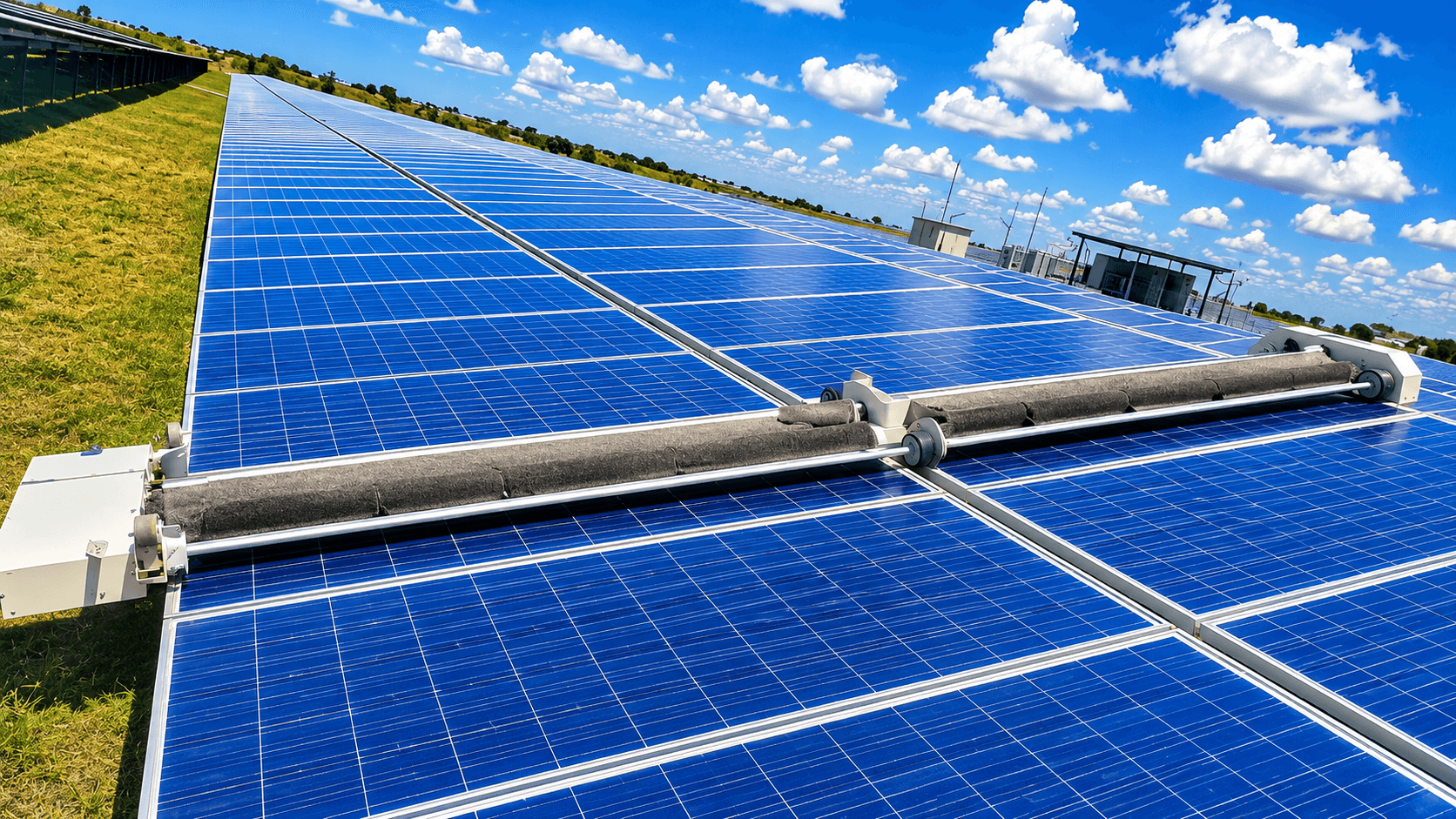
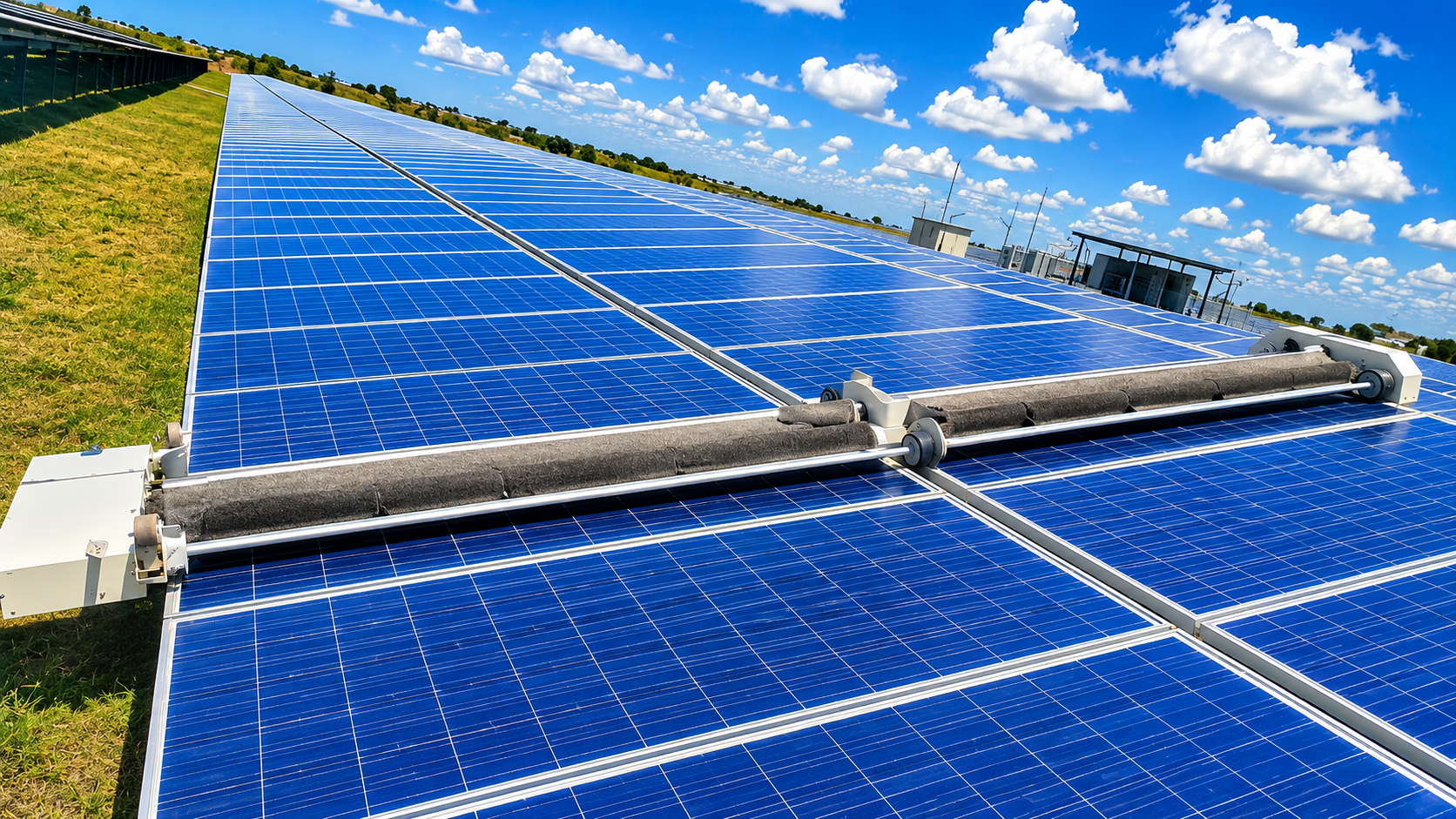
Traditional manual cleaning was not enough. Managing water and night crews was very difficult. Cleaning often clashed with other tasks like vegetation management. Also, supervisors could not prove which panels were actually cleaned. To fix these problems, the site moved to a robotic solution. They used two HELYX semi-automatic robots. This was a Capex-based deployment. These robots use single-pass PBT brush technology. They perform scheduled waterless dry cleaning cycles. These cycles happen between 3 and 10 times per month. This new method has recovered 187.5 MWh of clean energy every year. It also saves 700,000 litres of water annually. This shift makes site maintenance much simpler and more reliable.
Environment and soiling at Ahmadnagar- Gunore
Environment and soiling at Ahmadnagar-Gunore
The 187.5 MW ground-mount plant at Ahmadnagar-Gunore has a unique environment. This environment requires a very strict cleaning plan. The site is located in Maharashtra. This region is known for seasonal farming. These farms create a massive amount of agricultural dust. This dust settles on the solar modules constantly. At the same time, local roads provide heavy road grit. This grit mixes with the dust. Together, they form a tough layer on the glass. This layer is very hard to remove without the right tools.
Humidity cycles in the region add another layer of difficulty. When dust meets moisture from the air, it can crust over. This creates a "crusty" layer on the panels. This soiling is not the same across the whole array. Instead, it creates uneven patterns at the string level. This is a major problem for solar plants. If some cells are shaded by dust, the whole string loses power. This causes electrical mismatches and lowers the total energy yield.
The environment also creates logistical headaches for the O&M team:
- Water logistics are a major burden. Moving water across a large site takes a lot of time and effort.
- Cleaning tasks often overlap with other work. For example, teams must manage vegetation or perform civil repairs. This makes scheduling very hard.
- Night crew schedules often conflict with site access. This makes it difficult to maintain a steady cleaning routine.
- Supervisors previously had no way to verify cleaning. They could not prove which specific strings were cleaned during a shift.
To solve these issues, the site uses two HELYX semi-automatic robots. These robots use single-pass PBT brush technology. They perform dry cleaning cycles 3 to 10 times every month. This matches the intensity of the local dust. This robotic approach removes the need for water. It also removes the need for heavy manual labor. This system ensures every block gets equal attention. It has successfully recovered 187.5 MWh of energy each year. It also saves 700,000 litres of water every year.
O&M before Taypro
Operational Hurdles and Audit Gaps in Pre-Robotic Maintenance
Before the site used robotic solar panel cleaning in Maharashtra, operations were very manual. The 187.5 MW Ahmadnagar–Gunore plant relied on heavy labor. This was a struggle due to the local environment. Agricultural dust and road grit are very common here. These particles often mix with humidity. This creates a stubborn layer of soil on the modules. Manual cleaning methods often failed to clear these layers effectively.
The O&M team faced three main operational hurdles:
- Water Bottlenecks: Managing water was a constant struggle. Water-based cleaning required large amounts of resources. This often interfered with other vital tasks. For example, it clashed with vegetation management and civil work.
- Scheduling Conflicts: The site used night crews for manual cleaning. This created complex access issues. It was hard to coordinate workers and equipment at night. This led to many gaps in cleaning coverage.
- The Audit Gap: Supervisors lacked real proof of work. They could not verify which strings were cleaned in each cycle. There was no way to audit the performance of the manual crews.
This lack of visibility was dangerous for plant performance. String-level energy losses could go unnoticed for a long time. Without automated logs, managers could not track progress. They could not tell if a block was truly clean or just appeared to be. They also could not see if high-soiling zones were being missed. Moving to robotic cleaning was the only way to fix these issues. The site needed a data-backed way to maintain the modules. They needed to ensure every panel received consistent care to keep energy levels high.
Fleet and deployment at 187.5 MW
Fleet Deployment and Capex Strategy for 187.5 MW Scale
Taypro used a specific Capex strategy for the Ahmadnagar–Gunore site. This strategy was designed to fight uneven soiling. The goal was to eliminate the problems of manual cleaning. By using a Capex model, the owner buys the robots directly. This gives the owner full control over the equipment. They do not have to worry about recurring service fees. This model supports long-term goals for this 187.5 MW plant. It turns cleaning from a variable cost into a managed asset.
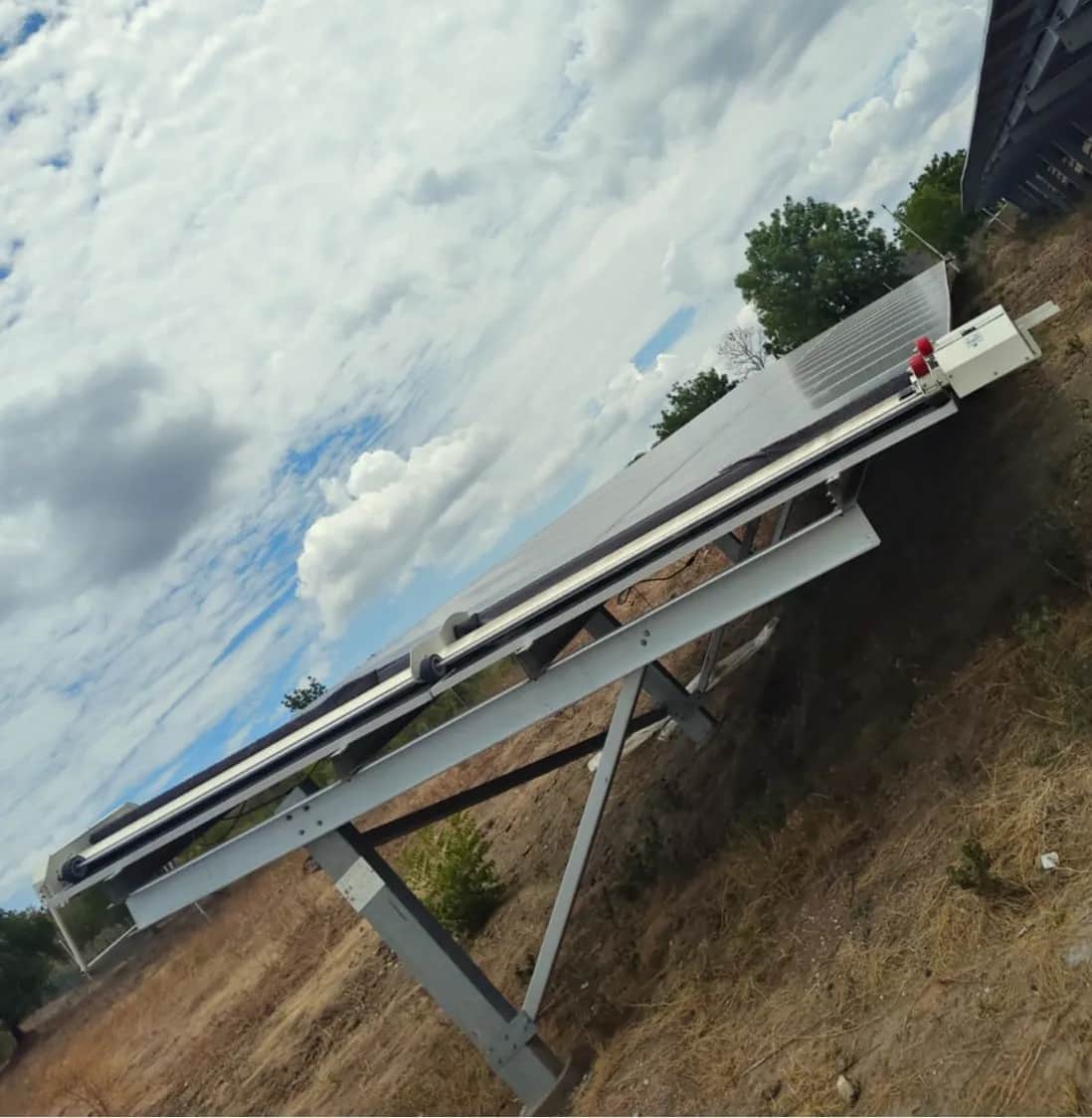
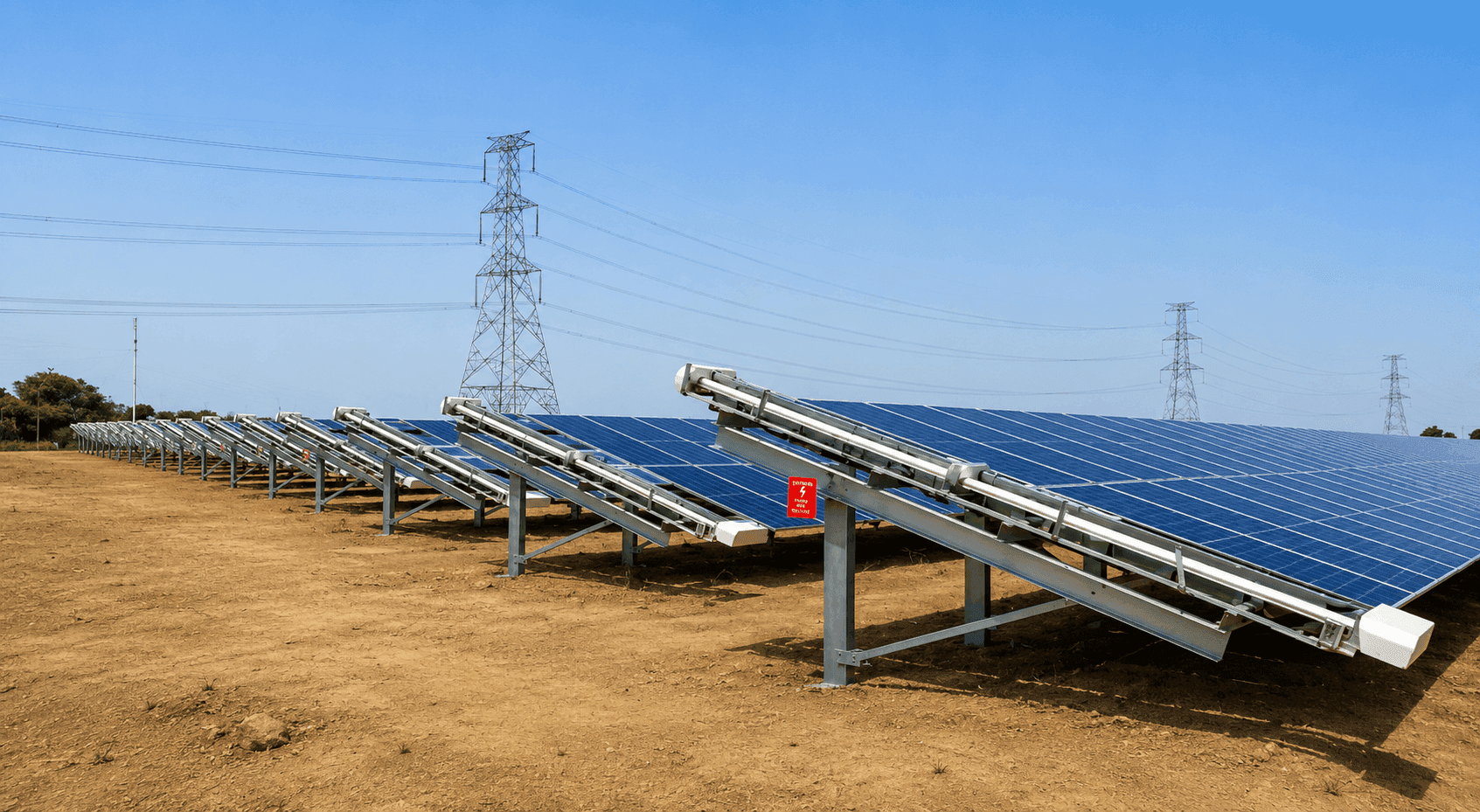
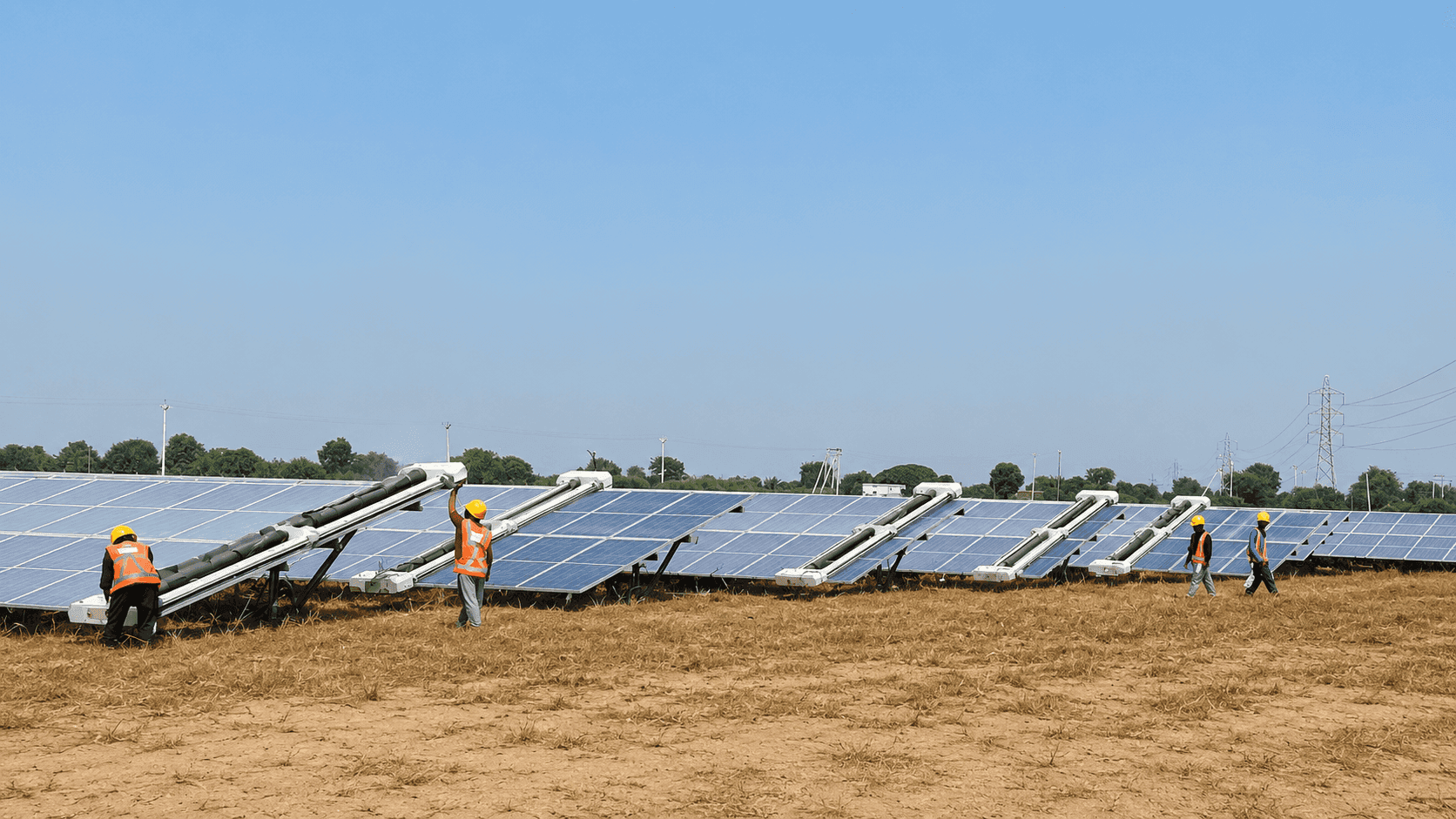
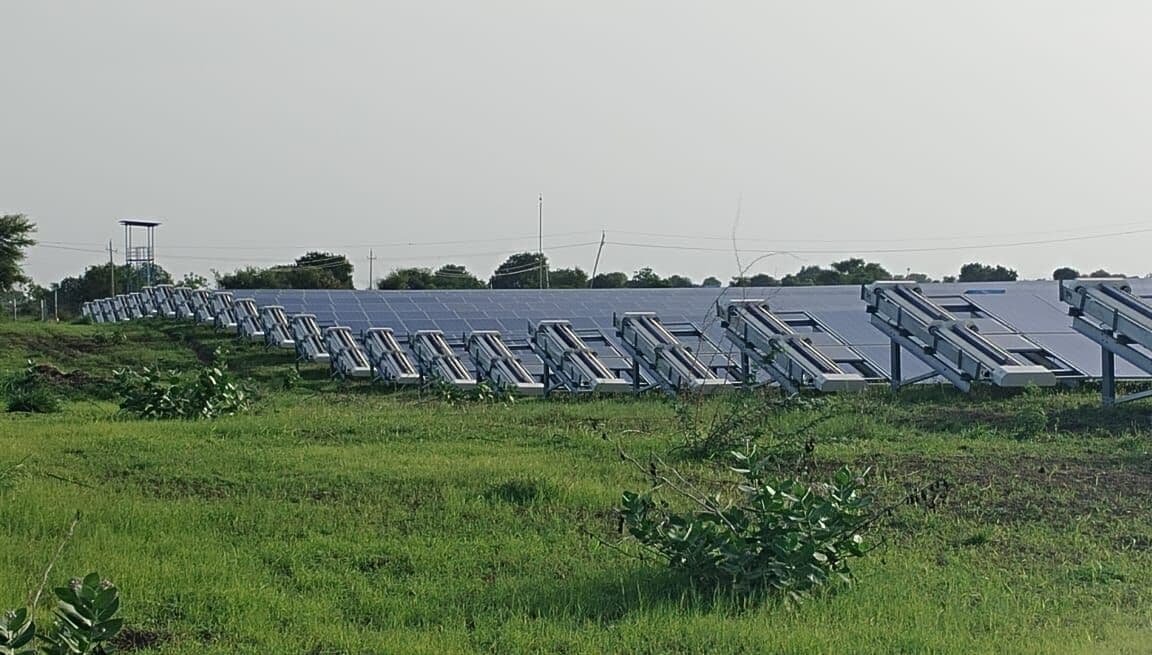
The core of this deployment is two HELYX robots. These are pick-and-place systems. They are perfect for scattered or distributed layouts. The HELYX robots allow the team to move between different blocks easily. This is a major advantage for a large ground-mount site. The site can now maintain a strict cleaning schedule. They perform between 3 and 10 dry cleaning cycles every month. This happens based on the weather and site access. This schedule is much more reliable than manual labor.
Deploying the HELYX fleet also fixes the problem of accountability. Each robot is part of the NECTYR operations portal. This gives supervisors digital proof of work. They can see exactly which blocks have been cleaned. This prevents the performance drops that happened in the past. In the past, cleaning was often inconsistent. Now, the digital logs ensure every module is addressed. This is vital for managing the impact of humidity and dust.
This transition to two robotic units is a major step forward. It allows for precise, string-level cleaning. This is necessary to stop the effects of localized dust buildup. By choosing the HELYX system, the plant reduces its operational costs. It also reclaims 187.5 MWh of energy every year. This deployment creates a sustainable, water-free maintenance cycle. It helps the plant meet its efficiency goals in Maharashtra.
Operations and monitoring
Optimizing Operations with NECTYR and Semi-Automatic Robotic Solar Panel Cleaning in Maharashtra
Running a 187.5 MW plant in the Gunore region is difficult. The dust, grit, and humidity levels are always changing. These factors create uneven soiling on the panels. Manual labor often failed to manage this complexity. Old water-based cleaning methods also caused problems. They often conflicted with vegetation maintenance. They also competed with other civil O&M tasks. Furthermore, supervisors could not prove that cleaning was actually happening.
To solve these problems, the site uses two HELYX robots. This semi-automatic system is very efficient. The O&M team can follow a steady schedule. They perform 3 to 10 dry cleaning cycles every month. By using a waterless approach, they avoid many logistics problems. They do not have to haul water across the massive site. This reduces both the cost and the effort required for maintenance.
The site now uses NECTYR to monitor everything. NECTYR is a fleet monitoring platform. It replaces old manual methods that relied on guesses. Now, every row cleaned is logged digitally. This provides several key benefits:
- Better Accountability: Automated data logs give supervisors clear visibility. They can see completion rates for every single block.
- Smart Scheduling: The team can plan cleaning around the weather. They use local weather data to find the best dry intervals.
- Improved Safety: The system includes wind protocols. The robots can dock securely during high winds. This protects the equipment from damage.
- Water Savings: The plant no longer needs daily water-based washing. This saves local water resources. It also ensures high-efficiency cleaning without the mess.
The combination of HELYX robots and NECTYR ensures the plant hits its targets. The 187.5 MW facility has reclaimed 187.5 MWh of generation annually. This shows the value of moving from manual work to data-backed robotic cleaning in India.
Results and impact
Results and Operational Impact in Ahmadnagar
The switch to robotic cleaning has changed everything at the Ahmadnagar-Gunore site. The plant now uses semi-automatic HELYX units. This move away from manual cleaning is a huge success. The old manual cycles were inconsistent. They also used too much water. The new system allows for a repeatable cleaning frequency. This frequency is designed to match the local dust and grit levels.
The move to waterless technology has provided many benefits. The plant has reclaimed a large amount of lost energy. It also significantly reduced its water use. The main results of this project are listed below:
- Higher Energy Output: The deployment has restored annual energy production. It stops the losses caused by uneven dust patterns on the strings.
- Better Resource Use: The team no longer spends time on water logistics. They can now focus on other important tasks. This includes vegetation management and civil O&M. This reduces the overall cost of the site.
- Digital Verification: The NECTYR portal gives supervisors total proof. They can verify the status of every block instantly. This removes the uncertainty of manual labor.
- Sustainable Operations: The plant uses much less water every year. This lowers the environmental footprint of the site. It also provides a model for other large plants in Maharashtra.
By replacing manual methods with precision robots, the plant is now more reliable. The maintenance lifecycle is now driven by data. This provides a clear path to higher returns on investment. It is a perfect solution for sites facing heavy dust and humidity.
Peer comparison and planning checklist
Peer Comparison and Robotic Planning
The 187.5 MW Ahmadnagar-Gunore site uses HELYX robots. This was a strategic choice. It is ideal for plants where movement between blocks is hard. We can compare this to other sites. For example, the 14 MW Yavatmal-Kupti site uses a different scale. Gunore shows why you must match the robot to the plant layout. It is different from the 10 MW Ahmadnagar-Jalalpur project. That project uses fully automatic robots for daily cleaning. Gunore uses a semi-automatic pick-and-place approach instead.
The Gunore team uses HELYX to handle uneven soiling. This semi-automatic method is very efficient. It ensures labor is used only when needed. This balances the cost of the robots with the needs of the site. It is a smart way to handle high-humidity zones. Use this checklist to plan your own robotic cleaning integration:
- Check Soiling Density: Find out how much dust you have. Decide if you need daily automatic cleaning or monthly semi-automatic cycles.
- Map the Terrain: Look at the rows and blocks. Ensure your chosen robot, like HELYX or GLYDE, can move through the space.
- Plan NECTYR Connectivity: Set up your digital monitoring early. You need real-time proof for every cleaning cycle.
- Coordinate Schedules: Align your cleaning with other O&M work. This prevents delays in vegetation or civil management.
- Set Water Targets: Compare your water savings to local rules. This helps you meet sustainability goals and save money.