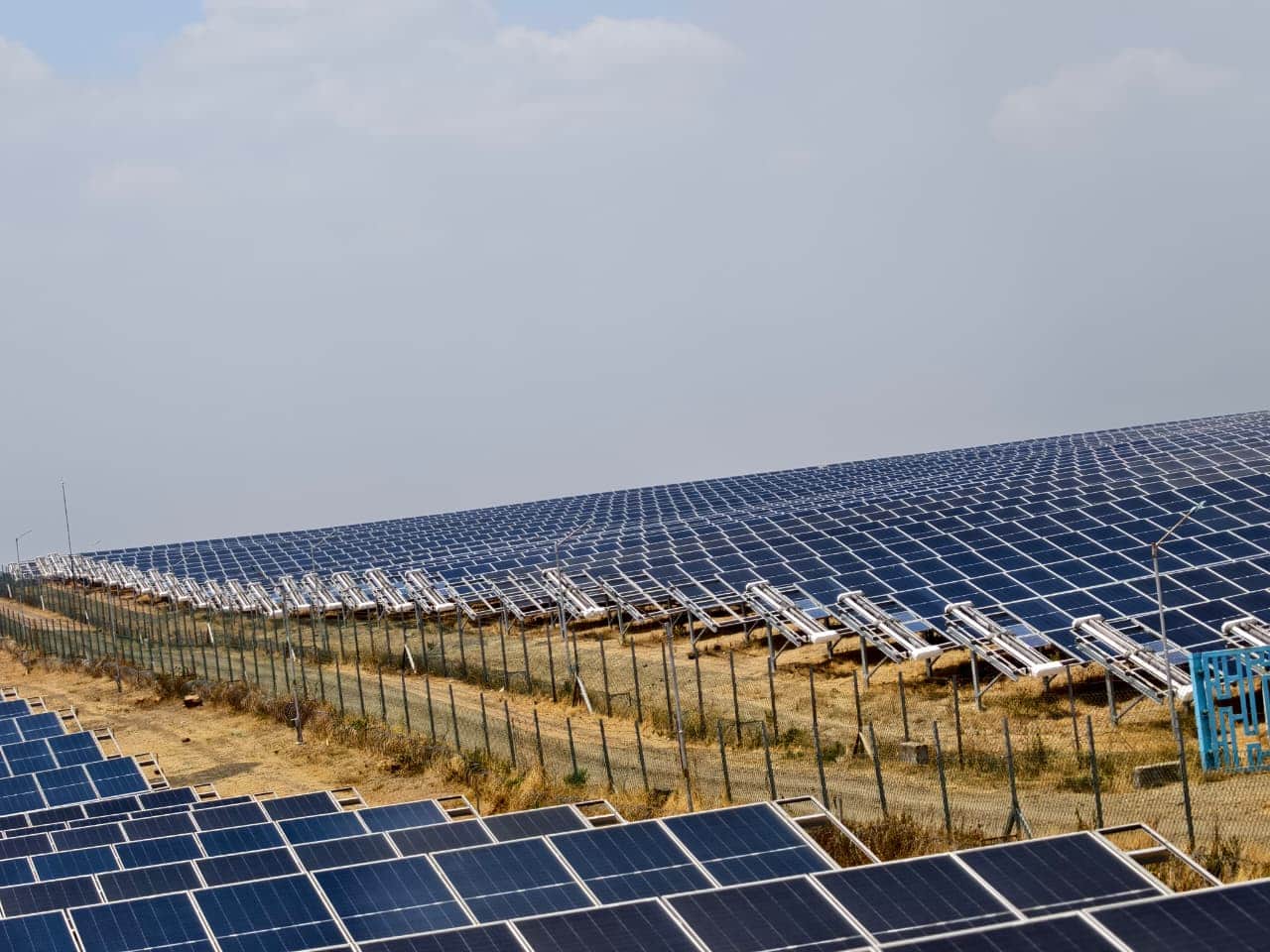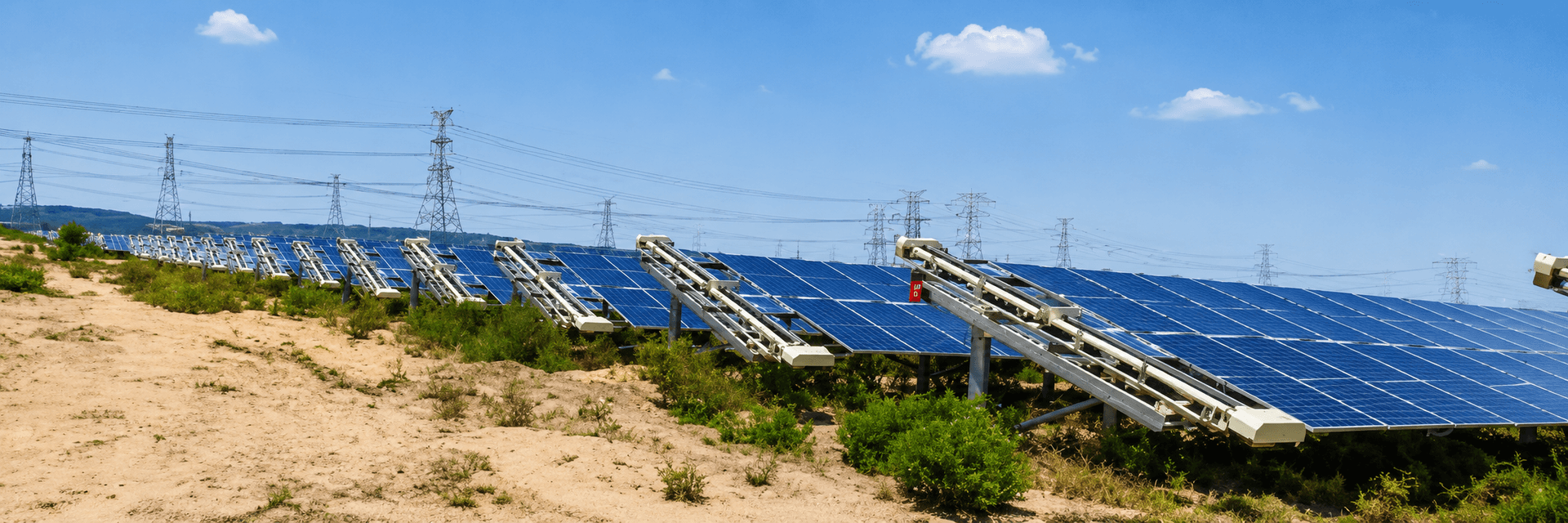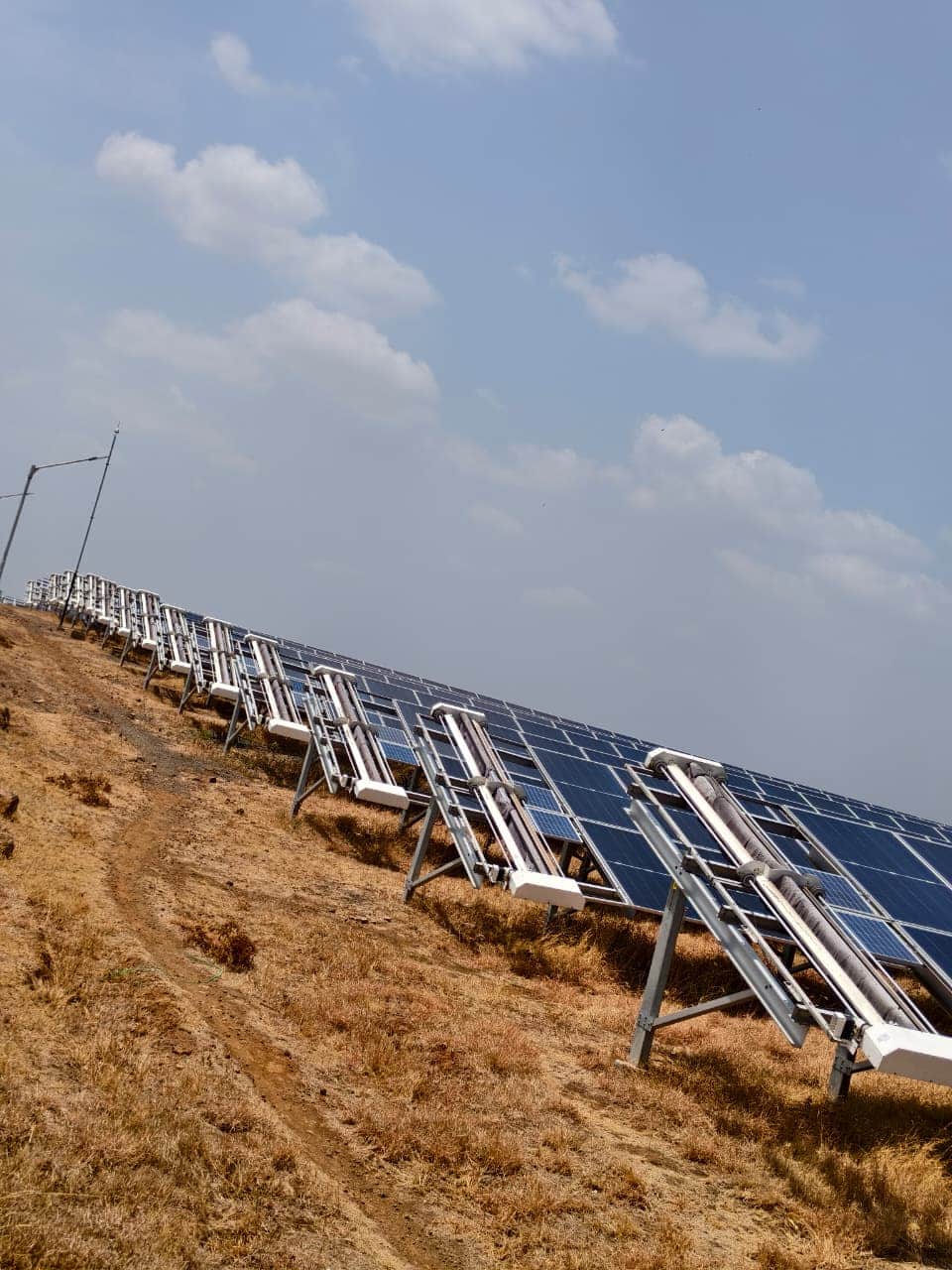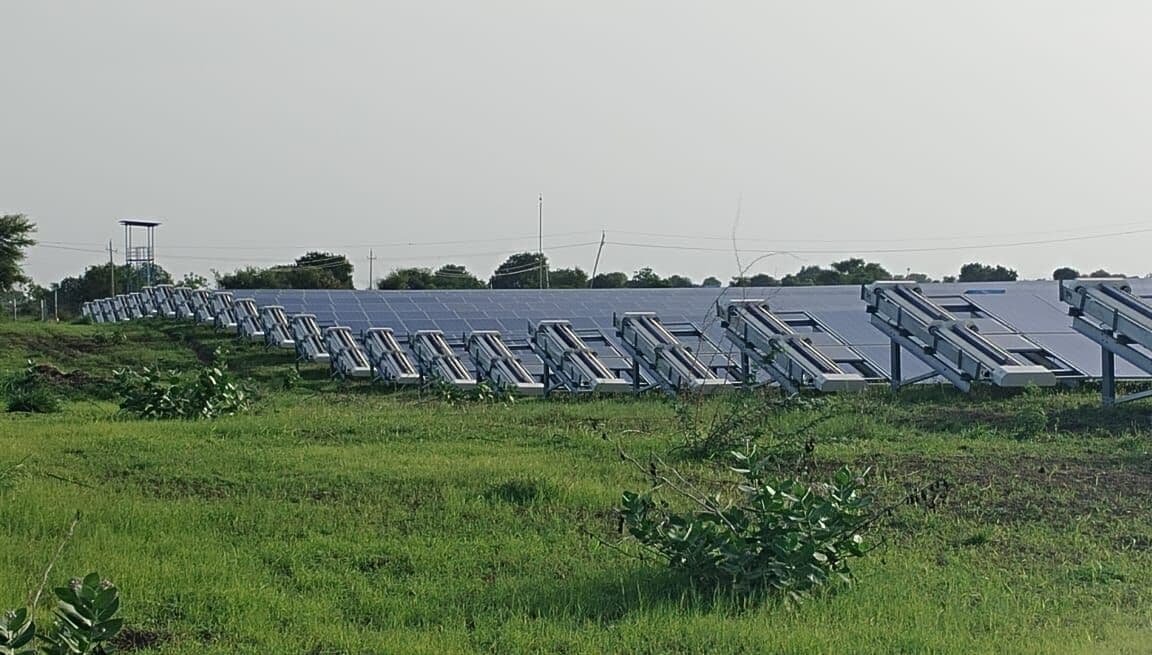
The Yavatmal, Adegaon 5 MW Solar Power Plant in Maharashtra demonstrates how intelligent robotic solar panel cleaning can improve operational efficiency while significantly reducing water consumption. As utility-scale solar assets continue to expand across India, maintaining consistently clean photovoltaic (PV) modules has become one of the most effective ways to preserve energy yield and optimize long-term returns.
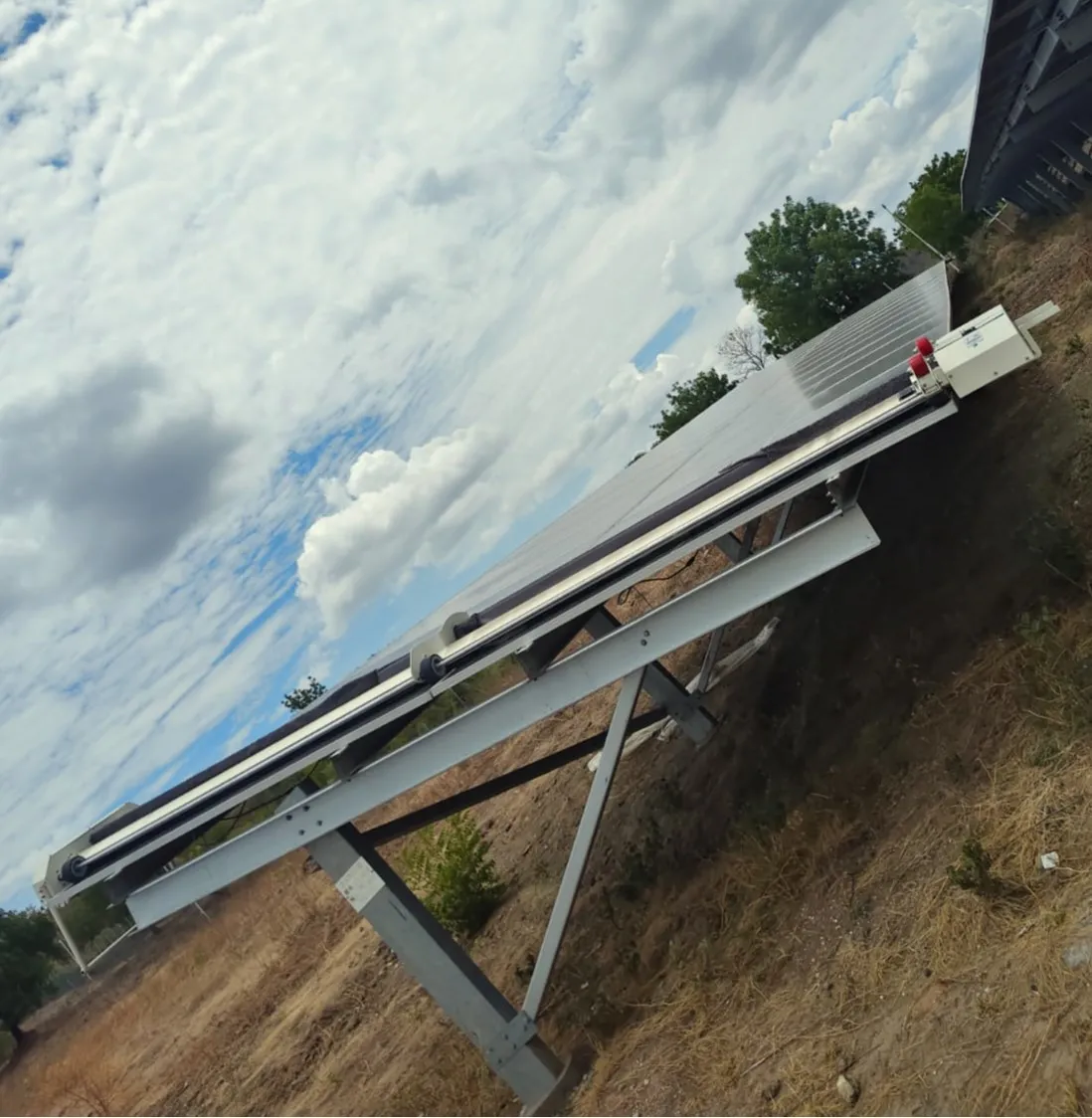
To address the challenges of dust accumulation, labour dependency, water scarcity, and inconsistent manual cleaning, Taypro implemented its NYUMA Semi-Automatic Waterless Cleaning Solution under a CAPEX deployment model. The project utilizes two NYUMA semi-automatic portable robots operating through inspection-led weekly cleaning schedules, enabling reliable and repeatable cleaning across the complete 5 MW installation.
Unlike traditional cleaning methods that rely on large quantities of water and labour-intensive operations, Taypro's robotic cleaning solution performs scheduled dry cleaning cycles while incorporating weather-aware operating rules. Cleaning activities are adjusted based on wind speed, rainfall, site conditions, and inspection findings, ensuring that resources are utilized efficiently without unnecessary cleaning cycles.
Based on operational reporting, the project has demonstrated approximately 700,000 litres of annual water savings, an estimated 187.5 MWh of additional annual clean energy generation, and approximately 93 metric tons of CO₂ equivalent reduction. These operational values should always be validated using site-specific SCADA data, Performance Ratio (PR) analysis, and plant operating conditions.
Project Overview
The Adegaon Solar Power Plant is a utility-scale, ground-mounted photovoltaic installation located in Yavatmal district, Maharashtra. The project represents a typical mid-sized utility asset where operational efficiency depends heavily on maintaining clean module surfaces throughout changing seasonal conditions.
Maharashtra experiences varying levels of airborne dust, agricultural activity, dry summer winds, and seasonal rainfall, all of which directly influence module soiling rates. Even a thin layer of accumulated dust can reduce solar irradiance reaching PV cells, resulting in lower energy production if cleaning schedules are not optimized.
Recognizing these challenges, Taypro designed a structured robotic cleaning programme rather than relying solely on conventional manual washing practices. The deployment combines robotic cleaning, field inspections, planned operating schedules, and documented completion records to improve operational transparency and long-term asset management.
The Challenge Before Robotic Cleaning
Like many utility-scale solar projects across India, the Adegaon plant originally faced several operational challenges associated with manual module cleaning. Dust accumulation was uneven across different sections of the plant, with rows located near access roads and open agricultural land experiencing faster soiling than interior arrays.
Traditional cleaning required significant manpower, water transportation, manual supervision, and operational planning. Weather interruptions often delayed cleaning activities, while maintaining consistent cleaning quality across thousands of solar modules proved difficult.
Water availability also represented an operational concern. Regular wet washing consumes considerable volumes of water over the life of a solar project, increasing both operational costs and sustainability concerns. In addition, repeated wet cleaning introduces logistical complexity through tanker arrangements, pumping systems, hoses, and manpower coordination.
These factors highlighted the need for a more structured, repeatable, and sustainable cleaning methodology capable of supporting long-term plant performance.
Taypro's Robotic Cleaning Solution
Taypro deployed two NYUMA Semi-Automatic Portable Robots specifically configured for the operational requirements of the 5 MW facility. Rather than attempting continuous daily cleaning, the robots follow inspection-driven weekly cleaning plans that prioritize areas experiencing the highest soiling levels.
This targeted approach enables technicians to allocate cleaning resources efficiently while maintaining flexibility during varying weather conditions.
Each cleaning cycle is documented through supervisor inspections, enabling plant owners to maintain clear operational records and verify block completion before progressing to the next scheduled cleaning activity.
The combination of robotic cleaning, technician oversight, and inspection-based planning creates a balanced maintenance strategy suitable for mid-sized utility-scale assets.
Waterless Cleaning Technology
The NYUMA cleaning system utilizes specially engineered dry cleaning brushes that safely remove accumulated dust without requiring routine water usage. This significantly reduces dependence on water tankers while eliminating many operational challenges associated with wet washing.
Because no routine water application is required during standard cleaning cycles, module surfaces avoid mineral deposits commonly associated with poor-quality cleaning water. Dry cleaning also minimizes site disturbance and allows operations to remain aligned with changing weather conditions.
Technicians inspect brushes regularly, verify cleaning quality, and replace wear components whenever required to maintain consistent performance throughout the operating year.
Inspection-Led Operations
One of the defining features of the Adegaon project is its inspection-led operational methodology. Rather than assuming identical cleaning requirements across the entire plant, Taypro schedules cleaning activities according to actual field observations.
Weekly inspection plans identify priority blocks based on visible soiling, inverter trends, seasonal conditions, and previous cleaning records. Following completion of each cleaning cycle, supervisors verify completed work before documenting the next operational schedule.
This inspection-driven process improves accountability while providing owners with clear operational documentation for internal reviews and lender reporting.
Seasonal Cleaning Strategy
Cleaning frequency naturally varies throughout the year. During high-soiling summer months, cleaning activity typically increases to maintain plant performance, whereas monsoon rainfall may reduce cleaning requirements after effective natural washing.
Rather than operating fixed daily schedules, Taypro adjusts cleaning intensity according to environmental conditions, ensuring that robotic resources are deployed where they deliver maximum operational benefit.
This weather-aware operating philosophy reduces unnecessary cleaning while supporting long-term equipment reliability.
Operational Benefits
- Reduced dependence on water-intensive cleaning methods.
- Improved cleaning consistency across utility-scale solar arrays.
- Lower labour requirements compared to traditional manual washing.
- Documented inspection records for operational transparency.
- Flexible scheduling based on weather and actual soiling levels.
- Reduced operational interruptions.
- Improved sustainability through significant annual water savings.
- Repeatable cleaning methodology suitable for long-term asset management.
Performance Monitoring
Taypro recommends correlating robotic cleaning activities with plant SCADA data to evaluate operational effectiveness. Performance Ratio (PR), inverter outputs, and generation trends should be reviewed alongside inspection records to verify that cleaning activities are delivering measurable improvements.
If expected performance improvements are not observed following documented cleaning, operators should investigate other contributing factors such as inverter faults, module degradation, vegetation shading, equipment failures, or electrical issues.
Environmental Impact
Water conservation remains one of the strongest environmental advantages of robotic dry cleaning. With approximately 700,000 litres of reported annual water savings, the Adegaon project demonstrates how modern robotic cleaning technologies can contribute to more sustainable solar power generation.
Additional clean electricity generated from cleaner solar modules also contributes toward lower carbon emissions by maximizing renewable energy production. The reported annual reduction of approximately 93 metric tons of CO₂ equivalent illustrates the broader environmental value of maintaining cleaner photovoltaic systems.
Lessons for Utility Plant Owners
The Adegaon case study highlights several practical lessons for owners of similar 5 MW solar power plants. First, robotic cleaning should be viewed as part of a complete operational strategy rather than simply replacing manual labour. Inspection planning, weather awareness, SCADA monitoring, and documented cleaning schedules collectively contribute to long-term performance improvements.
Secondly, every solar project has unique soiling characteristics. Cleaning schedules should therefore be based on site conditions rather than fixed assumptions or generalized industry averages.
Finally, plant owners should validate reported water savings, generation improvements, and carbon reduction using their own operational data before incorporating these values into financial modelling or ESG reporting.
Conclusion
The Yavatmal Adegaon 5 MW Solar Power Plant demonstrates how structured robotic cleaning can support higher operational efficiency, improved sustainability, and better long-term asset management. Taypro's NYUMA Semi-Automatic Waterless Cleaning System combines robotic technology with inspection-led planning to deliver a repeatable, accountable, and environmentally responsible maintenance solution.
With reported savings of approximately 700,000 litres of water annually, an estimated 187.5 MWh increase in annual clean energy generation, and approximately 93 metric tons of CO₂ equivalent reduction, the project provides a strong reference for owners evaluating robotic cleaning technologies for similar utility-scale solar assets.
While every solar plant operates under different environmental and operational conditions, the Adegaon project illustrates how combining intelligent scheduling, inspection-based decision making, and waterless robotic cleaning can help maximize long-term solar asset performance while reducing