Executive summary
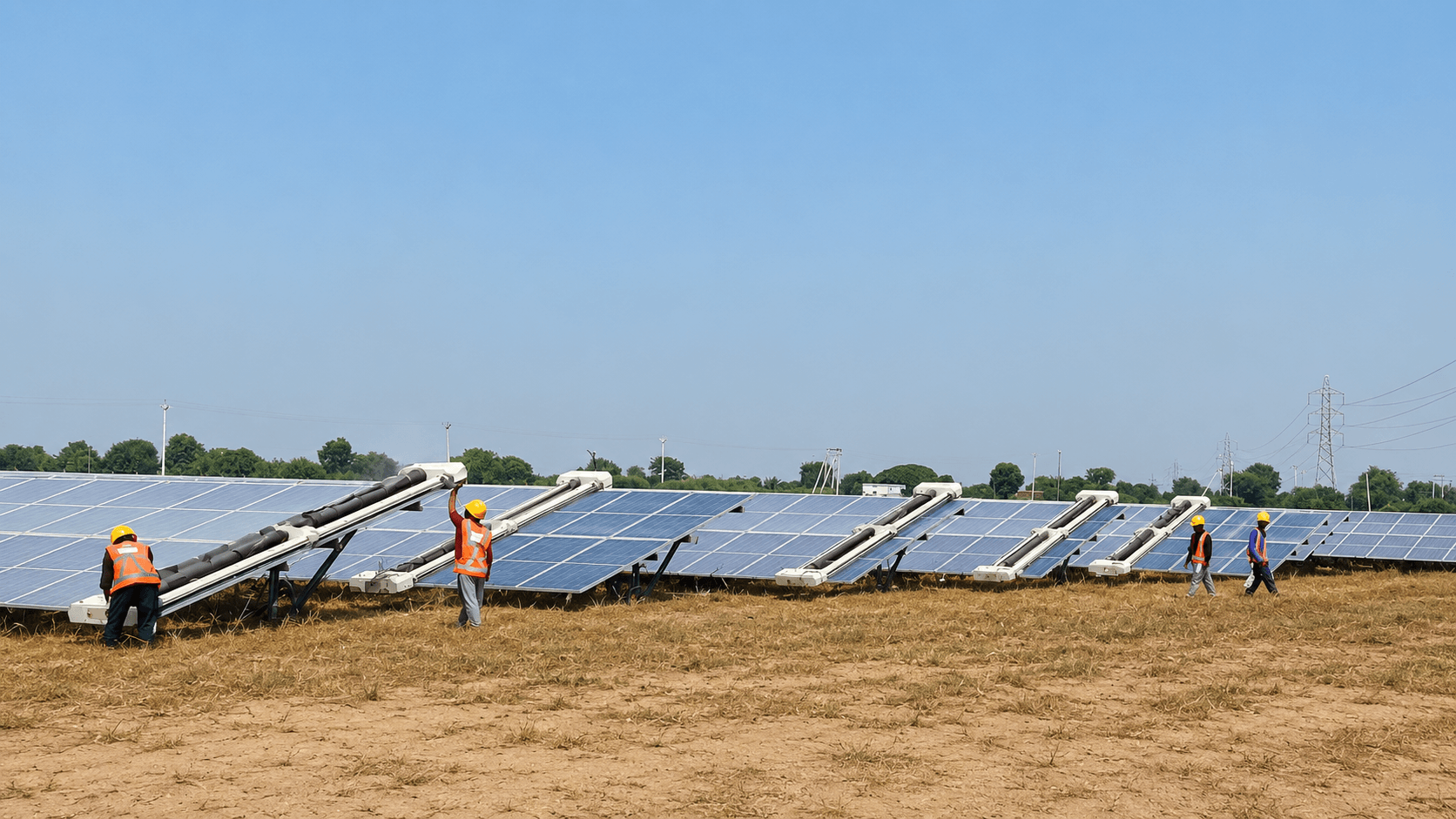
The 50 MW Khanak solar plant is a ground-mount facility. It faces a major problem with heavy dust. This dust causes the plant's performance to drop. Managing large-scale soiling is a difficult task. The region also has very little water. Project owners needed a strong robotic cleaning solution. They chose to deploy 10 semi-automatic NYUMA robots. This project uses a CAPEX procurement model. The robots follow a structured maintenance rhythm. They perform 3 to 10 dry cleaning cycles every month. This schedule depends on local dust levels and site access.
This project has changed the plant's efficiency. The facility uses the NYUMA single-pass PBT brush technology. This advanced system has helped the plant much. The site now gains an extra 1.88 GWh of clean energy every year. The switch to waterless cleaning also helps the planet. It saves 7 million litres of water every year. These results show that semi-automatic robots work well. They are a high-impact choice for operators in dry regions. They help optimize both energy yield and sustainability.
Environment and soiling at Khanak
Managing Site-Specific Soiling Challenges in Khanak
The 50 MW Khanak plant sits in a unique environment. This area has high amounts of mineral dust. It also faces very long dry spells. This is not like a coastal zone. You will not find salt spray here. You will not find chemical films either. Instead, the region has fine, airborne dust. This dust comes from the surrounding dry land. These particles settle on the solar modules. The intense solar radiation makes the problem worse. The dust can harden on the glass surfaces. This process is called calcification. It leads to fast performance drops if not fixed.
The site layout also adds maintenance hurdles. The ground-mount arrays require a smart cleaning strategy. This strategy must be efficient and fit the layout. The local area lacks regular rainfall. Natural rain does not clean the panels here. Our robotic system is the main defense against energy loss. The 10 NYUMA units use a single-pass PBT brush. This system lifts abrasive dust without using any water. This approach is vital for the Khanak site. It saves precious water resources. It also removes heavy dust layers quickly. This prevents dust from bonding to the glass. It helps keep the 50 MW asset healthy for a long time.
O&M before Taypro
Overcoming Manual Labour and Water Scarcity in Khanak
The Khanak project used manual cleaning before Taypro arrived. This method put a lot of strain on operations. It required too much manual labor. Managing large, repetitive tasks across the site was hard. Manual cleaning also led to inconsistent quality. It created gaps in the cleaning records. These gaps caused unmonitored drops in performance. The plant could not always track its true efficiency.
Water availability was another major bottleneck. Traditional cleaning needs a lot of water. This is a problem in a region where water is scarce. Local water is also expensive to buy. Managing the water supply chain added more costs. Manual work also made it hard to clean often. The plant struggled with constant soiling losses. Manual teams could not clean with enough precision. They could not match the speed needed for high dust levels. The facility lacked a smart, data-driven plan. Before the CAPEX model, it was hard to maintain peak energy output.
Fleet and deployment at 50 MW
Fleet Deployment and Operational Scale at 50 MW
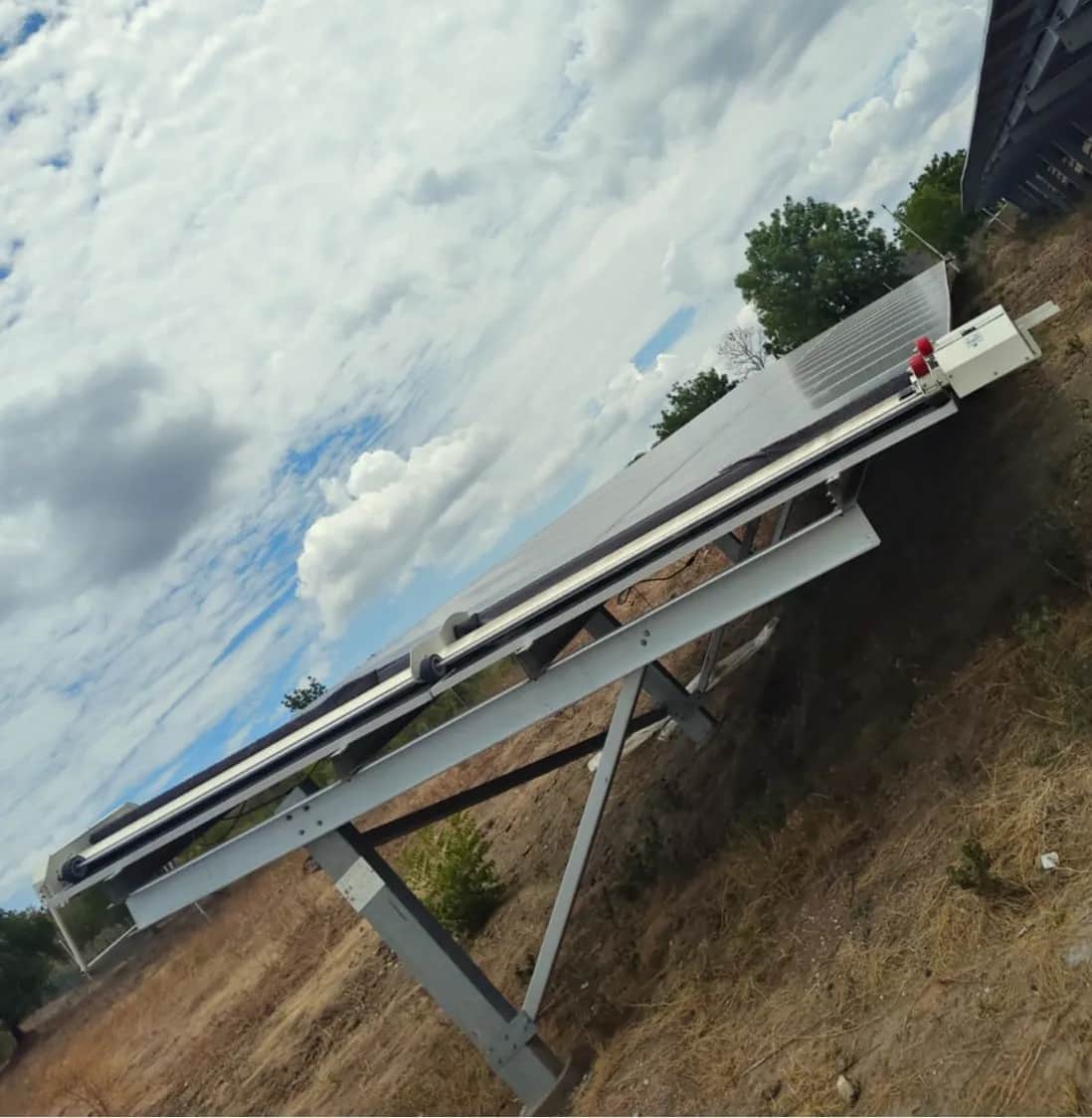
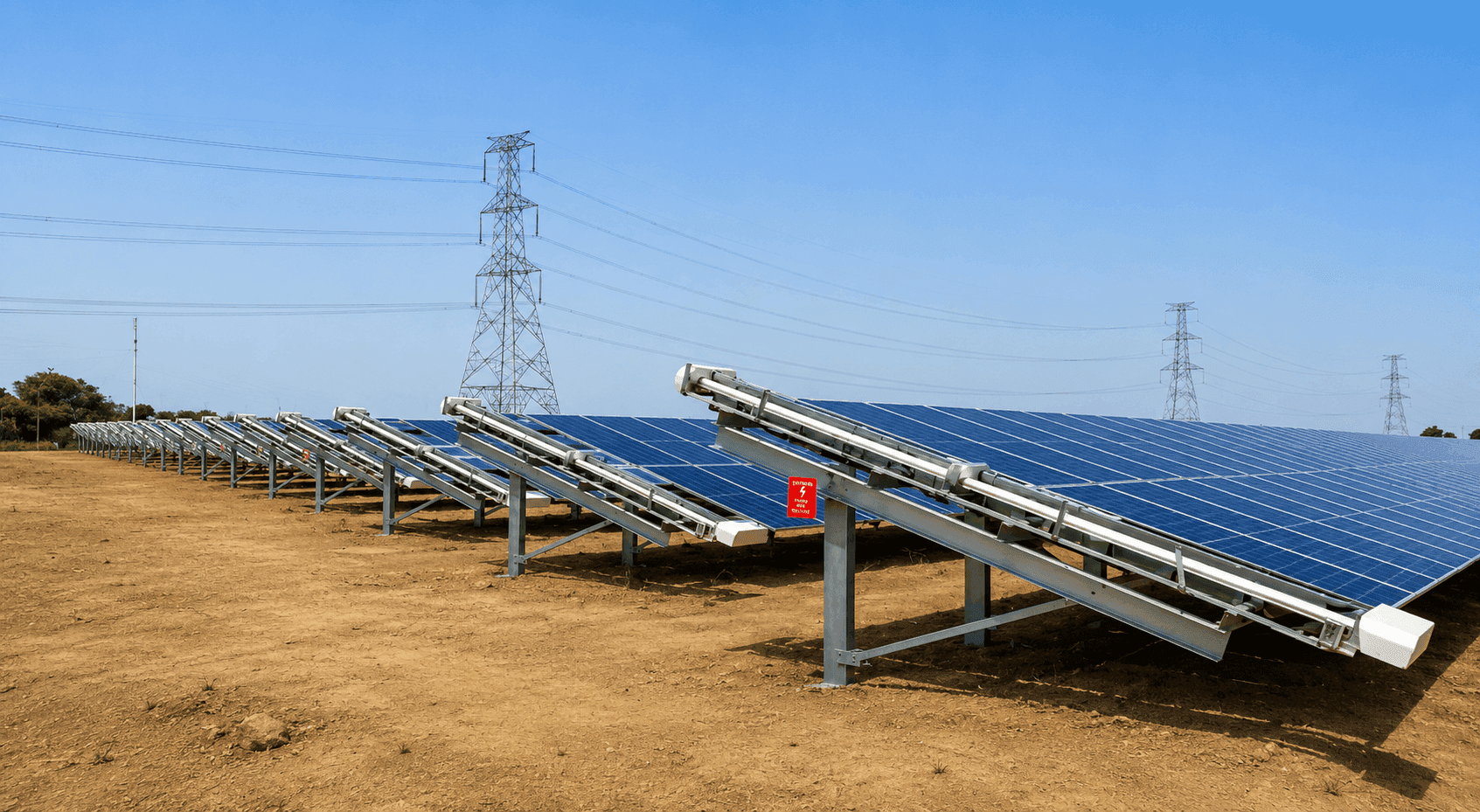
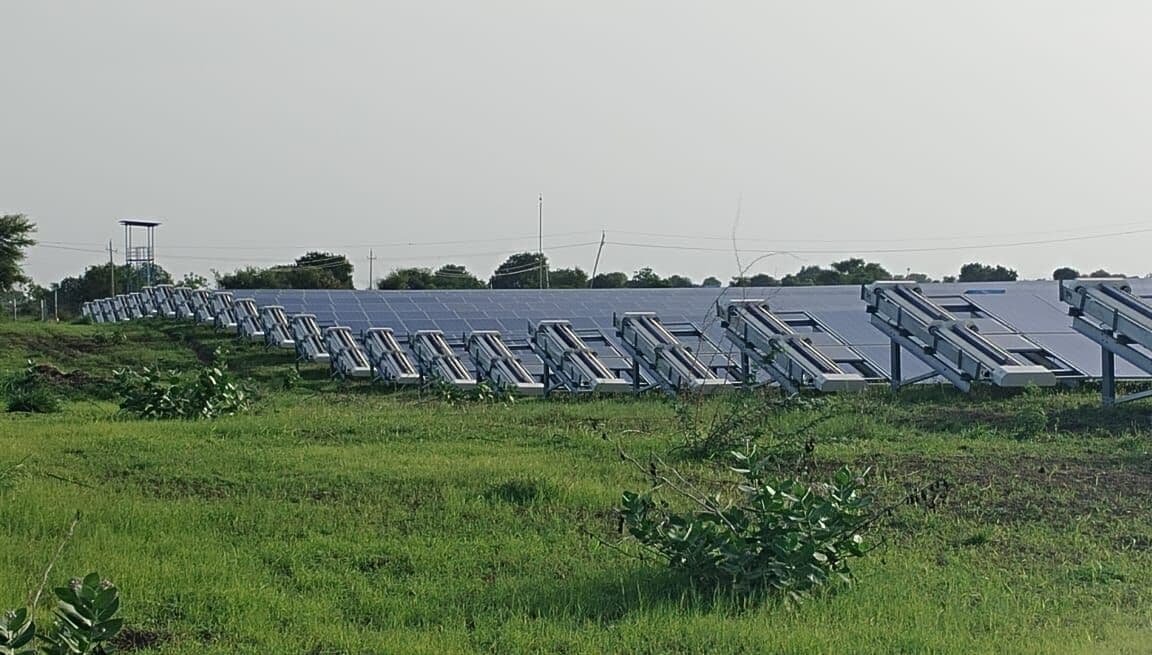
Taypro used a targeted fleet for the 50 MW Khanak site. We deployed high-efficiency, waterless robots. The strategy used 10 semi-automatic NYUMA units. We chose these for large fixed-tilt blocks. The project owners used a CAPEX procurement model. This means they own the hardware directly. It gives them long-term control over their costs. They can also set their own cleaning schedules. This helps manage site-specific needs effectively.
The fleet commissioning focused on easy integration. We added these units to the existing maintenance workflow. This ensured smooth moves between rows. The deployment provides optimal coverage for the site. This semi-automatic system uses a pick-and-place approach. The NYUMA robots follow a specific schedule. They perform 3 to 10 dry cleaning cycles per month. This depends on local dust and site access. This cadence balances costs with energy recovery. It is a smart way to fight dust accumulation.
- Fleet Mix: 10 semi-automatic NYUMA units.
- Technology: Single-pass PBT brush system for ground-mount arrays.
- Procurement: Direct CAPEX investment for full asset control.
- Impact: Saves 7 million litres of water and recovers 1.88 GWh per year.
This deployment shows a shift toward better technology. It replaces manual labor with robotic precision. By using this hardware, the Khanak site reduces energy loss. It also lowers the need for large manual cleaning teams. This makes the plant more efficient and easier to manage.
Operations and monitoring
Optimizing Performance Through Accountability and Precision Scheduling
The 50 MW Khanak site uses NECTYR for operations. NECTYR ensures every robot movement is logged. It verifies all actions against performance data. The site uses 10 semi-automatic NYUMA units. Management uses rigorous inspections to keep track. This helps maintain the 3 to 10 monthly cleaning cycles. This frequency follows local dust patterns. It ensures the plant gets the most energy back. It also prevents unnecessary wear on the robots.
We also include wind hold protocols in the site rules. NECTYR monitors real-time weather data. It will pause operations during high winds. This protects the robots and the solar modules. This is much safer than manual methods. Traditional cleaning can cause brush abrasion. It can also lead to human errors. Robotic cleaning is much more consistent.
- Accountability: NECTYR verifies every cycle. This gives owners clear, data-backed reports.
- Cadence: A schedule of 3 to 10 dry cycles per month helps mitigate dust.
- Safety: Automated wind protocols protect all equipment during bad weather.
The Khanak project moved away from ad-hoc manual cleaning. It now uses a structured robotic schedule. This strategy creates long-term yield stability. It removes the guesswork from cleaning intervals. It replaces old methods with a precise, technology-driven cycle.
Results and impact
Quantifying the Operational Shift at the Khanak 50 MW Facility
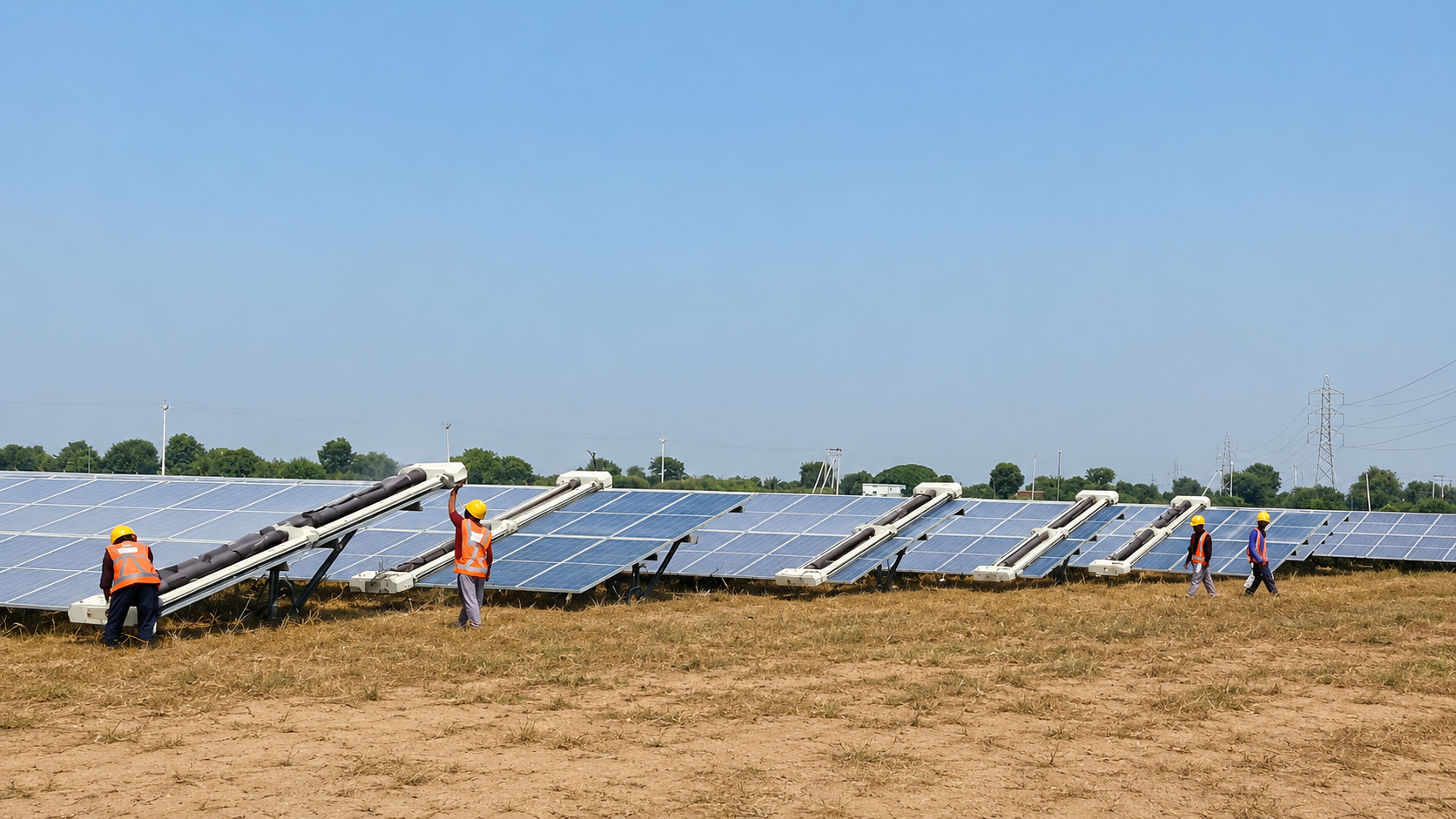
The switch to semi-automatic robots has shown great results. The Khanak facility is now much more efficient. It also uses fewer resources. We replaced manual labor with a standard robotic fleet. This has recaptured energy that was lost to dust. The 50 MW array stays cleaner all year. This supports higher energy throughput for the site. The cleaning is consistent and reliable.
The deployment also reduced the need for water. This is a huge benefit in this region. All cleaning cycles are now waterless. This avoids the high costs of traditional cleaning. The new model is more resilient and sustainable. It requires much less manual intervention. It also protects the long-term health of the solar modules. The panels will stay in good condition for longer.
- Yield Recovery: Robotic cleaning recovers a large volume of energy every year. This stabilizes site output.
- Water Stewardship: The project has cut annual water use significantly. It removes the need for water-based cleaning.
- Operational Reliability: The 10 robots allow for a predictable schedule. This reduces the risk of performance dips.
Peer comparison and planning checklist
Peer Comparison and Operational Planning
The Khanak 50 MW site is part of Taypro's large portfolio. We have over 150 live projects. This site uses a semi-automatic model. This is a specific choice for this topography. It is different from fully automatic sites. Fully automatic sites use daily cleaning cycles. Khanak uses 10 robots for targeted maintenance blocks. This is also different from tracker sites. Tracker sites often use GLYDE-X technology. Those robots are built for moving tables. Khanak uses a fixed-tilt ground-mount setup. This approach is cost-efficient for mid-scale plants. It bridges the gap between manual labor and full automation. It delivers steady gains while controlling costs.
- Assess annual soiling loss data to find priority zones.
- Match seasonal maintenance with local grid demand peaks.
- Ensure access to charging points for robot rotations.
- Set a 3 to 10 cycle per month cadence for efficiency.
- Review NECTYR performance logs to improve logistics.