Executive summary
This case study examines robotic solar panel cleaning Maharashtra at the 187.5 MW Ahmadnagar-Najik Chincholi site. This facility is located in an arid, semi-desert region of Maharashtra. The environment presents major operational challenges for the plant. Heavy soiling events are common here. Regional agricultural dust and road grit settle on the modules. This leads to rapid and uneven drops in energy performance.
In this remote location, water is extremely scarce. Finding water for cleaning is difficult and expensive. Manual labor is also costly due to the remote site. Traditional cleaning methods were simply not sustainable. These issues led to large yield losses and inconsistent power output. The plant needed a smarter way to maintain its solar arrays.
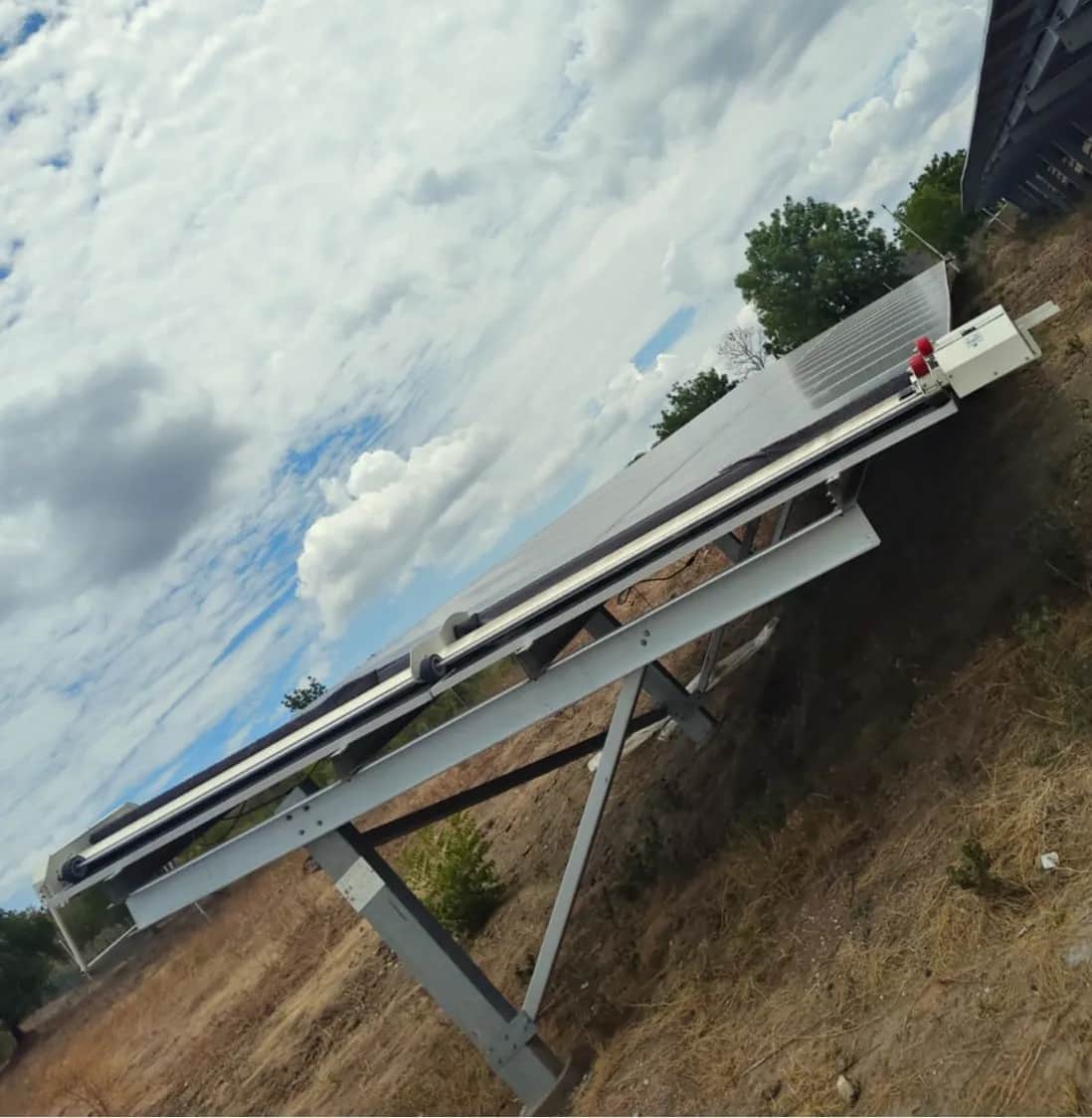
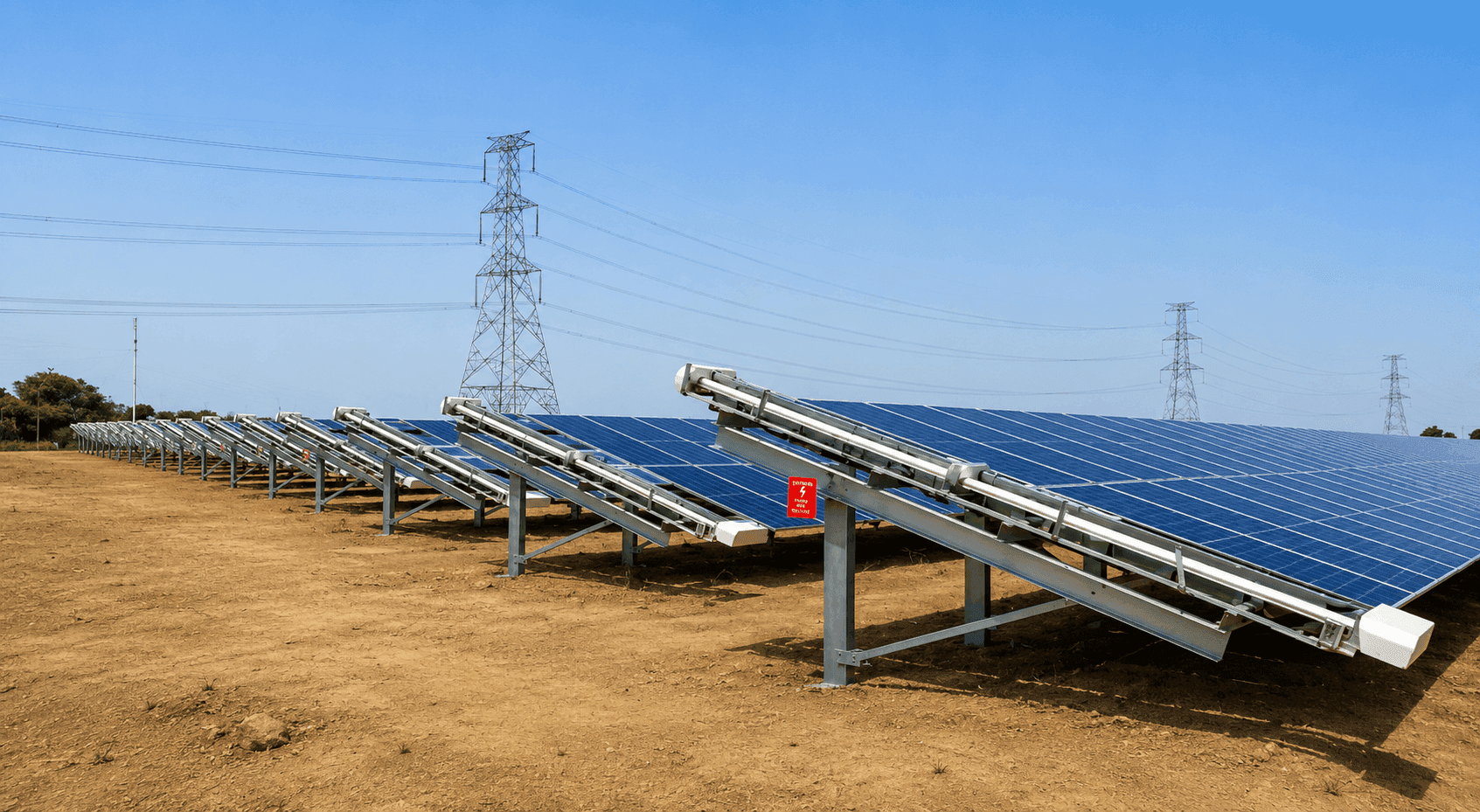
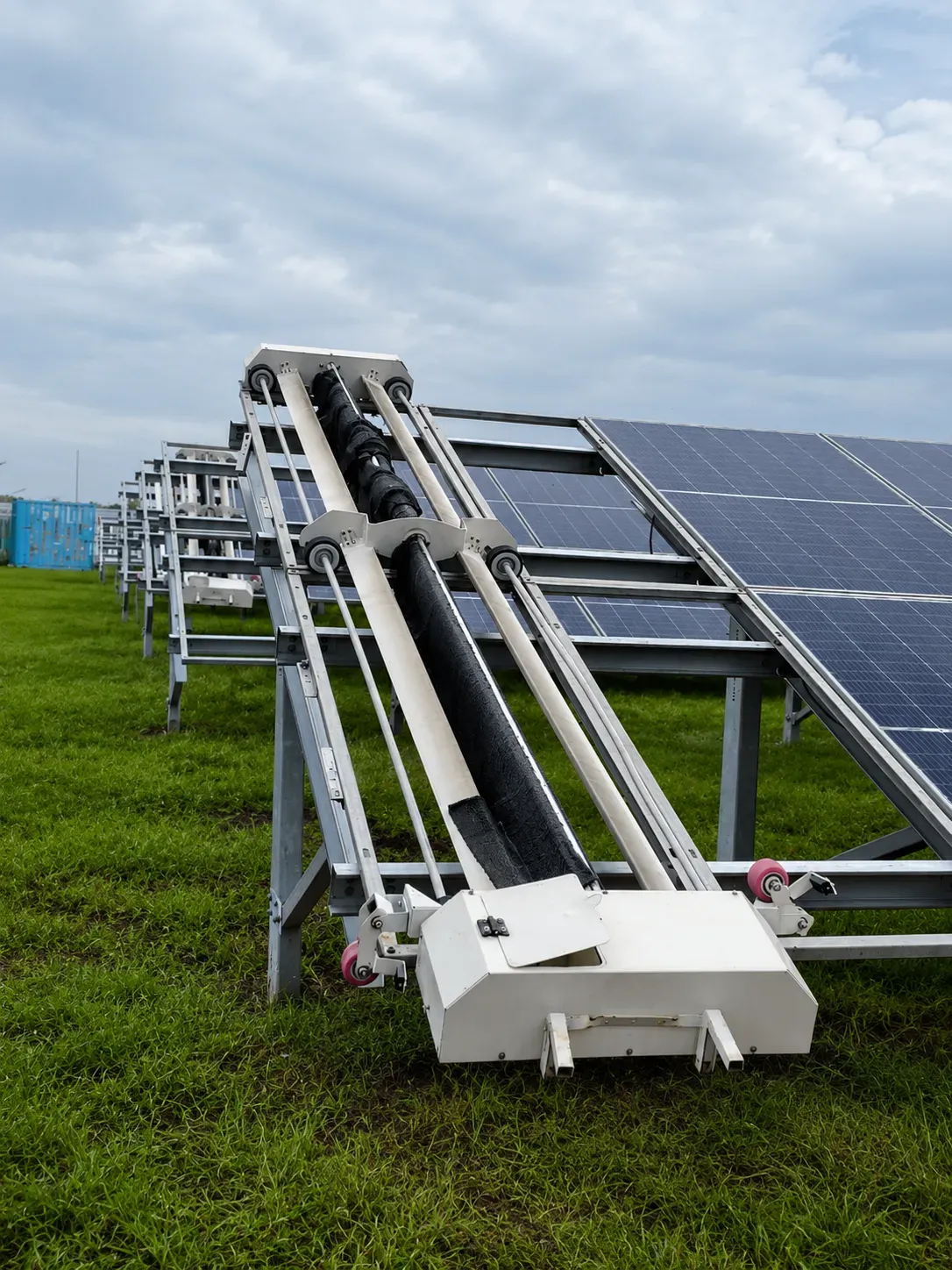
To solve these problems, Taypro deployed two HELYX semi-automatic robots. These robots offer a targeted, waterless cleaning solution. This setup is perfect for the site's distributed layout. The semi-automatic approach allows for custom scheduling. The robots perform 3 to 10 dry cleaning cycles per month. This schedule depends on local weather and site access. By removing the need for water, the deployment has stopped severe performance ratio (PR) losses. The site now gains 187.5 MWh/yr in extra generation. It also saves 700,000 litres of water every year. This shows a clear return on investment for large solar plants in water-stressed areas.
Environment and soiling at Ahmadnagar-Najik Chincholi
Managing Regional Soiling at the 187.5 MW Ahmadnagar-Najik Chincholi Plant
The Ahmadnagar-Najik Chincholi facility is located in a harsh, arid landscape. This part of Maharashtra is characterized by semi-desert conditions. The environment creates a complex soiling problem for the 187.5 MW plant. Unlike coastal sites, this plant does not deal with salt mist. Instead, it faces a mix of heavy dust and fine grit. This dust comes from nearby agricultural activities. Road grit from adjacent traffic also adds to the problem.
These materials settle on the ground-mount modules. The regional climate makes this problem even worse. Frequent humidity cycles occur throughout the day. These cycles cause dust to stick to the glass surface. When dust gets damp, it becomes harder to remove. Natural wind or light rain cannot clean it away. This creates a persistent layer of grime on the panels. Without regular cleaning, the dirt stays on the modules for a long time.
The uneven soiling leads to serious technical issues. It causes imbalances at the string level. This means some parts of the array produce much less power than others. Over time, this results in a measurable drop in the Performance Ratio (PR). The environmental audit identified three main issues for the O&M team:
- Agricultural and Road Grit: Fine particles require constant removal. If left alone, they cause permanent shading. They can also lead to dangerous hot-spots on the cells.
- Uneven Soiling Patterns: Humidity and dust work together. This creates non-uniform dirt coverage. It leads to inconsistent energy output across the array.
- Resource Constraints: The site is very remote. This makes manual cleaning difficult. The team struggles with water scarcity and high labor costs for a site of this size.
The facility now uses a semi-automatic robotic strategy. This approach does not require water. The HELYX units perform precise, dry cleaning cycles. These cycles remove dust before it causes long-term energy losses. This method is essential for maintaining a steady yield. It is a vital part of robotic solar panel cleaning Maharashtra.
O&M before Taypro
Operational Hurdles Before Robotic Adoption
Before using robots, the 187.5 MW site faced heavy logistical strain. Maintaining the large arrays manually was very difficult. The site's remote location in Maharashtra made this even harder. It was expensive to manage a large workforce in such a distant area. High labor costs were a constant problem. Manual processes could not keep up with the heavy dust loads. The cleaning teams often fell behind the soiling rate.
Water scarcity was another major hurdle. Traditional cleaning requires large amounts of water. However, water is extremely hard to find in this region. The nearest water source was located far from the plant. Transporting water to the site created a massive cost. This expense reduced the overall profit margins of the plant. Because of these costs, manual cleaning cycles were often delayed. These delays caused the plant to lose significant energy generation.
The old manual methods created several gaps in operations:
- Resource Inefficiency: The plant spent too much on labor. It also spent too much on transporting water for a 187.5 MW facility.
- Audit and Schedule Gaps: Cleaning was not consistent. This led to heavy dust buildup. It also caused frequent fluctuations in energy yield.
- Logistical Strain: The remote environment made it hard to move crews quickly. This was especially true during peak dust seasons.
The site needed to move away from manual labor. Transitioning to a robotic system was the only way to fix these gaps. Semi-automatic cleaning provides a controlled, waterless solution. It aligns with the plant's energy goals and resource limits.
Fleet and deployment at 187.5 MW
Fleet Deployment and Semi-Automatic Cleaning Strategy
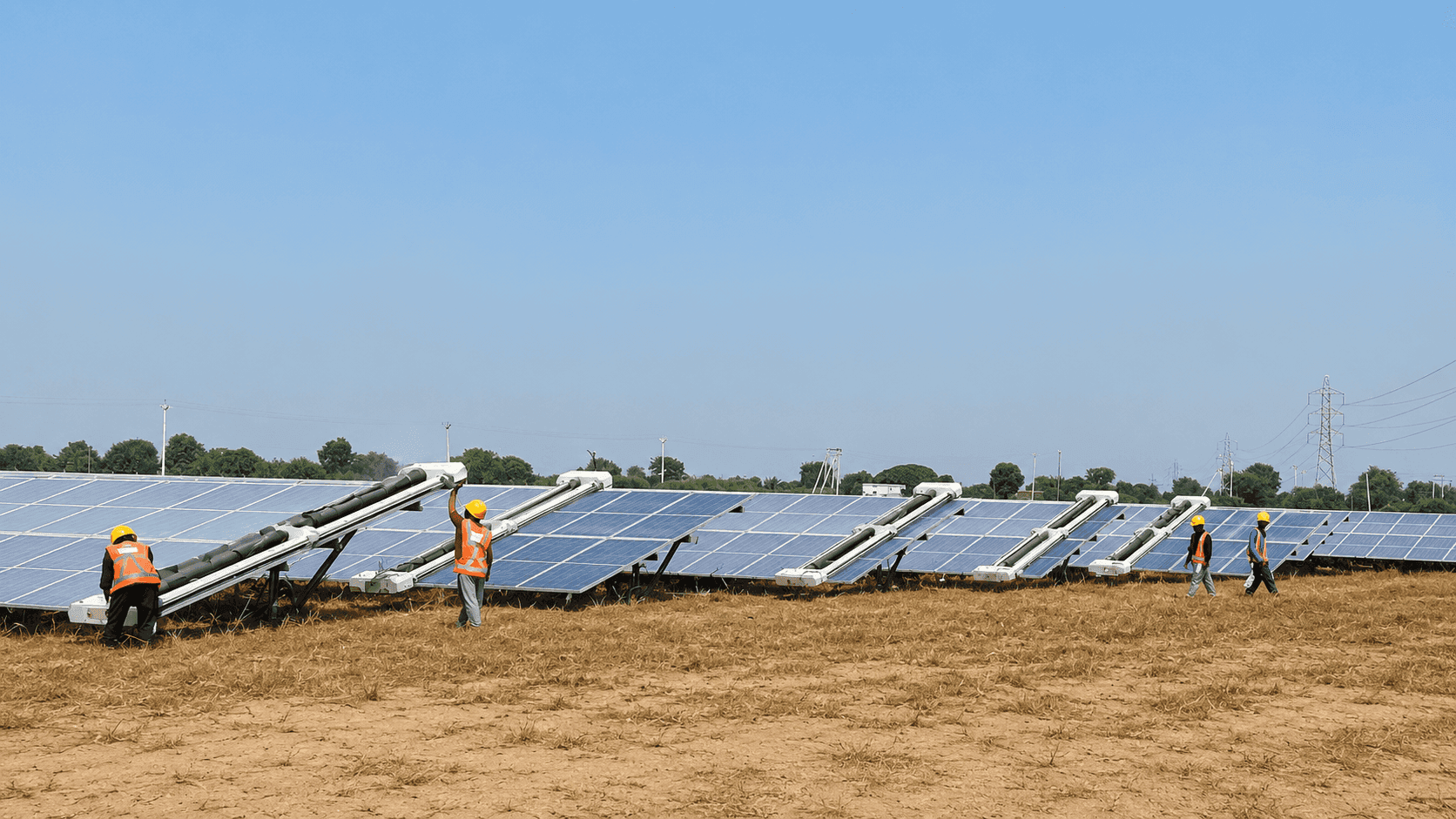
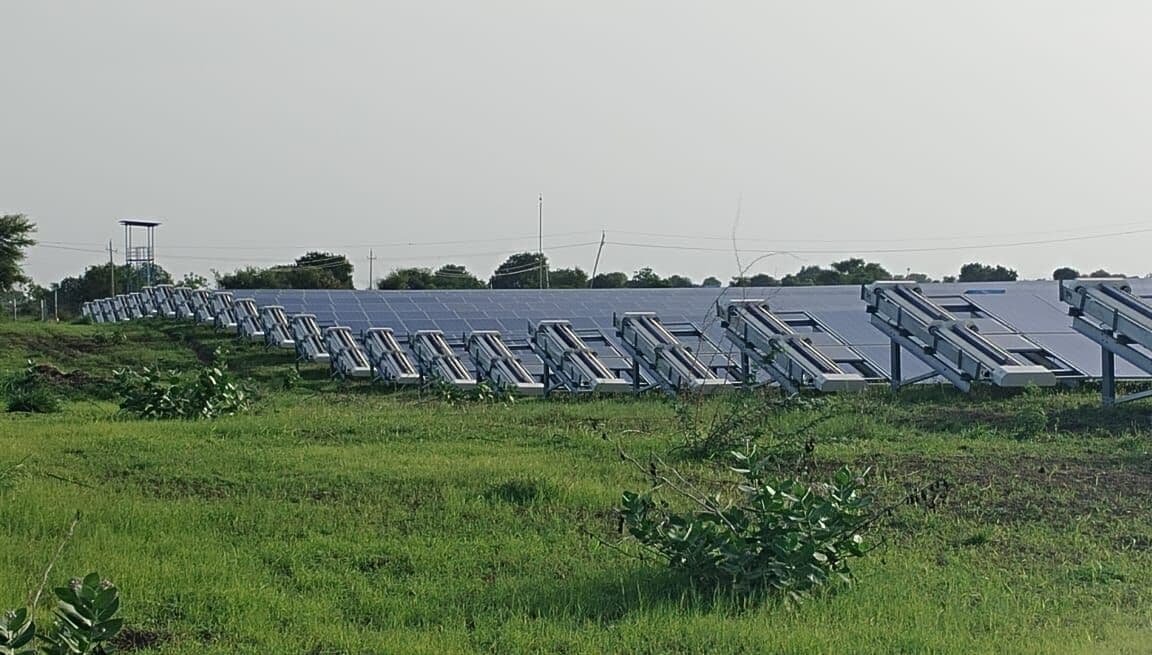
The project moved from manual maintenance to a structured robotic plan. This plan uses two HELYX pick-and-place robots. These robots were chosen specifically for this site. They can navigate ground-mount arrays easily. They also work well with the site's unique terrain. By using robots, the plant has created a systematic cleaning framework. This framework handles the high-dust, arid environment of Maharashtra effectively.
The procurement focuses on operational resilience. The robots must work well without local water access. HELYX robots provide a waterless solution. They use single-pass PBT brush technology. This technology removes abrasive agricultural dust and road grit. This specific setup allows the O&M team to manage different blocks. They can clean distributed parts of the plant with more control. The robots follow a flexible schedule. They typically perform 3 to 10 dry cleaning cycles per month. This prevents Performance Ratio losses during heavy soiling periods.
The commissioning process focused on workflow integration. The deployment had to be easy for the site crew to use. Because the area is remote, mobility is a top priority. The HELYX units use a pick-and-place method. This means workers can easily move them to different sections. This is very useful for a 187.5 MW capacity. The team can scale cleaning across the site as needed. This approach maintains consistent energy output. It also lowers the high labor and water costs of the old methods.
This deployment supports the plant's long-term goals. The site has seen major operational improvements:
- Waterless Maintenance: The plant no longer needs to transport water. This saves about 700,000 litres of water every year.
- Yield Recovery: The site gains an extra 187.5 MWh of generation annually. This comes from consistent cleaning cycles.
- Environmental Impact: CO2 emissions are reduced by 93 metric tons per year. This is due to improved solar efficiency.
- Resource Optimization: The semi-automatic model lowers labor costs. It is perfectly suited to the scale of the Ahmadnagar facility.
Operations and monitoring
Managing Cleaning Cadence and Operational Accountability in Arid Maharashtra
Success at this 187.5 MW site depends on careful timing. The plant must balance cleaning frequency with water scarcity. The site faces constant dust from farms and roads. This creates uneven patterns on the ground-mount arrays. Without a plan, these stressors cause rapid energy losses. Manual cleaning cannot solve this consistently. It is too expensive and uses too much water.
The site uses a semi-automatic strategy with HELYX robots. This ensures high accountability. The model is inspection-led. Managers do not follow a random schedule. Instead, they use inspections to plan cleaning. This allows them to maintain 3 to 10 dry cleaning cycles per month. They use these cycles based on real-time site conditions. This method keeps the modules clean and clear. It also avoids the high cost of unnecessary water transport. It proves that targeted dry cycles are better than daily washing. This is the key to utility-scale efficiency.
Robotic accountability is very strong here. The site uses specific wind hold protocols. This keeps the equipment safe during high winds. These protocols ensure the robots do not get damaged. By setting these standards, the project bridges the gap in O&M. It moves from labor-intensive tasks to reliable energy recovery. The deployment allows the plant to scale its cleaning. It responds directly to regional soiling patterns. This protects the asset from long-term degradation in the semi-desert environment.
Results and impact
Quantifying Performance Gains Through Robotic Solar Panel Cleaning in Maharashtra
The use of semi-automatic robots has changed the plant's baseline. The 187.5 MW site has replaced manual work with a standard dry cleaning plan. This has stopped the performance swings caused by dust and grit. The solar arrays now stay clear and clean. This directly leads to much higher energy recovery. Previously, much of this energy was lost to soiling.
The impact goes beyond just energy yields. The plant has removed its reliance on water. This solves the logistical and financial problems of sourcing water. In a region with acute water scarcity, this is a huge win. The waterless model protects local natural resources. It also lowers overhead costs. There is no need for massive water transport or large cleaning crews. This provides a clear path to long-term profitability.
The environmental benefits are also clear. The robotic brushes remove soiling layers effectively. This allows the panels to absorb maximum sunlight all year. This efficiency gain reduces the plant's carbon footprint. It shows why robotic solar panel cleaning Maharashtra is so important. It is a critical part of modern solar operations. The project is now a benchmark for waterless operations in dry areas.
- Energy Recovery: The site recovers measurable annual generation through robotic scheduling.
- Water Savings: Annual water consumption has dropped significantly through waterless cleaning.
- CO2 Reduction: The plant reduces CO2 emissions by optimizing output and saving water transport.
Peer comparison and planning checklist
Operational Benchmarking: Ahmadnagar-Najik Chincholi vs. Regional Peers
The Ahmadnagar-Najik Chincholi project is unique in Maharashtra. It is much larger than the 10 MW Ahmadnagar-Jalapur site. It is also larger than the 14 MW Yavatmal-Kupti project. Because of this scale, it needs a more resilient O&M approach. Smaller sites like Yavatmal-Kupti use concentrated fleets for scattered arrays. However, the 187.5 MW footprint at this site requires a better balance. It must balance labor costs with semi-automatic cleaning power.
The Soyegaon solar project faces similar dust and arid conditions. However, this site uses a specific robot fleet to stabilize performance. Manual labor at smaller sites can be a volatile cost. At this large site, the robotic deployment creates stability. It ensures consistent cleaning cycles. This is vital in remote sectors where water is not available. This strategy keeps output high across the entire expansive array. It prevents the inconsistent cleaning windows seen in other regional projects.
Planning Checklist for Large-Scale Robotic Deployment
- Conduct a Soiling Audit: Perform a site-level audit. Map how dust accumulates across all string blocks.
- Evaluate Logistical Trade-offs: Compare manual labor against semi-automatic units. Consider the cost of rail systems for larger sites.
- Set a Waterless Schedule: Create a strict cleaning schedule. Align it with peak soiling and humidity cycles.
- Use NECTYR Monitoring: Standardize protocols to track yield recovery. Monitor robot performance in real time.
- Budget for Maintenance: Plan for long-term fleet maintenance. Ensure robots can handle high temperatures and arid conditions.