Executive summary
Finding effective robotic solar panel cleaning Maharashtra solutions is vital for large plants. The 337.5 MW ground-mount solar facility in Ahmadnagar-Takali Dhokeshwar, Maharashtra, faced many operational hurdles. The site dealt with heavy agricultural dust and abrasive road grit. These factors caused serious problems for energy output. Local humidity cycles also added to the difficulty. These conditions created uneven soiling patterns across the solar strings. This meant some parts of the plant produced much less power than others.
Old manual cleaning methods were hard to manage. Supervisors had to coordinate night crews in difficult conditions. They also had to manage vegetation control and civil maintenance at the same time. This made scheduling very complex. There was also no easy way to prove that every block was actually cleaned. This lack of data made it hard to ensure consistent performance across the 337.5 MW site.
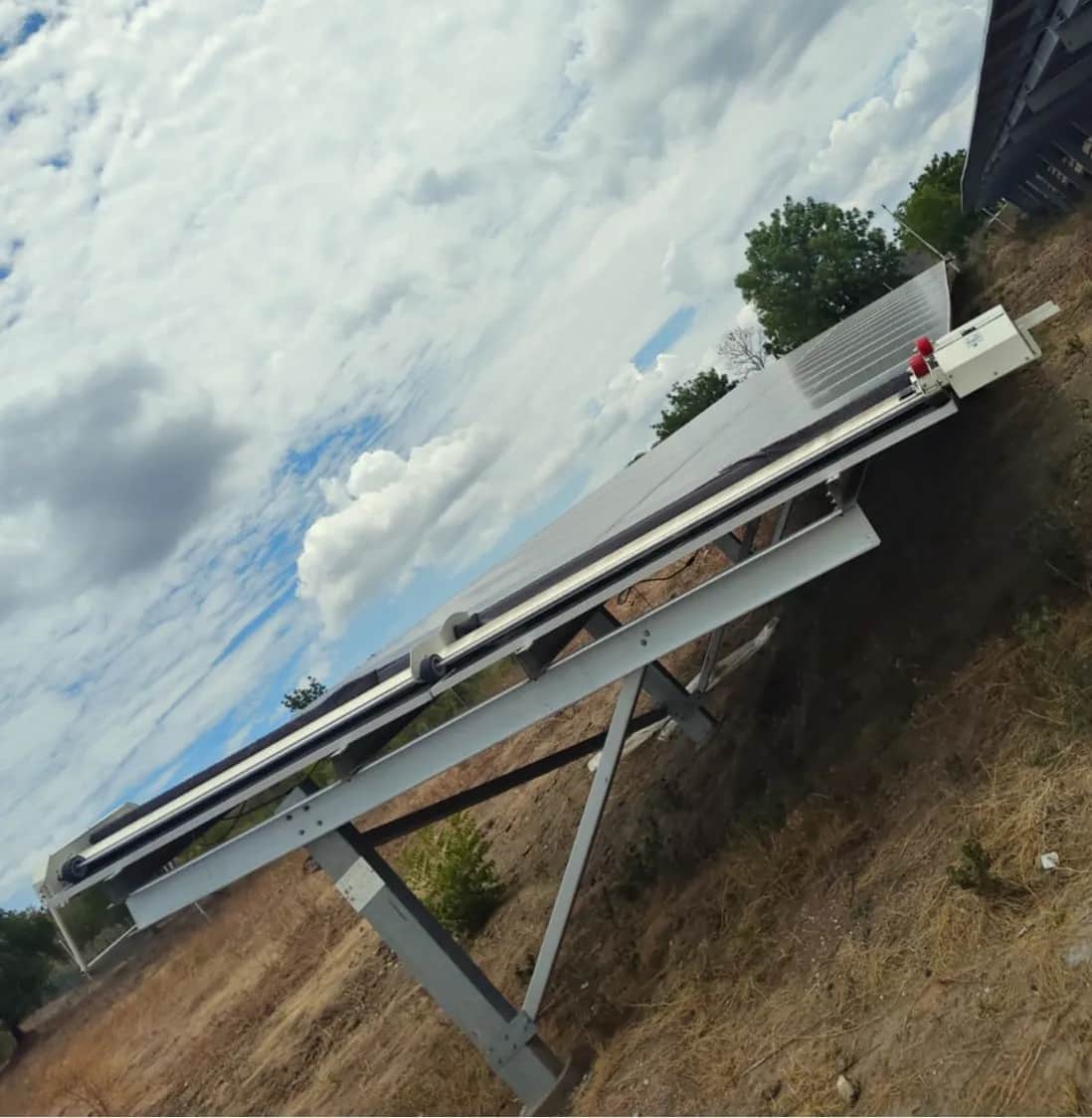
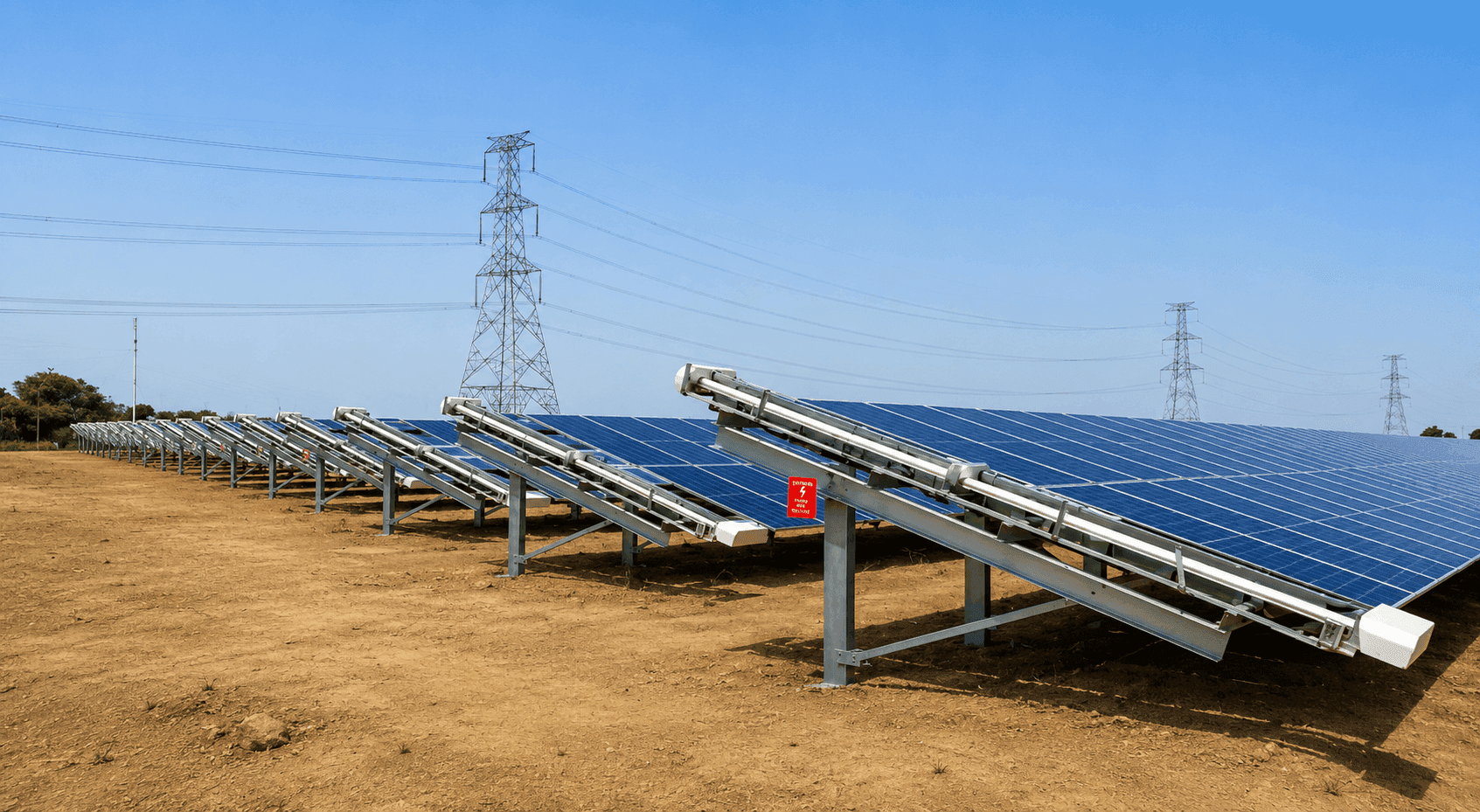
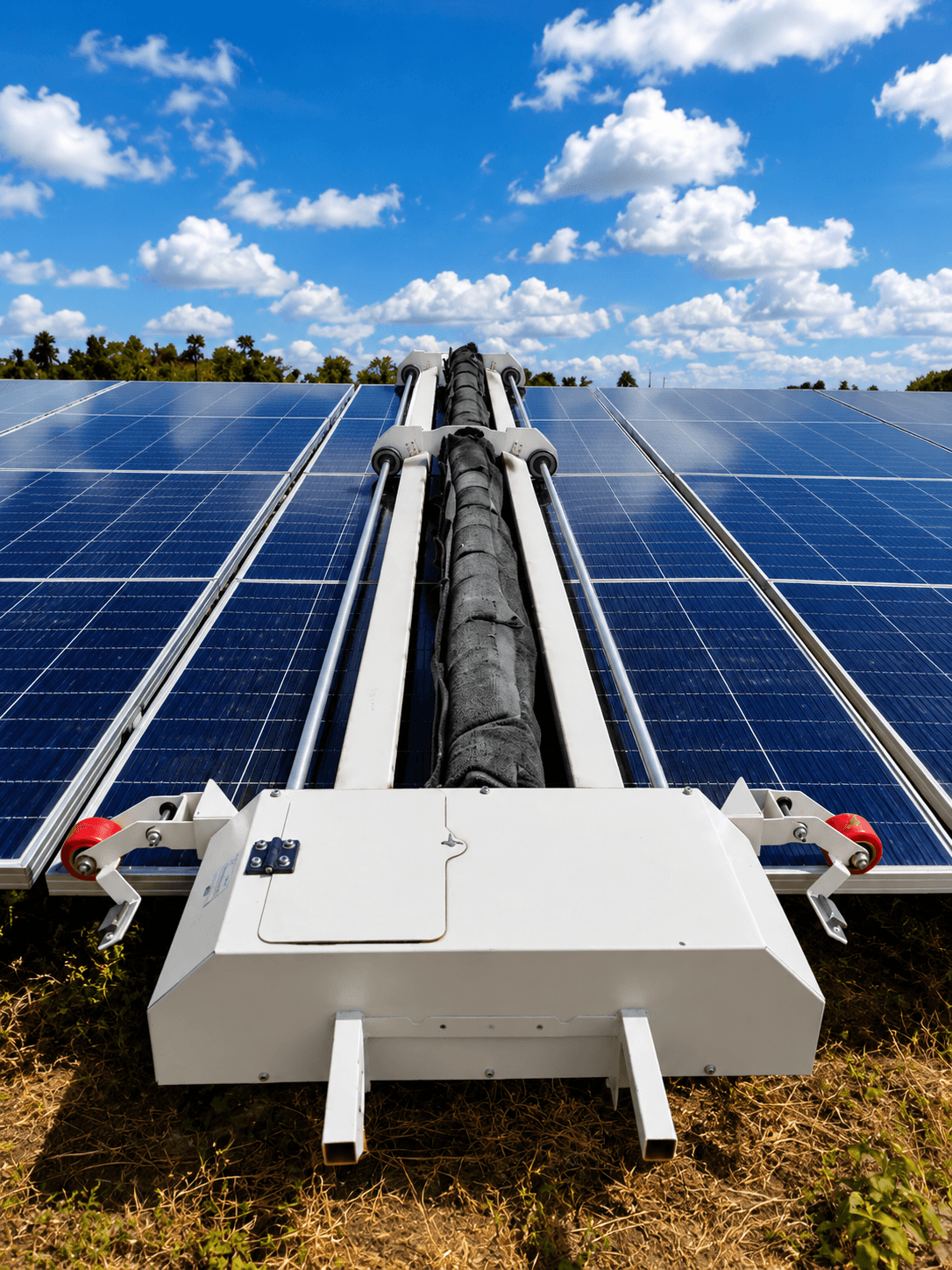
To solve these issues, the facility deployed four HELYX semi-automatic robots. This move changed the site to a structured waterless cleaning program. The team can now perform targeted cleaning cycles based on site access. This system replaced labor-intensive manual work. It also removed the scheduling conflicts that previously hurt performance. The deployment recovered 337.5 MWh of clean energy every year. It also saved 1.3 million litres of water. This proves that semi-automatic robotic cleaning works well in Maharashtra.
Environment and soiling at Ahmadnagar- Takali Dhokeshwar
Managing agricultural dust and humidity cycles in Ahmadnagar
The Takali Dhokeshwar site is in a busy area. It sits near intense agricultural land and major roads. This creates a very difficult environment for solar panels. Unlike desert sites, the dust here is not uniform. The region sees high amounts of airborne soil from seasonal harvests. This soil mixes with grit from the nearby roads. The result is a thick, crusty film on the solar modules.
The local climate makes this problem even worse. Frequent humidity cycles play a major role. Every night, dew forms on the panels. This moisture acts like glue. It dampens the dust and grit. As the dew dries, it creates a hardened layer on the surface. Regular rain often cannot wash this layer away. This causes the dust to stick even harder to the glass.
Because the moisture dries unevenly, the soiling is also uneven. This creates localized patterns on the solar strings. Such patterns cause current mismatch. This leads to significant drops in performance at the string level. To maintain high yields, the 337.5 MW facility needs a precise cleaning strategy. The strategy must be non-abrasive and effective.
The site focuses on three main environmental threats:
- Agricultural particulates: Nearby harvests create high-density dust. This must be removed regularly to prevent staining.
- Abrasive road grit: Road grit can scratch the anti-reflective coating. A gentle cleaning medium is required to prevent damage.
- Humidity-induced caking: The cycle from dew to dry heat creates a sticky residue. This is best managed through regular waterless cleaning cycles.
The site uses a structured, semi-automatic approach. This ensures that uneven soiling is addressed early. It prevents dust from turning into permanent losses. Moving from reactive cleaning to a robotic schedule helps maintain energy yield. This is essential for solar plants in Maharashtra.
O&M before Taypro
Operational bottlenecks in manual O&M at Takali Dhokeshwar
Before using Taypro robots, the O&M teams faced many logistical hurdles. These problems made it hard to recover lost energy. The main issue was the heavy use of water tankers. Coordinating these tankers was a difficult task. They had to navigate narrow site pathways constantly. These logistics often clashed with other important work. For example, cleaning schedules often fought with vegetation management. Civil maintenance tasks also competed for the same time windows.
The manual labor model also caused scheduling problems. Teams often worked at night. These crews were often sent out based on simple visual checks. They did not have real soiling data to guide them. This led to very inconsistent cleaning coverage across the site. Because the facility is so large, it was hard to track everything. Supervisors could not prove which blocks were actually cleaned. This created a major audit gap in the maintenance process.
The main bottlenecks included:
- Water logistics: Relying on tankers created traffic jams. This blocked other essential site maintenance and civil work.
- Scheduling friction: It was hard to balance cleaning with landscaping. This often led to missed maintenance opportunities.
- Lack of verification: Supervisors could not confirm if every block was clean. This caused uneven performance across the large array.
Soiling losses often went undetected for weeks. This happened because the team could not track string-level performance. Shifting to semi-automatic robotic systems solves this. It closes the verification gap. It ensures every module gets a high-quality cleaning. This happens without the high cost of managing water and large crews.
Fleet and deployment at 337.5 MW
Fleet and deployment strategy for 337.5 MW operations
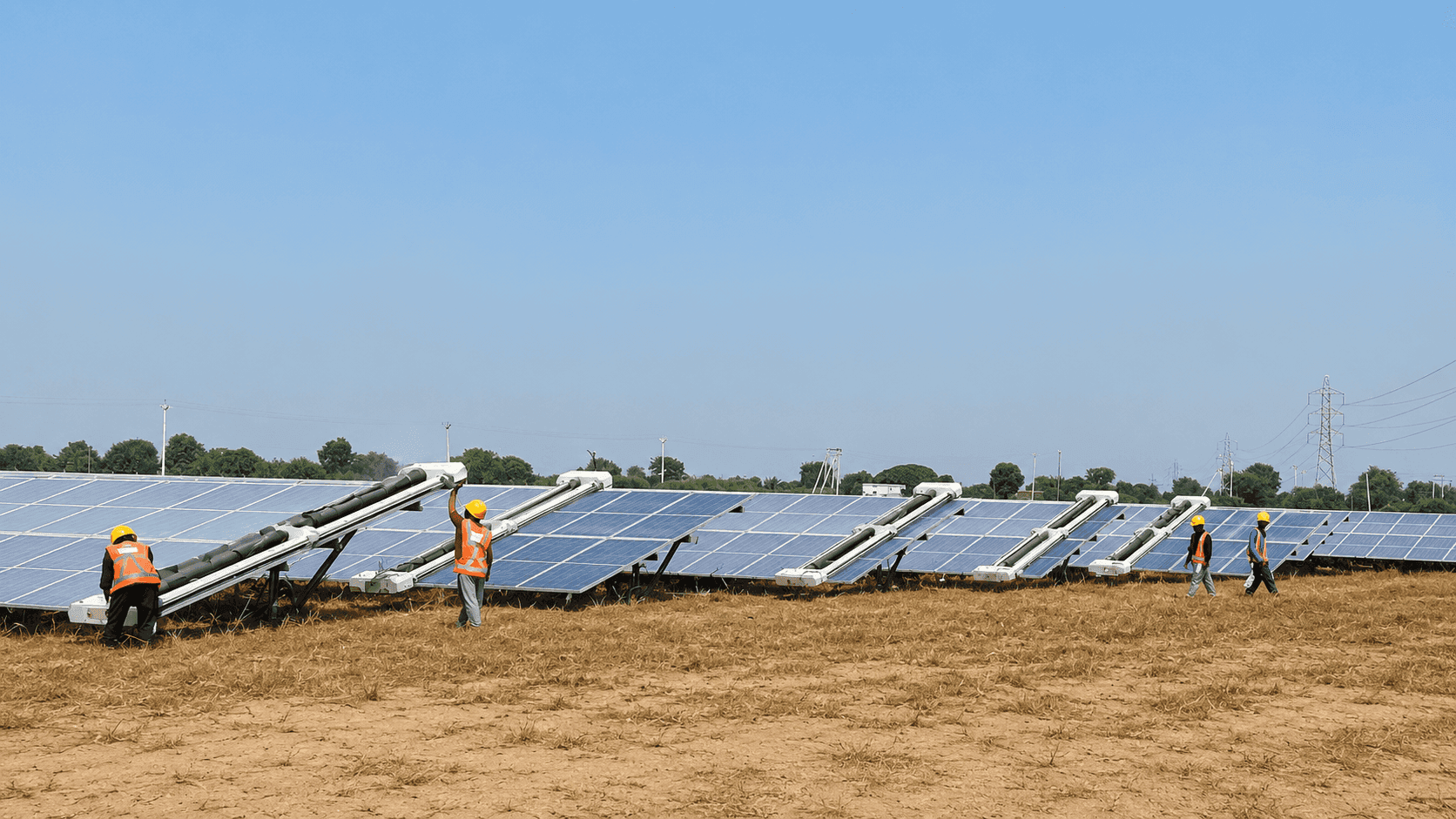
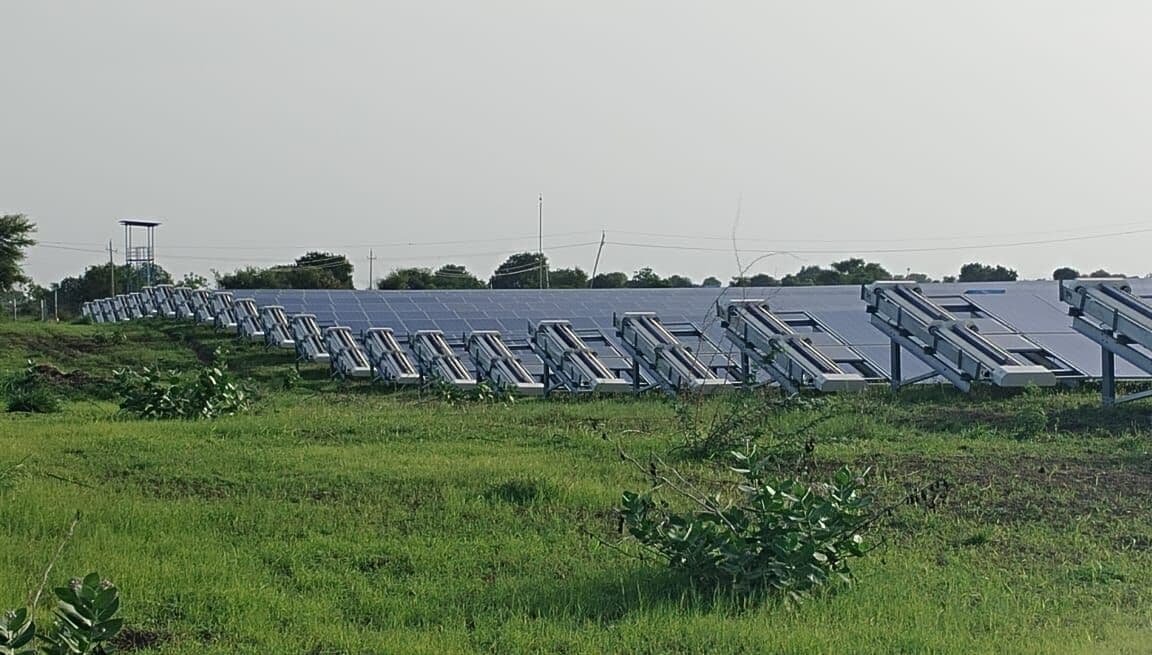
The 337.5 MW footprint at Takali Dhokeshwar is massive. To manage this, the site uses four HELYX semi-automatic robots. This is a Capex procurement model. The site now owns these permanent cleaning assets. They are designed to handle the complex dust from local farms and roads. The pick-and-place system offers great flexibility. It allows the robots to work across scattered ground-mount blocks.
The semi-automatic workflow fits the specific needs of the Ahmadnagar plant. The HELYX units are deployed for scheduled cycles. The cleaning frequency depends on the weather. It also depends on how much dust has built up. Typically, the site runs 3 to 10 dry cleaning cycles per month. This steady pace keeps the modules clear. It also removes the need for water tankers. It also eliminates the need for complex night-crew management.
The HELYX robots use specific technology to work well:
- Deployment model: A Capex fleet of 4 HELYX semi-automatic units.
- Operational scope: Targeted maintenance across the 337.5 MW ground-mount array.
- Cleaning performance: Single-pass PBT brush technology is used. This mitigates dust from agriculture and roads.
- Resource efficiency: Waterless cleaning recovers 337.5 MWh annually. It also saves 1.3 million litres of water.
The deployment also included intensive training. Local O&M teams learned how to manage the robots. They learned how to handle robot transfers between rows. They also learned how to manage battery charging rotations. This allows the robots to work efficiently. The team has moved away from reactive, labor-based cleaning. They now have a verifiable audit trail for every block. This ensures high output across the entire facility.
Operations and monitoring
Operations and Monitoring: Transitioning to Scheduled Robotic Maintenance
The Takali Dhokeshwar facility now uses a structured maintenance plan. It has moved away from unpredictable manual cleaning. This older method relied too much on water-dependent crews. By using 4 HELYX semi-automatic robots, the site has improved its control. Management has replaced unreliable night shifts with an inspection-led framework. This model provides clear proof of cleaning. Supervisors now know exactly which strings have been serviced.
The cleaning schedule is now optimized for the local environment. The site faces unique issues like agricultural dust and road grit. These create uneven layers on the panels. The team does not attempt a daily wash. A daily wash is often too costly and inefficient for large plants. Instead, they perform 3 to 10 dry cleaning cycles per month. This frequency changes based on real-time soiling data. It also changes based on seasonal humidity. This ensures the PBT brushes maintain peak panel transparency. It also protects precious water resources.
Key operational benefits include:
- Predictable scheduling: Standardized cleaning windows prevent resource conflicts. Robot work no longer competes with civil maintenance.
- Accountability and audit trails: NECTYR integration allows for easy verification. O&M leads can see exactly which blocks were cleaned.
- Weather-adaptive operations: The system includes safety wind holds. This protects the robots and the solar array during bad weather.
- Eliminating logistics: Removing water tankers reduces site risks. It also lowers the complexity of maintaining ground-mount arrays.
This shift to a semi-automatic, CAPEX-based fleet has created a high-efficiency loop. The plant is now more resilient. It maintains a higher energy output. It also meets local water-saving goals in Maharashtra.
Results and impact
Results and Impact: Sustaining Output in Ahmadnagar
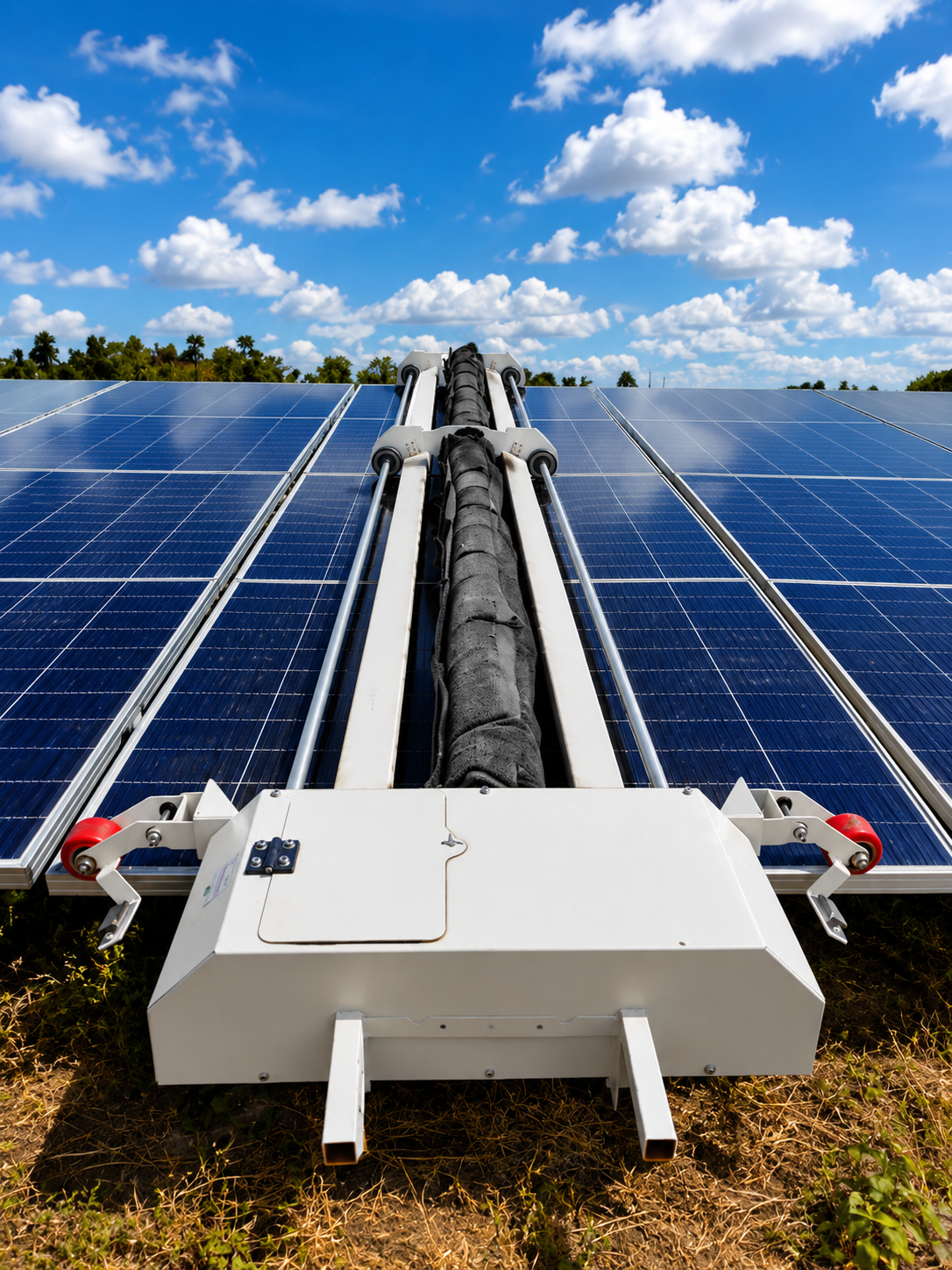
The move to robotic solar panel cleaning has transformed this facility. The O&M profile is much stronger now. By moving away from manual, water-heavy methods, the plant has saved massive amounts of water. This solves the old conflict between water logistics and site maintenance. Now, supervisors can focus on higher-value tasks. They can spend more time on vegetation management and site upkeep.
The main benefit for the 337.5 MW array is steady energy recovery. The plant maintains high panel transparency. This is vital because of the heavy dust in Maharashtra. The robots prevent the power drops usually caused by uneven soiling. These cleaning cycles provide a measurable boost in generation. This boost directly improves the return on investment for the site owner.
The impact can be seen in several areas:
- Resource optimization: The facility no longer needs daily water tankering. This reduces the operational footprint and lowers logistics costs.
- Enhanced generation: Regular cleaning recovers significant MWh every year. This energy would otherwise be lost to soiling.
- Data-driven accountability: NECTYR provides granular data. Managers can verify cleaning status for every single block.
- Environmental sustainability: Water-neutral operations help the region. This aligns with local goals to preserve water reserves.
The deployment of this semi-automatic system creates a reliable maintenance loop. This approach ensures that ground-mount arrays work at peak efficiency. It successfully manages the impact of local environmental conditions. This helps protect long-term energy yields for the plant.
Peer comparison and planning checklist
Peer Comparison and Robotic Planning for Maharashtra Solar Assets
The Takali Dhokeshwar facility matches the scale of other major projects. It aligns with the Soyegaon and Yavatmal projects. In those sites, robotic solar panel cleaning in Maharashtra has also been essential. Those projects manage similar levels of agricultural dust. While peer sites may use different array types, they all follow the same trend. Waterless robotic systems are now the industry standard. They are necessary for maintaining high performance ratios in large utility farms.
This project is much larger than the 10 MW Ahmadnagar-Jalalpur site. It is also larger than the 14 MW Yavatmal-Kupti site. The 337.5 MW scale of Takali Dhokeshwar shows why scalable solutions are needed. Smaller sites often use compact fleets. However, this large installation requires a specialized semi-automatic approach. It is designed to handle uneven, string-level soiling. By using a robot-led strategy, the facility achieves a consistent cleaning cadence. This preserves module transparency and optimizes energy recovery during humid seasons.
Use this checklist for planning your own robotic cleaning deployment:
- Audit topography: Identify rows that are prone to high agricultural or road grit dust.
- Map cleaning cycles: Align waterless cleaning with vegetation and civil maintenance windows. This prevents scheduling conflicts.
- Integrate NECTYR: Use fleet monitoring to verify cleaning status for every block. This validates your performance recovery.
- Set a cadence: Establish a site-specific schedule. For semi-automatic arrays, aim for 3 to 10 cycles per month.
- Prioritize safety: Reduce the need for manual work on high-tilt or unstable ground-mount structures.
- Manage spares: Keep extra robotic units at regional hubs. This ensures continuity during peak soiling periods.