Executive summary
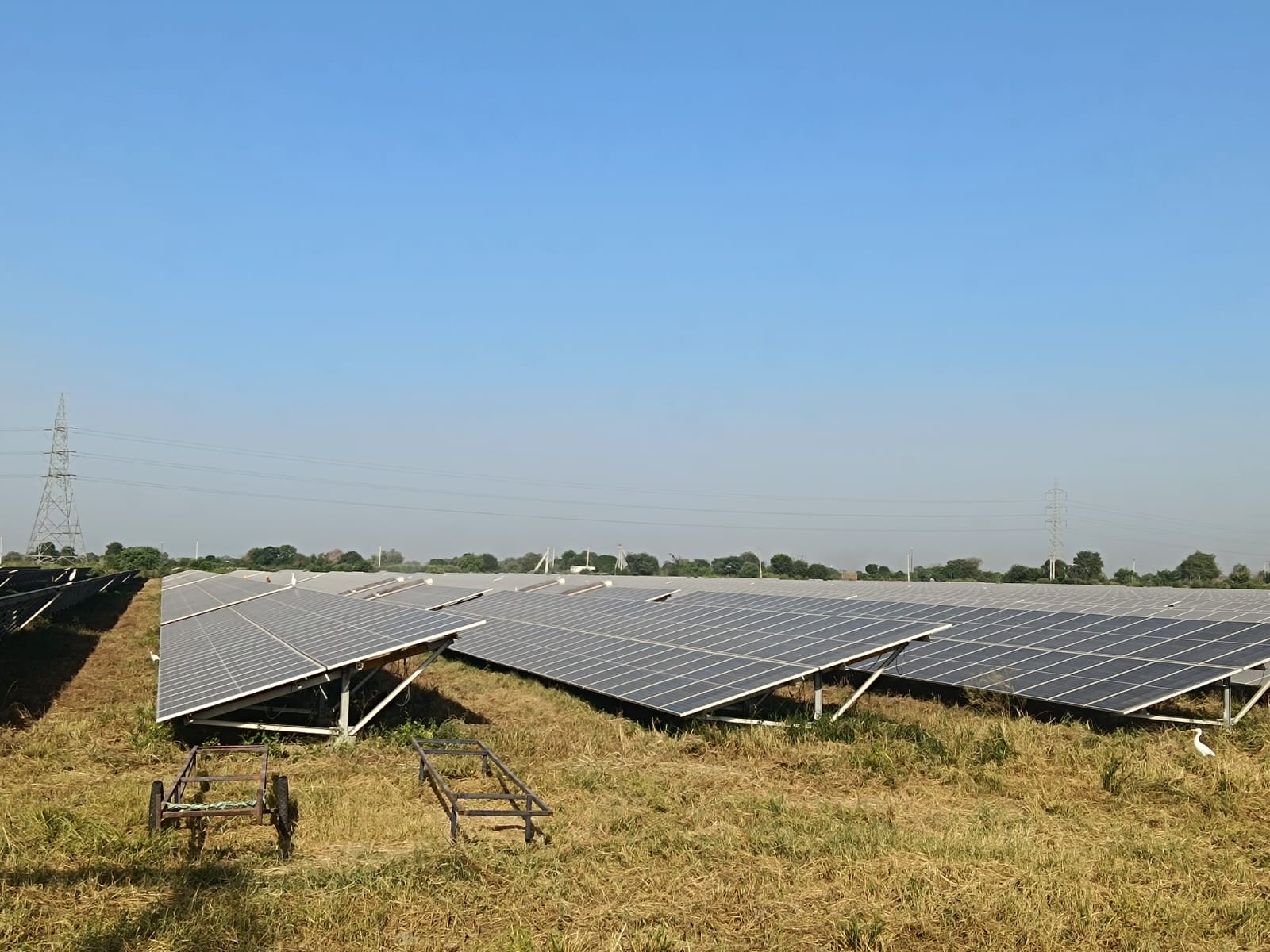
A 300 MW ground-mount solar facility in Bhadla, Rajasthan, faces extreme environmental challenges. The site is located near the edge of the Thar Desert. This causes heavy soiling from fine dust and particulates. Frequent dust storms occur in this region. These storms rapidly reduce the plant's Performance Ratio (PR). The impact is most severe in the downwind rows. Often, the PR drops before the dust is even visible to the eye.
Local water scarcity creates another major problem. Traditional wet-wash cleaning requires large water tankers. For a 300 MW plant, this is too expensive. It is also logistically unreliable in this arid region. Manual labor crews also face difficulties. They cannot clean vast block counts frequently enough. They also struggle to provide verifiable proof of completion. This makes it hard to track performance accurately.
Taypro addressed these issues by deploying 40 HELYX semi-automatic robots. These units use single-pass PBT brush technology. They provide effective waterless cleaning. The robots follow a schedule of 3 to 10 dry cleaning cycles per month. This frequency depends on the specific soiling at the site. This transition to a waterless solution has yielded massive benefits. The facility saved 42 million litres of water every year. It also recovered 11.25 GWh of additional energy annually. This deployment shows how robots solve the dual pressures of dust and water scarcity.
Environment and soiling at Bhadla,Rajasthan
Environment and soiling at Bhadla, Rajasthan
The 300 MW facility at Bhadla sits in an extreme arid zone. This location is on the periphery of the Thar Desert. The environment creates a persistent and high-intensity soiling profile. The site faces constant wind-borne fine particulates. It also deals with recurring dust storms. These storms distribute abrasive silica deposits across all module surfaces.
These conditions are very aggressive. They cause significant Performance Ratio (PR) degradation. This effect is especially strong in downwind rows. In these areas, dust settles unevenly. Often, the PR dips before the soiling is obvious to the naked eye. This makes manual visual inspection an unreliable method for managing the plant.
Managing this site requires solving two main operational constraints:
- Extreme water scarcity: The regional water table is very low. Traditional wet-cleaning via water tankers is difficult. It is also environmentally unsustainable for a 300 MW asset.
- Manual cleaning limitations: Relying on manual crews is difficult for such vast block counts. Crews cannot maintain the necessary cleaning frequency. They also struggle to provide granular data. This data is needed to verify that all performance targets are met.
The move to semi-automatic robotic cleaning solves these problems directly. The site uses a fleet of 40 HELYX units. These units maintain a consistent cleaning cycle. The robots clean 3 to 10 times per month across various blocks. This approach replaces unreliable wet-washing with a repeatable, waterless process. The result is a major recovery in annual energy generation. The plant recovers 11.25 GWh of energy every year. It also saves 42 million litres of water annually. This robotic deployment turns a labor-heavy operation into a data-driven system. It is a perfect fit for the harsh Bhadla landscape.
O&M before Taypro
Operational constraints at a 300 MW Bhadla plant
The 300 MW facility at Bhadla faces a constant struggle. Its location on the edge of the Thar Desert is the main cause. The site experiences extreme arid conditions. It suffers from frequent dust storms and fine particulate buildup. This aggressive soiling reduces the Performance Ratio (PR). This happens most often in downwind rows. In these rows, dust patterns develop long before site teams can see them.
Before Taypro, the O&M strategy used manual crews. It also relied on water tanker logistics. This traditional approach had several critical failure points:
- Unreliable tanker logistics: Many districts in this region are water-scarce. Securing a steady water supply is very hard. For a 300 MW plant, frequent wet-washing is both costly and logistically volatile.
- Manual labor limitations: Manual crews cannot match the required cleaning frequency. The site is simply too large. The physical effort needed to cover all blocks often leads to uneven cleaning. This results in inconsistent plant performance.
- Lack of audit transparency: Conventional cleaning processes are hard to verify. It is difficult to get block-level completion proof. Without granular data, asset managers cannot confirm if cleaning cycles hit energy recovery targets.
The transition to 40 HELYX units addresses these gaps. It moves the plant from manual, water-intensive cleaning to a predictable, waterless method. This deployment allows for a structured cleaning cycle. The robots clean 3 to 10 times per month. This directly reduces the impact of desert soiling. The plant has now stabilized its cleaning schedule. It no longer depends on tanker-based water supplies. This change has unlocked 11.25 GWh of extra annual generation. It also preserves 42 million litres of water every year.
Fleet and deployment at 300 MW
Fleet and deployment strategy for 300 MW capacity
This 300 MW facility has a massive surface area. To manage it, we implemented a strategic Capex investment model. This capital-intensive approach gives the site owner full control. They can scale cleaning capacity to match high-density block counts. This is a key requirement for the Bhadla site.
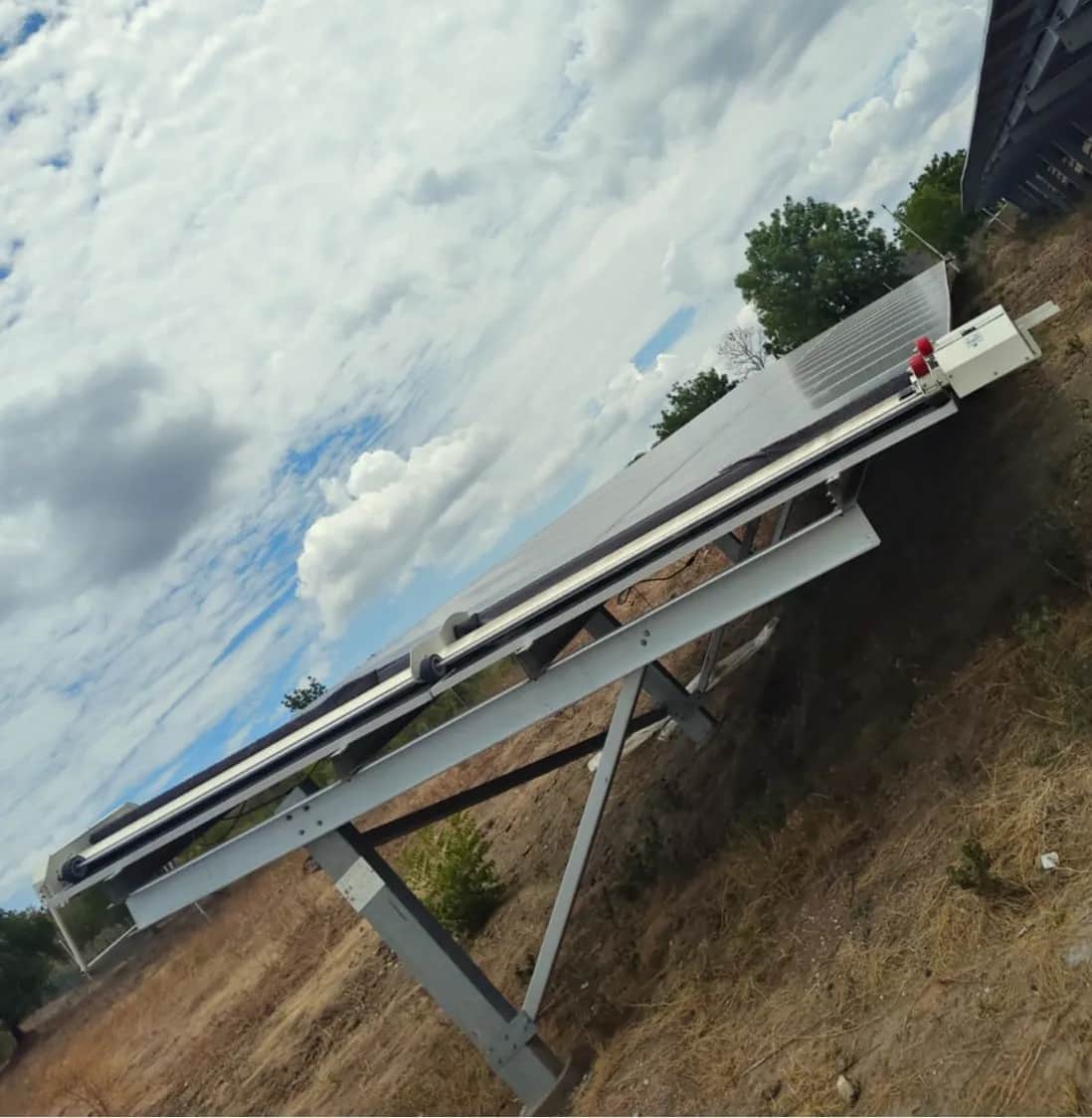
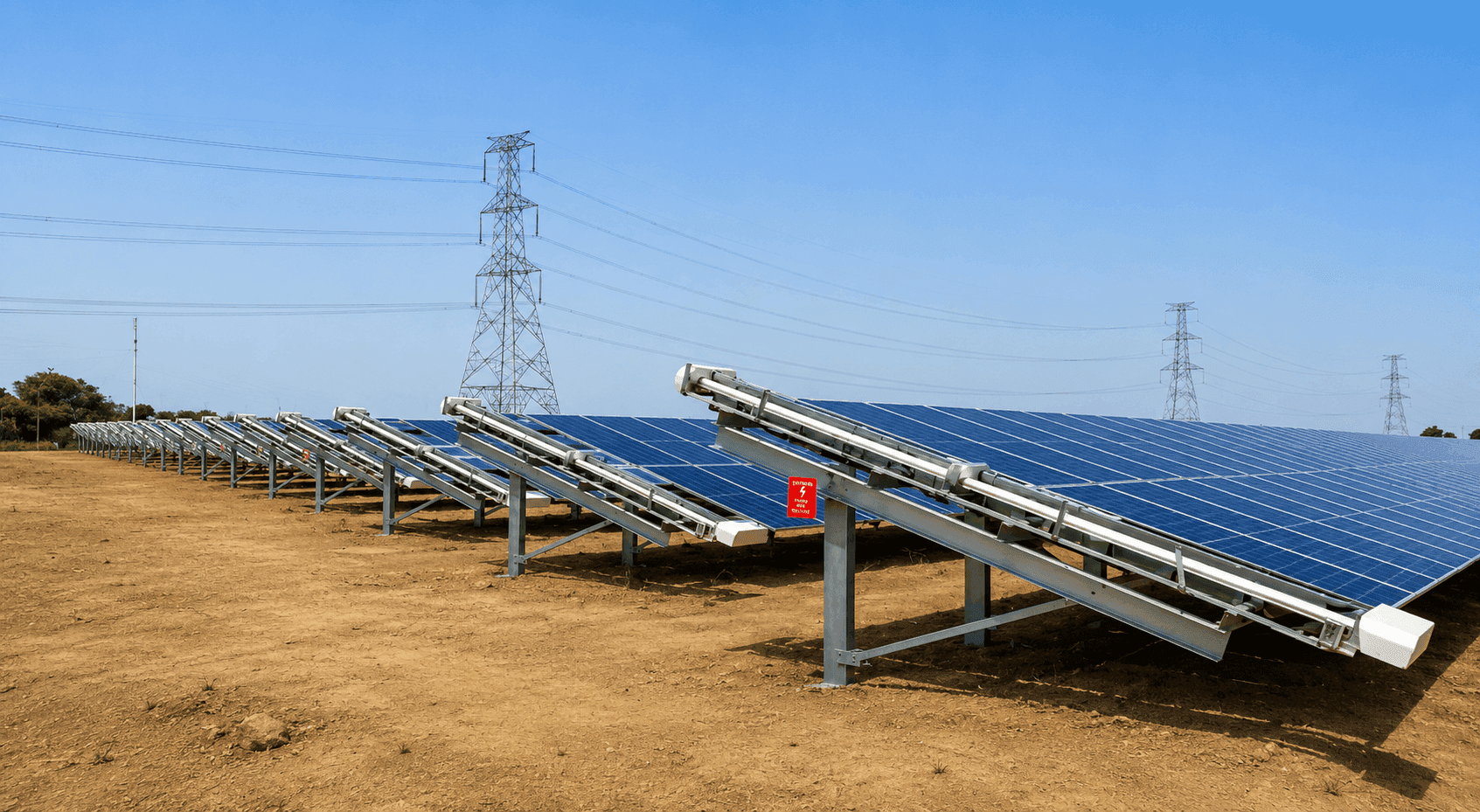
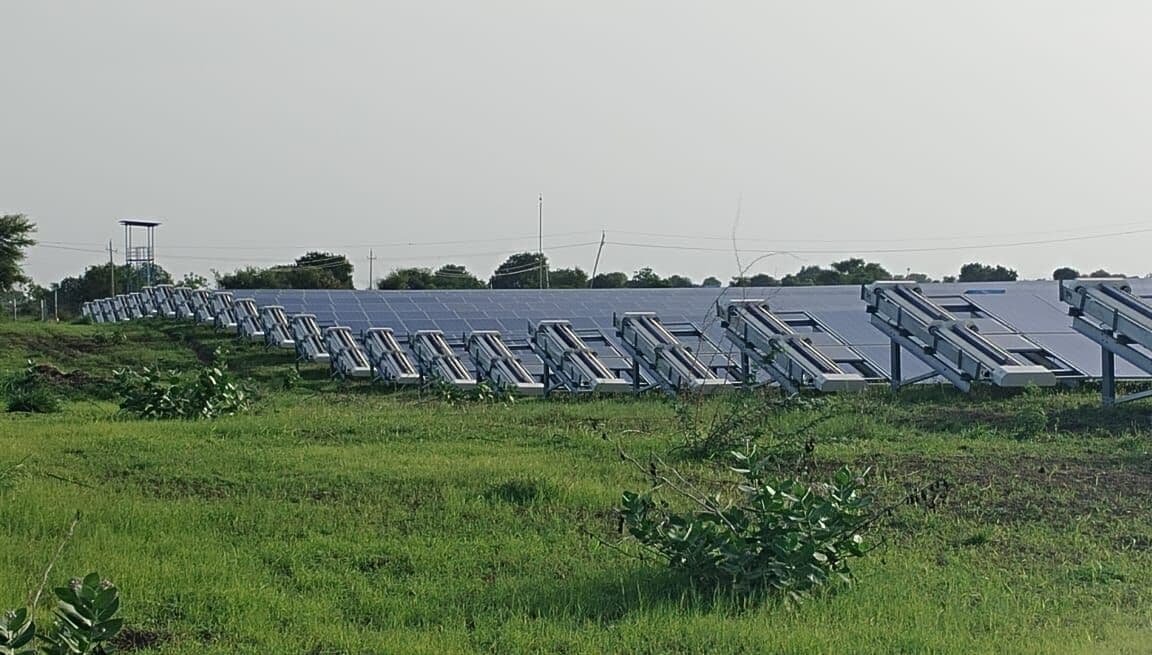
The fleet consists of 40 HELYX units. We chose this model for its efficiency in scattered and distributed layouts. The HELYX system provides the agility needed to manage vast row counts. This system enables several key features:
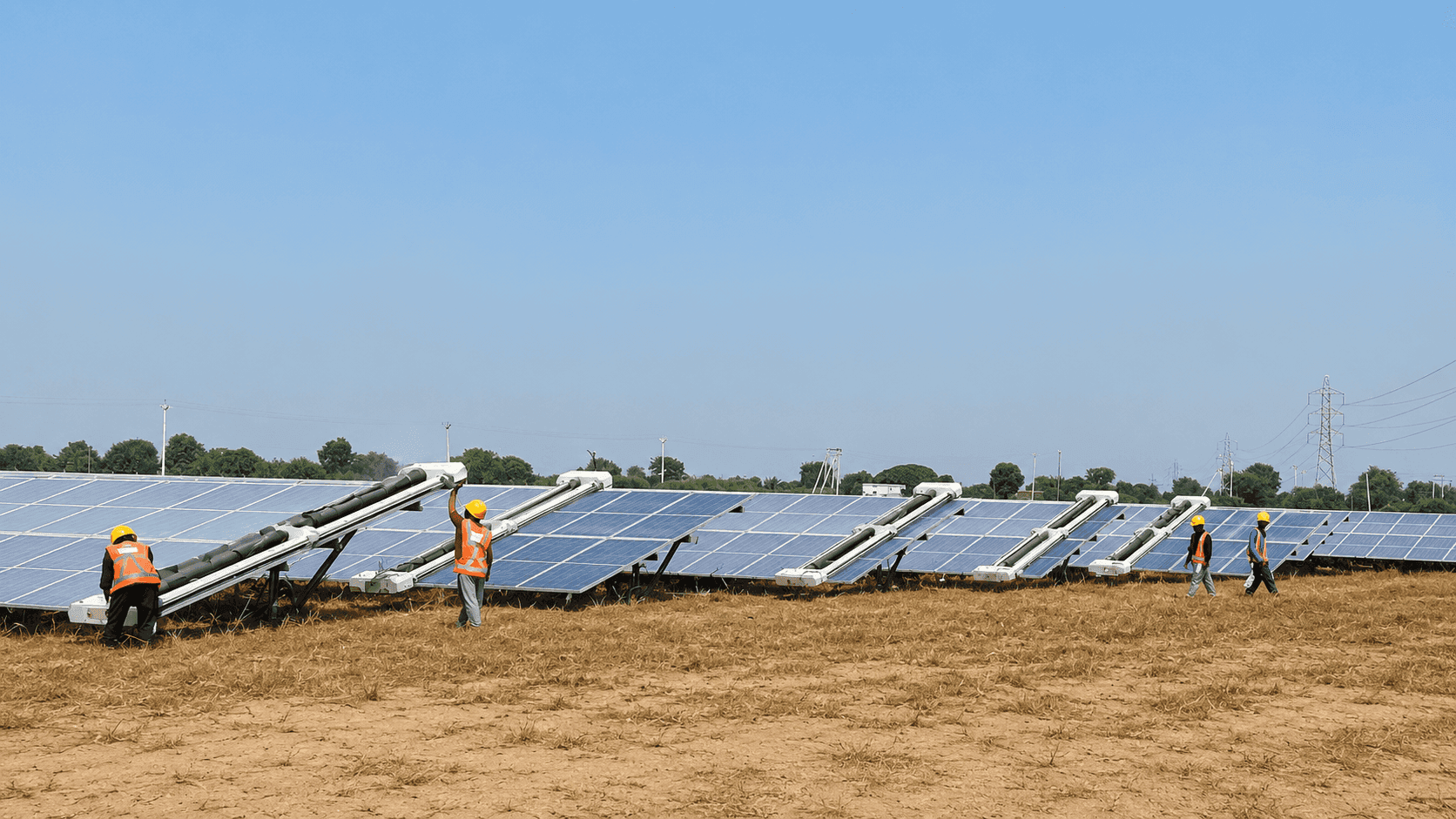
- Pick-and-place mobility: HELYX robots are semi-automatic. This allows crews to move units between scattered blocks easily. This ensures every panel row receives systematic, waterless PBT brush cleaning.
- Operational scalability: The team has 40 robots in service. This allows the O&M team to maintain a steady cleaning cadence. This prevents the performance bottlenecks often seen with manual labor.
- High-frequency dust mitigation: Each unit is built for rapid deployment. This allows the fleet to execute 3 to 10 dry cleaning cycles per month. This frequency is vital in the Thar-edge region. It prevents the rapid PR drops caused by fine particulates.
The commissioning phase focused on standardizing workflows. We aimed to create a uniform process across the entire site perimeter. By integrating the HELYX fleet, operators have replaced volatile cleaning with a reliable process. Cleaning frequency is now driven by technical data. It is no longer limited by labor availability. This results in a consistent PR across all rows. It also ensures stability throughout the entire 300 MW installation.
Operations and monitoring
Optimizing operations through accountability and dry-cleaning cycles
Managing a 300 MW asset in Bhadla requires a new approach. Traditional wet-wash methods are too costly. They are also logistically unreliable due to water scarcity. Our strategy uses the NECTYR fleet portal. We have moved away from the idea of daily washing. Instead, we use inspection-led accountability. We prioritize rows that show the most severe soiling impact.
The site uses a pick-and-place workflow. This involves 40 HELYX robots performing scheduled dry cleaning. This approach ensures consistent performance through three main pillars:
- Targeted dry cycles: We perform between 3 and 10 dry cleaning cycles per month. This is based on real-time site exposure. This cadence counters fine particulate buildup. It does so without the heavy resource drain of water tankers.
- Inspection-led scheduling: The team does not follow a rigid, inefficient calendar. Instead, we use performance data. We identify downwind rows showing early signs of PR dips. NECTYR logs verify every block is complete. This provides the accountability that manual crews could not offer.
- Wind hold protocols: Site safety is a top priority. We use automated wind hold protocols. These are integrated into our O&M framework. We monitor local weather data closely. The team pauses robotic operations during high-velocity storms. This protects the hardware and ensures panel stability.
This semi-automatic deployment changes the way the plant operates. It turns inconsistent, labor-heavy cleaning into a data-driven process. By focusing on precision cycles, the facility achieves higher generation. It also successfully eliminates the need for water trucks.
Results and impact
Results and Impact
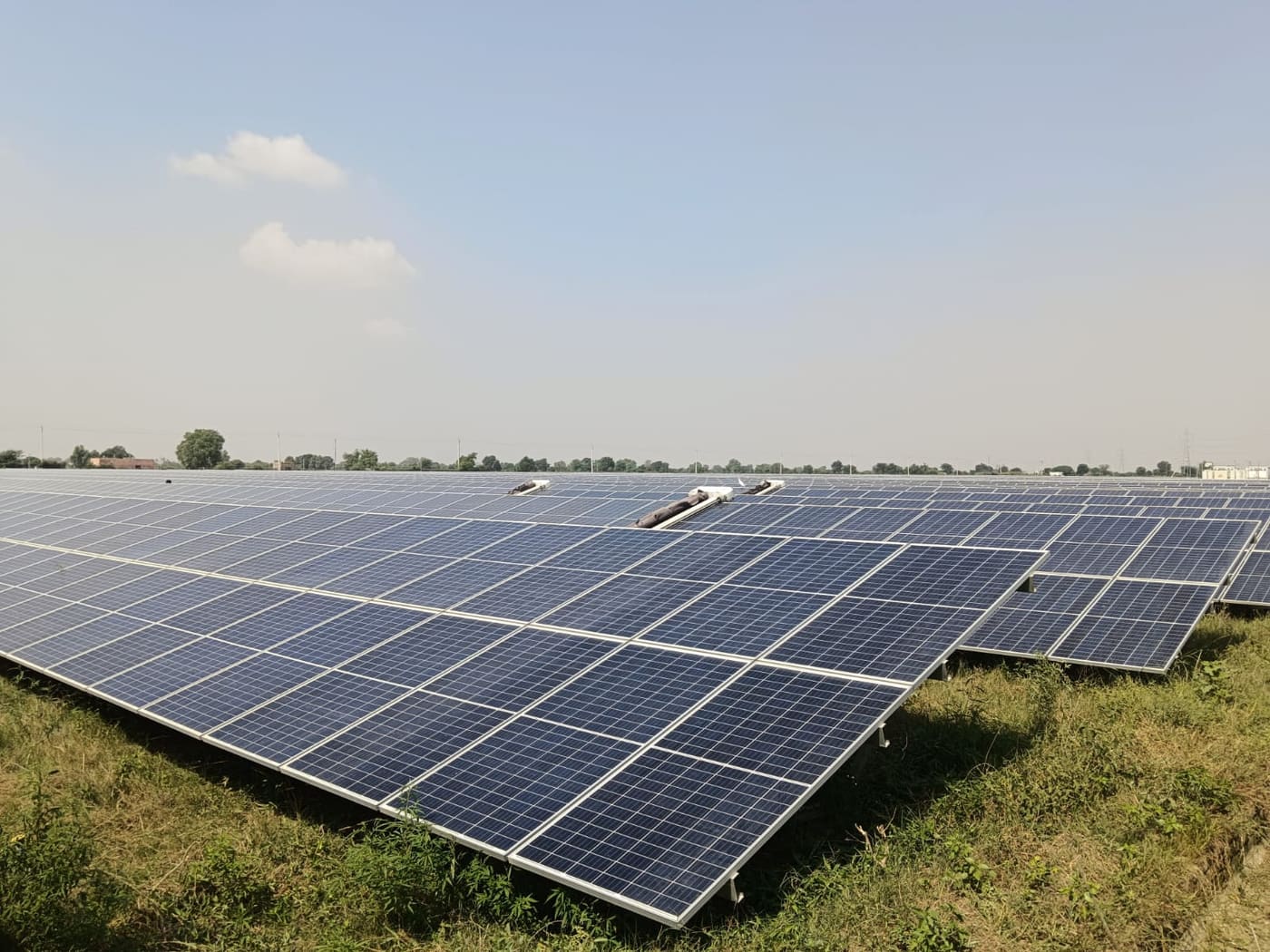
The shift from manual washing to a robotic model has changed the Bhadla plant. The 300 MW installation is now more efficient. We replaced unreliable water tankers with a fleet of 40 semi-automatic robots. This project solves the core challenge of Thar-edge soiling. It also ensures consistent energy output.
The new robotic workflow provides several qualitative improvements:
- Substantial Generation Recovery: Robotic cleaning removes dust and fine particulates consistently. This leads to a major increase in annual energy yield. It ensures that downwind rows maintain optimal output. These rows were previously prone to heavy degradation.
- Critical Water Conservation: The plant no longer needs water-based cleaning. This leads to massive annual water savings. This is vital in Rajasthan. In this region, water scarcity makes traditional cleaning very expensive.
- Enhanced Operational Accountability: Manual crews often struggle to prove they cleaned every block. The robotic system provides quantifiable data via NECTYR. This transparency ensures that cleaning cycles are actually performed.
- Optimized Resource Allocation: Robots now handle the bulk of dust removal. This allows site personnel to focus on high-value maintenance. This precision deployment replaces manual uncertainty with a predictable cycle. It is a highly efficient way to manage a large asset.
Peer comparison and planning checklist
Peer Comparison and Operational Planning
We can look at two other Rajasthan deployments to understand the Bhadla project. The Akhadana 360 MW site is one example. It uses fully automatic robots. This allows for high-frequency, daily cleaning cycles. The Bhadla 300 MW project uses a different model. It uses a semi-automatic fleet to manage Thar-edge soiling. Unlike the Akhadana site, our Bhadla deployment uses 40 robots for targeted cleaning.
Different cleaning modes are necessary for different sites. You must tailor the deployment to your specific logistics. The Akhadana project offers the reliability of full automation. However, the semi-automatic approach at Bhadla is very effective. It provides a high-impact solution for managing dust. It does not require a massive infrastructure for a full autonomous network. This approach balances performance gains with the reality of water-scarce operations in Rajasthan.
Effective fleet management requires a move from reactive to planned operations. Use this checklist to align your strategy with regional conditions:
- Establish a baseline soiling rate. Monitor performance dips before and after cleaning.
- Map rows with high accumulation. Look at wind exposure and proximity to roads.
- Select the right cleaning mode. Compare the cost-to-benefit ratio of automatic vs. semi-automatic units.
- Define clear KPIs for block-level completion. Verify that every row is serviced on time.
- Integrate NECTYR fleet monitoring. Ensure logs reflect true performance instead of manual estimates.