Executive summary
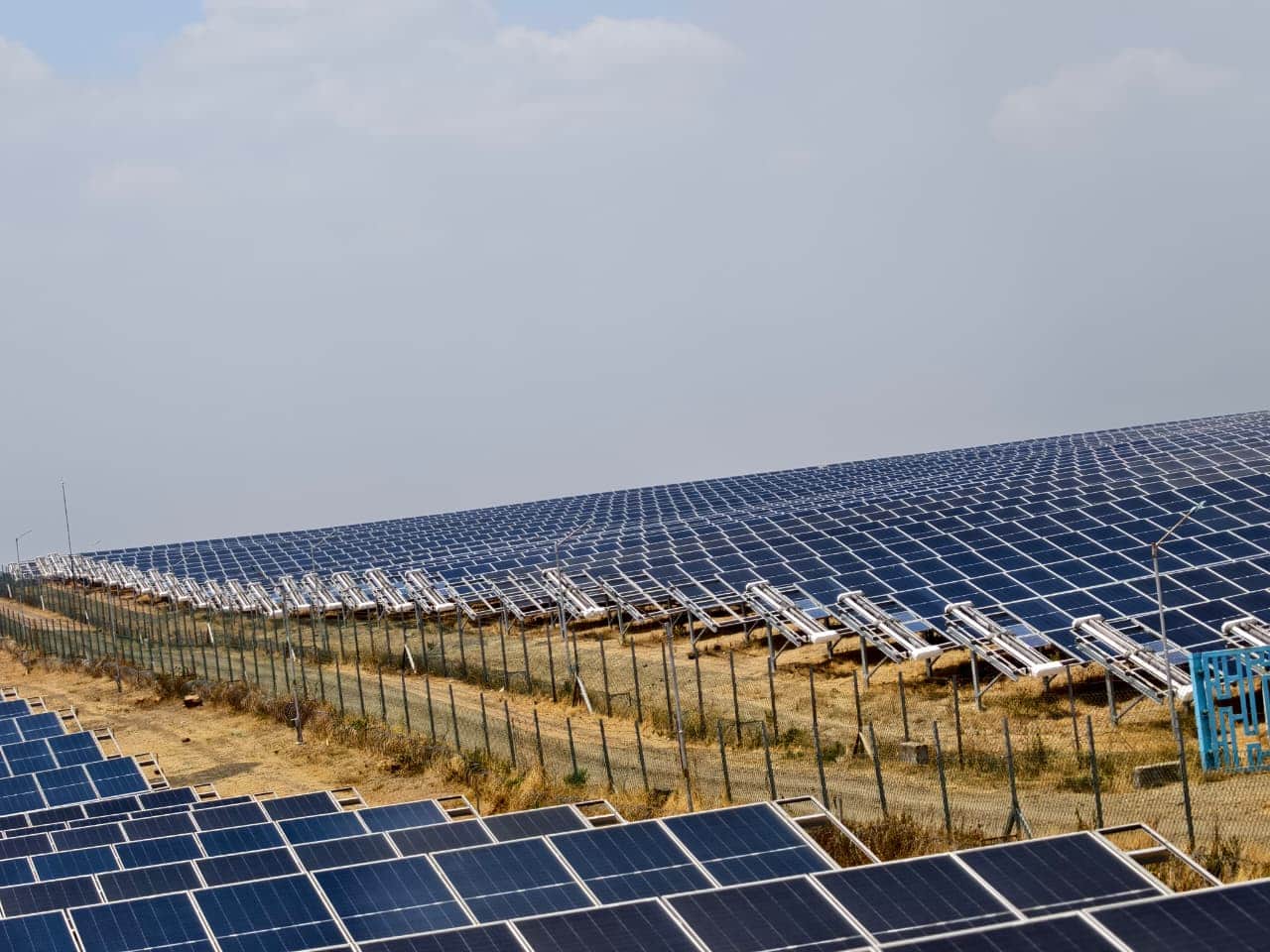
solar panel cleaning robot India, This case study examines a 22.5 MW utility-scale solar facility in Bhusawal. This plant faced major operational hurdles because it relied on manual cleaning. The old method used too much water and too much labor. This led to inconsistent energy output and high costs. To fix these issues, the site management moved to a waterless cleaning strategy. They chose a Capex procurement model to gain long-term control.
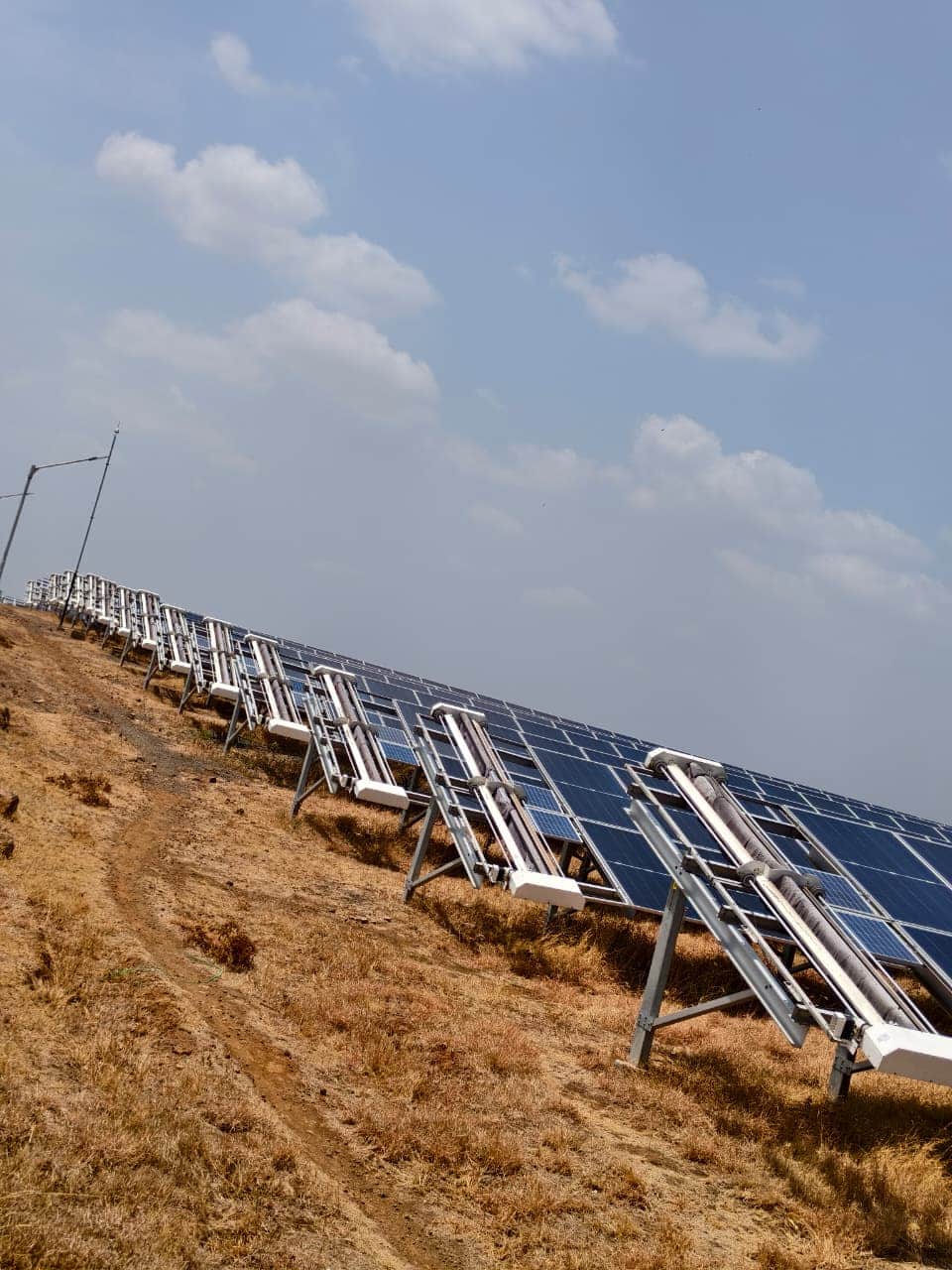
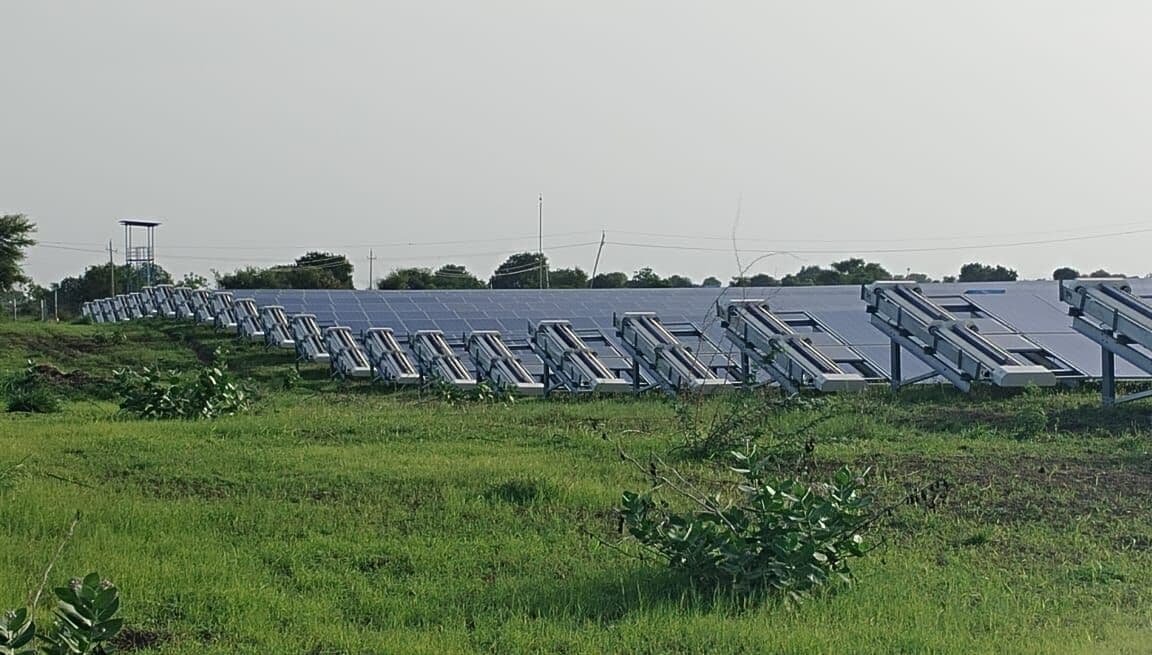
The plant now uses a fleet of four GLYDE autonomous robots. These robots use patented dual-pass microfiber technology to clean the modules. By using daily waterless cleaning cycles, the plant has seen huge gains. The site has recovered 22.5 MWh of energy every year. It also saves 84,000 liters of water every year. Using a solar panel cleaning robot in India like this shows how automation can optimize solar assets.
Environment and soiling at Bhusawal
Environmental Challenges and Soiling Dynamics in Bhusawal
Bhusawal has a very demanding environment for solar assets. This is due to its semi-arid climate. The region has very long dry spells. The air is often filled with dust and airborne particles. This specific type of dirt comes from the Deccan Plateau. It consists of fine dust and volcanic soil particles.
Bhusawal is different from coastal regions. It does not face much moisture-induced crusting. Instead, it suffers from heavy, dry-settling soil. This dust buildup is consistent and aggressive. It creates a thick layer on the solar modules. This layer blocks sunlight from reaching the cells. Traditional manual cleaning often fails to clear this dust properly.
The main soiling challenges at this 22.5 MW facility include:
- High levels of regional dust that lower the short-circuit current (Isc).
- A lack of natural rain to wash the panels clean.
- Mechanical strain on modules from heavy manual scrubbing.
The facility transitioned to daily waterless cleaning to solve these problems. This approach removes the need for water in a dry region. It also ensures that the panels stay clean during peak sunlight hours. This keeps the energy output steady throughout the day.
O&M before Taypro
Operational Hurdles Before Adopting Solar Panel Cleaning Robots
Before they used Taypro GLYDE robots, the Bhusawal facility used manual O&M. These traditional methods caused great logistical and financial strain. Managing a large site with manual labor is very difficult. It requires a lot of coordination for ground teams. This often led to uneven cleaning quality across the solar array.
The plant faced several operational pain points before automation:
- Logistical water burden: The site needed many water tankers for cleaning. This created high recurring costs. It also wasted water in a region with limited supply.
- Manual labor volatility: Relying on human crews led to inconsistent standards. Efficiency often dropped because workers grew tired. It was also hard to reach every panel during dust peaks.
- Audit and transparency gaps: Managers could not see the cleanliness of the modules in real time. This made it hard to verify cleaning schedules. They also struggled to measure the actual impact on energy yield.
Manual, water-heavy cleaning stopped the plant from reaching its full capacity. The shift to a robotic fleet removed these old dependencies. It now ensures consistent and audit-ready performance.
Fleet and deployment at 22.5 MW
Fleet Deployment and Technology Integration at the 22.5 MW Bhusawal Site
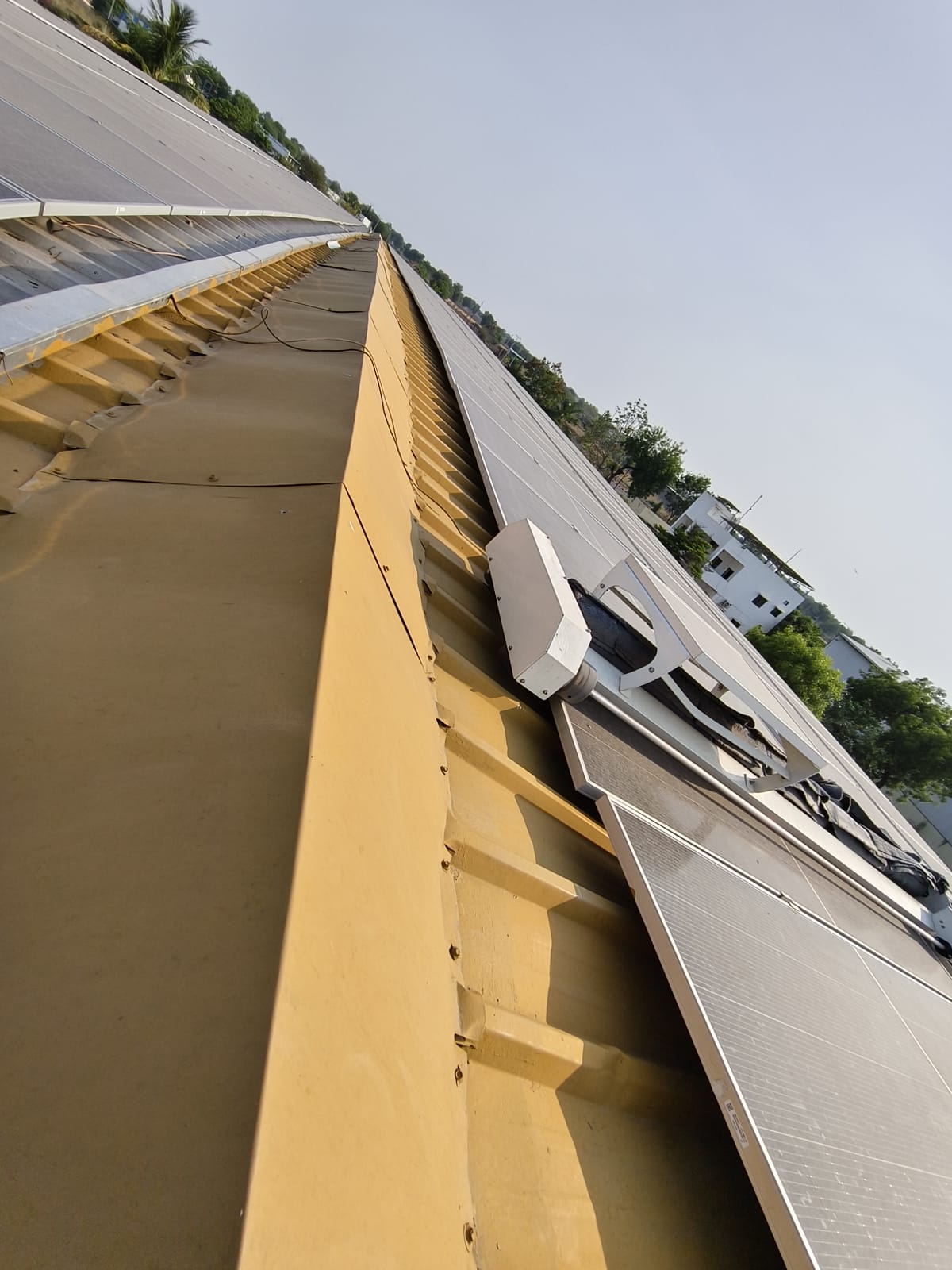
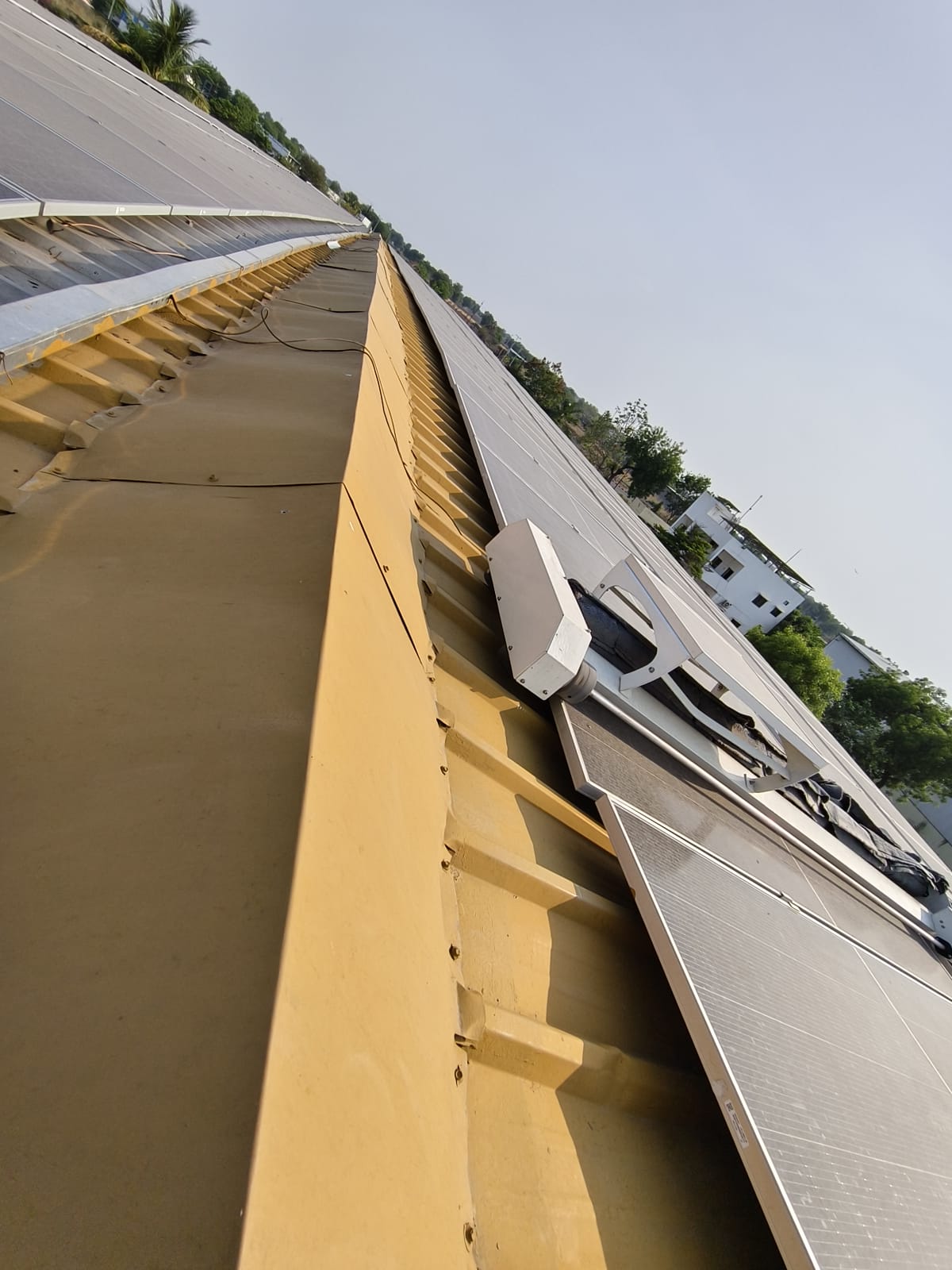
The Bhusawal facility needed a specialized solution to maintain its 22.5 MW capacity. To achieve this, we deployed a fleet of 4 GLYDE robots. This was a Capex procurement model. This choice gives the site owner full asset ownership. It also gives them long-term control over their costs.
We selected the GLYDE system for its advanced cleaning method. It uses patented dual-pass microfiber technology. This is much better than traditional abrasive methods. The process has two stages: airflow and microfiber contact. This approach safely removes stubborn dust. It cleans the modules without damaging the surface.
Each robot is programmed for daily waterless cleaning cycles. This ensures that dust never builds up too thick. This prevents soiling from impacting energy generation. The installation focused on a smooth integration with existing systems. Because the GLYDE robots are autonomous, we focused on their navigation paths. We aligned these paths with the site layout to cover every row.
After installation, we synced the fleet with the NECTYR operations portal. This allows plant managers to monitor the robots remotely. They can manage cleaning schedules and track energy recovery in real time. The site now mitigates environmental risks while using much less water. This is a major improvement over manual or hydraulic cleaning practices.
Operations and monitoring
Operations and Monitoring at the 22.5 MW Bhusawal Site
Operational accountability at Bhusawal is managed through the NECTYR fleet portal. NECTYR provides a single, central interface for the team. It enables remote oversight of the GLYDE fleet. Every cleaning cycle is tracked and verified in the system. This removes the uncertainty of manual labor. Managers no longer have to guess if the cleaning was completed.
The site follows a strict daily waterless cleaning cycle. This prevents dust and regional debris from building up. This routine keeps the panels clear and transparent. It also ensures consistent energy generation for the 22.5 MW plant. The 4 automatic robots provide reliable attention to the entire site. They perform well regardless of seasonal changes in dust levels.
Safety and site integrity are also central to these operations. The system includes automated wind holds. These feature will pause operations during high-wind events. This protects both the robots and the solar modules. By using NECTYR, the Bhusawal plant achieves high-frequency accountability. This proactive maintenance helps recover energy and saves massive amounts of water every year.
Results and impact
Results and Impact of Robotic Deployment in Bhusawal
The GLYDE technology has delivered measurable gains at the Bhusawal facility. Moving to a daily waterless cleaning cycle has improved site performance. The plant has effectively stopped the energy drops caused by heavy dust. The high-frequency nature of the GLYDE fleet keeps the 22.5 MW capacity stable. It avoids the performance swings seen with manual cleaning schedules.
The impact of this change is seen in two main areas:
- Energy yield gains: The plant recovers energy that was previously lost to soiling.
- Water reduction: The site drastically cuts water use to meet sustainability goals.
The site management team now has full visibility through the NECTYR portal. They can monitor fleet health and energy recovery easily. This move to waterless, high-frequency robotics has changed the site. The Bhusawal plant is now a benchmark for modern and efficient solar operations in India.
Peer comparison and planning checklist
Peer Comparison and Operational Planning
The Bhusawal deployment matches the high standards of Taypro. Our total installed capacity is over 5 GW across 150+ live sites. This 22.5 MW facility shows the strength of a fully autonomous GLYDE fleet. It differs greatly from manual or semi-automatic baseline projects.
For example, semi-automatic HELYX deployments often use 3 to 10 dry cycles per month. However, this site uses daily waterless cleaning to stay at peak efficiency. Other sites might use NYUMA robots for high-volume PBT brush cleaning. But the GLYDE system at Bhusawal offers the advantage of dual-pass microfiber. This ensures great performance even in very difficult local conditions.
Use this checklist for your own solar cleaning planning:
- Assess your terrain to see if you need fixed-tilt or tracker robots.
- Evaluate your daily soiling rates to pick the best cleaning frequency.
- Use NECTYR connectivity to ensure you can see real-time fleet health.
- Choose between CAPEX or OPEX models to fit your long-term budget.
- Set up charging and safety protocols for your autonomous equipment.