Executive summary
The 100 MW Soyegaon solar plant in Maharashtra faces difficult operational challenges. The local environment creates tough conditions for the facility. The area has high levels of agricultural dust. Nearby roads also contribute heavy road grit to the panels. Frequent humidity cycles make these problems even worse. These factors create uneven soiling patterns across the solar strings. This uneven dust buildup reduces the total energy yield of the plant.
Previous maintenance methods struggled to keep the plant efficient. Supervisors often lacked clear data to verify cleaning quality. They could not easily prove which specific strings were cleaned. Additionally, water-based cleaning created many logistical problems. Cleaning crews often clashed with other essential maintenance tasks. These conflicts included vegetation management and civil work schedules.
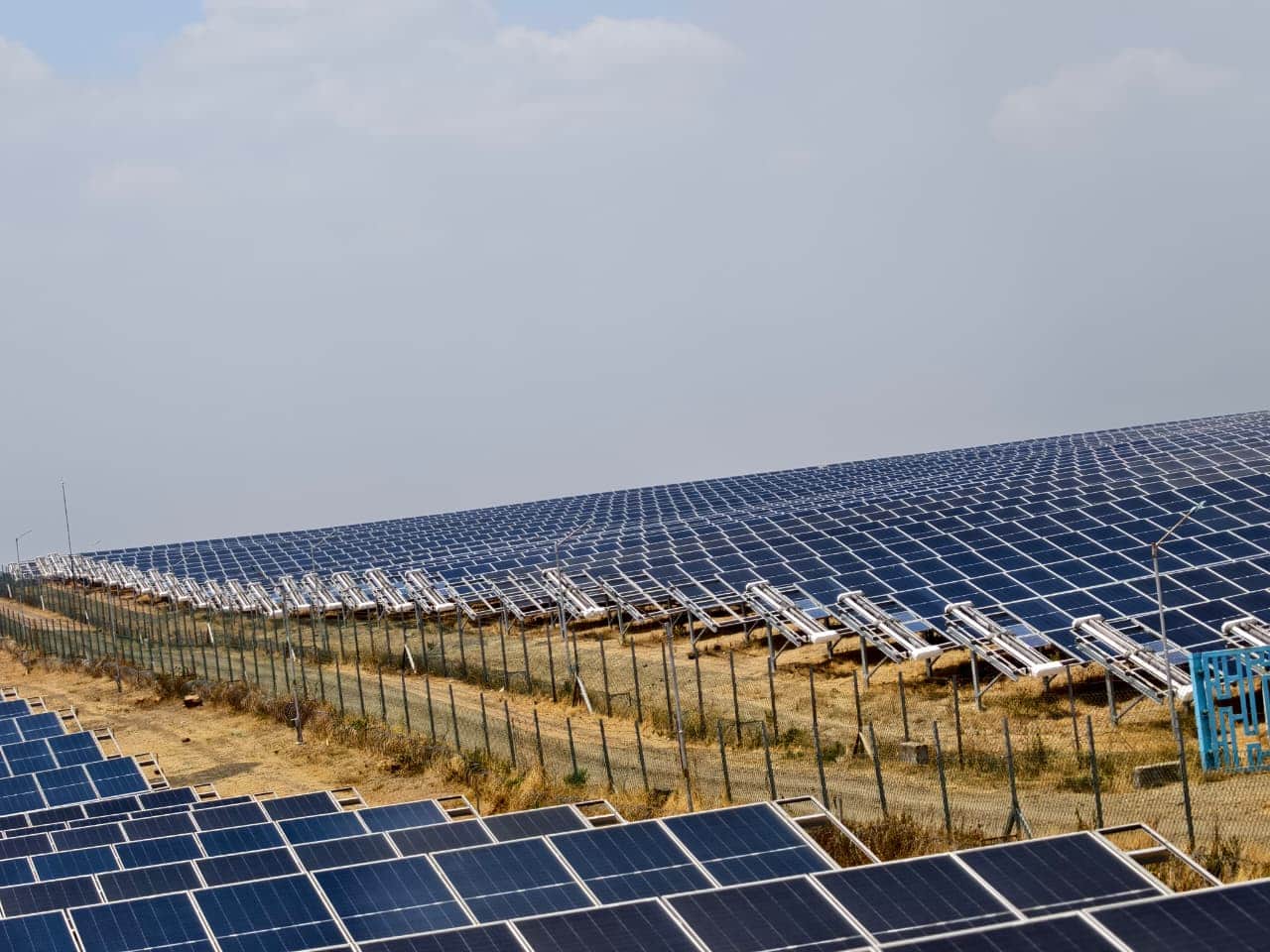
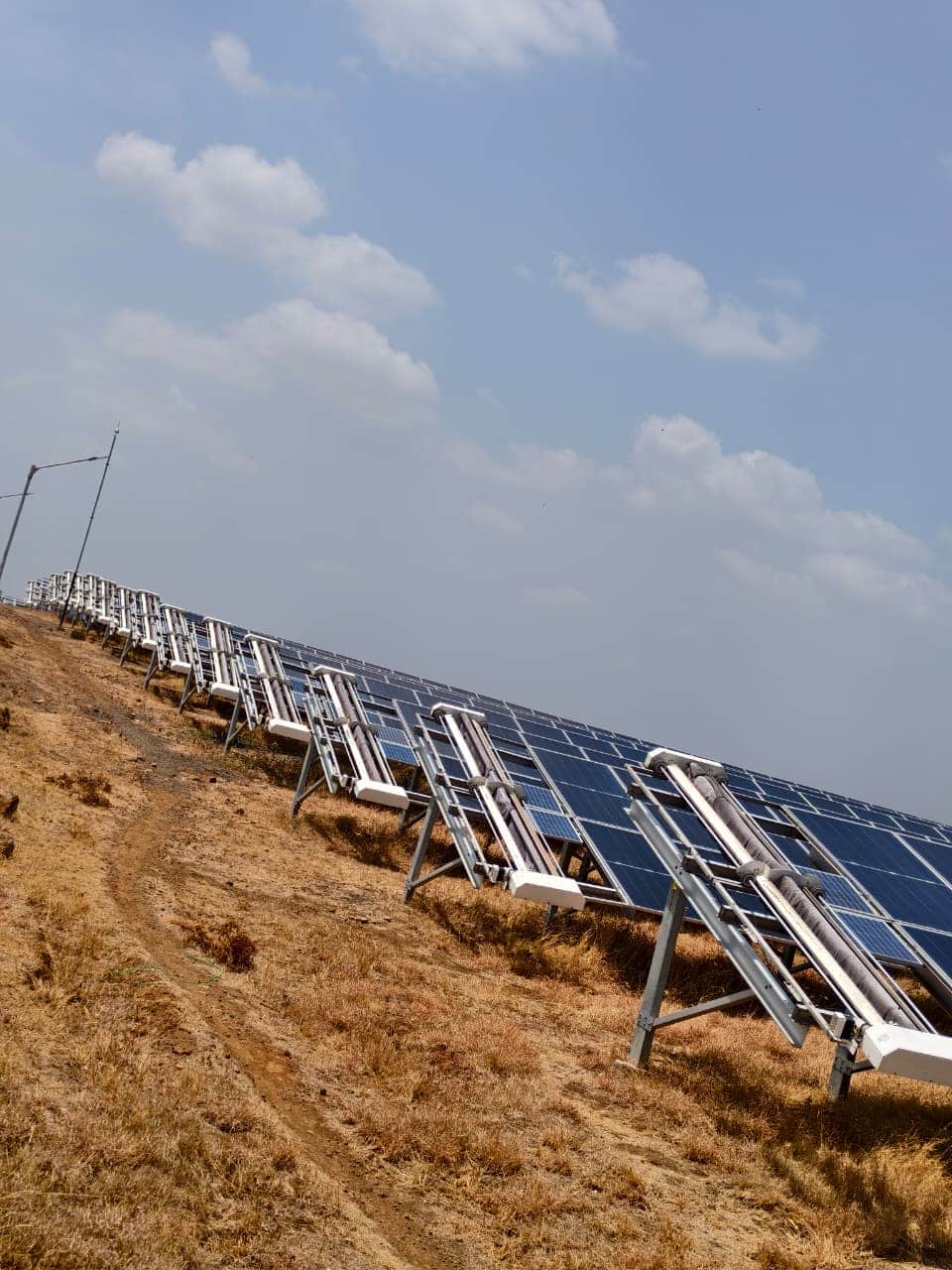
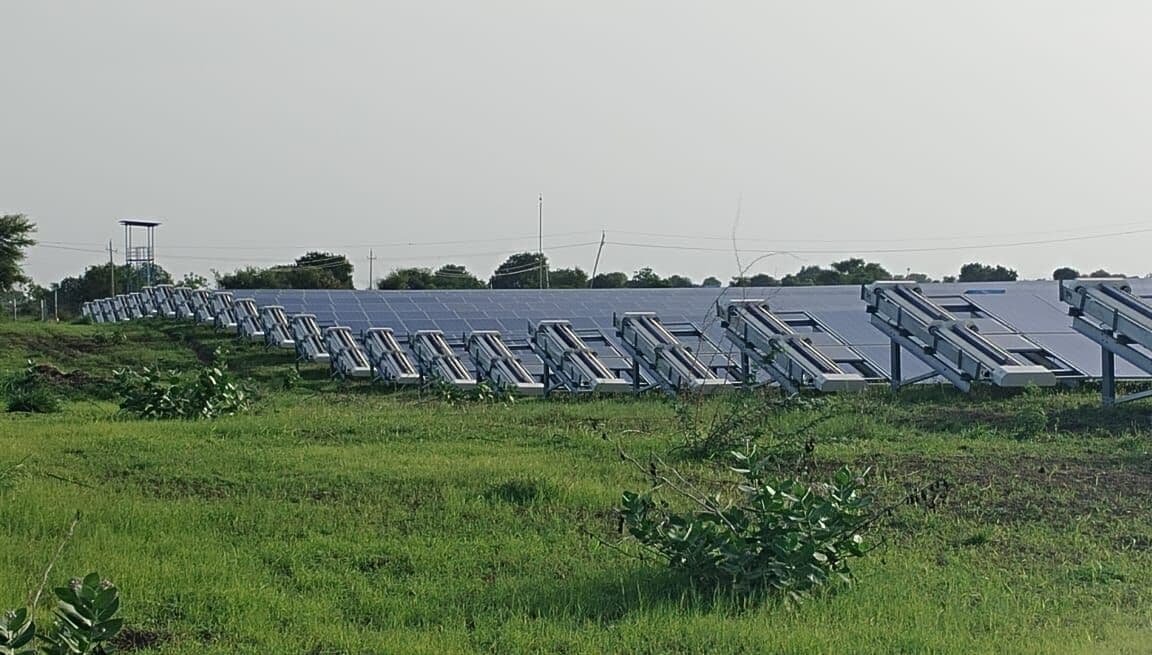
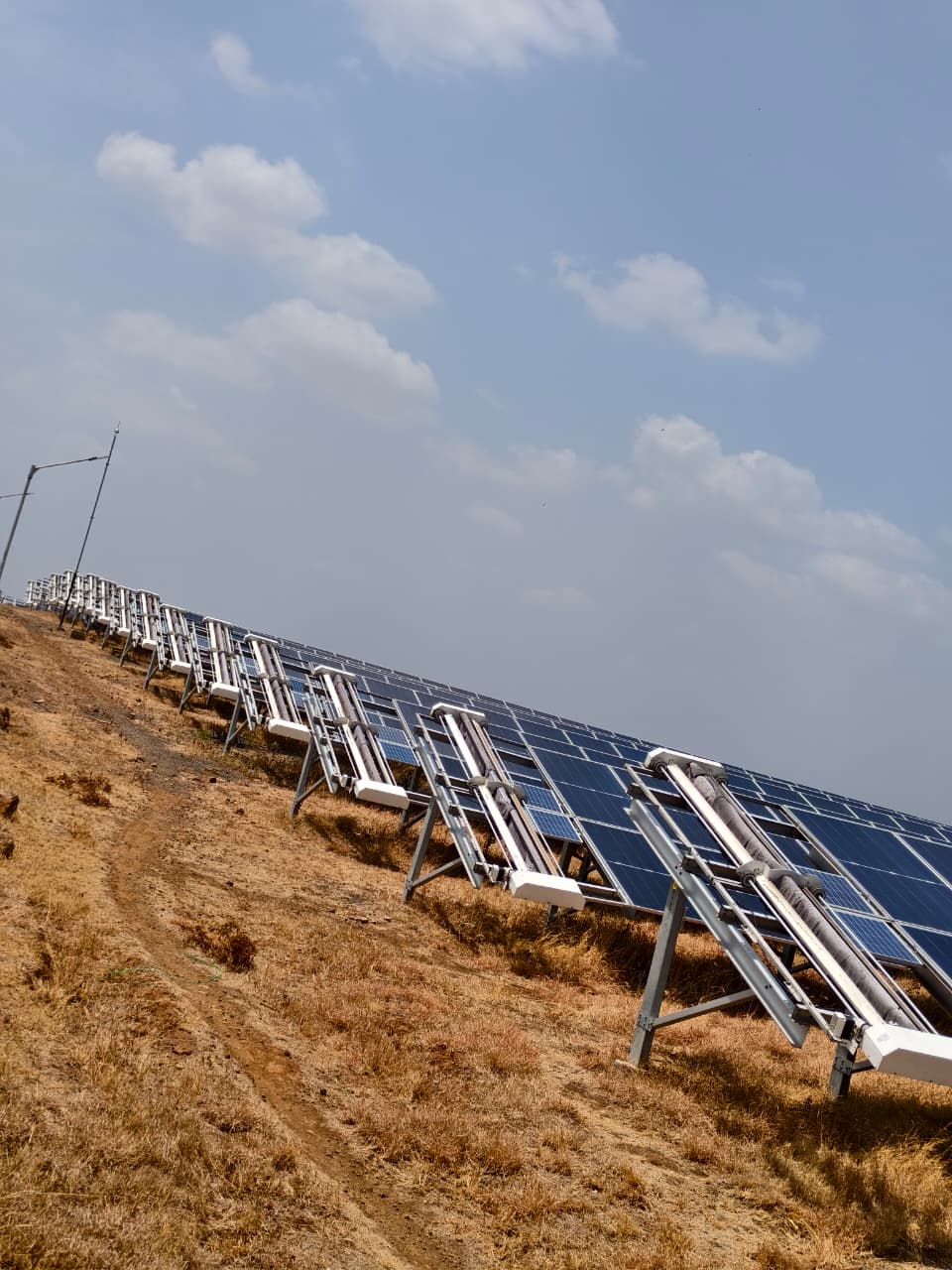
To solve these issues, Taypro deployed a mixed robotic fleet. The solution includes 54 GLYDE automatic robots and 36 HELYX semi-automatic units. The GLYDE robots perform daily waterless cleaning cycles. They use patented dual-pass microfiber technology to keep panels clean. Meanwhile, the HELYX units provide flexible maintenance for scattered blocks. This Capex investment has transformed the plant. It now delivers an extra 3.75 GWh of clean energy every year. The project also saves 14 million litres of water annually.
Environment and soiling at Soyegaon, Maharashtra
Managing uneven soiling in agricultural landscapes
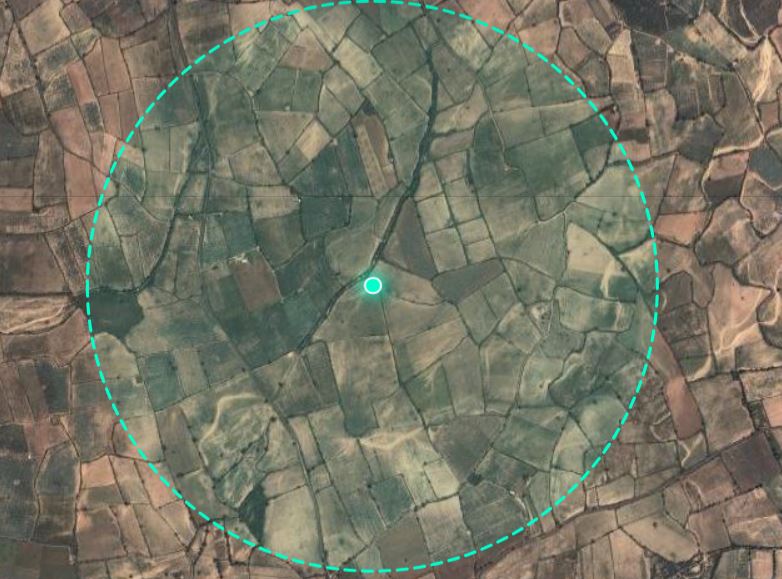
The 100 MW Soyegaon facility operates in a complex environment. The local agricultural economy directly impacts plant performance. Active farming lands sit very close to the solar arrays. These farms release large amounts of localized dust particles. At the same time, heavy road traffic adds significant grit to the modules. These particles do not settle in a uniform way. Instead, they create unpredictable soiling patterns at the string level. These patterns change based on local micro-climatic conditions.
This environmental variability makes standard cleaning schedules fail. Manual cleaning teams often cannot identify exactly which sections need help. This leads to "shadow zones" where dust builds up for a long time. The environment requires a much more precise approach to maintenance. The following factors drive these challenges:
- Agricultural particulates: Organic dust is very common here. This dust becomes sticky when it meets morning dew. It requires regular mechanical removal to stay clean.
- Variable road grit: Wind carries debris across the site. This creates localized buildup on rows near the access paths.
- Humidity-induced adhesion: The region has frequent moisture cycles. This moisture binds the dust to the glass surfaces. It makes natural cleaning by wind very ineffective.
The GLYDE and HELYX systems now manage these patterns with high precision. The GLYDE robots provide daily, autonomous dual-pass microfiber cleaning. This constant action tackles persistent agricultural dust. The flexible HELYX units manage specific blocks with high grit levels. This mixed-fleet strategy ensures high-soiling zones get attention. It also prevents wasting resources on cleaner parts of the array.
O&M before Taypro
Overcoming manual O&M constraints at the 100 MW Soyegaon plant
The 100 MW Soyegaon plant faced many hurdles before using automation. The site relied heavily on manual labor and water-intensive cleaning. This created a major "blind spot" for plant supervisors. Managers struggled to confirm if every string was actually cleaned. Night-crew schedules often conflicted with other important tasks. These tasks included vegetation management and civil maintenance windows.
The lack of detailed visibility caused many operational problems. Supervisors could not confirm cleaning completion for each block. This uncertainty led to uneven power generation across the entire site. The team lacked proof of progress during busy maintenance periods. These issues were driven by several legacy problems:
- Operational invisibility: Managers had no per-block proof of cleaning. This led to inconsistent power output across the 100 MW array.
- Resource competition: Water logistics and crew schedules often clashed. This created significant bottlenecks in the site maintenance workflow.
- Audit gaps: There were no digital logs to track work. This made it hard to match cleaning activity with solar production data.
Transitioning to a mixed robotic fleet solved these deep inefficiencies. The new fleet includes 54 automatic robots and 36 semi-automatic units. This system digitizes the entire cleaning workflow. It has eliminated the guesswork that once plagued manual oversight. Now, the plant ensures consistent cleaning and measurable energy gains.
Fleet and deployment at 100 MW
Optimizing fleet mix and deployment density at the 100 MW Soyegaon plant
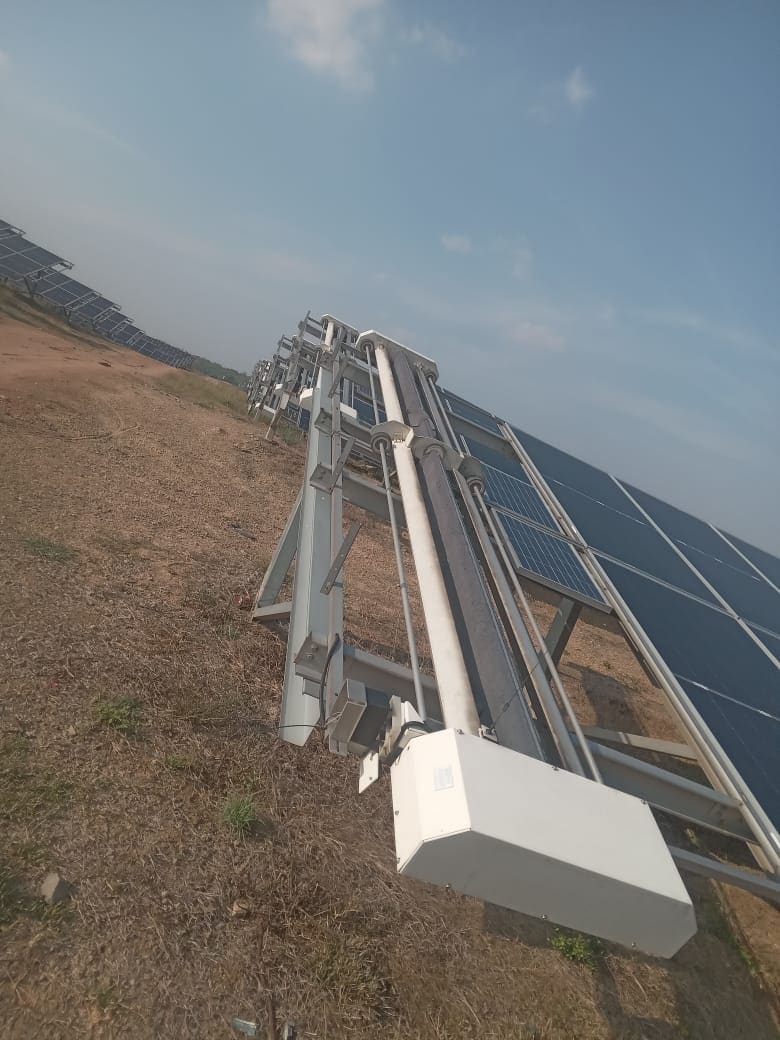
The 100 MW Soyegaon project uses a smart mix of 90 robots. This fleet addresses uneven soiling from dust, grit, and humidity. The deployment maintains a density of 0.9 robots per MW. This ensures complete coverage across the ground-mounted solar array. The site uses a Capex procurement model. This deployment combines 54 GLYDE robots with 36 HELYX semi-automatic units. This balance provides both automated consistency and operational flexibility.
Each robot type is chosen to match the site's needs:
- GLYDE for high-frequency cleaning: These 54 units are fully autonomous. They perform daily waterless, dual-pass microfiber cleaning cycles. They work in primary blocks to neutralize agricultural dust. This keeps the main arrays clear of grit and organic matter.
- HELYX for distributed access: The 36 HELYX units are semi-automatic. They manage scattered blocks where fixed robots are less efficient. These units follow a set schedule. They typically perform 3 to 10 dry cleaning cycles per month. This frequency depends on local access and soiling levels.
A major focus of the commissioning was NECTYR integration. The NECTYR fleet portal solves old visibility problems. Every string is now mapped to the NECTYR dashboard. Supervisors now have granular proof of cleaning for every segment. They can see exactly which parts of the 100 MW plant are clean. This digital oversight allows cleaning to match civil maintenance windows. It prevents the resource competition that once hurt performance. The facility has successfully recovered 3.75 GWh of generation annually. It also saves 14 million litres of water every year.
Operations and monitoring
Operational transparency through NECTYR and dual-cadence scheduling
The 100 MW Soyegaon project uses a dual-cadence cleaning framework. This design manages the specific dust and grit of the region. The site uses the NECTYR fleet portal for management. This moved the plant from manual oversight to automated accountability. Managers no longer have to guess about plant cleanliness. They can now synchronize cleaning with vegetation and civil maintenance. This makes the whole O&M process much more efficient.
The cleaning schedule is split into two distinct modes:
- Daily automated cycles: The 54 GLYDE robots follow a fully autonomous schedule. They perform daily waterless cleaning cycles. This keeps the primary arrays clear of fine agricultural dust. No water or manual labor is required for these cycles.
- Periodic scheduled cycles: The 36 HELYX units use a semi-automatic model. They work across distributed blocks of the plant. These units perform 3 to 10 scheduled dry cycles per month. This provides an efficient approach for areas with varying access or soiling.
The NECTYR platform also includes smart wind holds. If wind speeds become too high, the system acts. It automatically pauses robotic movement to ensure safety. This prevents equipment damage and alignment issues. This intelligent automation has recovered 3.75 GWh of generation annually. It proves that robotic operations are more reliable than manual methods.
Results and impact
Maximizing yield through targeted robotic cleaning
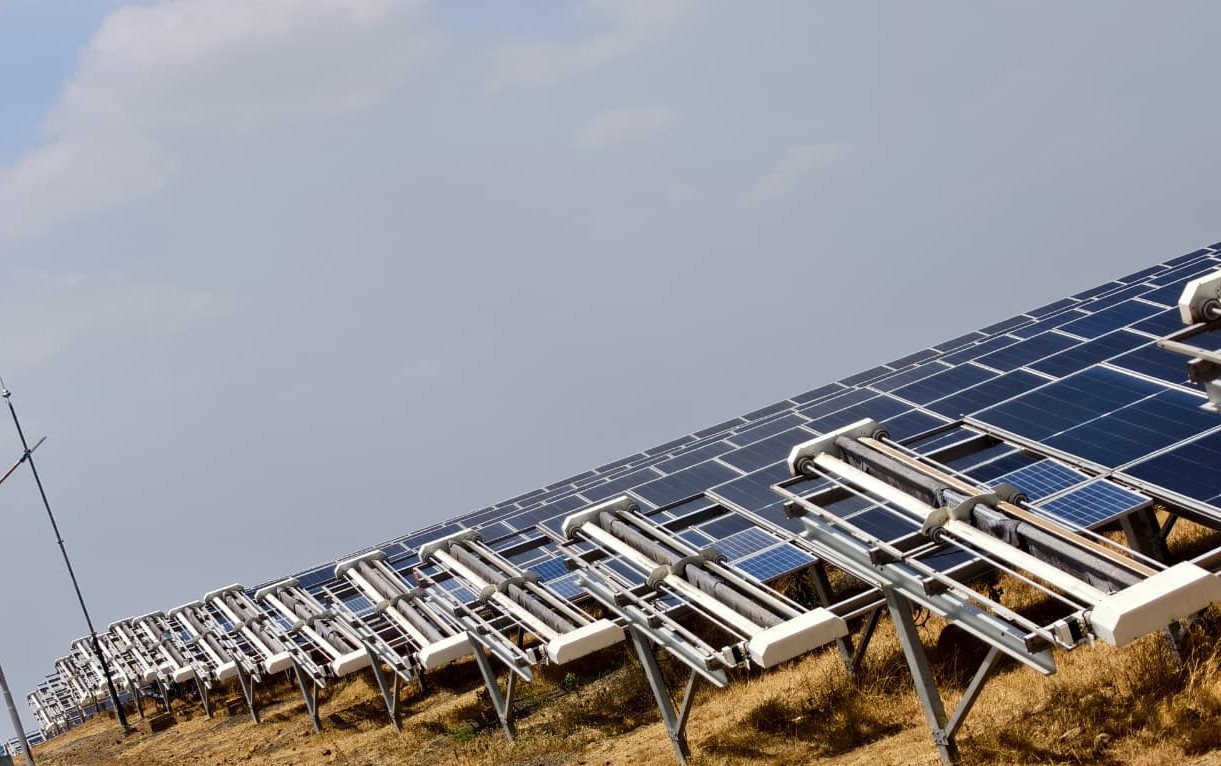
The mixed robotic fleet has transformed the 100 MW Soyegaon plant. It replaced inconsistent manual labor with precise, data-backed execution. The team aligned the robots with local soiling patterns. This neutralized the impact of agricultural dust and road grit. These factors previously caused significant energy losses.
The results show the true value of this tiered approach:
- Consistent peak performance: Daily dry cleaning cycles keep the modules clear. This prevents dust from turning into long-term energy losses. It ensures the plant maintains optimal transparency.
- Resource efficiency: The site is now a fully waterless operation. This removes the need for water logistics in an agricultural area. It also removes the risks of wet cleaning during high humidity.
- Operational visibility: NECTYR provides total transparency. Supervisors have granular proof of cleaning for every block. They can verify all targets are met without manual audits.
Streamlining these maintenance cycles has led to massive gains. The project achieved a huge recovery in annual power generation. The commitment to waterless technology has also saved massive amounts of water. This creates a new standard for large-scale solar assets in Maharashtra.
Peer comparison and planning checklist
Peer deployment analysis and operational planning
The Soyegaon deployment uses expertise from earlier projects. We have learned from the 10 MW Ahmadnagar-Jalalpur site. We also use data from the 14 MW Yavatmal-Kupti project. Those smaller sites proved the value of waterless technology. Soyegaon scales these lessons for a 100 MW environment. It uses 90 robots to manage complex, uneven soiling. We use these regional peers to refine our scheduling logic. This ensures high uptime across different plant layouts.
You can replicate this success at your own facility. Use this planning checklist for successful robotic integration:
- Assess soiling: Check your site's specific dust density. Decide the right balance of GLYDE and HELYX units.
- Map connectivity: Ensure NECTYR coverage reaches all plant blocks. This allows for real-time validation of all cleaning cycles.
- Sync schedules: Plan night crews and maintenance windows carefully. Ensure they do not conflict with vegetation or civil activities.
- Use AI scheduling: Set up your system to account for local humidity. Plan for peak soiling periods using smart data.
- Audit clearances: Check your end-row clearances. Ensure they are ready for docking stations or manual logistics.