Executive summary
The Agar 200 MW solar plant in Madhya Pradesh operates within Central India's semi-arid belts, where it faces intense environmental challenges. Sharp pre-monsoon soiling swings and the rapid return of fine dust after dry spells created significant instabilities in the Performance Ratio (PR). Because the ground-mount facility spans hundreds of hectares, episodic manual washing proved insufficient, further hindered by long water tanker routes and complex runoff management. For an asset of this magnitude, the lack of a consistent cleaning cadence directly threatened long-term bankability and energy yield targets.
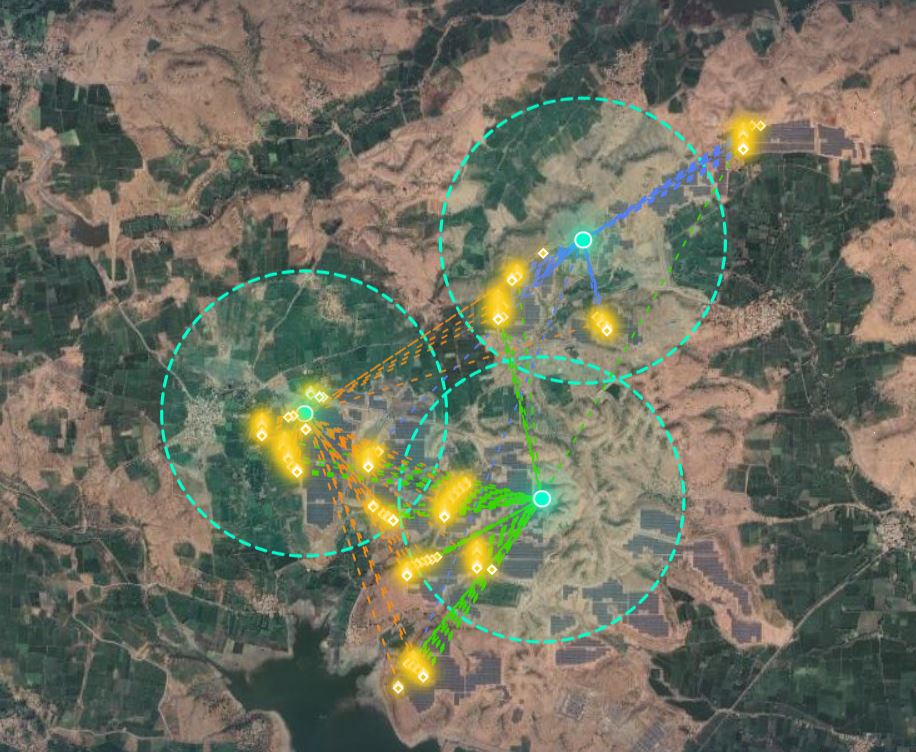
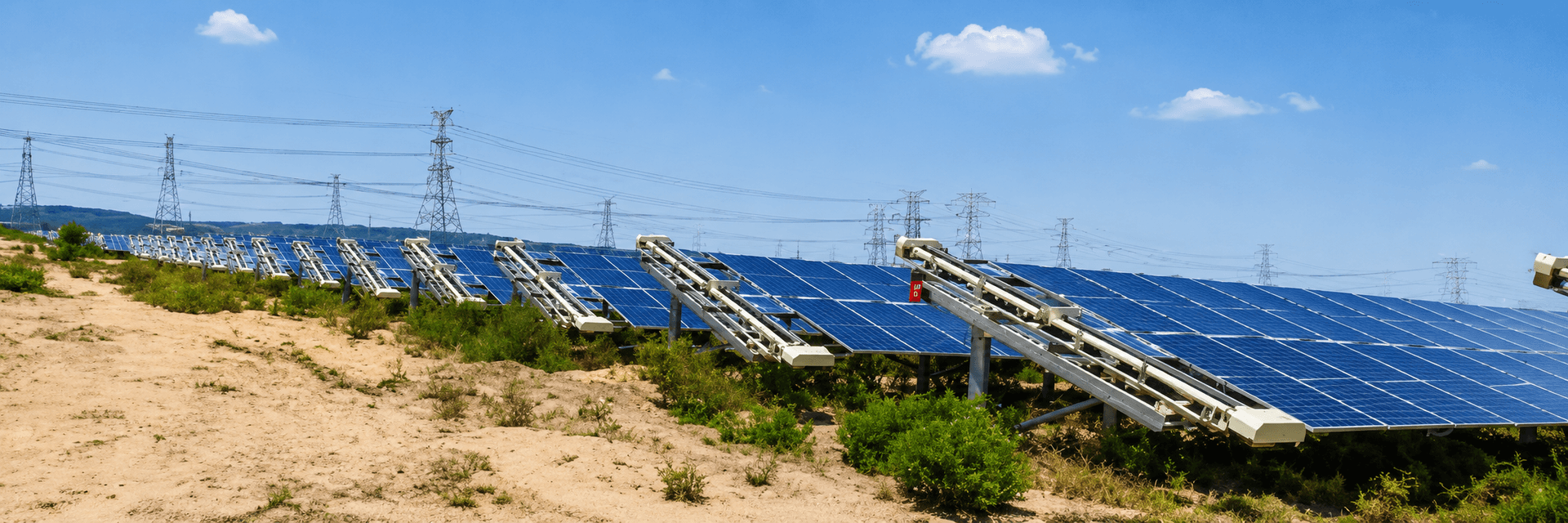
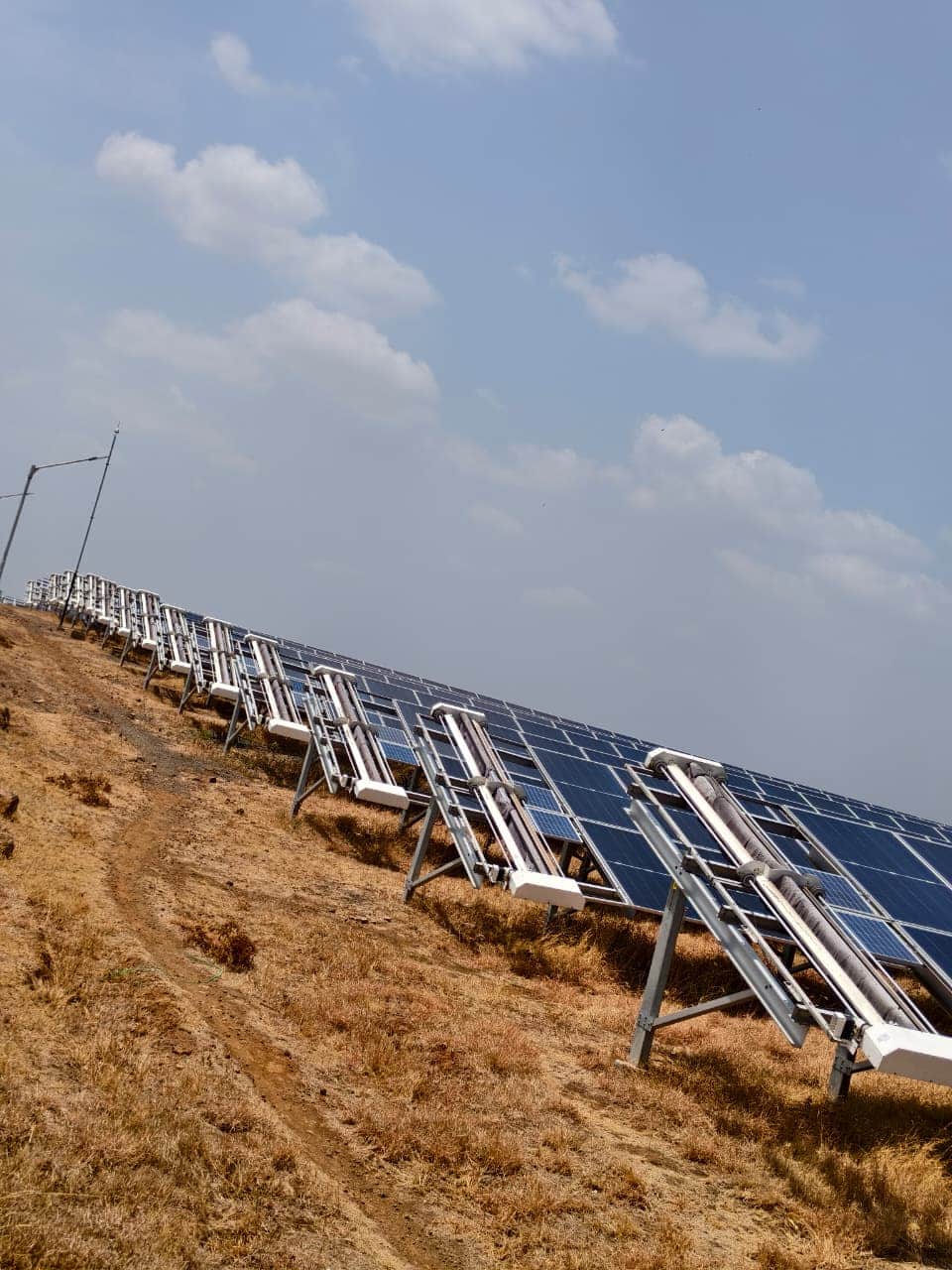
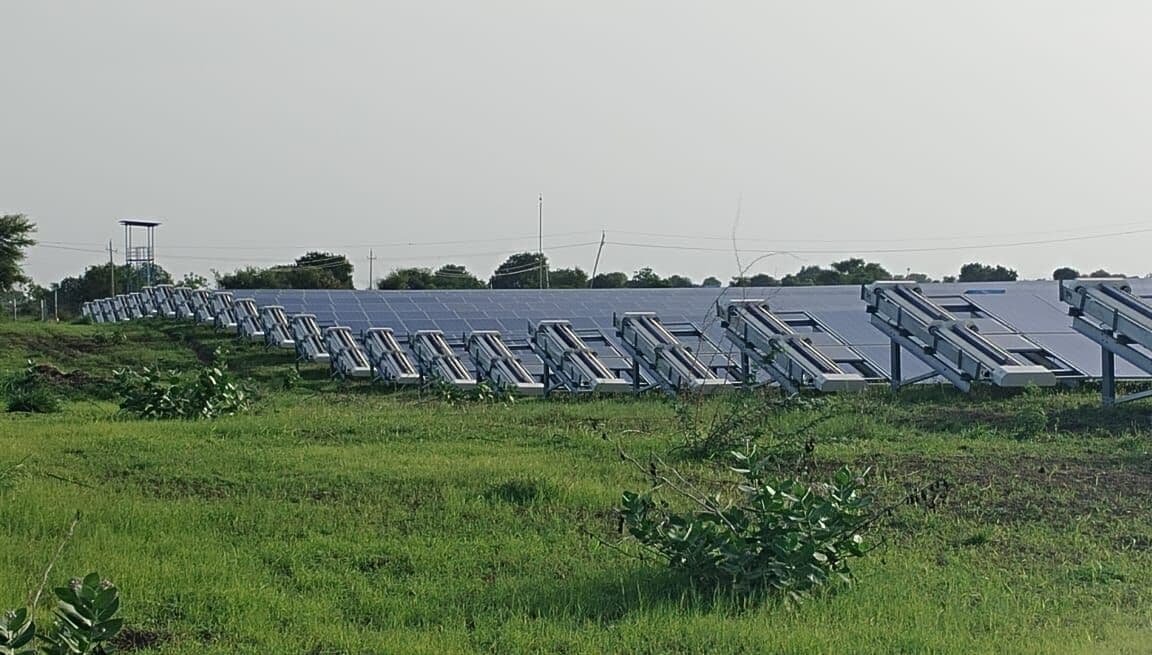
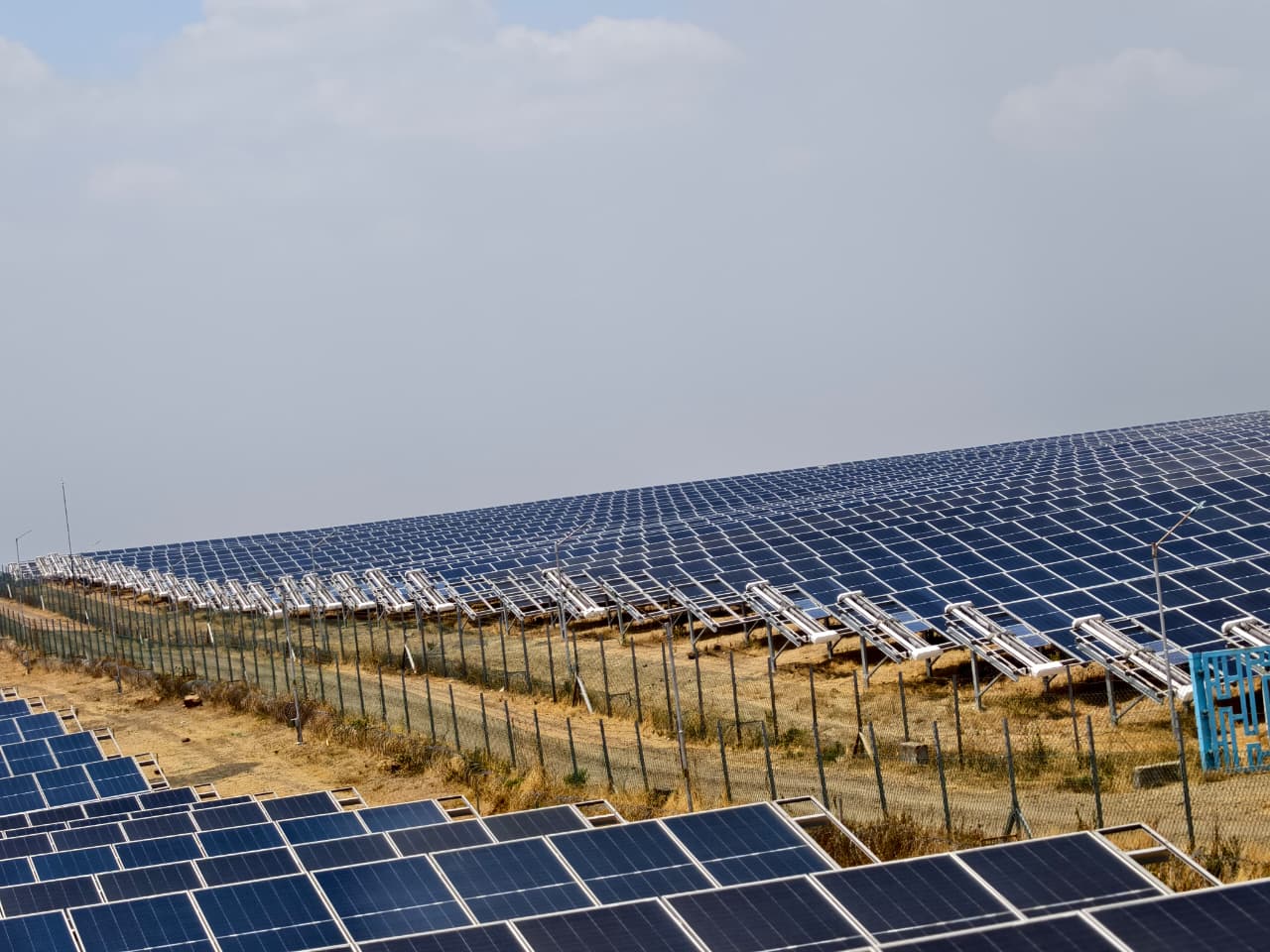
To stabilize energy yield, Taypro deployed a massive robotic fleet consisting of 265 GLYDE units and 7 HELYX units. The GLYDE robots provide fully autonomous, waterless cleaning using patented dual-pass microfiber technology across the primary arrays. This technology combines airflow with microfiber to ensure deep cleaning without the need for liquid resources. Complementing this, the semi-automatic HELYX units were utilized for scattered and distributed plant blocks, ensuring comprehensive, waterless coverage across the entire 200 MW installation. This hybrid approach allowed for a total-site cleaning solution that manual labor simply could not achieve.
This transition to an automated regime delivered immediate operational gains. The facility achieved 7.50 GWh of additional annual generation by eliminating the productivity gaps left by manual cleaning cycles. Furthermore, the deployment saved 28 million liters of water per year, removing the logistical burden of water procurement while ensuring consistent module cleanliness and optimized plant performance. By choosing a Capex-based procurement model, the plant secured a permanent, scalable cleaning infrastructure that transforms O&M from a variable cost into a predictable, high-performance asset component.
Environment and soiling at Agar 200 MW Solar Plant Case Study
Environmental Pressures and Regional Soiling
The Agar 200 MW plant is situated within the semi-arid belts of Central India, specifically in Madhya Pradesh. This region is characterized by extreme climatic volatility that directly impacts module efficiency. A critical challenge at this site is the occurrence of sharp pre-monsoon soiling swings, where dust accumulation accelerates rapidly just before the rainy season. This creates a high-pressure window where energy losses can spike if cleaning cycles are not frequent and precise. During these periods, the absence of regular cleaning can lead to localized hot spots and significantly reduced DC output.
The nature of the particulate matter in this region is particularly problematic: fine dust that resettles almost immediately following dry spells. This rapid resettlement ensures that the modules never remain clean for long, making episodic or scheduled manual cleaning ineffective. When this fine dust builds up across hundreds of hectares of ground-mount arrays, the resulting drop in Performance Ratio (PR) becomes systemic and difficult to recover through sporadic efforts. Because the dust is so fine, it can infiltrate the gaps between modules or settle into the microscopic textures of the glass, requiring more than just a simple rinse to clear.
Furthermore, the remote geography of the site creates significant O&M bottlenecks. The logistical burden of managing long water tanker routes to transport water to the arrays, coupled with the difficulty of managing runoff during wet washes, made traditional cleaning unsustainable. In this environment, the sheer scale of the 200 MW installation meant that manual labor could not provide the operational consistency required to stabilize yield. This necessitated a shift to a fully waterless, autonomous regime using a fleet of 265 GLYDE and 7 HELYX robots to counter the specific soiling patterns of the Madhya Pradesh interior without relying on scarce water resources or intensive labor management.
O&M before Taypro
The Challenge: Operational Failures of Manual Cleaning
The 200 MW Agar solar plant in Madhya Pradesh faced severe operational hurdles due to its location in the semi-arid belts of Central India. This region is characterized by sharp pre-monsoon soiling swings, where fine dust accumulates rapidly and resettles almost immediately after dry spells. For a utility-scale installation spanning hundreds of hectares, these environmental pressures made maintaining a consistent Performance Ratio (PR) an immense challenge. The plant's ability to meet its generation contracts was constantly threatened by the unpredictability of dust-induced efficiency drops.
Before the deployment of robotics, the plant relied on episodic manual washing, which proved insufficient for the scale of the site. This manual approach led to systemic operational failures: the labor-intensive cycles could not be executed frequently enough to counter the rapid dust resettlement, resulting in significant PR instability and gaps in cleaning audits. When cleaning is performed sporadically, the "soiling curve" is never flattened, leading to a saw-tooth pattern of energy production that makes financial forecasting difficult for asset owners and lenders. The inability to maintain a steady cleaning cadence meant that modules often remained soiled for extended periods, directly impacting energy yield.
Logistical constraints further compounded these issues. The remote geography of the Madhya Pradesh site necessitated long water tanker routes to transport water to the arrays. Managing these tankers, alongside the difficulty of handling water runoff during wet washes, created a heavy administrative and financial burden. This dependence on scarce water resources and manual labor made the existing O&M regime unsustainable for a 200 MW asset requiring high operational precision. Without a structured, automated cleaning schedule, the plant remained vulnerable to the volatile weather patterns of the Central Indian interior.
Fleet and deployment at 200 MW
Fleet Configuration and CAPEX Deployment
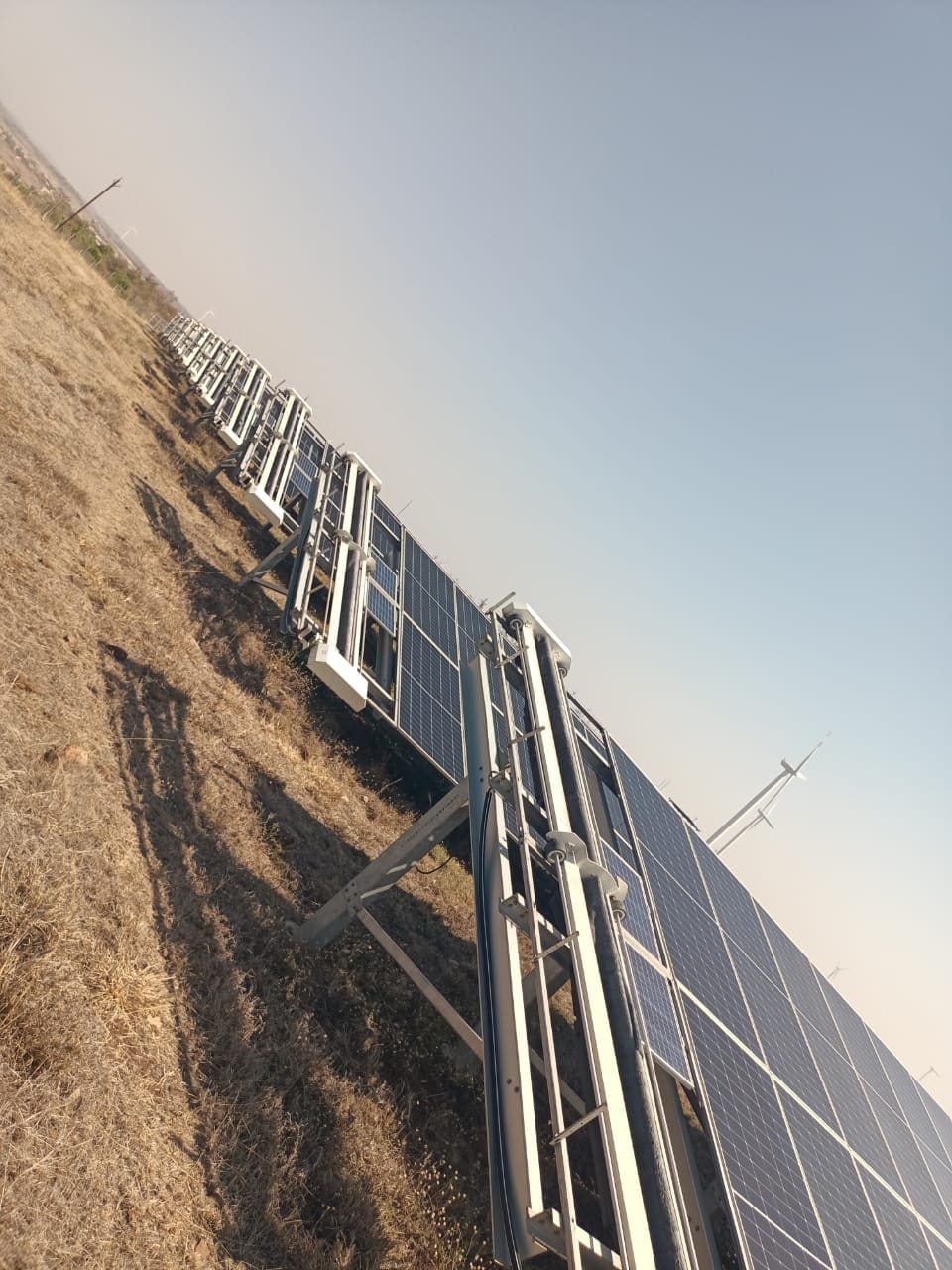
To resolve the instability of episodic manual cleaning, the 200 MW Agar solar plant adopted a CAPEX-based procurement model to integrate a permanent waterless cleaning infrastructure. This strategic shift removed the plant's reliance on costly water tanker logistics and the environmental challenges of runoff management in the semi-arid belts of Madhya Pradesh. The deployment was specifically engineered to ensure a consistent cleaning cadence across hundreds of hectares, a scale where manual labor had previously failed to stabilize the Performance Ratio (PR). By investing in the hardware upfront, the plant converted a volatile operational expense into a controlled, long-term asset advantage.
The core of the installation comprises 265 GLYDE robots. These fully autonomous systems utilize a patented dual-pass microfiber cleaning method, which integrates airflow and microfiber to effectively remove the fine dust that returns quickly after dry spells in Central India. Unlike standard single-pass brushes, the GLYDE system's patented dual-pass mechanism (airflow followed by microfiber) ensures that even the finest particulates are lifted and removed rather than smeared across the module surface. These units are integrated with NECTYR connectivity, enabling AI-powered scheduling and real-time fleet monitoring to optimize cleaning cycles based on actual soiling rates rather than arbitrary timelines.
To ensure comprehensive site coverage, the primary fleet is supplemented by 7 HELYX semi-automatic robots. These units employ single-pass PBT brushes and a portable pick-and-place deployment model. This hybrid approach allows O&M teams to efficiently address scattered or distributed blocks within the ground-mount array that are not suited for a fully autonomous setup, such as irregular layouts or specific peripheral zones, ensuring that every module contributes to the plant's total yield. This combination of high-autonomy GLYDE units and versatile HELYX units provides a total-site coverage solution.
- Primary Fleet: 265 GLYDE units for fully autonomous, dual-pass microfiber cleaning.
- Supplementary Fleet: 7 HELYX units for semi-automatic, single-pass PBT cleaning.
- Procurement Model: CAPEX investment for permanent robotic infrastructure.
- Application: 200 MW ground-mount array in Madhya Pradesh.
- Operational Layer: Fleet monitoring and scheduling via NECTYR.
Operations and monitoring
Operational Transition and Fleet Monitoring
The operational strategy at the Agar project marks a decisive shift from water-heavy manual processes to a streamlined, waterless workflow. Previously, the site faced significant logistical hurdles, including long-distance water hauling via tankers and the environmental complexities of runoff management across a 200 MW footprint. By adopting an autonomous system, the plant has moved beyond the "daily wash" myth, replacing arbitrary schedules with a precise, data-driven cleaning cadence. This shift moves the O&M focus from managing manual labor to managing high-tech robotic assets.
Accountability is managed through the NECTYR fleet operations portal, which enables AI-powered scheduling based on real-time soiling trends. This is critical in the semi-arid belts of Madhya Pradesh, where fine dust returns quickly and pre-monsoon soiling swings can sharply degrade efficiency. NECTYR provides the plant managers with a centralized "command center" view of all 272 robots, allowing for real-time monitoring of cleaning progress and health. To protect the assets, the operational layer includes automated wind holds, ensuring robots pause during high-wind events to maintain safety and cleaning efficacy, thereby reducing the risk of mechanical damage or module abrasion.
This transition to inspection-led accountability allows the O&M team to stabilize the Performance Ratio (PR) across the entire ground-mount array. By optimizing the deployment of 265 GLYDE and 7 HELYX units, the plant has eliminated the need for 28 million litres of water per year while recovering an additional 7.50 GWh of generation. The shift from reactive manual cleaning to autonomous, AI-scheduled maintenance ensures that the site operates at peak capacity regardless of seasonal dust volatility, allowing for much tighter control over the plant's actual versus expected generation curves.
Results and impact
Environmental and Operational Impact
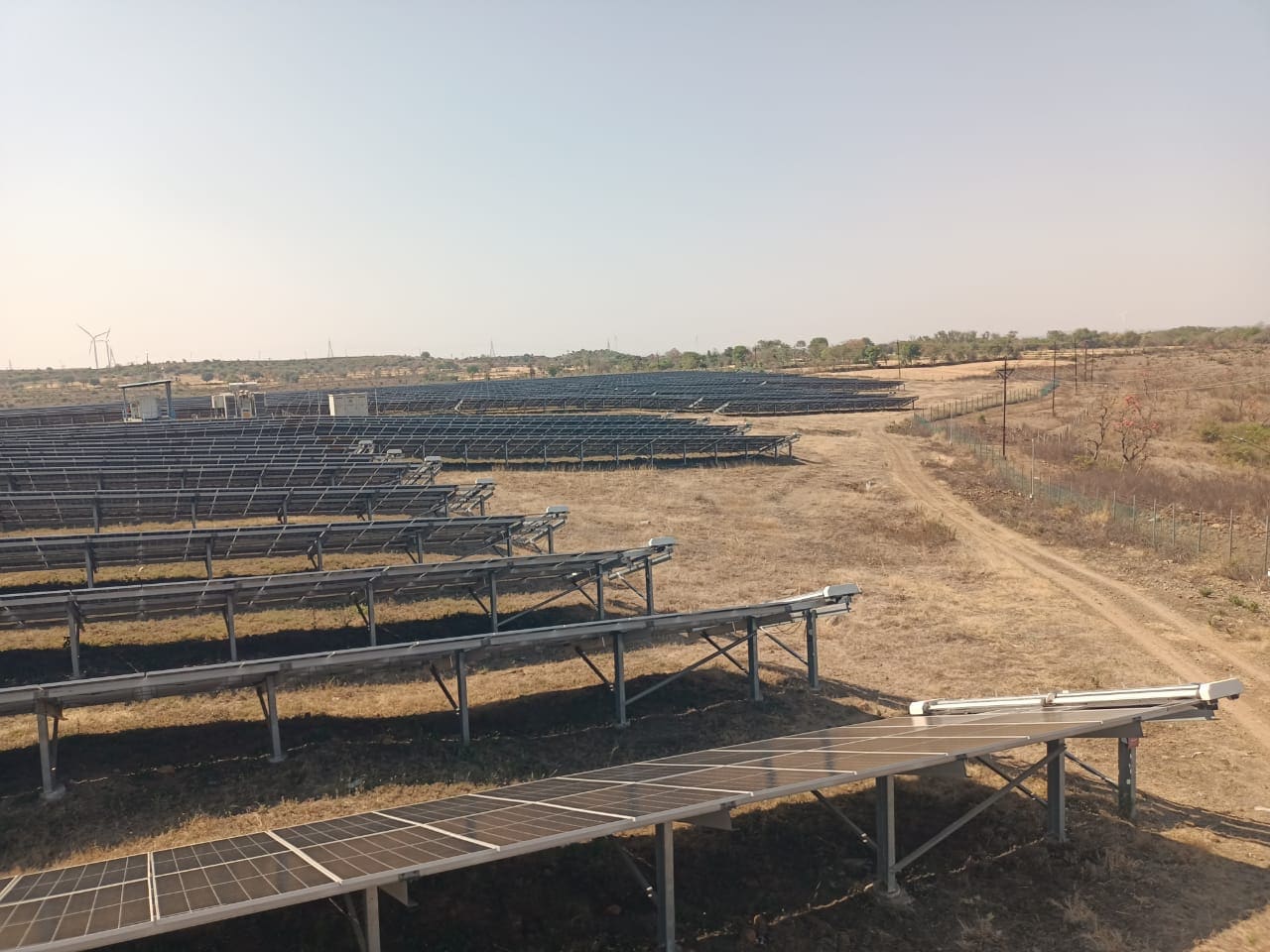
The deployment of the robotic fleet at the Agar site has delivered a decisive improvement in both asset performance and environmental sustainability. By transitioning to an autonomous cleaning regime, the plant has recovered a substantial amount of annual energy generation that was previously lost to the aggressive soiling patterns of Central India. This recovery of 7.50 GWh per year directly translates to a more resilient and predictable energy yield, ensuring the plant operates closer to its theoretical maximum capacity regardless of seasonal dust volatility. This energy recovery is a critical factor in meeting long-term power purchase agreement (PPA) obligations.
The impact on resource management is equally significant. The shift to waterless cleaning has resulted in extreme water conservation, completely eliminating the logistical complexities of managing water tankers and the environmental risks associated with runoff on a utility-scale footprint. The saving of 28 million liters of water annually is a landmark achievement for a 200 MW plant in a semi-arid region. This transition removes the operational strain of water procurement, which is often a primary source of O&M cost overruns, and aligns the site with modern, sustainable ESG (Environmental, Social, and Governance) standards required by global investors.
Beyond the immediate metrics, the most critical outcome is the stabilization of the Performance Ratio across the 200 MW array. The combination of GLYDE and HELYX units, orchestrated via NECTYR, has replaced the inconsistent results of episodic manual washing with a disciplined, AI-driven cleaning cadence. This ensures that the fine dust characteristic of the Madhya Pradesh belts is managed proactively, preventing the sharp efficiency swings that typically occur during the pre-monsoon season. The result is a stabilized, high-performing asset that provides predictable returns and optimized operational uptime across hundreds of hectares.
Peer comparison and planning checklist
Utility-Scale Deployment Comparison and Planning
The Agar 200 MW deployment represents a significant scale-up in automation compared to peer projects such as the 70 MW Banda plant and the 75 MW SECI Phase 1 project in Gujarat. While those peer sites successfully mitigate regional soiling losses, the Agar site operates at nearly triple the capacity, demanding a more complex operational layer to maintain a stable Performance Ratio. Unlike smaller deployments that may rely on a single robot model, Agar employs a sophisticated hybrid strategy. By deploying 265 GLYDE automatic units for the bulk of the array and 7 HELYX semi-automatic robots for scattered blocks, the site ensures total coverage. This integrated approach is critical in Madhya Pradesh, where semi-arid conditions lead to sharp pre-monsoon soiling swings and rapid dust accumulation that would overwhelm manual cleaning teams or single-model robotic fleets.
To replicate this level of operational stability at other utility-scale sites, the following planning steps are recommended:
- Analyze regional soiling patterns, specifically the frequency of pre-monsoon dust swings and fine particle accumulation.
- Map array layouts to determine the optimal ratio of fully automatic GLYDE units to semi-automatic HELYX robots for total-site coverage.
- Evaluate existing water logistics and tanker route costs to justify the transition to a fully waterless cleaning regime via a Capex model.
- Integrate NECTYR fleet monitoring to synchronize cleaning cycles across hundreds of hectares and ensure centralized accountability.
- Confirm Capex procurement alignment with long-term PR stabilization and energy recovery goals to maximize ROI.