Overview: 100 MW Solar Asset in Jamnagar
In the arid landscape of Jamnagar, Gujarat, utility-scale solar assets face a recurring challenge: the balance between maximizing Performance Ratio (PR) and maintaining a sustainable operational budget. For this 100 MW solar power plant, the local climate characterized by high wind-blown dust and infrequent rainfall necessitated a departure from traditional manual cleaning methods. The objective was to implement a scalable, reliable, and cost-effective cleaning regimen that could be managed within a defined Opex model.
The Challenge: Operational Scaling and Dust Mitigation
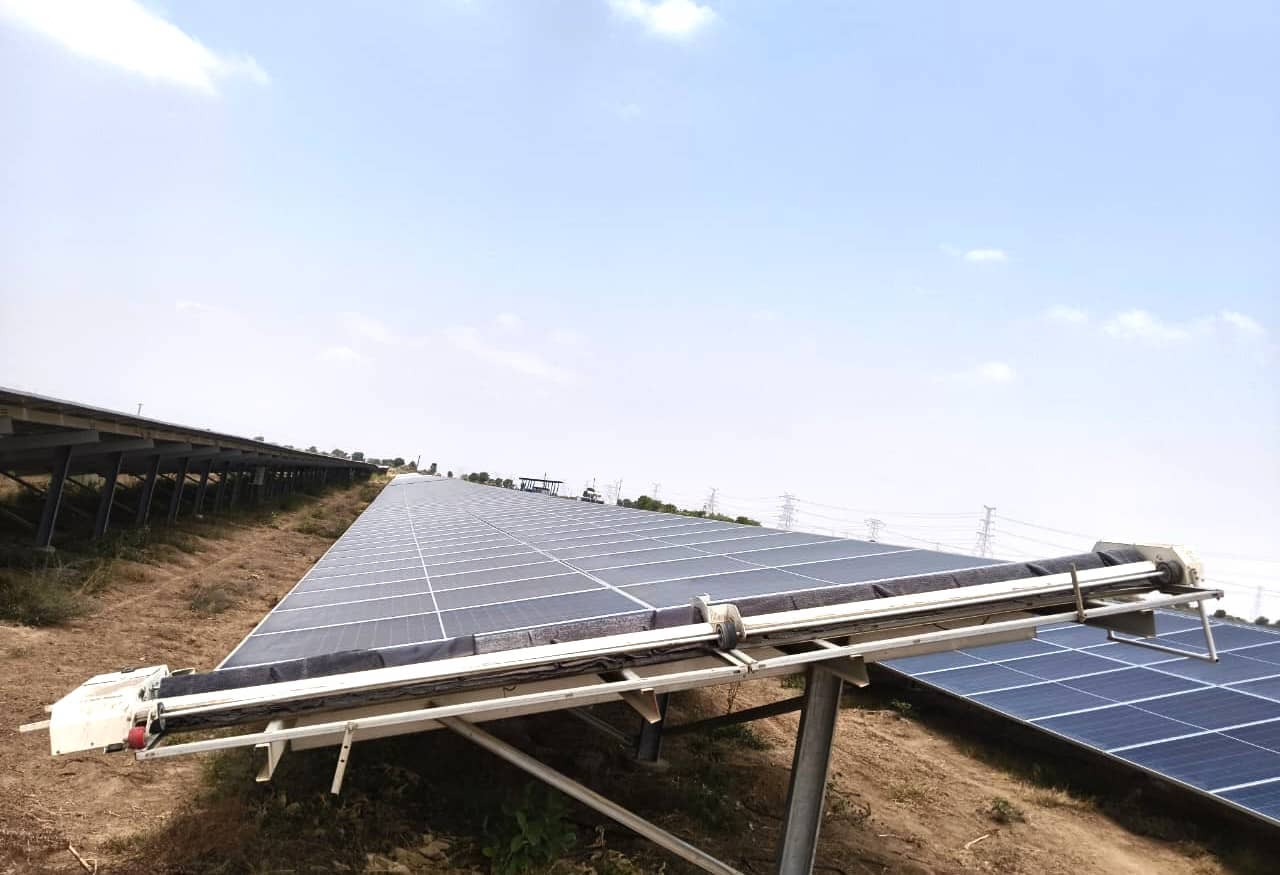
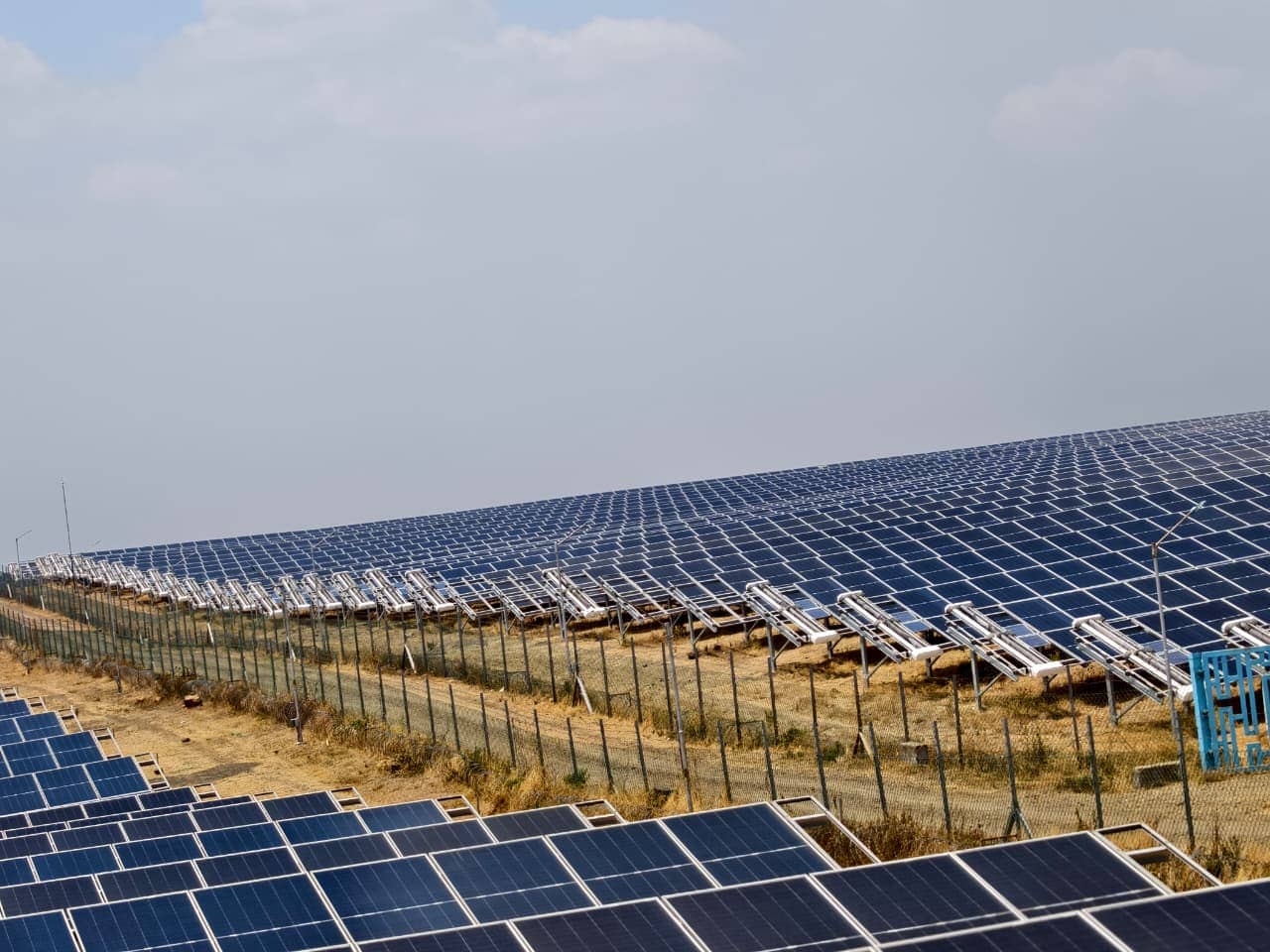
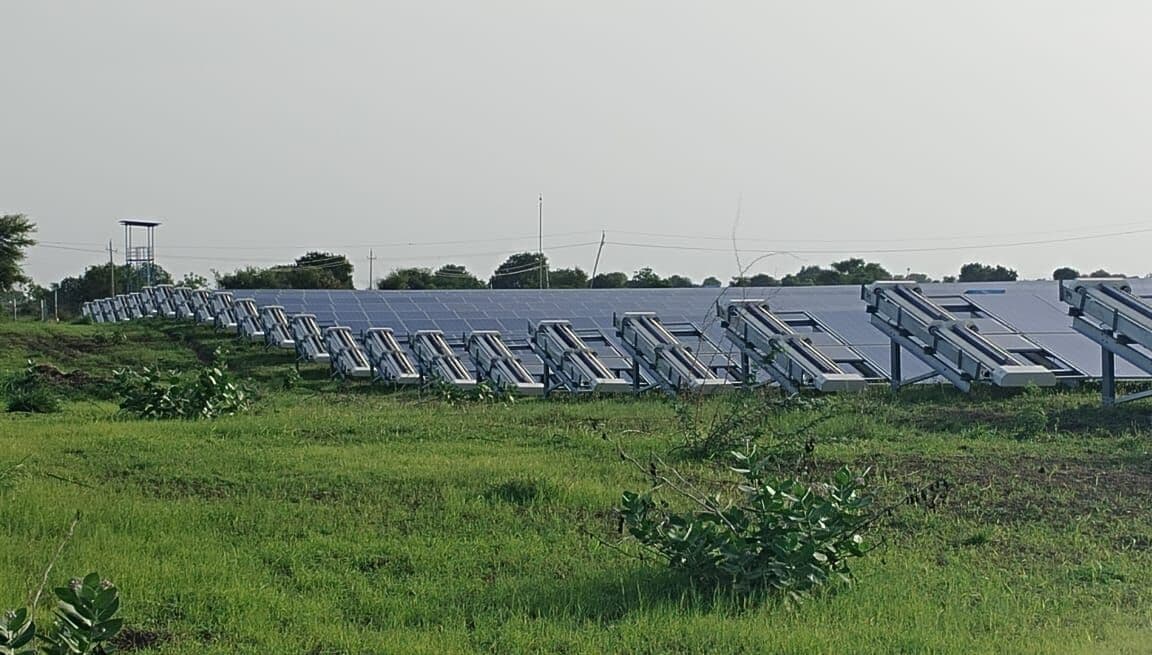
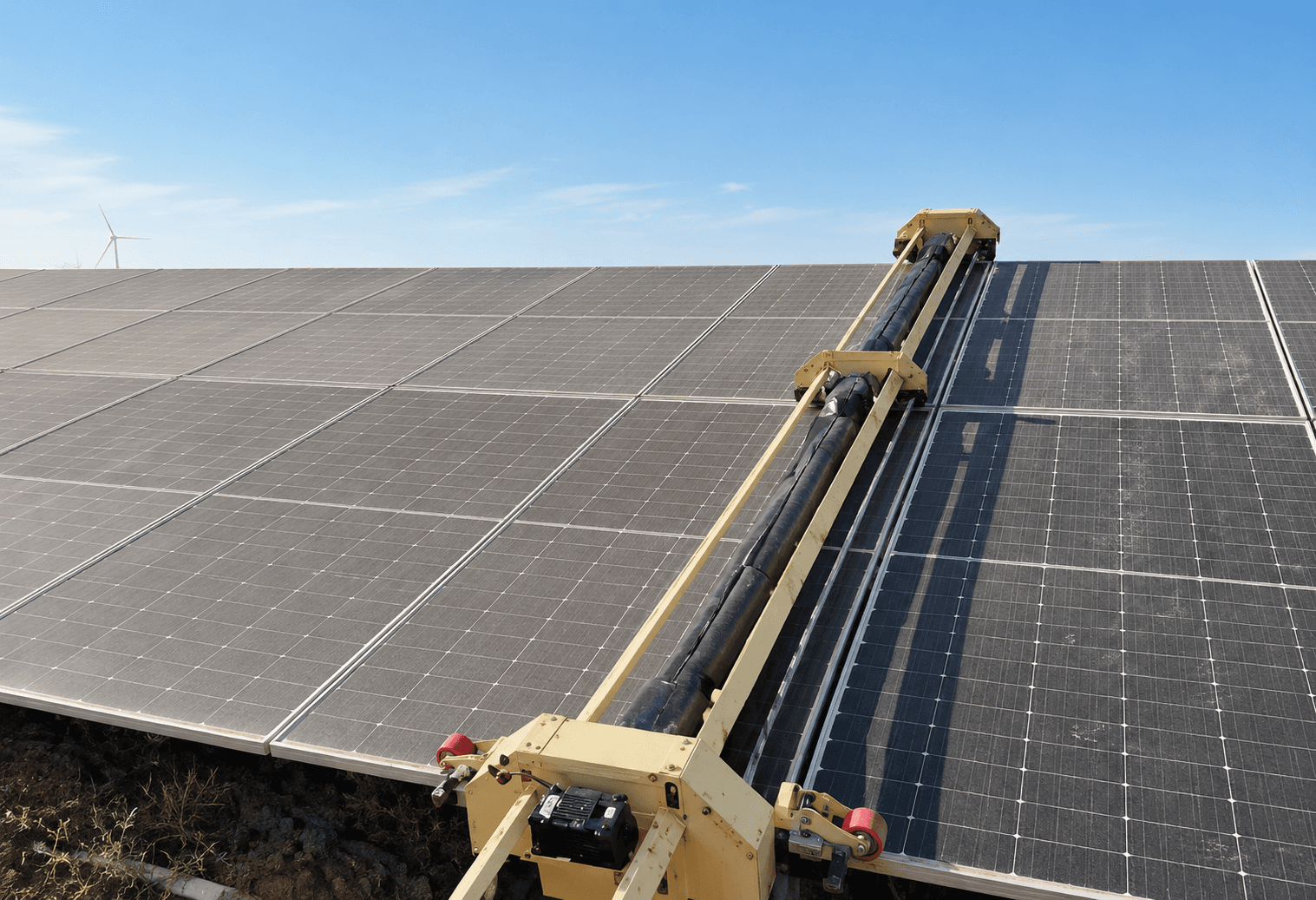
Continuum Energy, Jamnagar: 100 MW Semi-Automatic Cleaning Strategy, inline view of utility-scale solar operations in India related to 100 MW
At a 100 MW scale, manual wet-cleaning teams often struggle with consistency and water logistics. In Jamnagar, the cost of water procurement and the labour-intensive nature of manual scrubbing created significant pressure on the plant's operational expenditures. Furthermore, the variability in daily cleaning coverage meant that PR losses were inconsistent across different blocks of the farm. Operations teams required a solution that could standardize the cleaning interval without the logistical burden of constant water usage or the high turnover risks associated with large manual crews.
The Solution: Transitioning to Semi-Automatic Robotic Cleaning
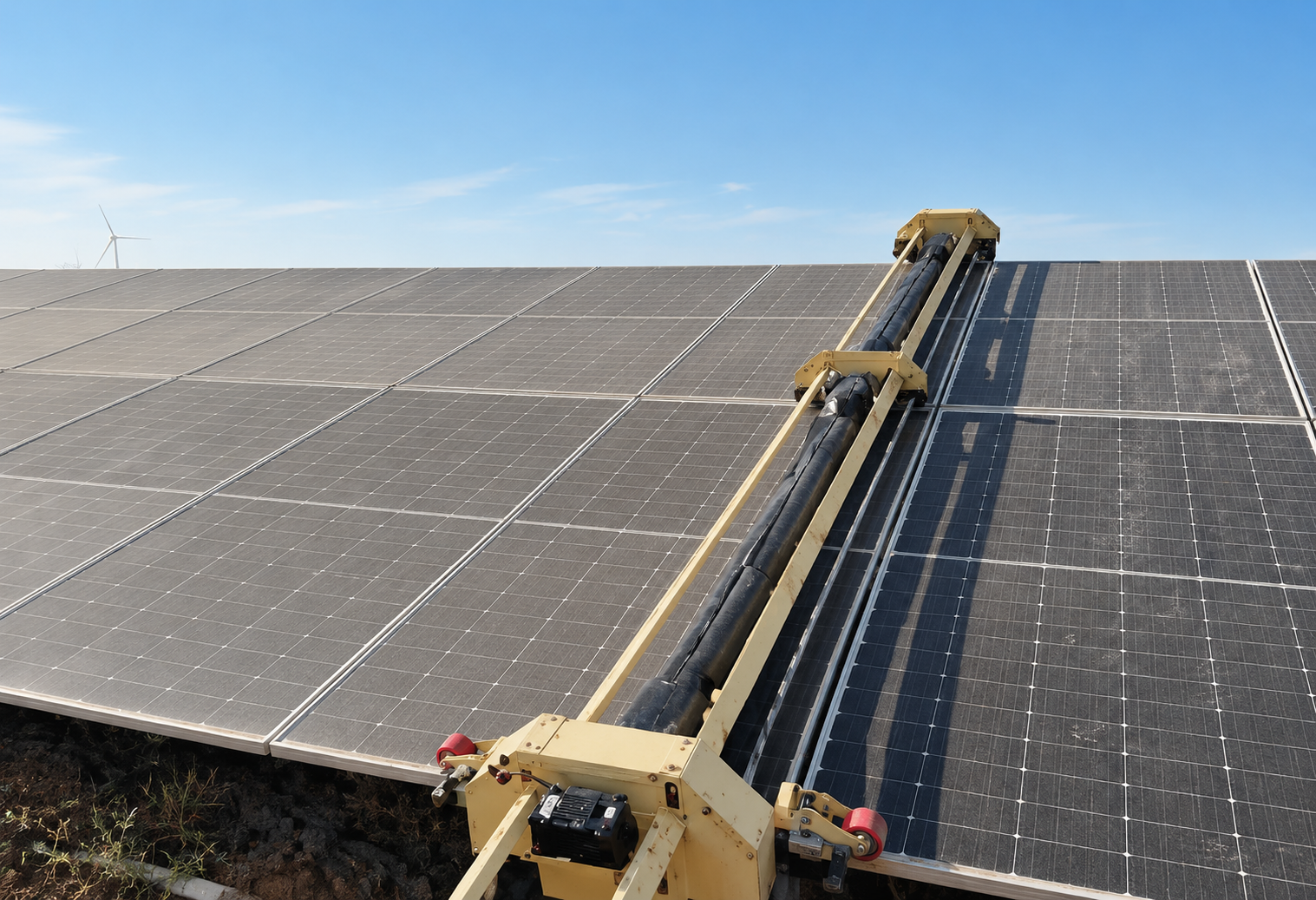
To address these requirements, Taypro deployed a fleet of 10 HELYX robots to facilitate a semi-automatic cleaning programme. Unlike fully automatic installations, the semi-automatic model allows for a flexible, pick-and-place approach, enabling the operations team to rotate the robots across different sections of the 100 MW site according to real-time soiling data. This approach fits perfectly within an Opex-focused management strategy, where capital allocation is streamlined by using specialized equipment to multiply the output of existing site personnel.
The HELYX units utilize a single-pass PBT brush system designed specifically for the environmental conditions found in Gujarat. By replacing the traditional water-based wet cleaning process with a waterless robotic solution, the plant successfully eliminated water logistics costs while simultaneously protecting the panel surface from the abrasive wear often caused by manual wiping with poor-quality tools.
Implementation and Fleet Operations
The transition to a semi-automatic robot fleet required careful coordination with the existing site operations teams. Training focused on safety protocols around energized fields, robot deployment logistics, and effective shift planning to ensure that the 10-robot fleet covered the most critical sections of the plant during periods of peak soiling. By integrating these robots into the daily workflow, the plant supervisor can now audit the performance of specific blocks with quantifiable data rather than relying on manual labour logs.
This deployment highlights the shift in utility-scale O&M where technology is used to empower the workforce rather than replace it entirely. By automating the most taxing aspect of panel maintenance, the plant maintains a consistent PR, which is essential for meeting annual energy yield targets in the competitive Gujarat solar market.
Operational Insights for 100 MW Asset Owners
For IPPs and O&M contractors evaluating their cleaning strategy, the Jamnagar project provides a clear roadmap for balancing costs and performance. When considering the switch from manual to robotic, key factors include:
Water Logistics: Eliminating the need for tanker trucks significantly reduces the daily operational stress on a 100 MW site.
Labour Optimization: Robots allow a smaller, more skilled crew to manage a larger land area, improving overall site safety and HSE performance.
Flexible Deployment: For sites with varying terrain or block layouts, the semi-automatic model provides the versatility needed to manage performance without committing to a full, high-Capex automation project upfront.
PR Preservation: Consistent, scheduled cleaning cycles provided by robotic brushes ensure that revenue leakage due to soiling remains within acceptable thresholds, especially during high-dust seasons.
Key Outcomes
Successfully integrated 10 HELYX robots into the site's daily Opex routine for optimized coverage.
Reduced dependency on manual wet cleaning, leading to significant savings in water procurement and labour logistics.
Maintained consistent PR levels across the 100 MW site through targeted, robot-assisted cleaning cycles.
Enabled the O&M team to scale their cleaning operations effectively without increasing the headcount of on-site workers.
To understand the financial implications of such a transition, asset owners can utilize our solar panel cleaning robot price calculator to model the ROI based on their specific site size and soiling profile. For further technical guidance on cleaning methods, explore our cleaning technology overview.