Executive summary
The 60 MW ground-mount solar plant is located in Deoria, Uttar Pradesh. This site faced major performance issues due to seasonal dust. Local agricultural activities also added heavy particulate loads to the panels. These pollutants affected the site unevenly. Downwind strings and rows near access roads suffered the most. This caused unpredictable energy losses for the plant. Traditional wet cleaning with water tankers was not enough. It was also very hard to scale during peak dust weeks. The site needed a more consistent and scalable strategy.
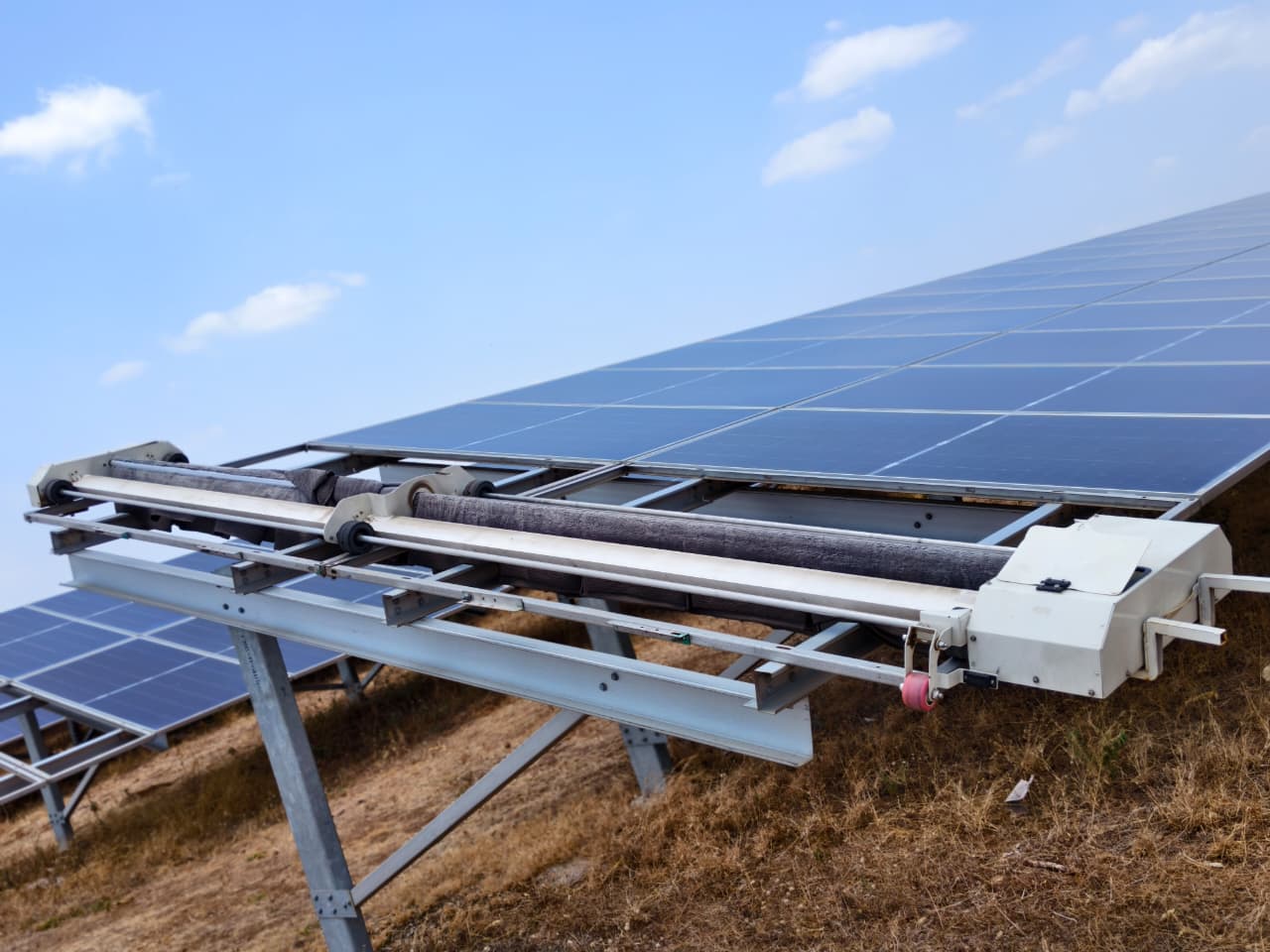
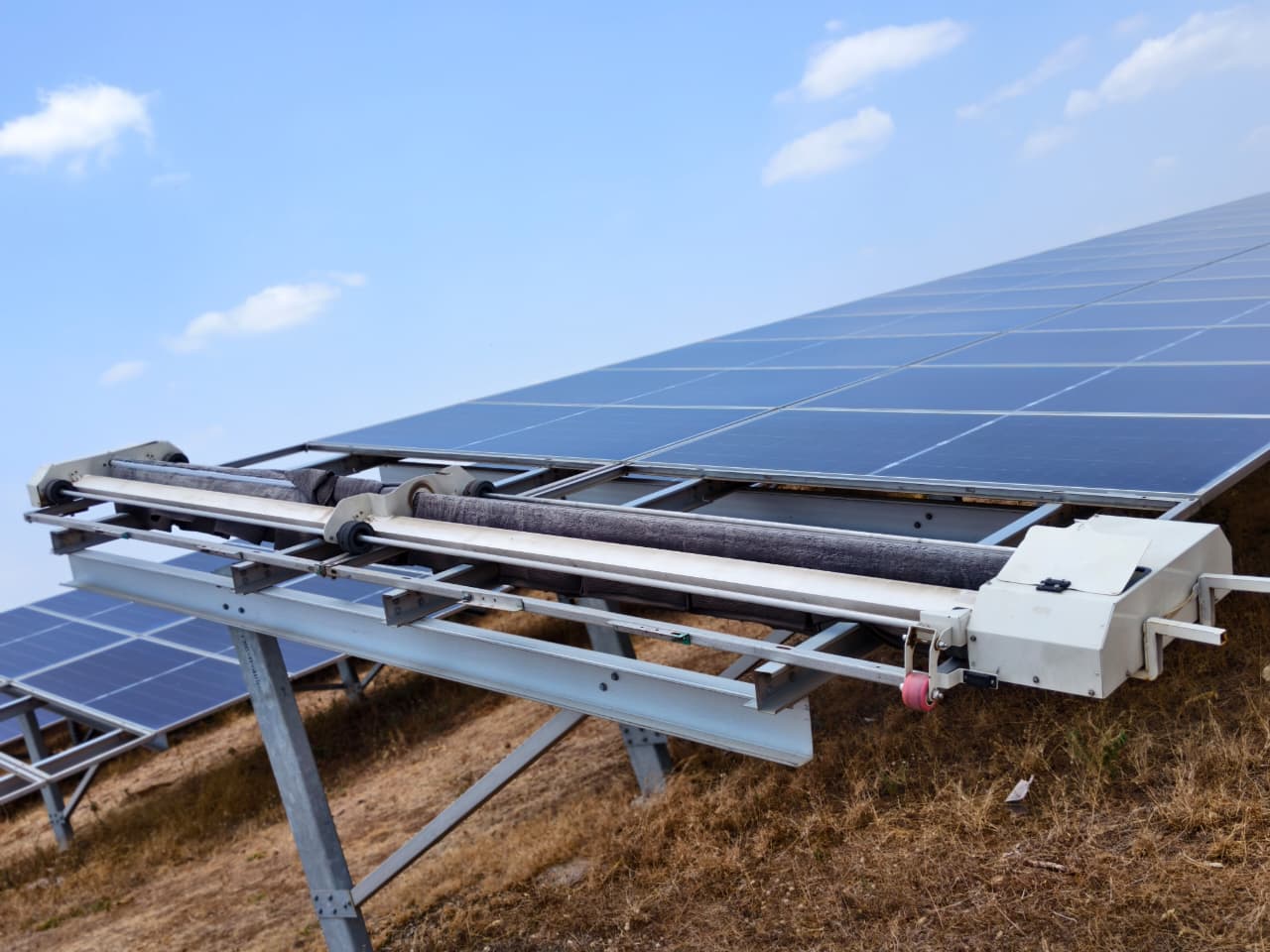
Taypro solved these problems with the NYUMA robotic cleaning system. The site transitioned to a semi-automatic waterless cleaning program. This change provides predictable and traceable cleaning cycles. It also removes the need for water procurement and manual labor. This shift has successfully reduced energy losses from soiling. The site now gains 2.25 GWh of additional generation every year. It also saves 8.4 million litres of water annually. This deployment provides the reliable cleaning data that finance teams need for forecasting.
Environment and soiling at Deoria
Managing Post-Harvest Particulate Loading in Deoria
The 60 MW ground-mount facility in Deoria has a unique soiling profile. This profile is heavily influenced by regional farming. After local harvest cycles, the site sees heavy dust loads. These airborne particles settle across the solar array. However, they do not settle evenly. Downwind strings and modules near access roads suffer the most. These specific areas experience the most aggressive dirt buildup. This leads to significant energy drops in those rows.
Traditional wet cleaning programs often fail to address these hotspots. The site relies on water tankers for its wet cleaning. This creates major logistical bottlenecks. At a 60 MW scale, managing many blocks is difficult. It is very hard to maintain a consistent schedule during peak dust weeks. When water supplies are low, cleaning quality becomes inconsistent. This makes it hard to maintain high plant performance.
The site needed a better way to manage this dust. They moved to a semi-automatic model using the NYUMA system. This allows the team to use waterless cleaning cycles. They can now follow a predictable and recurring schedule. This approach separates cleaning from water availability. It also removes the limits of manual labor. The site now has a stable performance baseline. This consistency helps the team manage the plant more effectively.
O&M before Taypro
Managing Post-Harvest Particulate Loading in Deoria
Before the Taypro deployment, the 60 MW plant struggled with manual maintenance. The facility faces heavy dust loads from local agriculture. These particles settle on the panels after every harvest. The soiling is not uniform across the site. Modules near the edges of access roads get much dirtier. Downwind strings also experience much higher soiling levels. This creates large gaps in energy production across the array.
The old wet cleaning programs could not scale for a 60 MW site. Relying on water tankers caused many logistical problems. These problems were worst during peak dust weeks. During these times, the demand for water would spike. The site often could not get enough water to clean everything. This led to inconsistent cleaning quality across the different blocks. The plant could not maintain a steady performance ratio.
Finance teams also faced a difficult challenge. They needed to track cleaning impact accurately. They needed to separate cleaning results from weather or grid curtailment. Manual labor made this almost impossible to do. There was no way to track the exact impact of each wash. By moving to a semi-automatic model, the site fixed this. They replaced unpredictable manual work with a data-backed approach. This helps stabilize performance across all plant blocks.
Fleet and deployment at 60 MW
Fleet and deployment at 60 MW
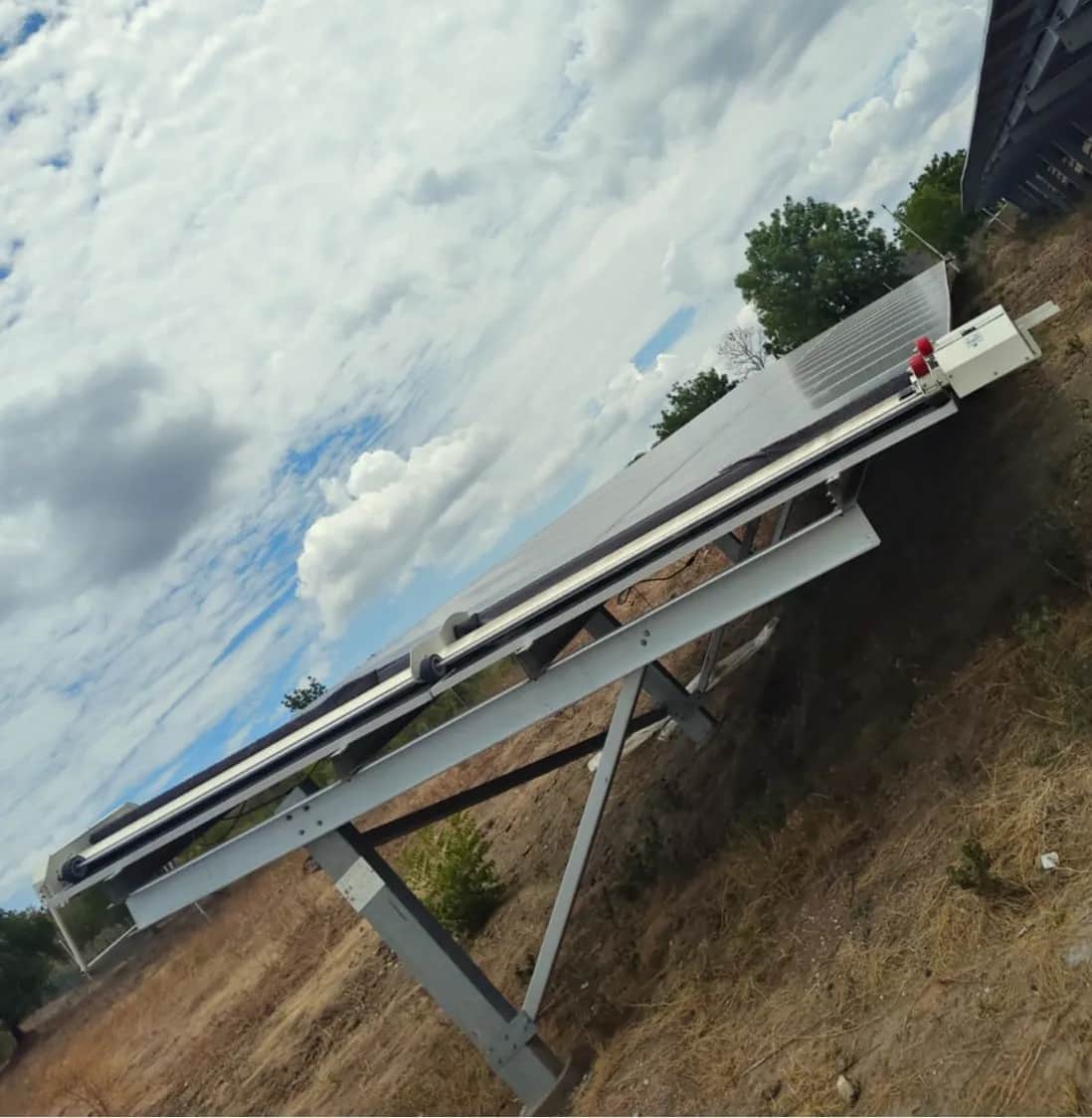
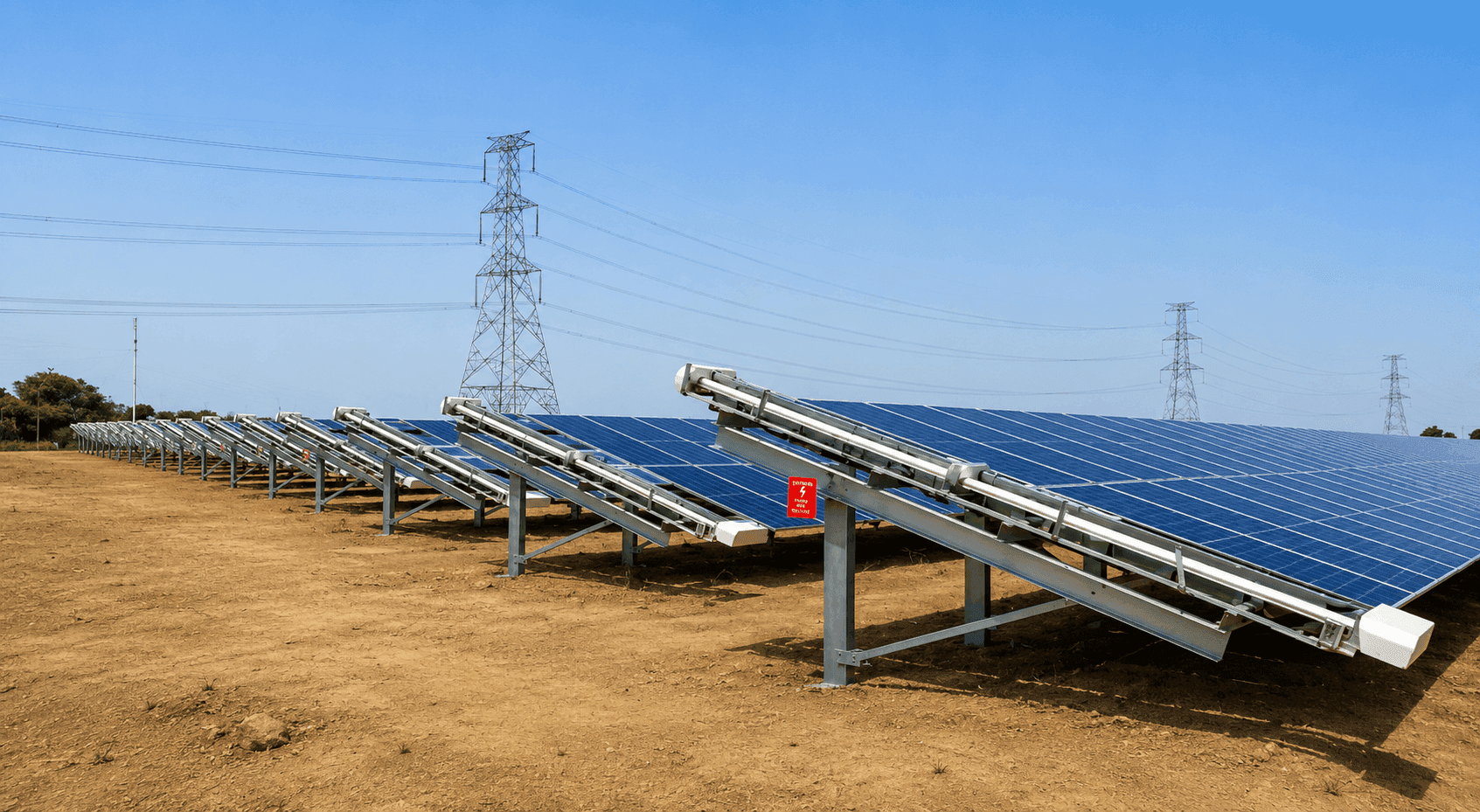
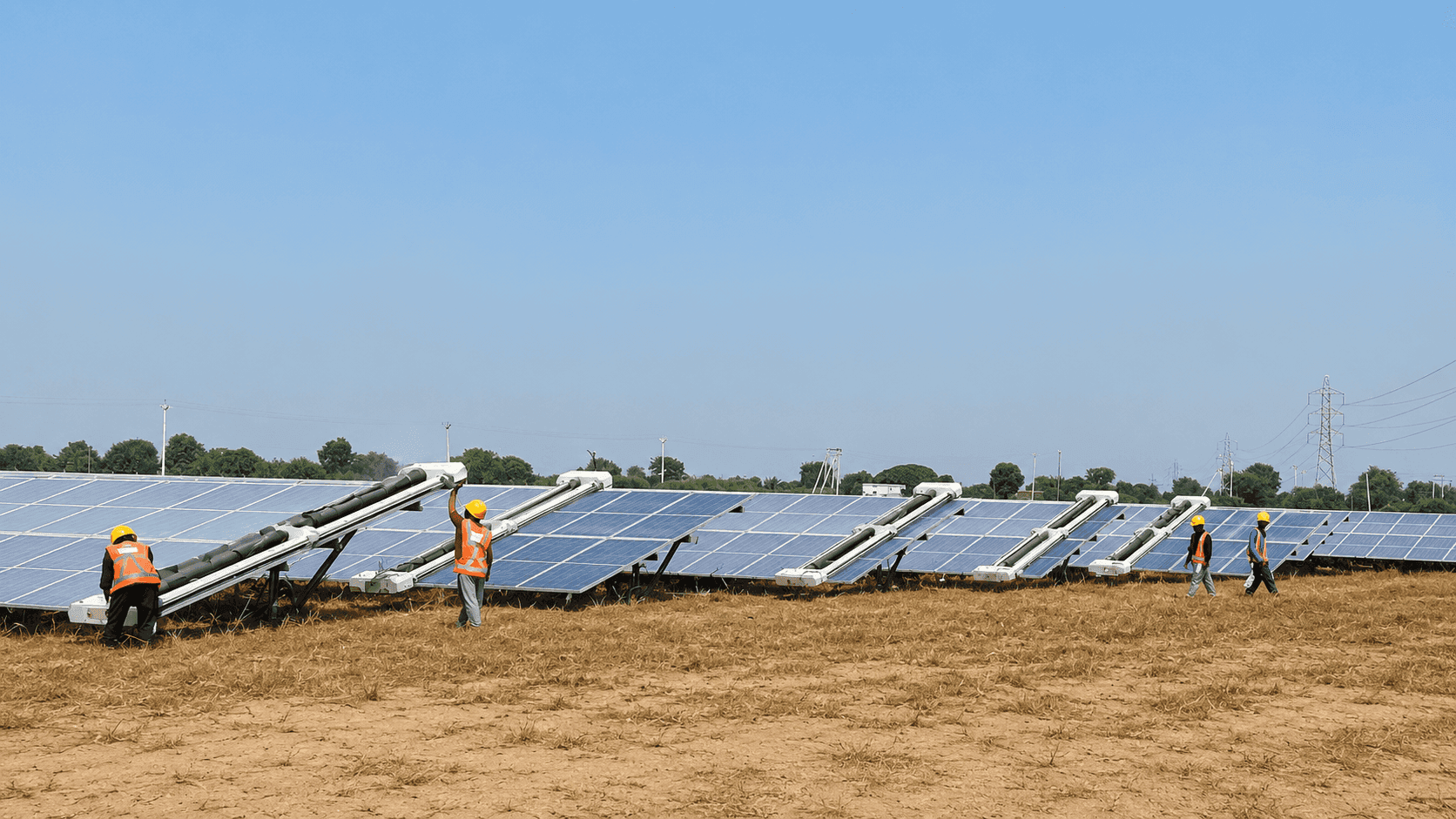
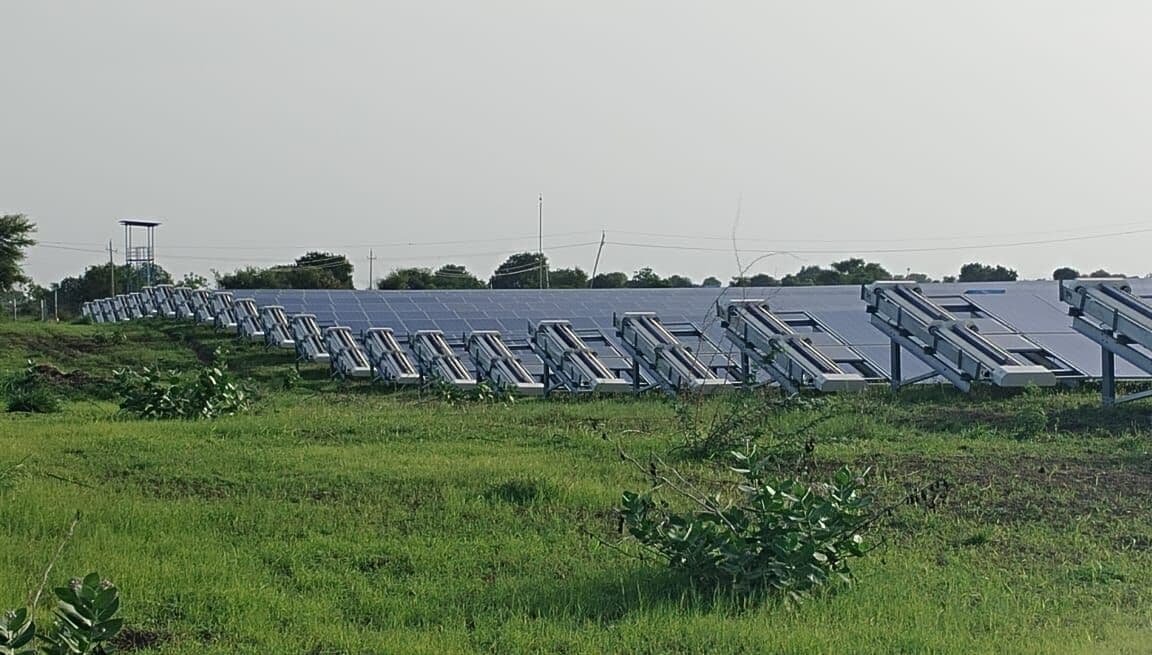
To fix the soiling issues, the site deployed NYUMA robots. This was a Capex procurement strategy. This approach focuses on managing the many blocks of the 60 MW site. It ensures that cleaning can scale as needed. By investing in a semi-automatic system, the team controls its assets. They can also meet the specific dust challenges in Uttar Pradesh. The deployment is designed to be efficient and reliable.
The NYUMA system provides a standardized cleaning process. Manual wet cleaning is often unreliable. It depends on water tankers and labor availability. In contrast, these robots provide a consistent result every time. This consistency is vital for the site's finance team. It allows them to isolate the gains from cleaning. They can separate these gains from grid curtailment or seasonal weather changes. This makes financial planning much easier.
The commissioning of the fleet had three main goals:
- Block Management: The team uses structured scheduling for high-dust areas. They focus on downwind strings and access road edges.
- Resource Efficiency: The waterless technology removes the need for water tankers. This saves 8.4 million litres of water every year.
- Performance Recovery: The system creates a reliable cleaning baseline. This helps recover 2.25 GWh of extra generation per year.
This Capex investment helps stabilize O&M costs. It works well for a 60 MW scale. By removing the need for water, the site achieves predictable performance. Every block in the array can be maintained reliably.
Operations and monitoring
Operations and monitoring strategy
The NECTYR fleet portal manages all operations at the Deoria site. It provides clear visibility into the 60 MW array. This platform allows for inspection-led accountability. O&M teams can monitor the health of each robot. They can also verify that every cleaning task is finished. This happens through digital logs without needing manual checks. The team can track progress in real time.
The site manages soiling with a set schedule. They perform 3 to 10 dry cleaning cycles per month. This frequency is optimized for regional dust levels. It also prevents unnecessary wear on the robots. Since the system is waterless, water scarcity is not a problem. The team does not have to worry about tanker logistics. This ensures the cleaning schedule stays on track all year.
Key operational controls include these features:
- Automated Scheduling: NECTYR tells the NYUMA fleet when to clean. It adjusts cycles based on how much dust is in each sector.
- Wind Hold Protocols: The system monitors wind speeds automatically. It triggers a hold during high winds to protect the hardware. This keeps the solar panels safe.
- Data-Backed Auditing: Finance teams use NECTYR logs for their audits. This helps them separate cleaning data from weather-related curtailment.
This structured approach keeps the facility performing at a high level. It moves the project away from subjective manual washing. Instead, it provides predictable energy gains. It also ensures long-term protection for the solar assets.
Results and impact
Results and impact
The switch to waterless robotic cleaning has worked well. The Deoria site has seen immediate and clear gains. By removing the need for water tankers, the project saves water. It saves over 8 million litres of water every single year. This supports long-term sustainability in the Uttar Pradesh region. It also removes the stress of managing large water supplies during dusty seasons.
The NYUMA robot fleet has also recovered lost energy. The automated cleaning stops dust from building up. This is vital for the downwind strings and access road edges. These areas used to suffer from heavy agricultural particles. By keeping the panels clean, the site has unlocked more power. It has gained over 2 GWh of additional annual energy. These results prove the value of the Capex robotic model.
The finance team now has better data. They have transparent and data-backed cleaning baselines. These baselines are separate from weather and manual labor schedules. This clarity allows for much better financial forecasting. The project is now more efficient and easier to manage.
Peer comparison and planning checklist
Peer Comparison and Planning Checklist
The 60 MW Deoria site uses a high-efficiency robotic model. It is much better than traditional water-intensive methods. Compare this to the nearby 50 MW Prayagraj site. That site used manual cleaning to handle post-harvest dust. Deoria shows a much higher level of operational maturity. Many Uttar Pradesh projects struggle with tanker logistics. They cannot scale up quickly during peak dust weeks. Deoria uses the NYUMA fleet to remain consistent.
This provides a stable cleaning baseline for the plant. It follows the regional trend of using waterless CAPEX solutions. This trend helps stabilize performance against unpredictable dust. Unlike manual-heavy sites, Deoria does not have high performance variability. It is a model for modern solar O&M in India.
Use this checklist to plan your own fleet deployment:
- Assess the specific soiling loads at your site. Identify downwind strings and areas near access roads.
- Set performance baselines in NECTYR. This helps you isolate cleaning impact from weather curtailment.
- Match your cleaning capacity with your water availability. Consider the logistical needs of your block count.
- Choose your robotic hardware based on array type. Ensure the robots can handle your specific slope.
- Use fleet monitoring software to automate your schedules. This protects your hardware during high-wind events.