
Executive summary
solar panel cleaning robot India, The 52.5 MW Sonar Bangla ground mount facility recently faced major energy losses. These losses were caused by heavy regional soiling. Technical audits showed that manual cleaning was no longer enough. Traditional methods could not keep the modules clear. This led to significant drops in energy yield. Also, manual cleaning used too much water. This posed a sustainability risk. The local area has very limited water resources. Facility management needed a better maintenance strategy. They wanted to restore plant performance. They also wanted to stop relying on water and heavy manual labor.
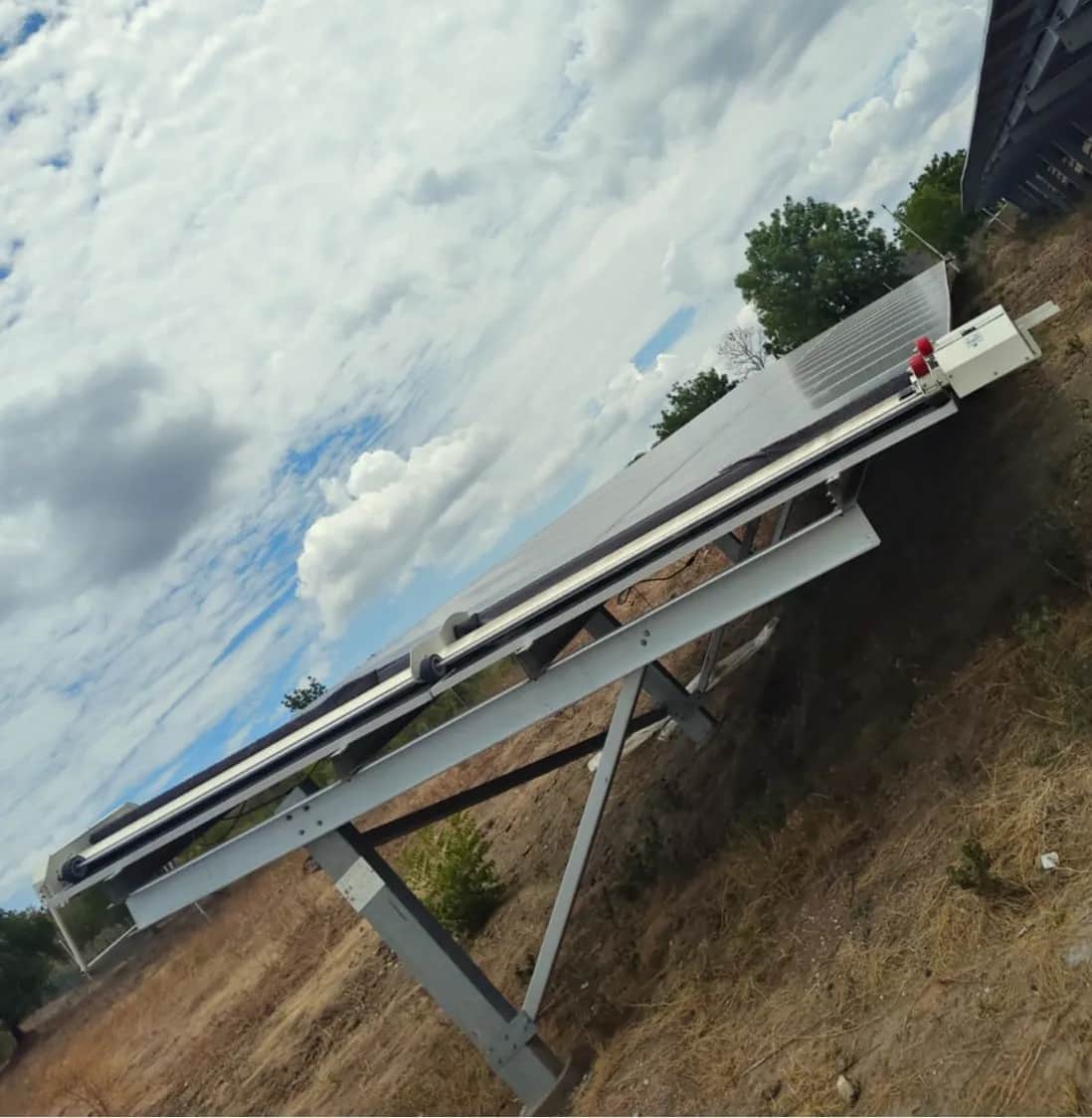
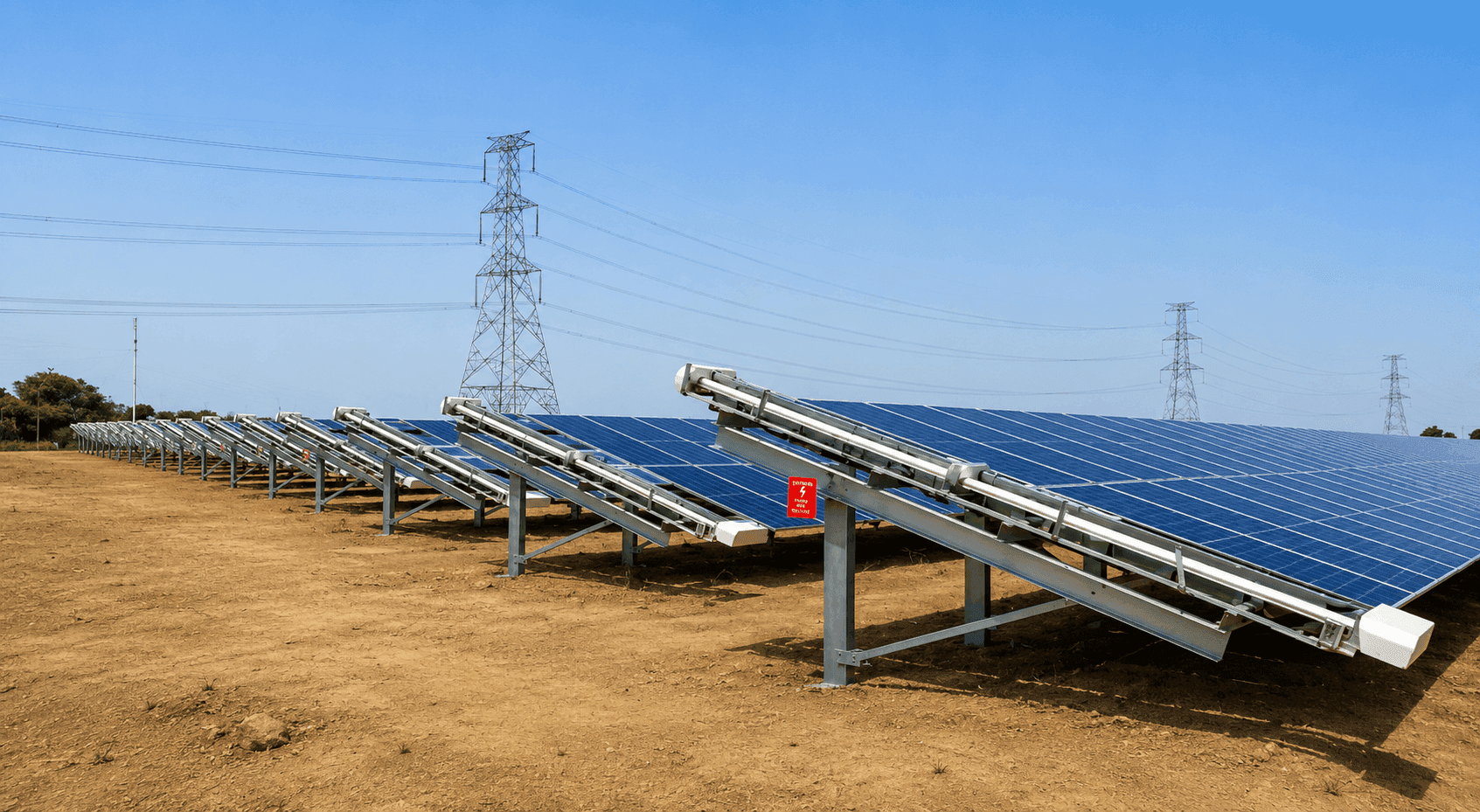
To fix these issues, the plant deployed a NYUMA solar panel cleaning robot in India. This semi-automatic system replaced manual cleaning crews. It provides a consistent and waterless cleaning cycle. This cycle is designed for the specific environment at Sonar Bangla. The transition to robotic maintenance has already shown great results. The site recovered 52.5 MWh/yr in additional energy generation. The site also saved 196,000 litres of water every year. This sets a new standard for sustainable solar operations at the facility.
Environment and soiling at Sonar Bangla
Managing Site-Specific Soiling Challenges at Sonar Bangla
The Sonar Bangla site has unique environmental factors. These factors make traditional maintenance very difficult. Site audits identified a constant build-up of fine dust and grit. This dust settles on the module surfaces. It creates a stubborn layer that blocks sunlight. This degradation directly harms daily energy yields. The ground mount layout also plays a role in this problem. The layout creates a specific aerodynamic profile. This profile helps airborne debris settle on the panels. It makes the soiling more persistent.
The local climate also adds to the challenge. Unlike some regions, this area does not get much rain. There is very little natural cleaning from rainfall. This means soiling builds up quickly between cleaning sessions. Our assessment identified several key environmental drivers for the 52.5 MW array:
- A high concentration of fine and abrasive dust particles. This is typical for the regional topography.
- Minimal seasonal precipitation. This makes a water-independent cleaning strategy essential to prevent yield loss.
- Specific topographic conditions. These allow ground-level dust to travel easily across the rows. This requires a system that can handle constant residue.
The site now uses a semi-automatic cleaning schedule. This approach uses scheduled dry cleaning cycles. These cycles help maintain module transparency. This method removes the heavy burden of traditional manual cleaning. It ensures the plant stays productive despite the dust.
O&M before Taypro
Operational Risks of Manual Cleaning at 52.5 MW Sonar Bangla
Before using Taypro technology, the Sonar Bangla plant used manual labor. Workers cleaned the modules by hand. This traditional approach created severe operational risks. Manual cleaning could not meet the technical standards required for a 52.5 MW facility. The quality of cleaning was often inconsistent. Some modules were clean, while others remained dirty. This created significant gaps during technical audits. It was also hard for management to track performance losses. They could not maintain stable generation levels across the whole array.
Manual teams also caused a major resource drain. The process was very labor-intensive. It was also logistically complex to manage. This led to unsustainable overhead costs for the facility. Furthermore, the old methods did not protect local resources. The plant used water-based cleaning in a water-stressed region. This led to high operational expenditure. It also made site upkeep very inefficient. This fragmented approach hindered total energy output. It also left the site vulnerable to rapid soiling accumulation.
Fleet and deployment at 52.5 MW
Fleet and deployment at 52.5 MW Sonar Bangla
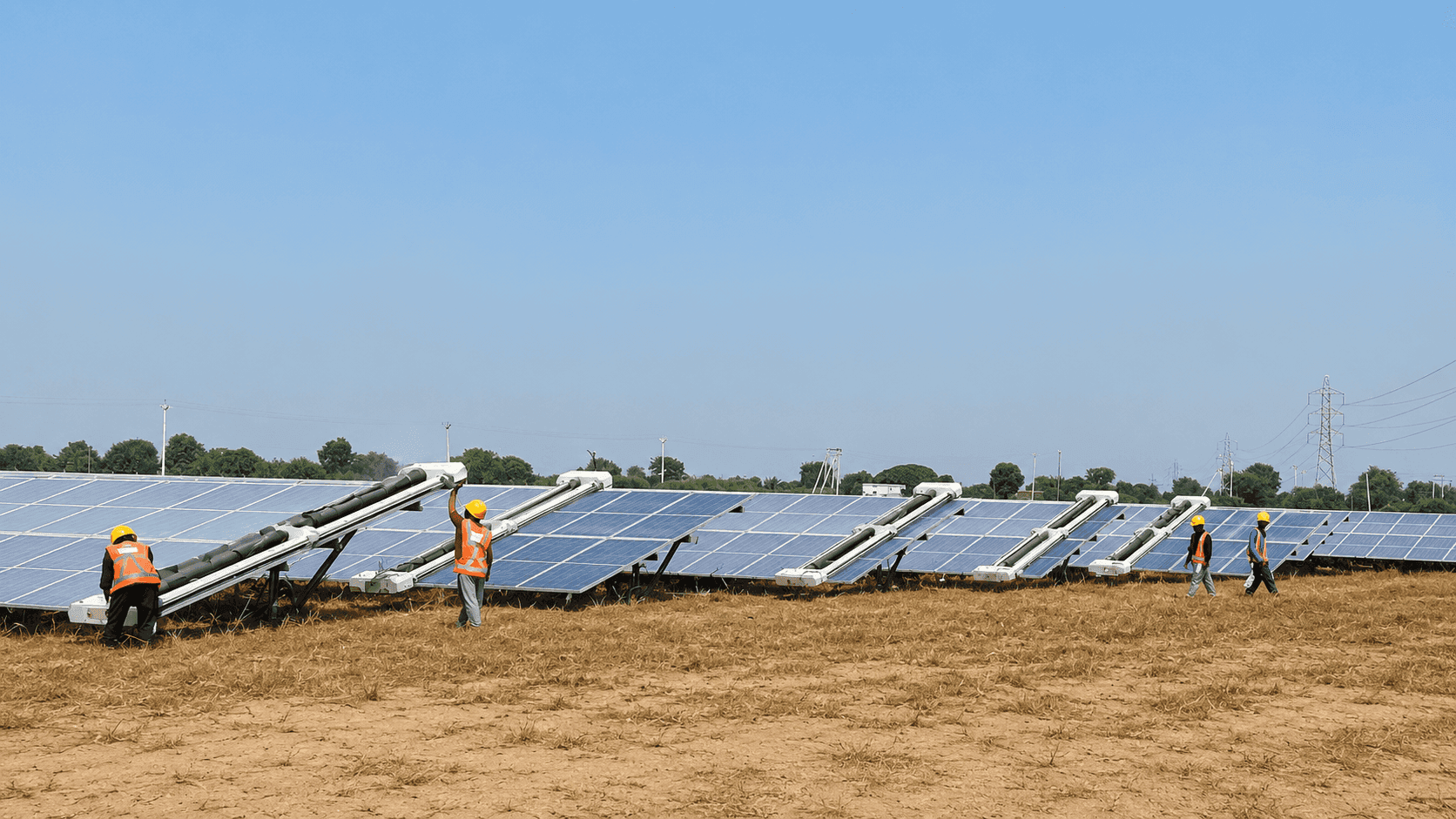
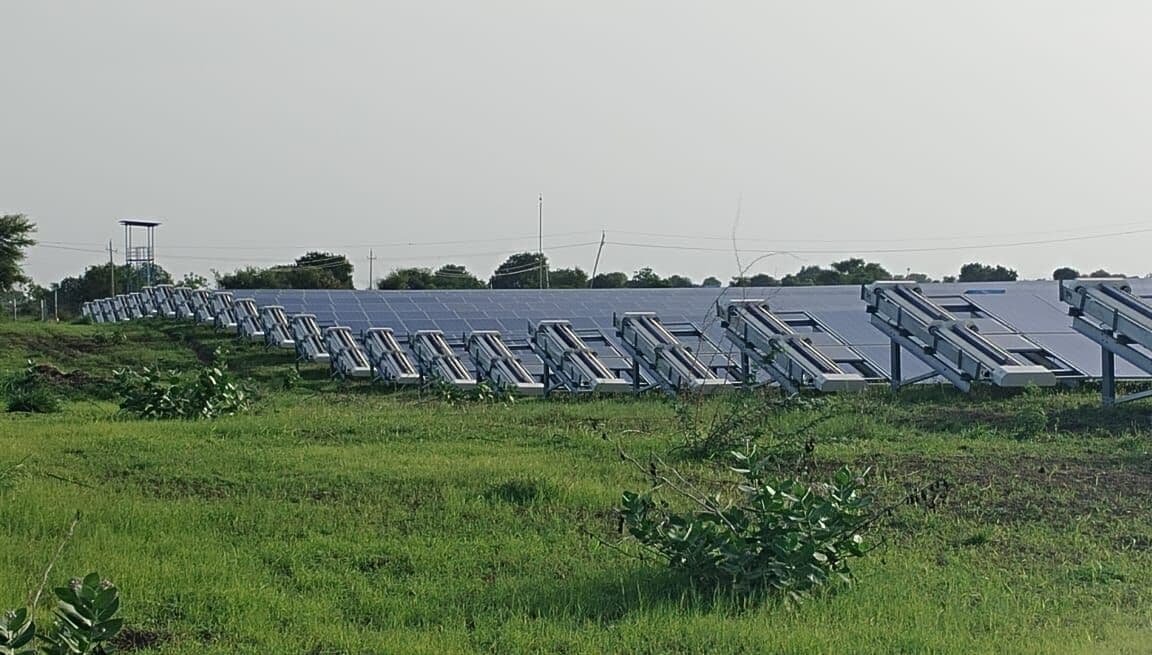
To secure the performance of the 52.5 MW facility, a new strategy was chosen. The deployment uses a semi-automatic fleet of NYUMA cleaning robots. This fleet selection balances capital costs with operational needs. The site uses a pick-and-place deployment model. This model keeps module transparency consistent across the ground mount array. It allows for efficient cleaning without massive infrastructure changes.
The operational framework for this site focuses on four main priorities:
- Strategic Fleet Mix: The site uses semi-automatic NYUMA units. This addresses widespread soiling while keeping operational costs low.
- Deployment Methodology: The pick-and-place strategy is highly efficient. Skilled technicians move the robots across row blocks. This ensures every panel meets target cleaning standards. No fixed infrastructure is needed on every single row.
- Cleaning Cadence: The robots follow a structured maintenance schedule. They perform approximately 3–10 dry cleaning cycles per month. This frequency matches the local soiling conditions. It ensures optimal energy harvest. It also protects the longevity of the PBT brushes.
- Resource Efficiency: The plant has moved to waterless cleaning technology. This saves 196 thousand litres of water every year. It also helps recover 52.5 MWh of generation annually through better surface efficiency.
This deployment model is highly scalable. It provides a clear path for large-scale assets to stop performance losses. By integrating the NYUMA system, the site has moved away from manual labor. It has established a high-efficiency O&M standard for the entire 52.5 MW array.
Operations and monitoring
Operational Governance and Monitoring at 52.5 MW Sonar Bangla
Effective O&M at Sonar Bangla depends on strict governance. This maximizes the impact of the semi-automatic fleet. The plant has moved away from unstructured manual labor. Instead, it uses a systematic cleaning cycle. This ensures reliable performance across the entire array.
The operational plan follows these specific protocols:
- Structured Cleaning Cadence: The site follows a precise schedule. It performs 3–10 dry cleaning cycles per month. This frequency is based on real-time site conditions. It prevents dust build-up without causing unnecessary wear on the panels.
- Inspection-Led Accountability: Every cleaning cycle is validated through NECTYR. This software provides essential oversight. It allows managers to monitor robot location and battery status. It also tracks cleaning coverage. This ensures technicians stay accountable for progress.
- Environmental Safeguards: Operations follow strict wind hold thresholds. High winds can be a risk to equipment. During high wind periods, teams initiate safe docking procedures. This keeps the hardware secure and ready for the next cycle.
- Precision Maintenance: We do not follow the myth that daily washing is needed. Our waterless approach targets specific soiling intervals. This preserves the module coatings. It also reduces overall operational strain on the site.
This disciplined monitoring framework changes site maintenance. It turns a manual task into a predictable, data-driven activity. This drives consistent power recovery at the Sonar Bangla plant.
Results and impact
Results and Impact of the Sonar Bangla Cleaning Deployment
The NYUMA robotic solution has fixed the performance limits at Sonar Bangla. Regional soiling was a critical problem for the plant. By switching to a professional, waterless maintenance strategy, the site gained more energy. It also eliminated the need for local water supplies. These changes have had a massive impact on the plant's health.
Verified audits confirm these positive outcomes. The plant now captures significantly more energy every year. Beyond energy gains, the site saved a huge amount of water. These metrics prove that specialized robotics work for large utility environments. The benefits are both environmental and financial.
This automated model has improved the operational health of the 52.5 MW array. Asset managers now have a predictable cleaning standard. This ensures modules stay transparent and efficient. This data-backed approach stops revenue leakage. It also builds a sustainable, long-term O&M foundation for the Sonar Bangla facility.
Peer comparison and planning checklist
Peer Comparison and Implementation Planning
The Sonar Bangla project shows how Taypro scales for large clients. We have deployed over 5 GW of capacity across 150 live sites. This project is a great example of strategic deployment. We can compare it to other site types in our portfolio. For example, a 10 MW pilot plant might use fully automatic NYUMA units. Those automatic fleets run daily dry cycles to maximize output. In contrast, the Sonar Bangla site uses a semi-automatic approach. This provides a cost-effective choice for sites that prefer pick-and-place flexibility.
We can also compare this to tracker installations. Large tracker farms often use GLYDE-X technology. GLYDE-X uses patented dual-pass microfiber for tracker tables. Sonar Bangla uses PBT brushes for ground mount arrays. This shows how Taypro adapts its hardware to each site. We match the technology to the specific topography and soiling needs of the asset.
- Conduct a site-wide soiling audit. Use this to find the best robot-to-megawatt ratio.
- Assess the ground mount slope. Check the table layout to ensure easy semi-automatic transit.
- Set up a NECTYR monitoring schedule. This helps you track all cleaning performance metrics.
- Define clear safety zones. Create docking points to help teams navigate efficiently.
- Verify your water saving targets. Use these to calculate your long-term ROI projections.