Executive summary
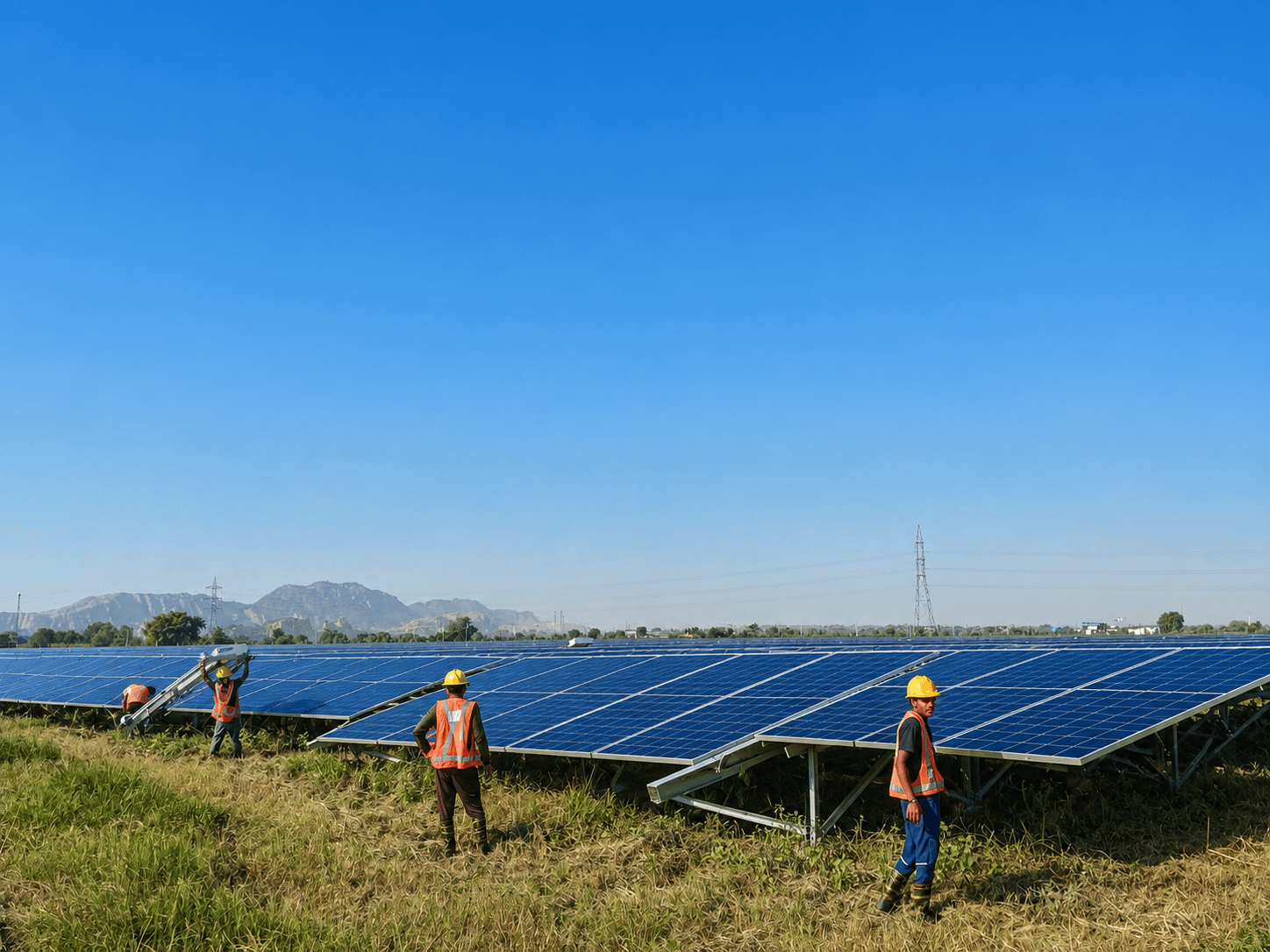
robotic solar panel cleaning Maharashtra, The NYUMA solar project is a 45 MW ground-mount plant in Maharashtra. This site faced big performance drops due to local environmental factors. The plant struggled with uneven soiling patterns at the string level. This problem came from several sources. Agricultural dust and heavy road grit were the main culprits. Frequent humidity cycles also played a major role. These conditions created a hard layer of grime on the panels.
O&M managers faced complex logistical hurdles. Traditional cleaning methods required a lot of water. Night crews had to compete with other maintenance tasks. These tasks included vegetation management and civil works. Additionally, supervisors lacked clear visibility into cleaning progress. They did not know which specific blocks were serviced. This lack of data led to inconsistent energy yields across the site.
To solve these issues, the facility chose a Capex procurement model. They implemented the HELYX semi-automatic waterless cleaning system. This system uses a pick-and-place robotic approach. This method helps the team manage uneven soiling effectively. It also overcomes limits on water availability. The transition to robotic cleaning has been very successful. The project now sees an annual energy uplift of 45 MWh. It also saves 168,000 litres of water every year.
Environment and soiling at NYUMA
Environmental Context and String-Level Soiling at NYUMA
The 45 MW NYUMA project operates in Maharashtra. This region has a unique agro-climatic landscape. This means the local environment is shaped by farming. Unlike dry deserts, this site does not just face sand. It deals with a complex mix of contaminants. Fine agricultural dust blows in from nearby fields. Abrasive road grit also settles on the solar glass. These particles are difficult to remove.
Humidity cycles add another layer of difficulty. The region experiences frequent cycles of high humidity. This moisture acts like a binder. It sticks the dust and grit to the panels. These particles become baked onto the surface. This results in stubborn and uneven soiling patterns. The dirt is rarely uniform across the whole array. Moisture often causes dust to settle heavily on the lower edges of modules.
This creates distinct shading at the string level. Traditional manual cleaning often fails to fix this. Automated methods also struggle with these uneven patterns. The resulting performance gap was a major concern. The site needed a more granular cleaning strategy. They needed a way to address specific soiling patterns. A tech-enabled robotic strategy was the best solution.
Several logistical challenges made the situation worse:
- Dust and grit cycles require constant contact pressure. The cleaning tool must handle varied surface profiles.
- Access to rows is often limited. Vegetation management and civil tasks take up valuable time.
- Supervisors struggled to verify cleaning quality. They could not confirm which strings were fully cleaned.
O&M before Taypro
Operational Visibility and Logistics Constraints at NYUMA
The 45 MW NYUMA project faced many O&M inefficiencies. These problems existed before the HELYX system arrived. Managing water logistics was a constant struggle. Scheduling night crews was also very difficult. These tasks often clashed with other plant needs. Vegetation management and civil maintenance were high priorities. These conflicts often led to delayed or skipped cleaning rounds.
The project also faced a severe audit gap. It was hard to track the quality of maintenance. Supervisors did not have verifiable proof of work. They could not see which strings were actually cleaned. This lack of proof made monitoring very difficult. It was impossible to link cleaning to real-time energy data. The team could not tell if panels were performing at their peak. This opacity was a major operational risk.
Because of this, uneven soiling often remained on the panels. The string-level shading caused latent energy losses. These losses hurt the overall revenue of the site. The plant needed a way to track progress at a granular level. They needed a system that provided clear, verifiable data. This would allow them to ensure every module was clean.
Fleet and deployment at 45 MW
Fleet and deployment at 45 MW
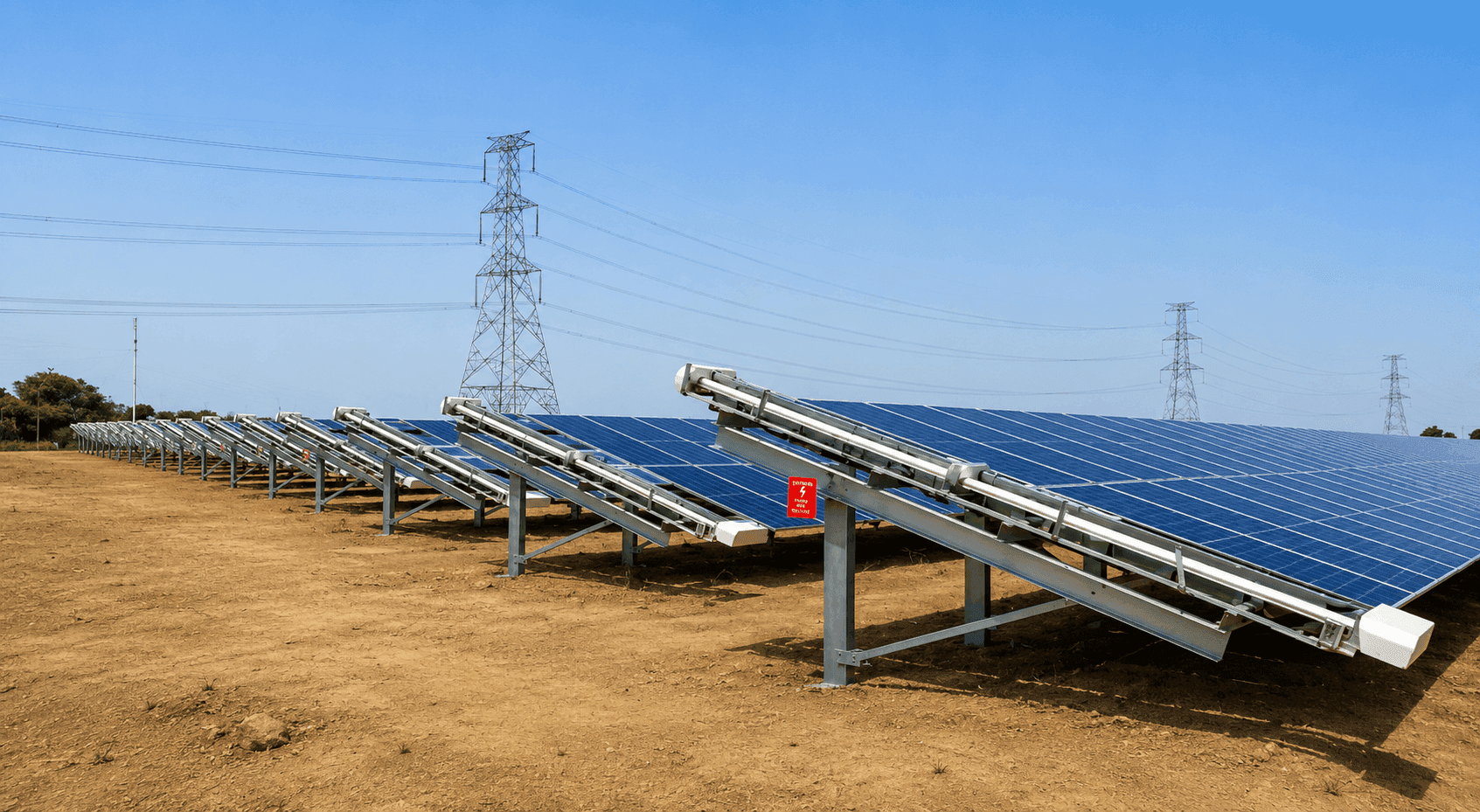
Taypro implemented a dedicated fleet strategy for the NYUMA site. This strategy focuses on semi-automatic, high-efficiency cleaning. The plant uses a capital expenditure (Capex) model. This allowed them to integrate the HELYX pick-and-place system. This system gives the team direct control over cleaning quality. It ensures the assets are maintained to a high standard.
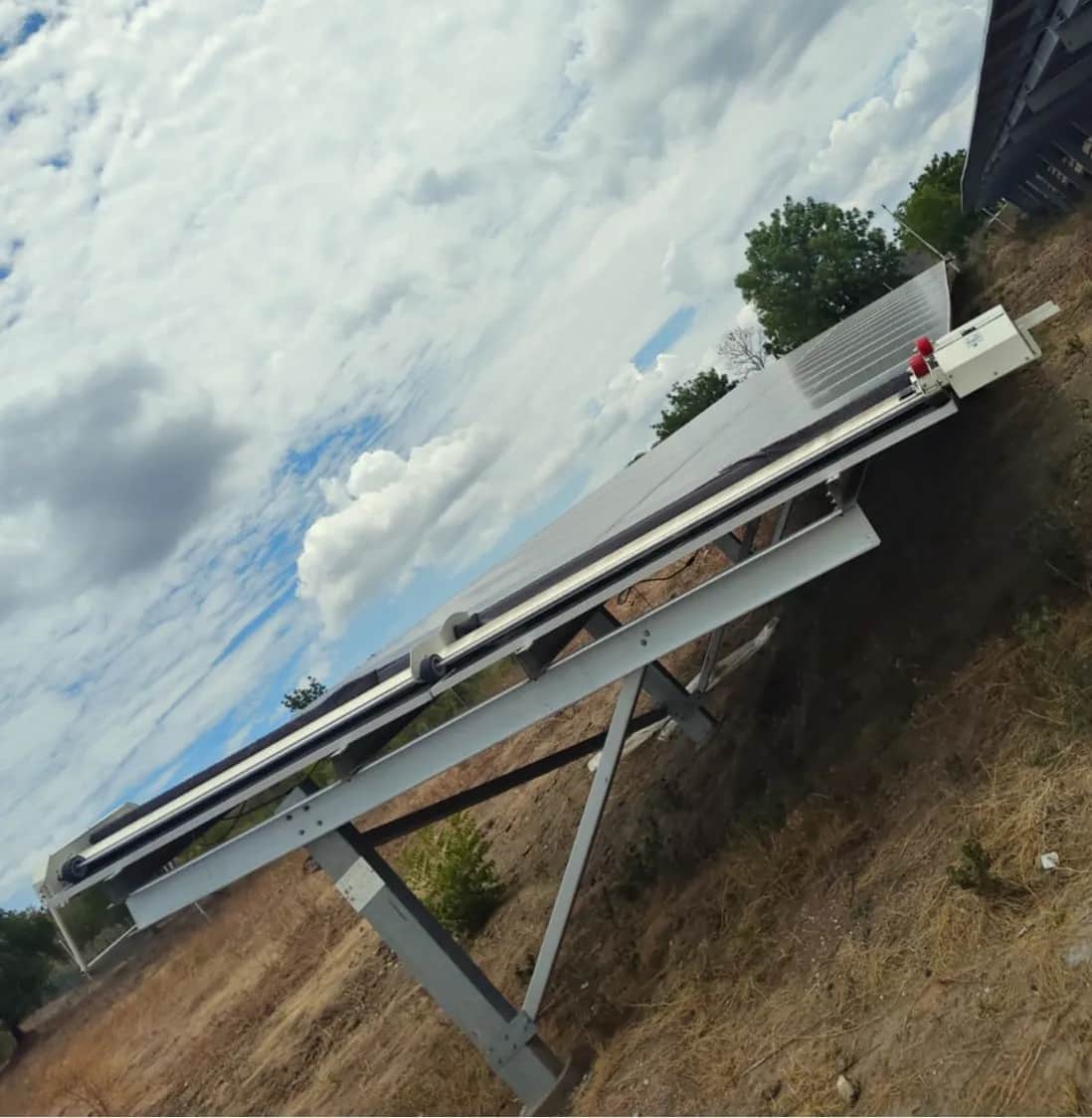
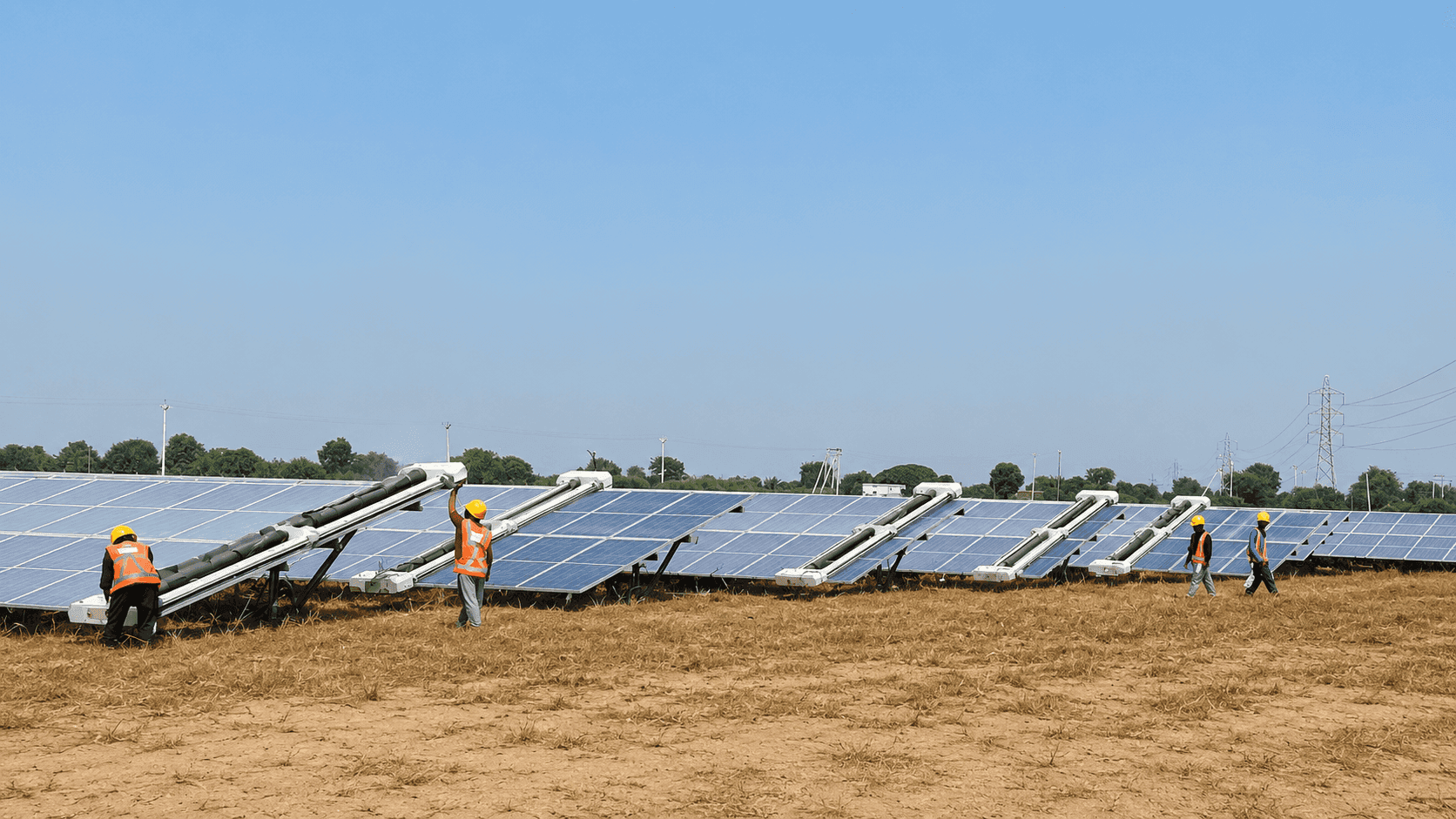
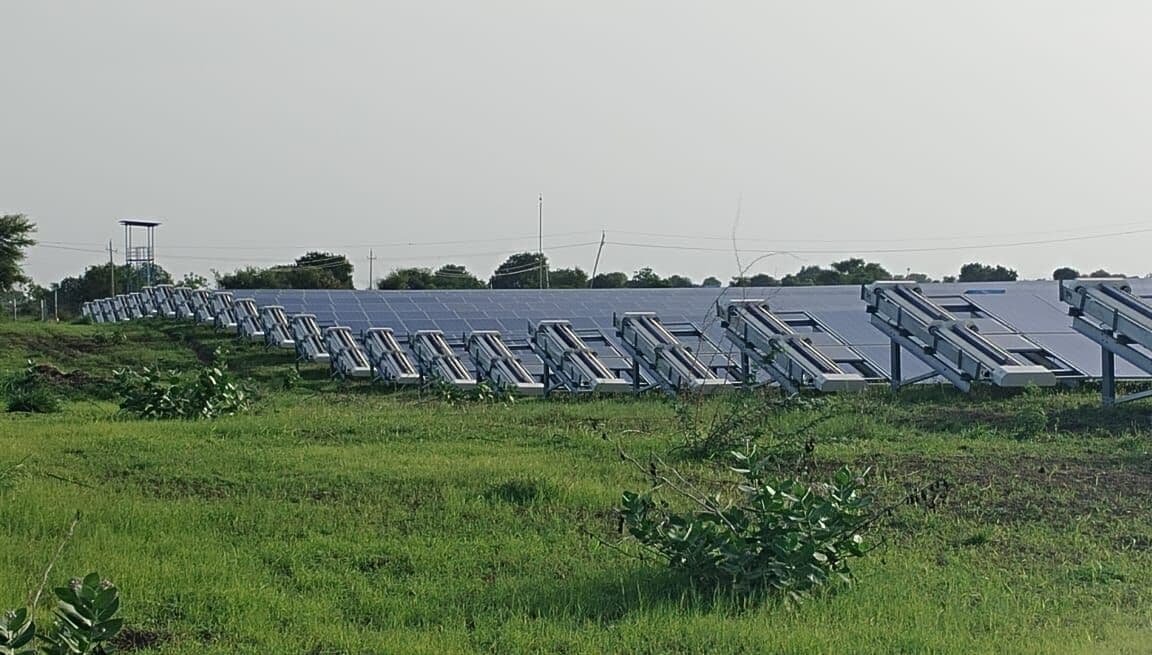
The HELYX fleet is the main robotic solar panel cleaning Maharashtra solution here. It uses a pick-and-place deployment method. This allows the team to move robots across different blocks. This flexibility is very important for this site. The team can navigate around existing vegetation. They can also work around civil maintenance schedules. This ensures all parts of the array stay clean.
The robots use single-pass PBT brush technology. This method is highly effective for waterless cleaning. The deployment is now very structured. The site follows a specific schedule based on soiling trends. The team currently performs 3 to 10 dry cleaning cycles per month. This frequency changes based on the weather. It also depends on how easy it is to access the rows.
The move to this Capex-based model has solved many problems. The site has closed its previous audit gaps. The team now has a reliable and verified cleaning routine. This routine addresses uneven soiling patterns directly. This operational shift has added 45 MWh of generation per year. It also reduces water use by 168,000 litres annually. The 45 MW array now maintains much higher performance consistency.
Operations and monitoring
Operations and fleet monitoring
Operational transparency is a top priority at the NYUMA site. The site has moved from manual labor to the HELYX fleet. This change replaced subjective reports with real data. The facility now uses NECTYR for fleet monitoring. This software captures every single deployment. It provides supervisors with verifiable proof of cleaning. They can now see exactly which blocks have been serviced.
The cleaning cadence is now very well managed. The site uses a structured, specific schedule. The team performs between 3 and 10 dry cleaning cycles each month. This helps fight the heavy agricultural dust in Maharashtra. It also manages the road grit buildup. This schedule allows managers to prevent heavy soiling. It also avoids conflicts with vegetation and civil maintenance tasks.
Worker safety is also a major focus. The site strictly follows wind hold protocols. They also follow rules for adverse weather. These rules are defined within the NECTYR dashboard. The system uses high-efficiency single-pass PBT brushes. This method avoids the need for daily washing. The team focuses on targeted interventions instead. This preserves the panel coatings. It also maximizes the recovery of clean energy generation.
Results and impact
Results and Impact
The NYUMA robotic cleaning system has transformed the site. The 45 MW Maharashtra facility is performing much better now. The project moved from manual methods to a robotic solution. This shift led to a measurable recovery in energy generation. The extra output helps the plant stay profitable. The array can now handle the local dust and grit effectively.
Water conservation was a very important goal. The project moved to a waterless cleaning method. This has eliminated the need for wet cleaning cycles. The site now sees substantial annual water savings. This saves 168,000 litres of water every year. This change reduces the pressure on local water logistics. It also makes night crew scheduling much easier. O&M teams can now focus on higher-value tasks. They can spend more time on vegetation and civil maintenance.
The project also restored operational accountability. Supervisors no longer rely on guesswork. They now use verified data logs to track progress. They can confirm cleaning across individual blocks. This transparency removes old audit gaps. It ensures that every string is cleaned during each cycle. This project proves that robotics can solve complex O&M problems. It meets the needs of large-scale utility solar operations.
Peer comparison and planning checklist
Peer Comparison and Planning Checklist
The NYUMA site uses a semi-automatic strategy. This offers high control for the plant owners. It is different from larger, fully automated sites in Maharashtra. For example, the 10 MW Ahmadnagar-Jalalpur plant is different. It relies on integrated, automated row-transfers. This helps maintain a consistent power density. Similarly, the 14 MW Yavatmal-Kupti project uses fixed-schedule automation. They use this to tackle regional soiling.
The Nyuma project takes a different approach. It optimizes capital expenditure through semi-automatic units. This works well across its 45 MW footprint. The O&M team can calibrate cleaning cycles precisely. They match the cycles to local dust patterns. This is very effective for this specific district. It balances cost and performance perfectly.
Before you start a robotic solar panel cleaning Maharashtra strategy, use this checklist. It will help you align your O&M goals:
- Assess your current water logistics. Identify the cost per litre for your cleaning cycles.
- Map your soiling patterns by block. See if specific zones need more frequent cleaning.
- Check your site's civil infrastructure. Ensure it supports the weight of your chosen robot.
- Coordinate your cleaning and vegetation schedules. Avoid conflicts in the rows.
- Audit your string performance per block. This sets a baseline for energy recovery.
- Define a maintenance path for your robots. Include this in your existing O&M framework.