Executive summary
solar panel cleaning robot India, This 37.5 MW ground-mount solar facility in Maharashtra faced difficult operational challenges. Inconsistent soiling patterns were a major issue for the plant. Agricultural dust, road grit, and local humidity cycles created uneven soiling. This uneven dust buildup happened at the string level. Traditional manual cleaning methods could not address these patterns efficiently. Site managers also struggled with complex water logistics. They had to balance water transport with night-shift labor schedules. They also had to manage vegetation and civil maintenance tasks at the same time. Furthermore, supervisors lacked reliable proof of cleaning. They could not verify which specific solar strings were cleaned during each cycle.
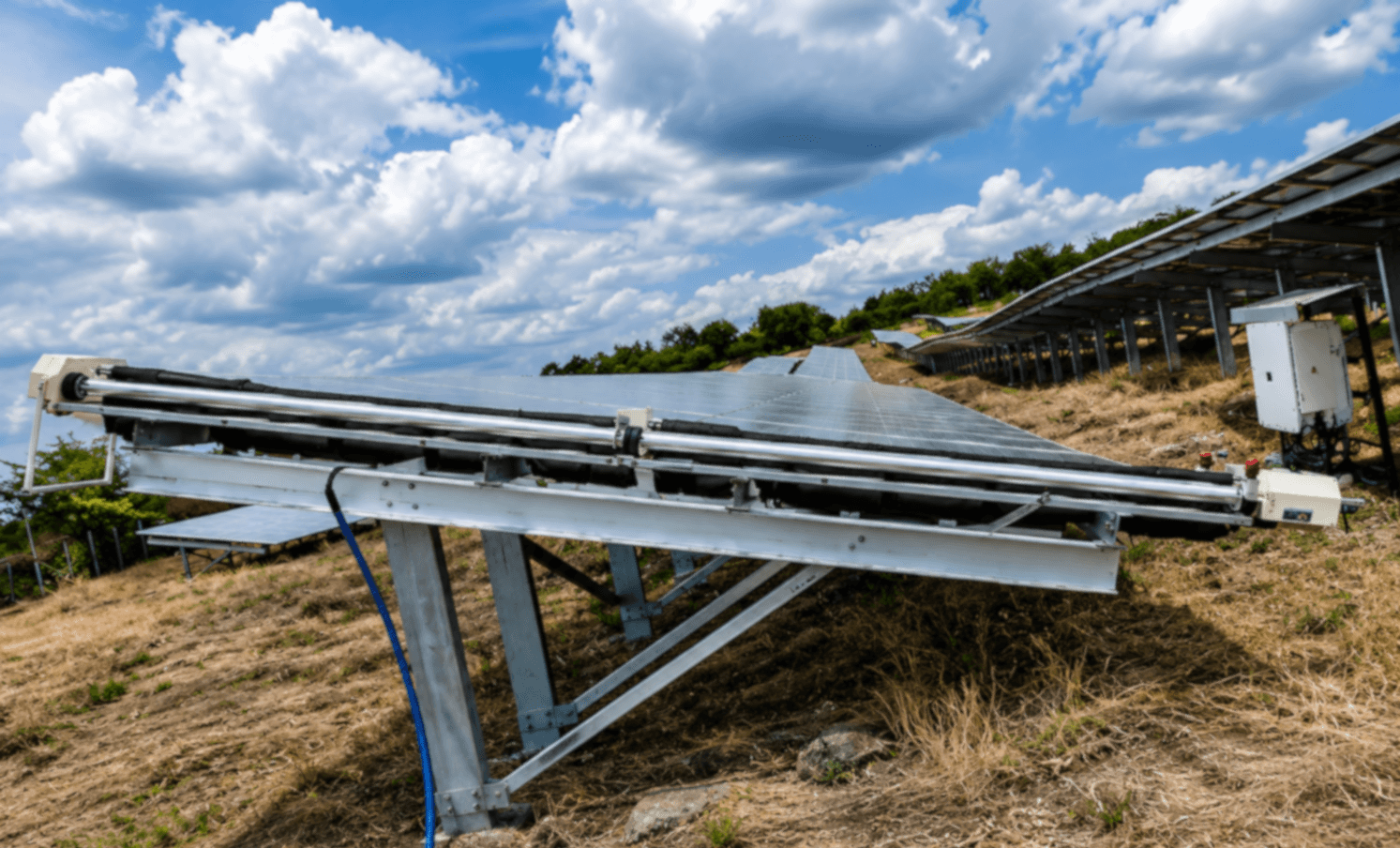
To solve these problems, the plant moved to a Capex-driven maintenance model. They deployed the NYUMA solar panel cleaning robot in India. This semi-automatic system replaced heavy reliance on manual labor. It provided a controlled and data-backed cleaning cadence. This shift resulted in the recovery of 37.5 MWh of additional generation every year. It also eliminated the need for 140,000 litres of water annually. This project shows how targeted robotic investment resolves complex logistics. It also proves how automation improves energy yield in high-soiling environments.
Environment and soiling at Maharashtra
Environment and soiling at Maharashtra
The 37.5 MW site faces unique challenges. These challenges are common to many utility projects in Maharashtra. The regional environment causes heavy accumulation of agricultural dust. Fine road grit is also a constant problem. These particles settle unevenly across the module rows. Local humidity cycles make this problem worse. Moisture turns fine dust into a stubborn, sticky film on the panels.
This uneven string-level soiling causes significant energy losses. Disparate cleanliness levels across the array lead to string mismatch. This mismatch causes yield degradation over time. Simple dust might blow away with the wind. However, this regional soiling profile is different. It requires consistent and targeted removal. If ignored, the dust can form a hard crust on the module surface.
- Agricultural impact: Seasonal farming activity near the project site increases airborne debris. Organic matter also increases during harvest cycles.
- Road grit: Proximity to regional transit corridors introduces abrasive mineral dust. This dust often settles on the lower edges of the modules.
- Humidity cycles: Morning dew and high humidity act as a binding agent. This makes the dust deposits resistant to wind and light rain.
Managing these conditions requires more than manual labor. The current robotic approach addresses these issues directly. It maintains a consistent cleaning cadence across every module row. This ensures that humidity-driven soiling does not calcify on the panel surface.
O&M before Taypro
Operational Friction and Audit Gaps in Pre-Robotic O&M
Before the robotic solution, maintenance at this 37.5 MW facility was inefficient. The primary pain point was a total dependency on water tankers. Securing and transporting water for cleaning created a constant bottleneck. This logistical burden diverted resources away from core maintenance tasks. It made the entire operation feel reactive and unorganized.
Labour management also suffered from severe scheduling conflicts. Night cleaning crews often worked at the same time as other teams. These windows frequently overlapped with vegetation management and civil engineering work. This competition for site access meant that cleaning was often delayed. Inconsistent cleaning led to major performance dips during peak soiling periods. The plant could not maintain steady energy output.
Beyond logistics, the O&M team lacked granular transparency. Supervisors had no reliable way to audit cleaning results. They could not prove which specific strings were cleaned during a cycle. Without this verification, the team could not link cleaning to generation gains. This left the O&M strategy without any real data. The plant was essentially operating in the dark.
Fleet and deployment at 37.5 MW
Fleet Deployment and Modernizing Maintenance at 37.5 MW
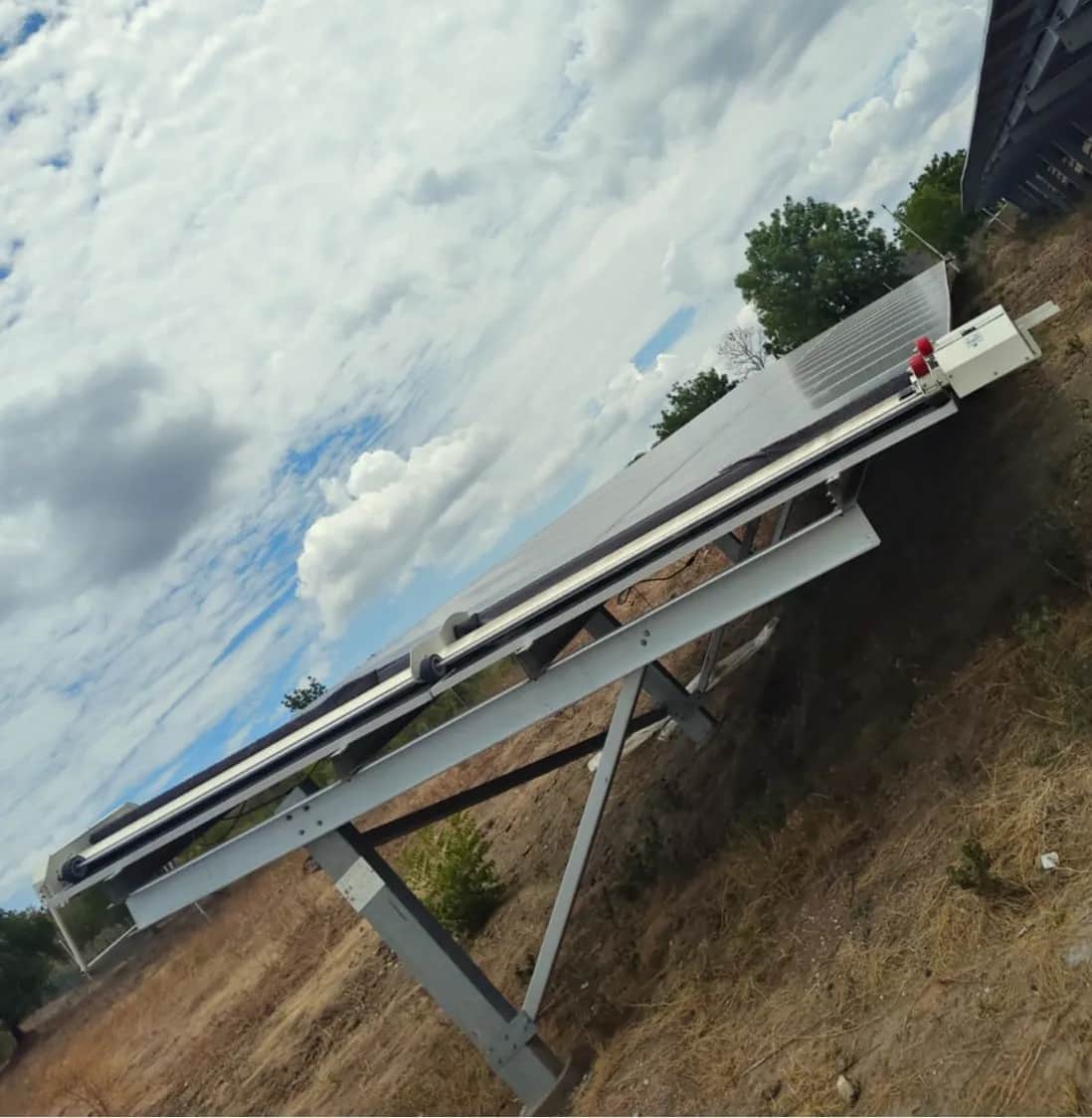
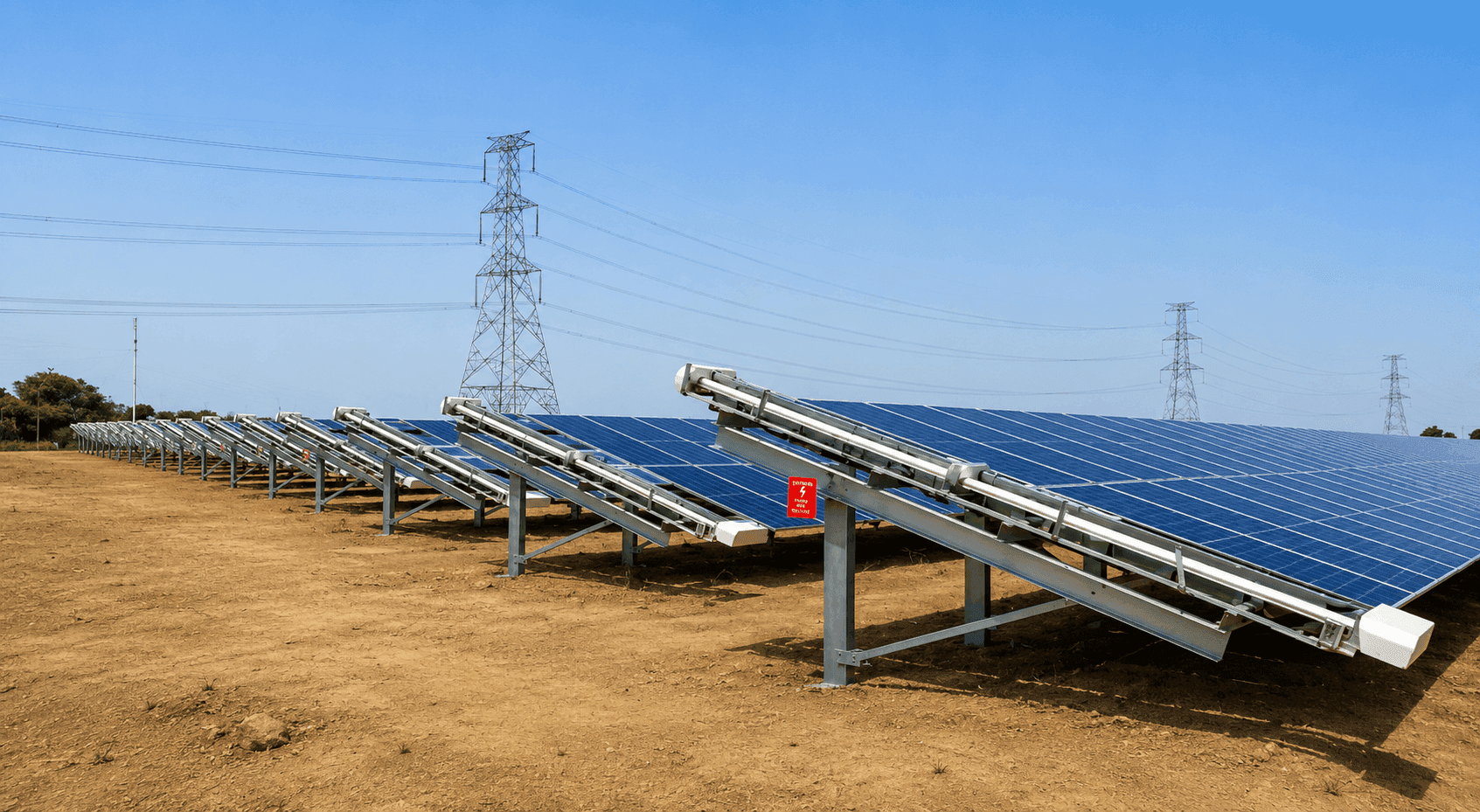
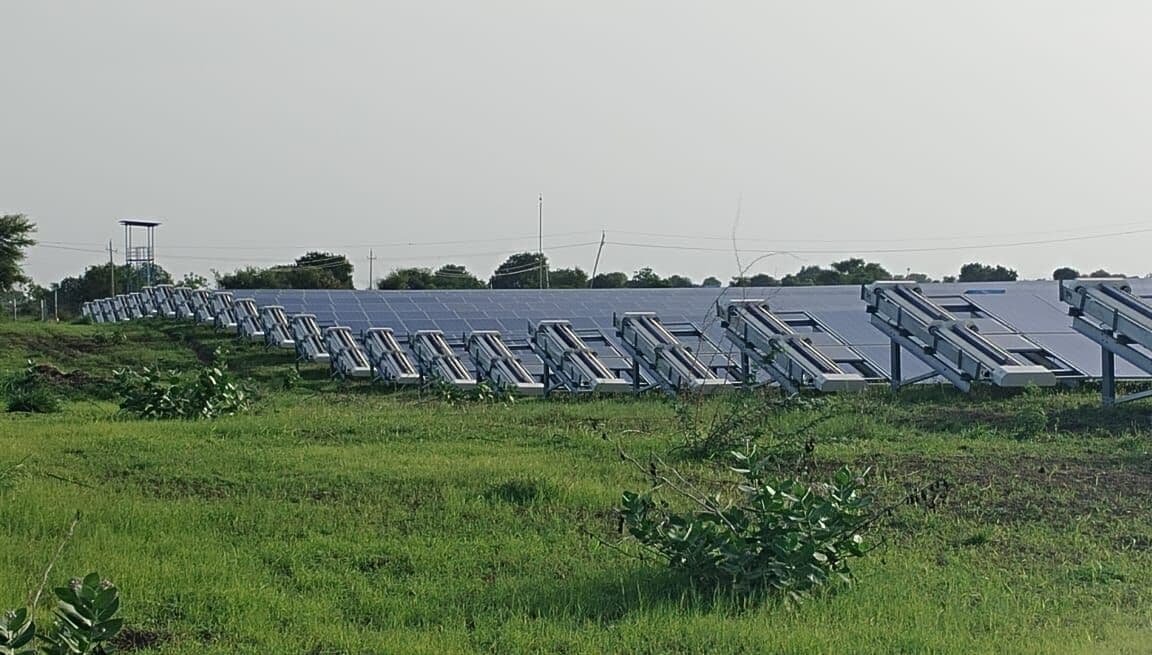
To modernize the 37.5 MW ground-mount array, management changed their strategy. They transitioned from manual labor to a Capex procurement model. They chose the NYUMA robotic system to handle the workload. This strategic shift replaced fragmented water logistics with a centralized robotic infrastructure. By investing in the NYUMA fleet, the project secured a permanent asset. This asset delivers consistent dry cleaning cycles. It works regardless of seasonal water scarcity or vegetation management schedules.
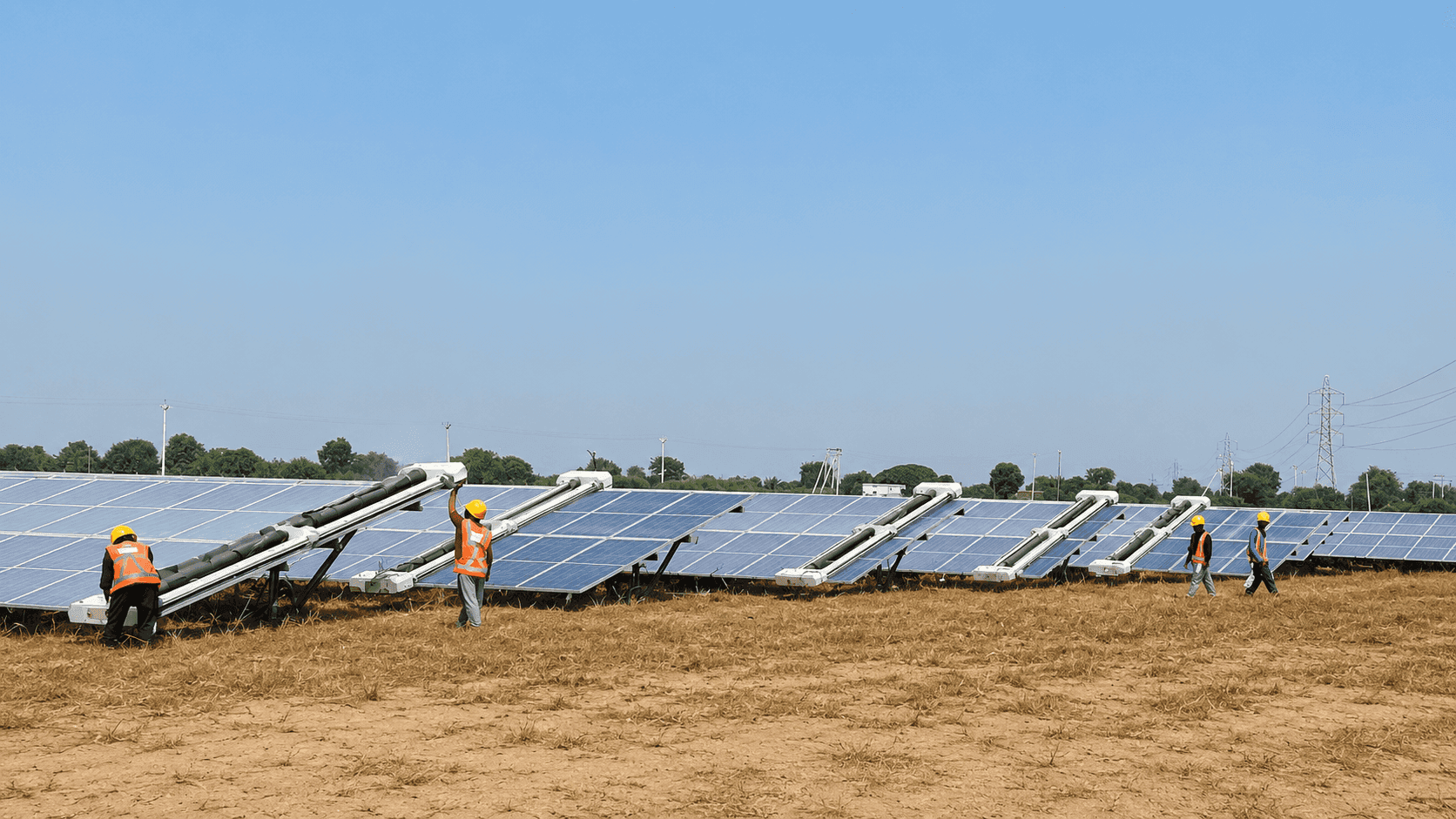
The fleet deployment uses a semi-automatic cleaning mode. It utilizes a single-handle robot system to fight uneven soiling patterns. This configuration allows for structured and verifiable maintenance logs. Because the system is now part of the site assets, the facility has more control. It has effectively eliminated conflicts between cleaning teams and civil maintenance teams. The robots can be deployed without disrupting other site works.
The impact of this deployment is clear in two main areas. First, it facilitates a massive reduction in water consumption. The site saves approximately 140,000 litres of water every year. This removes water-based logistics from the O&M equation entirely. Second, the automated cycles recover additional generation. This directly addresses the losses caused by agricultural dust and road grit. The system provides the necessary proof of string-level coverage. This was a critical capability that was missing in the old manual setup. Management can now align cleaning schedules with real generation data.
Operations and monitoring
Operations and Monitoring: Scaling Maintenance at 37.5 MW
Managing the 37.5 MW Maharashtra site requires strict coordination. Cleaning schedules must align with existing O&M workflows. The old manual method caused many conflicts with vegetation management. By implementing the NYUMA system, the team moved to a data-driven schedule. This setup removes all uncertainty regarding which strings were serviced. Every cleaning action is now recorded and verified.
The site follows a structured cleaning cadence. They perform 3 to 10 dry cleaning cycles per month. This schedule is meticulously planned to match local dust rates. It also accounts for site access requirements. These cycles are monitored through the NECTYR platform. This ensures every deployment is verified by location and block. This inspection-led accountability is vital for site supervisors. It ensures cleaning operations do not overlap with scheduled civil works.
- Accountability: NECTYR logs confirm coverage for every block. This removes the need for manual site checks.
- Conflict Resolution: Cleaning windows are coordinated with vegetation management. This prevents operational bottlenecks on site.
- Dry Cleaning Efficiency: Removing water logistics ensures consistent results. The robots manage dust even when water is unavailable.
Results and impact
Results and Impact: Optimising 37.5 MW Operations
The transition to the NYUMA system has fundamentally changed the site. The Maharashtra facility has moved from reactive to precise maintenance. The project achieved a significant reduction in annual water consumption. By eliminating water transport, the site became much more efficient. This shift also resolves the conflict between cleaning and civil O&M schedules. The site can now run multiple operations without interference.
The robotic deployment provides granular visibility. This is a major improvement over the previous manual methodology. Plant supervisors now have confirmed, block-level documentation. They can see exactly which strings were covered during each cycle. This accountability ensures that maintenance is consistent. It helps manage the challenges of uneven soiling from road grit and dust. The system maintains module transparency more effectively than manual crews.
The automated system directly translates into recovered energy. By aligning fleet activity with soiling patterns, the project stays efficient. This establishes a sustainable benchmark for utility-scale solar in the region. The facility is now a model for smart, waterless O&M. The project proves that robotic investment pays off in both water and power.
Peer comparison and planning checklist
Peer Comparison and Operational Planning
The 37.5 MW Maharashtra project shows a major shift from manual methods. It is different from the 10 MW Ahmadnagar-Jalalpur plant. That site uses semi-automatic assets to manage localized soiling. This larger site uses a higher-capacity deployment to handle heavy dust and humidity. Similarly, the 14 MW Yavatmal-Kupti facility uses a distributed fleet for scattered rows. This 37.5 MW deployment focuses on high-frequency, automated coverage instead.
Moving to robots also avoids common scheduling problems. Many local projects, like the Soyegaon solar project, face these issues. At Soyegaon, vegetation maintenance often competed with cleaning windows. This 37.5 MW site avoids those conflicts entirely. The automated system provides a predictable and reliable maintenance path.
- Conduct a pre-deployment site audit. Map your string-level soiling patterns against civil infrastructure.
- Integrate NECTYR fleet monitoring. Use it to replace manual verification of cleaned strings.
- Coordinate robotic cleaning windows. Align them with existing vegetation and civil O&M schedules.
- Establish regular dry cleaning cycles. This helps mitigate the impact of local agricultural dust.
- Monitor fleet performance. Use data to optimize generation recovery against regional benchmarks.