Executive summary
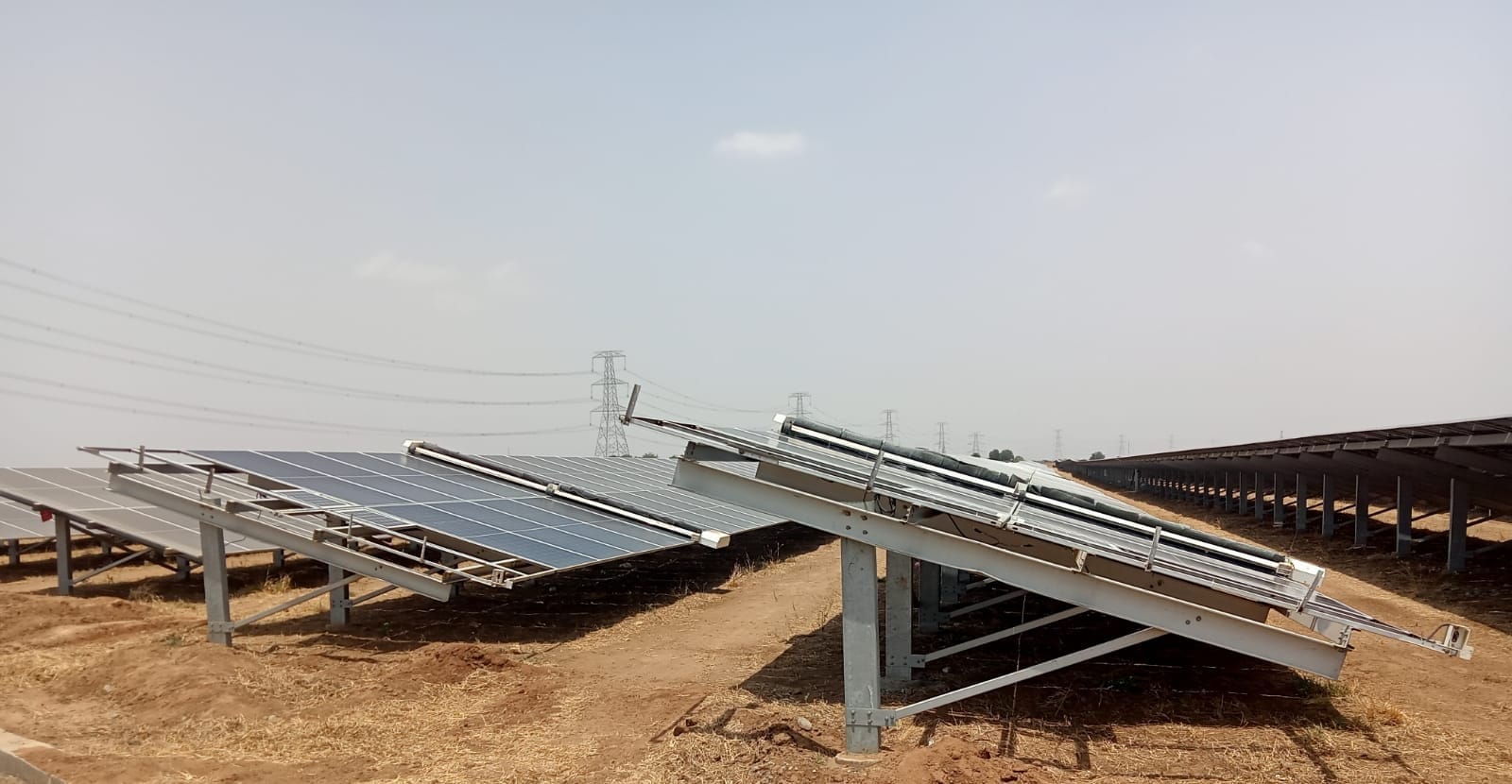
robotic solar panel cleaning Maharashtra, The 187.5 MW Muddapur solar facility is located in Maharashtra. This ground-mount plant faced many operational hurdles. These issues were caused by the local environment. Agricultural dust and road grit were constant problems. High humidity cycles also affected the site. These factors created a thick layer of grime on the panels. This grime caused uneven soiling across different solar strings.
This uneven soiling led to inconsistent energy production. It also made maintenance very difficult. Supervisors struggled to track cleaning progress. They could not verify which strings were actually cleaned. Additionally, the site relied on manual cleaning crews. This created logistical bottlenecks. Water supply needs often clashed with other maintenance tasks. Scheduling night shifts was also a major challenge.
To solve these issues, the project chose a Capex procurement model. They deployed Taypro’s NYUMA technology in a semi-automatic mode. This system uses NECTYR-logged operations for better oversight. Site managers now have clear proof of cleaning performance. Every block is now easily verifiable. This shift away from water-heavy methods has brought great results. The plant recovered 187.5 MWh of energy every year. It also saved 700,000 litres of water annually. This makes the plant more sustainable and efficient.
Environment and soiling at Muddapur
Managing uneven soiling and water-logistics at the 187.5 MW Muddapur site
The Muddapur solar facility faces unique environmental challenges. These issues are common in the agricultural regions of Maharashtra. The site deals with more than just simple dust. It faces a complex mix of airborne particles. Local road grit also contributes to the problem. These materials are moved around by the wind. High humidity cycles then play a critical role. Humidity helps these particles stick to the solar modules.
This process creates a very stubborn layer of grime. The dirt does not settle in a uniform way. Instead, it forms uneven soiling patterns across the array. This creates issues at the individual string level. Some strings become much dirtier than others. This happens because of local wind patterns and road traffic. Standard manual cleaning cannot handle this variability. A basic schedule might clean some blocks too often. Other blocks might be left dirty for too long.
The O&M team dealt with three main constraints. First, the soiling was too inconsistent for manual labor. Second, water logistics were a major burden. Moving water around the site competed with other tasks. These tasks included vegetation control and civil works. Third, there was a total lack of granular data. Supervisors could not see which specific strings were cleaned. They had to rely on manual reports that were often inaccurate.
Implementing robotic solar panel cleaning in Maharashtra is a smart move for sites like this. The semi-automatic NYUMA system changed the approach at Muddapur. It moved the site from reactive labor to data-backed cleaning. This method helps manage the uneven soiling effectively. It also uses the NECTYR portal to provide proof of work. The plant now has much better yield predictability. It also saves 700,000 litres of water every year. This aligns the site with modern, sustainable O&M standards.
O&M before Taypro
Managing Variable Soiling and Logistical Friction at the 187.5 MW Muddapur Site
Before using Taypro technology, the Muddapur site used manual cleaning. This method struggled to handle the local environment. Agricultural dust and road grit were constant threats. When combined with humidity, these materials formed a hard crust. This caused significant power drops across the 187.5 MW array. The ground-mount layout made manual access difficult and slow.
The O&M team faced several operational friction points. Manual cleaning requires a massive amount of water. This water must be transported across a very large site. This process often competed for budget and resources. It also competed with essential tasks like vegetation management. If the team focused on cleaning, civil maintenance might suffer. If they focused on civil works, energy yields would drop. This constant trade-off made long-term planning very hard.
Night shift scheduling also caused problems. Manual crews often worked at night to avoid heat. This created safety and HR challenges. Shifts often clashed with site downtime protocols. Managing these human resources required significant effort. Even with these efforts, the cleaning was often unverified. There was no way to prove exactly which strings were cleaned. Supervisors had to trust manual logs provided by the crews.
This lack of data was a major weakness. Some parts of the array stayed dirty for weeks. This happened even if the crews claimed they were clean. Without granular visibility, managers could not fix the problem. They could not link cleaning efforts to energy recovery. This led to wasted labor costs and low yields. The NYUMA system was brought in to end this ambiguity. It replaced manual guesswork with precise, logged cleaning cycles.
Fleet and deployment at 187.5 MW
Fleet Deployment and Procurement for the 187.5 MW Muddapur Array
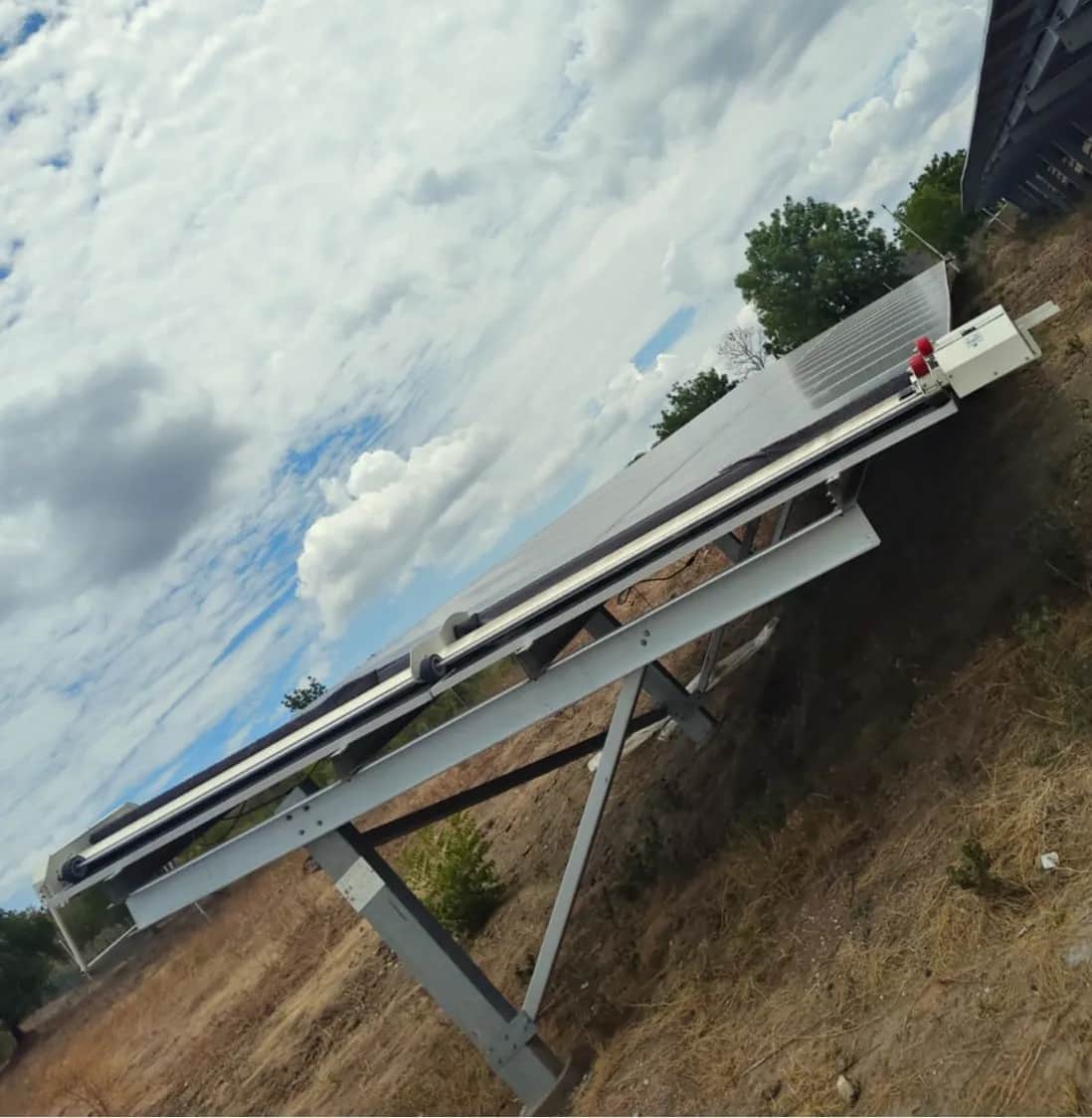
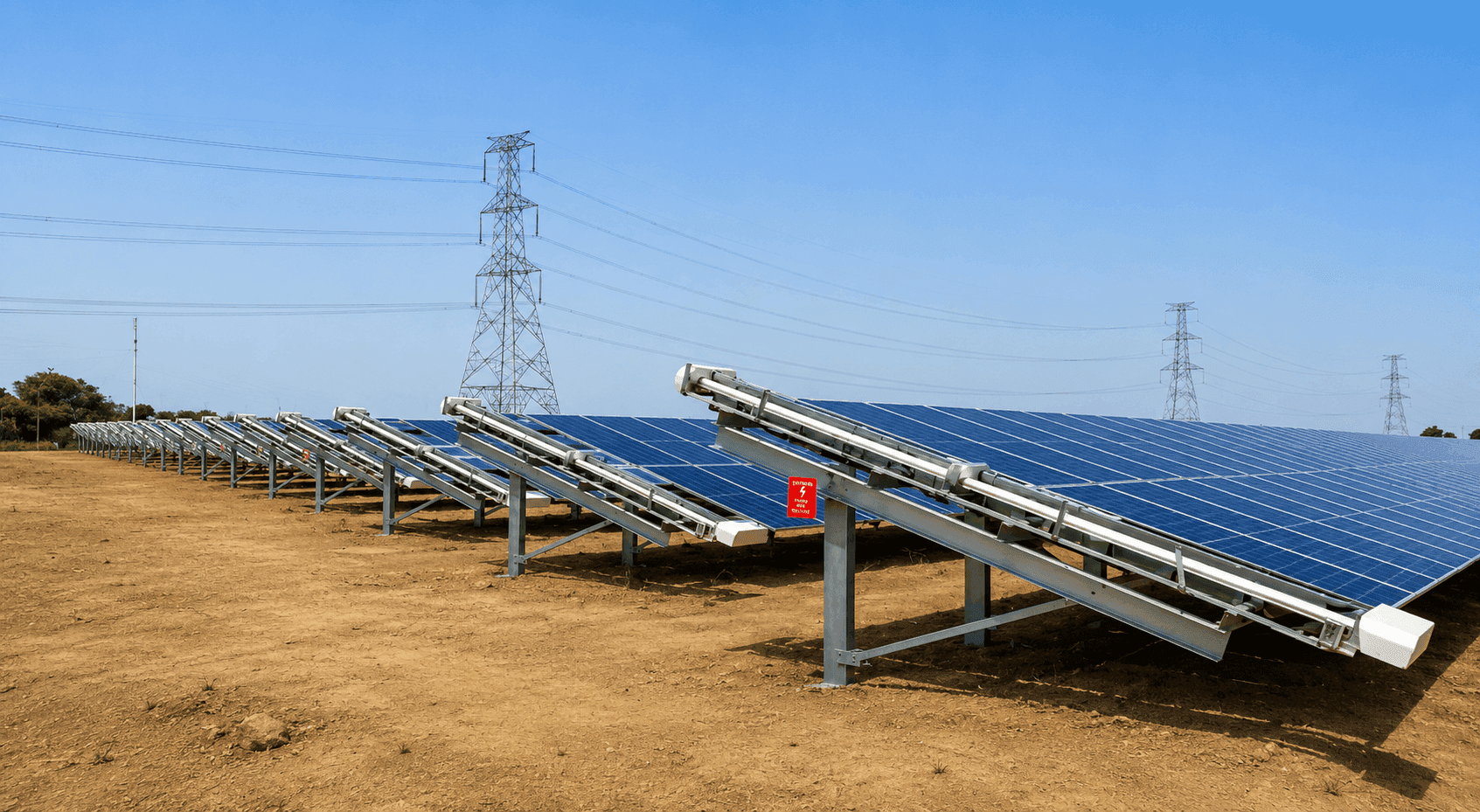
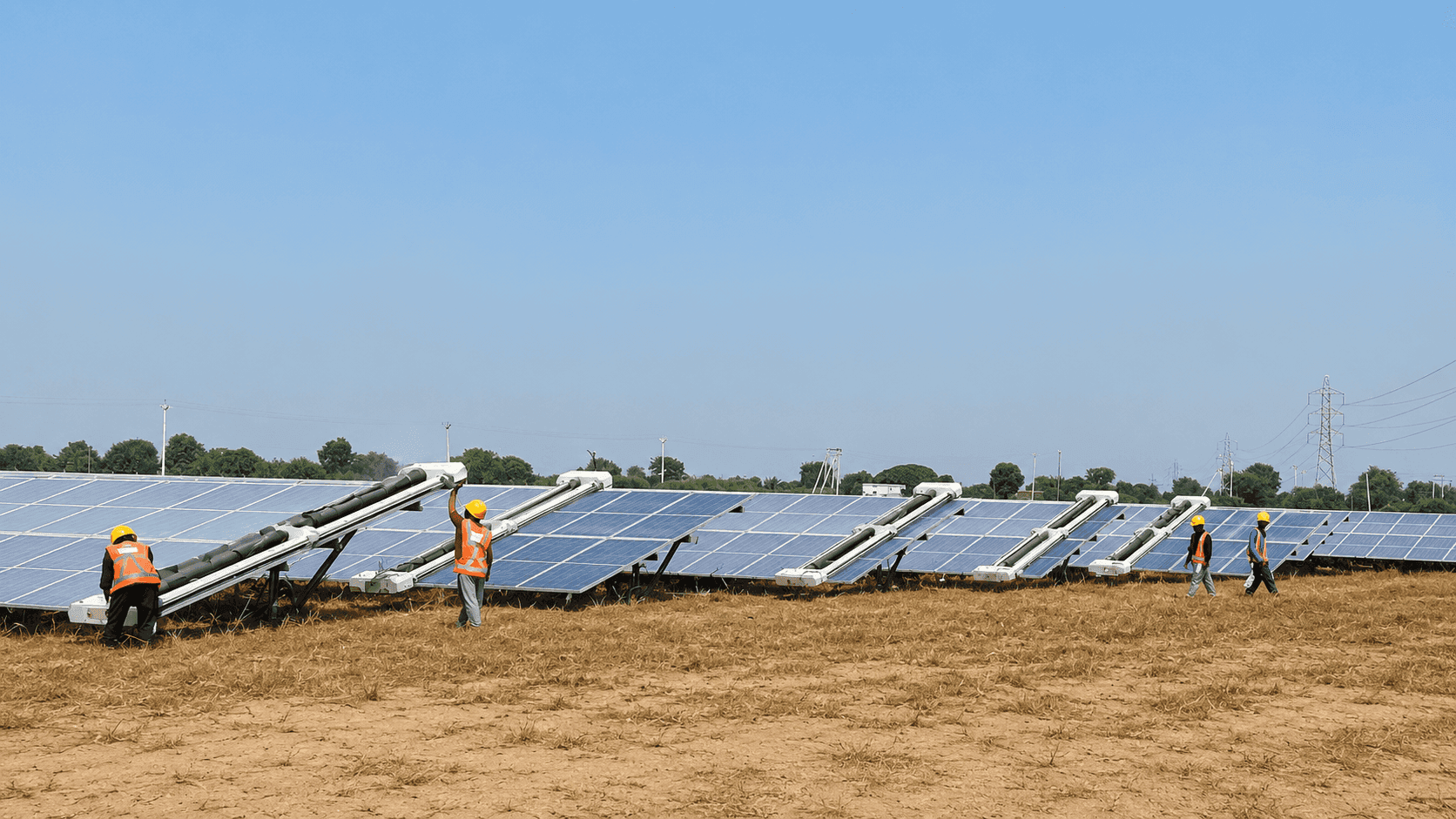
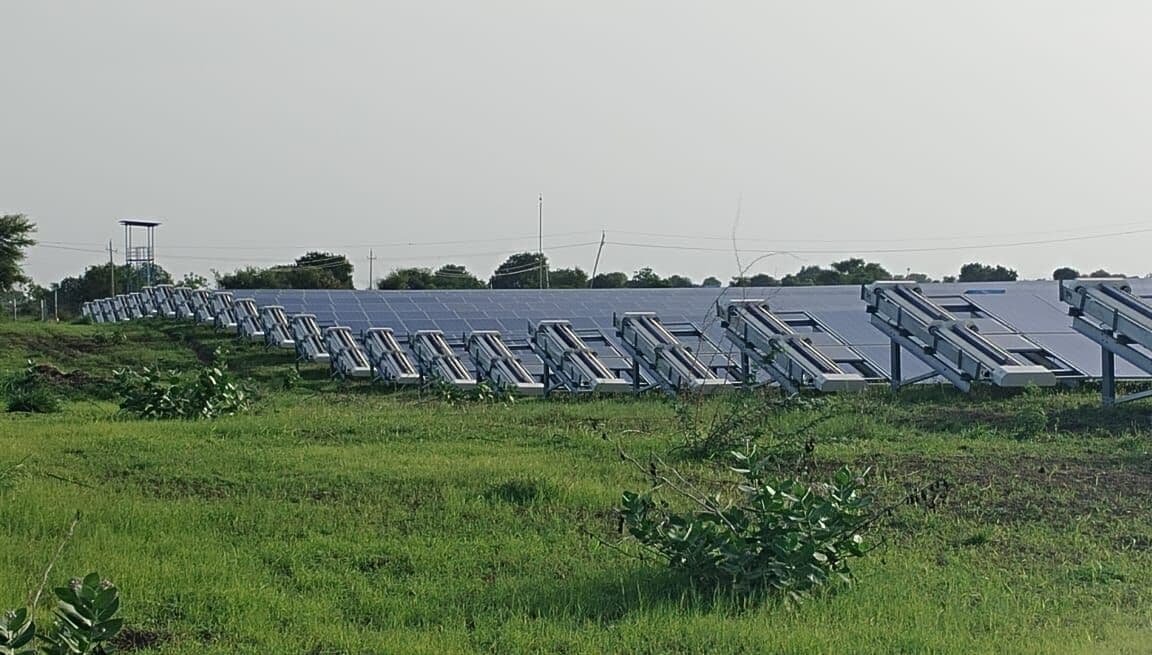
The Muddapur project used a dedicated CAPEX procurement model. This allowed the site to invest in long-term assets. They chose the NYUMA system for its reliability. The robot provides a semi-automatic, pick-and-place cleaning solution. This choice helped the site move away from manual night crews. It created a much more predictable maintenance schedule.
The deployment strategy is very systematic. It focuses on covering rows efficiently. Because the NYUMA system is semi-automatic, it is highly flexible. The cleaning schedule is optimized for the Maharashtra climate. It accounts for the specific types of agricultural dust on site. The system follows a cadence of 3 to 10 dry cycles per month. This frequency is perfect for the local soiling rates. It ensures the panels stay clean without unnecessary work.
Commissioning the NYUMA fleet required careful on-site training. Supervisors had to learn how to manage robot movement. They needed to understand how to move the robot across scattered blocks. The deployment relies heavily on data-driven oversight. The NECTYR integration is a key part of this strategy. It provides the per-block verification that the site previously lacked. This transparency is vital for large-scale utility projects.
By using this robotic framework, the site has seen huge gains. It has regained 187.5 MWh of additional generation per year. The NYUMA system helps normalize performance across the entire site. Even with variable humidity, the output remains consistent. The plant no longer suffers from the high costs of water logistics. The CAPEX investment is justified by the increased energy and saved resources. The 187.5 MW array is now a much more stable asset.
Operations and monitoring
Operations and Monitoring: Eliminating Accountability Gaps in Muddapur
The 187.5 MW Muddapur array once had a major problem. It suffered from inconsistent cleaning verification. Night crews worked without much direct oversight. This created uncertainty for the O&M leads. They did not know which strings were actually serviced. This made it hard to match cleaning with energy data. The gap in accountability hurt the plant's overall performance.
The NECTYR platform has filled this gap. It acts as the digital link for site accountability. NECTYR provides a logged record of every cleaning pass. This ensures the semi-automatic operations match the plan. Supervisors now have real-time proof of work. They can verify exactly which blocks have been cleaned. Cleaning is no longer a "black box" task. It is now a reliable, data-backed operational pillar.
The current operations at Muddapur follow a strict protocol. This protocol focuses on four main areas:
- Cleaning Cadence: The site performs 3 to 10 dry cycles per month. This is calibrated to the dust and grit levels in Maharashtra. This keeps the array at peak performance.
- NECTYR Accountability: Every cycle is logged automatically. This removes the need for manual paper logs. It gives managers a precise audit trail.
- Weather and Wind Holds: Safety is a top priority. Mandatory wind holds are used during extreme weather. This protects both the robots and the solar modules.
- Operational Logistics: The process is now fully digitized. This separates cleaning from other site tasks. It reduces conflicts with vegetation and civil crews.
Results and impact
Driving Operational Excellence at Muddapur Through Robotic Cleaning
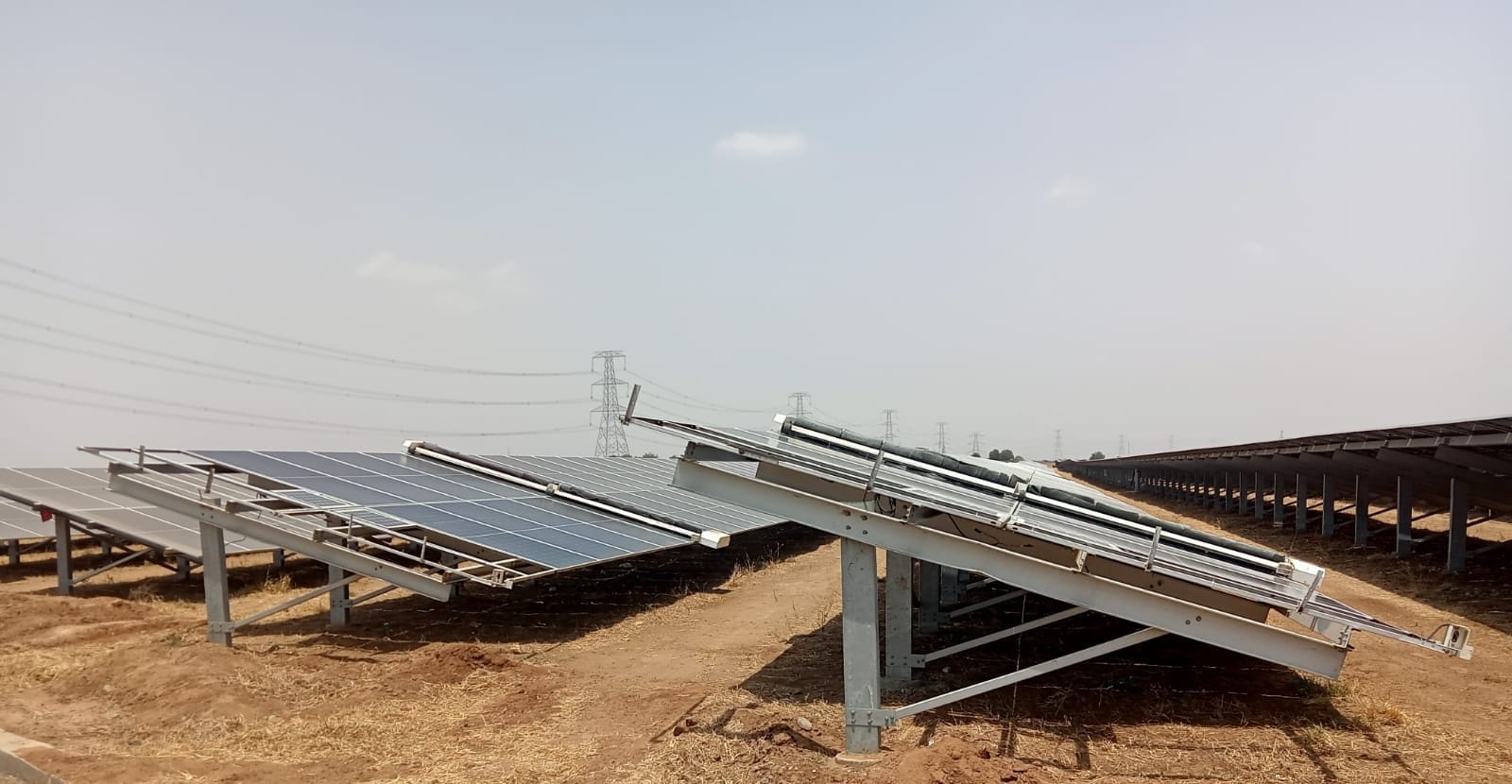
The NYUMA robotic system has changed the Muddapur plant. It has fundamentally shifted how the site recovers energy. The plant moved from manual cleaning to consistent waterless cycles. This has led to a major recovery in clean generation. The 187.5 MW array now performs much better. The robots reliably remove agricultural dust and road grit. This prevents the energy drops that used to happen regularly.
The impact goes beyond just power generation. The project is a model for sustainable management in Maharashtra. The switch to waterless cleaning is a big environmental win. It preserves local water resources. These resources were previously wasted on manual washing. The site no longer needs to transport massive amounts of water. This removes a huge logistical burden from the O&M team. The plant is now leaner and more environmentally friendly.
Labor and oversight challenges have also been resolved. The NECTYR platform provides block-level verification. O&M managers now have a clear audit trail. They can see exactly what was done and when. This transparency allows for much better planning. The team can align cleaning with specific soiling patterns. This ensures the fleet is always used at the right time. The plant is now optimized for the local dust and humidity.
Finally, the plant has improved its overall efficiency. Automating the cleaning process has reduced scheduling conflicts. Civil and maintenance crews can now focus on their core jobs. They no longer have to work around water trucks or cleaning crews. The Muddapur plant is a highly optimized, data-driven facility. It proves that robotic cleaning is a vital tool for modern solar O&M.
Peer comparison and planning checklist
Peer Comparison and Operational Planning for Robotic Solar Cleaning
The 187.5 MW Muddapur site shows a growing trend. More sites in Maharashtra are moving toward waterless robotics. Different plants use different strategies depending on their size. For example, the Soyegaon solar project uses a fully automatic fleet. This is ideal for very large, expansive arrays. Other sites, like the Ahmadnagar-Jalalpur 10 MW plant, use targeted deployments. They solve specific, localized soiling issues.
Muddapur uses a strategic middle-ground approach. It uses a semi-automatic NYUMA system. This is perfect for managing complex agricultural and humidity-driven soiling. Unlike massive multi-hundred-megawatt sites, Muddapur needs flexibility. The semi-automatic model allows for a more adaptable O&M schedule. Even though it is smaller than some plants, its goals are the same. The main driver is the need for verifiable cleaning coverage. This ensures all Maharashtra operators can move toward high-yield strategies.
Use this checklist to prepare your site for robotic cleaning:
- Audit your string-level soiling patterns. Determine if dust, grit, or humidity is the main cause of loss.
- Review your current O&M logistics. Find where water and night-crew scheduling cause the most downtime.
- Calculate your annual water consumption. Use this to estimate the cost savings of a waterless fleet.
- Check your site topography and row lengths. Match your array type to the right robot, like NYUMA or GLYDE.
- Plan for NECTYR fleet monitoring. This gives you real-time visibility into cleaning and performance.
- Choose between CAPEX and OPEX models. Align this choice with your long-term maintenance budget.