Executive summary
The 75 MW Panshina solar project in Gujarat faces a difficult environment. The site deals with heavy, uneven soiling. This dust comes from two main sources. First, local haul roads and nearby quarries create thick cement dust. Second, coastal winds bring fine film deposits. These deposits bond to the solar glass. This makes cleaning difficult and reduces energy output. Traditional cleaning methods failed here. The region lacks enough groundwater for wet washing. Relying on water tankers is also too expensive and unreliable. This made it hard to keep the panels clean during peak dust months.
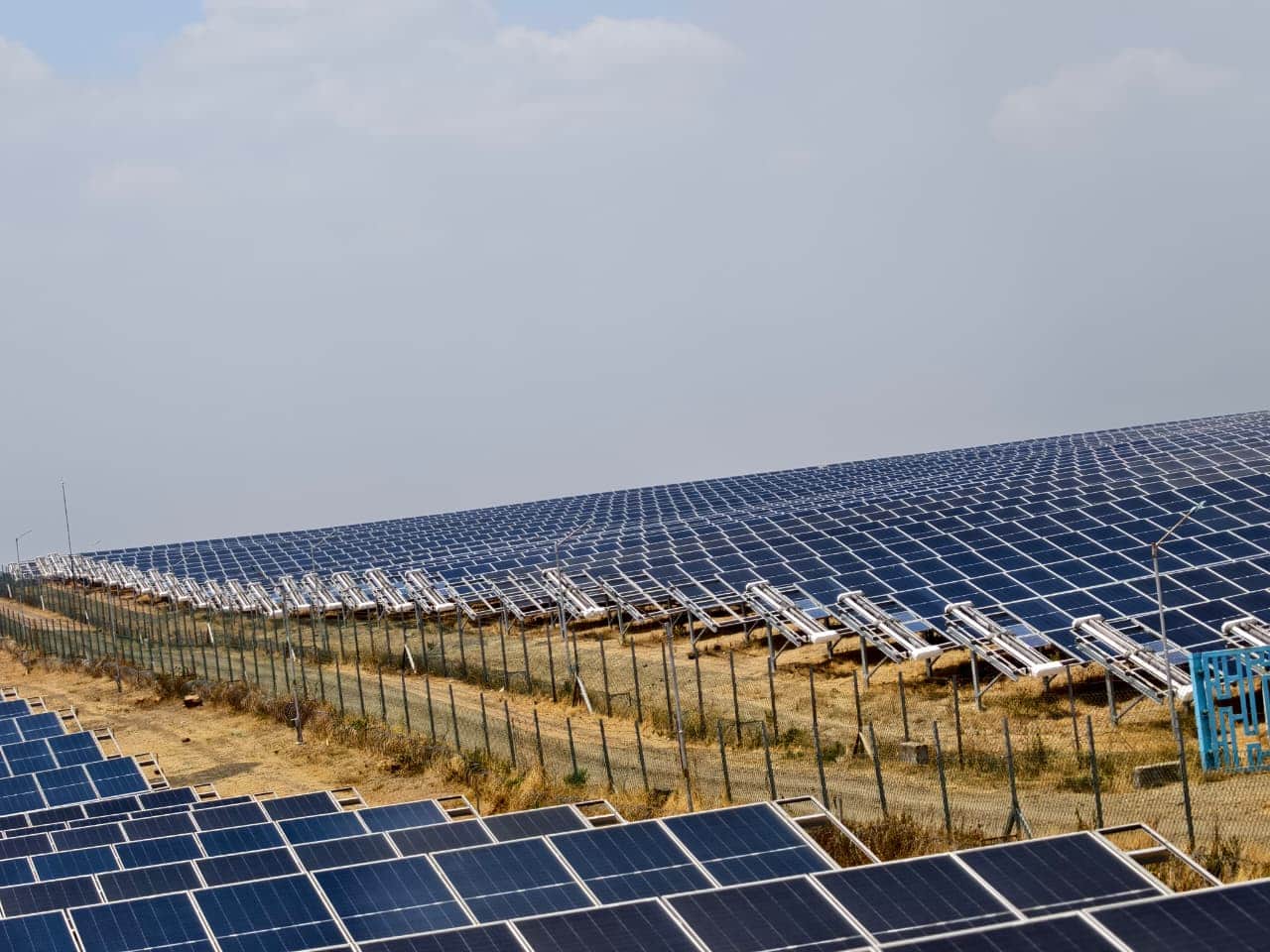
Taypro solved these problems with a smart, mixed robotic fleet. We deployed 94 robots to handle the 75 MW site. This includes 91 GLYDE units for the main rows. These GLYDE robots perform daily waterless cleaning. We also included 3 HELYX robots for scattered, distributed zones. These units follow a schedule of 3 to 10 cycles per month. This strategy ensures the entire plant stays clean. The result is massive efficiency. The site now saves 10.5 million litres of water every year. It also recovers 2.81 GWh of additional energy annually. Using the NECTYR portal, managers now have full data. They can show clear cleaning logs to finance teams. This removes any doubt about performance ratio (PR) changes.
Environment and soiling at Panshina Gujarat
Managing Variable Soiling in Panshina: Cementitious and Coastal Deposits
The 75 MW Panshina array operates in a very complex environment. Standard cleaning protocols do not work here. The site faces a "dual-threat" from two different types of dust. The first threat is cementitious dust. This dust comes from local haul roads and nearby quarrying activities. It is heavy, abrasive, and very thick. If it sits on the panels, it can form a hard crust. This crust is difficult to remove and can permanently damage light absorption. The second threat is coastal film dust. This is a fine layer brought in by regional winds. Under the intense Gujarat sun, this film bonds to the module surface. It hardens quickly and creates a stubborn layer of grime.
This mix of dust creates uneven performance across the solar farm. Not all rows get dirty at the same rate. Strings located near the haul roads suffer the most. They experience much faster degradation than rows in the center of the plant. This requires a very targeted cleaning strategy. You cannot treat the whole plant with a single, simple method. The cement dust requires active mechanical cleaning to stop it from bonding. If left alone, these particles create significant shading losses. This shading lowers the voltage and reduces the total power output of the strings.
Before Taypro, the O&M team struggled to manage these conditions. They relied on traditional wet washing. However, the local area suffers from severe water scarcity. Finding enough groundwater for large-scale washing is nearly impossible. Using water tankers is another problem. The logistics of moving tankers across the site are slow and costly. During peak dust months, the cleaning could not keep up with the dust. This led to unpredictable energy drops. These drops made it hard for the owners to plan their finances or predict revenue. The Panshina site needed a waterless, automated solution to stay productive.
O&M before Taypro
Operational Hurdles and Audit Gaps in the 75 MW Panshina Array
Before they switched to Taypro robots, the 75 MW Panshina plant relied on manual labor. This method had many flaws. The site deals with both cement dust and coastal film. These two types of soiling require frequent cleaning to keep the plant efficient. However, manual wet washing created massive operational bottlenecks. The primary issue was water availability. Local groundwater is scarce in this part of Gujarat. This meant the team could not perform regular washes. They had to rely on water tankers. Managing a fleet of tankers is a logistical nightmare. It is expensive, slow, and often fails during the hottest, dustiest months.
These resource limits caused a major problem for plant management. The team could not follow a consistent cleaning schedule. Because the cleaning was irregular, the energy output became very volatile. This volatility created a massive headache for the financial side of the business. Large IPP portfolios need to explain why their Performance Ratio (PR) changes from month to month. Without a strict cleaning log, the O&M team could not provide proof. They could not show whether a drop in power was due to dust or a technical fault. This created a significant audit gap. It made it almost impossible to reconcile energy losses with actual site activities.
The manual approach also left the most vulnerable parts of the plant at risk. The rows near the quarries and haul roads were hit hardest. These areas needed more cleaning, but the manual crew could not scale up fast enough. As a result, these specific strings suffered from severe shading. This led to continuous energy underperformance across the 75 MW portfolio. The plant needed a way to bridge the gap between site operations and project finance. They needed a system that was both waterless and fully documented. Transitioning to an autonomous robotic solution was the only way to stabilize the plant's generation and its financial reporting.
Fleet and deployment at 75 MW
Fleet and Deployment Strategy at the 75 MW Panshina Asset
To fight the specific dust at Panshina, Taypro implemented a customized robotic fleet. This was a Capex-based deployment. We chose a mixed-fleet approach to ensure every part of the site was covered. Different parts of the plant have different cleaning needs. By using different robot models, we removed the need for manual labor and heavy water use. This strategy ensures that the plant stays clean even during the worst dust seasons. The deployment focuses on high-precision setup to match the exact layout of the solar array.
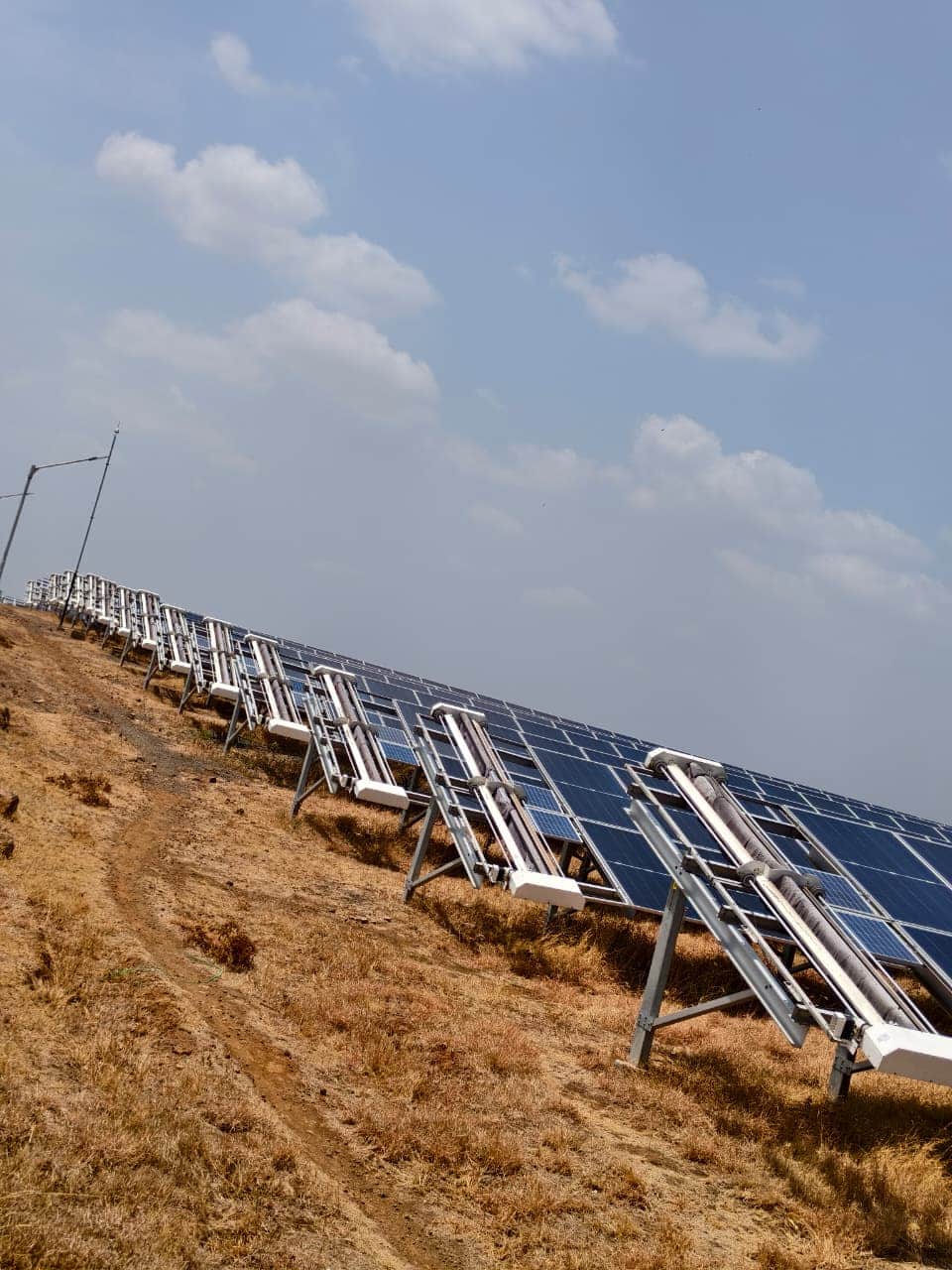
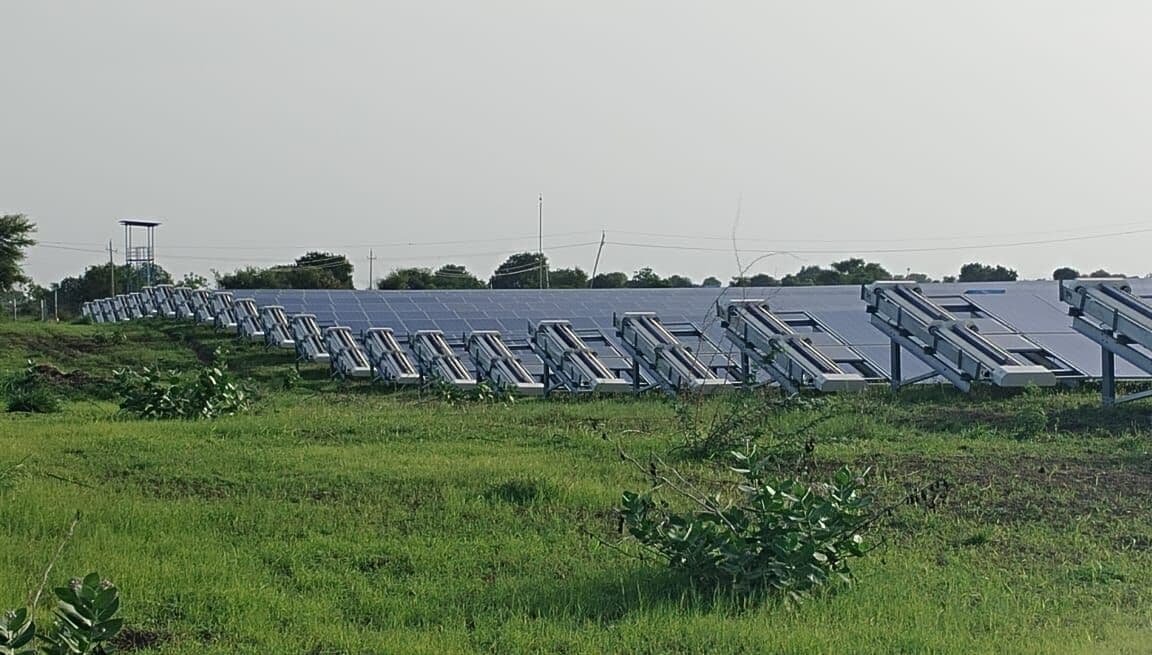
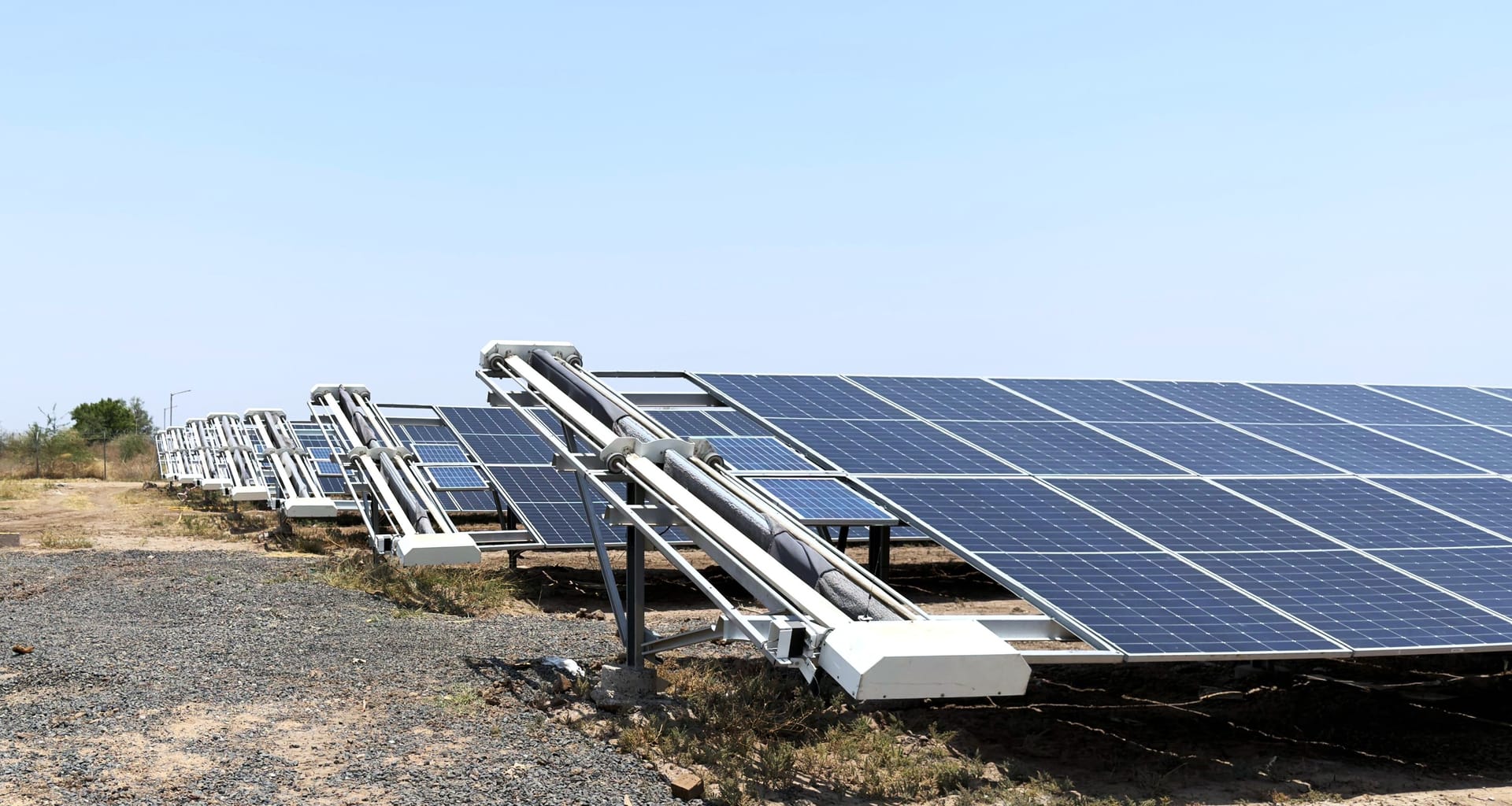
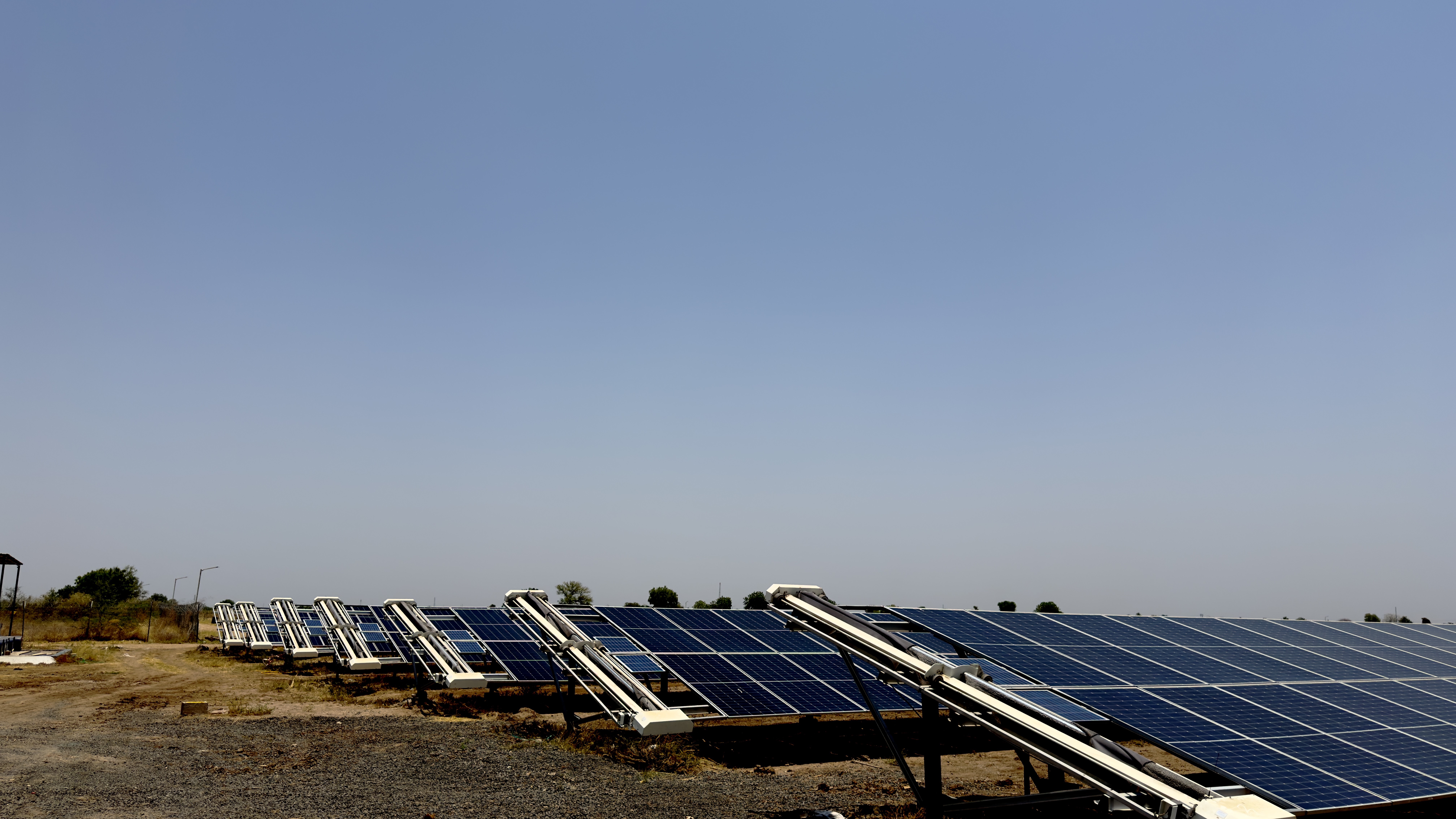
- 91 GLYDE Robots: These units handle the main rows of the plant. They provide daily waterless cleaning cycles. The GLYDE uses patented dual-pass microfiber technology. This is critical for removing the heavy cement dust before it hardens. This daily cadence ensures that the primary rows maintain maximum transparency.
- 3 HELYX Robots: These units are for the scattered and distributed plant blocks. They are semi-automatic pick-and-place robots. They manage uneven soiling by following a 3 to 10 cycle per month schedule. This covers the areas that are harder to reach with the main fleet.
- NECTYR Fleet Portal: This is the "brain" of the operation. It provides granular logs for every single cleaning cycle. This allows the O&M team to match daily PR trends with specific dust events. It provides the proof needed to justify performance to project finance teams.
The combination of these technologies is very effective. The GLYDE units manage the bulk of the work with high speed and autonomy. Their dual-pass method is perfect for the abrasive nature of the local dust. Meanwhile, the HELYX units provide the flexibility needed for non-standard strings. This mix allows the 75 MW Panshina project to achieve steady, predictable cleaning. It replaces the old, unpredictable manual washing with a data-backed model. This ensures the plant's Performance Ratio remains stable. The site can now recover significant energy while saving millions of litres of water every year. This is a highly efficient way to manage a large-scale utility asset in a high-soiling region.
Operations and monitoring
Operations and Monitoring at Panshina Gujarat
Operating the 75 MW Panshina site requires a high level of digital control. The transition from manual washing to autonomous robots changed everything. The O&M team no longer worries about water tankers or labor shortages. Instead, they focus on managing the fleet through the NECTYR software. This software provides the transparency that IPP stakeholders demand. It logs every cleaning event with precision. This helps the team explain any fluctuations in the plant's performance ratio (PR). Without this data, explaining power changes to finance teams is nearly impossible.
- Daily Automation: The 91 GLYDE robots execute daily waterless cleaning. They target the cementitious dust immediately. This prevents the dust from bonding to the module surface under the sun.
- Targeted Maintenance: The 3 HELYX units are used for semi-automatic maintenance. They clean the scattered rows on a scheduled cadence of 3 to 10 dry cycles per month. This keeps the distributed blocks from falling behind.
- Digital Accountability: NECTYR acts as the primary accountability layer. It tracks all robot telemetry. This allows managers to correlate cleaning frequency with real-time generation data. It turns cleaning from a "guessing game" into a measurable science.
The operational logic is very smart. We use site-specific conditions to guide the robots. For example, we use wind hold protocols. If the wind gets too high, the system automatically pauses cleaning. This protects the robots and the solar modules. Unlike manual methods, this robotic approach is extremely consistent. Manual cleaning often suffers from irregular schedules and water shortages. The Taypro system ensures that the modules stay clear and transparent every single day. By replacing variable manual labor with an integrated digital system, the Panshina asset has seen a major increase in annual generation. This rigorous monitoring framework allows site managers to prove the value of their work to the owners. It shows that precision robotics is much more reliable than legacy cleaning models.
Results and impact
Results and Impact of Robotic Cleaning at Panshina
The deployment of the Taypro robotic fleet has completely changed the Panshina site. The plant has moved from an intermittent manual cleaning model to a precise, technology-driven regime. This shift has successfully stopped the energy losses caused by cement and coastal dust. Because the system is waterless, cleaning never stops. Even during the peak dust months, the robots keep working. This is a huge advantage over the old system, where water scarcity often halted all maintenance. The plant is now much more resilient to environmental changes.
The impact of this project is seen in two main areas: energy and resources. First, the site has seen a massive recovery in energy generation. By using daily automated cycles, the modules stay much cleaner. This results in a generation uplift of approximately 2.81 GWh per year. This extra energy directly improves the plant's bottom line. It also helps stabilize the Performance Ratio (PR). This makes the plant's revenue much more predictable for investors. Second, the project has protected vital local resources. By using waterless technology, the site saves about 10.5 million litres of water every year. This reduces the cost of water procurement and removes the need for expensive water tankers.
For the asset owners, the results prove that robotic O&M is the best choice. The consistent data from NECTYR creates a transparent audit trail. Stakeholders can see exactly when and where cleaning happened. This maturity in operations is essential for large-scale solar assets. The Panshina site now maintains peak generation capacity while using fewer resources. It serves as a perfect example of how automation can solve the most difficult soiling challenges. In high-dust regions, waterless robotics is the most effective strategy for long-term success.
Peer comparison and planning checklist
Peer Comparison and Operational Benchmarking
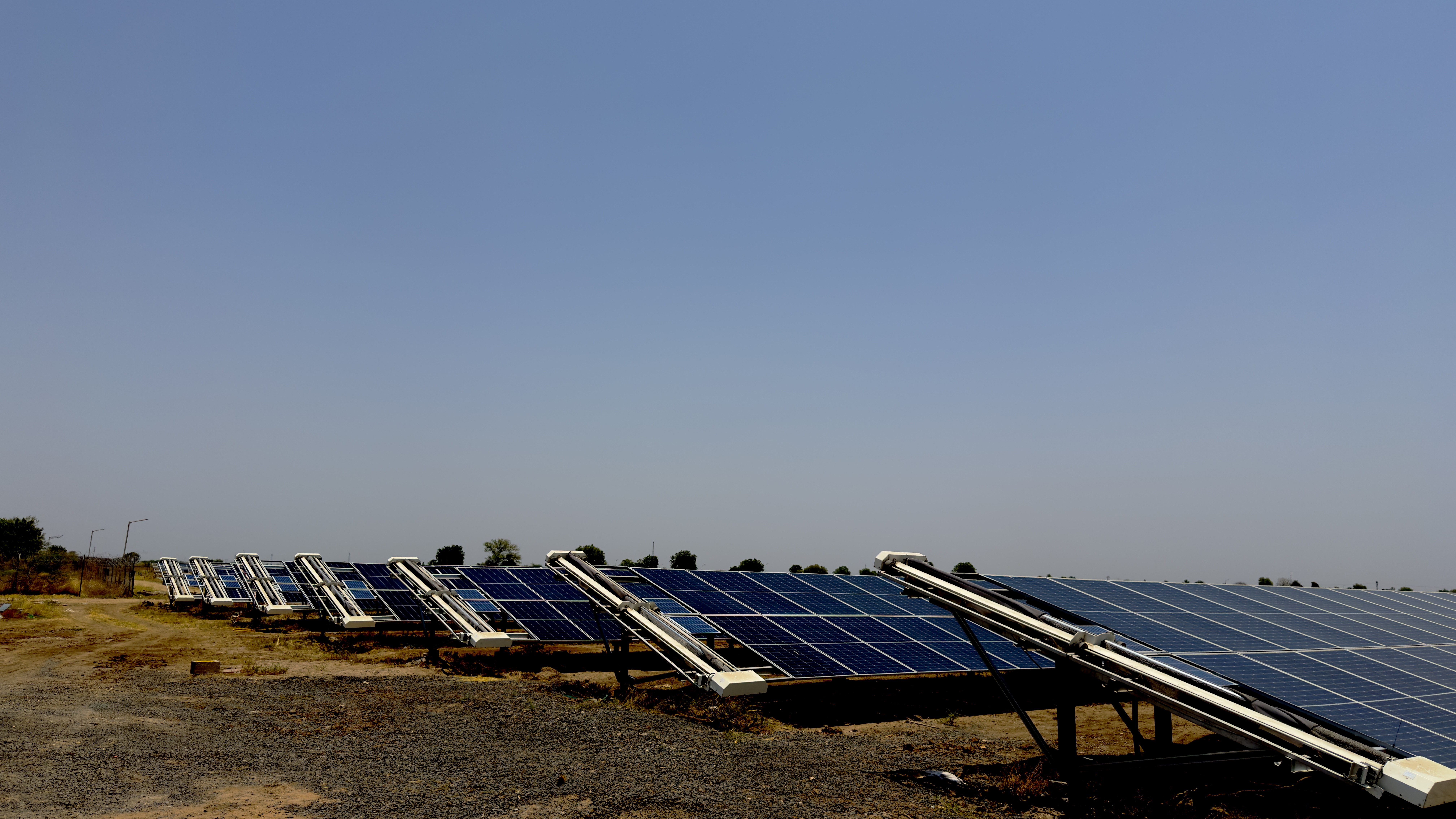
The 75 MW Panshina plant is a key player in the Gujarat solar market. It operates alongside other major projects like the 300 MW Bachau-DVC site and the 250 MW Neneva site. While those plants are much larger, they face the same dust problems. They also deal with the same inland cement dust and coastal film. Panshina shows that even mid-sized assets can achieve high-end results. By using 91 GLYDE robots, Panshina matches the performance consistency of the much larger 300 MW and 250 MW installations. It proves that the right robot density is what matters most.
Many plants still rely on manual or semi-automatic cleaning. These plants often struggle with the rapid dust buildup seen near quarries. Their energy output varies wildly because their cleaning is inconsistent. In contrast, the fully autonomous GLYDE fleet at Panshina provides daily cleaning. This prevents the PR variance that plagues other assets. By meeting the high standards of the largest Gujarat projects, Panshina proves its value. It shows that optimized robotic cleaning is the best way to stop yield loss in any utility-scale plant.
Peer Comparison and Planning Checklist
- Conduct a Soiling Audit: Identify specific zones that get more dust from roads or quarries.
- Map Your Layout: Check your row orientation and tilt angles. Use this to pick between GLYDE and GLYDE-X models.
- Set a Data Baseline: Use NECTYR fleet monitoring to track your daily cleaning performance from day one.
- Analyze Water Costs: Compare the cost of water tankers against the ROI of a waterless CAPEX robot system.
- Check Connectivity: Ensure your site has the network strength needed for automated scheduling and real-time reporting.