Executive summary
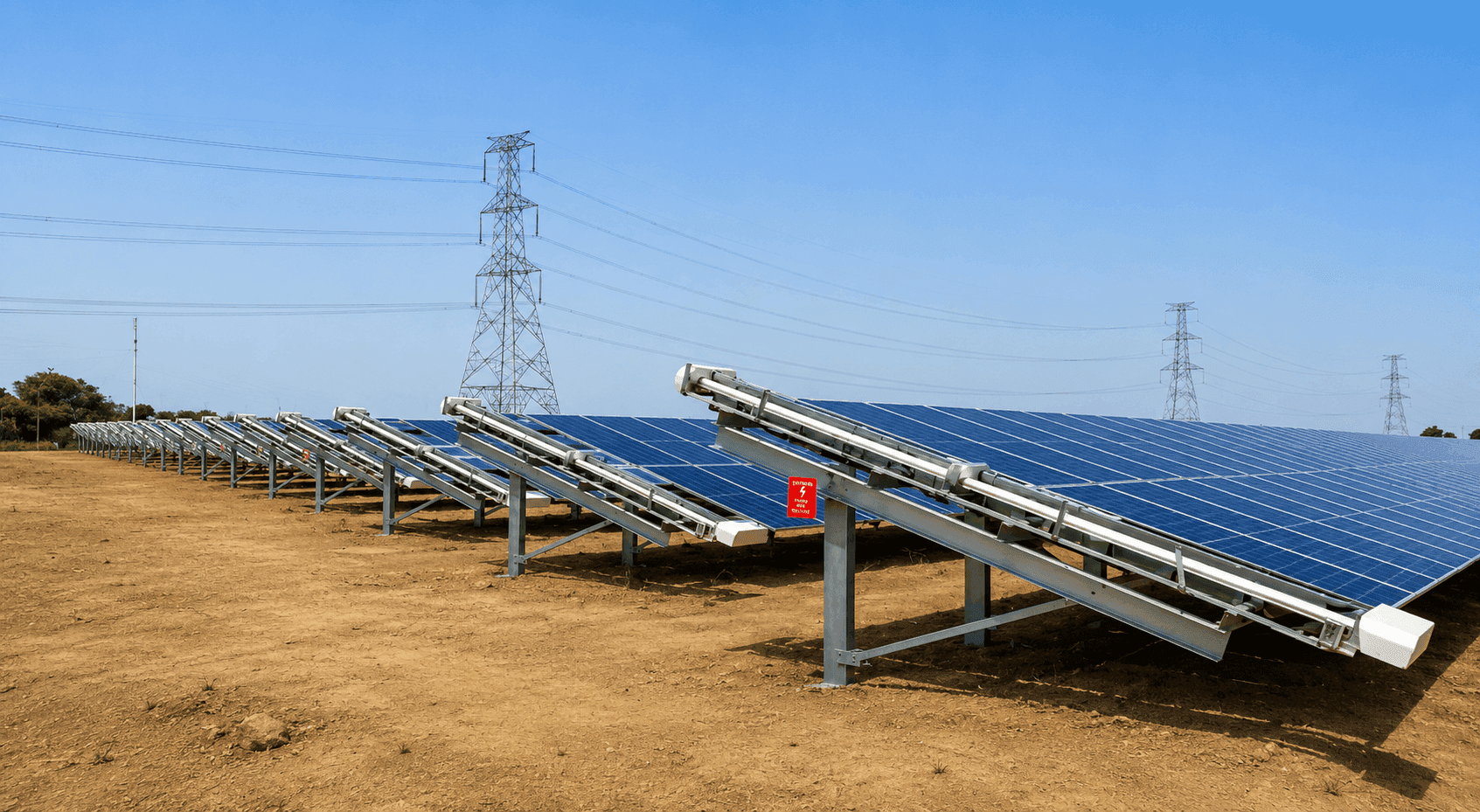
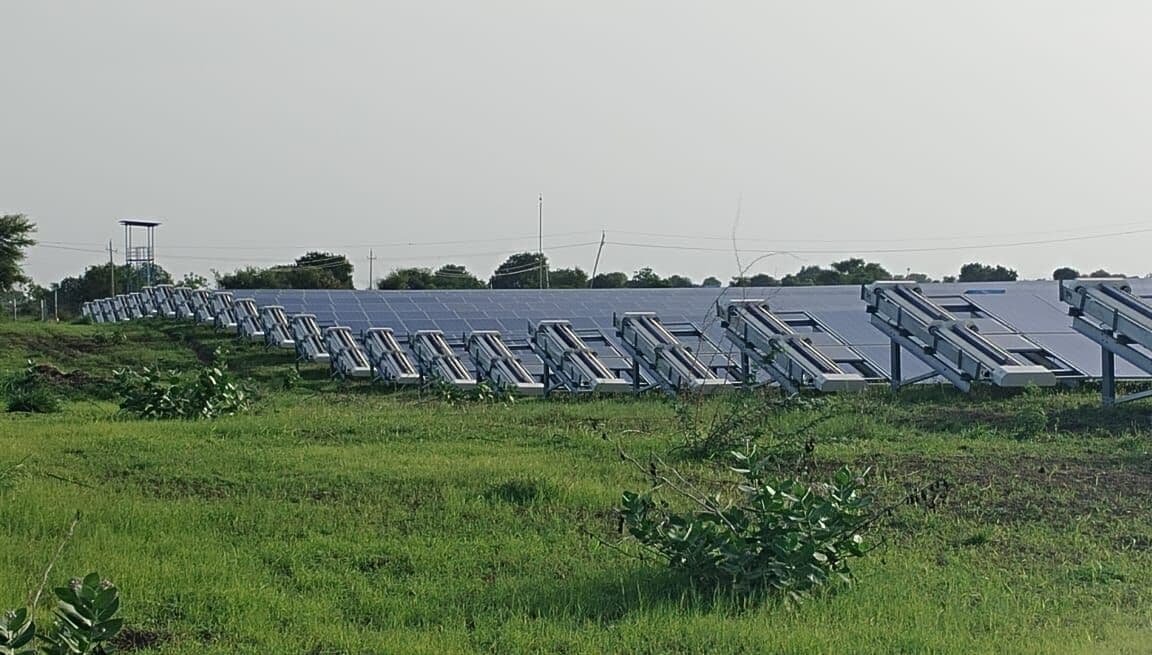
The Sangali-Jirgyal facility is a 150 MW ground mount solar plant. This site faced many problems with dust and soil. This dust covered the solar panels. It blocked the sunlight. This led to lower energy production. Manual cleaning was not enough to solve the issue. It also used too much water. Water is very scarce in this region. To fix this, the plant management changed their strategy. They moved to a Capex-driven waterless maintenance plan. This plan focuses on high energy yields. It also focuses on saving water.
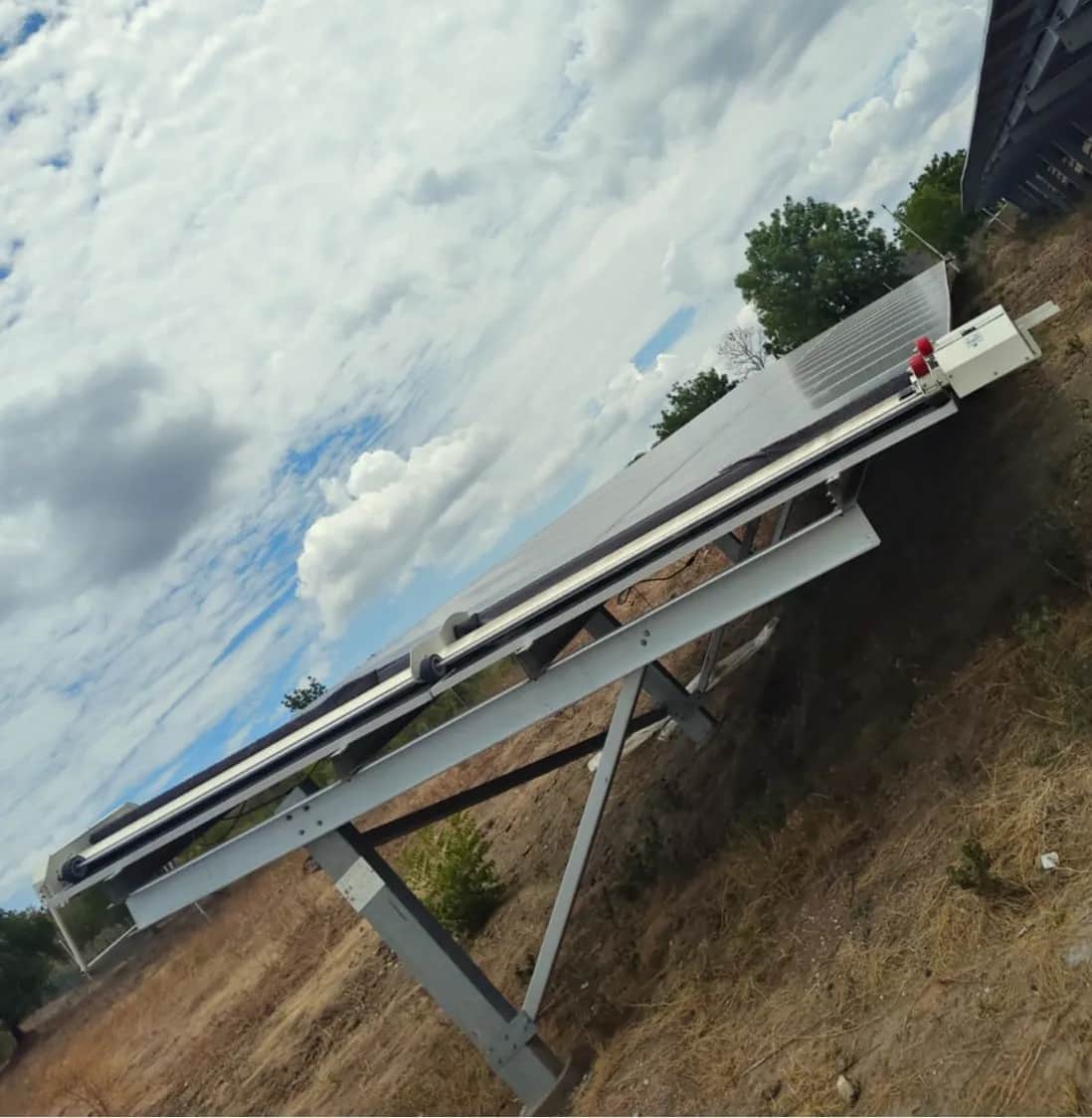
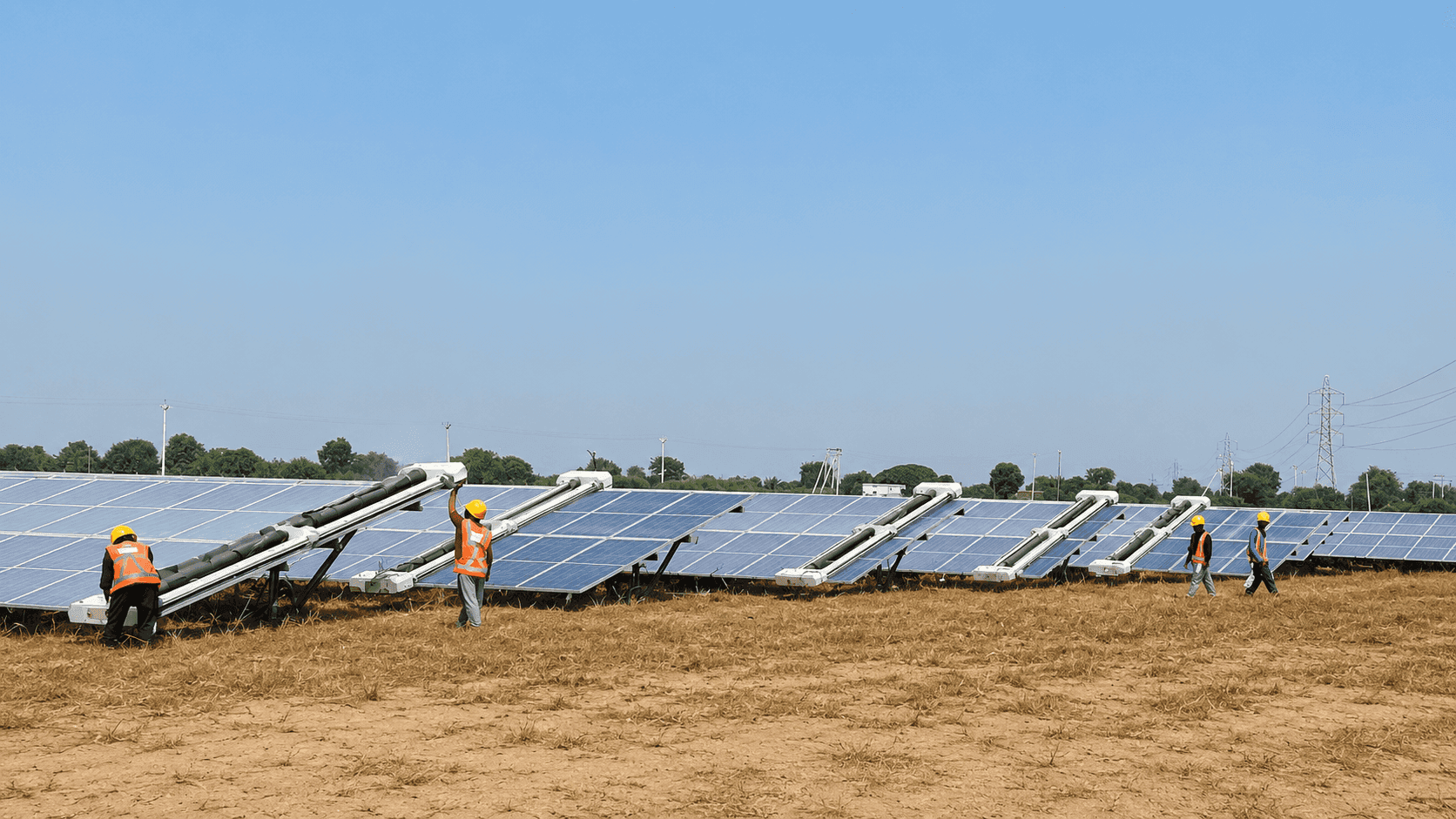
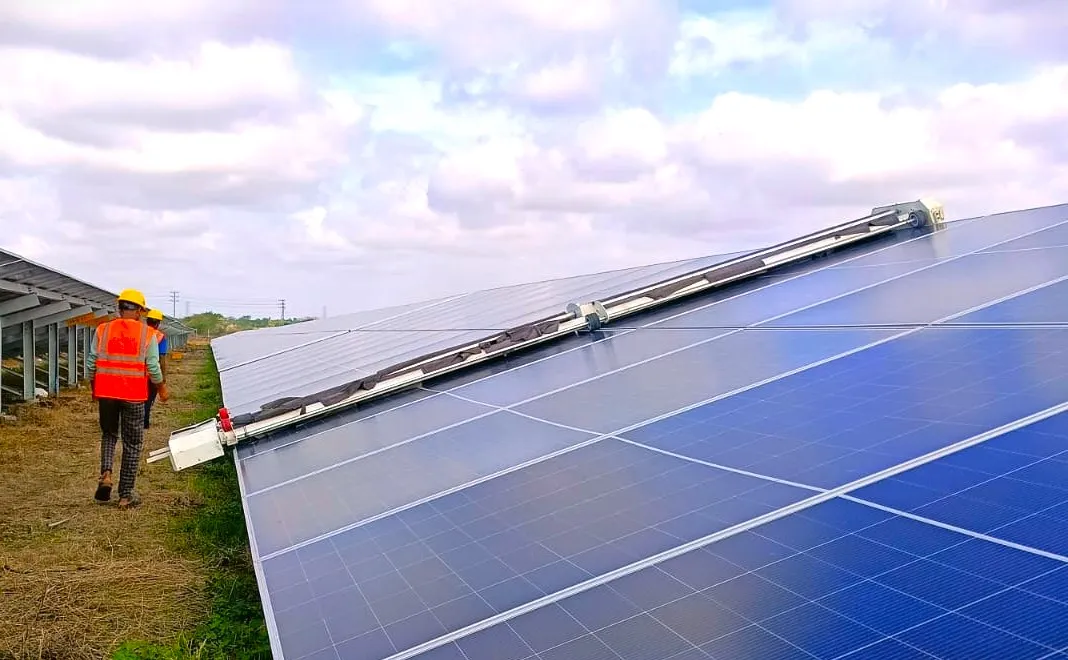
The plant now uses a solar panel cleaning robot India solution. They deployed two NYUMA semi-automatic robots. These robots clean the panels without using any water. The team follows a set schedule. They perform 3 to 10 dry cleaning cycles every month. This schedule helps prevent heavy dust buildup. The results have been very positive. The site now gains 150 MWh of extra clean energy every year. It also saves 560,000 litres of water every year. The Sangali-Jirgyal plant is now a leader in sustainable solar operations. It uses a high-performance model that works for large scale plants.
Environment and soiling at Sangali-Jirgyal
Environment and soiling at Sangali-Jirgyal
The Sangali-Jirgyal 150 MW array deals with many environmental challenges. These challenges are common in this specific region. Dust accumulation is a major problem for the site. Local terrain and wind patterns cause this. The wind carries dust across the landscape. This dust settles on the solar modules. It creates a thick layer of soil. This layer blocks sunlight from hitting the cells. This process is known as soiling. Soiling reduces the efficiency of the plant.
The soiling at this site is very aggressive. It is most intense during certain seasons. For example, the transition between the dry and monsoon seasons is difficult. During these times, wind directions change. This brings more mineral dust to the site. This dust settles on the ground mount rows. It can be hard to remove once it settles.
The soil here is different from coastal sites. Coastal sites deal with salt mist and humidity. The Sangali-Jirgyal terrain deals with high volumes of abrasive dust. This dust is very fine. It can also be quite hard. The intense regional heat can bake the dust onto the panels. This makes the dust stick to the surfaces. If the dust is not managed, energy losses will continue. The site needs specialized technology to handle this. The environment requires a reliable and repeatable cleaning method.
The site profile includes several key factors:
- High dust levels from the arid landscape.
- Dust from nearby agricultural activities in the region.
- Abrasive soil that can damage panel coatings if handled poorly.
- Seasonal moisture that turns dust into hard films.
To fight these issues, the facility uses semi-automatic cleaning robots. These robots maintain the right level of light on the panels. The team uses a dry cleaning method. This is a waterless approach. It is perfect for a location where water is hard to find. The 150 MW plant can now hit its targets. It does this without wasting precious water resources. This technology provides a solution that fits the local environment perfectly.
O&M before Taypro
Manual Cleaning Limitations and Water Scarcity at Sangali-Jirgyal
Before they used robotic technology, the plant struggled. The 150 MW Sangali-Jirgyal facility relied on manual O&M. This meant they used human labor to clean the panels. Manual cleaning has many limitations. It is very difficult to manage on a site this large. The manual crews could not always maintain a steady schedule. This led to inconsistent cleaning quality. Some rows were clean, while others remained dirty. This caused uneven power output across the plant.
Water scarcity was another major hurdle. The plant is located in a region with limited water. Manual cleaning requires a lot of water. This was not a sustainable practice. It was hard to secure enough water for regular washing. Managers faced a difficult choice. They needed high power generation. But they could not find enough water to keep the panels clean. This conflict made operations very stressful. It also made costs unpredictable.
The move to a robotic strategy solved these problems. The new focus is on waterless maintenance. This change brought many benefits to the site:
- The site now has consistent energy output. The robots remove the human error found in manual cleaning.
- Annual water consumption has dropped significantly. This is because the cleaning is now waterless.
- Energy production is much higher. The plant has recovered 150 MWh of generation per year.
- The site is more reliable. It is easier to audit the cleaning with digital logs.
The semi-automatic robotic system changed everything. The plant is no longer tied to local water limits. Maintenance is no longer a heavy burden. It is now a predictable and high-performance operation. The site now uses the best solar panel cleaning robot India technology has to offer. This has improved the overall efficiency of the 150 MW asset.
Fleet and deployment at 150 MW
Fleet Deployment and Commissioning at the 150 MW Sangali-Jirgyal Site
The deployment at Sangali-Jirgyal uses a smart fleet. It consists of two semi-automatic NYUMA units. The plant chose a Capex procurement model. This means they invested in the robots directly. This model provides a long-term solution. It is perfect for the environmental conditions at this site. The semi-automatic system is very effective. It avoids the need for heavy, fixed infrastructure on every row. However, it still provides much better cleaning than manual labor.
The commissioning process happened in three clear phases. Each phase was important for a smooth start. First, the team handled mobilization. They brought the two NYUMA units to the site. They configured the hardware to match the site layout. This ensured the robots could move easily. Second, the team performed coverage testing. They tested how the robots moved across the ground mount rows. They checked the contact between the brushes and the modules. This was done to ensure 99% cleaning efficiency.
The third phase was full-cycle validation. The team ran a complete cleaning cycle across the site. They verified that all debris was removed. They also ensured there was no stress on the panels. This established a baseline for all future cleaning. This three-step process ensured the robots were ready for long-term work. It also ensured the plant would see immediate benefits.
The operational model for this fleet is very clear. The robots follow a scheduled dry cleaning cadence. They typically perform 3 to 10 dry cleaning cycles per month. This number changes based on the weather. If the wind is high or dust is heavy, the schedule may change. This frequency keeps the 150 MW facility running at peak power. It prevents dust from building up too much. The NECTYR portal helps managers oversee this work. It provides transparent logs of every cycle. Managers can see exactly when a robot cleaned a row. This makes the whole operation very reliable.
By using this deployment model, the site achieves several goals:
- Phased Setup: Moving from mobilization to validation ensures no technical errors occur.
- High Efficiency: The NYUMA single-pass PBT brush removes dust effectively.
- Resource Savings: The waterless method protects the local water supply.
- Data Transparency: NECTYR provides a digital record of all cleaning activities.
Operations and monitoring
Operations and Monitoring at Sangali-Jirgyal
The 150 MW Sangali-Jirgyal facility uses a strategic cleaning framework. It uses two NYUMA units to manage dust. This is a semi-automatic approach. The robots are not fixed to the rows. This makes the system very flexible. It allows for high-frequency maintenance without high costs. This balance is key for utility-scale solar. It ensures that soiling never reaches a level that hurts power output.
The NECTYR fleet operations portal manages the site. This portal provides total accountability. Some people believe that solar panels need daily washing. This is a myth. Daily washing can cause unnecessary wear on the modules. It also increases operational costs. Our model is different. We use a precision-calibrated cadence. We perform 3 to 10 dry cleaning cycles per month. We decide the frequency based on real-time data. We look at weather patterns and soiling levels. This keeps the cleaning efficient and safe.
The operational strategy follows strict protocols:
- Data-Driven Accountability: NECTYR monitors every single cycle. We can confirm that every row is covered. This helps us find any mechanical issues immediately.
- Optimized Frequency: We do not clean every day for no reason. Instead, we clean when it is needed. This protects the 150 MWh of annual energy gains. It also reduces mechanical fatigue on the robots.
- Adaptive Wind Holds: Safety is a top priority. The robots have built-in safety limits. If the wind is too high, the robots stop automatically. This protects the panels and the hardware.
- Accountable Maintenance: We have replaced manual labor with digital logs. Site managers can verify the quality of every clean. This makes the site audit-ready at all times.
This systematic approach makes the 150 MW array a high-efficiency asset. We have removed thousands of litres of water from the process. This helps the local environment. It also creates a sustainable O&M model. The facility balances module health with aggressive energy recovery. The plant is now much more efficient than before.
Results and impact
Transforming Plant Performance Through Robotic Efficiency
The NYUMA robotic system has changed the Sangali-Jirgyal site. It has fundamentally restructured the O&M approach. The plant moved from manual cleaning to a semi-automatic robotic strategy. This transition was vital for a 150 MW facility. It has eliminated the safety risks found in manual labor. It has also removed the variability of human-led cleaning. The cleaning is now standardized and reliable.
The biggest impact is the reduction in resource use. The plant no longer needs to find large amounts of water. The switch to waterless cleaning has been a success. At the same time, the plant has recovered lost energy. The modules are now free from heavy dust. This allows more light to reach the cells. As a result, the site sees a large increase in annual energy production. This directly improves the return on investment for the project.
These improvements come from four main areas:
- Sustainable Water Conservation: The waterless system saves 560,000 litres of water every year. This supports regional sustainability goals.
- Direct Energy Recovery: The consistent cleaning results in a gain of 150 MWh of energy per year. This boosts the total revenue of the plant.
- Optimized Operational Consistency: Using NYUMA units ensures that every cleaning event is the same. This reliability was impossible with manual labor.
- Technological Scalability: The site can grow or change easily. The robots work on the ground mount array without needing permanent infrastructure.
This deployment proves that robotics work for large-scale solar. A strategic investment in hardware delivers real gains. It improves both resource management and power output. The Sangali-Jirgyal plant is a perfect example of this success.
Peer comparison and planning checklist
Peer Comparison and Operational Strategy
The Sangali-Jirgyal project is part of a large network. Taypro has deployed over 5 GW of capacity across more than 150 sites in India. When we look at other projects, we see different strategies. The semi-automatic NYUMA setup is a great choice for many sites. It is perfect when site geometry or budget is a factor. For example, some plants use the fully automatic GLYDE robots. Those plants run daily dry cycles on fixed-tilt rows. That is a different, higher-density model.
Other sites use the NYUMA-X system. These are designed specifically for tracker-based plants. The Sangali-Jirgyal model is different. It offers more capital flexibility. It uses semi-automatic labor on specific arrays. This is a smart way to manage a 150 MW site. It balances high performance with lower infrastructure costs. This approach secures the water savings and the energy gains. It also allows the site to scale as needs evolve. It is a modular and agile way to run a solar farm.
Planning Checklist for Robotic Deployment
If you are planning a robotic deployment, use this checklist:
- Analyze Soiling: Assess your annual soiling loss. Check your local water availability. This helps you choose between CAPEX and OPEX models.
- Review Layout: Look at your site topography. Check your module layout. Ensure it is compatible with NYUMA or GLYDE dimensions.
- Check Connectivity: Verify your grid connectivity. Ensure you can integrate with NECTYR for real-time tracking.
- Set a Schedule: Create a recurring maintenance plan. For semi-automatic fleets, balance the cleaning coverage with your operational load.
- Calculate ROI: Use the Taypro savings calculator. This helps you align your robot purchase with your energy recovery targets.