Executive summary
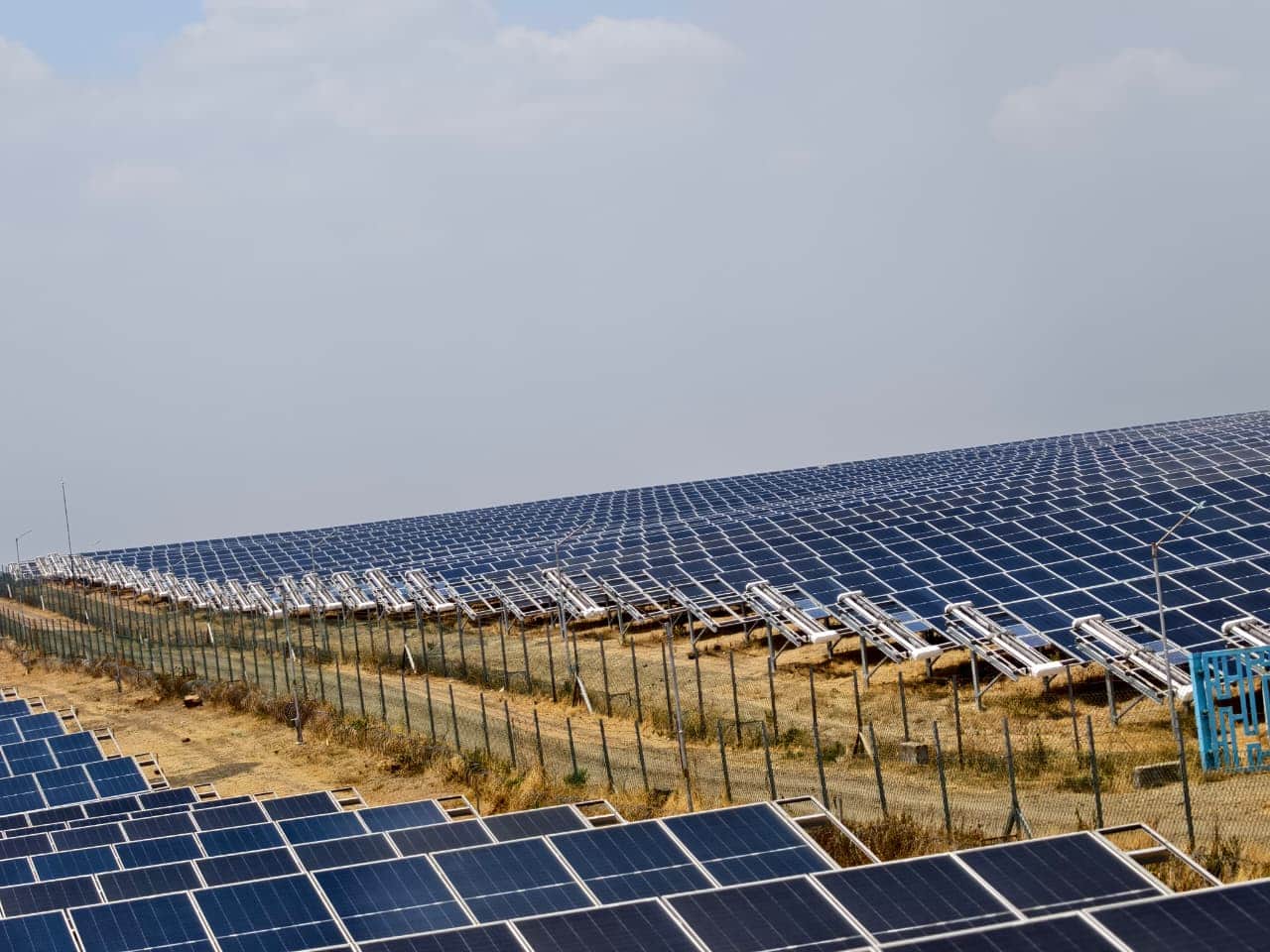
The 200 MW Seci-2 solar plant faced many operational hurdles. Previously, the site relied on manual and water-intensive cleaning methods. In regions with high dust, these methods create many problems. They cause logistical bottlenecks and use too much water. To solve these issues, the project moved to a smart, mixed-mode robotic cleaning plan. This plan used two different types of robots to cover the whole site. This strategic shift was necessary to meet the performance standards of a modern utility-scale asset.
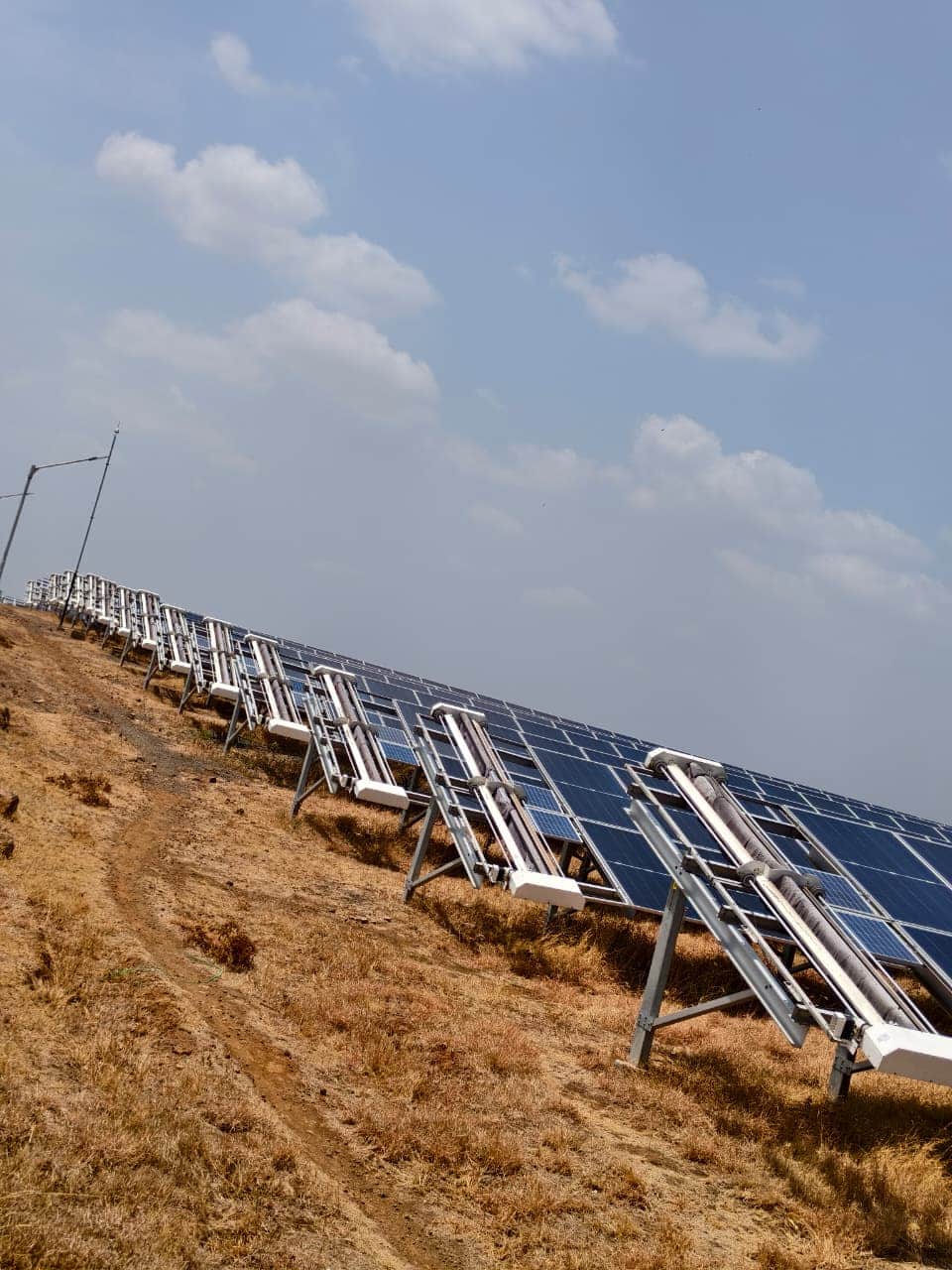
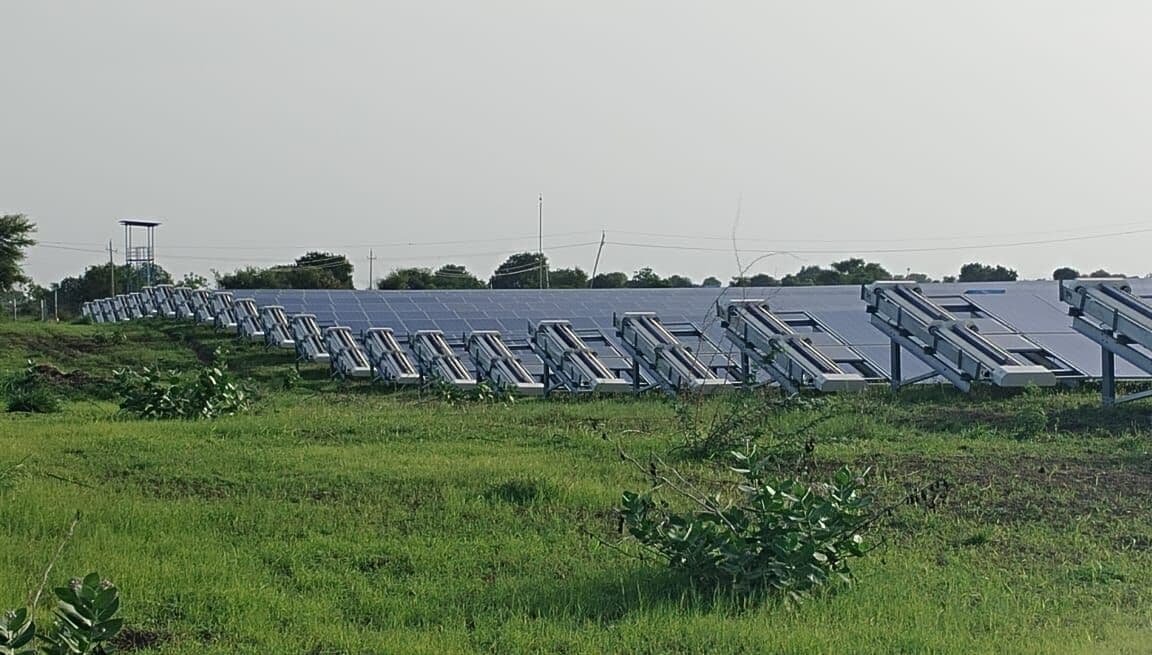
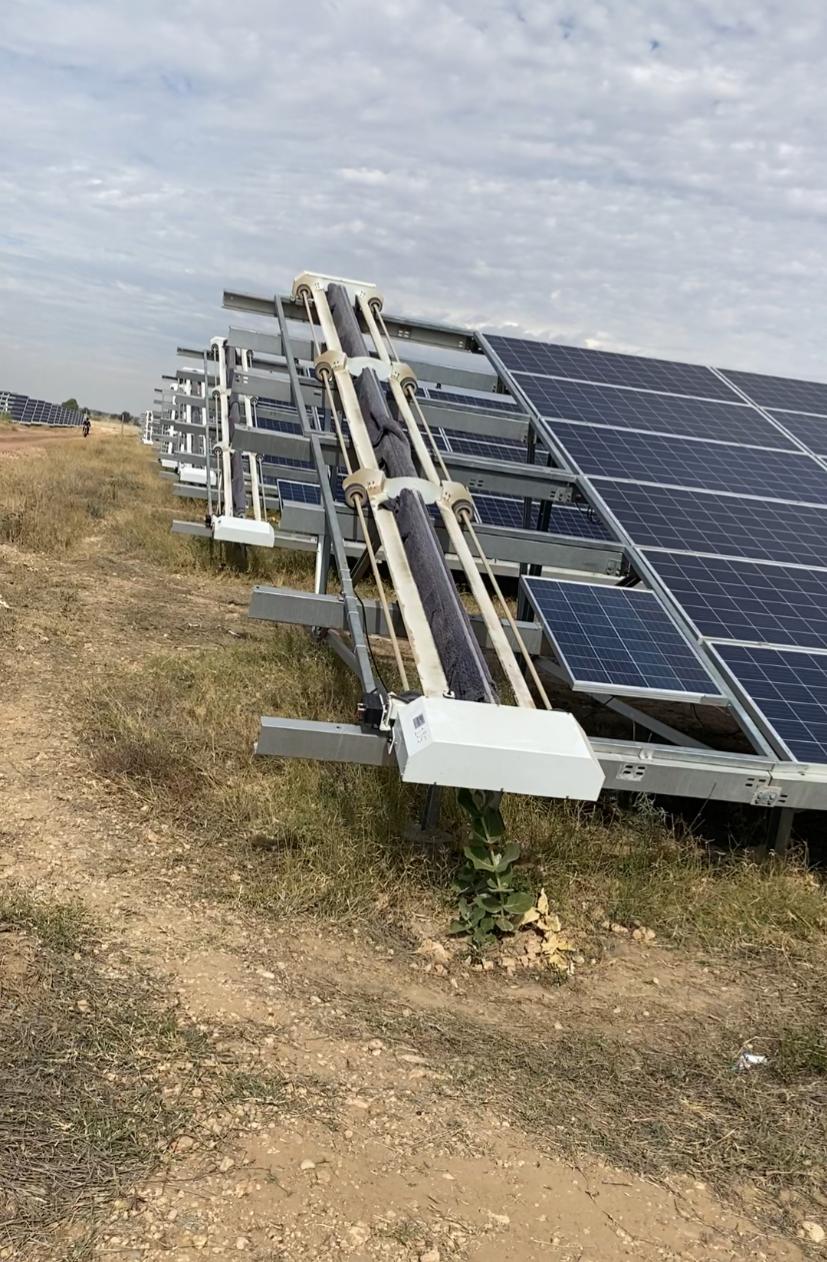
We deployed 103 fully automatic GLYDE units for frequent maintenance. These units perform daily waterless cleaning on fixed-tilt rows. We also used 76 semi-automatic HELYX units for the scattered sections of the plant. These HELYX units follow a scheduled monthly cleaning cycle. This transition has changed how the plant operates. It has moved the facility from a reactive maintenance model to a proactive, autonomous operation.
By replacing manual labor with robots, the site saw huge gains. The plant achieved verified increases in energy production. The initiative saved 28 million litres of water every year. It also secured an extra 7.50 GWh of clean energy generation annually. These results prove that a data-driven robotic strategy works. It maximizes output and protects natural resources in utility-scale solar plants. This deployment serves as a blueprint for large-scale solar O&M across India.
Environment and soiling at Seci-2
Managing Soil Composition and Environmental Hazards at Seci-2
The Seci-2 plant sits in a difficult environmental zone. This area has high levels of fine, wind-blown silt. It also has dust from nearby agricultural lands. These particles are a major risk for solar panels. When humidity rises, the dust binds to the module glass. This creates a hard, calcified film on the surface. Manual cleaning crews struggle to clear this film. They often need massive amounts of water to do it. Using too much water can also damage the anti-reflective coatings on the glass.
An environmental audit identified two main concerns for the site. First, alkaline dust forms a stubborn crust. This happens when morning dew meets the dust. Second, it is very hard to find clean water at this scale. Using salt-heavy water can lead to glass degradation over time. These risks made a switch to waterless technology necessary. Relying on manual wet cleaning was becoming a threat to the long-term health of the PV modules.
We deployed the GLYDE fleet to solve these problems. The GLYDE system uses a patented dual-pass microfiber cleaning method. This technology is perfect for the Seci-2 environment. It does not use water or harsh mechanical brushes. It uses controlled airflow and microfiber contact to remove debris. This prevents the formation of permanent soiling layers. Our proactive, daily waterless cleaning approach keeps the module surfaces clear. This maintains optimal light transmission. It even works well during high-wind months when sediment levels are high. This system neutralizes the soil hazards that usually lower solar plant performance. It ensures that the modules remain as close to their original transmittance as possible throughout the year.
O&M before Taypro
Operational Gaps and Labour Constraints at the 200 MW Seci-2 Plant
Before Taypro, the Seci-2 plant used a manual cleaning model. This model created many operational problems. The site depended heavily on manual labor crews. This caused many issues with cleaning quality. It also created safety risks across the ground-mount array. Because the plant was so large, cleaning was often delayed. These delays led to high energy losses from dust buildup.
The O&M team faced three critical challenges. The first challenge was resource scarcity. Manual cleaning used millions of litres of water every year. This took water away from other essential site needs. The second challenge was logistical complexity. Managing large manual teams was very difficult. It led to uneven cleaning and performance gaps. It was impossible to maintain a daily cleaning schedule across 200 MW. The third challenge was a lack of transparency. There was no real-time data to track cleaning success. Management could not easily see the gap between labor costs and soiling losses.
To fix these issues, the plant moved to a mixed-mode robotic system. We replaced irregular manual work with a structured robot fleet. This fleet includes 103 automatic GLYDE robots and 76 semi-automatic units. We managed the whole schedule through the NECTYR operations portal. This moved the site from reactive labor to a data-driven plan. This transition recovered lost energy and removed logistical overhead. By using automated systems, the site also reduced the safety risks associated with human workers moving across large solar fields in harsh weather.
Fleet and deployment at 200 MW
Fleet and Deployment Strategy at the 200 MW Seci-2 Array
The 200 MW Seci-2 site required a smart, mixed-fleet strategy. We deployed a total of 179 units to cover the entire array. This fleet includes 103 fully automatic GLYDE robots. These robots perform daily waterless cleaning cycles on the fixed-tilt rows. We also deployed 76 semi-automatic robots. These units handle the scattered or more difficult plant sections. This mix ensures that no part of the array is left uncleaned. It allows for the optimization of robot usage based on row density and access.
The client used a Capex procurement model. This allows the owner to have full ownership of the robots. By using the GLYDE system, the site uses patented dual-pass microfiber technology. This method removes debris without water or harsh chemicals. All units work through the NECTYR operations portal. This platform manages all schedules and real-time data. It also keeps logs to ensure 95%+ to 99%+ dust removal per cycle (by robot model). This level of control is essential for large-scale asset management and investor reporting.
Our commissioning process focused on three technical areas. First, we completed full fleet mapping. Each robot was assigned to specific rows in the NECTYR portal. This allows for precise, automated scheduling. Second, we set the autonomy levels. The 103 GLYDE units are set for daily dry cleaning. This prevents dust buildup. The semi-automatic fleet follows a site-specific schedule. This balances robot use with efficient human support. Third, we established data validation. We set regular reporting intervals to track energy recovery. This helped us confirm the extra power gains at the site. For more information on the financial implications of this setup, see our CAPEX vs OPEX guide.
The 200 MW plant now sees great operational gains. Annual water savings have reached 28 million litres. The site also recovers 7.50 GWh of energy every year. This fleet setup allows for high standards across the entire array. The cleaning stays consistent even when dust or weather changes. This stability is crucial for maintaining a high Performance Ratio (PR) throughout the project lifecycle.
Operations and monitoring
Operations and Monitoring at Seci-2
The Seci-2 facility uses a two-layer operational model. This model keeps energy output high and steady. We use 103 fully automatic GLYDE robots for the main sections. These units perform daily waterless cleaning cycles. This keeps the modules free of dust without any manual help. This daily cycle is the key to preventing heavy soiling. It stops the "dust-crust" effect before it becomes permanent.
The other 76 robots service the more scattered areas. These units follow a strict, site-specific schedule. They perform between 3 and 10 dry cycles per month. We set this frequency based on local dust levels and site access. This method balances robot coverage with efficient labor use. It ensures that even the most remote parts of the 200 MW plant receive attention.
- NECTYR Management: All 179 robots connect to the NECTYR fleet portal. This platform gives real-time status updates and scheduling logs. It provides centralized command for every cleaning cycle. Managers can monitor the entire fleet from a single dashboard.
- Inspection-Led Accountability: Taypro engineers conduct regular audits. These audits verify that the robots are performing well. This data proves that robots are doing a better job than manual washing. It provides the documentation needed for O&M audits and lender reviews.
- Safety Protocols: The robots have integrated sensors to detect high winds. If winds are too strong, the robots automatically enter a hold mode. They dock safely until the weather improves. This prevents any damage to the solar assets and ensures long-term durability.
Moving away from manual cleaning has improved module transparency. The automated operations are safe and consistent. Through NECTYR, the team monitors the entire 200 MW fleet from one screen. This ensures every module helps produce the 7.50 GWh of extra energy recovered each year. This system removes the inefficiency of old manual routines and provides a clear audit trail for all cleaning activities.
Results and impact
Results and Impact of Robotic Deployment at Seci-2
The move to a waterless robotic fleet has changed the Seci-2 plant. It has turned a difficult site into a high-performing asset. By using autonomous cleaning, the plant has stopped the performance loss caused by dust. The robots work constantly to keep the panels clean. This has directly improved the plant's revenue through higher energy yields.
The Capex procurement strategy has brought great stability. Instead of hiring manual labor, the owner invested in a permanent fleet. The data shows this was a smart move. The combination of daily and monthly cleaning keeps the modules very clean. This cleanliness leads to a major increase in annual energy yield. This shows that robots are a key driver of plant profits. To estimate similar gains for your own project, use our soiling loss calculator.
The environmental impact is also a major success. By removing the need for wet cleaning, the site saves a massive amount of water. This makes the project more sustainable for the long term. It also protects the owner from the rising costs of water. In dry regions, water is getting harder and more expensive to find. The 28 million litres saved annually is a testament to the efficiency of our technology.
- Generation Recovery: Robotic cleaning keeps soiling losses very low. This results in a large amount of extra energy every year. This recovered energy directly improves the project's internal rate of return (IRR).
- Resource Conservation: The waterless technology saves millions of litres of water. This helps the 200 MW plant meet modern environmental standards and ESG targets.
- Operational Efficiency: The 179 robots allow for precise control. The team can adjust cleaning frequency to ensure peak performance across the whole site. This eliminates the guesswork of manual cleaning schedules.
Peer comparison and planning checklist
Peer Comparison and Implementation Planning
Comparing the 200 MW Seci-2 project to industry standards shows the value of our strategy. Many 200 MW plants still use manual labor. These plants often see efficiency drops of 10% to 15% during dusty months. This happens because manual cleaning is often inconsistent. In contrast, Seci-2 uses GLYDE robotics to maintain 95%+ to 99%+ dust removal per cycle (by robot model). This neutralizes the impact of seasonal dust through daily cleaning.
Some other automated systems use single-pass PBT technology. However, the Seci-2 project uses patented dual-pass microfiber cleaning for its main fleet. This method provides a better finish on fixed-tilt modules. It ensures more energy is recovered per square meter. While some competitors struggle with high-friction environments, our fleet stays efficient. The hybrid model of 103 automatic and 76 semi-automatic units offers a great balance of cost and performance. It also outperforms fleets that lack the transfer abilities found in systems like CRADYL.
- Conduct a full soil analysis at your site. This helps you decide the right mix of automatic and semi-automatic robots.
- Check your end-row rail setup. Ensure it is compatible with automated docking systems like CRADYL.
- Plan your NECTYR software integration. You must sync daily cleaning schedules with your site data to ensure maximum PR.
- Set up battery charging and maintenance protocols. This is vital for managing a large 179-robot fleet effectively.
- Review all safety and obstacle detection needs. This ensures your automated zones meet utility standards and protect your modules.