
Executive summary
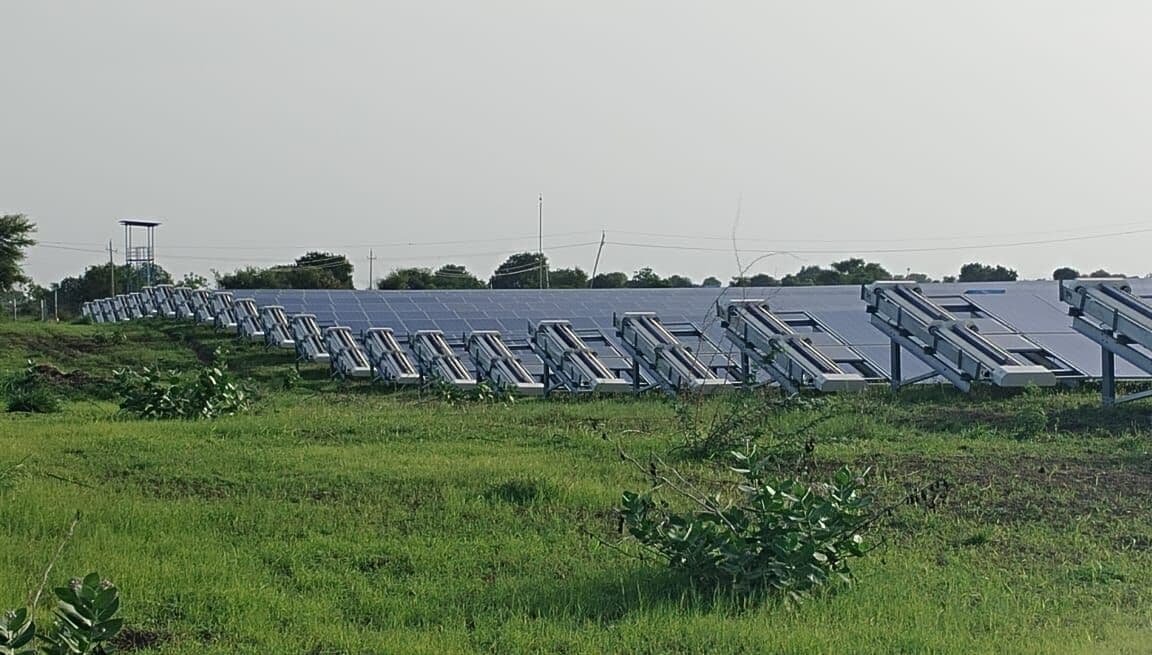
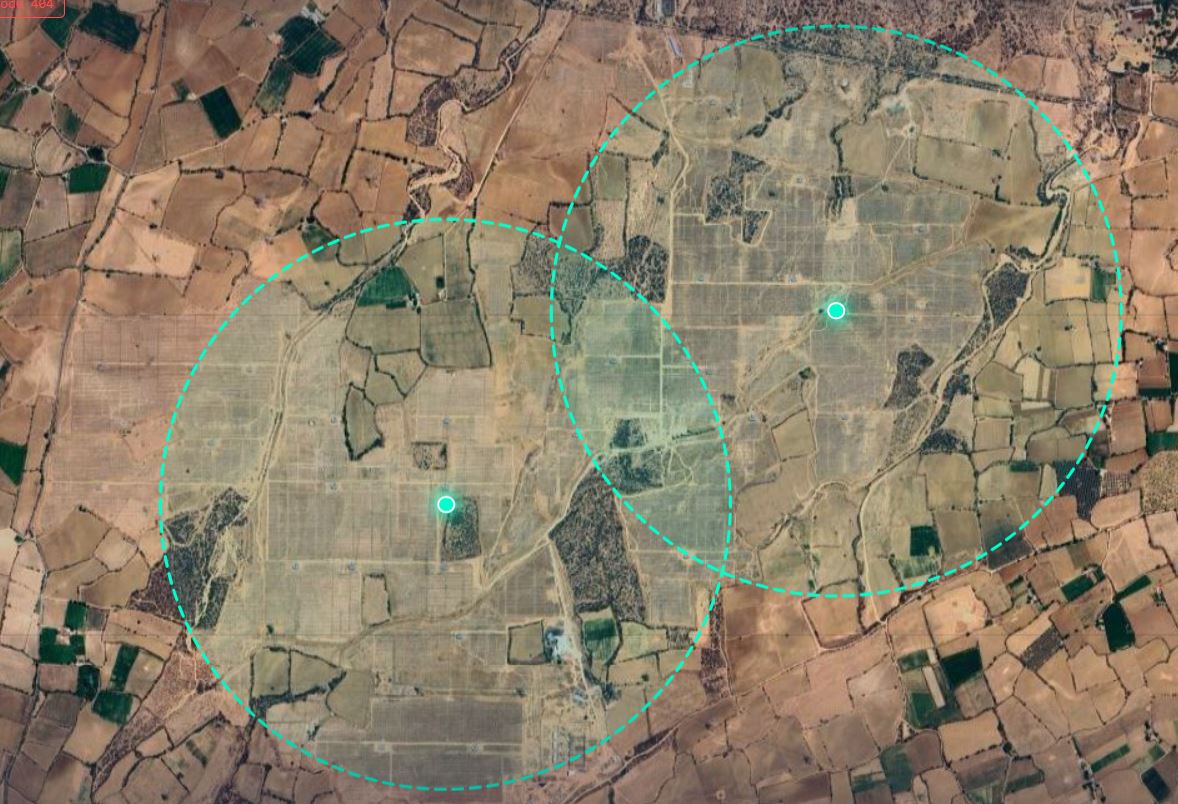
The Seci Phase 1 project is a 75 MW solar installation in Gujarat. This site uses ground-mount solar panels. The project faced many difficult challenges due to the local environment. The area has a very complex dust profile. There is inland cementitious dust. There is also coastal film dust from the sea. This combination causes rapid and uneven soiling on the solar modules. Some parts of the site get dirty much faster than others. This happens near haul roads and near quarries. Traditional wet cleaning methods were not enough. It was hard to find enough groundwater. It was also hard to get water tankers during the dusty months. This made it difficult to keep the plant clean and efficient.
To solve these problems, Taypro deployed 71 GLYDE autonomous robots. This is a CAPEX-based project. The GLYDE robots use patented dual-pass microfiber technology. They perform daily waterless cleaning cycles. This keeps the modules clear of thick and abrasive dust. The system works with NECTYR fleet monitoring software. This software provides clear and logged data. Asset managers can use this data to explain energy changes to their finance teams. This new system secures 2.81 GWh of extra energy every year. It also saves 10.5 million litres of water annually.
Environment and soiling at Seci Phase 1,Gujarat
Managing uneven soiling at Seci Phase 1 with autonomous dry cleaning
The 75 MW ground-mount site at Seci Phase 1 in Gujarat faces tough dust conditions. The site deals with two main types of dust. First, there is inland cementitious dust. This dust is very fine and can harden under the hot sun. Second, there is coastal film dust. This dust comes from the sea and creates a sticky layer on the panels. These two types of dust do not settle in the same way. This creates uneven soiling across the entire solar array. Some areas become much dirtier than others very quickly.
The location of the panels makes this problem worse. Strings of panels near haul roads collect more dust. Strings near quarry boundaries also see much faster degradation. This creates a big problem for the performance ratio (PR) of the plant. When some strings perform poorly, the total energy output drops. This makes it hard for managers to predict energy production. It also makes financial reporting more difficult because the losses are not the same everywhere.
In this region, water is a scarce resource. Groundwater is often hard to access. Also, getting water tankers to the site is difficult during the peak dust months. Manual wet washing is not a reliable solution. It is too expensive and hard to schedule. Taypro solved this by using 71 GLYDE robots. These robots perform daily waterless cleaning cycles. They use a patented dual-pass method. This method uses airflow and microfiber to remove dust. It is safe for the panels and requires no water at all.
The deployment provides three main benefits to the project:
- Better performance tracking: Every cleaning cycle is logged in the NECTYR portal. This gives managers clear data to show the finance team. They can explain why the PR changes from month to month.
- Saving water: The project saves 10.5 million litres of water every year. This makes the site more resilient to water shortages.
- More energy: The robots recover 2.81 GWh of extra energy every year. They do this by keeping the high-risk strings clean.
O&M before Taypro
Overcoming manual O&M constraints at 75 MW Seci Phase 1
Before Taypro arrived, the Seci Phase 1 project used manual wet cleaning. This method had many flaws. The 75 MW site struggled with logistics. It was very hard to find enough groundwater. Also, water tanker services were not always reliable. During the most dusty months, the site could not get enough water. This meant the panels were not cleaned often enough. The result was severe and unpredictable energy losses.
The dust types made the cleaning work even harder. The cementitious dust and coastal film settled unevenly. Dust was very thick near the quarry and the haul roads. This caused some parts of the plant to fail while others worked fine. This unevenness created a lot of volatility in the performance ratio (PR). For a large 75 MW asset, this is a major risk. It makes the project's financial performance look unstable.
Large solar companies need accurate data. They need to prove to their finance teams that the plant is working well. Manual cleaning records are often messy or incomplete. They do not provide the precise data that investors want. Manual labor also creates inconsistent results. Some cleaners might do a better job than others. This variability is bad for long-term plant health. The site needed a way to make cleaning a standardized and predictable task.
The transition to autonomous robotics changed everything. The site moved from reactive manual labor to a scheduled robotic system. This move replaced human error with digital precision. It also removed the need to fight for water during dry months. The site is now much more stable and easy to manage.
Fleet and deployment at 75 MW
Fleet and deployment: Transitioning to an autonomous 75 MW operation
The Seci Phase 1 project moved to a fully autonomous model. This was a CAPEX investment. The site uses 71 GLYDE robots to maintain the 75 MW array. These robots were chosen because they can provide a consistent cleaning schedule. They perform daily waterless cleaning cycles across the entire site. This removes the need for manual labor and unpredictable water delivery.
The GLYDE robots are highly advanced. Each robot weighs 38 kg. They are designed to be fast and efficient. They move at a speed of 10 to 15 metres per minute. A single charge allows a robot to clean up to 2.2 km of modules. This is enough to cover about 3,600 modules per charge. This high level of autonomy makes the 75 MW site very easy to maintain.
The cleaning technology is the core of the system. GLYDE uses a patented dual-pass method. First, the robot uses airflow to lift the dust. Second, it uses a microfiber cloth to wipe the modules. This is much better than a single-pass method. Single-pass methods often fail to remove heavy cementitious dust. The dual-pass system ensures that even the toughest dust is removed. This is very important for the strings near quarries and roads. These areas stay clean every single day.
Connectivity is also a key part of the deployment. All 71 robots are connected via RF mesh and NECTYR. This allows the robots to work together as a single fleet. They follow a daily autonomous schedule. This schedule ensures that no row is missed. It also means the cleaning is repeatable. The plant owner now has full auditability. They can see exactly when and where every robot has cleaned. This data helps secure the 2.81 GWh of annual energy recovery. It also removes the risks of manual cleaning delays.
Operations and monitoring
Establishing a consistent daily cleaning cadence
Operations at the 75 MW Seci Phase 1 plant are now very stable. The plant no longer relies on manual crews or water tankers. Instead, it uses a rigorous daily waterless cleaning cadence. This is performed by the fleet of 71 GLYDE robots. This automated system avoids the many problems of manual labor. It also avoids the logistical headache of finding water in a dry region.
The GLYDE robots are perfect for this environment. They handle the inland cementitious dust and the coastal film with ease. Because they use a dual-pass microfiber method, the cleaning is very deep. The robots treat every part of the array the same way. They clean the modules near the dusty haul roads just as well as the others. This ensures that the entire 75 MW site has a stable performance ratio.
Monitoring is handled through the NECTYR fleet portal. NECTYR is a powerful software tool. It integrates with all 71 robots to provide live data. Every cleaning cycle is logged automatically. These logs are very detailed. They show exactly which modules were cleaned and when. This provides the transparency that large IPP portfolios need. Asset managers can look at the dashboard to see the status of the fleet. They can also use the logs to explain energy production to their finance teams. This data-driven approach turns cleaning into a precise and predictable process.
Results and impact
Maximizing yield at the 75 MW Seci Phase 1 site
The use of autonomous robots has changed how this 75 MW facility is managed. By replacing manual labor with 71 GLYDE units, the plant has gained control. It now has a predictable, daily waterless cleaning cycle. This cycle stops the performance drops caused by heavy dust. The robots prevent the massive energy losses that usually happen near haul roads and quarries. The plant now runs at a much higher and more stable efficiency.
The NECTYR software has also made a big impact. Asset owners no longer have to rely on fragmented manual reports. They now have access to granular, digital cleaning logs. These logs verify the performance of every single row. This accountability is vital for large-scale operations. It allows management to connect cleaning activities directly to energy gains. This creates a clear audit trail for all financial stakeholders.
Beyond energy, the project is much more sustainable. The site does not need to use groundwater anymore. It also does not need to use water tankers. This saves 10.5 million litres of water every year. This is a major win for the local environment. The project proves that waterless technology works even in harsh conditions. The result is a resilient and autonomous system. It protects the long-term value of the plant and removes the burden of manual cleaning.
Peer comparison and planning checklist
Benchmarking performance against Gujarat solar portfolios
The Seci Phase 1 site has a clear advantage over many other sites in Gujarat. When we look at other projects, the difference in technology is obvious. For example, the 250 MW Neneva project and the 50 MW Maya deployment show different scales. However, the Seci Phase 1 site uses a highly precise, fully autonomous cleaning cadence. This allows it to manage dust better than many manual sites. Even when compared to the massive 300 MW Bachau site, Seci Phase 1 shows the power of precision. Our daily GLYDE cleaning cycle stops the uneven soiling caused by coastal film. This eliminates the monthly performance swings that often happen at larger, less-monitored sites.
Operational deployment planning checklist
- Audit the specific dust types at your site. Identify high-risk zones near haul roads and quarries.
- Set a cleaning cadence in NECTYR. Match this to local dust levels and your energy targets.
- Check your network coverage. Ensure RF mesh and NECTYR connectivity can support real-time reporting.
- Plan the site layout for robots. Coordinate where the GLYDE units will start and where they will dock.
- Link your cleaning data to your finance tools. Create a protocol to feed NECTYR logs into your asset management dashboards.