Executive summary
solar panel cleaning robot India. The 11.3 MW ground mount facility in NYUMA faced many operational problems. Heavy regional dust caused significant soiling issues. The plant also relied too much on manual cleaning. These old methods led to inconsistent energy output. They also used far too much water. This was not a sustainable strategy for long-term operations. To fix these issues, management changed their approach. They moved to a Capex-driven procurement model. They integrated a dedicated robotic solution to make maintenance standard.
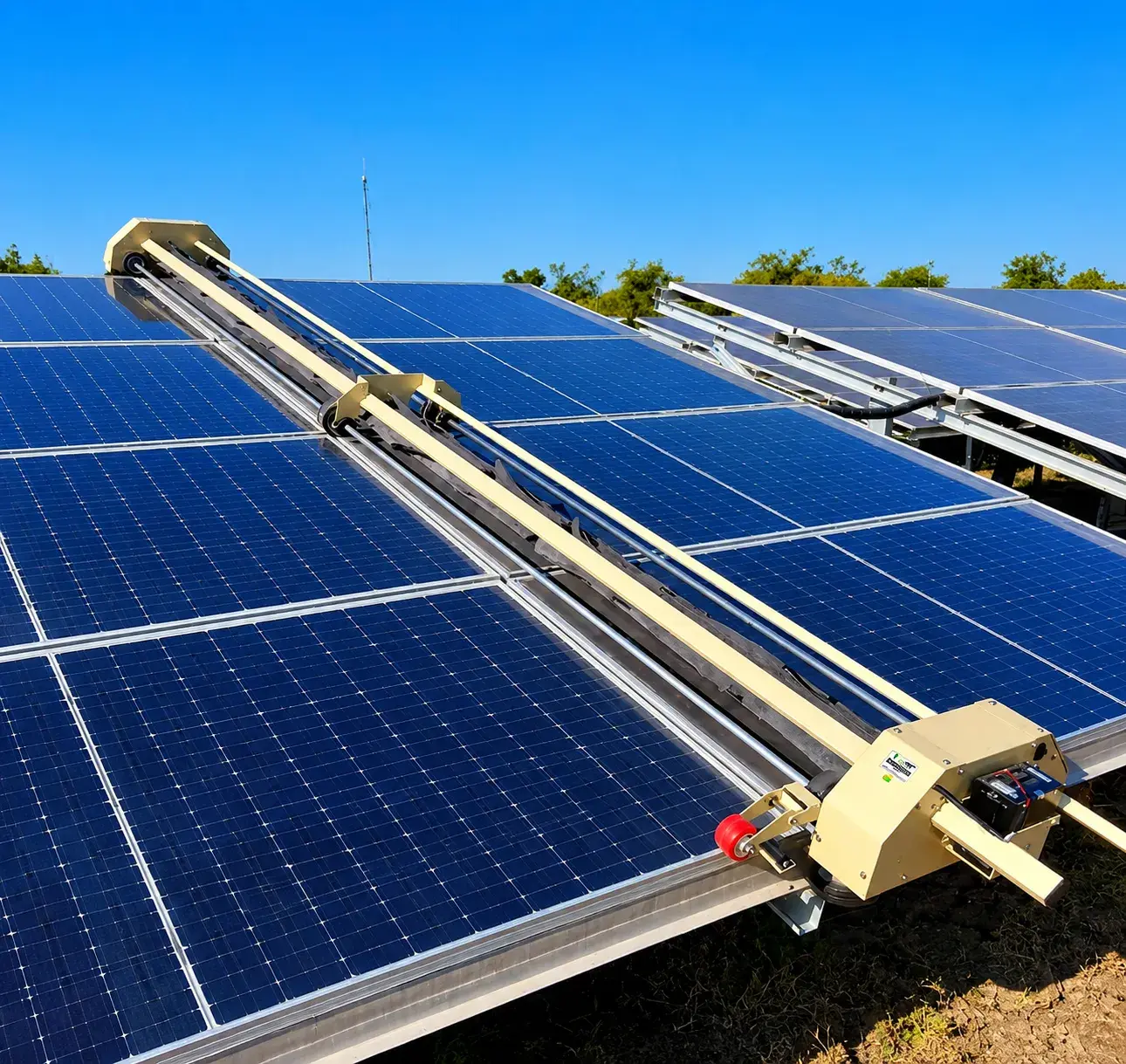
The use of a single NYUMA semi-automatic solar panel cleaning robot in India has changed the site. It allows for a very consistent maintenance schedule. By switching to waterless cleaning, the facility avoids many problems. It has successfully reduced energy losses caused by soiling. It also achieves great resource conservation. This transition resulted in 11.3 MWh of extra annual generation. It also saved 42,000 litres of water every year. This proves the value of semi-automatic robots for large solar sites.
Environment and soiling at NYUMA
Regional Soiling and Site-Specific Maintenance at NYUMA
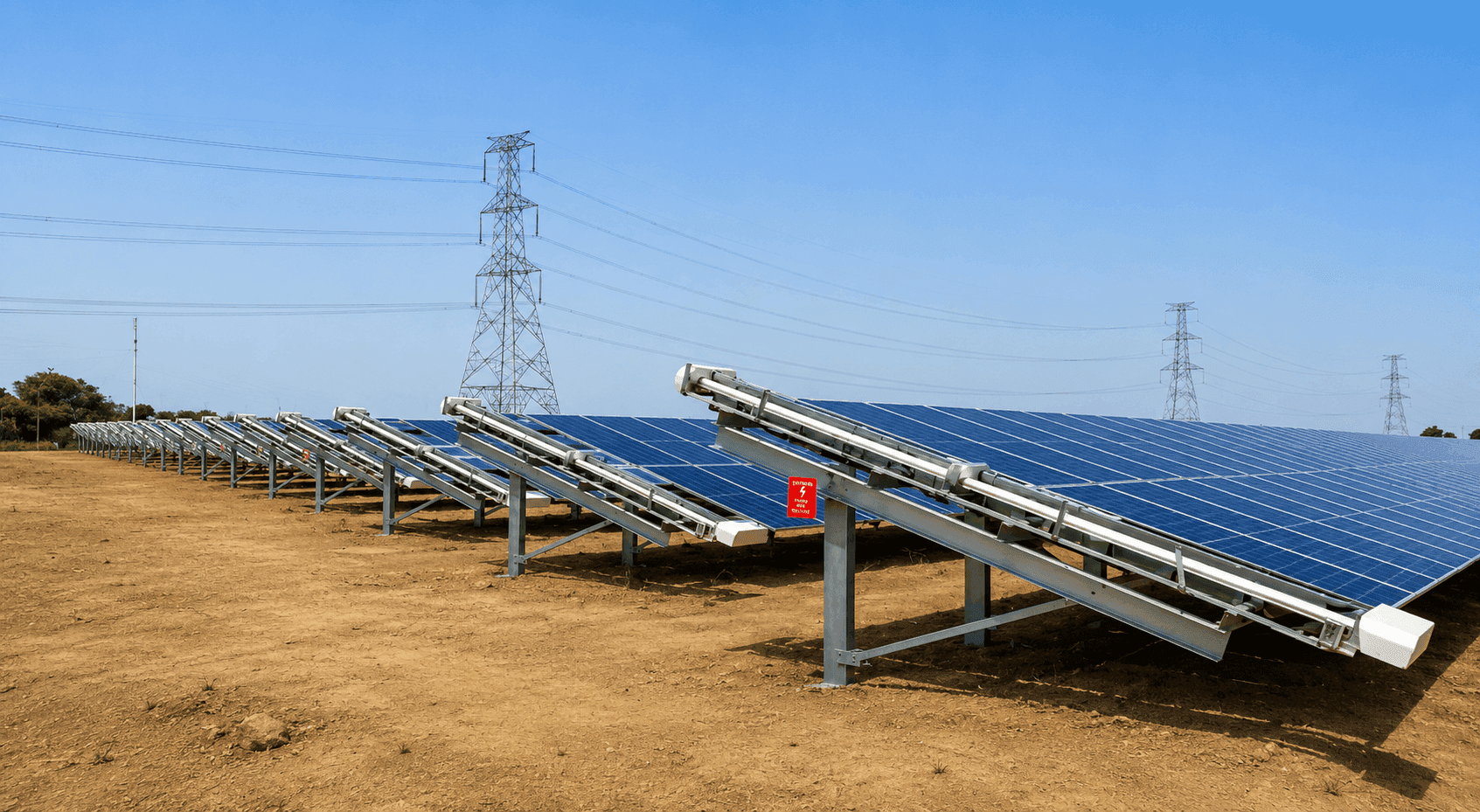
The NYUMA site deals with many environmental challenges every day. These challenges come from the local weather and dust. Airborne soil and fine mineral deposits settle on the fixed-tilt modules. This creates a constant shading effect on the panels. This layer of dust acts as a barrier. It blocks the light needed for high-efficiency energy conversion. Since the site uses a ground mount array, the dust settles very evenly. This happens across all the panel surfaces during the dry season.
If left alone, these dust layers hurt the plant. The site team used to struggle with manual cleaning. Labor was often hard to find. Water was also expensive to move to the site. By using the semi-automatic NYUMA robot, the facility follows a new rhythm. They now perform 3 to 10 dry cleaning cycles each month. This controlled schedule manages dust buildup effectively. It ensures the panels absorb maximum light. It also avoids the heavy resource use of wet cleaning methods.
O&M before Taypro
Overcoming Operational Friction at the 11.3 MW NYUMA Facility
Before using Taypro robots, the 11.3 MW NYUMA plant faced high friction. Manual cleaning was the main method used. This traditional wet cleaning used too much water. Water is a very scarce resource in this region. It was hard to find reliable water logistics. This made it nearly impossible to keep a steady cleaning schedule. The ground mount array needed regular care. Without a steady schedule, dust built up quickly. These challenges led to several operational hurdles for the site managers.
The manual approach also created gaps in audits. It also caused inconsistent performance. Managing field labor was a major task. Because of this, cleaning intervals were irregular. Dust layers could build up very quickly. These soiling challenges led to energy generation gaps. Site managers faced these specific problems:
- High water use per cleaning cycle, which strained local resources.
- Unreliable cleaning frequency due to manual labor needs.
- Performance drops from uneven removal of mineral deposits.
- Rising O&M costs from labor and logistics requirements.
Fleet and deployment at 11.3 MW
Fleet and Deployment at the 11.3 MW NYUMA Site
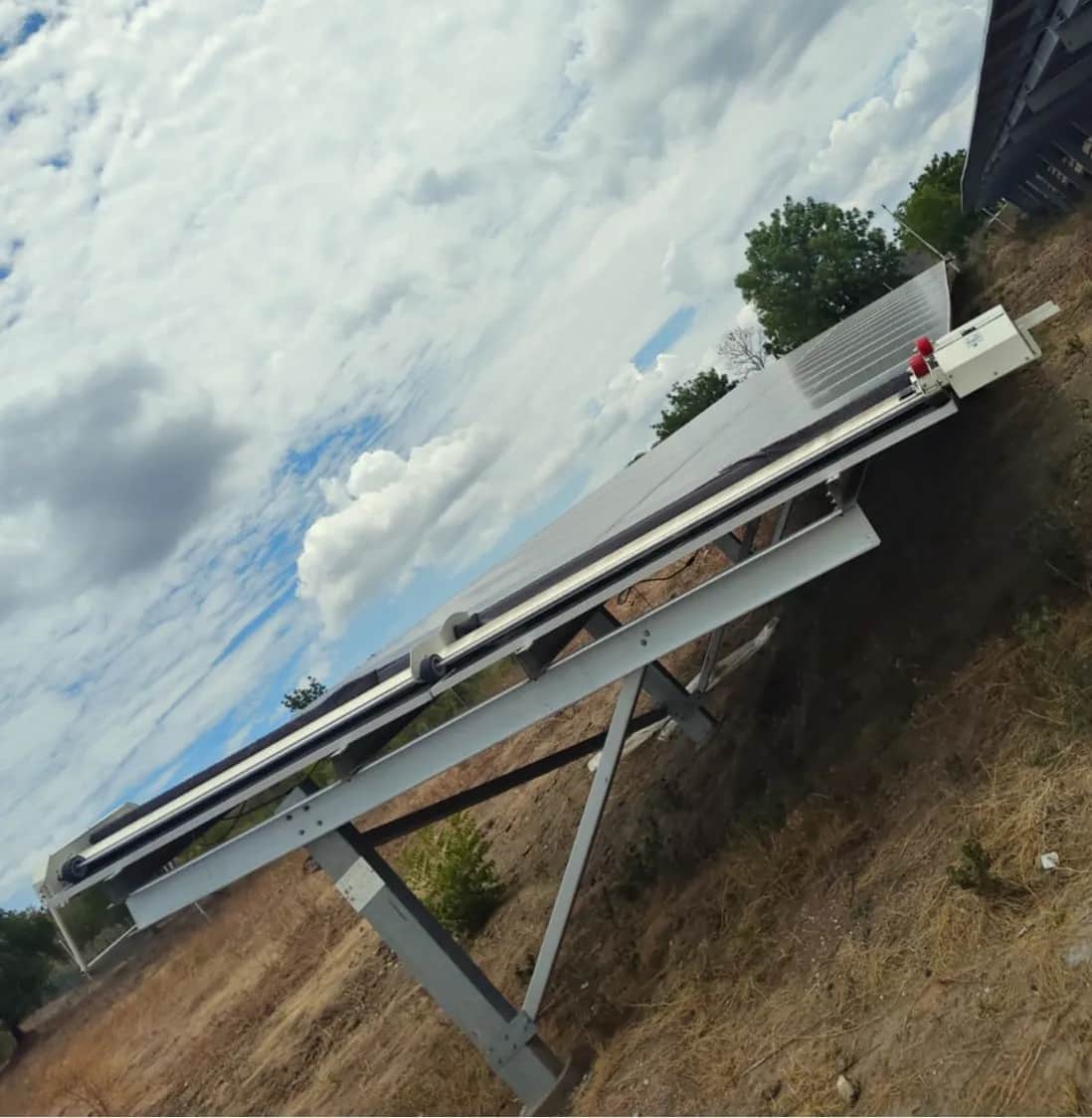
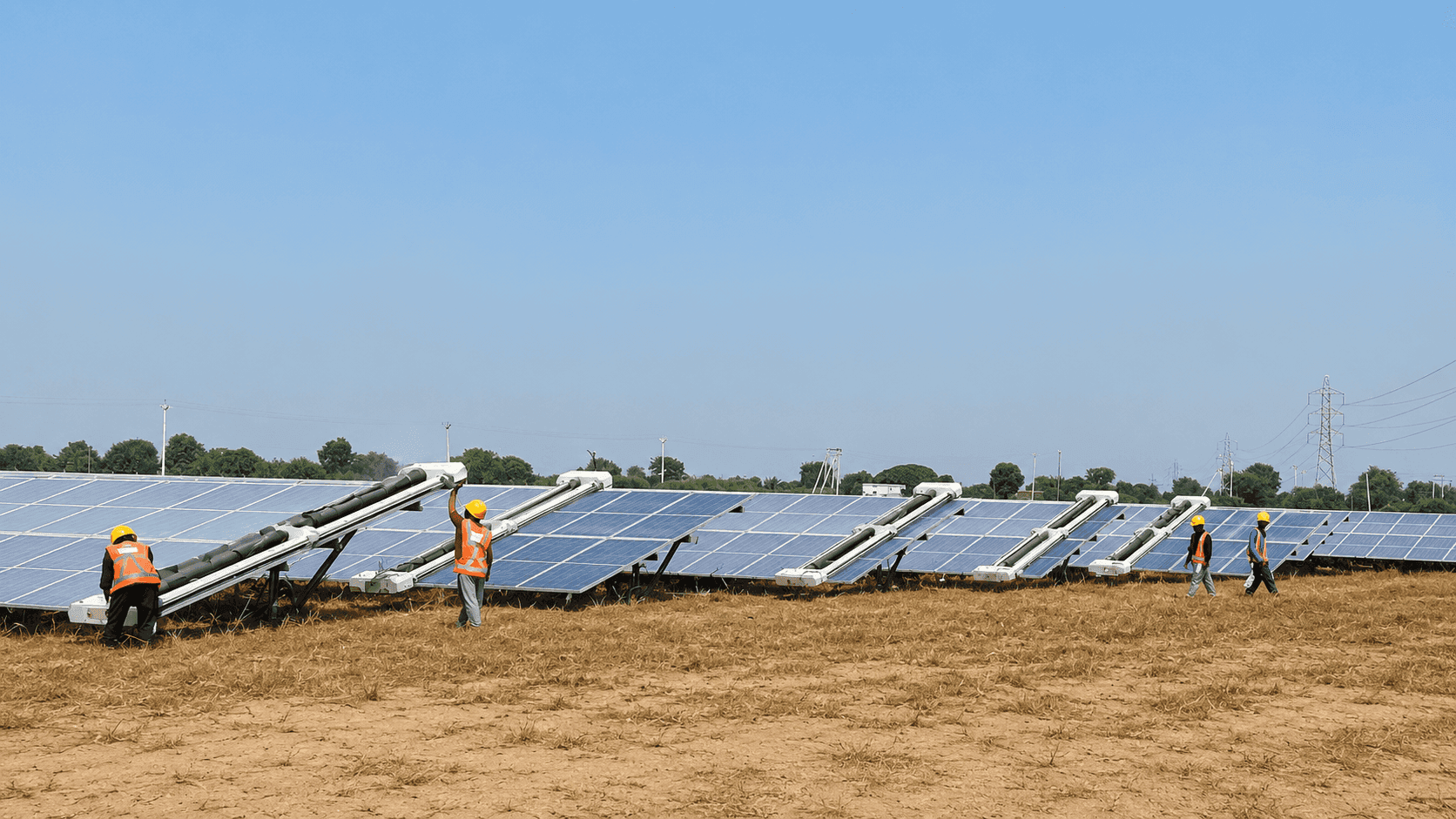
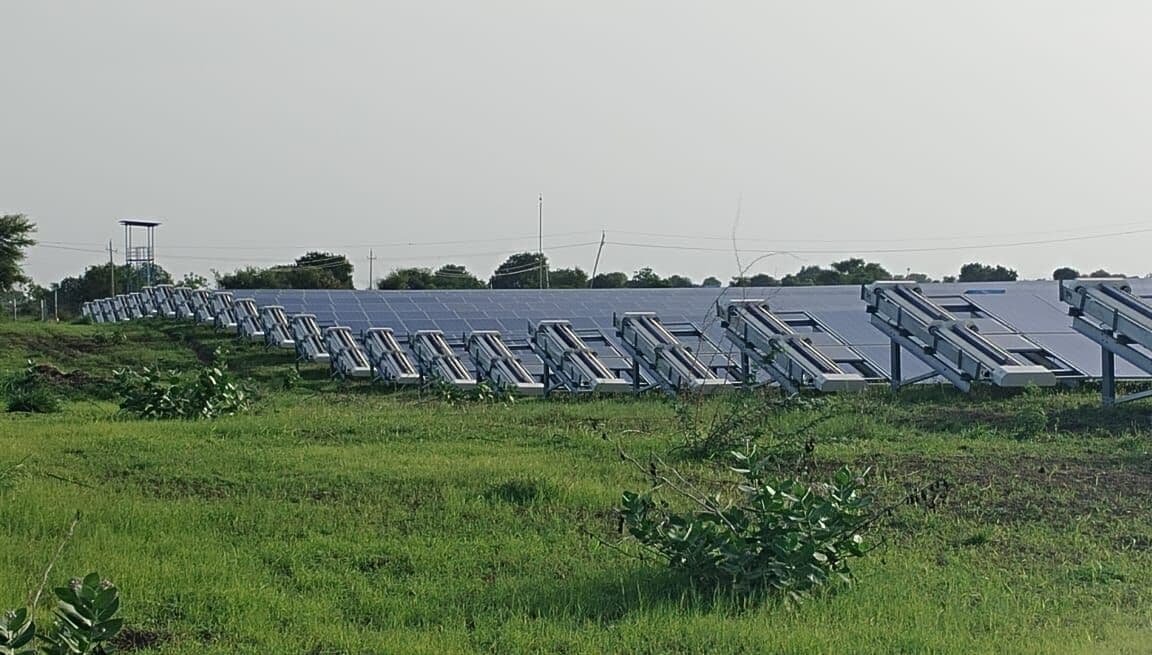
The deployment strategy for this 11.3 MW plant is simple and efficient. The plant uses one semi-automatic unit. This unit manages the whole site. It uses a pick-and-place process. This ensures even coverage across all blocks. This setup matches the cleaning capacity to the farm layout. This optimizes the total investment for the owner.
The plant uses a Capex procurement model. This gives the owner full control over their assets. The robot uses a pick-and-place method. It services the ground mount blocks on a set schedule. It performs dry cleaning cycles to keep the panels clean. This approach helps the 11.3 MW site stay high-performing. It also removes the need for water-based maintenance. This single robot helps mitigate regional soiling. It saves 42,000 litres of water every year. It also recovers 11.3 MWh of clean energy.
Operations and monitoring
Operations and Maintenance Strategy for the 11.3 MW Site
The operational plan uses the NYUMA robot for strict accountability. The maintenance team follows a clear schedule. They perform 3 to 10 dry cleaning cycles every month. This keeps the 11.3 MW ground mount array efficient. It prevents the losses seen with manual cleaning. It also ensures the modules stay clean throughout the year.
High wind speeds can stop operations. This protects the equipment from damage. By adding this schedule to the workflow, management has improved things. They replaced unreliable manual labor with a predictable robot process. This method is backed by data. It does not rely on the myth of daily washing. Instead, it uses smart cleaning intervals. This maximizes energy and saves water across the facility.
Results and impact
Results and Impact
The semi-automatic robotic system has changed the NYUMA facility. It has moved the site away from unreliable manual methods. The project now has a predictable maintenance routine. This ensures the module surfaces stay clean and efficient all year. The plant can now rely on its automated cleaning schedule.
The impact is clear in two areas: resource saving and energy output. The site no longer needs heavy water use for washing. This saves a lot of local water each year. Also, the robot recaptures energy that was lost to dust. This case shows the real value of robotic cleaning. It is a smart choice for utility-scale solar operations in India.