Executive summary
solar panel cleaning robot India, The 93.8 MW Sungazing ground mount facility in India faced major operational problems. Traditional wet cleaning methods caused many issues. Regional soiling patterns were very heavy. Also, manual cleaning required too much water. These logistics hurdles made regular cleaning difficult. This led to low energy generation during peak dust seasons. The site also lacked auditable performance records.
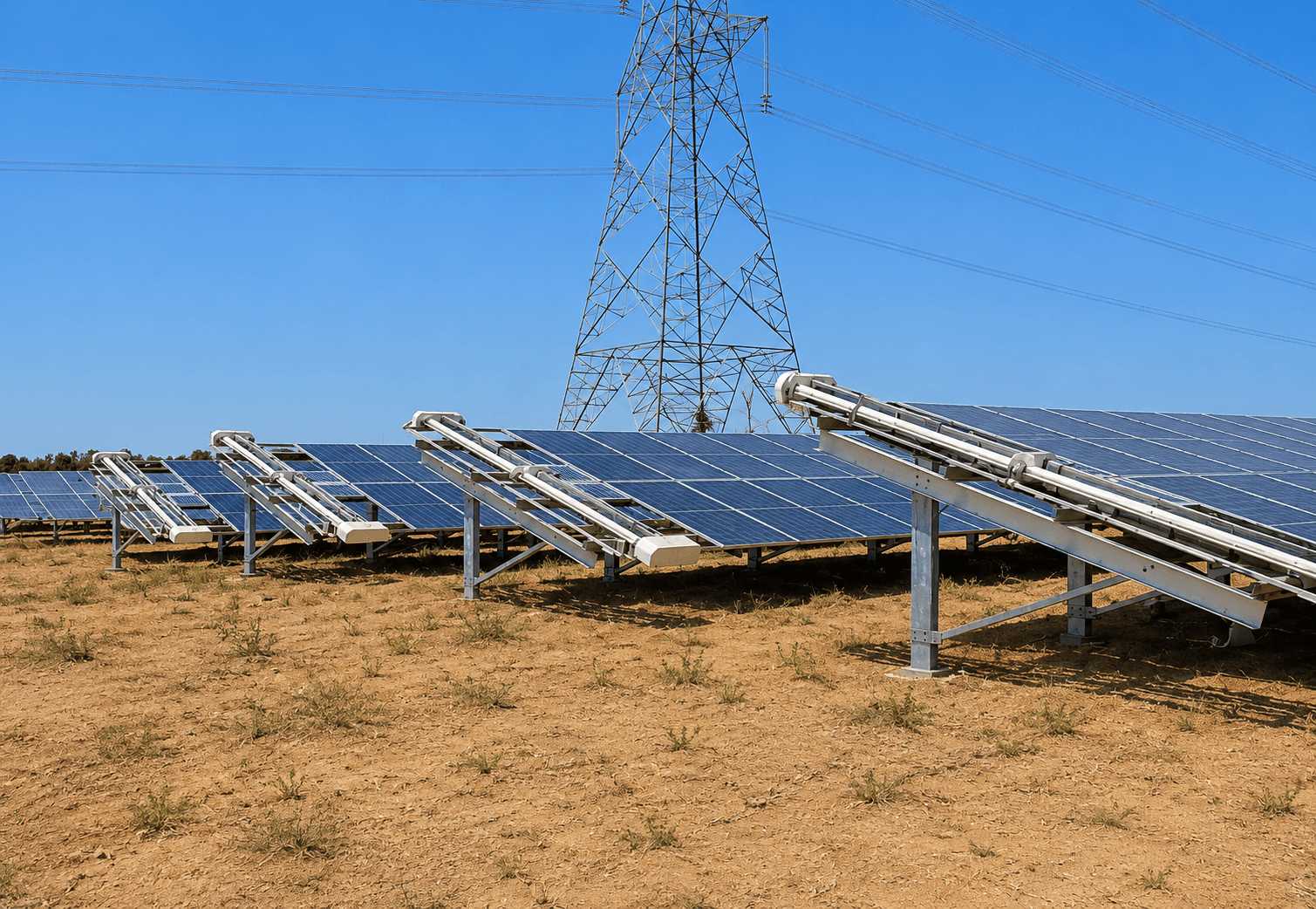
To fix this, the facility moved to a Capex-driven waterless strategy. They deployed five HELYX semi-automatic robots. These pick-and-place robots work well in scattered layouts. The team uses a schedule of 3 to 10 dry cleans per month. This new method uses no water for panel cleaning. The transition recovered 93.8 MWh of energy every year. It also saved 350,000 litres of water annually. This created a much more sustainable O&M framework for the asset.
Environment and soiling at Sungazing
Managing Site-Specific Soiling Dynamics at Sungazing
The Sungazing 93.8 MW site faces unique environmental pressures. These pressures define its daily operations. The region experiences high dust loading. Prevailing winds move fine dust across the entire array. This dust settles on the modules in uneven patterns. Wind holds can also shift these dust deposits quickly. Because of this, a static cleaning schedule does not work well. A rigid schedule often misses the actual needs of the modules.
The site topography adds more complexity. Certain areas create micro-climates where air currents stall. These are often called "dead zones." These zones lead to faster dust buildup. Conventional manual checks often miss these specific spots. Previous manual programs struggled to provide even coverage. Moving water to these zones was too difficult. This meant priority queues were often reactive rather than predictive.
The plant now manages these challenges with high precision. The deployment of HELYX units helps the O&M team. They can now focus on high-soiling blocks. These blocks correlate with seasonal wind trends. This site-specific approach offers several key benefits:
- Targeted cleaning based on wind-driven dust patterns.
- Improved coverage by removing water logistics limits.
- Auditable records for every single cleaning block.
- Dynamic scheduling using NECTYR monitoring data.
O&M before Taypro
Operational Challenges and Manual Maintenance Constraints at Sungazing
The 93.8 MW Sungazing site used manual cleaning before. These programs were not enough for the harsh conditions. Maintaining panel performance required massive amounts of water. This created huge logistical bottlenecks. During peak soiling weeks, water supply was a struggle. Moving water required many trucks and many workers. This meant cleaning frequency was often low. Low cleaning frequency led to big energy losses.
The manual model also lacked proper oversight. Site teams found it hard to clean every block evenly. Manual documentation was often messy or incomplete. There were no auditable records to prove cleaning happened. Operators could not see which rows were serviced. This made it impossible to optimize cleaning schedules. They could not react to localized dust buildup effectively.
The facility was stuck in a reactive cycle. Many modules stayed dirty for long periods. This happened because the team could not track progress. This gap in operations forced a major change. The plant needed a waterless robotic system. They needed to secure consistent energy recovery. They also needed to replace manual tasks with repeatable data. This transition was necessary for long-term success.
Fleet and deployment at 93.8 MW
Fleet and Deployment for the 93.8 MW Sungazing Facility
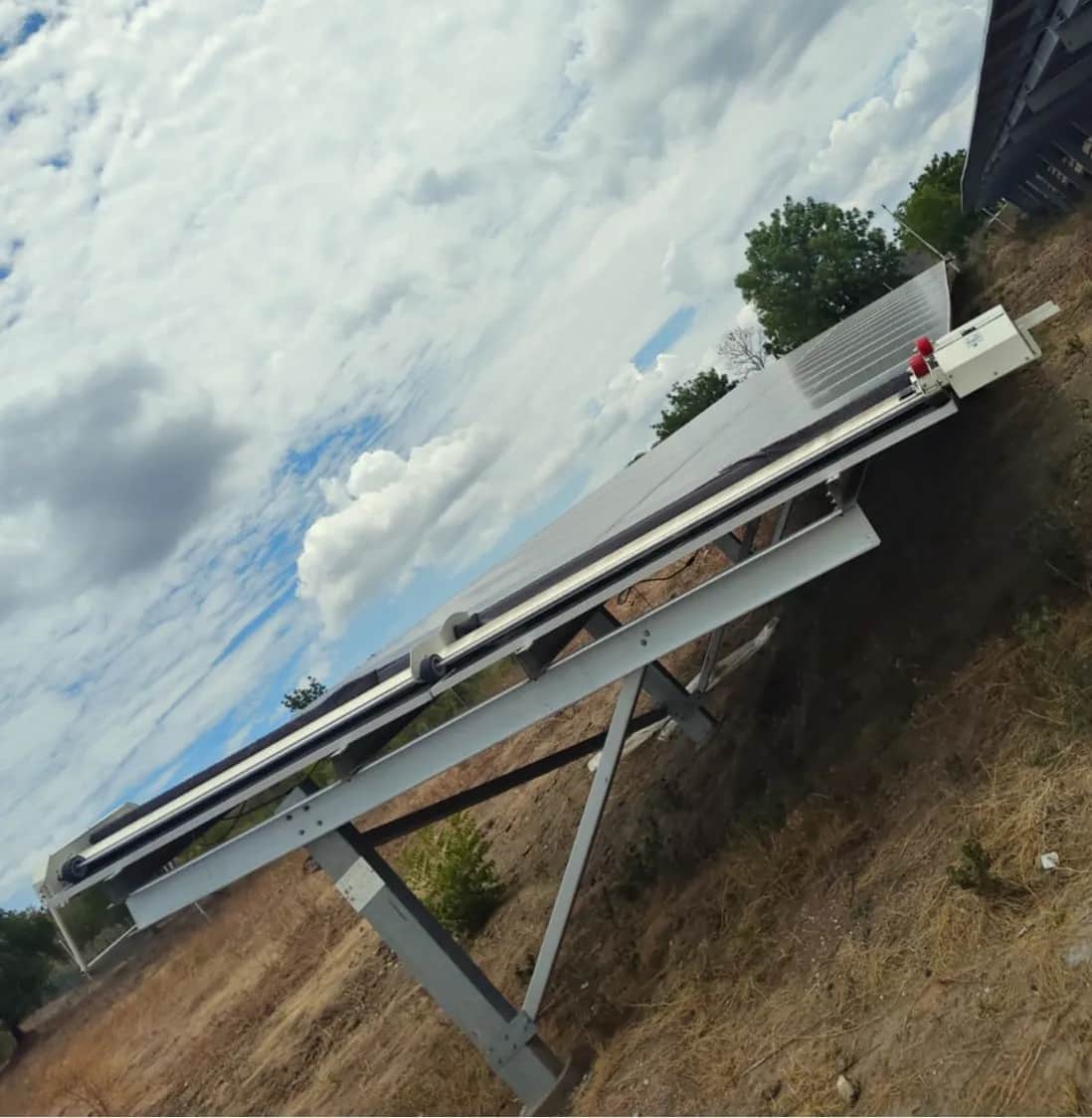
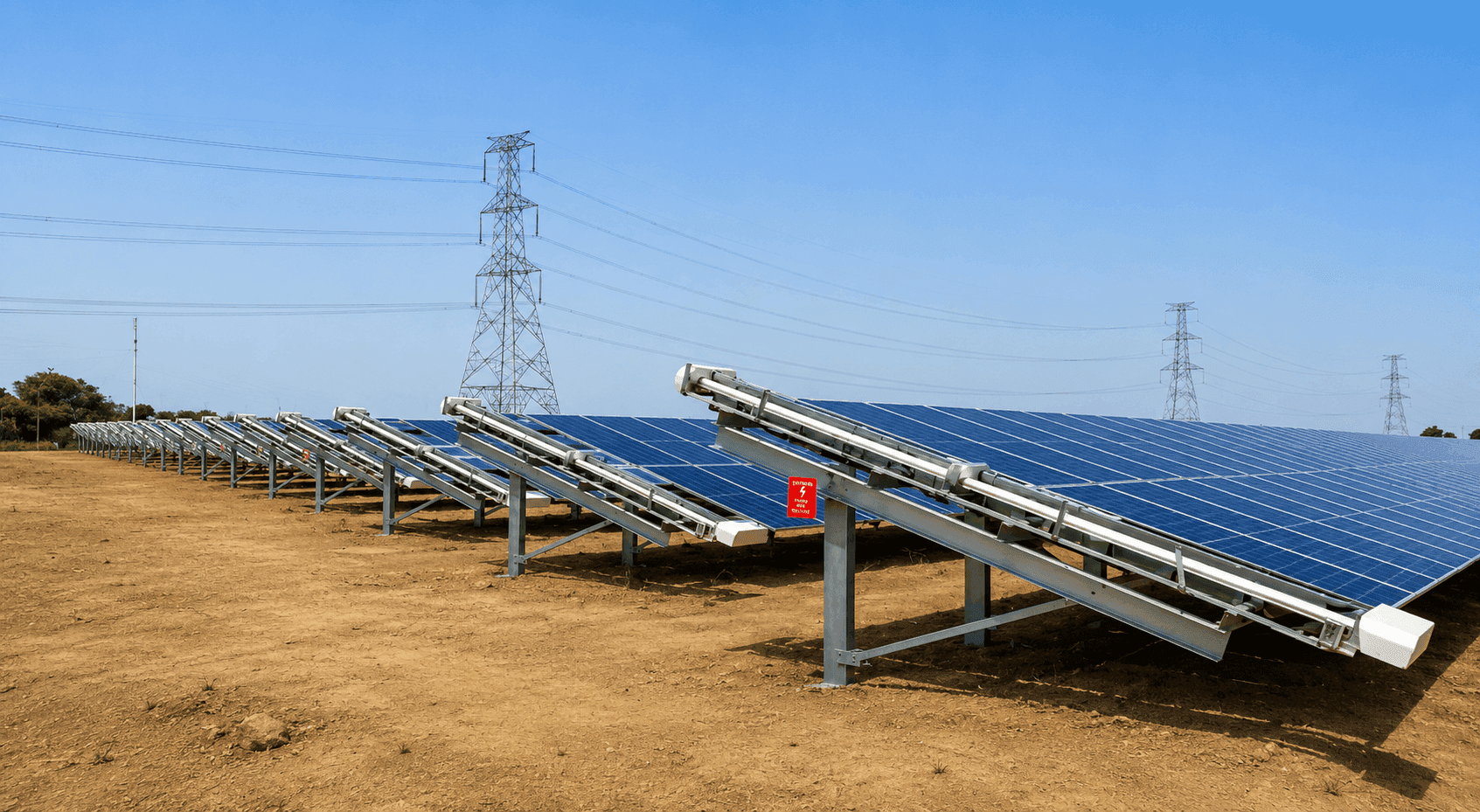
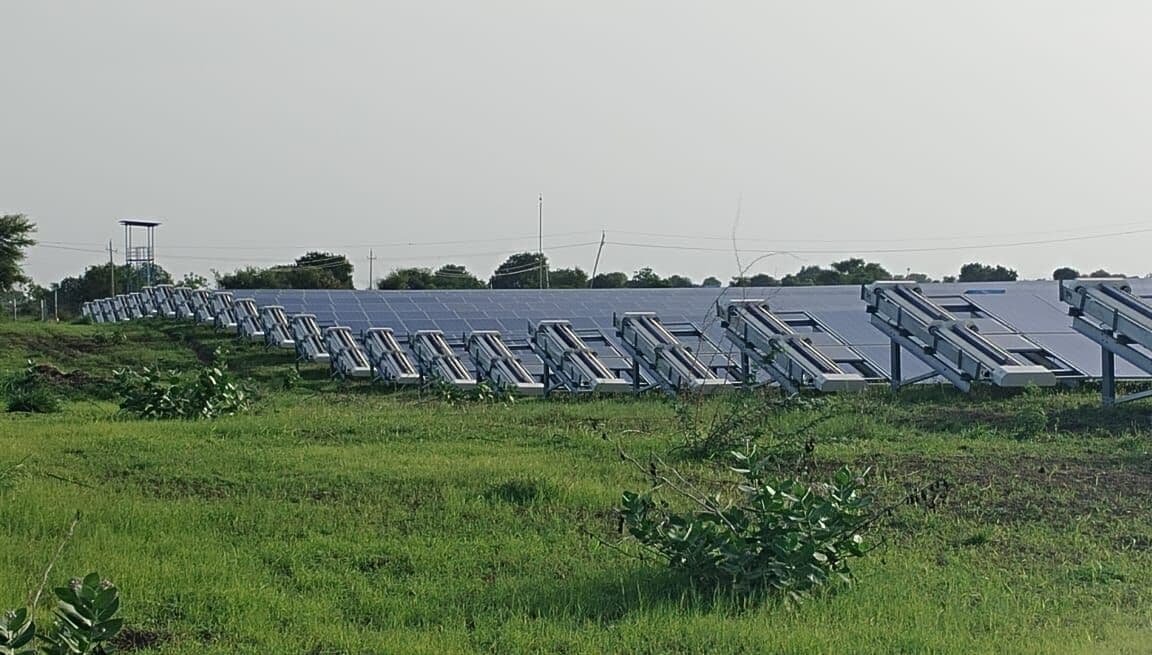
The 93.8 MW Sungazing site moved to a Capex model. This shift addressed the problems of manual maintenance. The project focused on a five-unit HELYX fleet. These robots were chosen for the scattered ground mount layout. This strategy moves away from water-based labor. The site can now maintain clean panels despite water scarcity. It also avoids seasonal logistics problems.
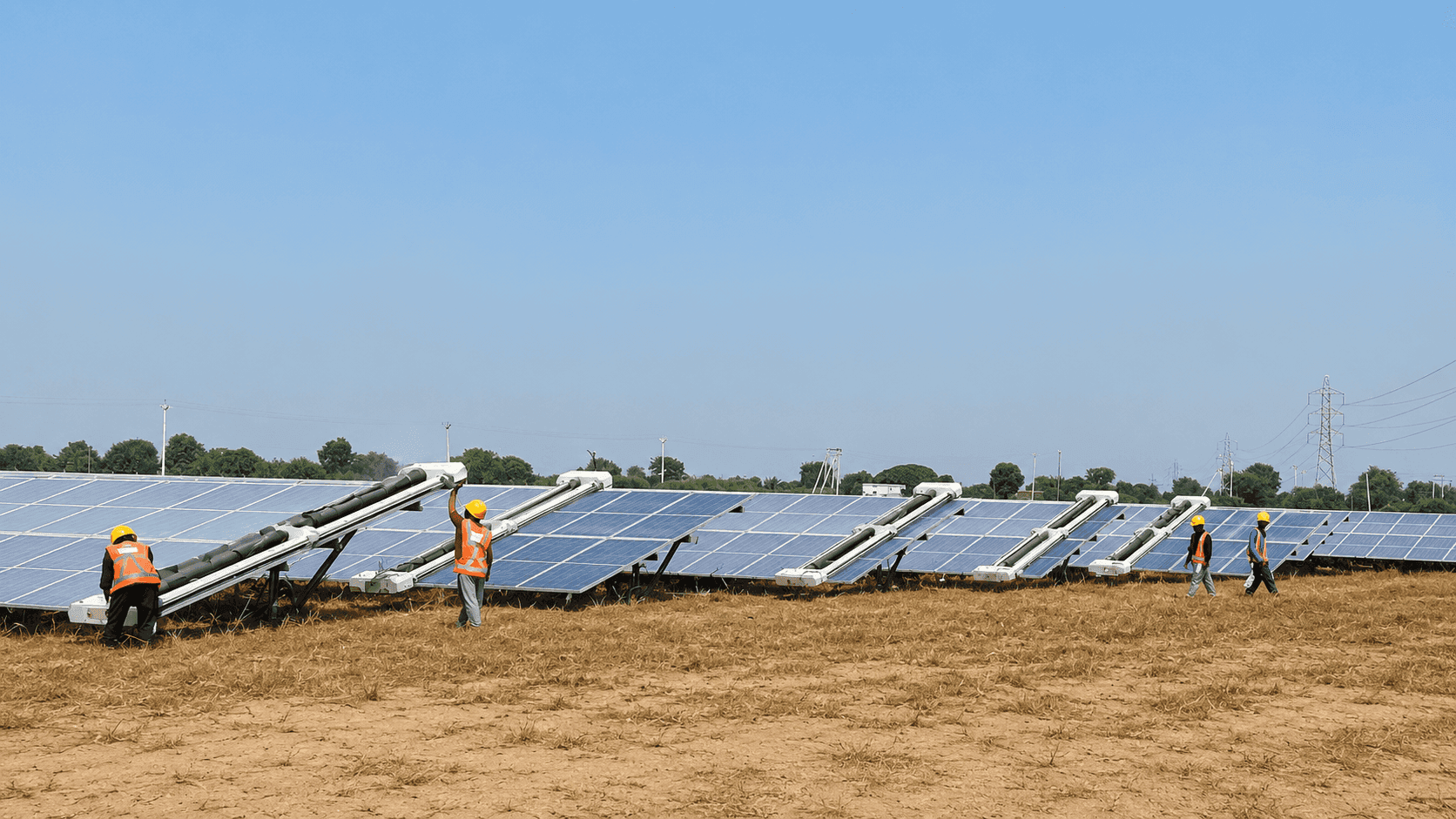
The HELYX fleet uses a pick-and-place model. This allows for great versatility across the large site. Workers move the robots to specific rows as needed. The robots use single-pass PBT brush technology. This provides a high-quality waterless clean. This is vital for the windy conditions at the site. Because the robots are semi-automatic, the team manages a set schedule. They perform roughly 3 to 10 dry cleaning cycles per month. This frequency changes based on NECTYR data. The team targets high-accumulation blocks during peak dust periods.
The commissioning process integrated the robots into daily workflows. Each unit is easy to carry and move. This helps the team move between scattered blocks. This deployment has ended the need for manual logs. The HELYX units provide an auditable path for maintenance. This helps recover additional energy every year. The facility has mitigated the high costs of water logistics. It has also secured a more reliable energy output.
Operations and monitoring
Operations and Monitoring at the Sungazing Facility
Success at Sungazing relies on smart maintenance. The plant has moved past water-based limits. Manual programs could not provide repeatable coverage. They also failed to provide auditable data. The site now uses scheduled dry cleaning cycles. This maintains panel performance without the water burden. It also removes the need for water trucks during peak dust weeks.
The site uses a semi-automatic cleaning strategy. The maintenance team follows a disciplined cadence. They schedule 3 to 10 dry cleaning cycles every month. This schedule matches the regional soiling patterns. NECTYR software informs these cleaning decisions. It provides visibility into which blocks need priority.
Operational control is refined through active monitoring. The site uses these key features:
- NECTYR Integration: Every cleaning cycle is logged. Plant managers see the status of every array block.
- Wind Hold Protocols: The robots include safety overrides. They trigger a "wind hold" if conditions are too high.
- Efficiency-Led Accountability: The shift to dry cycles ensures consistent results. It also provides transparent data logs for owners.
Standardized robotic cycles replace ad-hoc manual work. This helps the Sungazing project achieve stable power output. It also provides significant operational savings each year.
Results and impact
Optimizing Performance and Resource Efficiency
The new waterless model changed the plant's profile. The site moved away from performance volatility. It also moved away from labor constraints. The integration of the NYUMA system was a key step. This shift ensures repeatable array coverage. It also cuts the need for costly water logistics. This is especially helpful during peak soiling periods.
The results show massive energy recovery. They also show great environmental preservation. The scheduled dry cleaning cycles unlocked lost energy. This energy was previously lost to heavy dust. The project also reduced water consumption significantly. This addresses water scarcity in India. It is a major win for utility-scale solar sites.
Key outcomes from this implementation include:
- Enhanced Energy Yield: The fleet keeps modules transparent. This leads to a boost in annual energy generation.
- Resource Conservation: The waterless method stops the need for water trucks. This saves critical local water resources.
- Operational Reliability: The repeatable cadence provides accurate data. Plant managers get high-confidence cleaning records.
The Sungazing plant shows the value of robotics. It proves that smart fleet management secures asset health. It also shows how to combine technology with smart O&M.
Peer comparison and planning checklist
Peer Comparison and Scalable Technology Selection
The 93.8 MW Sungazing project shows how to match technology to scale. It is different from smaller 2.5 MW plants. Smaller plants often use fully automatic NYUMA systems. This 93.8 MW site uses five HELYX semi-automatic robots instead. HELYX is perfect for scattered plant blocks. Fully automatic systems are best for dense, continuous rows. However, the HELYX pick-and-place model is very cost-effective. It is an agile solution for distributed layouts. It is easier to manage than total automation in complex areas.
Choosing the right technology requires a careful balance. You must look at capital expenditure and soiling levels. You must also look at terrain constraints. Large sites benefit from autonomous fleets. These fleets allow for daily waterless cleaning cycles. Distributed projects often prefer semi-automatic units. These units are mobile and lightweight. A successful transition requires a deep look at your environment. This ensures you maximize your long-term asset availability.
Use this checklist to evaluate your site requirements:
- Check annual soiling rates and energy loss trends.
- Decide between autonomous systems and pick-and-place units.
- Audit your current water logistics and labor costs.
- Verify if robot dimensions fit your array tilt and spacing.
- Set a repeatable dry cleaning cadence for your modules.
- Use fleet monitoring software to capture cleaning records.
For more information on optimizing your solar plant, visit our Solar O&M services page or check our blog for expert insights.