Executive summary
solar panel cleaning robot India, The 37.5 MW Thakkar Chemical facility faced major operational hurdles. High regional soiling levels caused significant problems. This dust consistently lowered the energy yields of the solar array. The site also relied heavily on manual maintenance. This method created unsustainable costs for the plant. It also required a large amount of scarce water resources.
To fix this, the facility modernized its O&M strategy. They shifted toward a long-term Capex-driven procurement model. This transition aimed to stabilize all maintenance expenses. It also ensures more consistent panel performance. The facility achieved this through advanced robotic technology.
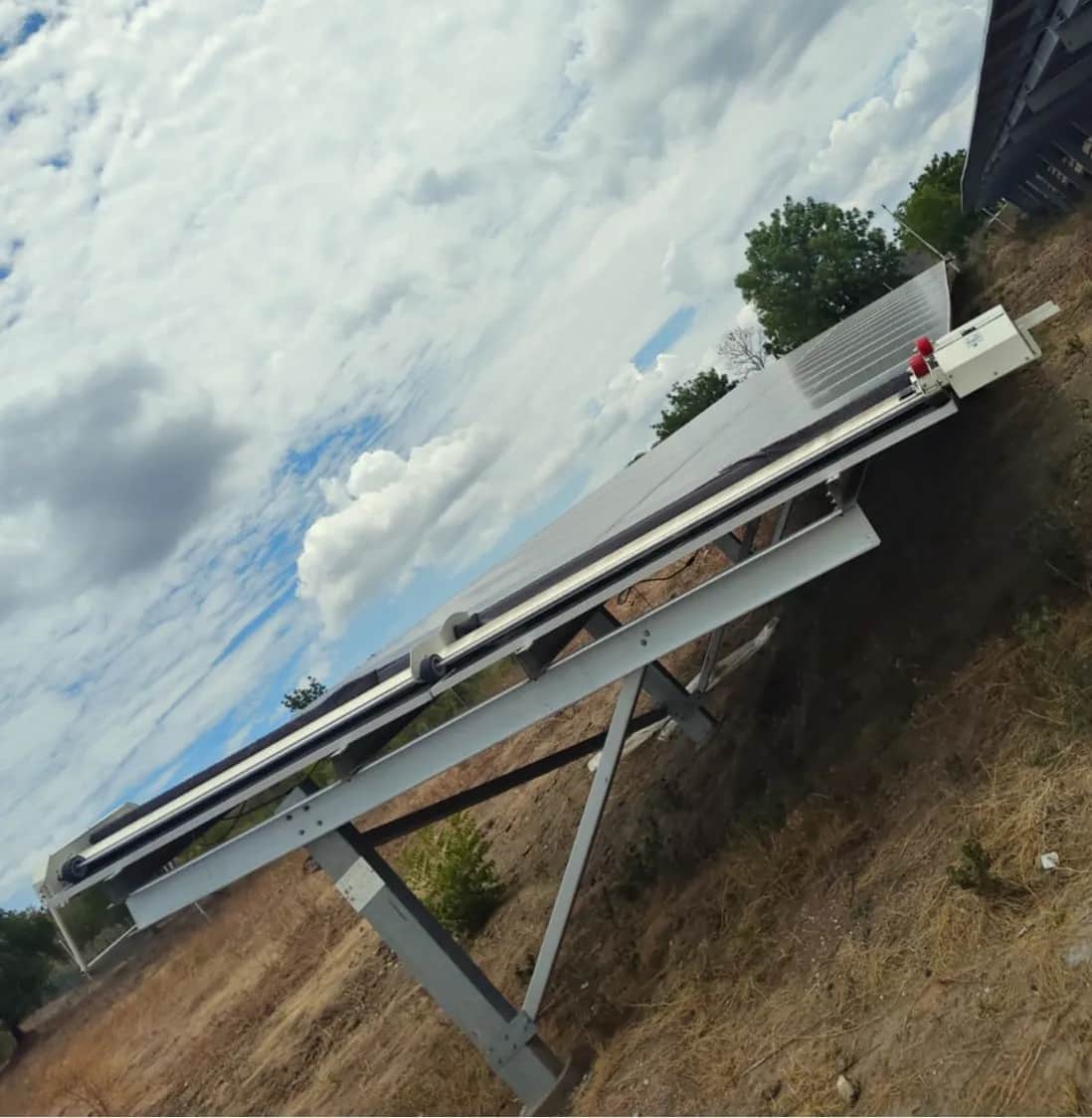
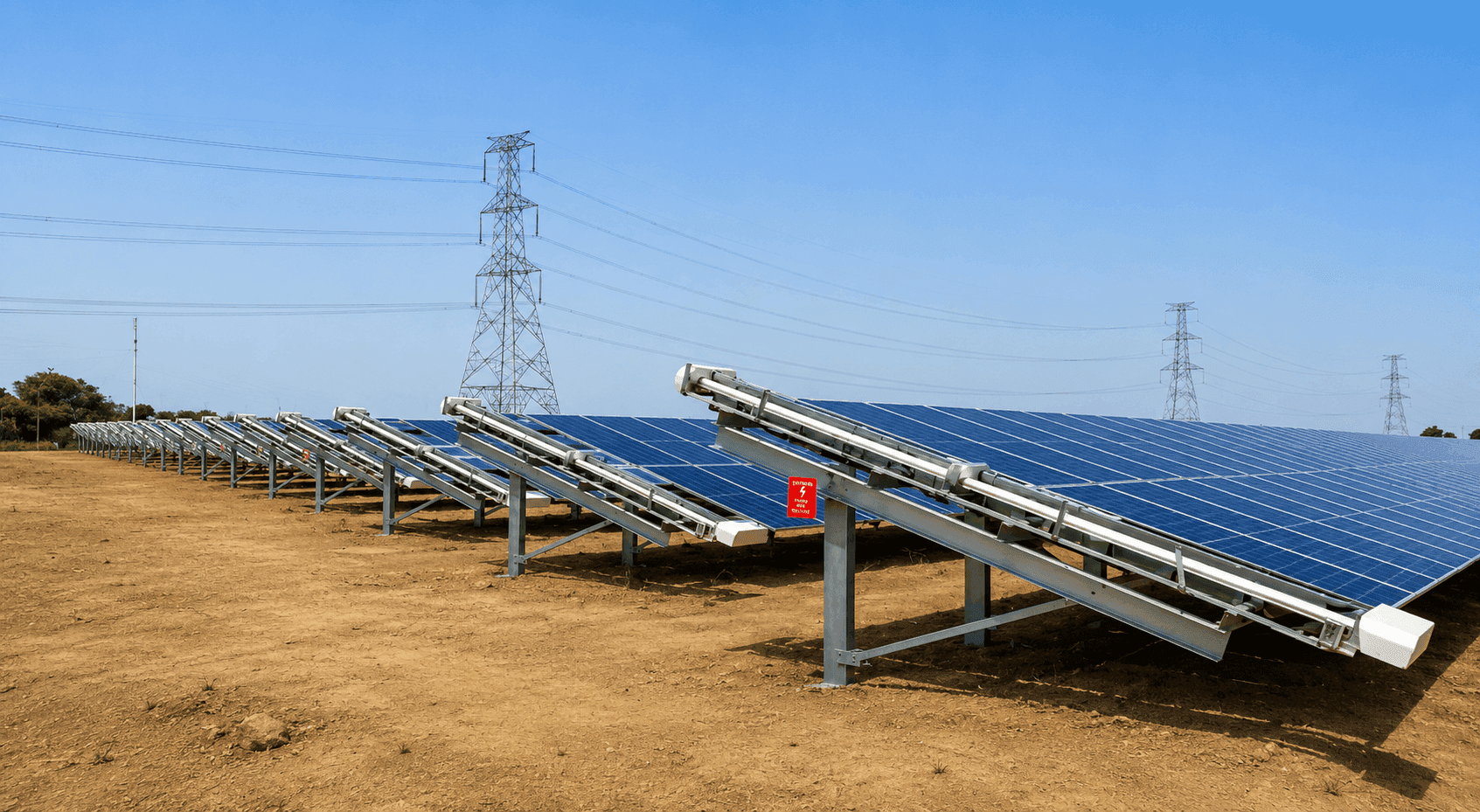
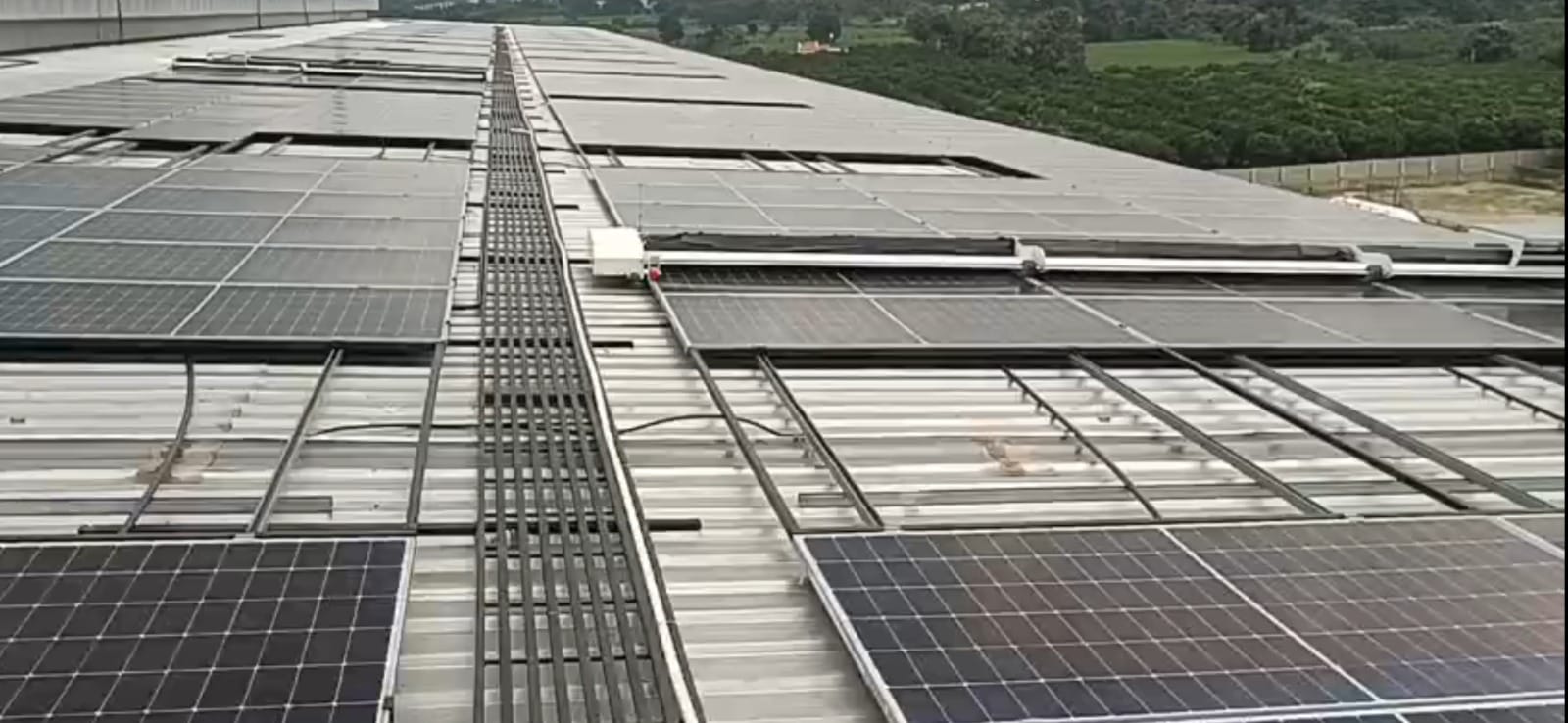
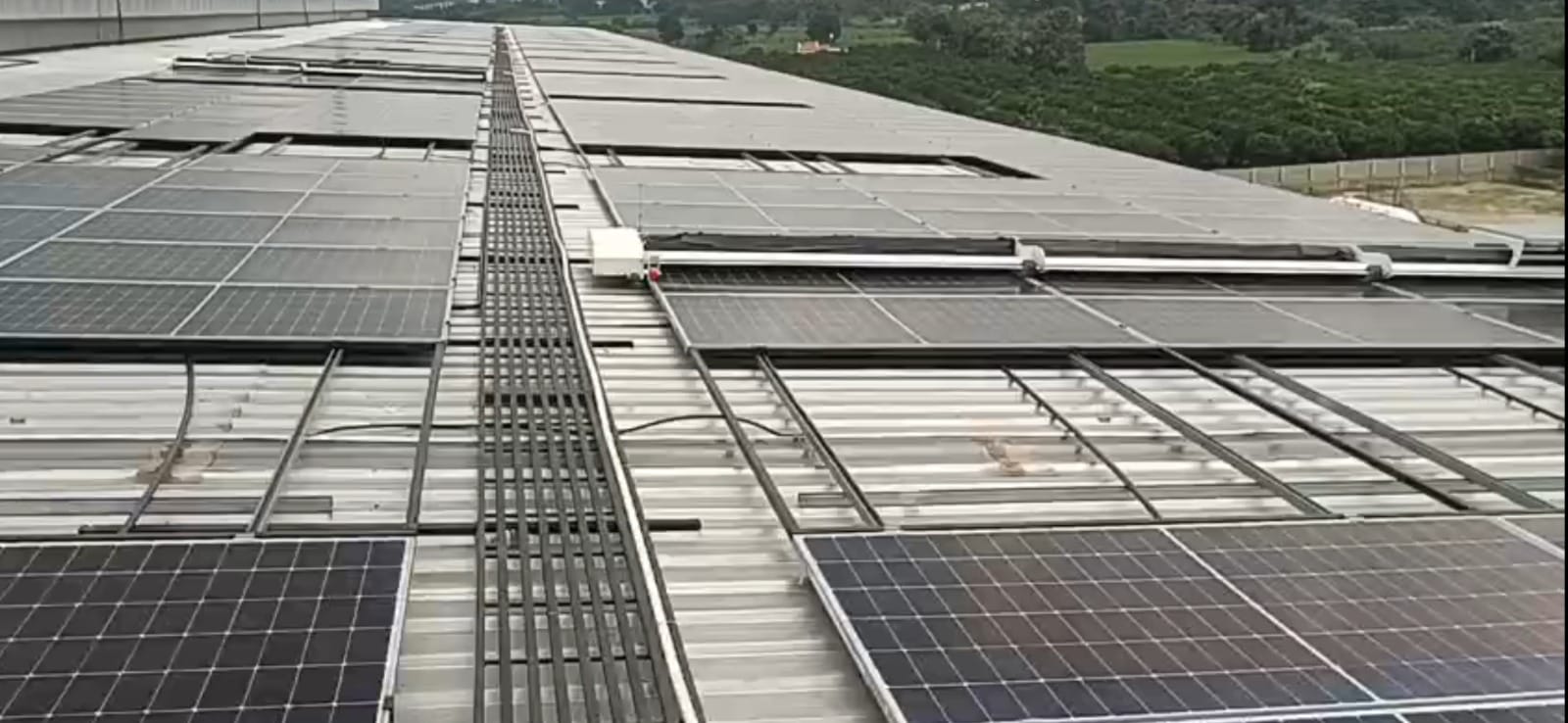
Taypro deployed a solar panel cleaning robot in India to solve these challenges. This specific case study features the NYUMA system in a semi-automatic mode. This implementation allows for a strict maintenance cadence. The site now uses scheduled dry cleaning cycles. These cycles drastically reduce the dependency on water. The deployment delivered 37.5 MWh/yr in additional generation. It also saved 140,000 litres of water every year. This automation provides a reliable path to peak performance. It effectively removes the inefficiencies of manual cleaning.
Environment and soiling at Thakkar Chemical
Regional Soiling and Site-Specific Maintenance at Thakkar Chemical
The 37.5 MW Thakkar Chemical site operates in a difficult environment. The region has high levels of ambient dust. It also has high concentrations of particulate matter. These pollutants are common in nearby industrial landscapes. These airborne particles settle quickly on the solar modules. They form a thick and stubborn crust on the glass. Traditional cleaning methods struggle to remove this layer effectively.
This pervasive soiling layer creates serious shading issues. Shading leads to uneven temperatures across the solar cells. This temperature imbalance causes measurable drops in daily energy yields. The plant must manage this dust to stay profitable.
The deployment uses a specific operational approach to solve this. The facility follows these three core strategies:
- Adaptive Cleaning Cadence: The site uses semi-automatic deployment. The schedule is optimized for 3 to 10 dry cleaning cycles per month. Local weather patterns determine this frequency. Real-time soiling rates across the 37.5 MW array also guide the timing.
- Mechanical Efficiency: The system uses a specialized approach for targeted cleaning. This ensures dust is removed without using water. It also avoids the use of abrasive chemicals. This prevents the formation of messy slurry. Slurry often forms when water mixes with industrial dust.
- Asset Protection: The PBT brush technology is very durable. It is engineered to handle specific regional grit profiles. This protects the modules during the cleaning process. It ensures the anti-reflective coatings remain intact.
O&M before Taypro
Operational Challenges and Resource Constraints at Thakkar Chemical
The 37.5 MW Thakkar Chemical site used manual labor before this upgrade. Every module required manual maintenance. This traditional approach created many logistical hurdles. The most significant issue was the lack of consistency. Manual teams found it hard to maintain uniform standards. They could not cover the large footprint effectively. This led to gaps in cleaning quality. It also caused frequent shortfalls in energy production.
Water scarcity was another critical risk for the facility. The plant operates in a water-stressed environment. Intensive wet cleaning was not sustainable. It was also economically inefficient for a site this large. Manual labor also introduced many variables. Cleaning quality changed depending on the crew. It also raised concerns regarding site safety. Manual cleaning in hazardous field conditions is risky. The facility needed a better way to manage these risks. They required a scalable and waterless cleaning strategy. This new strategy had to stabilize generation while saving local water.
Fleet and deployment at 37.5 MW
Fleet and Deployment Strategy at 37.5 MW
The deployment strategy at Thakkar Chemical focuses on a Capex-driven model. It uses a single semi-automatic robot to manage the 37.5 MW site. This procurement choice is very strategic. It allows the site to move away from variable manual costs. Instead, they move toward a fixed, long-term asset model. By investing in the NYUMA robot system, the plant gains stability. The team achieves a predictable maintenance schedule. This secures consistent energy output. It also avoids the recurring costs of external manual labor.
The fleet composition is lean and efficient. The site operates with one NYUMA semi-automatic robot. This unit is calibrated for the site's fixed-tilt infrastructure. It provides rigorous PBT brush cleaning across the entire array. The deployment logic focuses on equipment longevity. The project team chose a Capex investment for full control. This control directly correlates to the annual recovery of 37.5 MWh of extra power. They can decide exactly when and how to clean.
The commissioning process emphasized waterless protocols. The Thakkar Chemical facility exists in a water-stressed area. Therefore, the primary goal was to stop wet cleaning immediately. This goal saves 140,000 litres of water every year. The deployment balances capital investment with long-term goals. It maintains peak module performance through efficient, dry maintenance. This process ensures the solar assets remain healthy for years.
Operations and monitoring
Operations and Monitoring at Thakkar Chemical
Maintenance at the 37.5 MW Thakkar Chemical site is very systematic. The facility uses a structured cleaning cadence. This cadence mitigates the impact of site-specific soiling. The site follows an inspection-led accountability model. They use the NECTYR operations portal to track everything. This portal verifies cleaning logs and site performance. It compares performance against local environmental benchmarks. This ensures every cycle helps maintain the target energy yield.
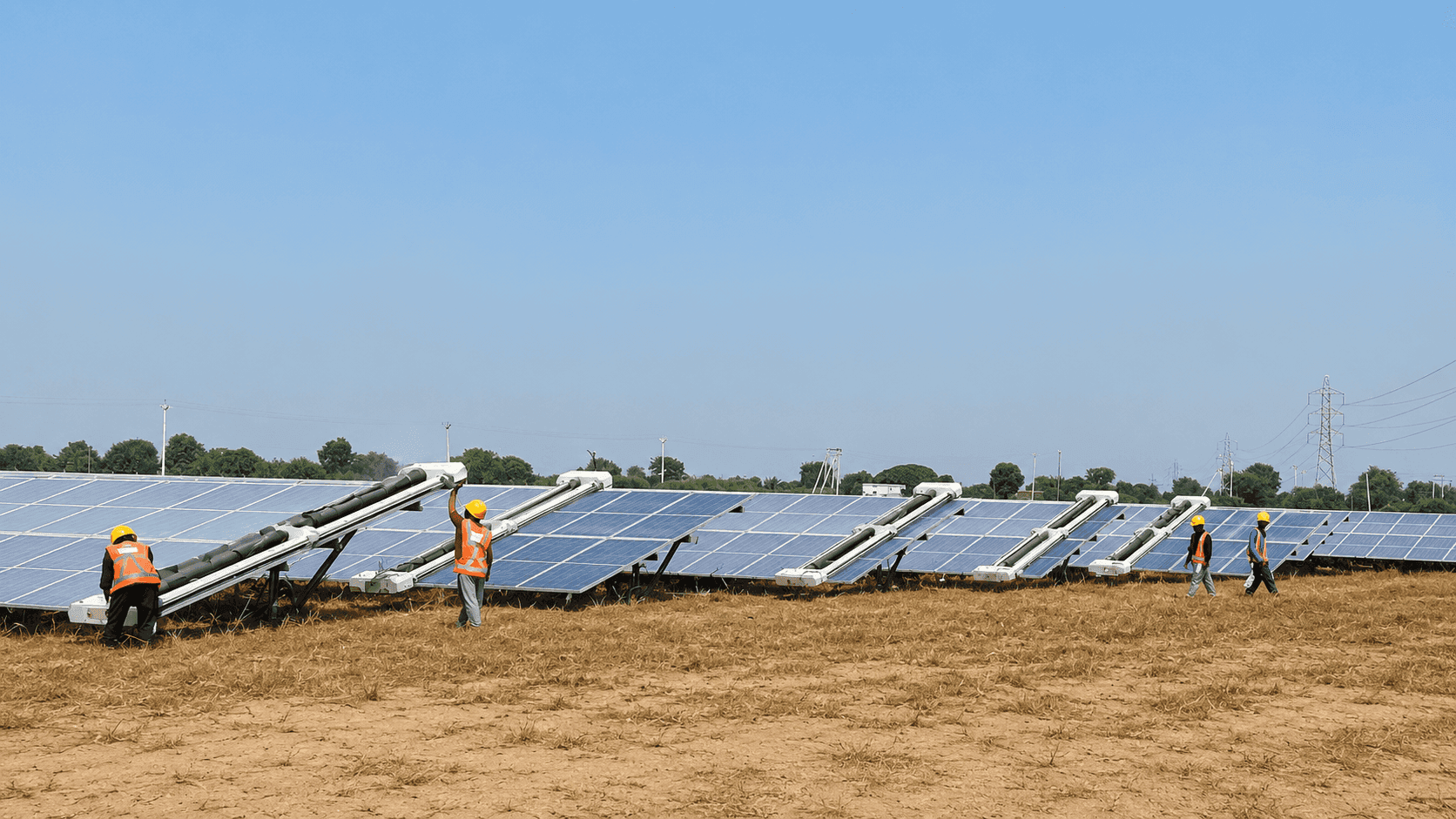
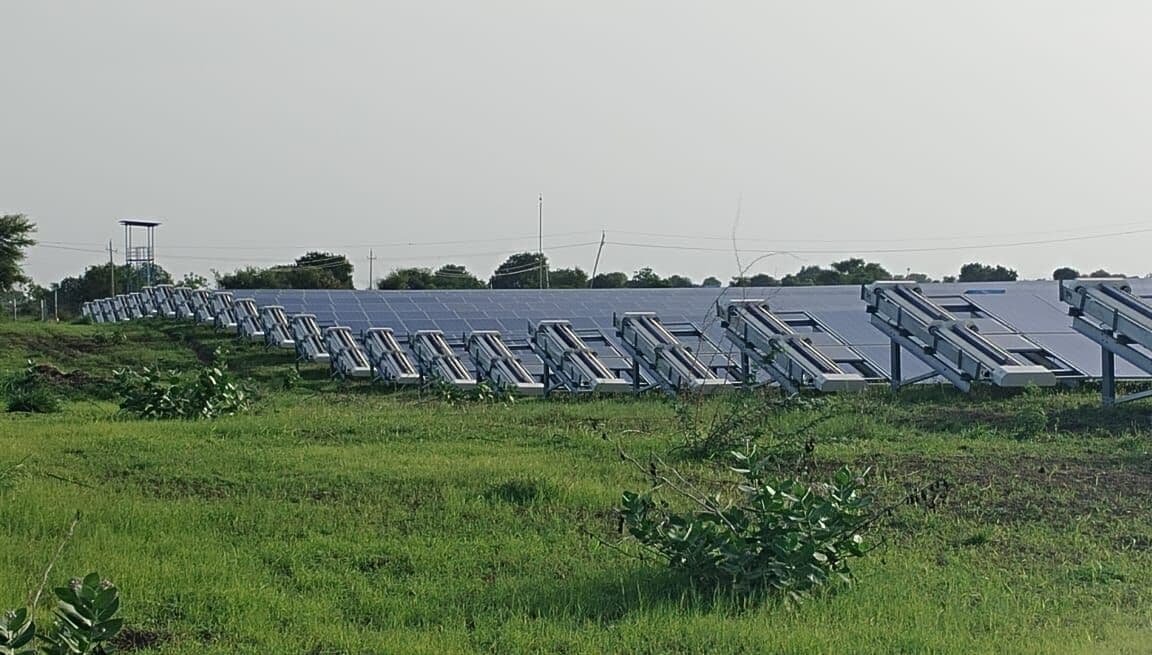
The site implements 3 to 10 dry cleaning cycles per month. This frequency preserves water and optimizes performance. Real-time monitoring data guides the timing. This ensures the semi-automatic NYUMA robot is deployed at the right time. The deployment happens when dust accumulation reaches certain thresholds. The pick-and-place methodology allows for flexible coverage. This is helpful for the scattered plant layout.
Operational safety is a top priority. This is especially true during high-wind conditions. The management team enforces strict wind hold protocols. They suspend all robotic operations if winds are too high. This protects the equipment and the modules. The plant avoids "daily wash myths." Instead, they use evidence-based scheduling. This maintains a professional, waterless standard. It maximizes component longevity and power reliability.
Results and impact
Results and Impact
The NYUMA robot has transformed maintenance at Thakkar Chemical. The site has seen measurable improvements in resource use and plant output. The plant shifted away from labor-intensive manual methods. It has secured a sustainable operating model. This model addresses regional water scarcity effectively. It also maintains very high standards of cleanliness.
The deployment has provided several key qualitative impacts:
- Significant Water Preservation: The site now uses waterless robotic cleaning. This has eliminated the need for manual washing. As a result, the plant saves a massive volume of water annually. This is vital for compliance in water-stressed regions of India.
- Optimized Energy Yield: Consistent dry cleaning cycles have improved output. The project has recovered a significant amount of extra energy per year. This ensures the facility operates near its peak capacity. It successfully mitigates the negative effects of soiling.
- Operational Efficiency: The semi-automatic workflow has improved logistics. It provides a reliable and repeatable solution. This is perfect for the unique distributed layout of this plant.
Peer comparison and planning checklist
Peer Comparison and Scalable O&M Strategy
Many solar owners in India now see semi-automatic robotics as a bridge. It is a step toward full automation. Some 50 MW sites use fully autonomous GLYDE-X trackers. In contrast, Thakkar Chemical uses a flexible NYUMA deployment. This is a semi-automatic approach. Fully automatic plants often run daily waterless cleaning cycles. They do this to maximize uptime. However, a semi-automatic strategy fits distributed layouts better. It optimizes capital expenditure for smaller or scattered blocks. This approach provides a great foundation for O&M. It helps owners manage soiling without the high cost of full autonomy.
Use this checklist for your own planning:
- Evaluate how severe your site soiling is. This helps set the cleaning frequency.
- Assess your module structures. Ensure they are compatible with robot transit.
- Establish a redundant power supply. This is necessary for robot battery management.
- Train your O&M staff. They must learn safe pick-and-place procedures.
- Review NECTYR data regularly. This tracks generation gains against soiling levels.