Executive summary
robotic solar panel cleaning Maharashtra, The 150 MW Akpuri solar project in Yavatmal is a major success story. This ground-mount installation uses advanced robotic solar panel cleaning to maintain high performance. The site is located in a challenging environment. It faces intense agricultural dust and abrasive road grit. Frequent humidity cycles also create difficult cleaning conditions. These factors caused uneven soiling across different solar strings.
Traditional manual cleaning methods could not solve these problems effectively. Site supervisors also struggled with a lack of data. They could not verify which parts of the plant were actually cleaned. This made water logistics and night crew scheduling very difficult. These tasks often clashed with other maintenance needs like vegetation control.
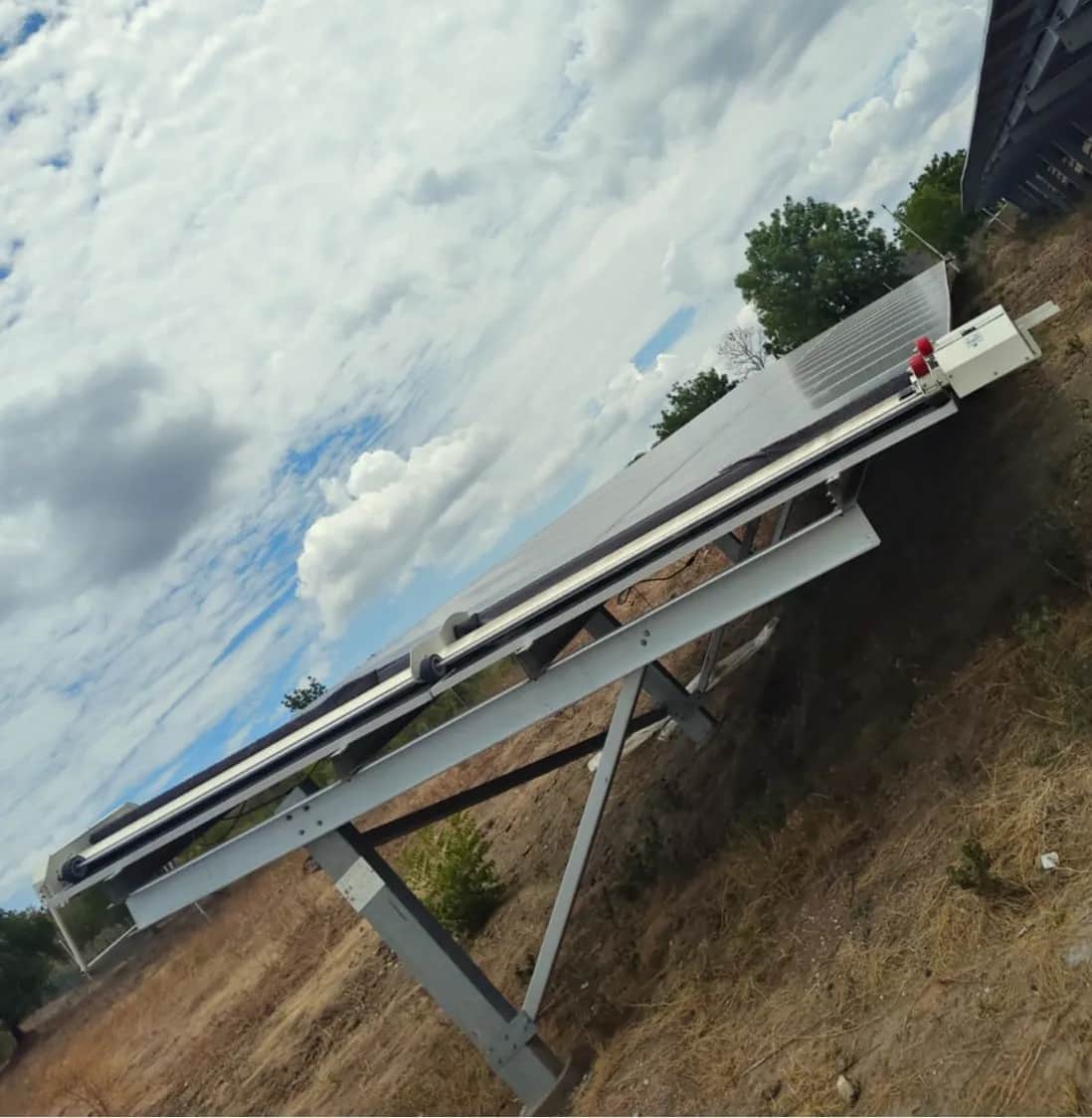
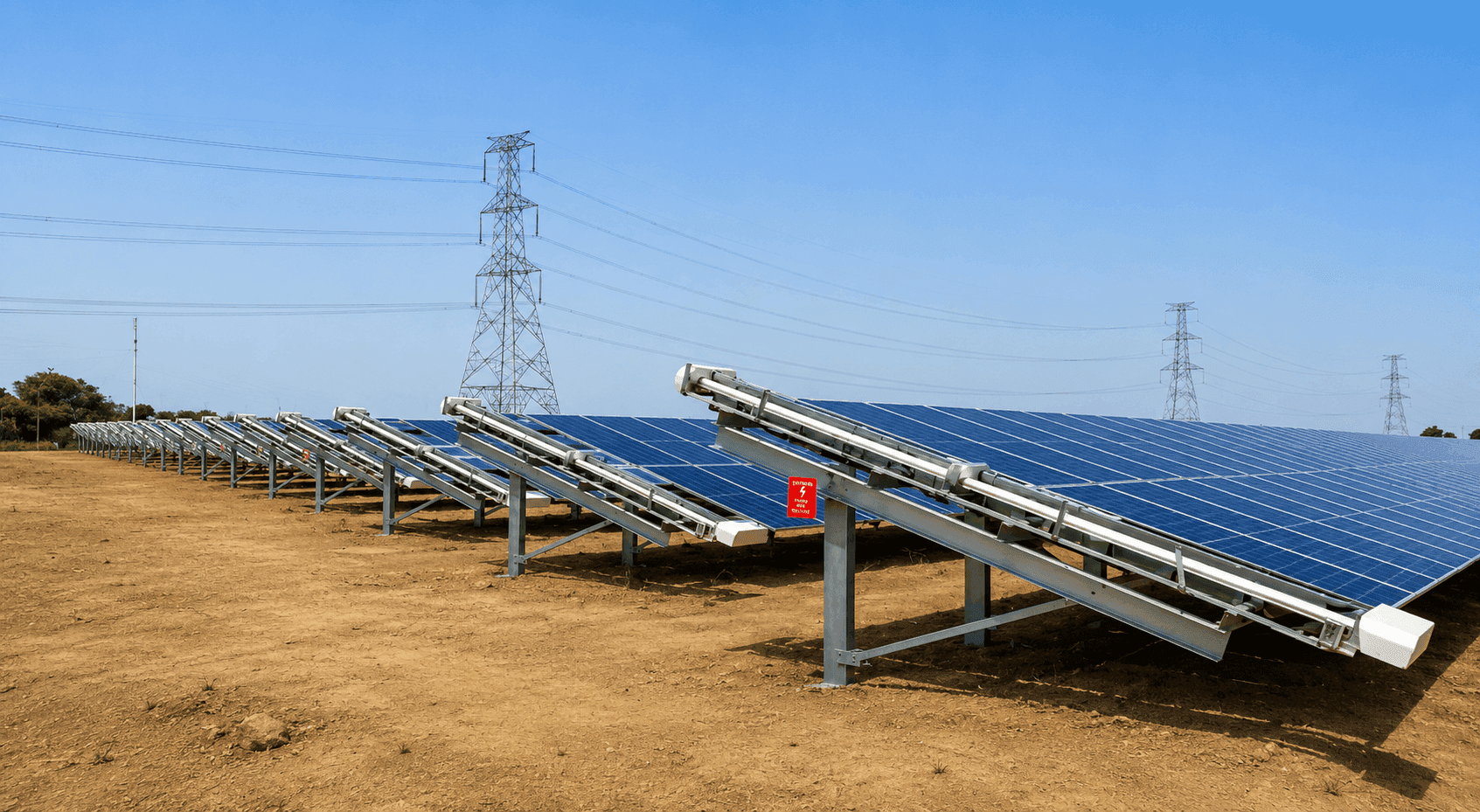
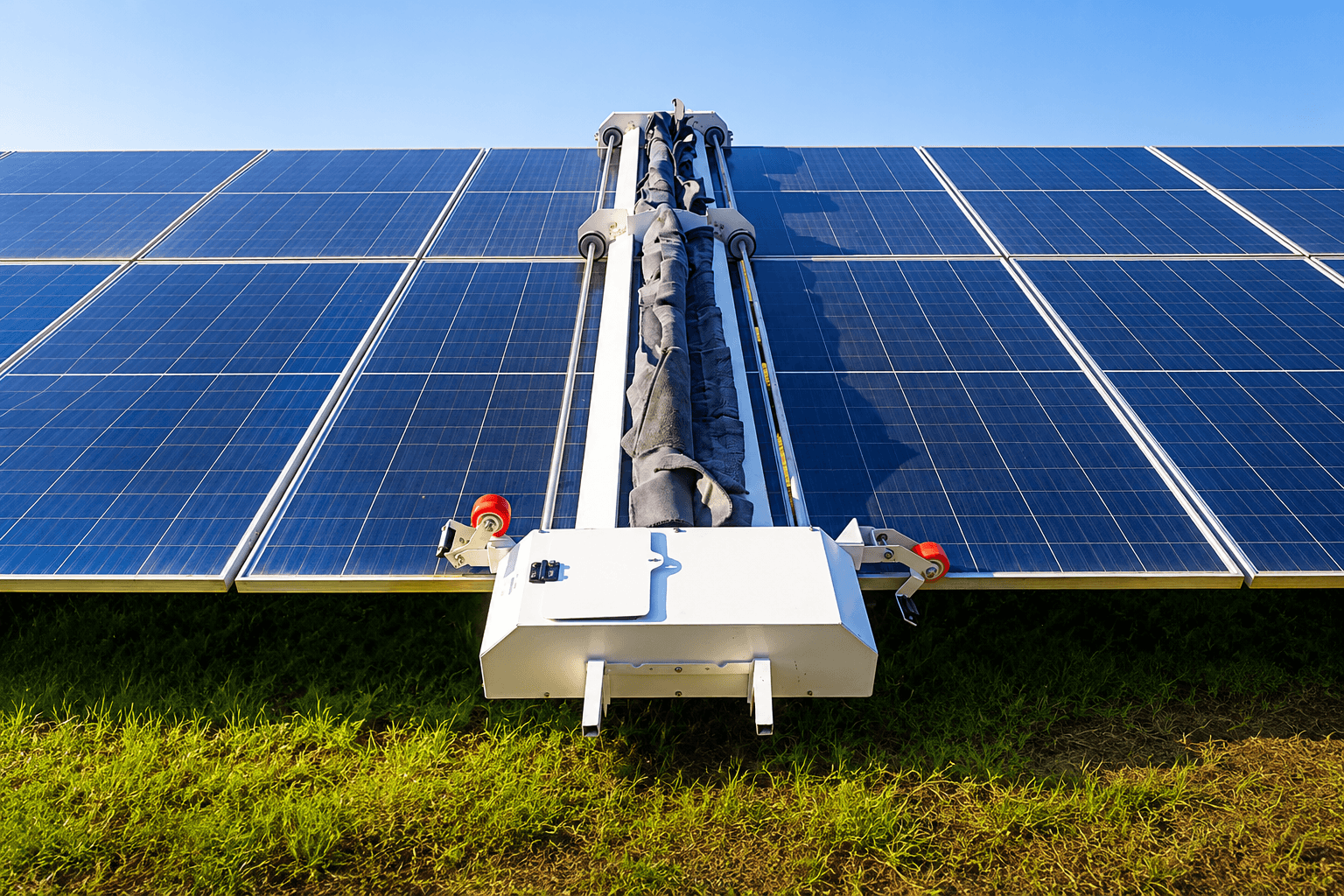
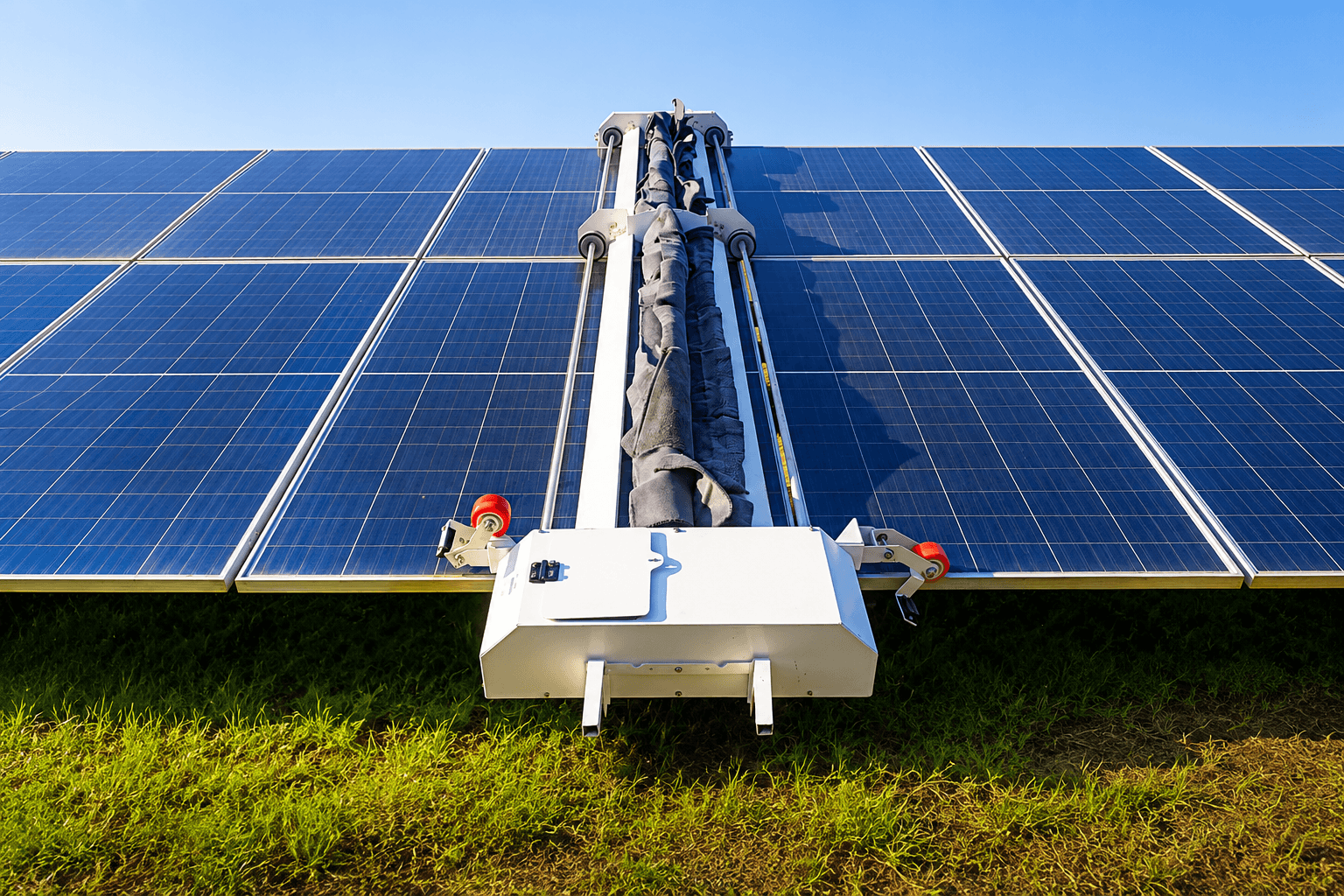
To fix these issues, Taypro deployed a Capex-led robotic solution. The site uses two semi-automatic NYUMA robotic cleaning units. These robots follow a structured cleaning schedule. They perform between 3 and 10 dry cleaning cycles per month. This frequency is tailored to the specific soiling levels of each block. The shift to automation has changed how the plant operates.
The results are clear and impactful. The facility now recovers an extra 150 MWh of generation every year. Additionally, the site saves 560,000 litres of water annually. This project proves that waterless robotic cleaning is the best choice for large-scale solar assets in Maharashtra. It provides both economic gains and environmental benefits.
Environment and soiling at Yavatmal, Akpuri
Managing agricultural dust and humidity in Yavatmal
The 150 MW Akpuri facility faces unique environmental challenges. These factors make standard O&M schedules very difficult to maintain. The plant is located near active farming areas. Agricultural activities in these nearby fields create a lot of fine dust. This dust stays in the air and settles on the solar modules. It is a persistent problem for the site.
Road grit also plays a major role in soiling. The site has several access routes used by heavy vehicles. These roads create a constant supply of abrasive grit. When this grit mixes with agricultural dust, it forms a heavy layer of grime. This layer is much harder to clean than simple dust. It can significantly reduce the amount of sunlight hitting the cells.
Humidity cycles in the Yavatmal region make the problem even worse. During the night and early morning, moisture levels rise. This moisture interacts with the dust on the panels. It creates a cementing effect. The dust sticks to the glass like a layer of weak cement. This makes the soiling much more stubborn. It requires more effort to remove than dry dust alone.
This soiling is rarely spread evenly across the 150 MW array. Instead, it creates uneven patterns at the string level. Some strings are closer to roads or wind corridors. These strings collect more dirt than others. This leads to a mismatch in power output across the plant. Individual strings experience faster degradation than the rest of the array. This makes the total energy yield unpredictable.
Traditional manual cleaning often fails to address these specific patterns. Because the soiling is uneven, a fixed schedule is inefficient. Crews might spend too much time cleaning clean areas. Meanwhile, heavily soiled strings continue to lose power. The semi-automatic NYUMA system solves this. It allows the team to target specific blocks. They can clean the most affected areas more frequently. This ensures the whole plant performs at its best.
O&M before Taypro
Managing uneven soiling and water-heavy O&M at the 150 MW Akpuri site
Before implementing Taypro's robotic system, the 150 MW Akpuri plant struggled with many operational hurdles. The O&M team had to manage a very large footprint. Doing this manually was both expensive and slow. They had to balance cleaning needs with other site tasks. For example, they had to manage vegetation and civil maintenance at the same time. This created constant scheduling conflicts.
The most significant problem was a lack of visibility. Supervisors could not easily track cleaning progress. They lacked per-block proof of which strings were actually cleaned. This meant they could not be sure about the quality of the work. A manual crew might miss entire sections of a row. Without proof, the O&M managers could not optimize their labor. They were essentially working in the dark.
Water logistics also created a heavy burden. Moving large amounts of water across a 150 MW site is a massive task. It requires significant manpower and transport equipment. The cost of this water and the labor to move it was very high. This made the total cost of cleaning much higher than it needed to be. It was an inefficient way to maintain a large utility-scale plant.
The site faced several key operational difficulties:
- High water consumption led to rising logistical costs.
- Transporting water across the large site was difficult and slow.
- Manual night crews often clashed with civil and vegetation maintenance schedules.
- A lack of cleaning verification led to undetected performance losses.
- Uneven soiling caused some strings to underperform for long periods.
These gaps made it hard to prove the ROI of cleaning. It was difficult to justify the cost of manual labor. The site was stuck in a reactive cycle. They were always trying to catch up with the dust. By moving to a semi-automatic robotic strategy, the project changed this. They replaced uncertainty with a structured, data-driven approach. This allowed the team to focus on real performance gains.
Fleet and deployment at 150 MW
Fleet and deployment strategy for the 150 MW Yavatmal project
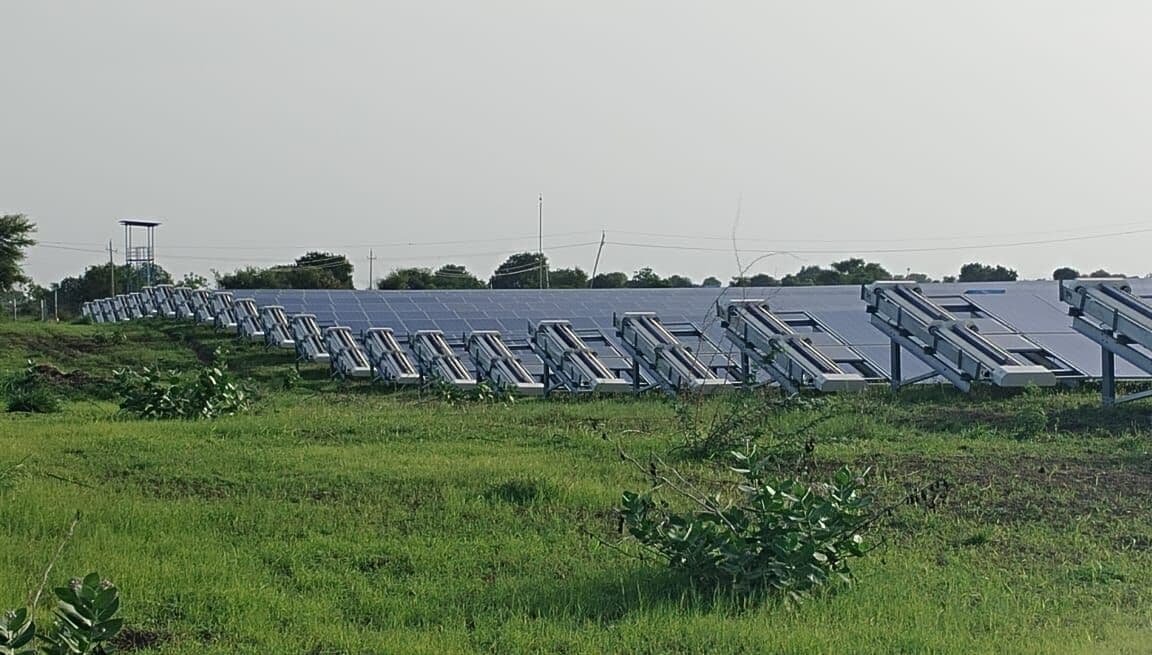
The 150 MW project in Yavatmal chose a strategic Capex model. This model was designed to solve long-term O&M problems. The site procured two NYUMA robotic cleaning units. This was a key part of their robotic solar panel cleaning Maharashtra deployment. These robots provide a reliable way to clean large numbers of modules. They are much more consistent than manual labor.
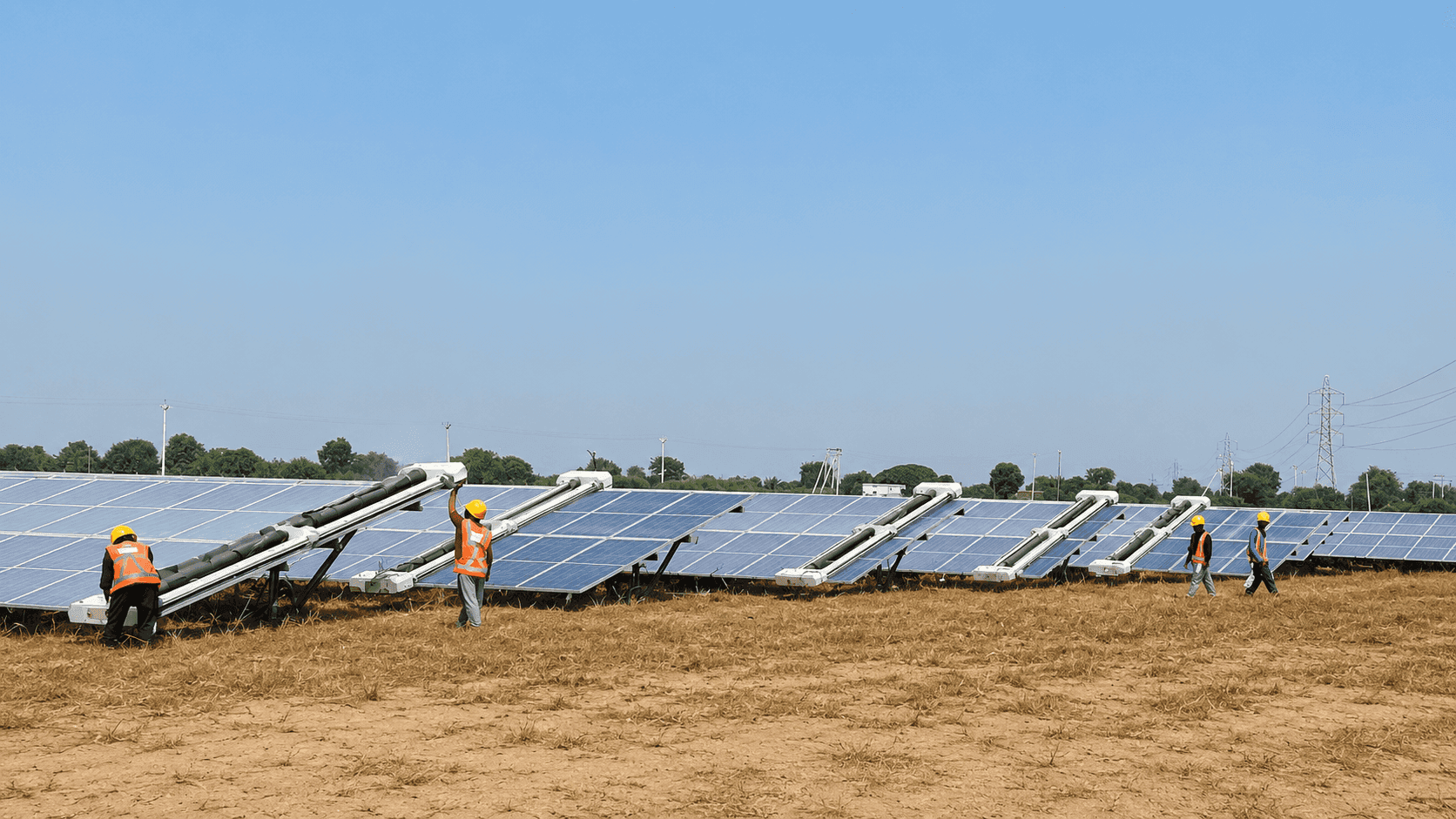
The NYUMA system was the perfect fit for this site. It is a waterless cleaning robot. This is vital for reducing water logistics. The robot uses a single-pass PBT brush technology. This brush is UV-stable and very durable. It is designed to remove dust and grit efficiently. Because the site has uneven soiling, the semi-automatic model is very effective. It allows crews to move the robots to the blocks that need them most.
The decision to use a Capex model gives the owner more control. They own the assets and can manage them directly. This long-term approach makes sense for a 150 MW plant. It turns cleaning from a recurring expense into a controlled asset. The deployment focuses on several key improvements:
- Targeted Maintenance: Crews can prioritize high-soiling zones based on actual needs.
- Resource Efficiency: The site saves 560,000 litres of water every year.
- Generation Recovery: The robots help recover 150 MWh of extra power annually.
- Simplified Management: Cleaning no longer competes with other maintenance windows.
- Reliable Outcomes: The robots provide the same high-quality clean every time.
This deployment shows the power of modernizing solar O&M. By using the NYUMA system, the site has modernized its entire approach. They have moved away from water-heavy, manual tasks. Instead, they use a scalable, robotic solution. This strategy is ideal for managing the specific dust and grit profiles found in Yavatmal. It provides a clear path to higher plant uptime.
Operations and monitoring
Optimizing Operations with Scheduled Dry Cleaning
At the Akpuri facility, operations are now much more predictable. The team has moved to a structured cleaning cadence. They use a program of 3 to 10 dry cleaning cycles per month. This is a significant change from the old, ad-hoc methods. It has eliminated the constant scheduling friction. The team now knows exactly when the robots will be in use.
This systematic approach is perfect for the local environment. It manages agricultural dust and road grit without needing water. Since the fleet is semi-automatic, the timing is very flexible. The team can align cleaning windows with other site tasks. This includes vegetation management and civil works. This coordination maximizes the productivity of the entire workforce. It ensures that different departments do not get in each other's way.
Accountability is a major part of the new operation. The site uses NECTYR for monitoring and reporting. This replaces the unreliable manual logs used in the past. Supervisors now have clear, per-block verification. They know exactly which strings have been cleaned. This ensures the 150 MW array stays clear of grime. It provides the proof that was missing before.
The site has also moved away from "daily wash myths." Some believe that washing panels every day is best. However, daily water use can cause scaling and drainage issues. The Taypro approach focuses on effective, waterless maintenance. This is more sustainable and more efficient. Key operational benefits include:
- Predictable Scheduling: Dedicated windows prevent interruptions to other site tasks.
- Evidence-Based Oversight: NECTYR provides data on every single cleaning cycle.
- Conflict Mitigation: Robotic cycles are coordinated with all other O&M tasks.
- Sustainability: Saving 560,000 litres of water benefits both the budget and the region.
Results and impact
Optimizing Performance Through Robotic Solar Panel Cleaning in Maharashtra
The integration of NYUMA technology has transformed the 150 MW Akpuri site. The facility has moved from reactive maintenance to a data-driven model. By using a structured cleaning cadence, the site has recovered lost energy. This energy was previously lost to uneven soiling. Manual crews could not provide the same level of consistency. The robots can clean every string with high precision.
The operational friction at the plant has also decreased. Managing a 150 MW site is a huge task. The team now uses NECTYR to verify their work. This provides complete transparency. They know exactly which segments were serviced. This eliminates the uncertainty that used to plague the O&M team. They no longer have to worry about undetected soiling clusters. This leads to much more stable power output.
The environmental benefits are just as important as the financial ones. The switch to waterless cleaning has saved massive amounts of water. This is a major win for the Yavatmal region. Preserving local water resources is a key goal for modern solar projects. Additionally, the waterless method protects the modules. It avoids the long-term damage that can come from traditional washing. The plant is now more resilient and more sustainable.
The final results of the deployment are impressive:
- Enhanced Yield: The site recovers lost energy through consistent cleaning.
- Operational Transparency: NECTYR provides granular proof of every row cleaned.
- Resource Preservation: Massive annual water conservation for the Akpuri region.
- Unified Maintenance: Better efficiency through synchronized site scheduling.
Peer comparison and planning checklist
Peer Comparison and Robotic Deployment Strategy
The 150 MW Akpuri installation uses a very strong semi-automatic framework. It is designed to fight the regional soiling challenges. When we look at the Yavatmal-Kupti 14 MW project, we see a similar method. However, the Akpuri site scales this up for much larger capacity. It maintains the same commitment to water-free operations. The Soyegaon solar project also shows that this approach works well. It effectively manages the dust and grit profiles found in Maharashtra.
While some massive projects use fully autonomous fleets, Akpuri is different. Its semi-automatic configuration is a targeted solution. It is perfect for sites with dispersed blocks. This ensures cleaning stays consistent with the seasonal dust levels. It offers a scalable and accountable alternative to manual labor. This strategic approach is why the site sees such high returns.
Managing a 150 MW utility-scale facility requires great planning. You must ensure your cleaning assets are used correctly. Use this checklist to optimize your own solar deployment:
- Map your soiling hotspots. Prioritize these zones during high-dust or high-humidity cycles.
- Coordinate your schedules. Match robotic cleaning with vegetation and civil maintenance tasks.
- Use NECTYR for verification. Maintain a 100 percent audit trail for every cleaning row.
- Train your staff. Ensure night crews understand pick-and-place safety protocols.
- Review your data. Compare monthly generation with cleaning logs to adjust your frequency.