Executive summary
robotic solar panel cleaning Maharashtra. The 112.5 MW ground-mount solar project is located in Baldi, Yavatmal, Maharashtra. This site faced many difficult O&M hurdles. These problems came from local environmental conditions. Agricultural dust and road grit covered the solar panels. Fluctuating humidity cycles also played a major role. These factors caused uneven soiling patterns across the array. This made it hard for supervisors to track cleaning progress. It was difficult to verify cleaning at the string level. Additionally, water logistics and manual crew schedules often clashed with other tasks. These tasks included vegetation management and civil maintenance.
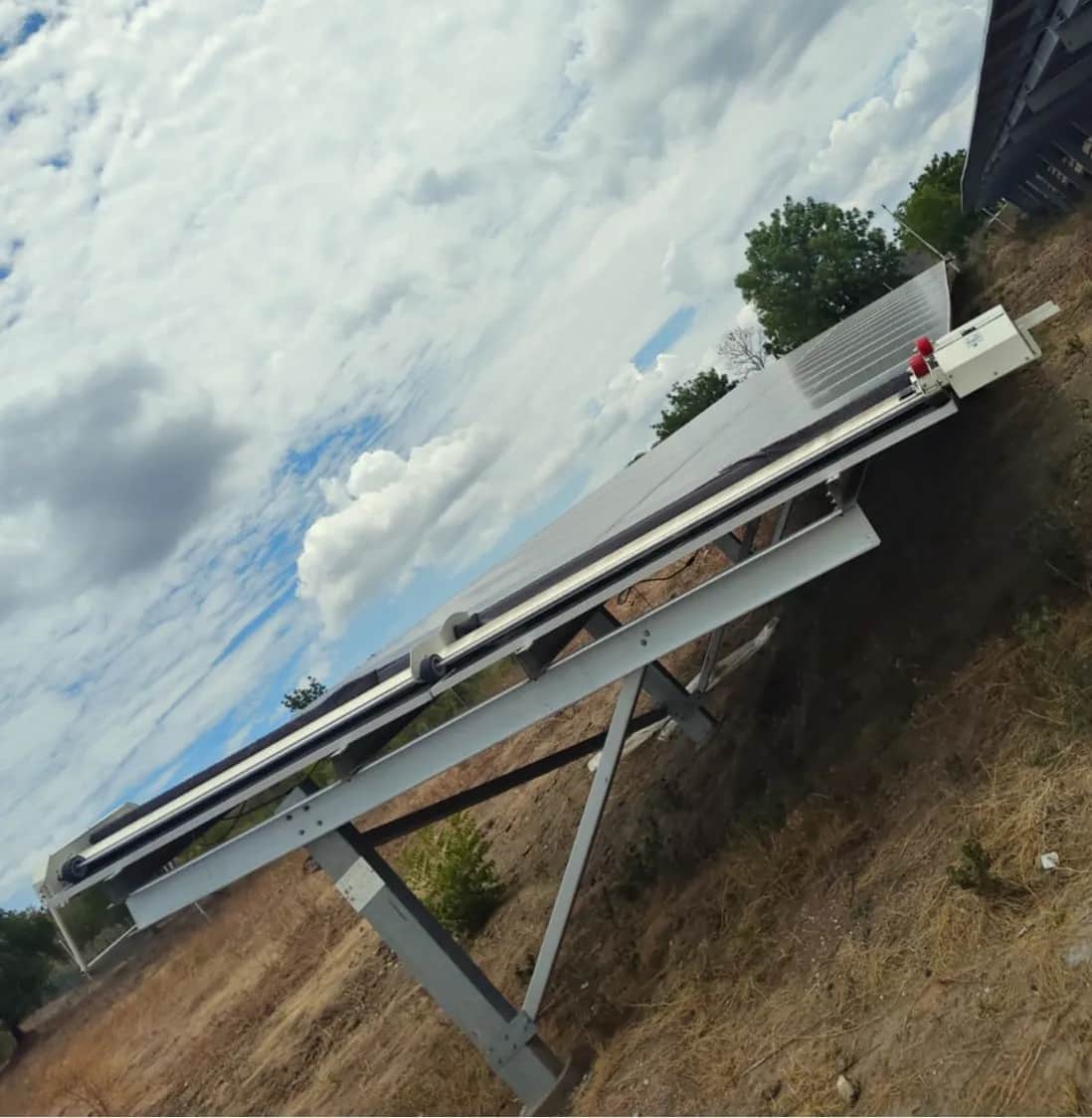
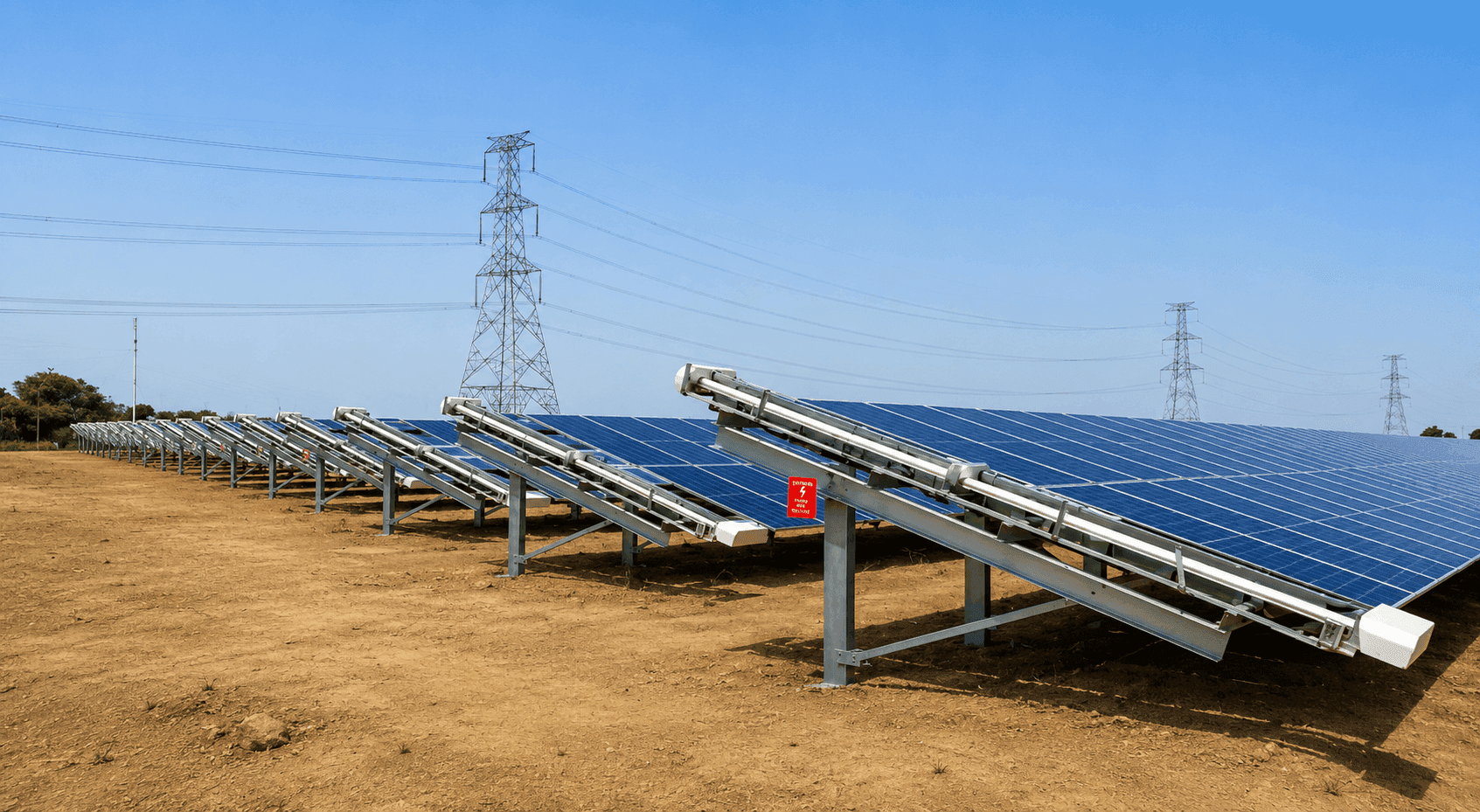
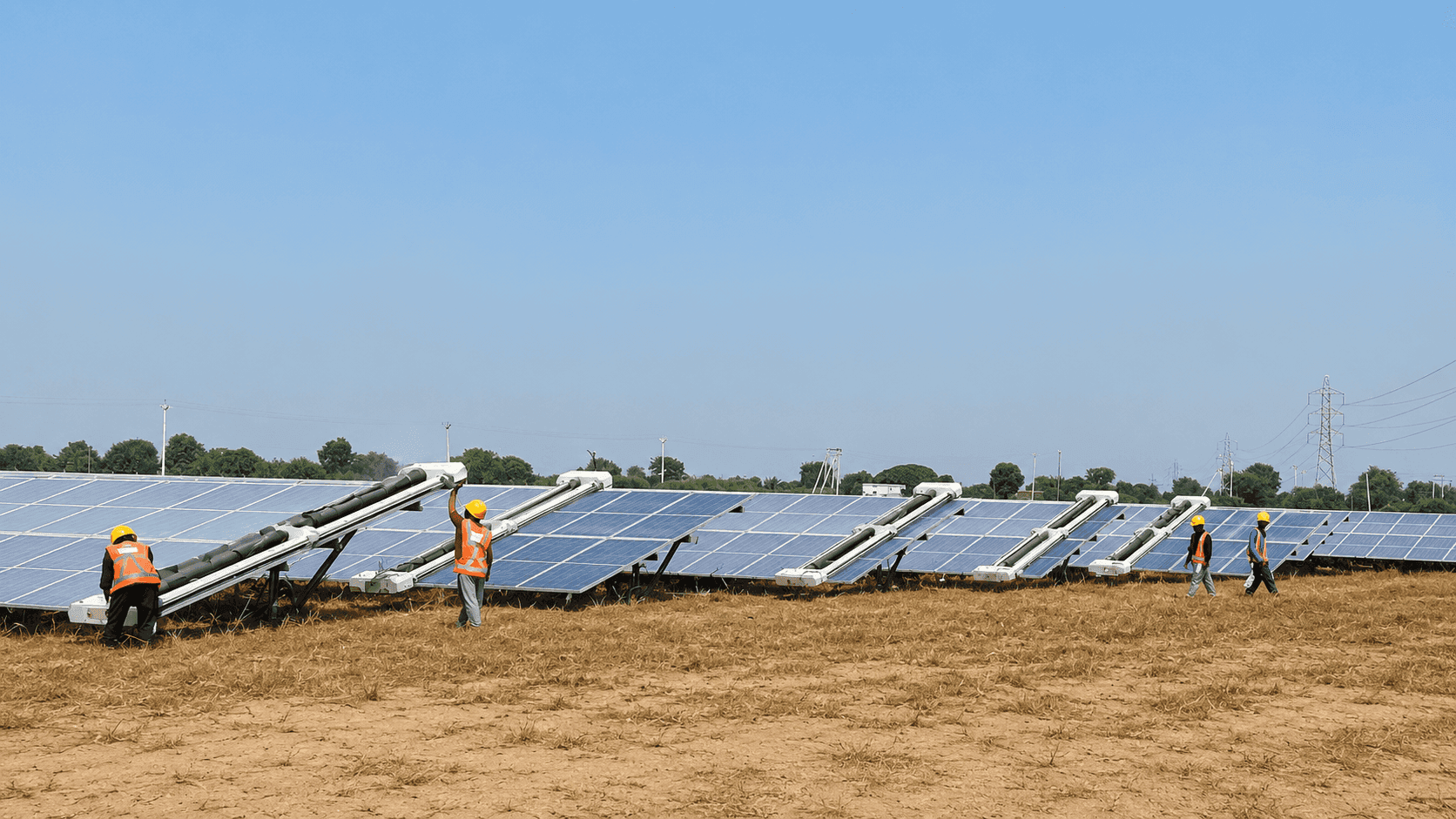
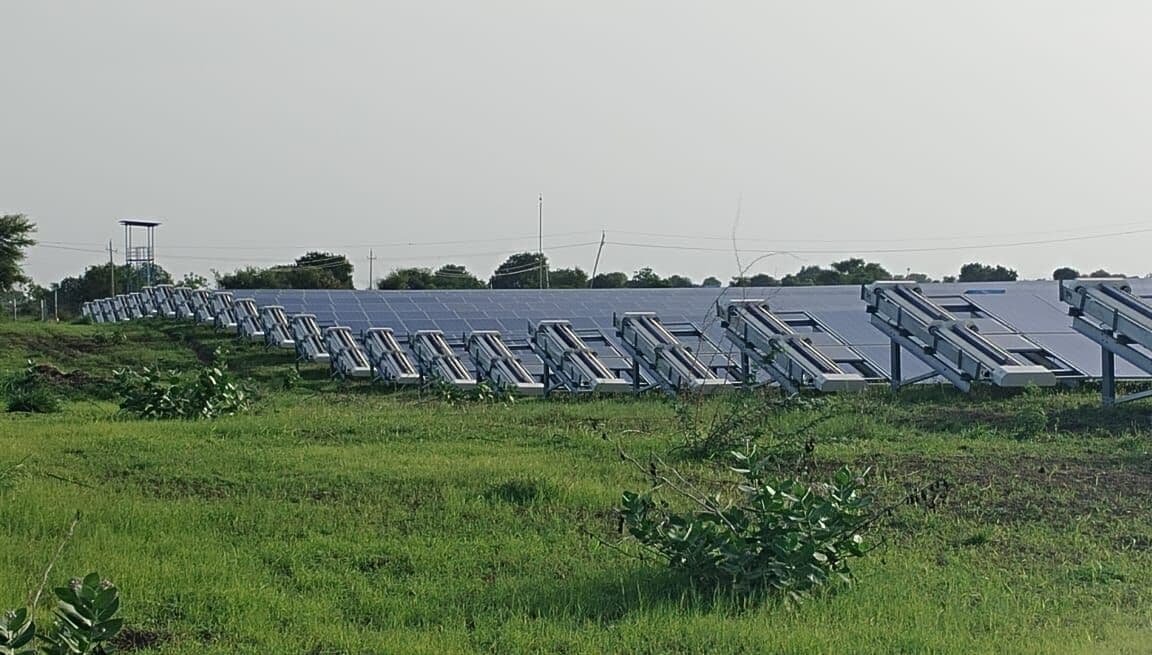
The site moved to a robotic maintenance model to solve these issues. They used a Capex procurement method. They deployed two HELYX semi-automatic pick-and-place robots. These robots use specialized single-pass PBT technology. This allowed the site to set a steady cleaning schedule. They can now perform 3 to 10 dry cleaning cycles per month. This strategic move created major operational gains. The site recovered 112.5 MWh of annual generation. They also saved 420,000 litres of water every year. This project shows how robotic solar panel cleaning in Maharashtra can stabilize performance. It also optimizes resource use for large plants.
Environment and soiling at Yavatmal, Baldi
Environmental Challenges and Soiling Dynamics in Yavatmal
The 112.5 MW ground-mount site in Baldi, Yavatmal, has a unique environment. It is different from coastal or arid regions in India. The project sits in an active agricultural zone. This area has heavy seasonal crop cycles. These cycles produce a lot of airborne dust. This organic dust often settles on the panels in the early morning. During these hours, the humidity is usually high. This moisture binds the dust to the glass surface. It creates a thick, cement-like film. Manual cleaning methods often struggle to remove this stubborn layer.
Local transit routes also affect the site. The proximity to rural roads introduces fine road grit into the air. This grit can be abrasive to the solar modules. Improper cleaning techniques could lead to micro-scratching. The combination of variable humidity and dust creates uneven patterns. Some areas of the array experience faster degradation than others. This is known as string-level soiling. It makes it very difficult to maintain consistent power output.
Managers at the Baldi site faced many pressures. They had to manage these environmental risks with limited resources. Key challenges included several specific issues:
- Soiling hotspots were hard to predict. Localized grit and dust drift caused uneven buildup.
- There were conflicts in scheduling. Night-time water logistics often clashed with vegetation maintenance.
- There was a lack of data. Supervisors could not prove which strings were actually cleaned.
The transition to robotic solar panel cleaning in Maharashtra helped solve these problems. It provided a consistent and data-backed approach. This method removes grime effectively while protecting the long-term health of the panels.
O&M before Taypro
Operational Hurdles Before Robotics: Water Logistics and Audit Gaps
The 112.5 MW Baldi site used a manual maintenance framework before Taypro. This system was very resource-intensive. The O&M team faced constant conflicts between different tasks. For example, manual cleaning requires significant water logistics. This often required night-time work. However, night crews often competed for time with vegetation management. They also competed with civil engineering work. These scheduling conflicts were common. Managers often had to choose between grid output and site upkeep. This led to many delayed maintenance cycles.
Manual labor also made quality control very difficult. There was no centralized digital trail for the work. Supervisors lacked granular proof of cleaning. They could not see which specific strings were cleaned during a rotation. This created large audit gaps. The team could not verify if high-soiling zones were properly addressed. They needed to know if every affected string received attention. Without this data, maintaining peak generation was a constant struggle.
The scale of the 112.5 MW array made things even harder. There were thousands of modules to track. Manual progress tracking was prone to human error. It also caused significant reporting lags. Uneven soiling from agricultural dust remained largely unchecked. This happened because manual teams could not react quickly enough. By moving to a robotic approach, the team replaced manual errors with reliable operations. They now use trackable data to recover generation and remove logistical bottlenecks.
Fleet and deployment at 112.5 MW
Fleet and Deployment: Scaling Robotic Cleaning to a 112.5 MW Footprint
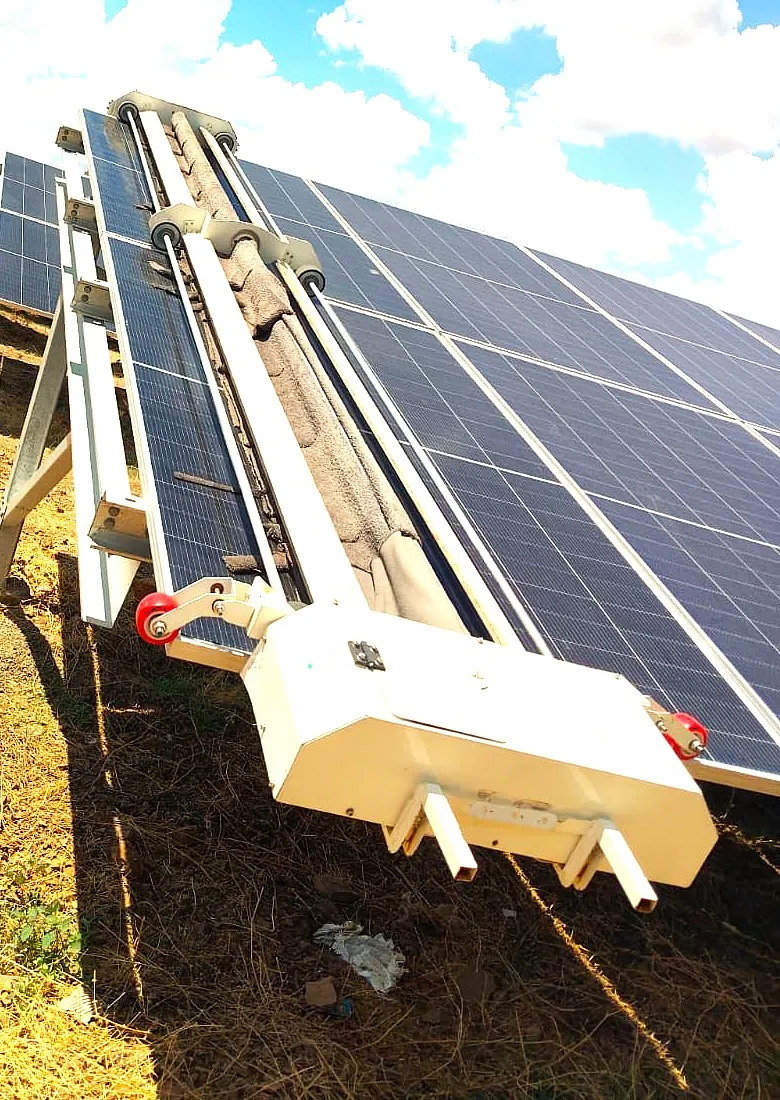
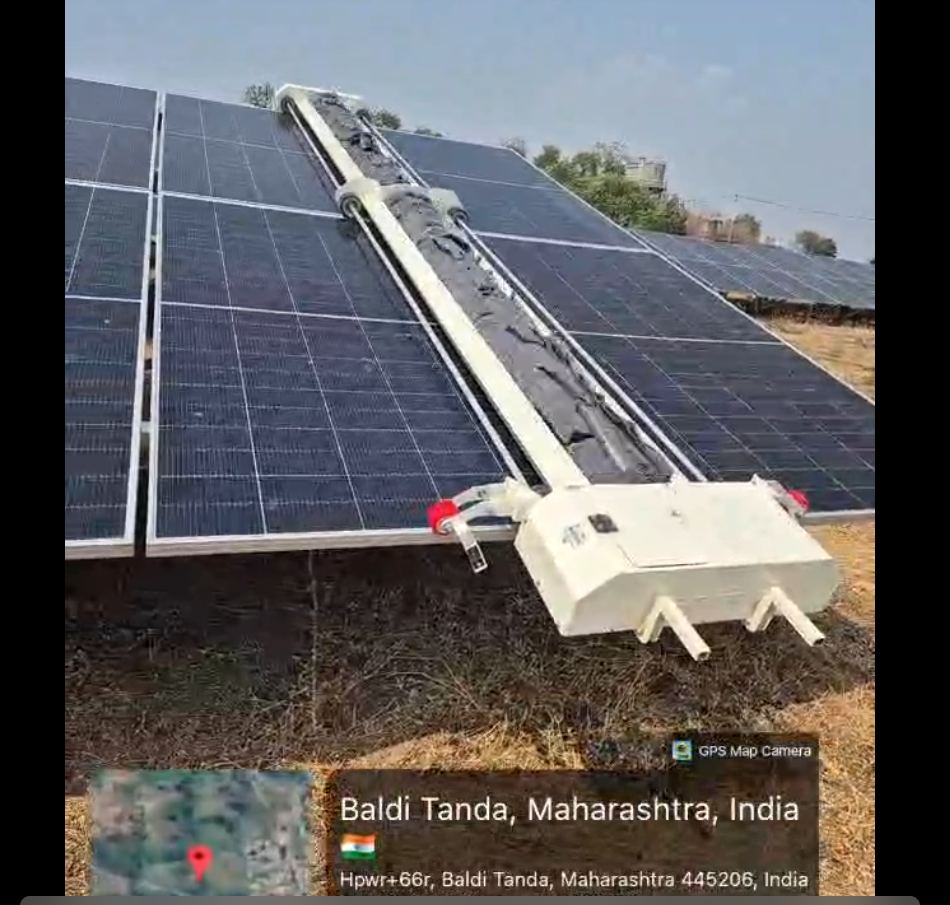
The deployment strategy for the Baldi site focuses on scale. The site uses a specialized fleet of two HELYX robots. This choice was made to handle the 112.5 MW footprint. The site deals with uneven soiling from agricultural dust and road grit. The HELYX model is perfect for this environment. It is designed for scattered and distributed utility-scale layouts. This allows the robots to move efficiently across the array.
The site uses a Capex procurement model. This ensures long-term asset control for the owner. It also makes maintenance costs more predictable. The two semi-automatic HELYX units provide a structured cleaning cadence. They perform approximately 3 to 10 cycles per month. This frequency matches the local environmental needs. It also fits within the site's access windows. This method stops the generation losses caused by heavy soiling.
Commissioning focused on creating operational transparency. In the past, there was a lack of visibility in site operations. Now, every deployment is monitored. Maintenance teams can verify which specific blocks were serviced. They can also check which strings were cleaned. This shift is very important. The site moved from water-intensive methods to a dry, single-pass PBT cleaning approach. This ensures consistent panel care. It also avoids the problems of water transport and night crew scheduling.
This targeted robotic fleet has a measurable impact. It recovers 112.5 MWh of annual generation. It also saves 420,000 litres of water every year. This is a huge improvement over traditional manual washing. By integrating these robots, the Yavatmal site has optimized its O&M. It has replaced manual uncertainty with a data-informed operation. This helps maintain the entire 112.5 MW footprint effectively.
Operations and monitoring
Optimizing O&M Windows via NECTYR-Led Accountability
Managing the Yavatmal site requires careful planning. The team must balance cleaning cycles with other site tasks. They must also manage civil and vegetation maintenance. Traditional water-based methods caused many scheduling conflicts. Night cleaning crews often got in the way of other O&M tasks. Using two HELYX robots has changed this. The operations team now uses a high-visibility framework. They use the NECTYR portal for all monitoring. This portal provides the definitive proof of service. It confirms exactly which blocks were cleaned during each cycle.
The site strategy uses an inspection-led approach. The team performs 3 to 10 scheduled dry cleaning cycles every month. This is not a rigid, static schedule. Instead, the team uses data to drive decisions. Operations leads review soiling data through NECTYR. They prioritize cleaning in specific zones. These zones are usually where agricultural dust or humidity is highest. This targeted deployment is very efficient. It ensures resources are focused where they impact power output the most.
Operational control is also much better now. The team integrates wind holds and weather parameters into their planning. Manual crews often struggle with site access and water logistics. The robotic system is much more flexible. It allows for daytime operation. This means cleaning does not disrupt other site activities. This methodology turns cleaning into a precision-managed program. It ensures the 112.5 MW footprint maintains consistent generation. It also removes the uncertainty of manual oversight.
Results and impact
Sustainable Generation Recovery at the Yavatmal Site
The implementation of robotic solar panel cleaning in Yavatmal shows a successful shift. It moves the site toward high-efficiency utility operations. The project replaced heavy manual cleaning with a semi-automatic robot fleet. This addressed the issues of agricultural dust and road grit. The transition offers two major benefits. First, it recovers a lot of annual generation capacity. Second, it drastically reduces the need for water. The site can now achieve high energy yields. It does this while conserving local water resources.
The project also improves the overall O&M framework. It eliminates the need for complex water logistics. It also removes the need for difficult night crew scheduling. This simplifies the entire workflow. Managers can now coordinate cleaning with vegetation and civil maintenance. There are no more scheduling conflicts. With the HELYX robots, the Yavatmal site has reliable performance tracking. This was impossible with manual crews. The team now has evidence-based data for every cleaning cycle.
- The 112.5 MW array sees a measurable recovery in annual electricity generation.
- Yearly water consumption has decreased substantially through waterless technology.
- Accountability is higher thanks to NECTYR-verified cleaning logs for every block.
- Resource allocation is optimized by following real-time soiling patterns.
This deployment proves that automation is the best approach for Maharashtra. It is the most effective way to maintain ground-mount assets. By using robotic precision, the site maintains peak performance. It can do this despite complex environmental conditions. This ensures long-term profitability and operational stability for the plant.