Executive summary
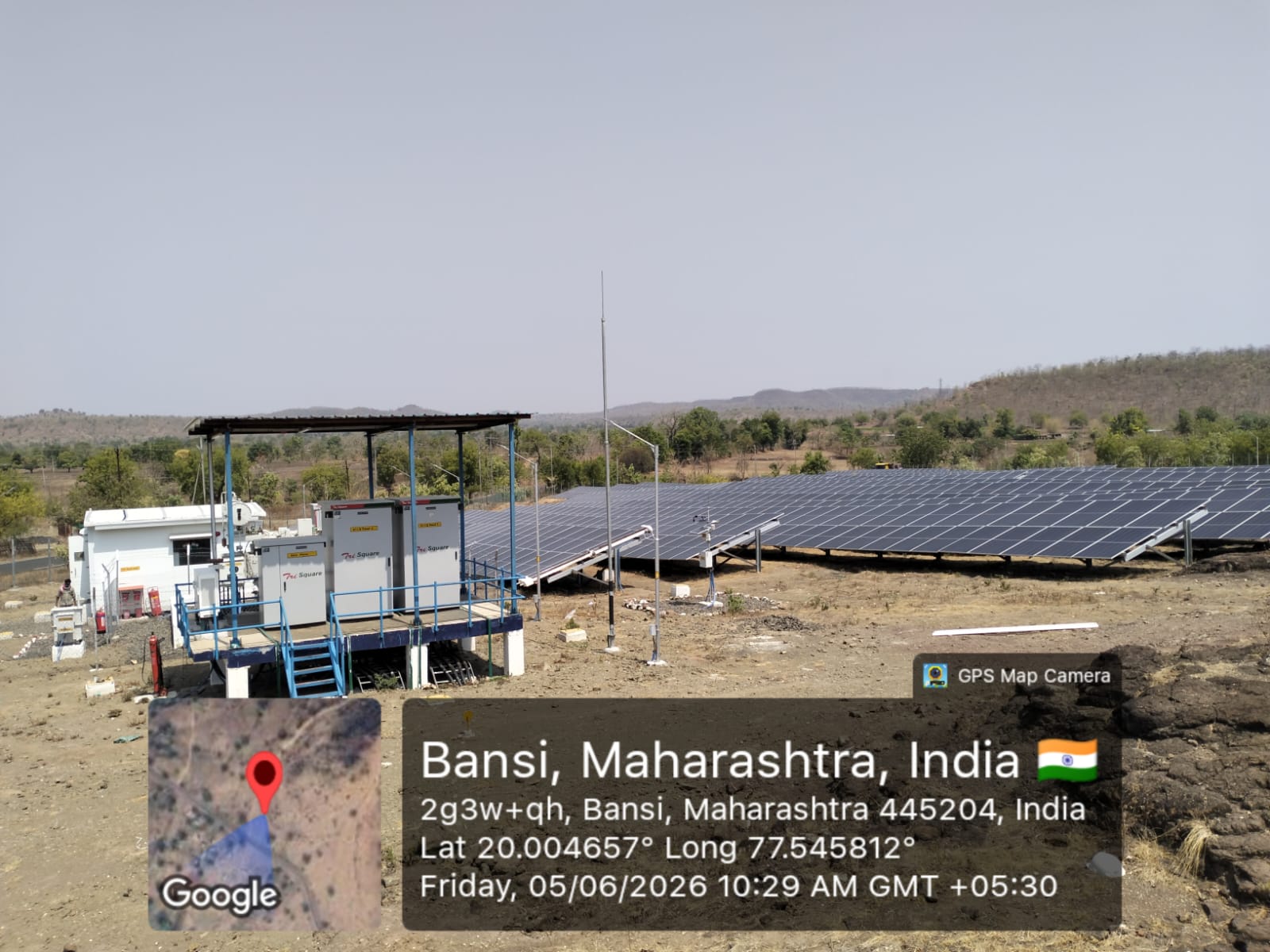
robotic solar panel cleaning Maharashtra. The 75 MW ground-mount solar project in Yavatmal, Bansi, faced many operational hurdles. The local environment is quite intense. Road grit and agricultural dust constantly cover the panels. Local humidity cycles also change how dirt sticks to the surface. These factors create heavy and uneven soiling patterns across the entire solar array.
For O&M teams, this caused unpredictable power losses at the string level. Managing water logistics was also a major problem. Scheduling night crews often conflicted with other site work. These conflicts included vegetation control and civil maintenance windows. Furthermore, supervisors lacked reliable proof of cleaning. They could not verify which specific blocks were actually cleaned during each cycle.
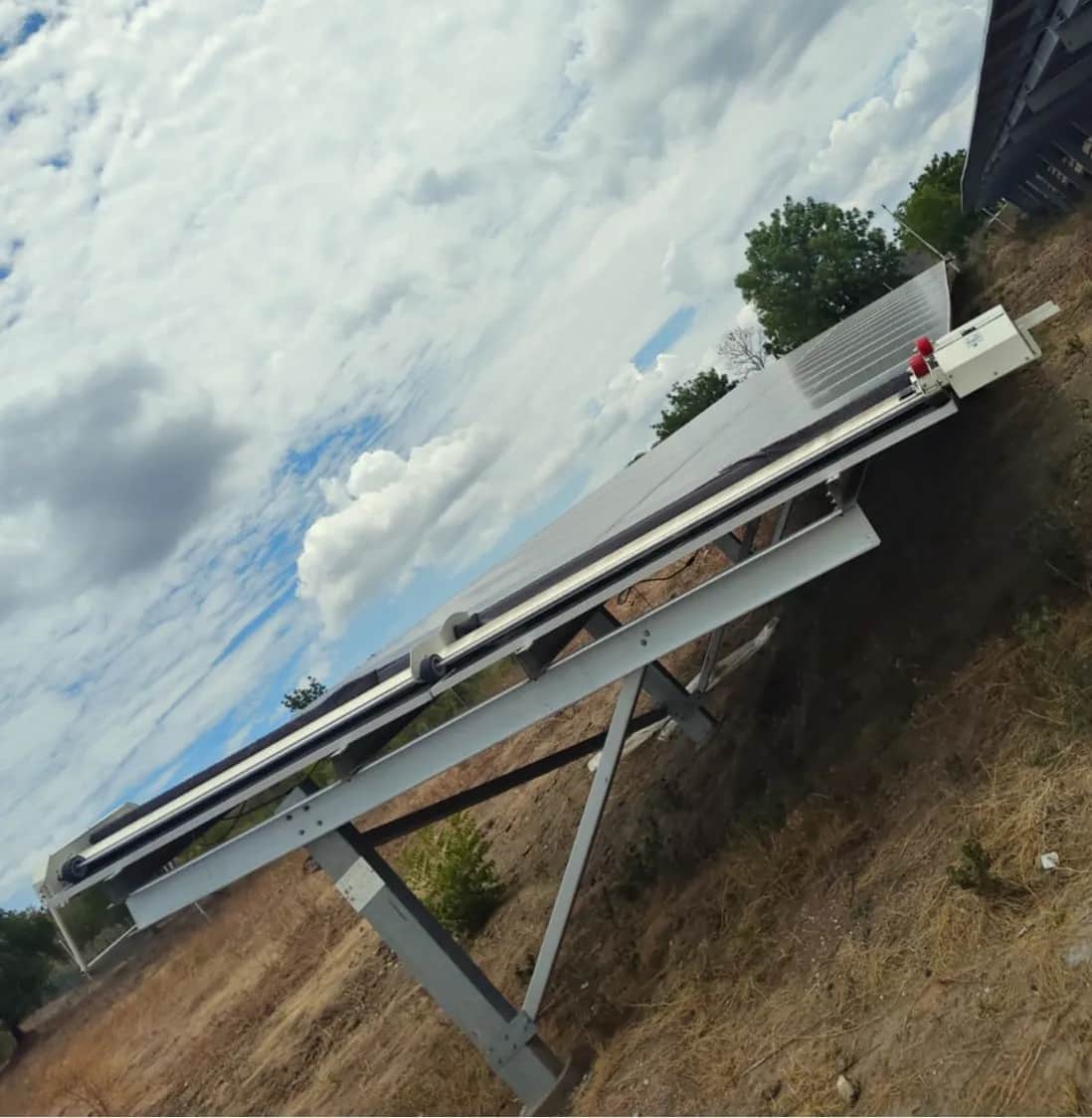
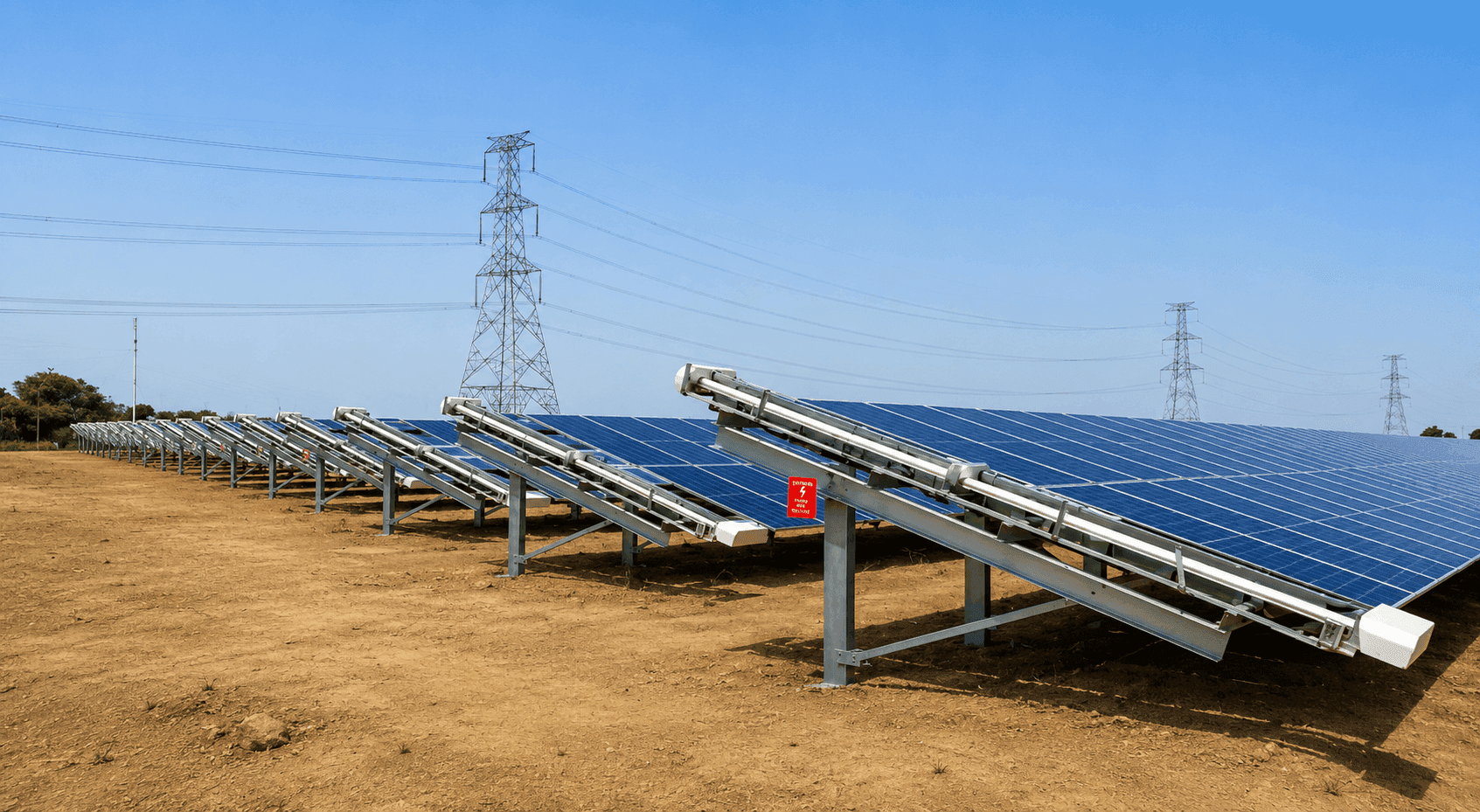
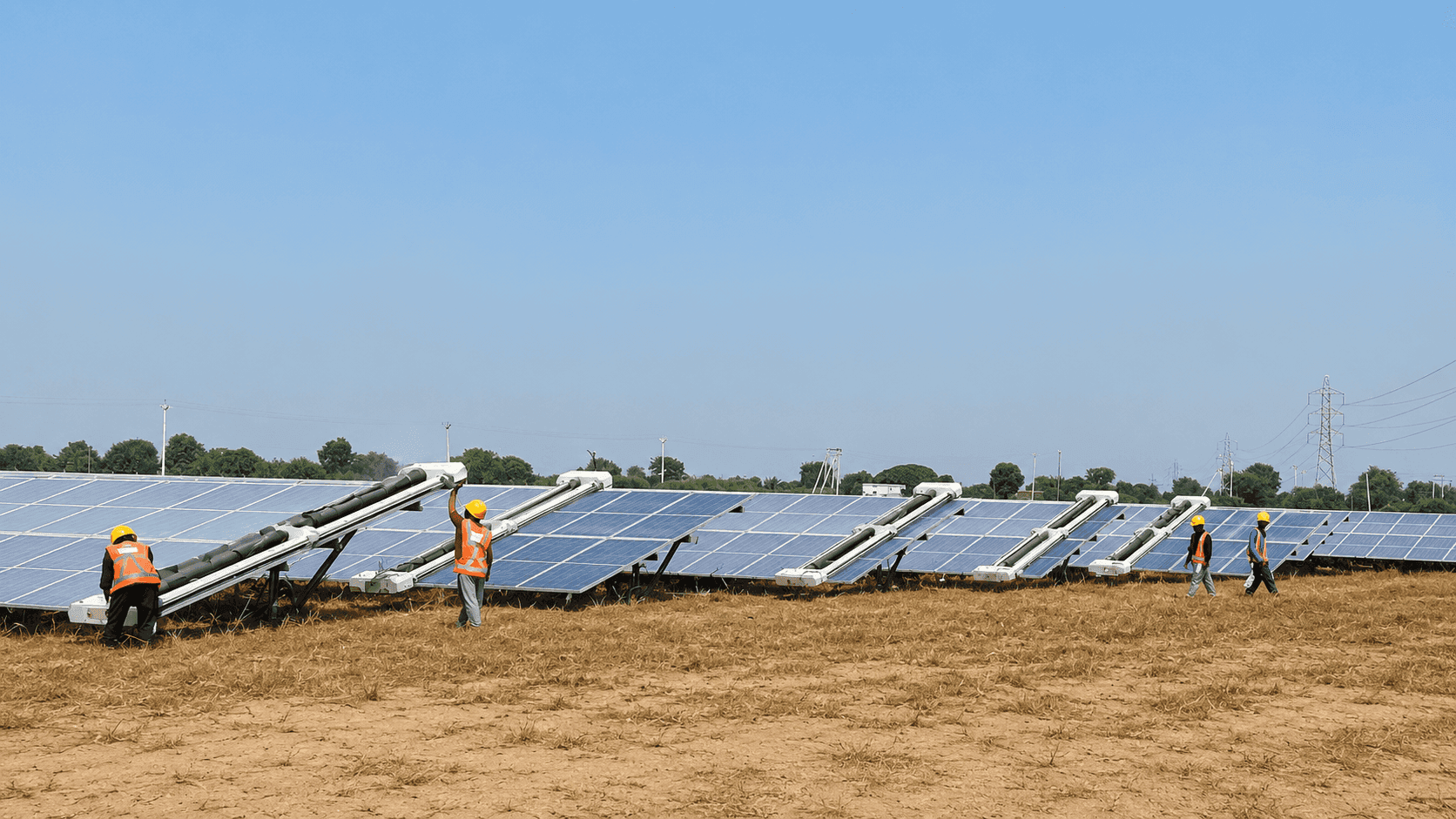
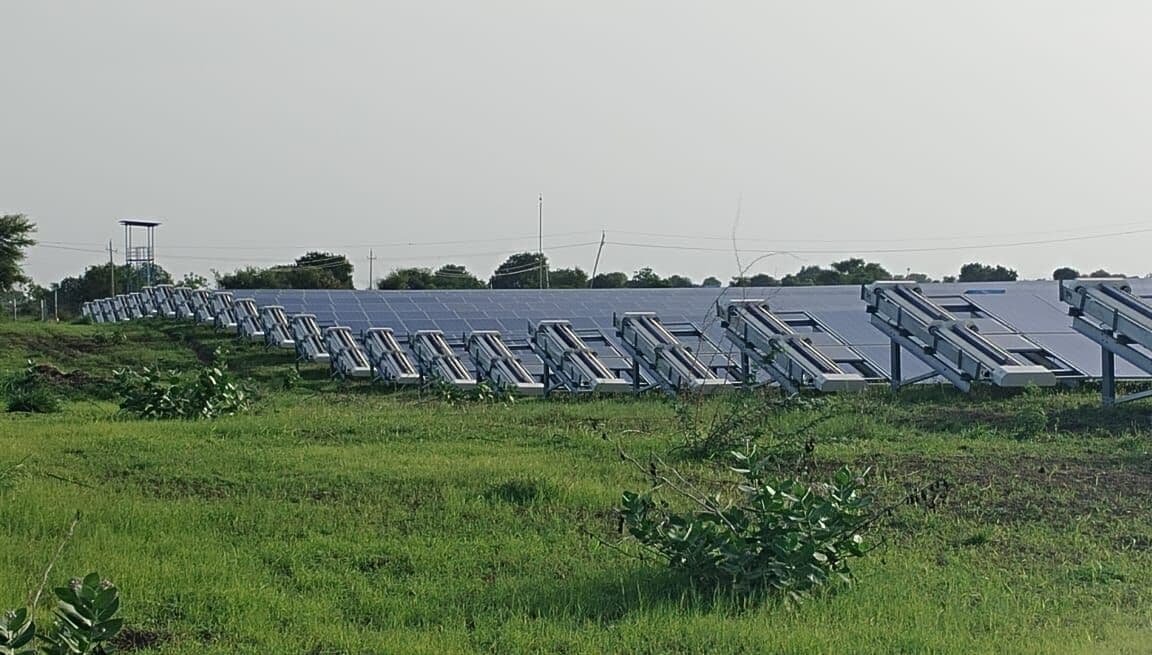
To solve these problems, Taypro deployed two HELYX semi-automatic robots. The site uses a Capex procurement model. This setup allows for scheduled dry cleaning cycles. These cycles typically occur 3 to 10 times per month. The frequency depends on the local weather and dust levels. The site uses the NECTYR fleet operations portal for total oversight. This tool allows supervisors to verify cleaning progress in real time.
This robotic solar panel cleaning Maharashtra deployment has delivered great results. The site has successfully recovered 75 MWh/yr in additional generation. It has also saved 280,000 litres of water annually. These improvements have significantly optimized all site maintenance workflows.
Environment and soiling at Yavatmal, Bansi
Managing uneven string-level soiling patterns in Yavatmal
The 75 MW ground-mount facility in Yavatmal, Bansi, sits in a complex environment. This region in Maharashtra has a unique agricultural landscape. The site faces a constant cycle of airborne agricultural dust. Fine road grit also settles on the panels. These particles do not spread evenly across the array. They create uneven soiling patterns at the string level.
Persistent humidity cycles make the problem worse. Moisture causes the dust and grit to bond to the module surface. This creates a stubborn film on the glass. This film significantly blocks light absorption. As a result, the energy output of specific strings drops unexpectedly. These patterns are very hard to manage with traditional methods.
Because these deposits settle inconsistently, O&M teams had many difficulties. They struggled to identify which modules needed immediate cleaning. This unpredictability hurt the overall site performance. It also created logistical conflicts. Teams had to balance water-based cleaning with vegetation and civil works. The lack of granular data was a major weakness. Supervisors could not verify which strings were actually cleaned during manual cycles.
To overcome these challenges, the site moved to a new strategy. They adopted robotic solar panel cleaning Maharashtra using two HELYX semi-automatic robots. This approach allows for targeted and waterless cleaning. The robots address heavy soiling exactly where it accumulates. By scheduling 3 to 10 dry cycles per month, the site maintains panel transparency. This happens regardless of shifts in the local environment. The NECTYR fleet portal provides the necessary proof of cleaning. This ensures every block is addressed efficiently. It also prevents competition for limited water resources or site access windows.
O&M before Taypro
Managing uneven string-level soiling patterns in Yavatmal
Before the robotic deployment, the 75 MW facility faced major maintenance issues. The agricultural landscape of Maharashtra caused constant soiling. Airborne dust and road grit were the primary culprits. These particles were often bonded to the modules by humidity cycles. This created a heavy grime that lowered solar energy production.
The management of these soiling patterns was very difficult. O&M teams could not easily track which modules were dirty. This made it hard to plan effective cleaning schedules. The process was often reactive rather than proactive. This unpredictability led to significant performance gaps across the plant. It also made the maintenance budget harder to manage.
Logistics were another massive hurdle for the site. Water-based cleaning required significant amounts of water. Moving water across a 75 MW site is a complex task. It often clashed with other essential site activities. For example, vegetation management and civil works required the same access roads. Night crew schedules also conflicted with other maintenance windows. This created a chaotic environment for site supervisors.
The most critical issue was a lack of accountability. Supervisors had no way to prove that cleaning was done correctly. They lacked granular data for each specific string or block. This made it impossible to verify the ROI of manual cleaning efforts. The site needed a more disciplined and verifiable method. They needed a way to clean panels without the logistical burden of water and manual labor.
Fleet and deployment at 75 MW
Deployment and fleet strategy for the 75 MW Yavatmal array
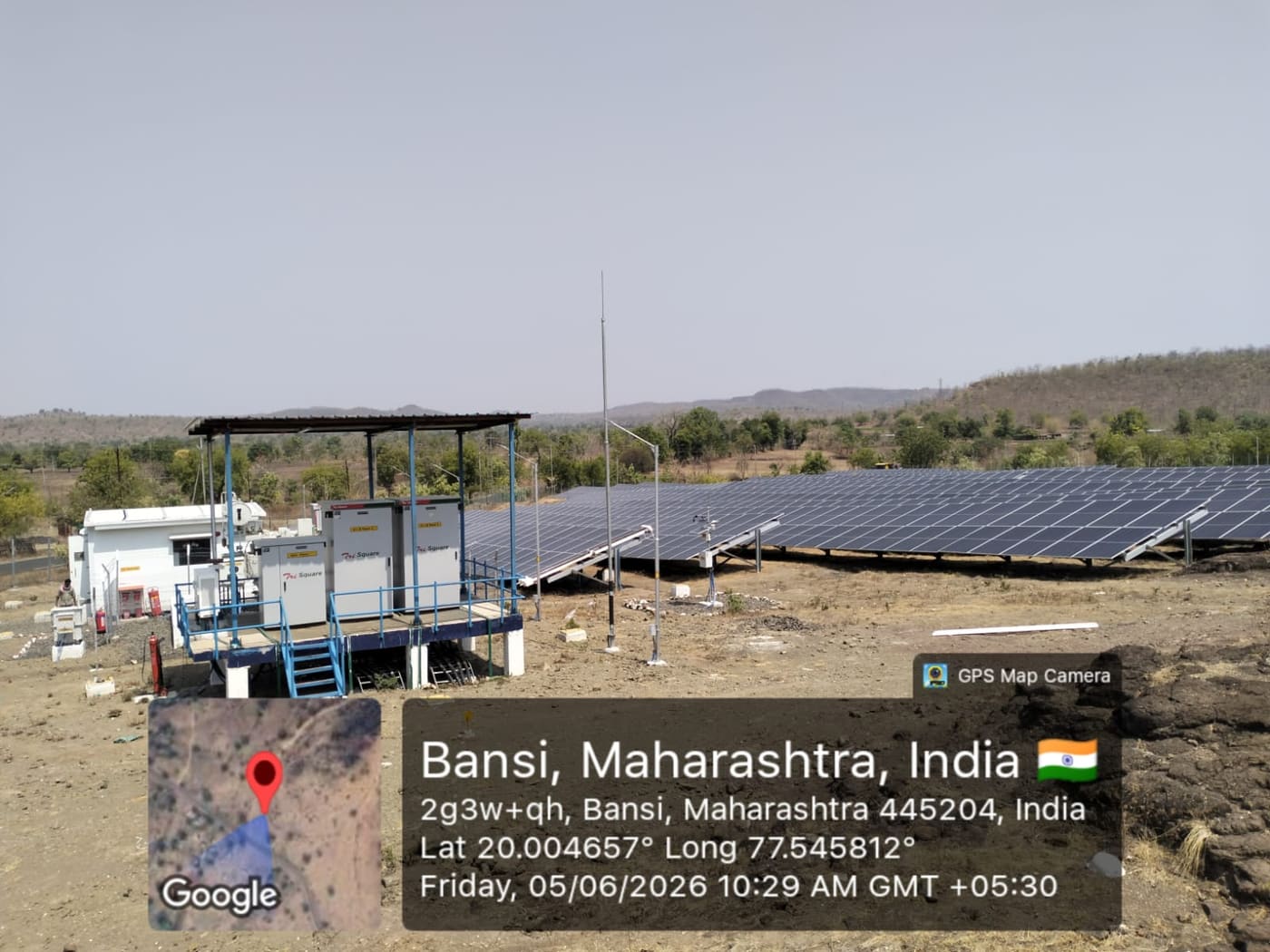
The 75 MW ground-mount project in Bansi, Maharashtra, uses a Capex model. This model integrates advanced robotic cleaning technology into the site's long-term assets. The fleet consists of two HELYX semi-automatic robots. These units are specifically chosen for the soil type in Yavatmal. They address the unique challenges of agricultural and road dust.
This deployment focuses on high efficiency. It also aims to remove logistical bottlenecks. The site uses a semi-automatic cleaning approach. This provides great operational flexibility. By using the HELYX system, the site avoids heavy water usage. This is a key benefit for the local environment. It also prevents cleaning from interfering with vegetation and civil works.
The transition to robotics supports a sustainable cleaning cadence. The site saves 280,000 litres of water every year. This is a massive improvement for a large-scale utility plant. The strategic placement of the robots is also vital. It ensures that the most heavily impacted strings get consistent attention. This prevents large-scale energy losses due to localized grime.
Commissioning this fleet required a focus on real data. The site integrated the NECTYR operations portal. This allows managers to track robot performance across the entire 75 MW capacity. This digital oversight solves the old problem of "proof of cleaning." Every cleaning cycle is now logged and verified. This automation recovers 75 MWh of extra energy every year. This directly offsets the losses caused by local dust and grit.
- Fleet Mix: Two HELYX semi-automatic cleaning units.
- Procurement Model: Full Capex implementation for long-term optimization.
- Operational Impact: 280,000 litres of water saved per year.
- Performance Gain: 75 MWh/year in recovered energy generation.
- Data Integration: Real-time fleet tracking via NECTYR for string-level coverage.
Operations and monitoring
Optimizing cleaning cadences through inspection-led accountability
The Bansi facility had to move away from old manual labor models. These old models were often opaque and unreliable. Previously, supervisors did not know which strings were cleaned. The new semi-automatic fleet changes this completely. The project has moved from manual uncertainty to a structured program. This program is driven by inspections and real data.
The new operational framework is very disciplined. It uses a cadence of 3 to 10 dry cleaning cycles per month. This schedule is based on local dust and grit patterns. It ensures that cleaning intensity matches the actual soiling rates. The NECTYR portal handles all the scheduling. Every row transition and cleaning event is logged. Each action is also time-stamped for complete accuracy.
This system gives asset managers full visibility. They can confirm that all cleaning targets are met. They no longer have to rely on the myth of daily washing. Not every module needs washing every day. Instead, the robots clean based on actual site needs. This prevents wasted effort and unnecessary robot wear.
The NECTYR integration also improves site safety. The team can implement wind holds and safety protocols. Robots remain docked during extreme weather events. This protects the equipment and the modules. Because the HELYX units follow a verified schedule, logistics are easier. Water and crew conflicts have been eliminated. This allows the plant to maintain steady power output. It effectively neutralizes the degradation caused by humidity and agricultural residues.
Results and impact
Results and impact of robotic solar panel cleaning in Maharashtra
Taypro technology has fundamentally transformed maintenance at the Bansi project. The facility has moved away from unreliable manual methods. It now maintains a very predictable cleaning cadence. This structured approach solves the site-specific problems of dust and humidity. It also stops the inconsistent power generation that used to plague individual strings.
- Significant annual energy recovery through optimized panel cleanliness.
- Drastic reduction in annual water consumption for utility-scale operations.
- Full accountability for string-level cleaning via NECTYR management.
- Elimination of logistical conflicts with vegetation maintenance.
The transition to robotic cleaning has improved asset health. The NYUMA and HELYX systems ensure precise execution. Cleaning cycles match the regional soiling intensity perfectly. This data-driven strategy is much more effective than manual cleaning. It confirms that every single row receives consistent attention. This removes the uncertainty of the past.
The NECTYR dashboard is a vital tool for managers. It provides the confidence that the plant is at peak potential. Every cleaning event is verifiable and transparent. This level of detail was never possible with manual crews. Asset owners can now see the direct link between cleaning and revenue.
Beyond energy, the project has saved vital water resources. The move to waterless cleaning is a major win. The plant can thrive in the Yavatmal climate. It does not need to strain local water supplies. This deployment is a perfect case study for Maharashtra. It proves that automated, waterless maintenance is the best path. It ensures long-term operational efficiency for utility-scale sites.
Peer comparison and planning checklist
Peer comparison and operational planning
The 75 MW Bansi project uses a semi-automatic fleet. This occupies a unique tier in the region. For example, the 14 MW Yavatmal-Kupti project uses similar protocols. It also manages localized agricultural dust. Similarly, the 10 MW Soyegaon solar project uses these systems. It protects string-level output against heavy road grit. Our approach at Bansi is strategic. We use high-frequency cleaning windows. This bypasses the limits of manual night crews. This fleet strategy ensures clean panels and optimizes waterless technology across the site.
Effective management requires integration with NECTYR. You must link site logistics with real-time monitoring. Use the following checklist for your O&M planning in Maharashtra:
- Map high-soiling zones where agricultural dust is most intense.
- Set a 3 to 10 cycle monthly schedule to balance cleaning and civil works.
- Assign specific cleaning blocks to track robot performance.
- Verify row-by-row completion status through the NECTYR portal.
- Coordinate NECTYR alerts with on-site staff for robot positioning.
- Audit annual water savings to justify your CAPEX investment.