Executive summary
robotic solar panel cleaning Maharashtra, This case study looks at a 225 MW ground-mount solar plant in Yavatmal, Maharashtra. The site transitioned from manual labor to a structured, semi-automatic cleaning protocol. This change was necessary to handle tough environmental issues. The area faces heavy agricultural dust and road grit. There are also frequent moisture cycles. These factors create uneven soiling across the solar array.
In the past, these issues caused large power drops at the string level. Managing water supplies was also very hard. Coordinating night-shift cleaning crews often conflicted with other site tasks. These tasks included vegetation control and civil maintenance. The plant needed a better way to manage its operations.
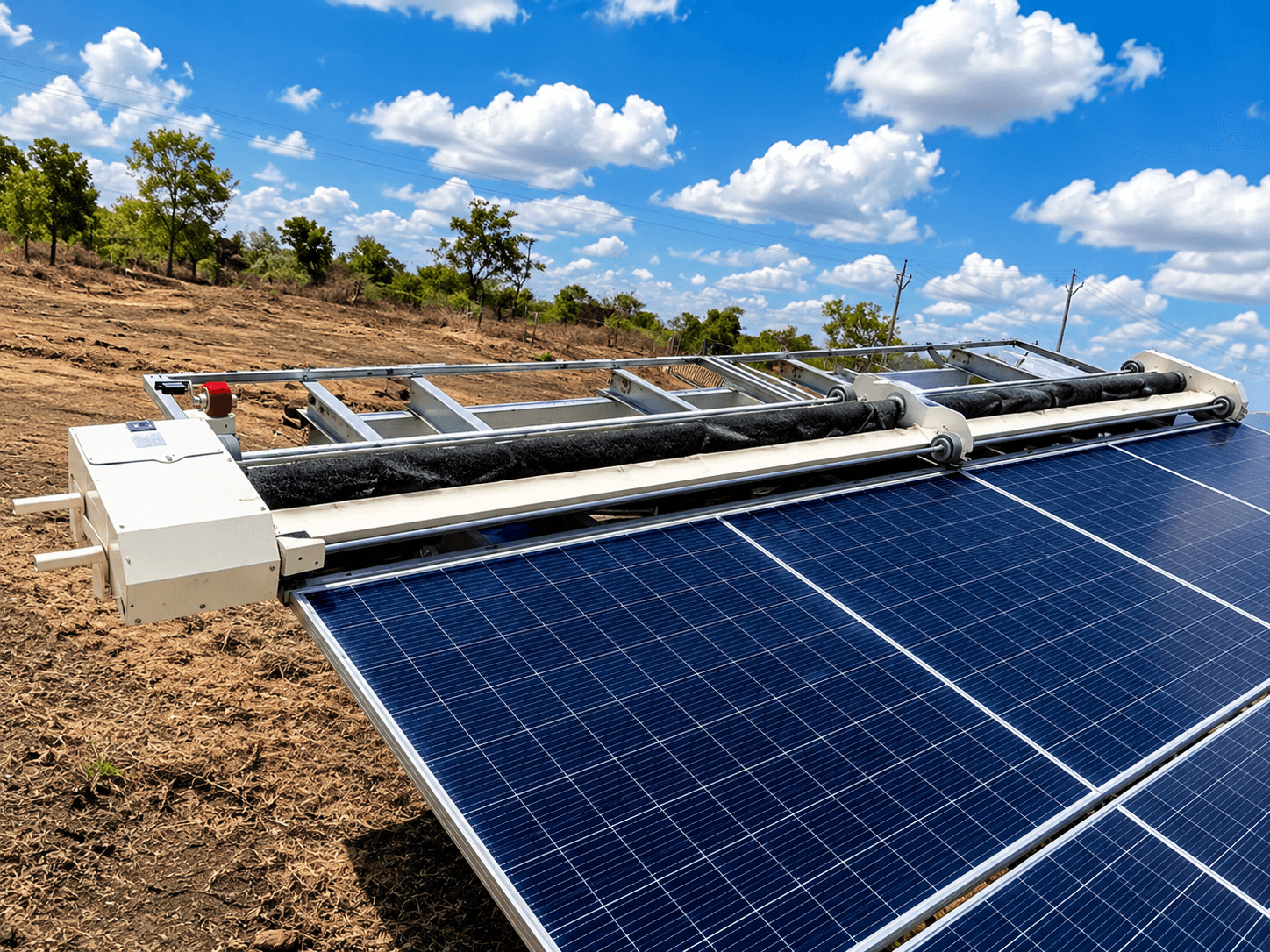
The site deployed three HELYX semi-automatic robots. This helped the team close the gap in their maintenance strategy. Manual cleaning methods offered very little oversight. In contrast, the HELYX fleet provides a repeatable and structured cleaning protocol. This protocol is perfect for the unique block layout of this site. This deployment of robotic solar panel cleaning in Maharashtra has brought great results. The project recovered 225 MWh of additional generation every year. Also, the shift to waterless technology saved 840,000 litres of water per year. This move also made the maintenance workflow much smoother.
Environment and soiling at Yavatmal, Dhanorakh
Managing the Unpredictable Soiling Trifecta in Yavatmal
The 225 MW facility at Dhanorakh deals with three main environmental problems. These problems act together to lower efficiency. The site is in the Yavatmal region of Maharashtra. This area has a constant mix of agricultural dust, road grit, and moisture cycles. These three elements create a tough layer of grime. Traditional cleaning schedules often fail to handle this layer effectively.
Nearby farms create a lot of fine dust. This dust settles unevenly across the solar modules. Heavy road grit also adds to the problem. This grit is kicked up by heavy traffic on regional roads. Unlike desert sites, the Dhanorakh area has frequent humidity cycles. This moisture is a key factor. It acts like a glue. The moisture binds the dust and grit together. It bakes them into a hard crust on the panel surface. This crust is not the same everywhere. Its density varies from one string to the next.
This uneven dirt creates many problems for site managers. The variability causes several issues:
- String-level output drops happen because of uneven shading across rows.
- Localized hot spots can form. Dense grime blocks sunlight and affects cell temperature.
- Scheduling becomes very complex. Some modules need more cleaning than others to restore power.
Before using robotic solar panel cleaning in Maharashtra, these factors made manual cleaning ineffective. Managers had no way to prove which strings were cleaned. They could not tell if power drops were due to electrical faults or just dirt. Now, the project uses a structured robotic approach. This allows the team to manage micro-environmental shifts with precision. The cleaning cycles now match the specific dirt levels found across the Dhanorakh array.
O&M before Taypro
The Supervisor’s Blind Spot: Operational Gaps in Manual Cleaning
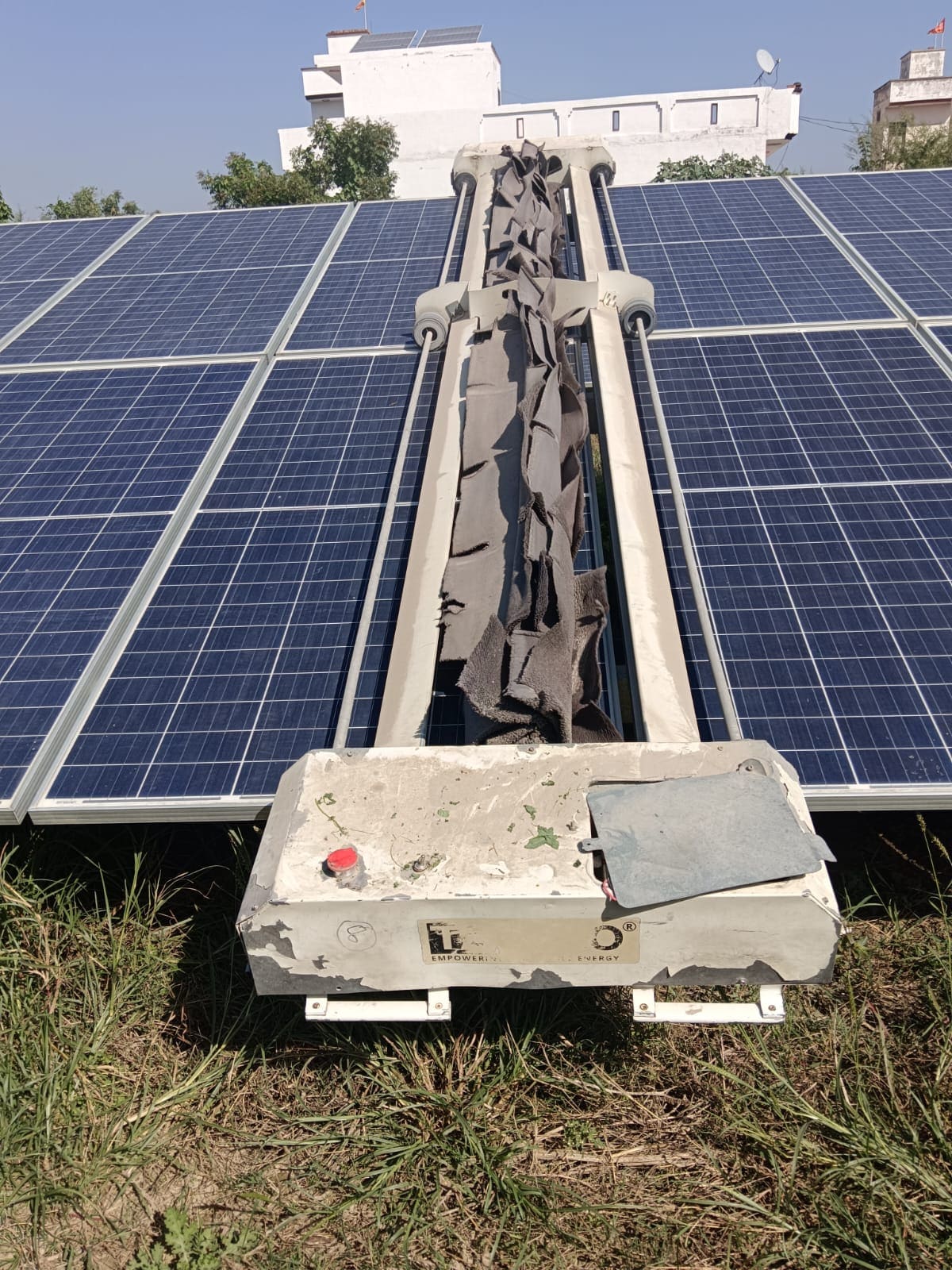
Before using robotic solutions, the 225 MW Dhanorakh facility had a big problem. O&M leaders lacked a digital audit trail. Manual cleaning crews worked across large sections of the plant. However, managers had no proof of which specific strings were cleaned. They could not see a per-block report. This lack of data created a bottleneck for operational reliability.
The plant relied heavily on manual labor. This made it hard to manage such a large area. Teams had to balance many competing priorities. For example, water logistics were difficult to manage. Night-shift crew schedules often clashed with other site work. These works included vegetation management and civil maintenance. Because supervisors could not verify the cleaning status, their planning was reactive. They did not use data to drive their decisions. This led to several persistent challenges:
- Cleaning quality was inconsistent. This allowed dust and grit to build up into thick layers.
- It was hard to identify the cause of power loss. Teams could not distinguish between electrical failures and simple soiling.
- Operational costs were high. Managing water distribution and night-shift logistics required too much effort.
The project has now moved away from these manual methods. This has removed the uncertainty of maintenance work. The new semi-automatic fleet provides consistent and verified cleaning cycles. These cycles improve the overall availability of the plant. The site has moved from manual estimation to traceable operations. This ensures that every cleaning pass is recorded. The process is now optimized for the unique soiling profile of the region.
Fleet and deployment at 225 MW
Fleet and Deployment: Scaling Robotic Solar Panel Cleaning in Maharashtra
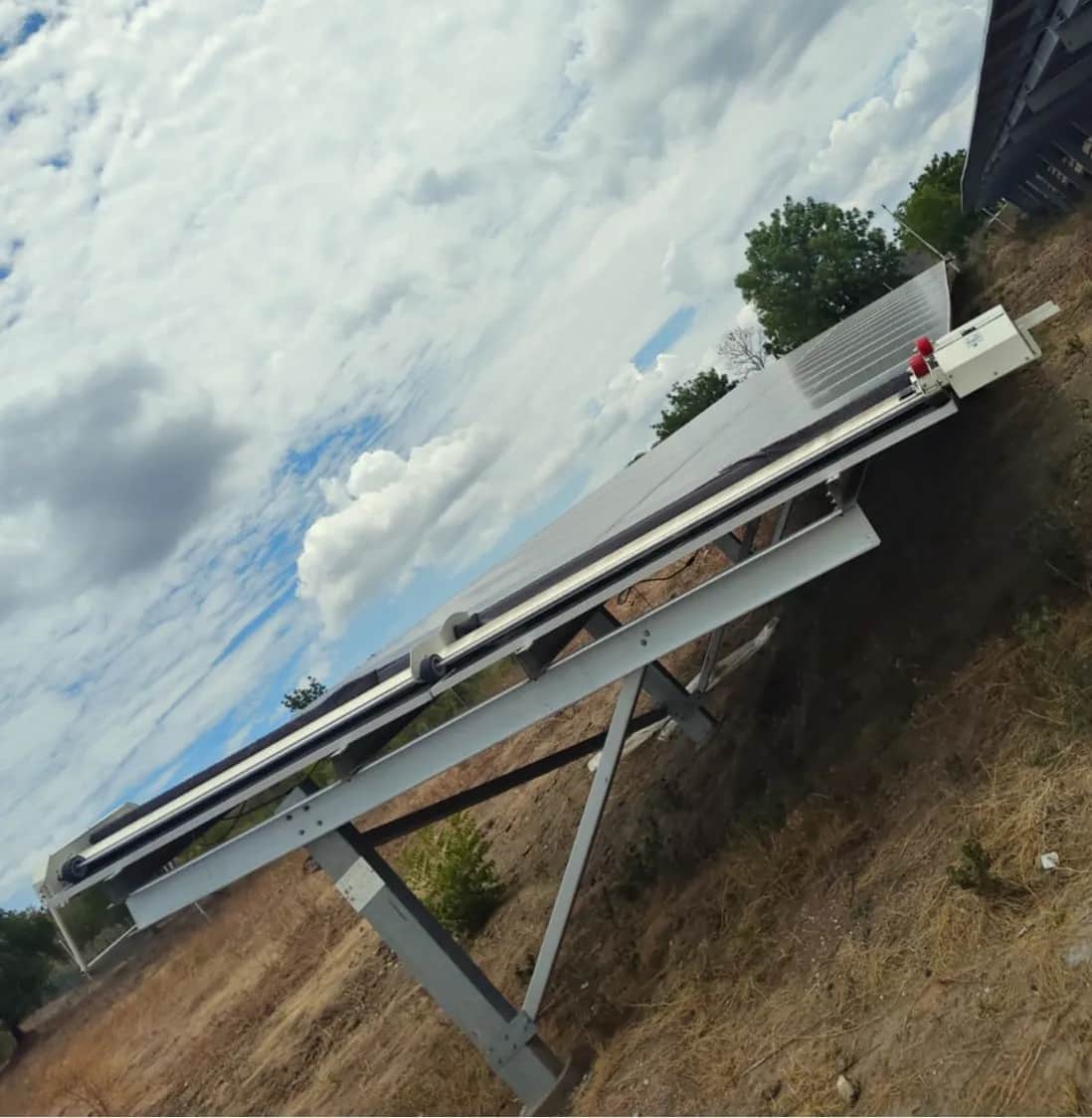
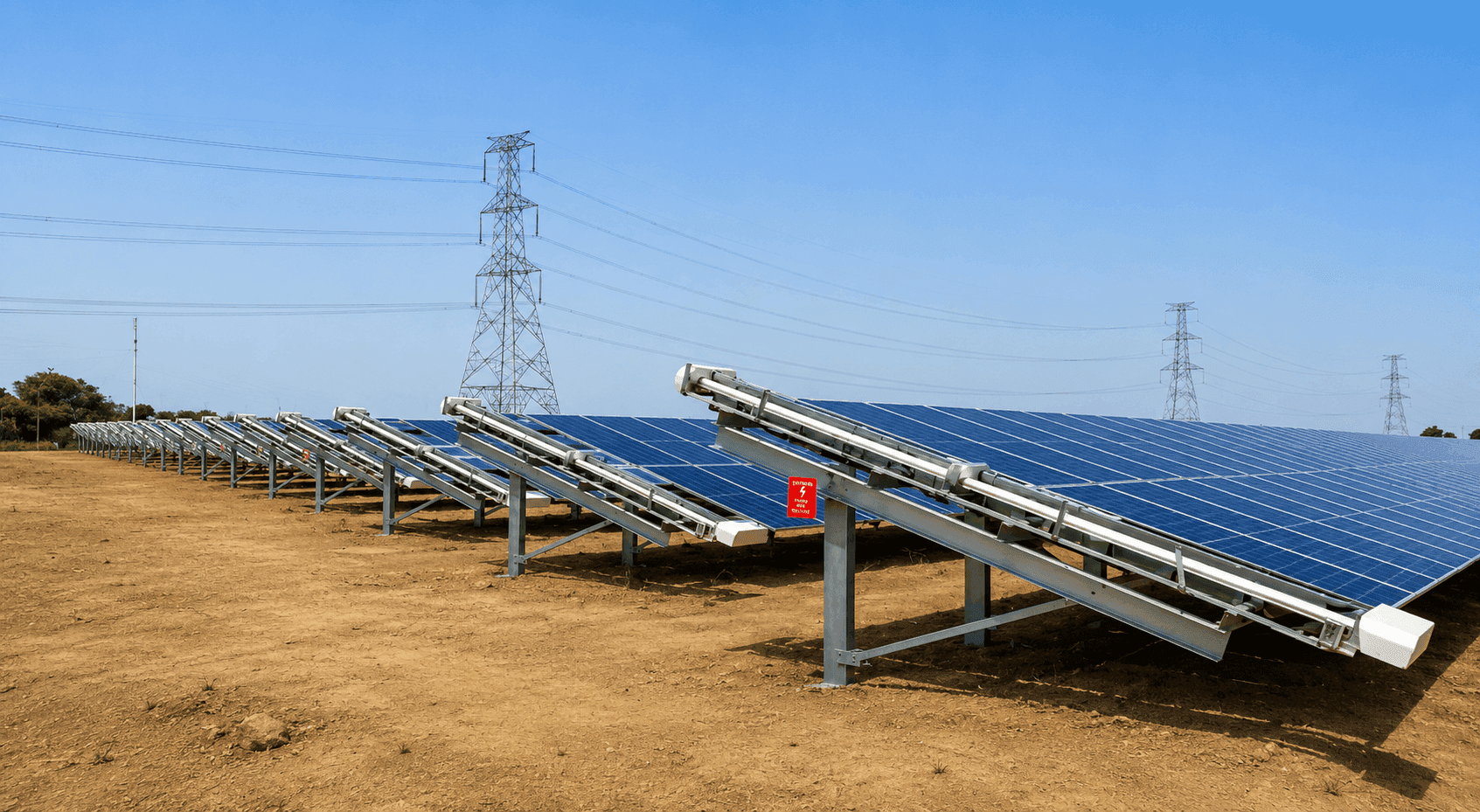
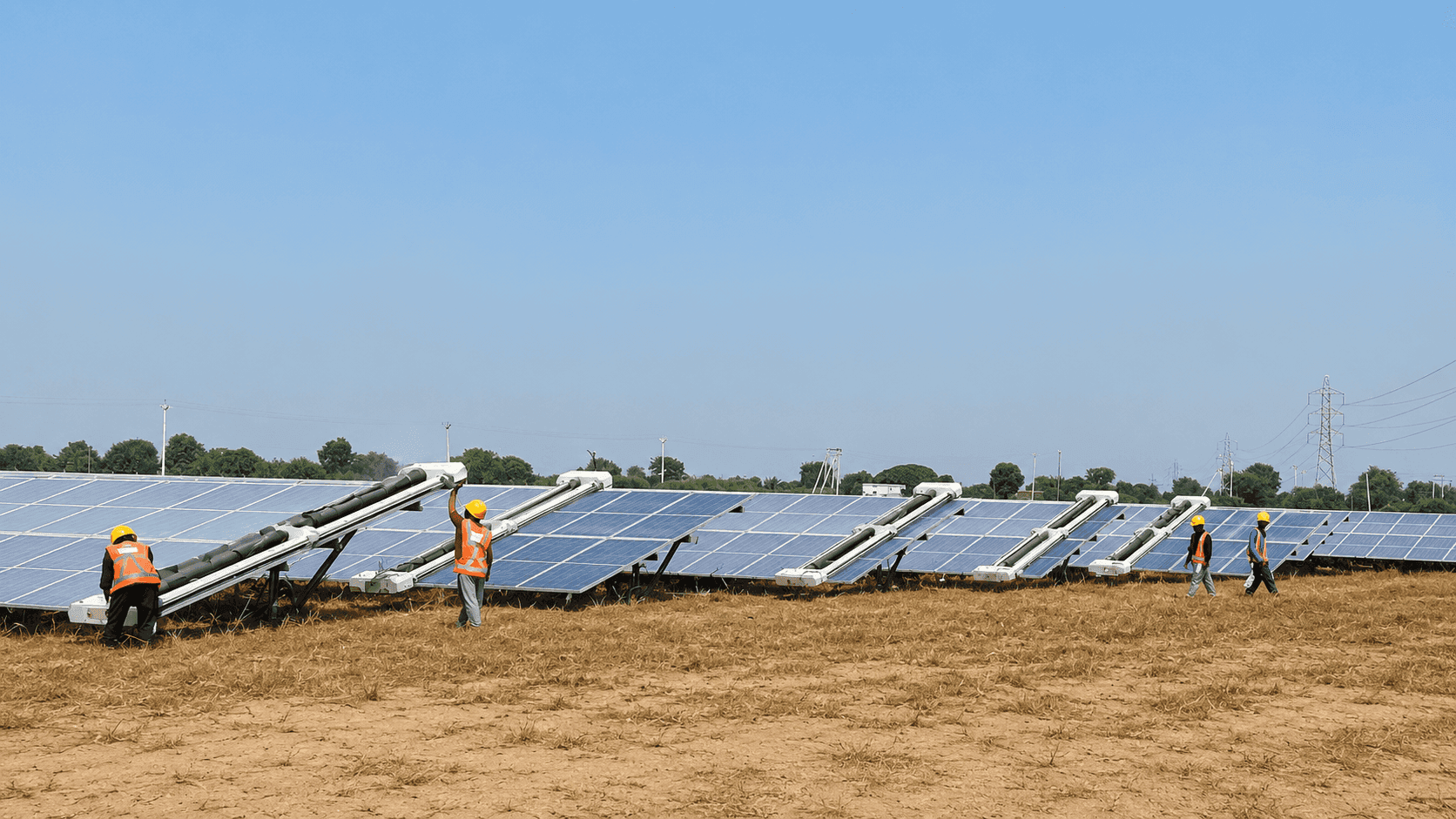
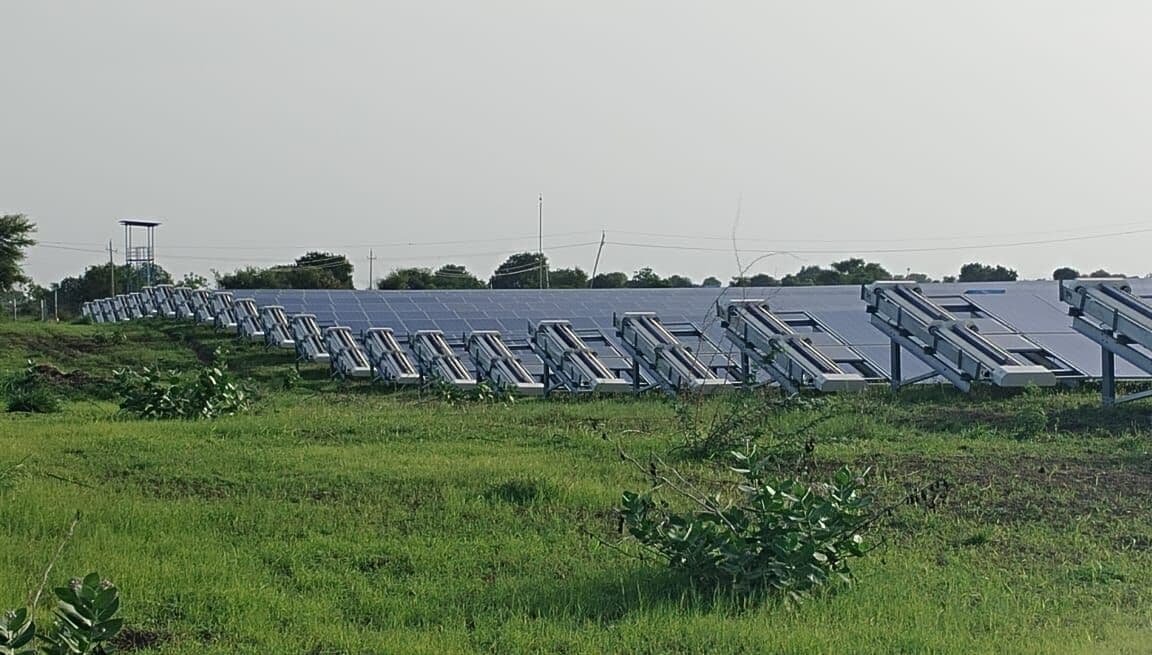
The 225 MW Dhanorakh site uses a CAPEX procurement model. This model helps manage its large ground-mount array. The fleet uses 3 HELYX semi-automatic robots. These robots were chosen to handle the scattered soiling at the site. They can navigate uneven patterns caused by dust, grit, and humidity. The HELYX system is perfect for this distributed layout.
Unlike fixed-path systems, these robots are "pick-and-place" models. This means O&M teams can move them to specific areas. They can target array blocks where the dirt is most severe. The deployment uses a recurring cycle of 3 to 10 dry cleaning sessions per month. This schedule is based on real-time soiling levels and site access. This method is very efficient. It does not require expensive changes to the site infrastructure.
Commissioning the HELYX fleet focused on high-frequency cleaning. The terrain at the site can be challenging. The robots use single-pass PBT brush technology. This technology is very effective. It dislodges stubborn grime easily. At the same time, the brushes maintain safe contact with the panels. This deployment offers several technical benefits:
- Targeted maintenance is easy. Robots move across different blocks. This ensures high-soiling zones get attention.
- Logistics are much more efficient. The site no longer needs water trucks. It also does not need to coordinate night crews.
- Resource savings are high. The PBT cleaning process is waterless. This saves 840,000 litres of water every year.
This robotic integration helps the 225 MW facility recover lost energy. Previously, manual maintenance gaps caused significant power losses. The semi-automatic units have created a predictable framework. This framework is also audit-ready. Management now has full visibility over every string. They can mitigate the impact of regional weather on the total energy output.
Operations and monitoring
Resolving the Logistics Conflict: Scheduling Semi-Automatic Cleaning in Yavatmal
The 225 MW facility in Yavatmal faced many operational hurdles. Manual cleaning required a lot of coordination. Supervisors had to manage night crews and water transport at the same time. They also had to manage vegetation control. These tasks often overlapped. This created bottlenecks. It also hurt site safety and efficiency. The HELYX fleet changed this. The site now uses a disciplined, scheduled dry cleaning model.
The site now follows a cadence of 3 to 10 cleaning sessions per month. This is a big change from the old manual methods. This schedule works well with local dust patterns. It also avoids conflicts with civil work windows. HELYX robots operate autonomously within their assigned blocks. This means the team does not have to manage water logistics anymore. They also do not need to schedule night shifts for these rows. Human resources are now free for higher-value tasks. This keeps the 225 MW asset optimized all year long.
Accountability is now much higher. This is thanks to the NECTYR fleet portal. Supervisors get clear, block-level proof of every cleaning cycle. This removes the guesswork from the previous manual efforts. Key benefits of this new monitoring include:
- Cleaning windows are now predictable. Scheduled dry cycles allow leads to plan work days in advance.
- Water logistics are gone. The project avoids the risks of water-based cleaning. This includes transport and night-shift risks.
- Visibility at the string level is excellent. NECTYR dashboards provide logs for audits. This ensures every block is maintained.
Results and impact
Results and Impact of Robotic Solar Panel Cleaning in Maharashtra
The HELYX robotic system has improved plant performance. It has also improved resource efficiency at the 225 MW Yavatmal facility. Moving to a waterless and targeted cleaning cycle was a success. The site has overcome the limits of manual maintenance. Robotic operations have permanently ended the need for water trucks. They also ended the need for complex night-shift coordination.
The biggest success is the consistency of the cleaning. The HELYX robots follow a structured schedule. This means the plant has fewer power drops. It prevents issues caused by agricultural dust and road grit. Targeted cleaning allows the team to prioritize high-soiling areas. This leads to a measurable boost in annual generation. Also, the lack of water usage is a huge advantage. It helps the plant stay sustainable. It also protects the project from regional water shortages.
The NECTYR fleet portal has set a new standard for accountability. Supervisors now have verifiable evidence for every cycle. The platform shows results at the block level. This ensures the entire 225 MW array meets a high standard. This transparency is vital for managing uneven soiling. It protects the long-term health of the solar modules. Key impact areas include:
- Measurable generation gains. Targeted cycles recover energy by restoring panel transparency.
- Resource sustainability. The project uses zero water for cleaning. This reduces annual water waste significantly.
- Enhanced O&M oversight. NECTYR allows managers to verify every robot pass. This ensures high efficiency without manual audits.
Peer comparison and planning checklist
Peer Comparison and Robotic Planning
The 225 MW Dhanorakh site shows a major shift toward autonomous work. This is different from smaller regional sites. For example, a 14 MW automatic site in Yavatmal uses localized control. However, a 225 MW project needs more coordination. This site uses the advanced HELYX semi-automatic fleet. This is different from compact installations. Small sites might use daily autonomous cycles for every row. This large site uses high-mobility robotics instead.
The main difference is the deployment strategy. Small 14 MW projects often use fully automatic robots on every row. In contrast, this large facility uses a CAPEX-efficient method. It uses HELYX robots to target scattered blocks. This addresses dust and grit where it matters most. It does not require a robot for every single row. This provides a scalable path for utility-scale assets in Maharashtra.
Robotic Solar Panel Cleaning Planning Checklist
- Evaluate local soiling: Map the dust and humidity. Decide if you need daily automatic coverage or semi-automatic robots.
- Select your deployment mode: Choose between CAPEX and OPEX. Align this with your block layout and maintenance windows.
- Integrate fleet monitoring: Always choose a system with NECTYR. This provides verifiable proof of every cleaning cycle.
- Plan resource logistics: Check your water supply and labor costs. Determine when it is time to switch to waterless robots.
- Assess structural compatibility: Ensure your array type and tilt match the robot specs. Check the weight and movement limits.