Executive summary
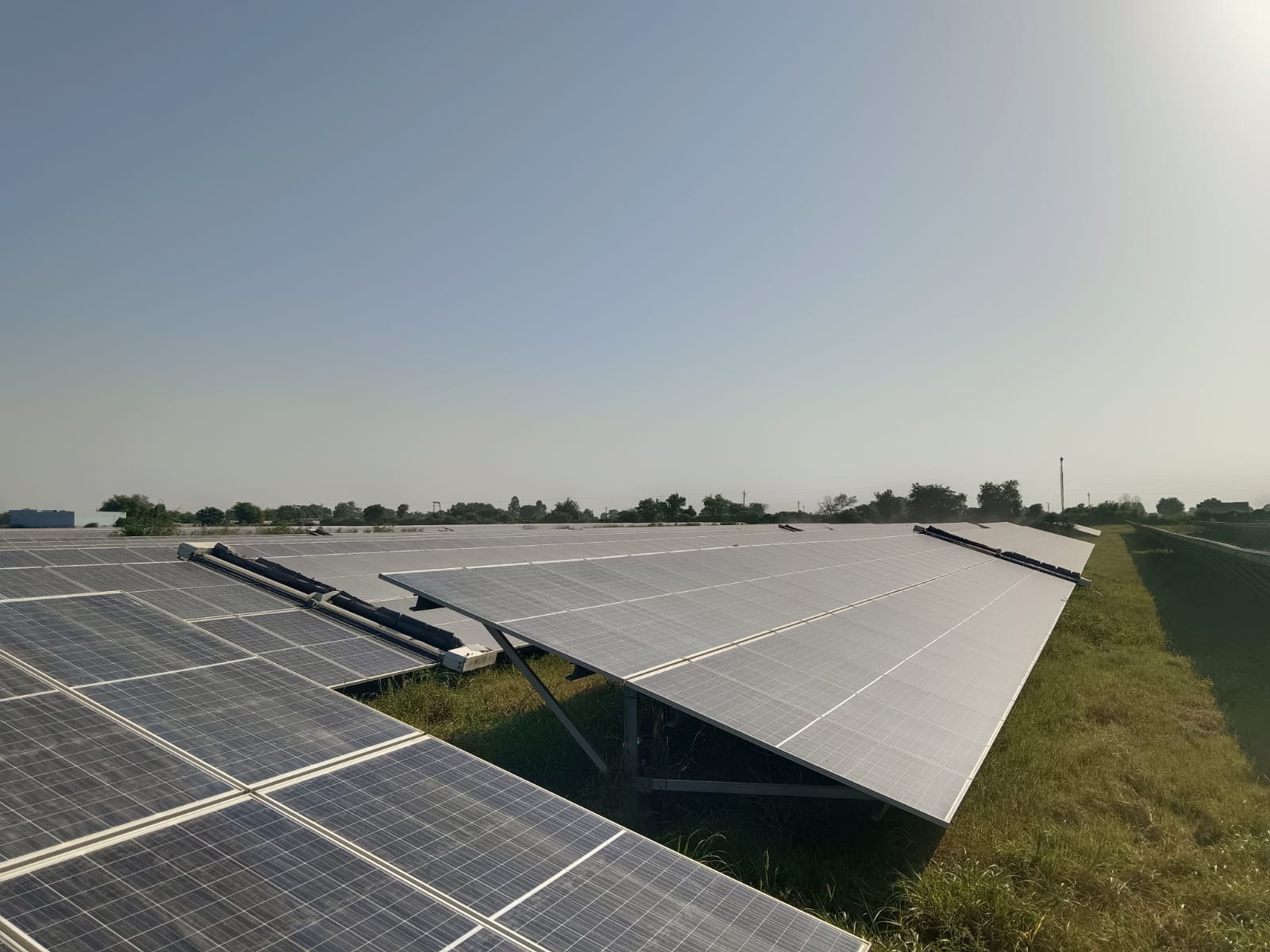
robotic solar panel cleaning Maharashtra. The 75 MW ground-mount solar project is located in Yavatmal, Ghonsi. This site shows a major shift in O&M strategy for Maharashtra. The environment is very harsh for solar panels. Intense agricultural dust covers the modules regularly. Heavy road grit also settles on the arrays. Local humidity cycles make these problems worse. These cycles create severe and uneven soiling patterns. This dirt blocks sunlight and reduces energy yields. Previously, site supervisors struggled to keep performance steady at the string level.
Managing water for manual cleaning was a major struggle. Water logistics often clashed with other site work. Teams had to balance cleaning with vegetation and civil maintenance. There was also a lack of accountability. Supervisors could not prove which areas were actually cleaned. They lacked per-block proof of service during each cycle.
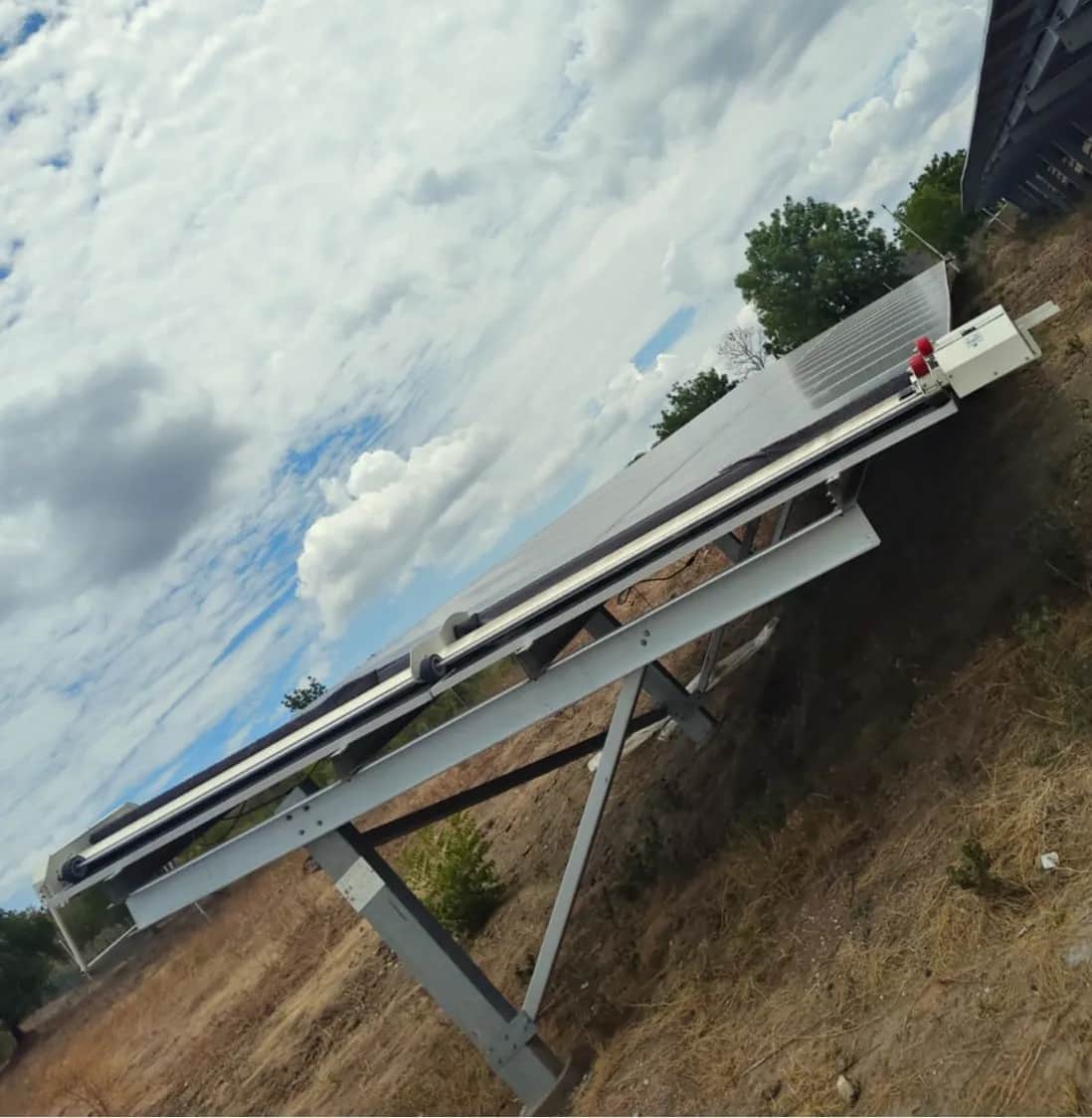
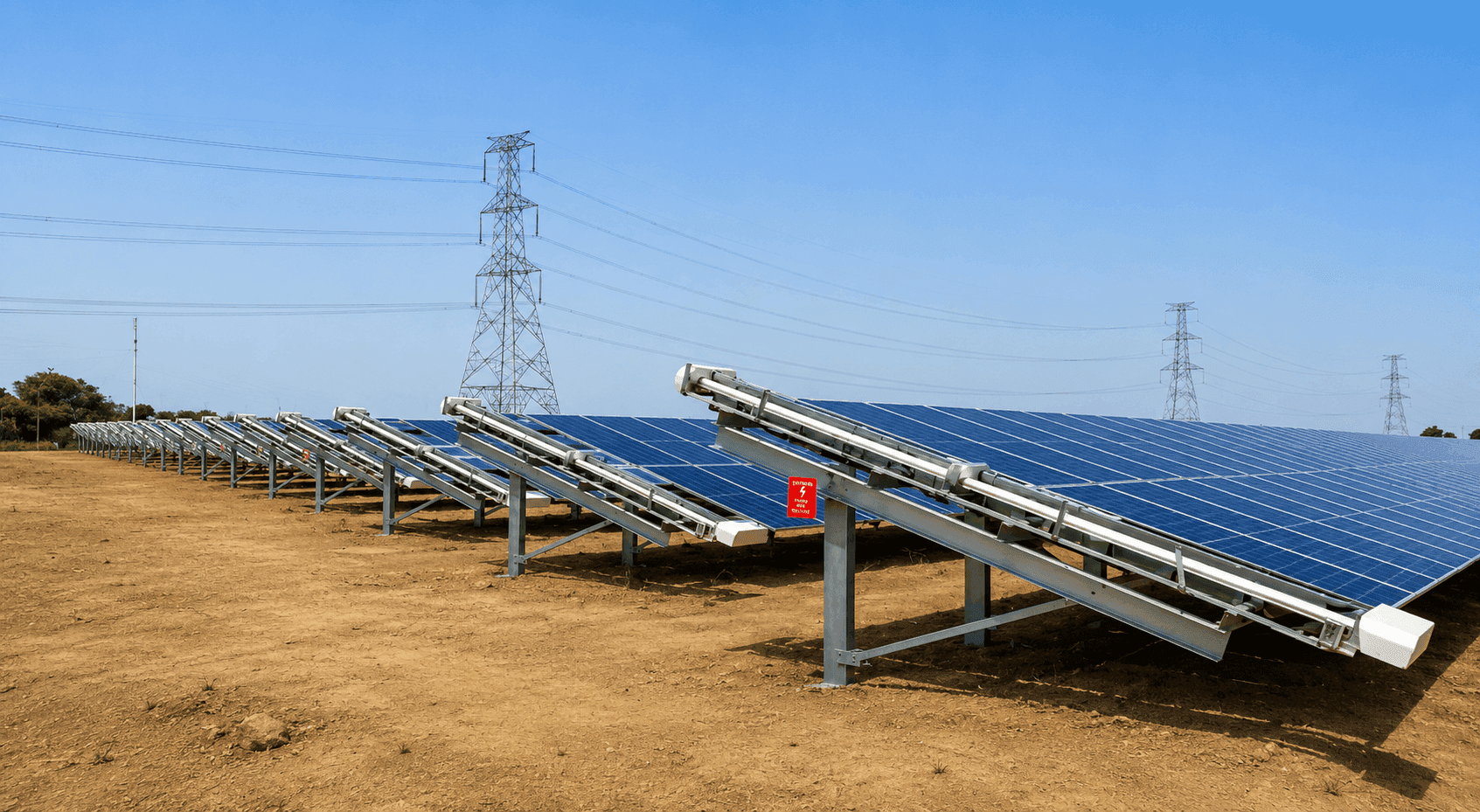
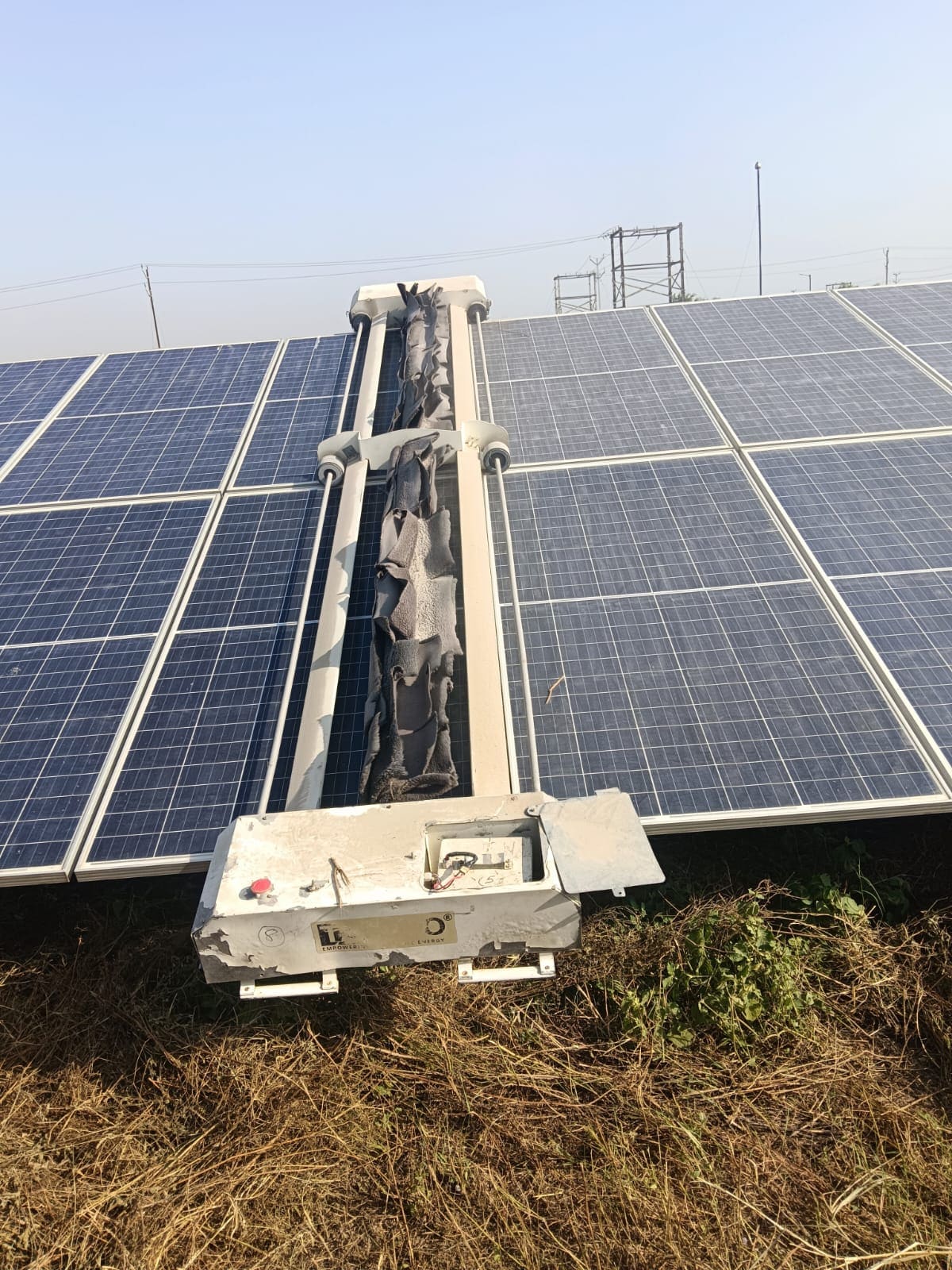
To fix these issues, the site deployed two NYUMA robots. This is a semi-automatic, pick-and-place cleaning system. This waterless approach has bridged previous operational gaps. The site now uses structured and site-specific cleaning schedules. This method secures 75 MWh of additional generation every year. The shift to waterless technology has also saved massive amounts of water. The site saves 280,000 litres of water every year. This transition provides the clear proof-of-work that supervisors need. It ensures high uptime and optimized performance for the 75 MW facility.
Environment and soiling at Yavatmal, Ghonsi
Environmental Challenges and Micro-climate Soiling in Ghonsi
The Yavatmal district has a very complex environment. This environment significantly impacts how solar assets perform. The Ghonsi project site faces many local contaminants. Farming activities in the area create a lot of fine dust. Local traffic also plays a huge role. Heavy road grit is kicked up by transport routes near the facility. This grit settles on the solar modules. It creates a dense and multi-layered deposit. This layer is much harder to clean than typical desert or urban dust.
The micro-climate in Ghonsi adds more difficulty. This is due to frequent high-humidity cycles. Humidity changes how the dirt sticks to the panels. When humidity rises, it turns the dust into a film. This film is semi-adhesive and very stubborn. It is much harder to remove than dry dust. This leads to non-uniform soiling patterns across the entire array. Some strings get much dirtier than others. This depends on how close they are to field edges or roads. These inconsistent layers made planning very difficult for the onsite team. They could not easily predict which blocks needed cleaning.
The O&M team faced many challenges with manual methods. Traditional cleaning efforts were often misaligned with site conditions. Because the soiling was uneven, cleaning schedules were often inefficient. General schedules resulted in wasted labor. Meanwhile, high-risk sections remained dirty and under-serviced. Implementing robotic solar panel cleaning in Maharashtra solved these issues. It allowed for a more surgical and data-backed approach. The current system addresses varied soiling patterns at the string level. It succeeds where traditional manual water-based methods failed to be efficient.
O&M before Taypro
The O&M Accountability Deficit: Manual Logistics and Performance Gaps
Before using robotic solar panel cleaning in Maharashtra, the 75 MW Ghonsi facility used manual labor. This old approach created much operational friction. The site team struggled to balance cleaning with other tasks. Water logistics were a constant problem. The site is a large ground-mount facility. Hauling water across this space required many workers. It also required intense coordination. This work often conflicted with vegetation and civil maintenance schedules.
The main issue was a lack of accountability. The site had a profound accountability deficit. There was no automated way to log cleaning progress. Supervisors had no reliable proof of work. They could not see which specific strings were cleaned during a shift. This lack of transparency was a major risk. Uneven soiling from agricultural dust and road grit went unaddressed. Critical sections of the plant stayed dirty for too long. The management team faced several recurring hurdles:
- Unpredictable power loss caused by inconsistent cleaning at the string level.
- High costs for logistics to move water around the site.
- Difficult scheduling between manual crews and vegetation management.
- A total lack of verifiable records for routine maintenance.
- Excessive water use that did not provide high cleaning precision.
The site often relied on night crews for water-based cleaning. This led to performance that was hard to measure or correct. The move to a semi-automatic robotic system fixed these bottlenecks. It replaced manual guesswork with a structured and verifiable routine.
Fleet and deployment at 75 MW
Fleet and Deployment at the 75 MW Ghonsi Facility
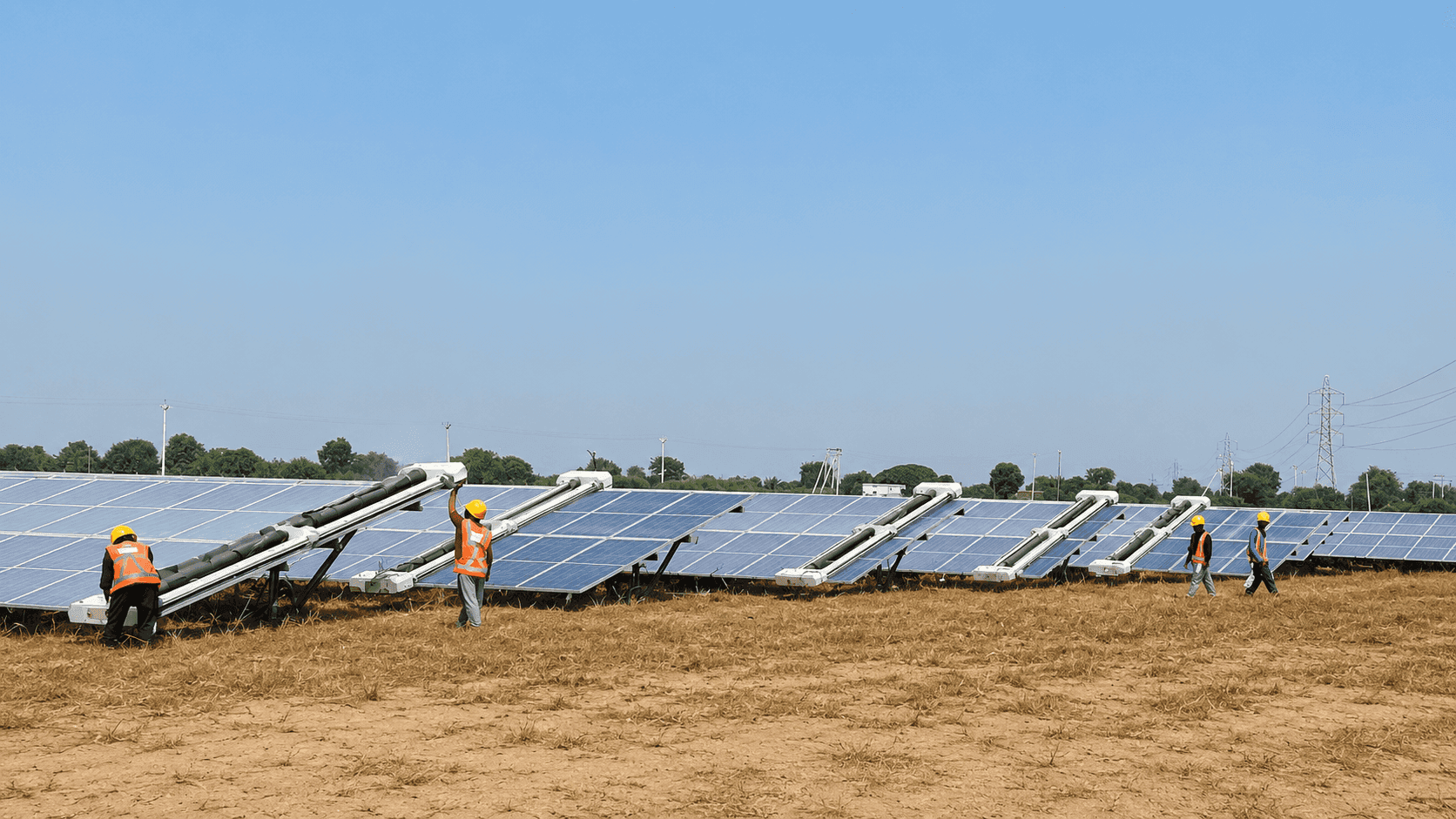
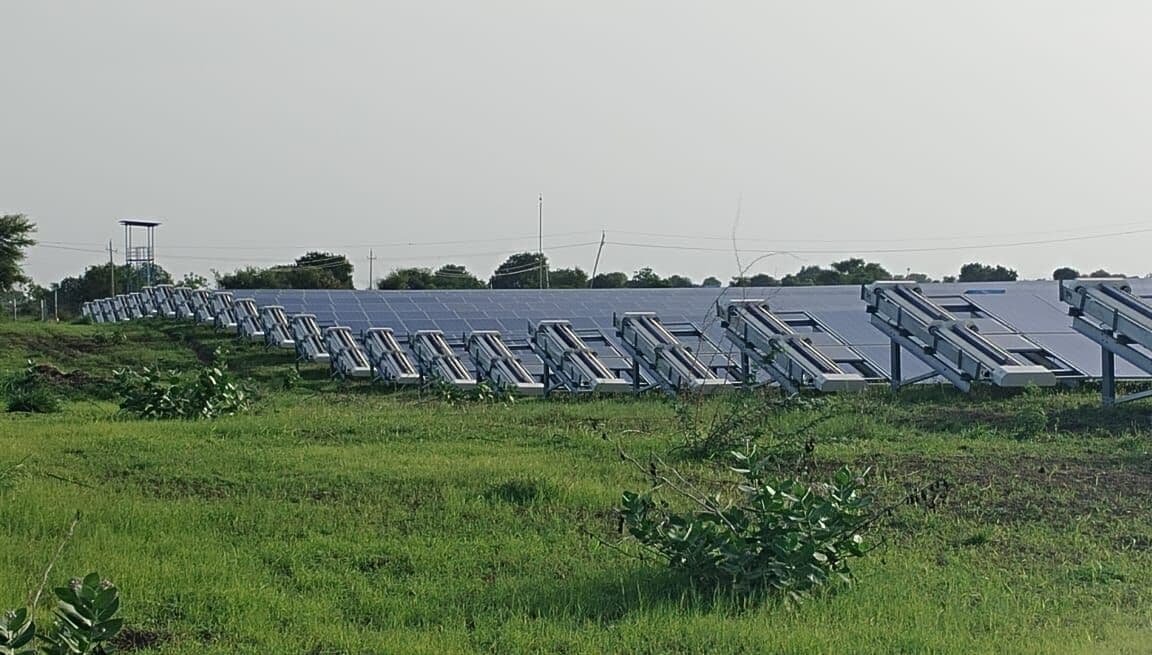
The 75 MW Ghonsi project uses a targeted semi-automatic strategy. This manages its large ground-mount arrays effectively. The site has irregular soiling patterns. These are caused by agricultural dust, road grit, and humidity. To fight this, the facility uses a specialized fleet of two NYUMA robots. This deployment uses a Capex procurement model. This allows the asset owner to keep direct control over the equipment. It also helps optimize for regional operational needs.
The system is built for a pick-and-place workflow. This is a very efficient method. Maintenance teams can rotate the robots to specific blocks. They target the blocks that need the most urgent attention. By using the NYUMA units in this semi-automatic way, the site stays disciplined. The robots follow a cleaning cadence of 3 to 10 dry cleaning cycles per month. This frequency is carefully chosen. It matches how fast dirt builds up on the panels. It avoids the logistical strain of daily, high-intensity cleaning.
The commissioning process was very detailed. The team focused on integrating cleaning with existing site work. They aligned cleaning with vegetation management and civil maintenance windows. The NYUMA platform removes the unpredictability of human schedules. Cleaning cycles are now standardized. The O&M team now has repeatable performance logs. These logs verify which strings have been serviced. This precision is essential for the site. It helps recover energy and saves 280,000 litres of water every year. The implementation proves that a semi-automatic fleet works well. When properly scheduled, it maintains efficiency in the challenging Maharashtra environment.
Operations and monitoring
Optimizing Operations and Monitoring Through NECTYR Integration
Operations at the 75 MW Ghonsi facility focus on clear accountability. The team uses the NECTYR fleet monitoring portal. They have moved away from manual and unverified cleaning logs. Now, the O&M team relies on digital proof for every block. NECTYR provides granular visibility into the cleaning status. You can see the status of individual strings. This allows supervisors to confirm that a service is complete. They can also address soiling hotspots caused by road grit or dust in real time.
The operational schedule is very precise. It is synchronized with other site maintenance needs. Cleaning cycles are scheduled around civil and vegetation management. This prevents different tasks from overlapping. This integration is very important for efficiency. It ensures the robotic fleet does not block other critical O&M work. At the same time, it maintains the frequency needed to stop uneven soiling.
The team also prioritizes system safety and longevity. They enforce strict wind hold protocols. The autonomous system will automatically pause if winds are high. This protects the solar panels. It also protects the NYUMA hardware. This approach ignores the old idea of a "daily wash." A daily wash is often unnecessary and inefficient for this site. Instead, the team uses a data-backed schedule. They target cleaning based on how much dirt has actually built up. This regime provides verifiable metrics. Every cycle is accounted for. This helps the site maximize energy generation while saving precious water resources.
Results and impact
Achieving Operational Precision and Resource Recovery
The move from manual maintenance to a semi-automatic robotic strategy has changed everything. It has improved the O&M efficiency at the 75 MW Ghonsi facility. The facility replaced labor-intensive manual crews with two NYUMA robots. This helped stop the erratic energy losses. Those losses were caused by uneven soiling from agricultural dust and road grit. The recovery of large amounts of annual energy shows the impact of this change. High-precision, data-backed robotic cleaning is much better than inconsistent manual work.
Water conservation is another major success of this project. The site moved to a waterless cleaning method. This eliminated the need for heavy water logistics. It also removed the costs of sourcing and transporting water. This change has led to huge annual water savings. It reduces pressure on local water resources. It also simplifies the entire site schedule. O&M supervisors can now focus on other tasks. They can manage vegetation and civil maintenance without the burden of wet cleaning.
Driving Accountability with Data-Backed Maintenance
- Enhanced Transparency: NECTYR integration provides digital validation for every cycle. Supervisors now have accurate, block-level proof for every string.
- Synchronized Scheduling: Robotic operations are managed around existing site activities. This prevents downtime and ensures cleaning matches real-time soiling levels.
- Resource Preservation: The facility moved away from manual water-based washing. This secured significant water savings and ended the need for irregular night shifts.
Peer comparison and planning checklist
Peer Comparison and Planning for Robotic Solar Panel Cleaning Maharashtra
The Ghonsi 75 MW site is technically similar to other regional projects. These include the 14 MW Kupti solar project and the Bansi 75 MW array. The Ghonsi site uses a semi-automatic fleet strategy. This is different from fully automated sites. Fully automated sites often use many NYUMA or GLYDE units. By using two NYUMA units, Ghonsi addresses uneven soiling effectively. This is common in the Maharashtra region. Agricultural dust and humidity cycles often challenge manual maintenance. This configuration is a smart middle-ground for procurement. It prioritizes capital efficiency. It also ensures that high-soiling zones get consistent, dry cleaning that manual labor cannot provide.
Plant managers can use the following checklist when evaluating robotic upgrades. This will help ensure a structured deployment in similar environments:
- Assess the specific soiling profiles of your site. This helps determine cleaning frequency and the robot-to-block ratio.
- Audit your current water logistics and night-crew labor costs. This establishes a baseline for your expected OPEX savings.
- Verify the accessibility of your row ends. Ensure there is compatibility for robotic movement across different plant blocks.
- Integrate NECTYR fleet monitoring into your workflow. This helps you move from manual schedules to data-backed operations.
- Standardize cleaning protocols across all your arrays. This eliminates performance differences between different parts of the plant.