Executive summary
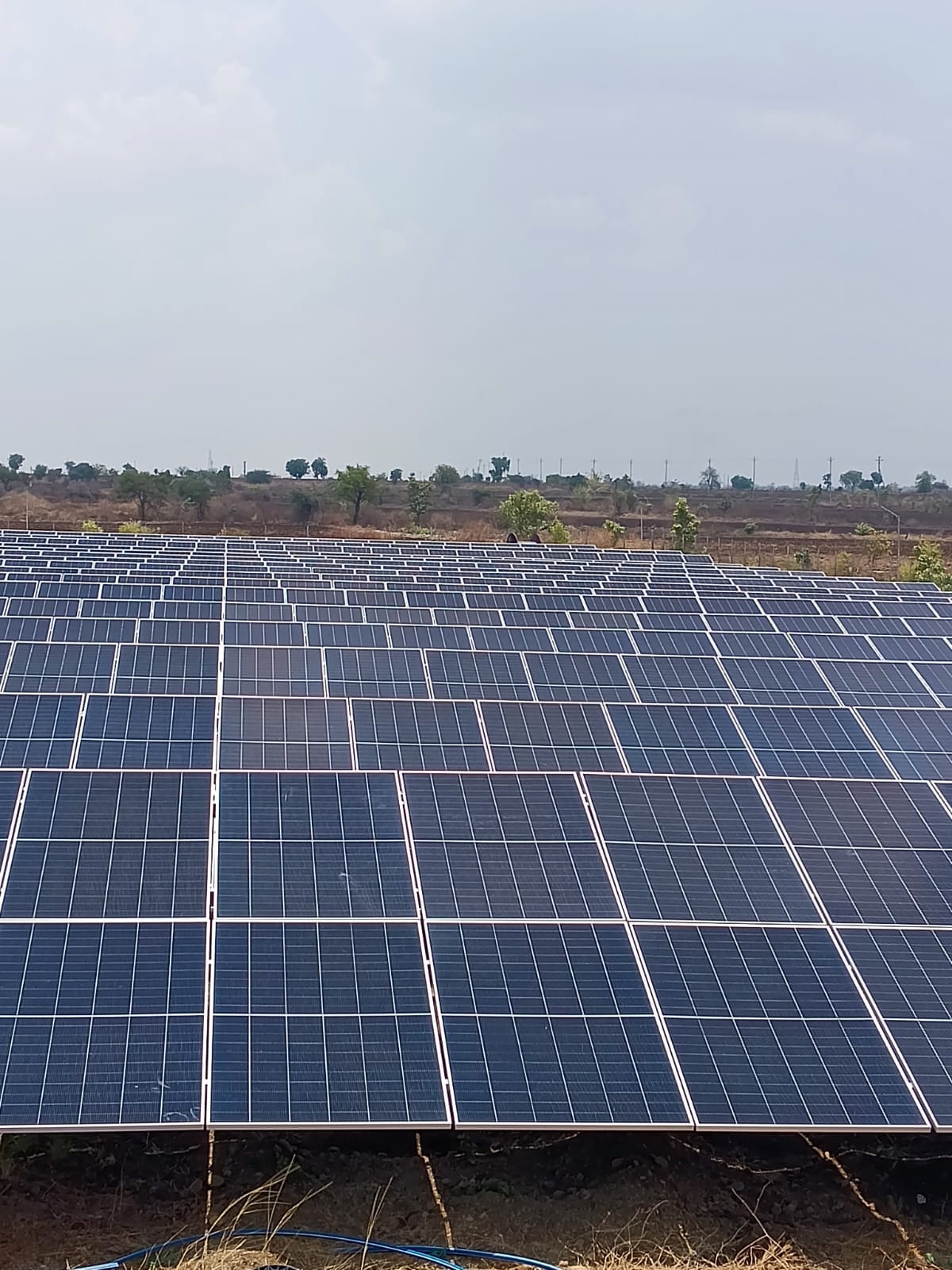
robotic solar panel cleaning Maharashtra. This case study looks at a 262.5 MW ground-mount solar facility. The site is located in Yavatmal, Ghonsi, Maharashtra. This project faces very tough environmental conditions. Local farms create high amounts of agricultural dust. Nearby roads produce heavy road grit. Frequent humidity cycles also impact the site. These factors combine to create uneven soiling. Dirt builds up heavily on specific strings of panels. This creates a major visibility gap for site managers. Supervisors previously lacked proof of which strings were actually cleaned. They also struggled with difficult water logistics. Scheduling night crews often clashed with other maintenance tasks.
To solve these problems, the site team integrated two HELYX semi-automatic robots. This choice moved the facility toward a targeted, pick-and-place waterless technology. The transition helped resolve all major monitoring challenges. It also established clear accountability for every cleaning cycle. This robotic solar panel cleaning in Maharashtra has produced great results. The facility recovered 262.5 MWh/yr in extra generation. It also eliminated the need for manual water-based washing. This move saved approximately 980,000 litres of water every year.
Environment and soiling at Yavatmal, Ghonsi
Managing agricultural dust and humidity cycles in Yavatmal
The Yavatmal region has a unique set of environmental challenges. These factors make standard solar maintenance very difficult. The project site is heavily impacted by seasonal farming. These agricultural activities generate huge amounts of fine dust. This dust stays in the air and settles on the modules. It creates a constant layer of grime on the solar panels.
Road grit adds another layer of difficulty. Nearby transportation routes are very busy. Trucks and cars kick up heavy grit from the roads. This grit settles into the solar arrays. It is often harder to remove than simple dust. These two sources create a persistent and thick coating on the glass.
The most difficult factor at the Ghonsi plant is the humidity. The local humidity cycles are very consistent. This moisture interacts with the dust on the panels. It creates a thin, cement-like film on the surface. This film is very strong. It prevents the wind from cleaning the panels naturally. Light rain also fails to wash it away. Instead, the moisture anchors the dirt to the glass.
This process leads to very uneven soiling patterns. Dirt does not settle the same way on every panel. Some strings experience much higher soiling than others. This inconsistency makes manual cleaning schedules very unreliable. Without precise oversight, the site faced several major risks:
- Reduced energy harvest because of shaded strings.
- Logistical bottlenecks during water-based cleaning.
- High labor costs to scrub stubborn residue.
By using robotic solar panel cleaning in Maharashtra, the site changed its approach. Management now uses targeted HELYX robot deployments. This allows the team to prioritize specific blocks. They can clean based on real-time soiling levels. This method handles site-specific dust patterns very well. The controlled, waterless movement of the robots keeps the plant running smoothly. It ensures a consistent energy profile despite the harsh Yavatmal climate.
O&M before Taypro
Operational Gaps in Manual Cleaning at Yavatmal
Before using Taypro robots, this 262.5 MW facility used manual cleaning. This traditional method caused massive logistical strain. The ground-mount array is very large. Managing water distribution was a constant struggle. Crews often worked at night to avoid the heat. However, scheduling these crews was very difficult. They often clashed with vegetation control and civil maintenance. These competing tasks created operational failures.
The biggest problem was a lack of verified proof. Supervisors could not confirm if all strings were cleaned. They did not know which blocks were serviced during a night shift. This audit gap led to many performance issues. Some sections stayed dirty even after workers reported they were done. This happened because manual labor cannot be perfectly tracked. Relying on manual, water-intensive methods caused several persistent hurdles:
- High water use in rural Maharashtra.
- Inconsistent cleaning quality across the site.
- Difficulty in tracking real-time worker productivity.
- Conflicts between cleaning crews and other site tasks.
The site also lacked a digital record of work. Managers could not link labor costs to energy gains. It was hard to justify the high cost of manual cleaning. Without granular data, the team could not prioritize the dirtiest modules. This left the project vulnerable to constant energy losses. The combination of dust and humidity-hardened grime was a constant threat to revenue.
Fleet and deployment at 262.5 MW
Fleet Deployment and Robotics Strategy for 262.5 MW Array
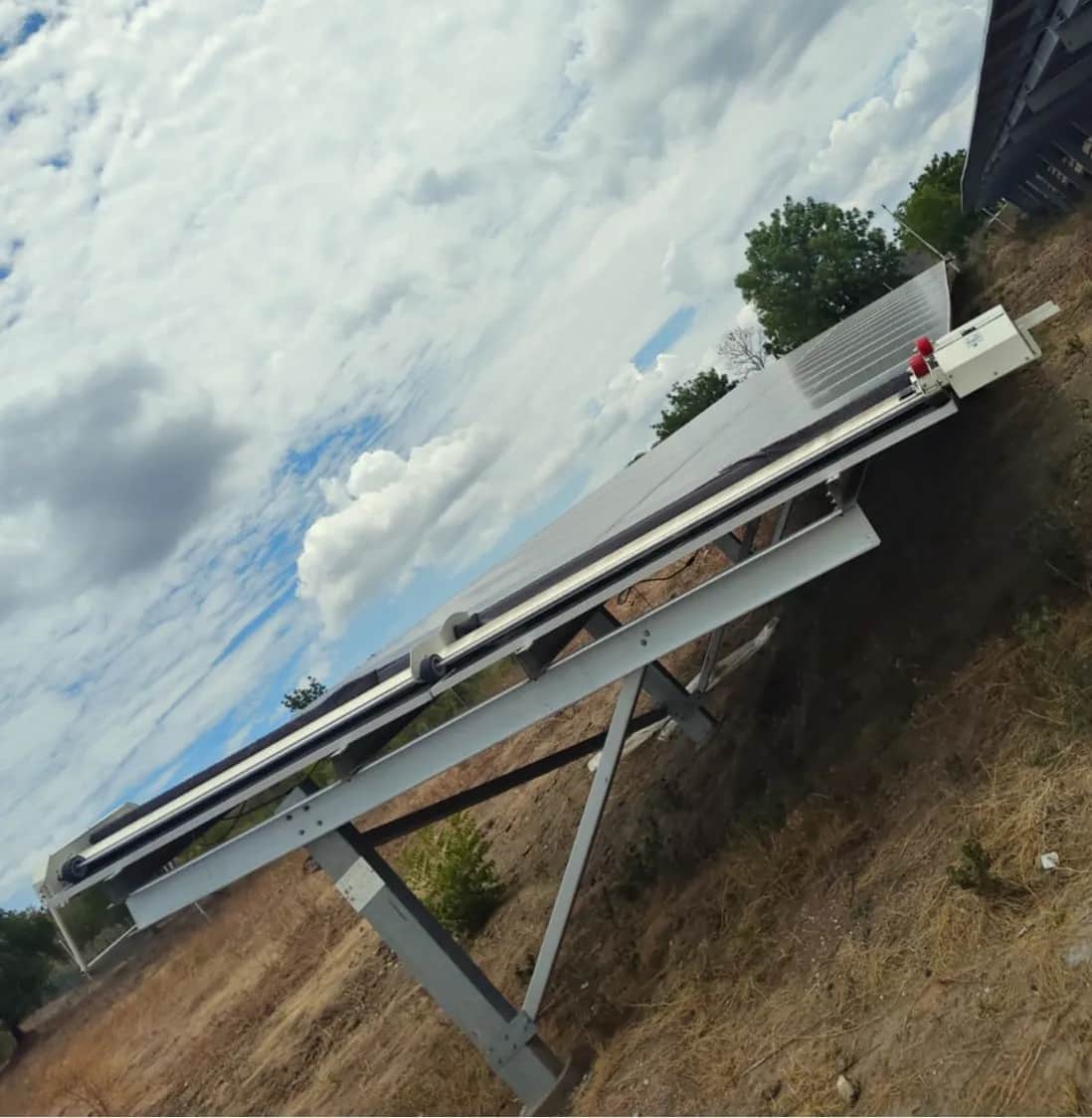
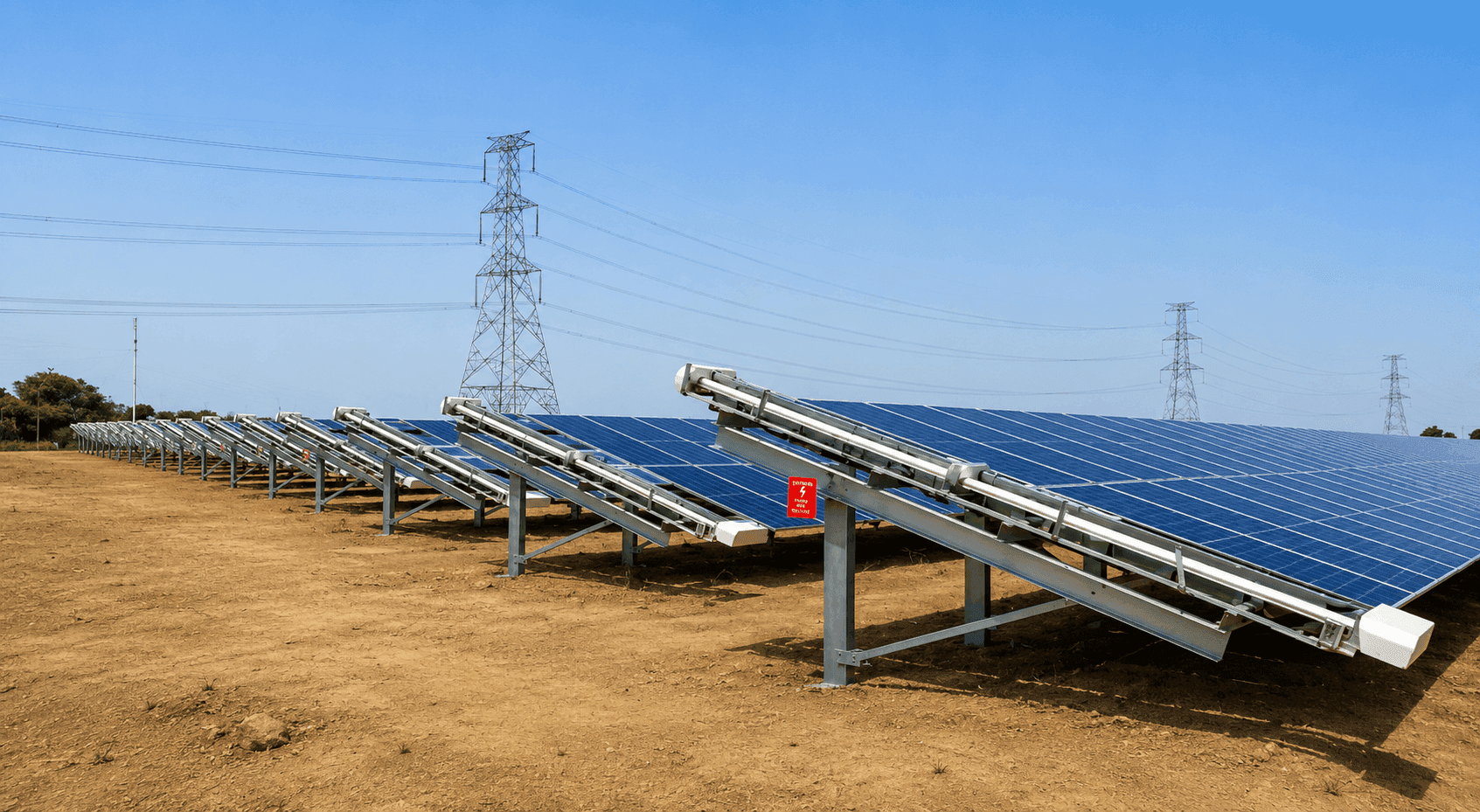
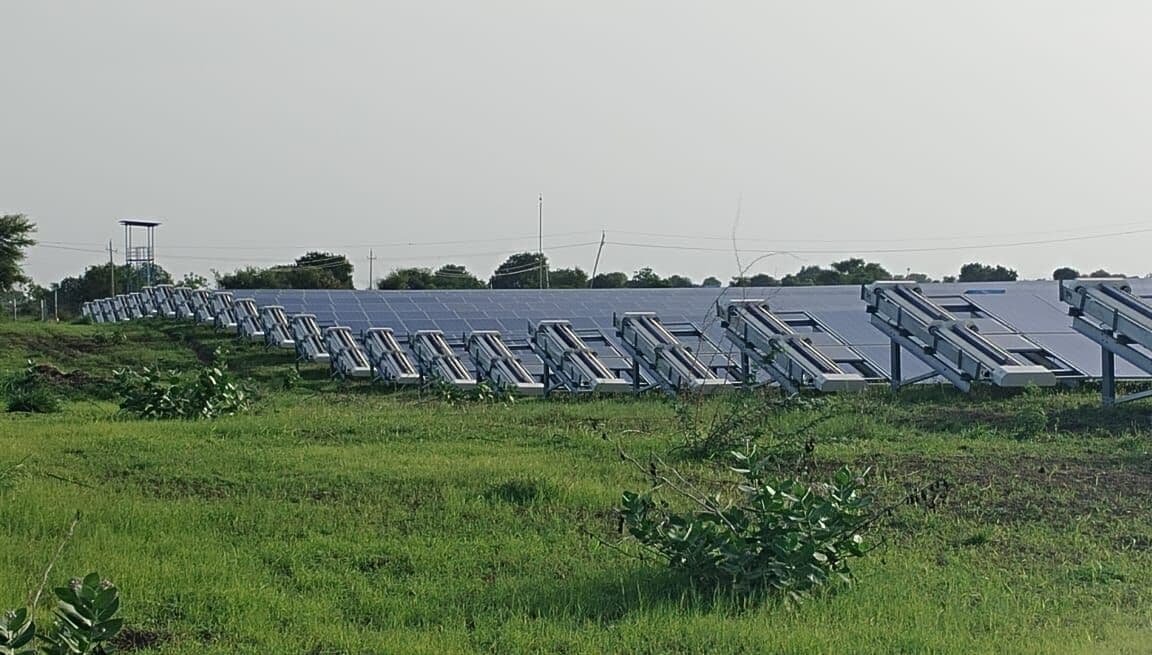
Taypro implemented a CAPEX-based model to solve these issues. The site uses two HELYX semi-automatic robotic units. This strategy moves the plant away from unreliable manual labor. It creates a structured and predictable maintenance cycle. These pick-and-place systems are very efficient. They allow the facility to run 3 to 10 dry cleaning cycles per month. This cadence is much more reliable than manual methods.
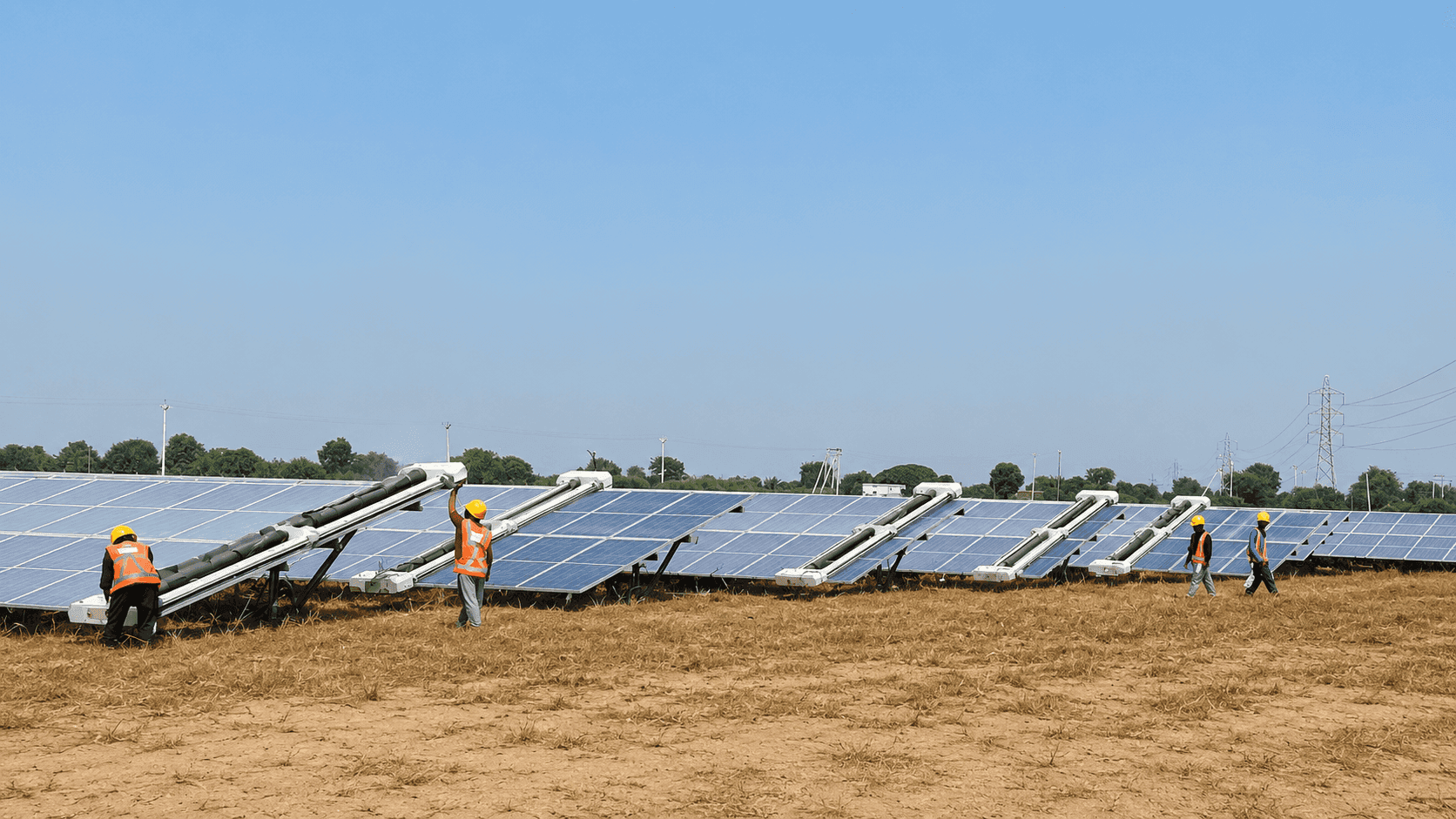
A semi-automatic model was the best choice for this 262.5 MW project. The plant has many scattered blocks. Portable HELYX robots are perfect for this layout. Supervisors can easily move the robots between different segments. This flexibility is vital for managing uneven soiling. The robots can reach the areas hit hardest by road grit and farm dust. They are designed for panel-safe contact. They remove debris effectively without damaging the glass.
This deployment has improved operational accountability. Every cleaning cycle provides clear, evidence-based data. This eliminates the oversight issues found with night crews. Site managers can now use real-time data to plan their work. They can see exactly where soiling is highest. They can then deploy the robots to those specific areas. This ensures that cleaning windows are used for maximum impact. It is especially helpful when time is limited by other maintenance tasks.
The switch to robotic operations also saves a lot of water. The plant saves about 980,000 litres of water every year. Waterless cleaning is a sustainable way to maintain large arrays. It provides a steady path to keep panels clean all year long. This transition secures energy yields and stabilizes the budget. It also reduces the need for large, expensive manual cleaning teams.
Operations and monitoring
Operations and Accountability: NECTYR-Verified Robotic Solar Panel Cleaning in Maharashtra
The 262.5 MW Yavatmal plant is a complex operation. Uneven soiling is a constant challenge. Agricultural dust and humidity create varying debris levels. In the past, manual night crews could not provide proof of work. This made management very difficult. The site needed a way to verify every cleaning pass.
Now, the site uses NECTYR to ensure accountability. This system provides digital logs for the robotic solar panel cleaning in Maharashtra. The operational structure relies on scheduled dry cycles. Portable robots target specific blocks based on environmental needs. This system ensures that every pass is recorded. Supervisors can monitor the entire 262.5 MW site through the NECTYR portal. They know exactly what has been cleaned and when.
Key operational features of this site include:
- Digitally Verified Accountability: NECTYR logs every robot path. This gives supervisors immediate proof of which strings were cleaned.
- Scheduled Cycles: The site follows a disciplined plan. It performs 3 to 10 scheduled dry cycles per month. This is optimized for local dust levels.
- Strategic Resource Allocation: Robotic cleaning is timed perfectly. It fills the gaps between vegetation and civil maintenance tasks.
- Adaptive Maintenance: The system is very flexible. Supervisors can deploy units to high-soiling areas immediately after a dust event.
Moving from manual labor to this data-driven workflow has changed the plant. The project now maintains consistent uptime. This systematic approach stops the performance gaps caused by manual errors. It ensures the plant reaches its full energy potential every day.
Results and impact
Results and Impact
The NYUMA and HELYX systems have transformed this facility. The 262.5 MW Yavatmal plant now has much better O&M outcomes. By using robots, the project solved the conflict between cleaning and other tasks. It no longer relies on unverified manual night crews. This has removed a huge amount of operational friction.
The main benefits of this investment are clear. Resource conservation and energy recovery drive the ROI. The move to waterless cleaning saves massive amounts of fresh water. This reduces the costs of water logistics in Maharashtra. At the same time, the robots provide high cleaning precision. They ensure the modules stay clear of dust and road grit.
The deployment has delivered several qualitative improvements:
- Generation Recovery: Consistent cleaning prevents heavy soiling layers. This directly leads to much higher annual energy generation.
- Operational Efficiency: Site management is much simpler now. Supervisors can focus on high-level plant health instead of managing large crews.
- Data-Backed Accountability: NECTYR provides a full audit trail. Managers can verify the cleaning of every individual solar string.
- Sustainability Metrics: Waterless cleaning helps the project meet environmental goals. It makes the facility a leader in sustainable solar operations.
The plant has optimized its uptime through a verifiable strategy. It has secured its energy yield against the unpredictable weather in Yavatmal. The transition to robotics has made the site more profitable and easier to manage.
Peer comparison and planning checklist
Peer Comparisons and Operational Benchmarking
The 262.5 MW Yavatmal project is a major milestone. It shows how to scale robotic solar panel cleaning in Maharashtra. We can compare it to the 10 MW Ahmadnagar-Jalalpur site. That site uses a concentrated semi-automatic fleet for local soiling. Yavatmal is much larger. It requires a high-capacity solution to manage thousands of modules. The logistics for a 262.5 MW site are far more complex than a 10 MW site.
The 14 MW Yavatmal-Kupti project is another good benchmark. It also deals with intense agricultural dust and grit. The Kupti site uses a smaller number of semi-automatic units. It focuses on mitigating humidity-driven soiling. However, the Ghonsi facility is much more extensive. It uses a larger robotic configuration to maintain high throughput. This allows for more frequent cleaning cycles. This is a big difference from the manual-heavy patterns seen at the Soyegaon plant. By using high-frequency waterless cleaning, Yavatmal avoids the energy drops common at older regional sites.
Project Planning and Implementation Checklist
- Conduct a full site-soiling audit. Categorize how dust and grit build up in different blocks.
- Assess your water logistics and site topography. Decide between semi-automatic and fully automatic robots.
- Integrate NECTYR fleet monitoring from day one. This ensures you have block-by-block accountability.
- Sync robot cleaning windows with other tasks. Coordinate with vegetation and civil maintenance schedules.
- Set a recurring performance baseline. Use this to measure energy recovery against your old manual cleaning costs.