Executive summary
robotic solar panel cleaning Maharashtra: The 525 MW Kupti solar facility is a massive ground-mount project in Yavatmal. This site faces many difficult environmental challenges. Local conditions include heavy agricultural dust and road grit. Shifting humidity cycles also change how dirt settles on the panels. These factors create uneven soiling patterns across the entire solar array. For O&M supervisors, these conditions made maintenance very hard to plan. Past attempts used manual labor and heavy water logistics. These methods often clashed with other site needs like vegetation management or civil works. Most importantly, managers lacked clear proof of work. They could not verify which specific strings were cleaned during each cycle.
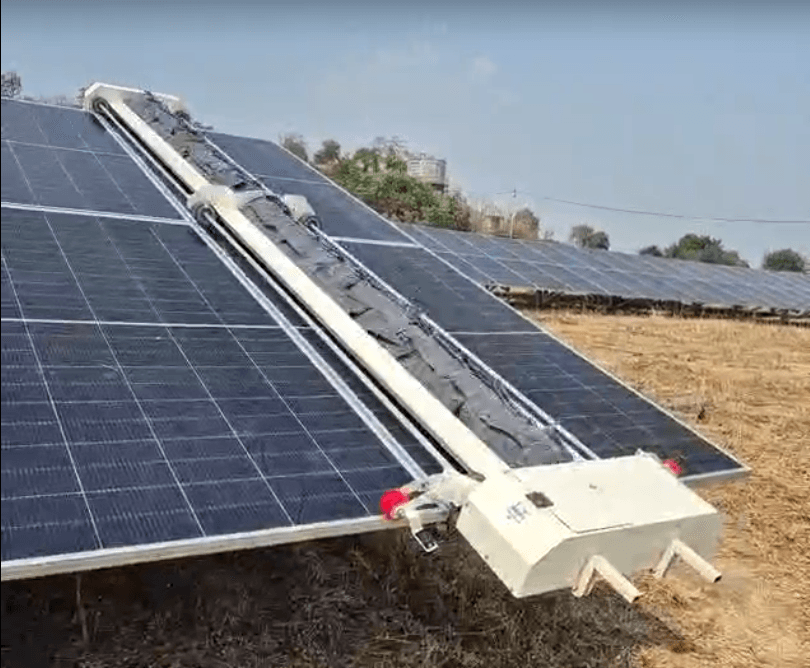
Taypro solved these problems by deploying five HELYX semi-automatic robots. This pick-and-place robotic solar panel cleaning in Maharashtra has changed the facility. The site now uses a structured and data-backed maintenance model. The robots perform 3 to 10 dry cleaning cycles per month. This schedule depends on local weather and site access. This strategy has delivered clear results for the plant. The facility recovers 525 MWh of energy every year. It also saves 2 million litres of water annually. By using robotic precision, the site manages its large 525 MW footprint with high efficiency and low waste.
Environment and soiling at Yavatmal, Kupti
Managing Agricultural Dust and Humidity Cycles in Kupti
The 525 MW Kupti solar plant sits in a unique region. Local environmental factors affect the health of the solar array every day. The site is near intensive agricultural land. This means seasonal crop cycles are a major factor. These cycles deposit fine, organic dust across the solar modules. This agricultural dust does not settle in a uniform way. Instead, it mixes with local road grit and changing humidity levels. This combination forms a thick, crusty film on the glass surface.
These atmospheric conditions create very variable soiling patterns. The dirt affects the array down to the individual string level. Moisture from overnight dew or light rain can bind the dust to the panels. The intense mid-day heat in Yavatmal then bakes this layer onto the glass. For traditional maintenance crews, this was a massive problem. Shifting conditions meant that some rows needed much more cleaning than others. The lack of uniform soiling made it hard to predict power losses accurately.
This micro-climate created two main operational problems for the Kupti site:
- Uneven String Degradation: Old cleaning schedules did not account for local dust intensity. Certain strings lost power faster than others. This created imbalanced power output across different blocks.
- O&M Scheduling Conflicts: Supervisors lacked granular data on string cleanliness. This led to inefficient cleaning deployments. Manual cleaning often competed with vegetation management and civil maintenance. This led to many service delays.
The project now uses a robotic solar panel cleaning Maharashtra strategy with the HELYX fleet. This approach separates cleaning needs from water logistics. The robots handle uneven, string-level soiling through consistent dry-brushing cycles. This targeted method manages the environmental pressures of Kupti. It does so without the burden of water transport or unpredictable manual labor schedules.
O&M before Taypro
Overcoming Operational Constraints at the 525 MW Kupti Plant
Before using the HELYX robotic fleet, the 525 MW Kupti facility faced many logistical hurdles. The massive scale of the site created a major blind spot for O&M supervisors. Traditional maintenance relied heavily on manual labor to fight soiling. This left the management team without any way to verify the cleaning. They could not prove which specific strings were serviced during a cycle.
This lack of visibility was made worse by a rigid operational structure. The facility faced several key issues:
- Water Logistics Burden: Managing a large plant in Yavatmal required complex water transport. Moving water across the site was costly. It also required constant oversight to keep operations running.
- Scheduling Conflicts: Night crew shifts often overlapped with other tasks. Manual cleaning tasks fought for time with vegetation management. They also competed with necessary civil maintenance windows.
- Verification Gaps: There was no digital tracking system in place. Supervisors lacked per-block proof of cleaning completion. This made it impossible to link maintenance to real-time power data.
Relying on manual work created a cycle of inefficiency. The logistics of cleaning often disrupted other site priorities. By switching to the HELYX system, the Kupti project fixed these hurdles. The facility now saves 2 million litres of water every year. It also gains a precise, block-level audit trail. This ensures peak performance across the entire 525 MW array.
Fleet and deployment at 525 MW
Fleet and Deployment Strategy at the 525 MW Kupti Project
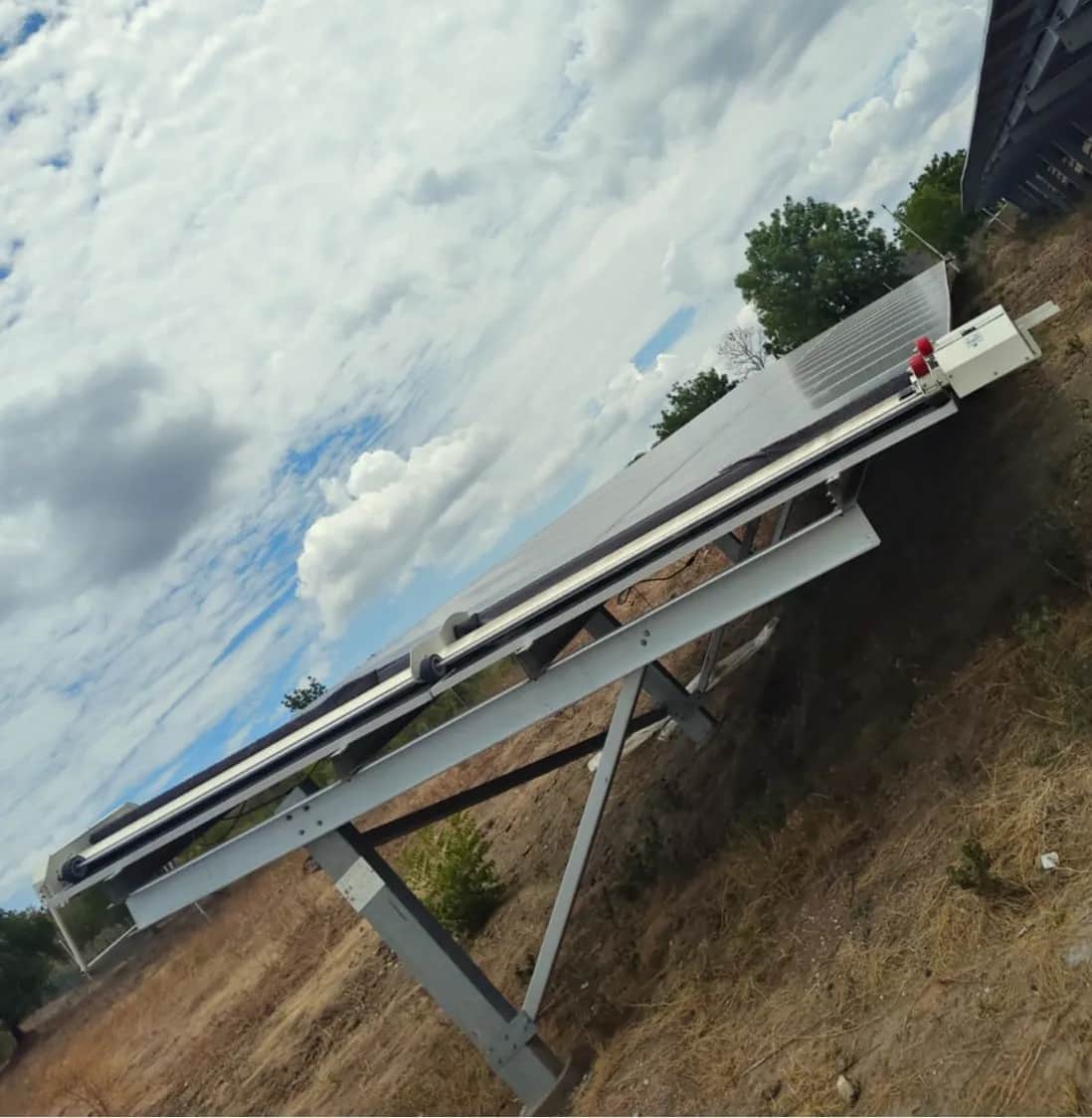
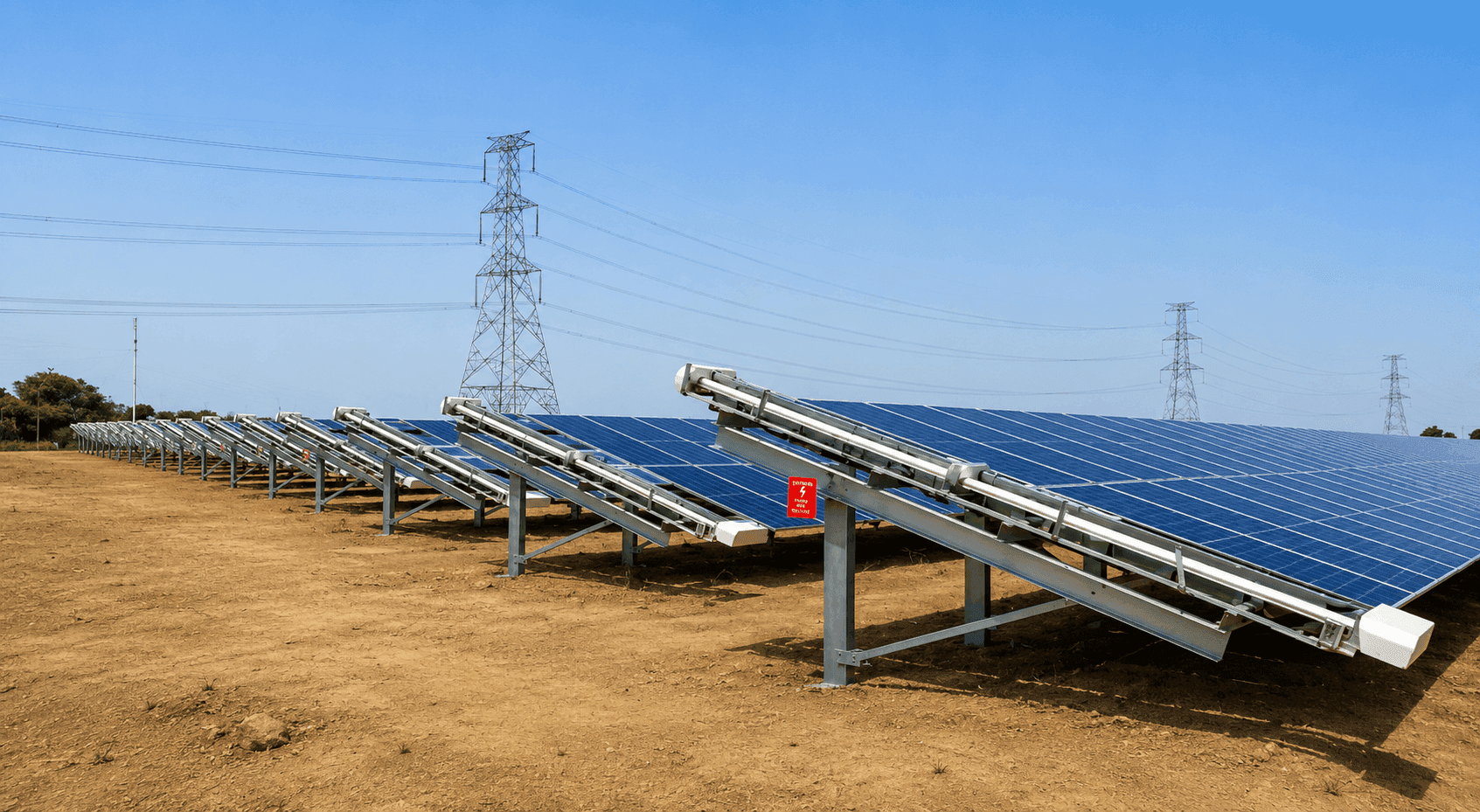
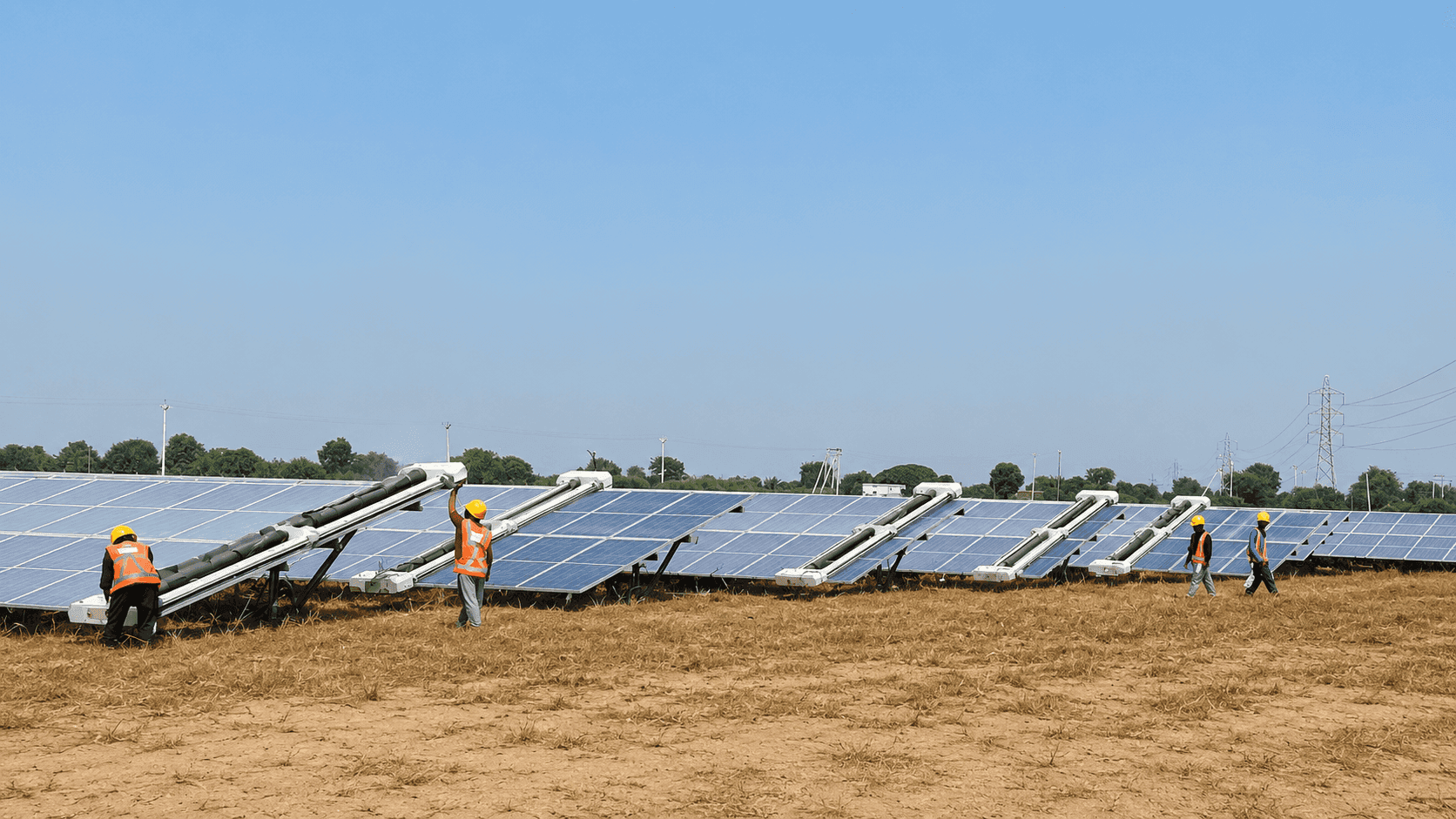
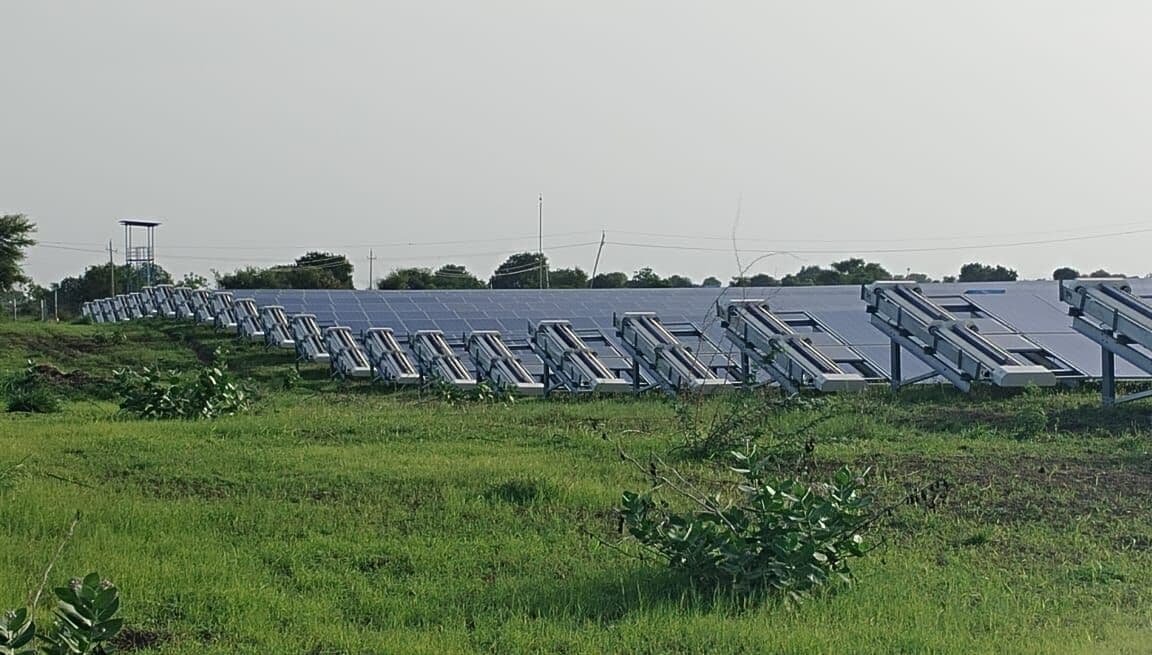
The 525 MW ground-mount site in Yavatmal faces heavy agricultural dust and road grit. To solve this, the project moved to a strategic Capex procurement model. The deployment uses five HELYX semi-automatic robots. These robots are designed for efficient pick-and-place operations. They work well across scattered and distributed array blocks.
The HELYX system gives the O&M team great flexibility. It manages localized soiling without needing heavy infrastructure. Key aspects of this deployment include:
- Semi-Automatic Cleaning Cycles: The fleet follows a site-specific schedule. It delivers about 3 to 10 dry cleaning cycles per month. This frequency is based on local humidity and dust rates. It keeps panels clear while respecting site access limits.
- Portable Deployment: The pick-and-place design is very useful. Operators can move robots across the vast site with ease. This removes the need for fixed mounting points on every row. It reduces capital costs while keeping cleaning efficiency high.
- Commissioning Emphasis: The start-up phase focused heavily on training. Site crews learned HELYX handling and fall-prevention safety. Proper training protects the solar modules during every cleaning pass.
- Verification and Logistics: This robotic solar panel cleaning Maharashtra project removes the need for manual night crews. It separates cleaning from vegetation and civil maintenance. This streamlines the overall site logistics.
This localized approach helps the 525 MW Kupti plant recover 525 MWh of generation annually. The facility maintains steady output despite the Maharashtra environment. It has also eliminated the need for water transport for cleaning.
Operations and monitoring
Optimizing Cleaning Cadence and Operational Accountability
The Kupti 525 MW site needs a disciplined approach. It must manage soiling from road grit and agricultural dust. By using the HELYX fleet, the O&M team improved accountability. They moved from unpredictable manual work to an inspection-led model. This ensures every solar block gets consistent attention. It also prevents disruptions to other site activities.
- Scheduled Dry Cleaning: The facility follows a precise cadence. It performs 3 to 10 cycles per month. The frequency changes based on NECTYR telemetry. This tracks soiling severity to keep the HELYX PBT brushes efficient.
- Waterless Logistics: Moving to waterless methods solved many problems. It ended the need for complex tanker logistics. It also removed the need for night crew scheduling. This preserves 2 million litres of water annually and lowers OPEX.
- Accountability Through NECTYR: Supervisors use the NECTYR fleet portal for verification. They can check cleaning progress at the block level. This digital trail provides the proof of work that was missing before. Managers can confirm every string is serviced on schedule.
- Strategic Wind Holds: Operational safety is a top priority. Integrated wind monitoring protects the equipment. The system triggers automatic pauses during high-wind events. Cleaning resumes only when conditions are safe for the robots and panels.
This systematic strategy has recovered 525 MWh of extra generation every year. It has turned robotic solar panel cleaning in Maharashtra into a predictable routine. The facility is no longer held back by civil or vegetation maintenance windows.
Results and impact
Maximizing Energy Yield through Consistent Robotic Solar Panel Cleaning in Maharashtra
The switch to robotic cleaning has fundamentally changed the Kupti site. It has changed how the facility manages energy losses. By replacing manual labor with the HELYX fleet, the site fixed its soiling issues. It successfully managed the heavy agricultural dust and road grit. This transition ensures all solar strings get consistent maintenance. It prevents the hotspots and shading that previously hurt performance.
- Significant Generation Recovery: Standardized robotic cycles have boosted power generation. This annual uplift is very substantial. It proves that high-quality cleaning improves PPA performance.
- Water Conservation Impact: The waterless HELYX platform has a huge impact. The facility no longer needs water logistics at the array level. Saving millions of litres of water simplifies O&M. It also helps the project meet sustainable water goals.
- Operational Efficiency and Accountability: The NECTYR portal solved the visibility problem. Supervisors now have granular, block-level data. They can confirm that every scheduled cycle was performed accurately. This removes all guesswork from maintenance.
- Optimized Resource Allocation: Robots now handle the core cleaning workload. Site supervisors have redirected labor to other vital tasks. They can focus on vegetation management and civil infrastructure. This has increased site productivity and simplified scheduling.
The deployment of robotic solar panel cleaning in Maharashtra at this scale is a success. It serves as a model for other utility-scale projects. By using autonomous technology, the Kupti project has secured a high-yield future.
Peer comparison and planning checklist
Peer Comparison: Maharashtra Robotic Scaling Models
The 525 MW Kupti project shows a shift toward semi-automatic cleaning. This is vital in challenging agricultural areas. When compared to the 14 MW Yavatmal-Kupti deployment, the scale is much larger. The 525 MW site uses a larger fleet of five semi-automatic robots. These robots cover many scattered blocks. While the 14 MW site was a proof of concept, this 525 MW deployment manages much more complex logistics. It handles the dust and humidity cycles across much larger arrays.
Fully automatic projects, such as the soyegaon-solar-project, work differently. They prioritize continuous, daily maintenance. This helps them fight very rapid soiling. The Kupti strategy is different. It uses semi-automatic robots to target specific, high-soiling zones. This is where manual intervention was previously required. This hybrid approach is very effective. It is seen in other high-capacity Maharashtra projects. It balances fleet size with site geography to optimize costs and output.
Peer Comparison and Planning Checklist
- Evaluate local soil composition: Check if agricultural dust or road grit is present. Decide if you need specialized microfiber or PBT brush technologies.
- Map site accessibility: Ensure row ends and spacing support your chosen robot. Consider if you need manual pick-and-place or autonomous docking.
- Verify NECTYR integration: Make sure all cleaning logs are captured digitally. This maintains accountability and provides proof to supervisors.
- Assess water logistics: Calculate your potential annual savings. Compare water-heavy manual cleaning to waterless robotic systems in dry regions.
- Standardize maintenance schedules: Match robot frequency to your local soiling rates. This prevents the formation of permanent hotspots on modules.