
Utility-scale deployments
Automatic Solar Panel Cleaning Robot Projects
23
Published
case studies
Automatic projects typically serve 50 MW+ sites with predictable row geometry, high dust load, or water scarcity. Asset owners choose autonomous robots when cycle frequency, labour safety, and performance ratio stability matter more than occasional portable coverage. Each case study below documents capacity, location, and how robots were commissioned on site.
Use the ROI calculatorto model payback for your plant, or return to the full projects hub to compare semi-automatic and CAPEX listings.
What automatic Taypro projects have in common
- Autonomous dry cleaning with AI-driven cycle planning and weather-aware hold windows.
- Fleet visibility in NECTYR, block status, robot health, and cleaning history for O&M leads.
- Documented commissioning on multi-block plants across Maharashtra, Karnataka, Uttar Pradesh, and other high-soiling regions.
- Integration paths for fixed-tilt (GLYDE) and tracker (GLYDE-X) layouts without sprinkler infrastructure.
Automatic
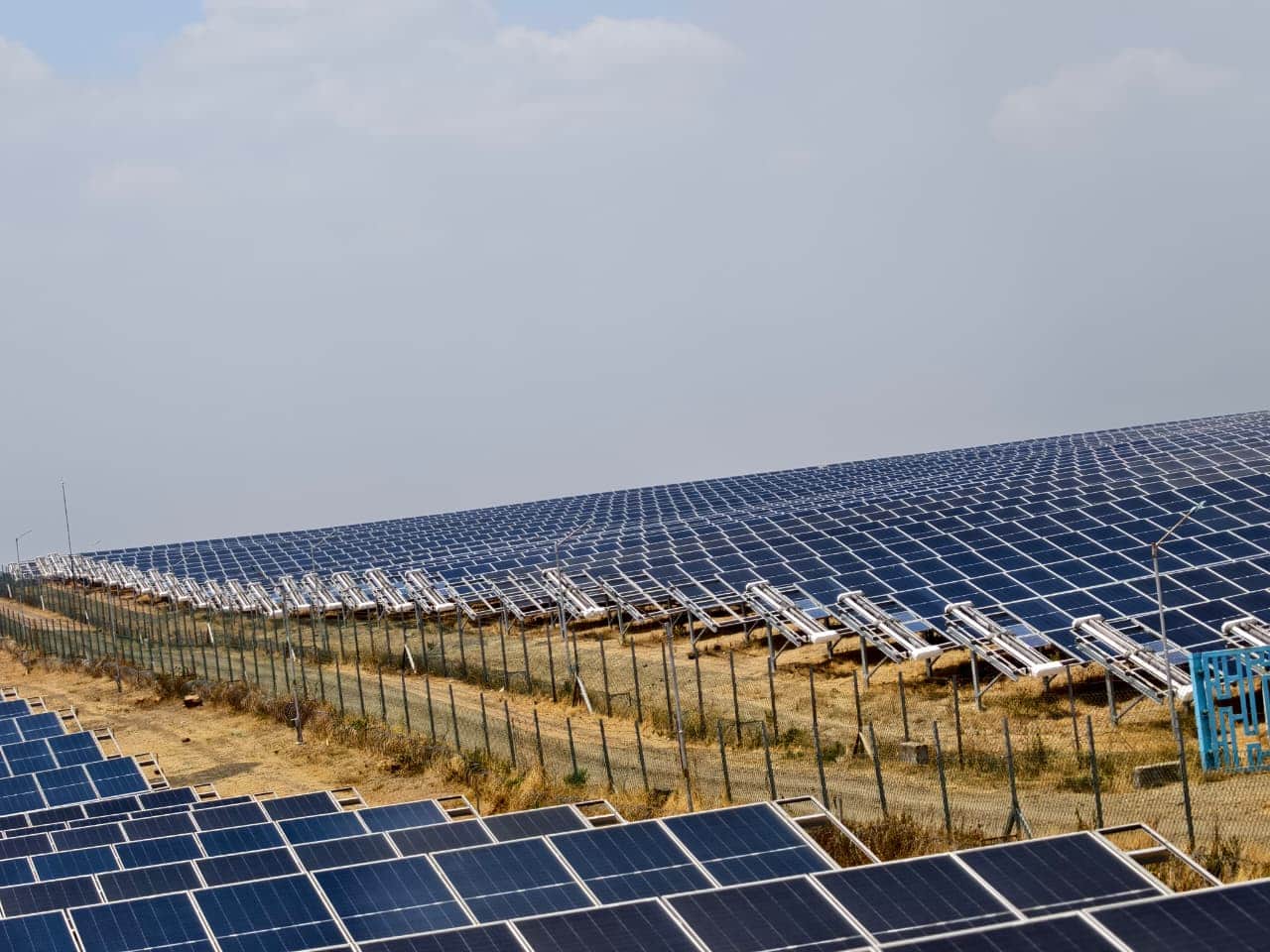
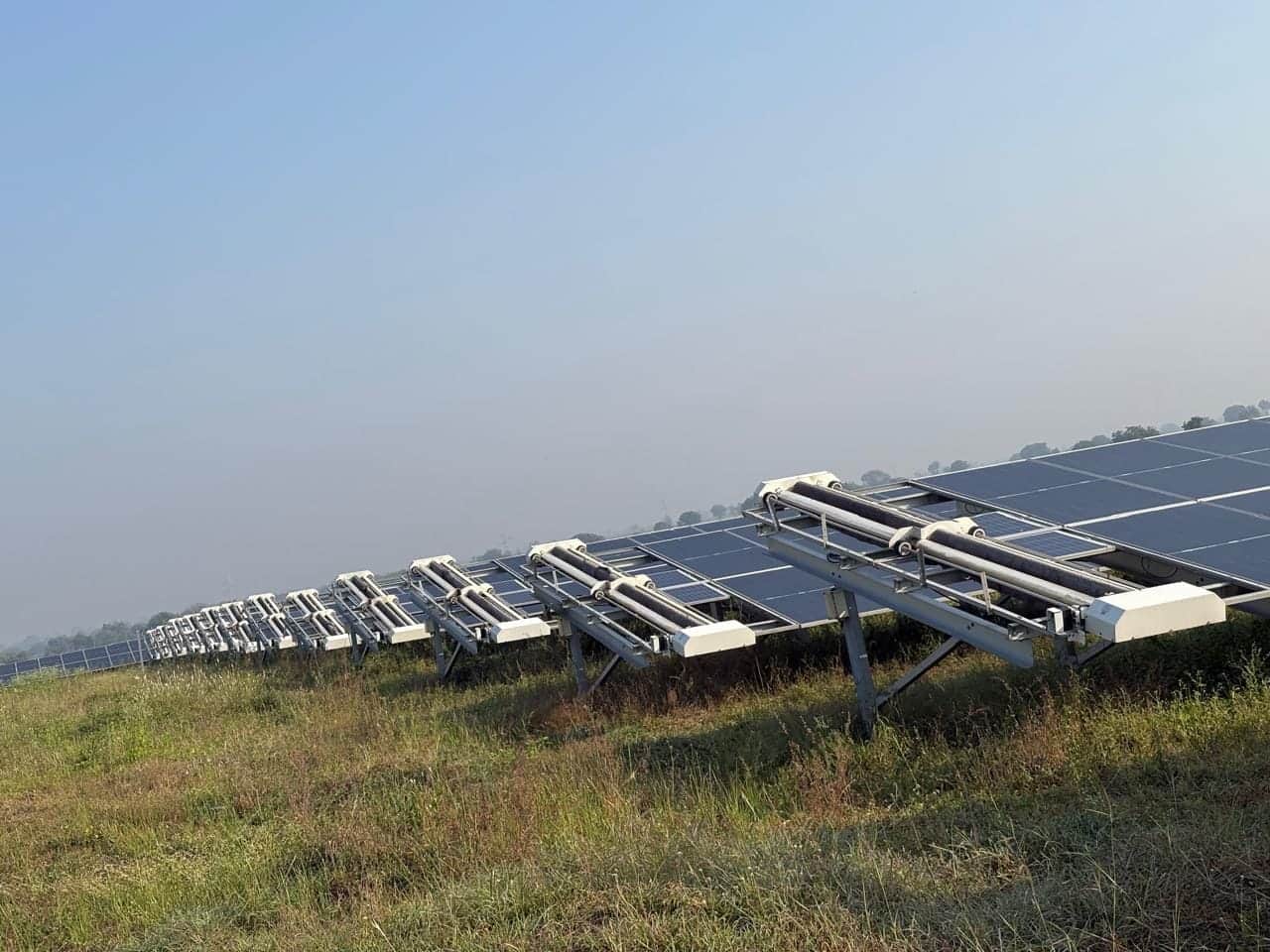
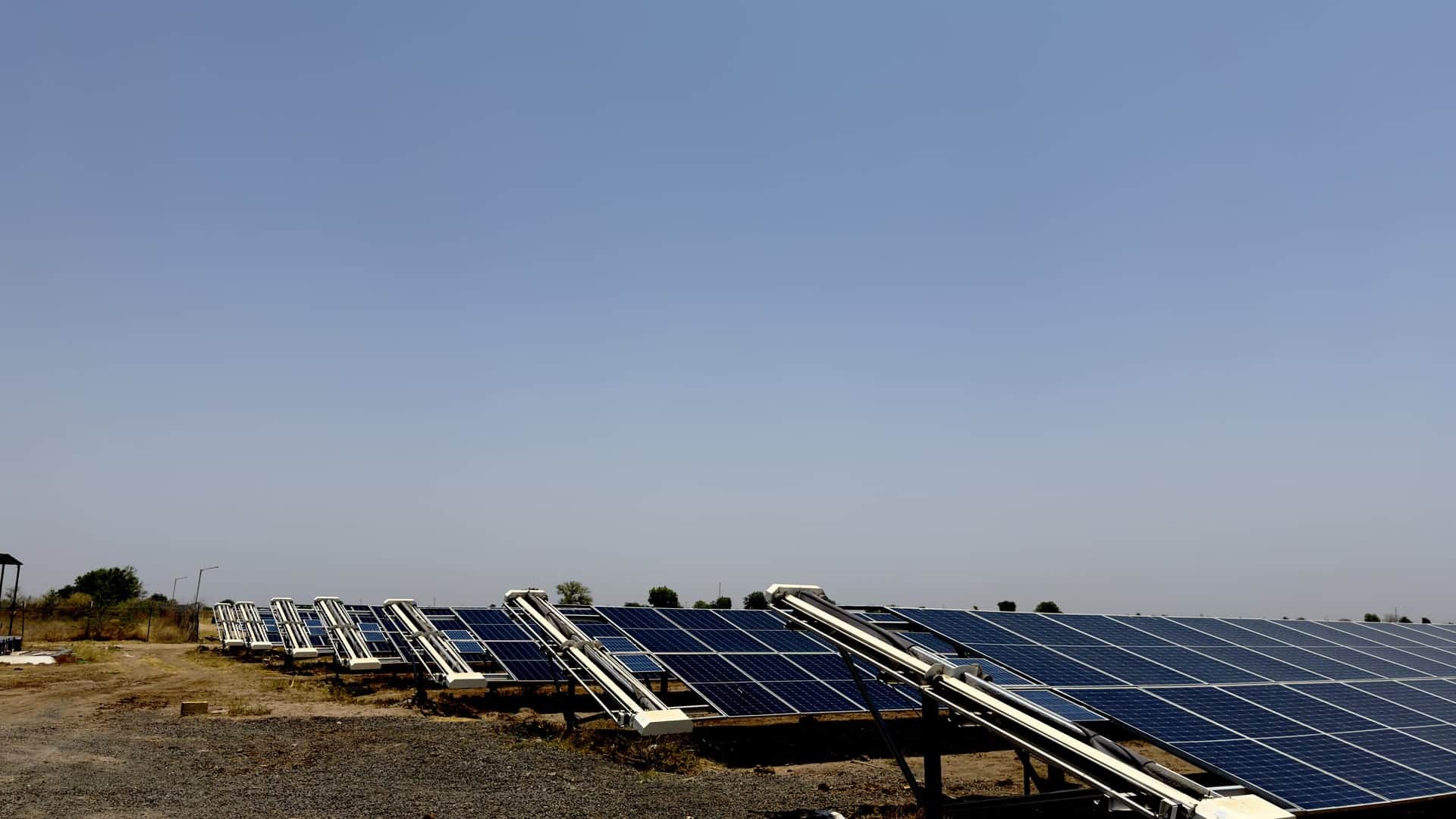
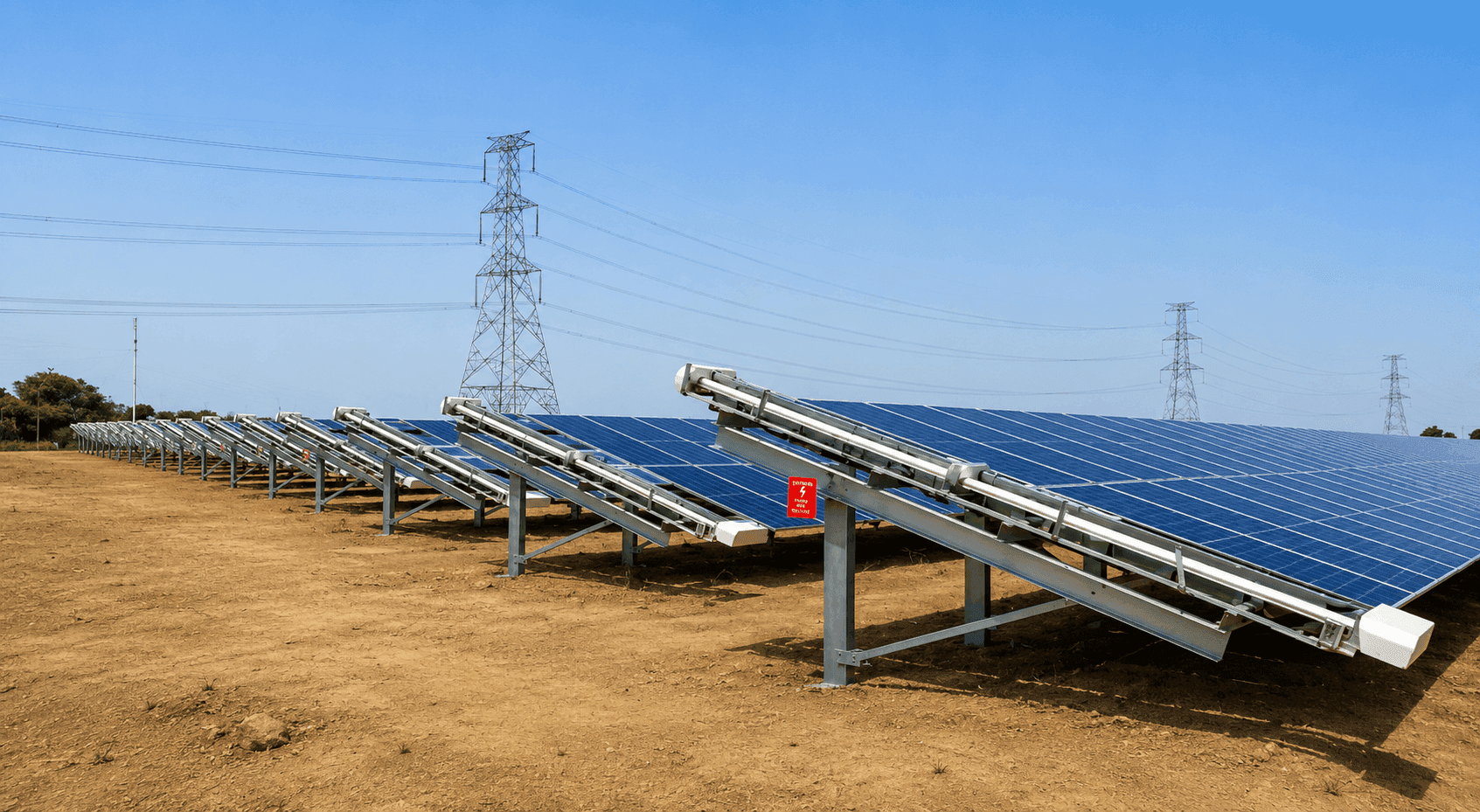
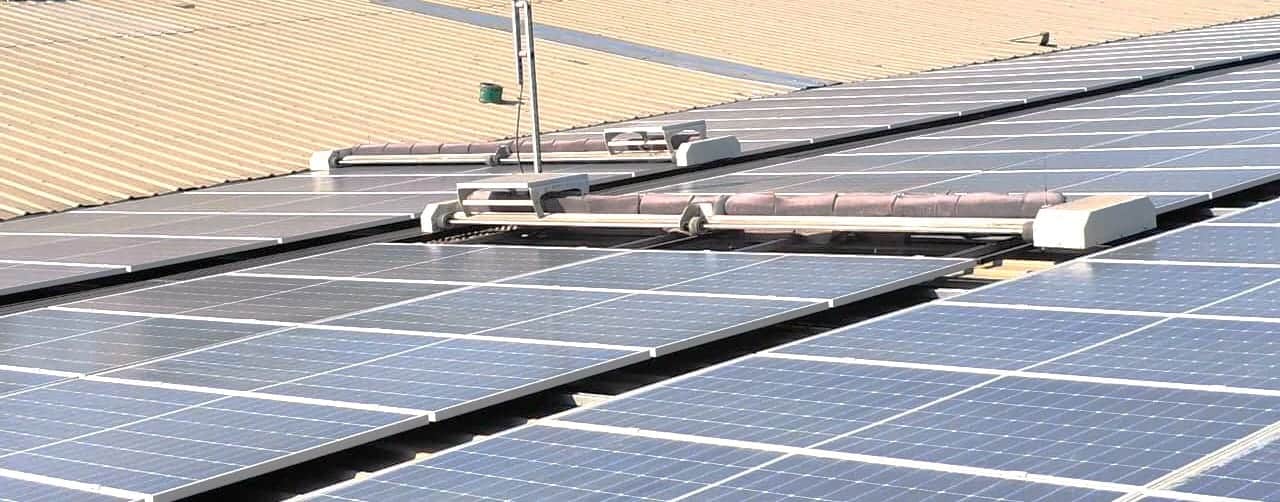
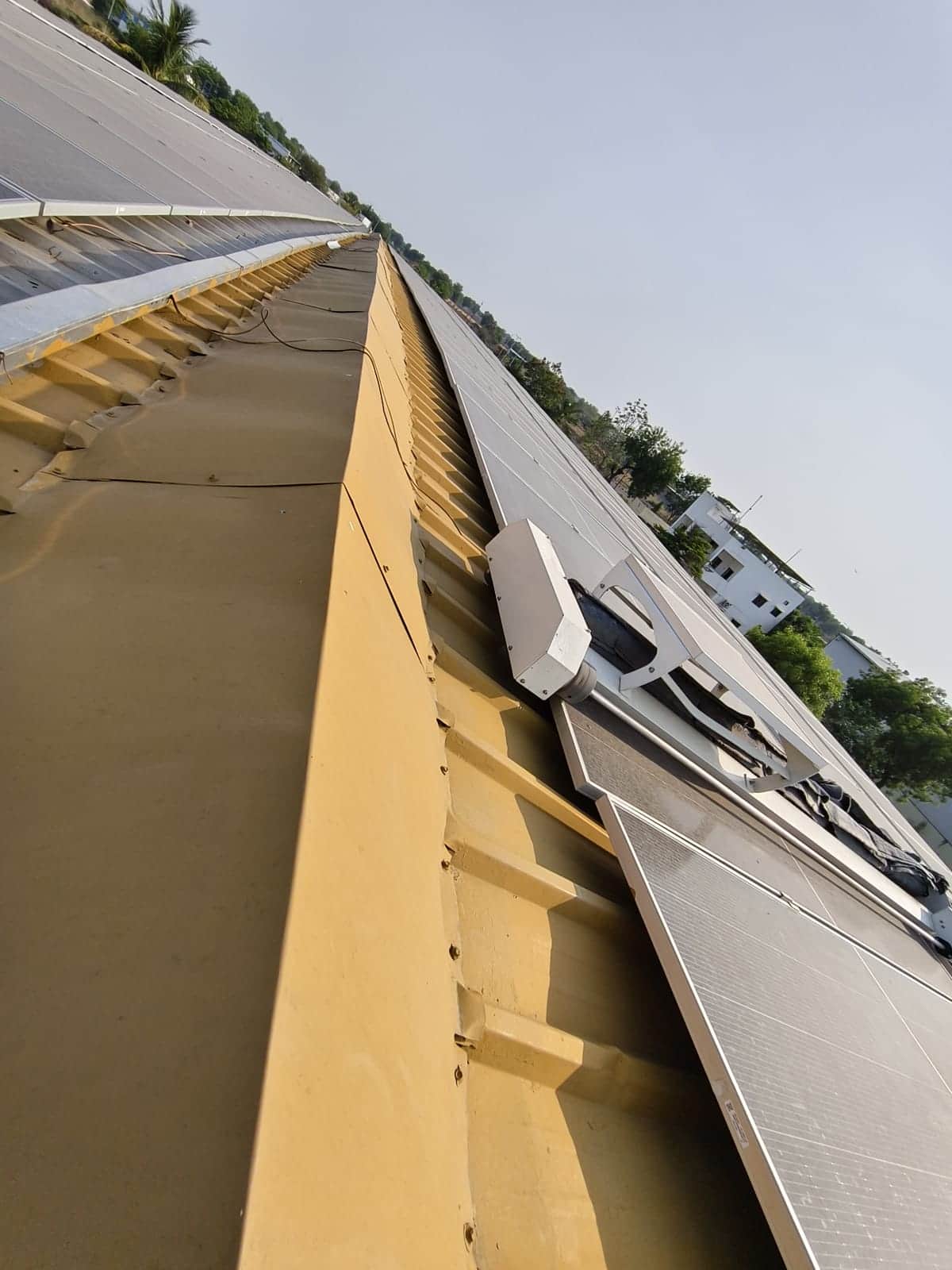
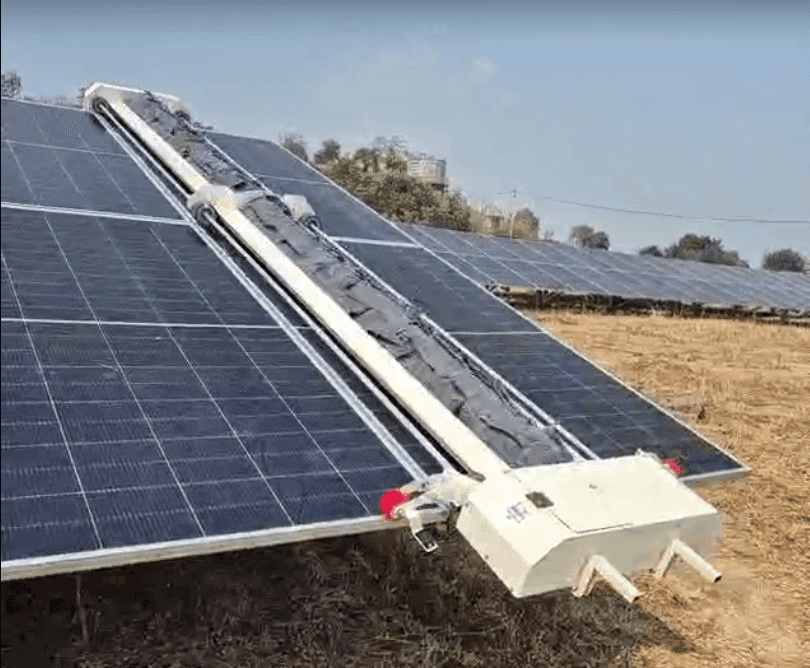
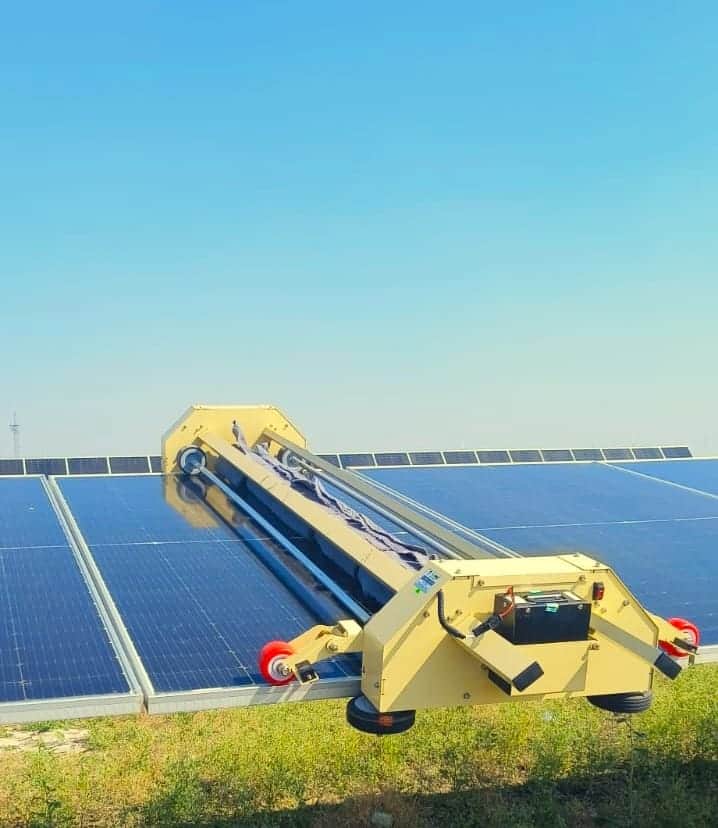
Featured automatic installation case studies
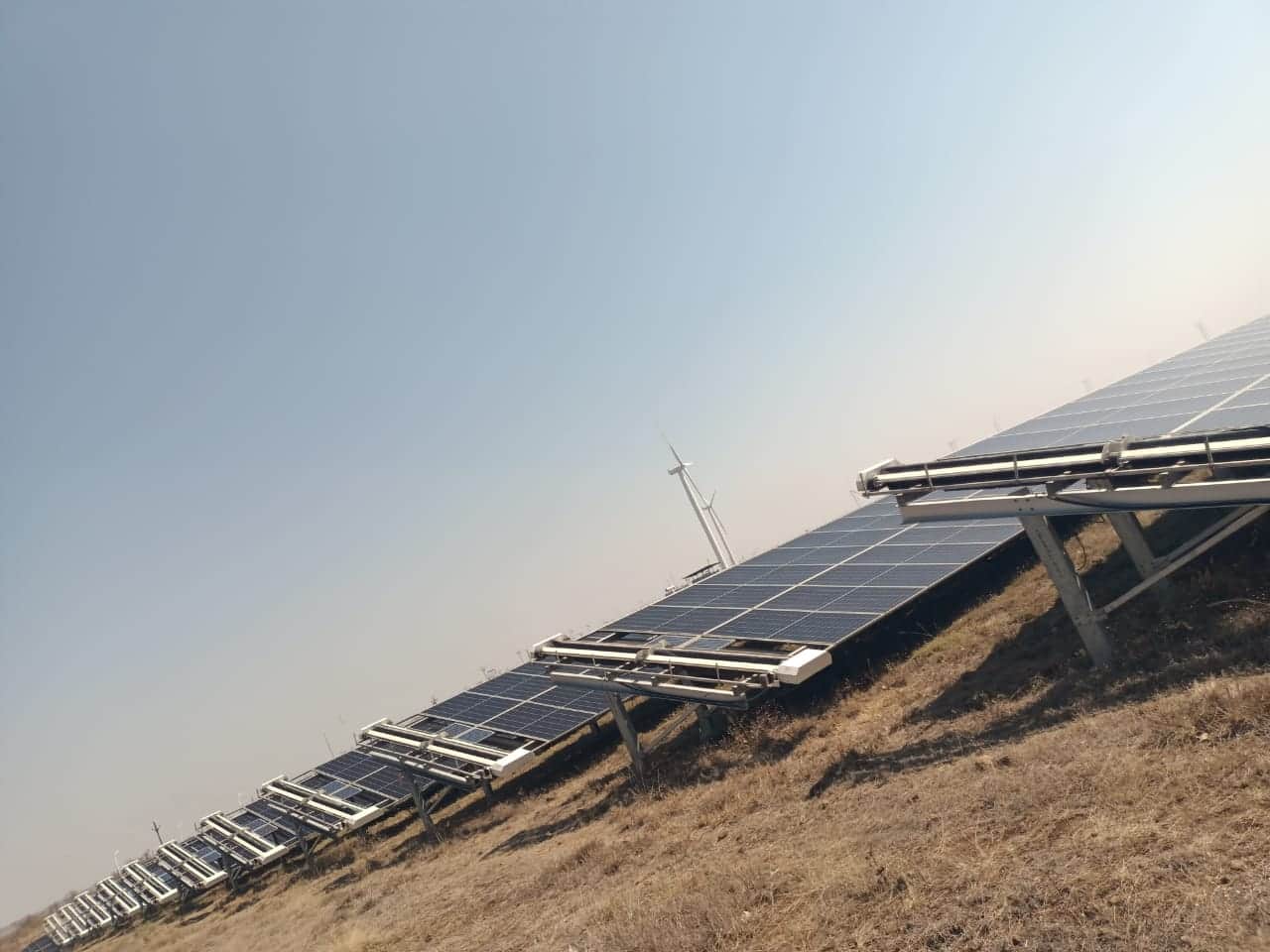
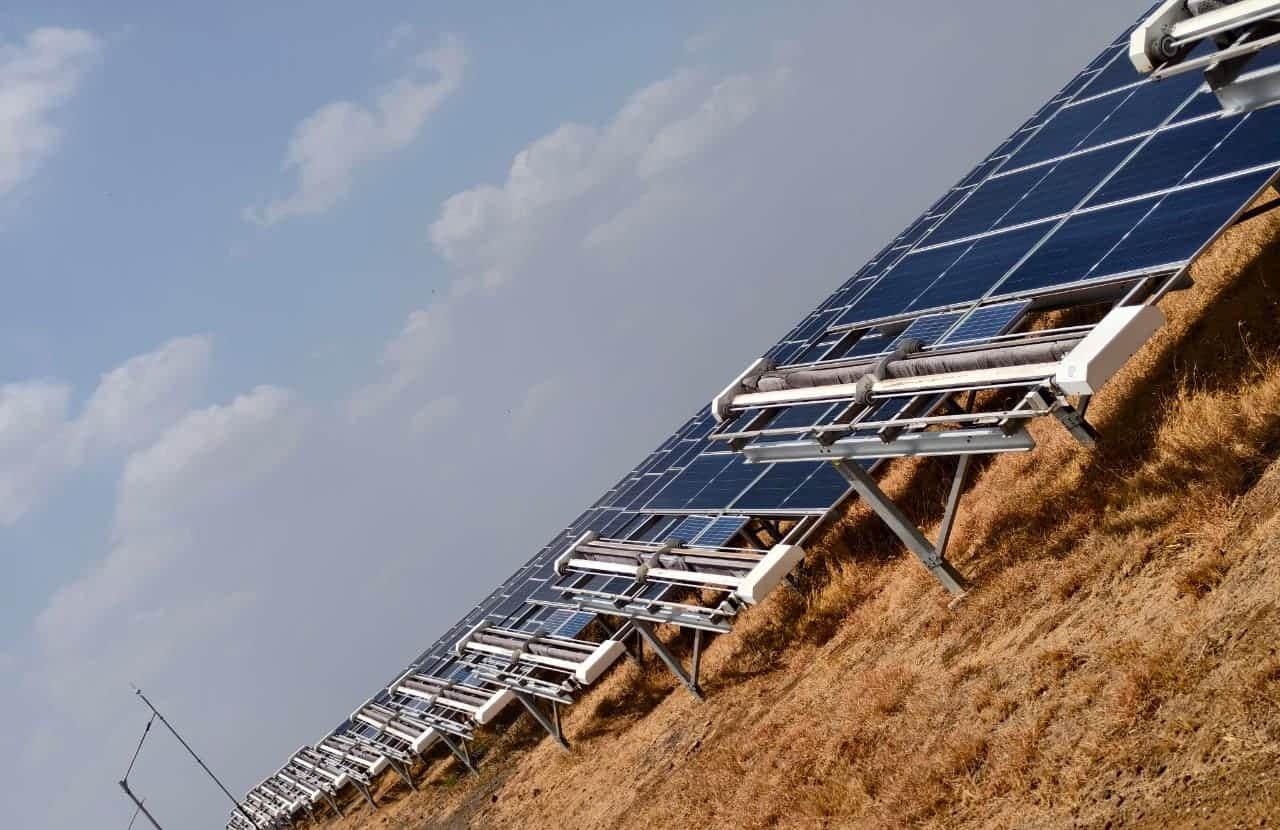
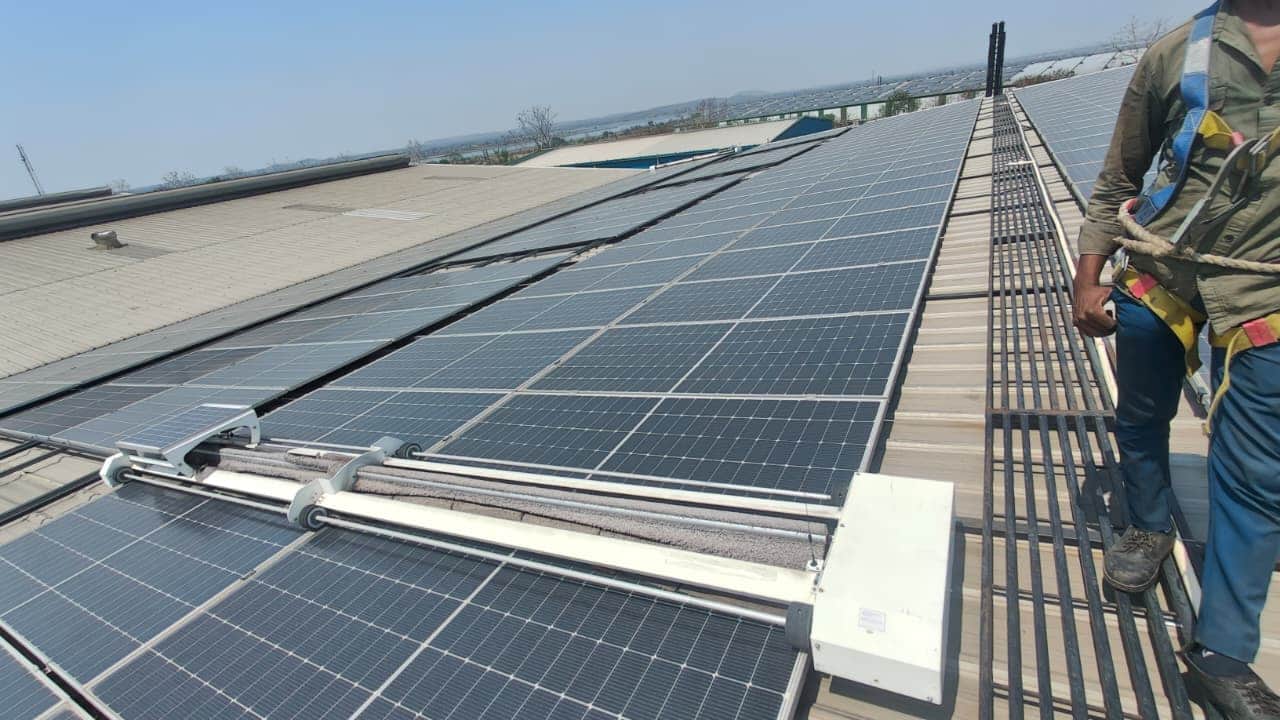
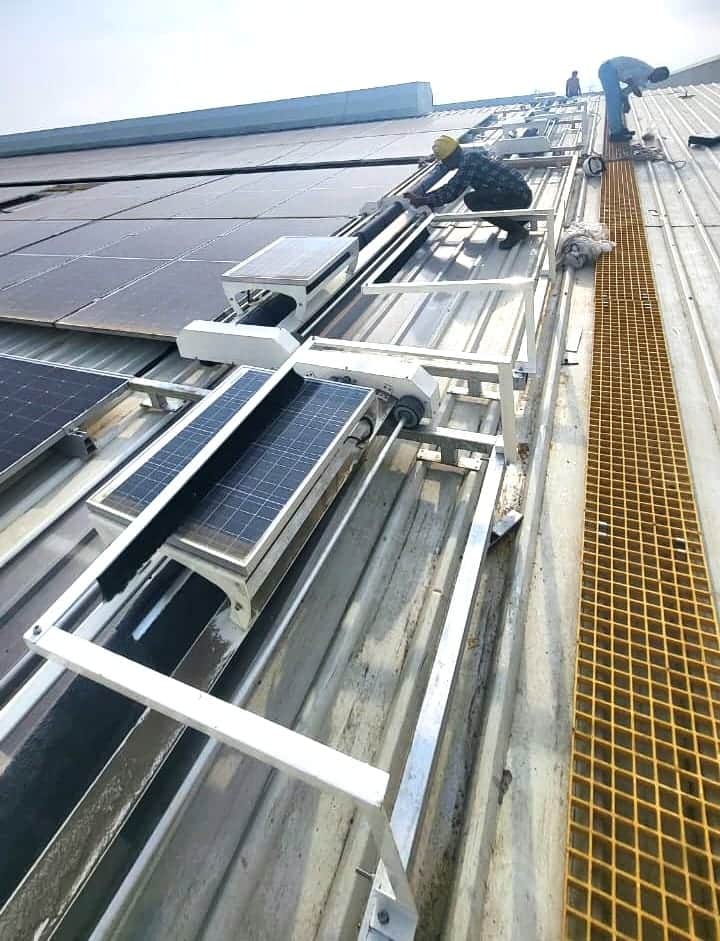
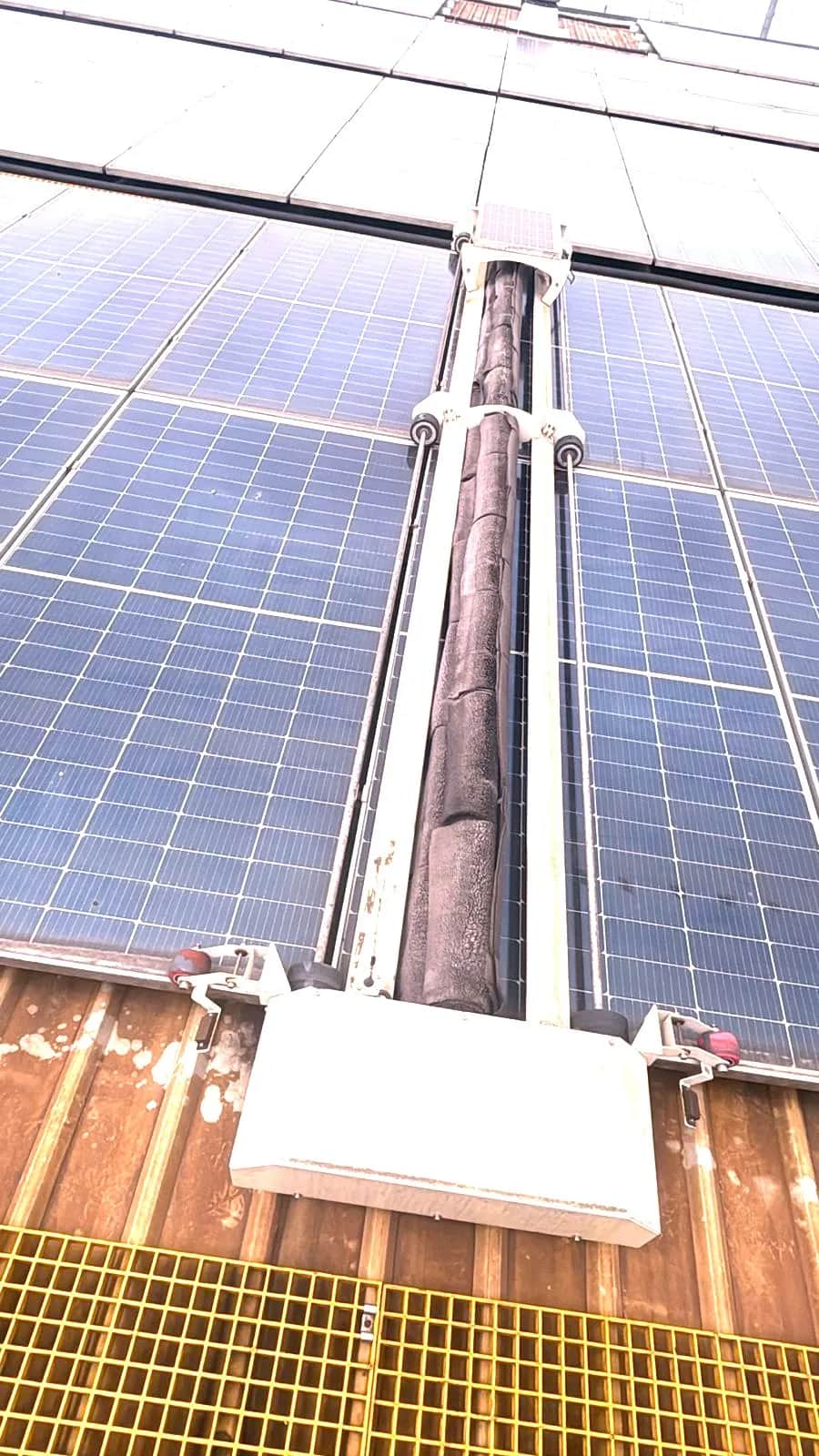
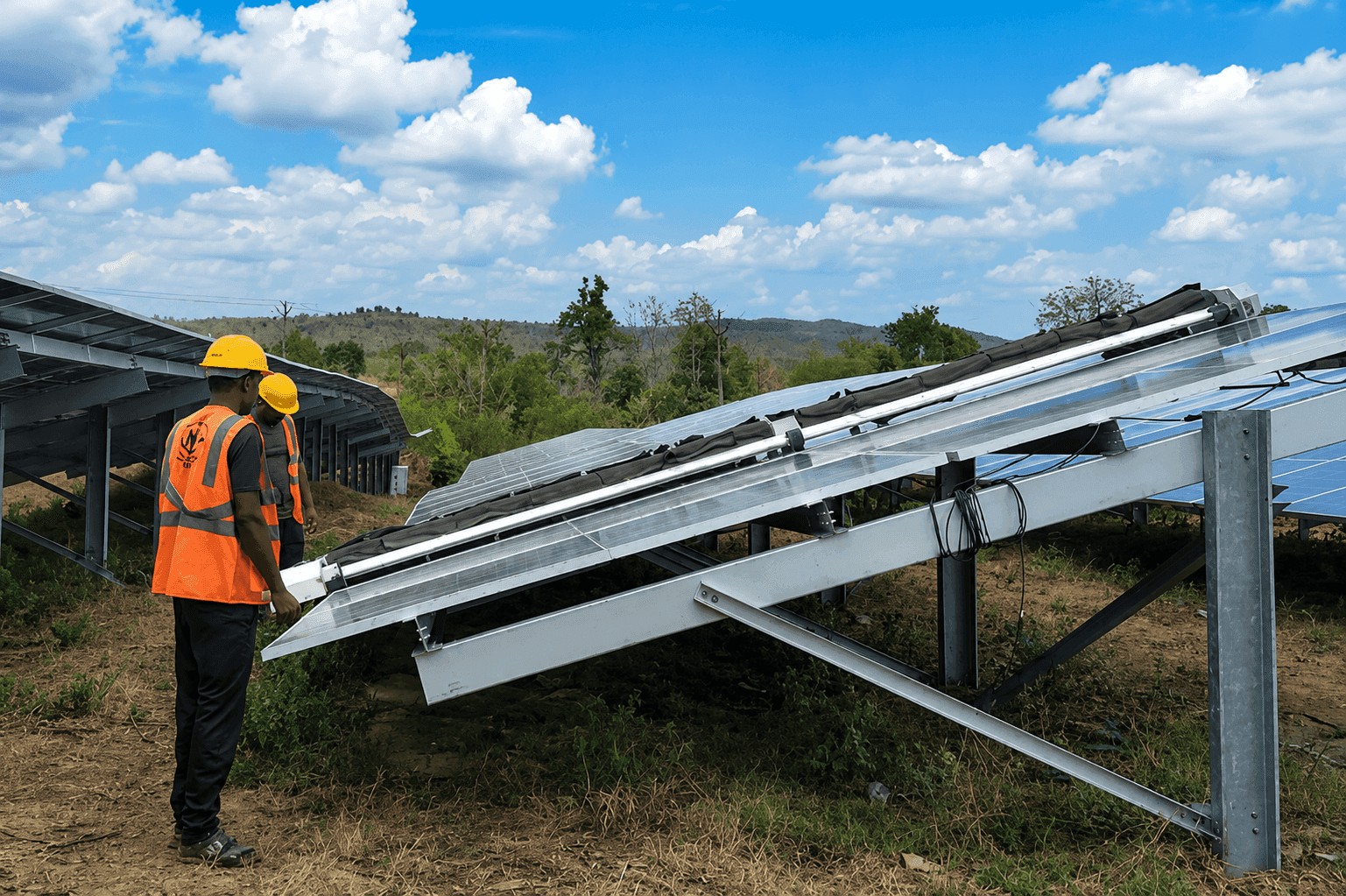
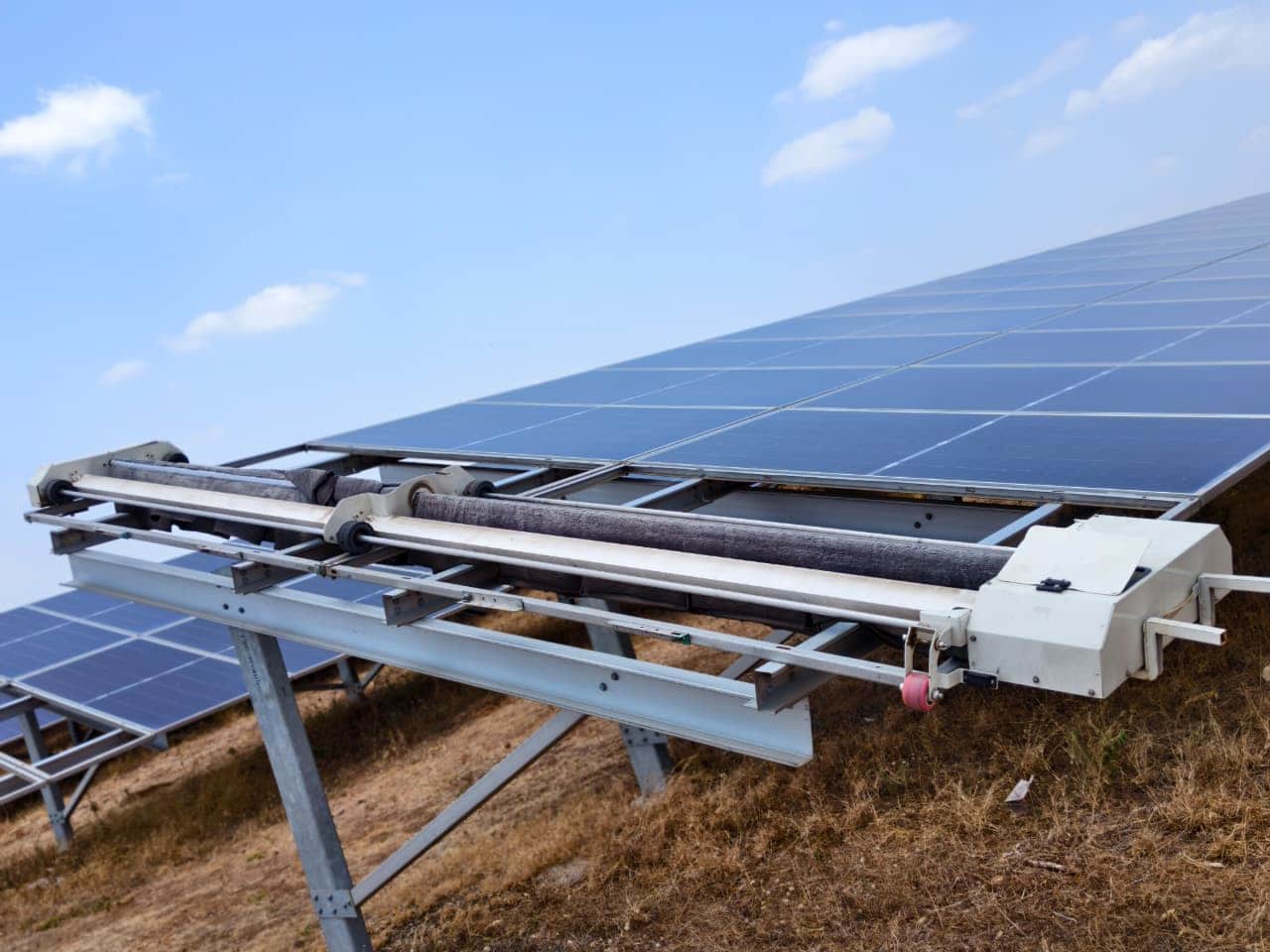
Open a plant profile for MW capacity, geography, robot model, and operational context. Images and titles reflect the published case study; details vary by site.








Planning automatic robots on your plant?
Review GLYDE and GLYDE-X specifications for your array type, then with DC capacity, row pitch, and tracker vs fixed-tilt layout for a site-specific proposal.
Frequently asked questions, automatic projects
Ground-mount utility sites, often 50 MW and above, with repeatable row spacing, accessible blocks, and soiling or water constraints that make manual washing costly. Fixed-tilt arrays commonly use GLYDE; single-axis trackers use GLYDE-X with tracker-aware paths.
Automatic listings feature fully autonomous fleets on fixed schedules. Semi-automatic listings highlight portable HELYX coverage for scattered blocks. CAPEX listings describe outright robot purchases; the same owner may also use Opex as a managed service, check the individual case study for the exact model.
Pick the case study closest to your MW and region, read the automatic product page for technical limits, run the ROI calculator with your tariff and soiling assumptions, then share layout drawings with Taypro for cycle-frequency recommendations.