Executive summary
At a 3 MW ground-mount solar facility in Ahmadnagar, Maharashtra, operational efficiency was challenged by complex soiling patterns. The combination of agricultural dust, road grit, and humidity cycles created uneven soiling across different strings. Additionally, water logistics and night crew scheduling frequently conflicted with critical vegetation and civil O&M windows, while supervisors lacked per-block verification to confirm which strings were cleaned during each cycle.
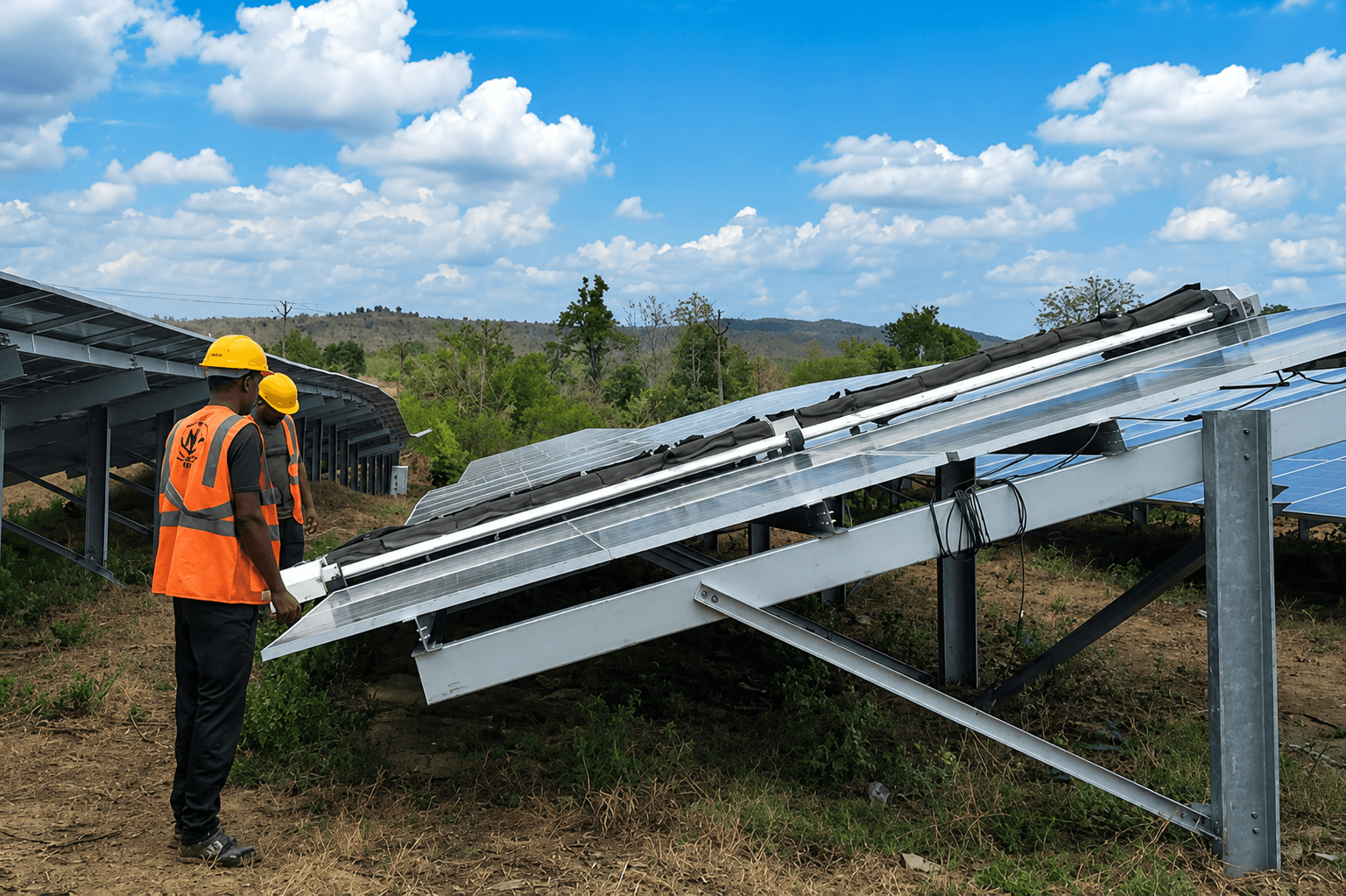
To resolve these bottlenecks, Taypro deployed the NYUMA waterless cleaning system. This transition eliminated the dependency on water transport and streamlined the maintenance schedule. By replacing manual water-based cleaning with NYUMA technology, the plant established a consistent cleaning regime and provided management with the operational proof required for rigorous block-level verification.
The deployment achieved a significant environmental impact, saving 420,000 liters of water annually. Beyond water conservation, the site realized enhanced operational transparency and more reliable panel cleanliness across the 3 MW array.
Environment and soiling at Ahmadnagar
Ahmadnagar Regional Soiling Profile
The 3 MW ground-mount facility in Ahmadnagar, Maharashtra, operates in an environment where soiling is driven by a specific intersection of agricultural activity and local weather patterns. Unlike uniform dust accumulation, the site faces a complex mix of fine agricultural dust and coarse road grit.
The critical challenge arises from local humidity cycles, which bind these particles into a stubborn, adhesive layer on the module surfaces. This interaction creates inconsistent soiling patterns across different solar strings, meaning some blocks degrade faster than others. These uneven deposits make standard, plant-wide cleaning intervals inefficient, as the humidity-driven grit creates localized performance drops that require a precise, mechanical cleaning solution to ensure uniform energy yield across the entire array.
O&M before Taypro
The O&M Challenge in Ahmadnagar
Before adopting robotic cleaning, the 3 MW ground-mount facility in Ahmadnagar struggled with complex regional soiling. A combination of agricultural dust and road grit, bonded by humidity cycles, created uneven deposits across solar strings. This necessitated frequent cleaning, yet the manual process was plagued by logistical constraints.
Water logistics and night crew scheduling frequently competed with critical vegetation management and civil O&M windows. More critically, the site faced a significant visibility gap: supervisors lacked per-block proof to verify which specific strings were actually cleaned during each cycle, making it difficult to ensure uniform performance across the entire array.
Fleet and deployment at 3 MW
Fleet and Deployment at 3 MW
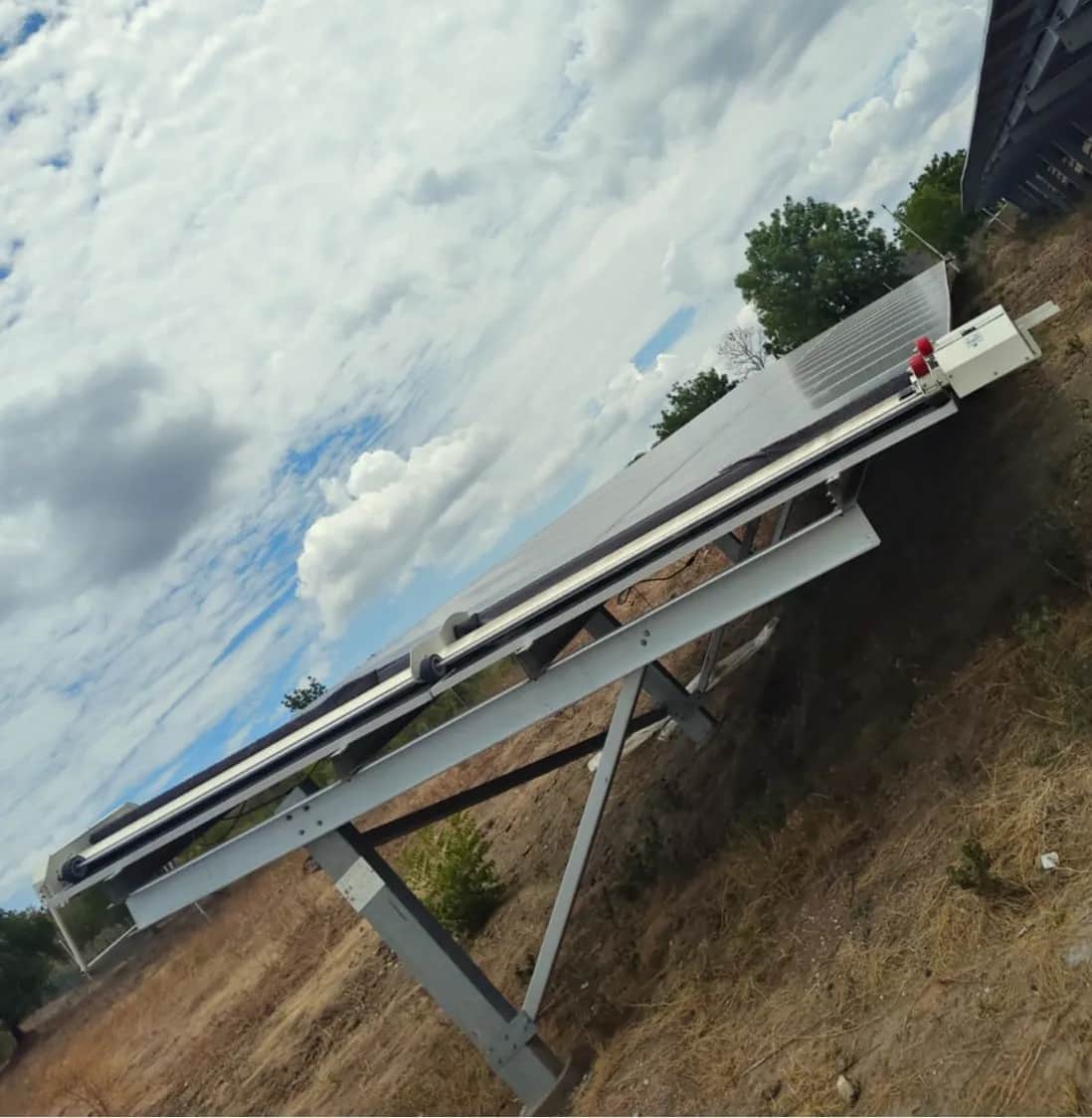
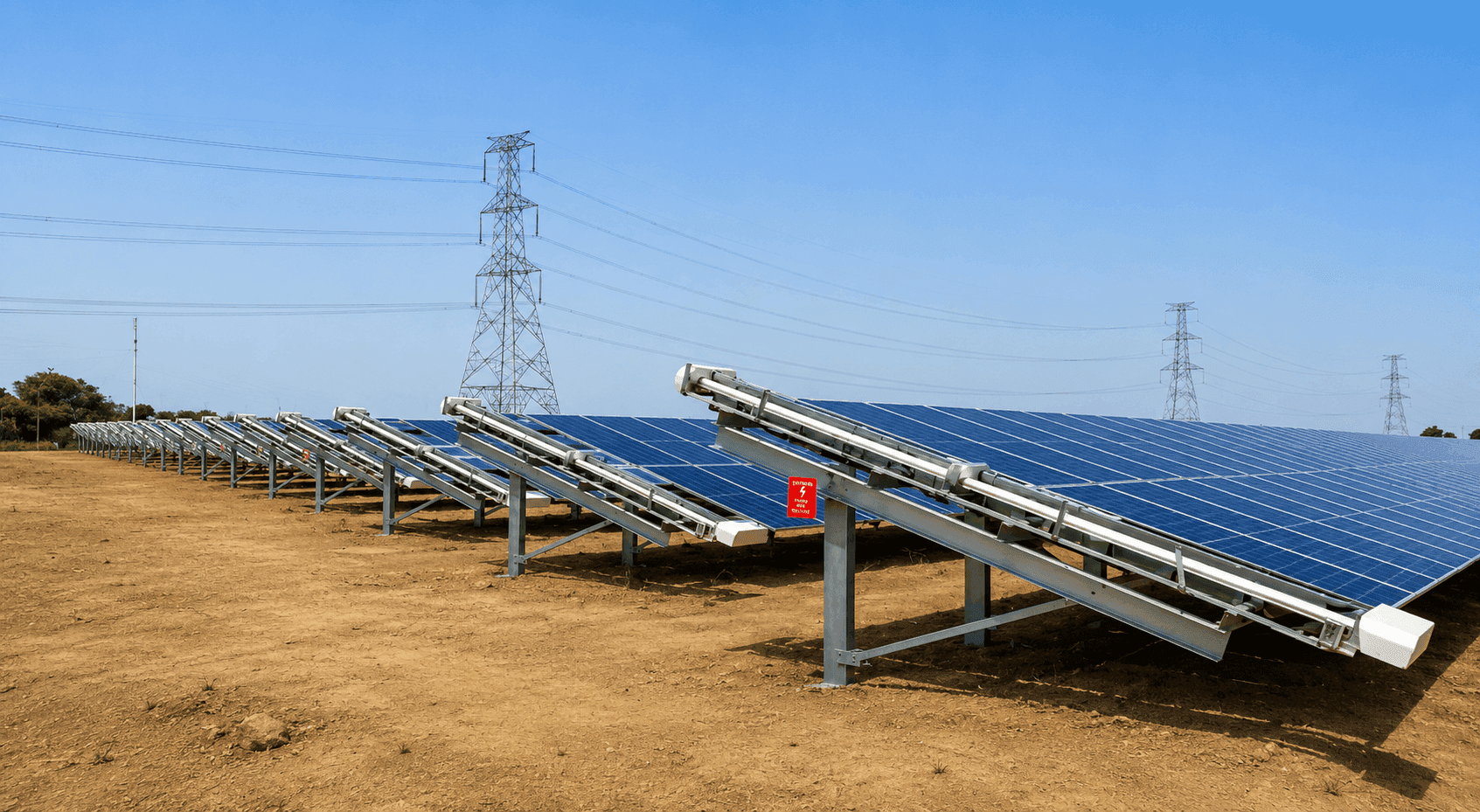
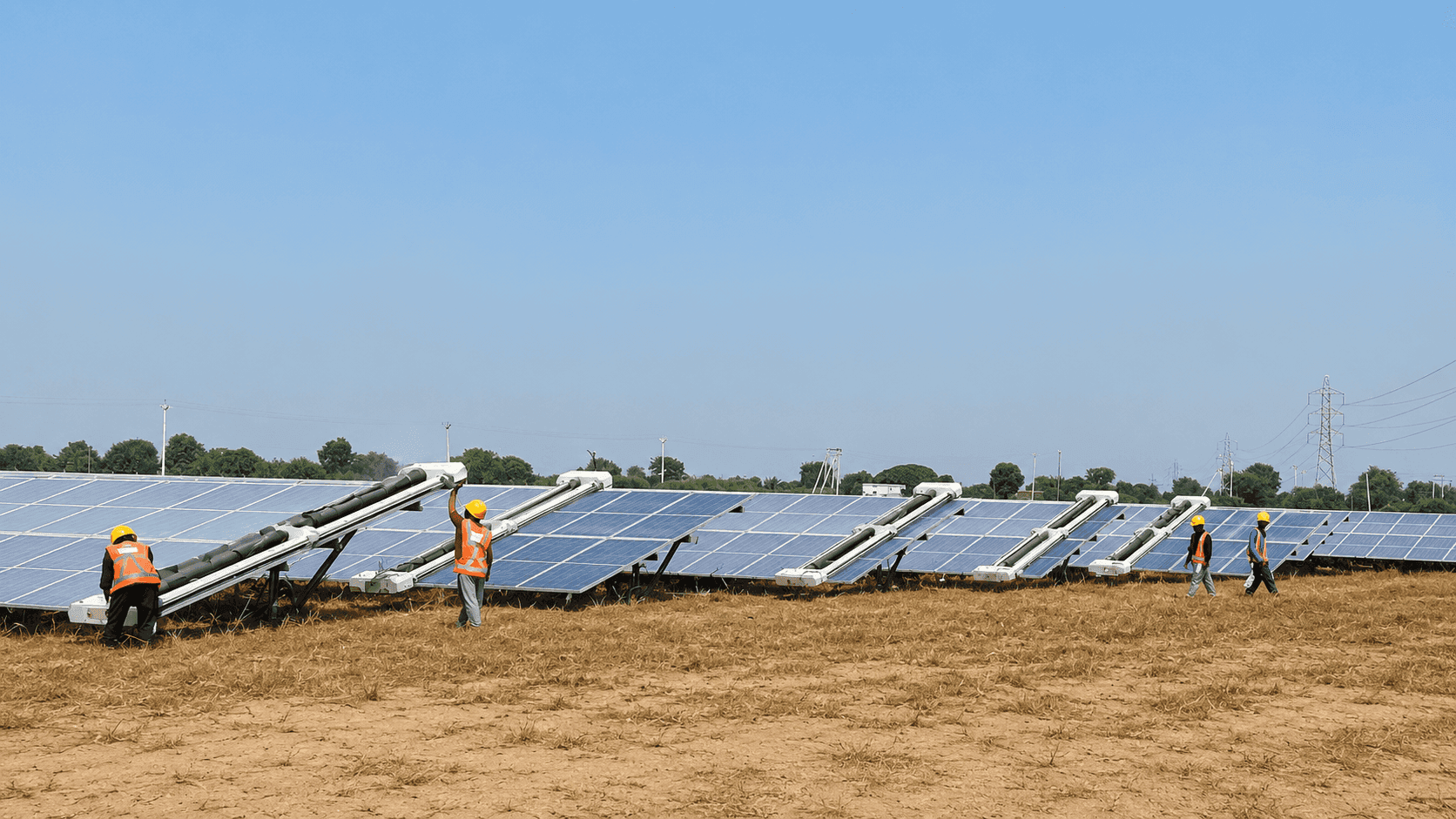
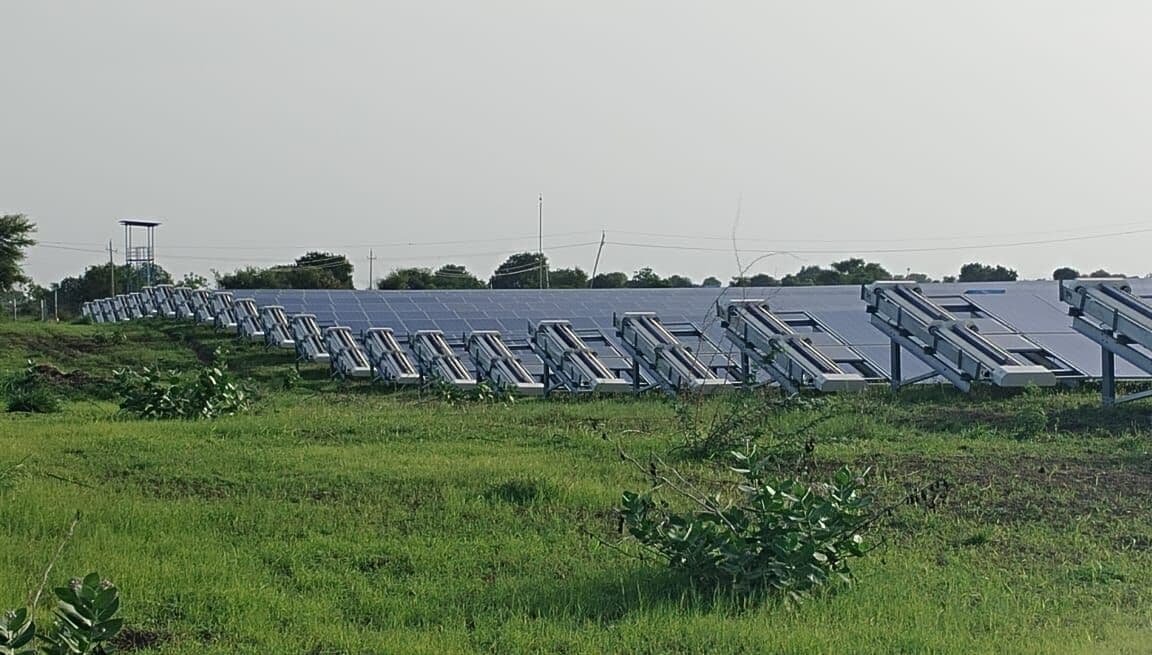
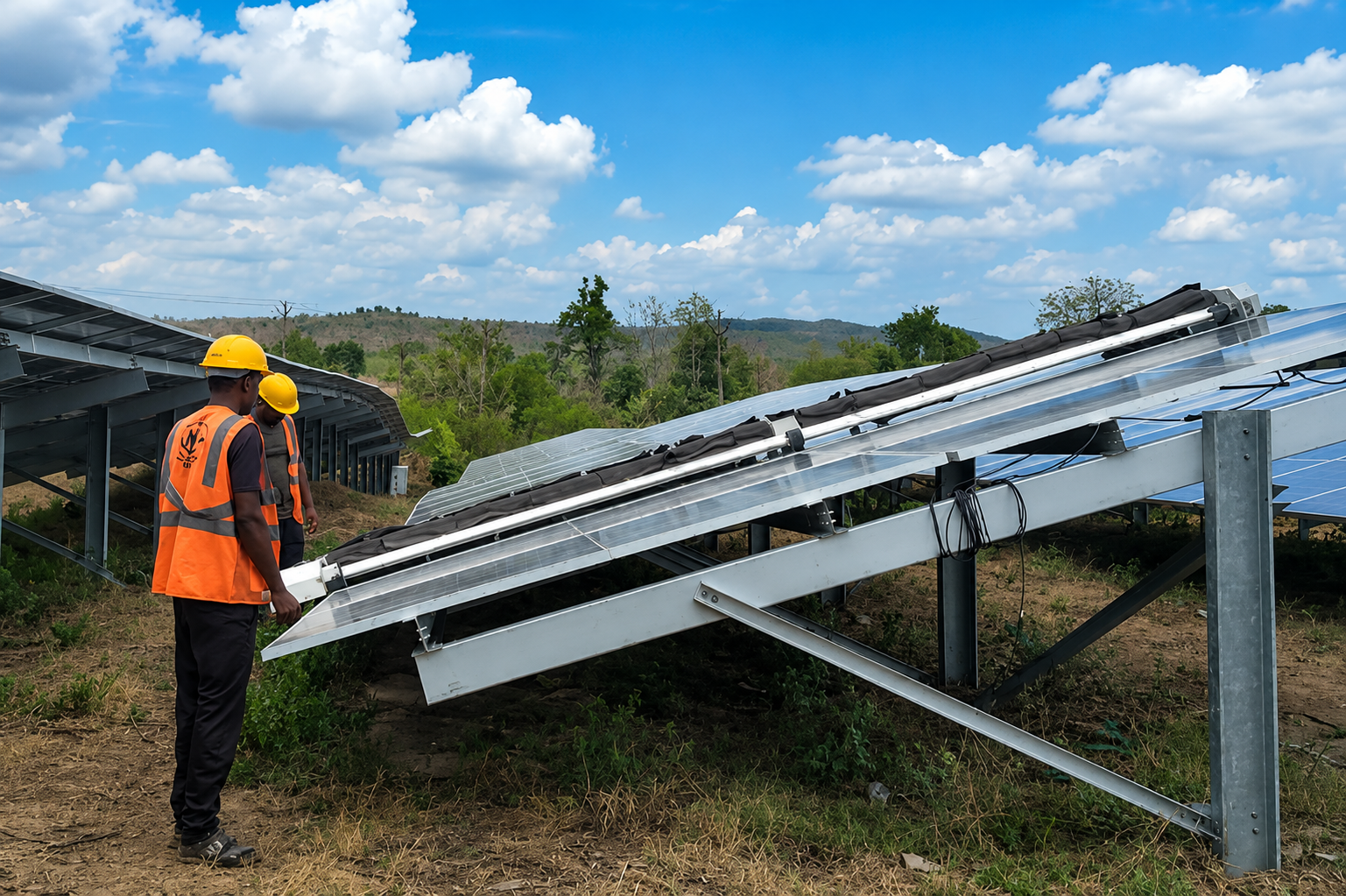
The 3 MW ground mount facility in Ahmadnagar, Maharashtra, utilizes a Capex procurement model to integrate its robotic cleaning infrastructure. The deployed fleet consists of two semi-automatic NYUMA robots, specifically selected to address the region's challenging mix of agricultural dust and road grit.
Commissioning focused on the transition from fragmented manual cycles to a structured cleaning mode. By implementing the NYUMA system, the site eliminated the logistical conflicts where water delivery and night crew scheduling previously competed with vegetation and civil O&M windows. This deployment emphasizes a systematic approach to cleaning, ensuring that uneven string-level soiling, driven by local humidity cycles, is managed through a predictable robotic cadence. This structured integration provides supervisors with the necessary block-level verification to ensure uniform panel cleanliness across the entire 3 MW array, replacing the previous visibility gap in the O&M workflow.
Operations and monitoring
Operations and Monitoring
The transition to NYUMA robots at the Ahmadnagar site replaces the inefficient "daily wash" myth with a precision cleaning cadence based on actual soiling levels. By removing the need for water logistics and night crew scheduling, the plant resolves the scheduling conflicts that previously hampered vegetation and civil O&M windows.
Operational accountability is now managed through the NECTYR fleet portal, providing supervisors with definitive per-block proof of cleaning for every string. This system ensures no area is overlooked, with the only operational pauses occurring during high wind holds to protect the array. This shift from inspection-led guesswork to data-driven monitoring ensures consistent performance across the 3 MW facility.
Results and impact
Results and Impact
The deployment of NYUMA robots at the 3 MW Ahmadnagar site resulted in saving 420,000 liters of water per year and the successful implementation of per-block proof for cleaning validation. This shift eliminated the resource-heavy logistics of water hauling and resolved scheduling conflicts between night cleaning crews and critical civil or vegetation O&M windows.
Through NECTYR monitoring, supervisors now have verifiable evidence of which strings were cleaned during each cycle. This ensures that uneven soiling from agricultural dust and road grit is managed systematically, replacing manual guesswork with a data-driven approach to maintaining uniform performance across the entire ground mount array.