Executive summary
Located in Ahmadnagar, Maharashtra, this 5 MW ground-mount facility faced significant performance losses due to uneven string-level soiling. The combination of agricultural dust, road grit, and humidity cycles created inconsistent debris patterns, while manual cleaning efforts were hampered by complex water logistics and night crew scheduling that conflicted with essential vegetation and civil O&M windows.
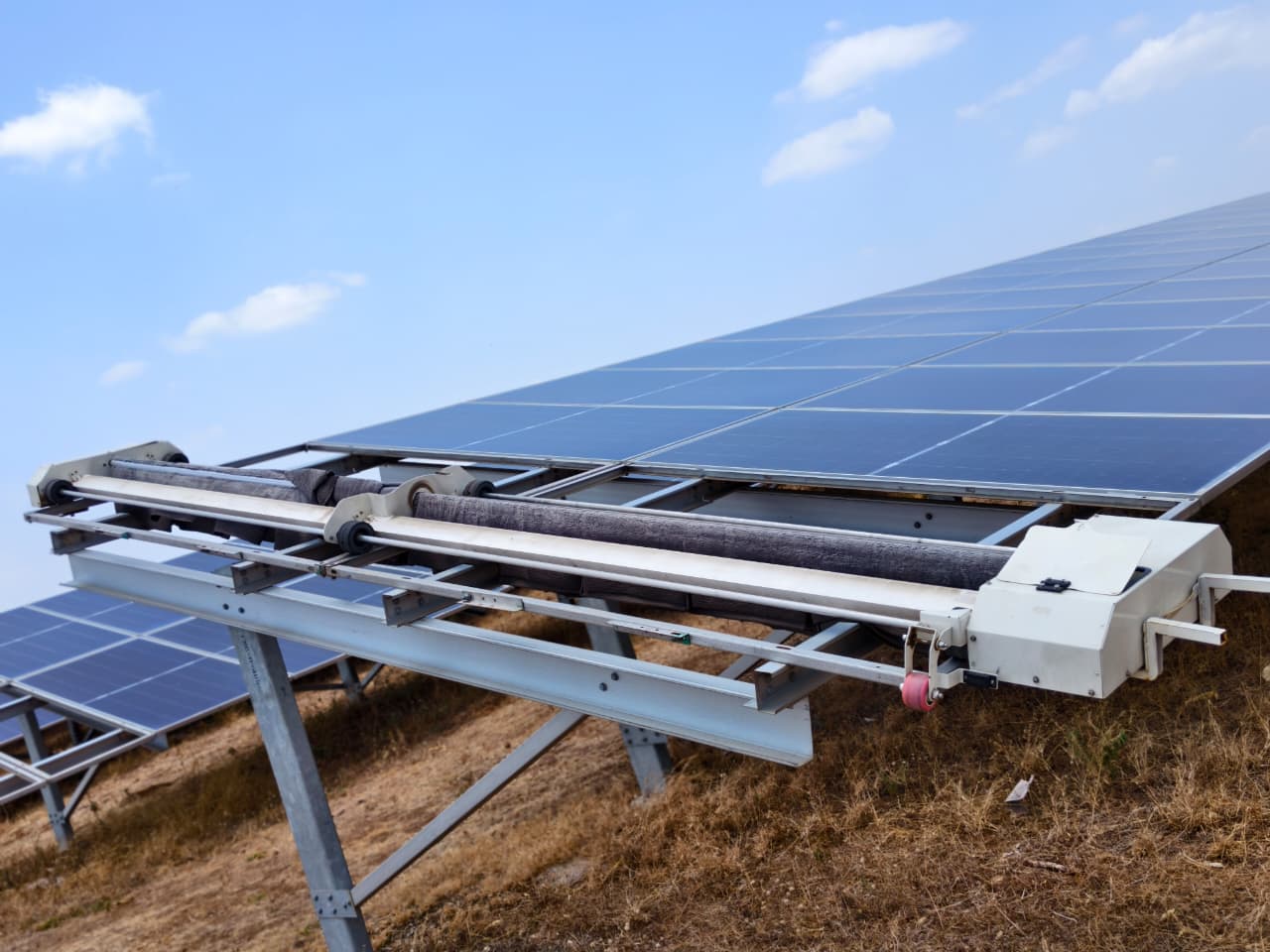
To optimize maintenance, Taypro deployed two semi-automatic NYUMA robotic units under a Capex procurement model. This waterless solution eliminated the logistical burden of water transport and provided supervisors with the necessary transparency to verify cleaning progress per block. The deployment achieved 700,000 liters in annual water savings and established a more predictable, transparent O&M schedule.
Environment and soiling at Ahmadnagar
Regional Environmental Stressors
The 5 MW ground mount facility in Ahmadnagar is subject to specific environmental stressors characteristic of the Maharashtra region. The site experiences heavy accumulation of agricultural dust from surrounding farmland and road grit from local transit. These particulates do not settle evenly; instead, they interact with local humidity cycles to create non-uniform soiling patterns across different strings, leading to inconsistent module performance.
Managing these varied debris patterns manually created significant operational friction. Water logistics and the scheduling of night crews frequently competed with essential vegetation and civil O&M windows. This complexity was compounded by a lack of granular visibility, as supervisors lacked per-block proof to verify which specific strings were actually cleaned during each cycle, making it difficult to maintain uniform plant efficiency.
O&M before Taypro
O&M Friction and Audit Gaps
The 5 MW ground mount plant in Ahmadnagar struggled with a volatile soiling environment. Local agricultural dust and road grit, combined with humidity cycles, created uneven soiling patterns across different strings, leading to inconsistent energy yields.
Managing this manually introduced severe operational friction. Water logistics and the scheduling of night crews frequently competed with essential vegetation and civil O&M windows, complicating site coordination and resource allocation.
Furthermore, the site lacked a reliable audit trail for cleaning activities. Supervisors had no per-block proof to verify which specific strings were actually cleaned during each cycle, making it nearly impossible to ensure uniform efficiency across the facility.
Fleet and deployment at 5 MW
Fleet and Deployment Configuration
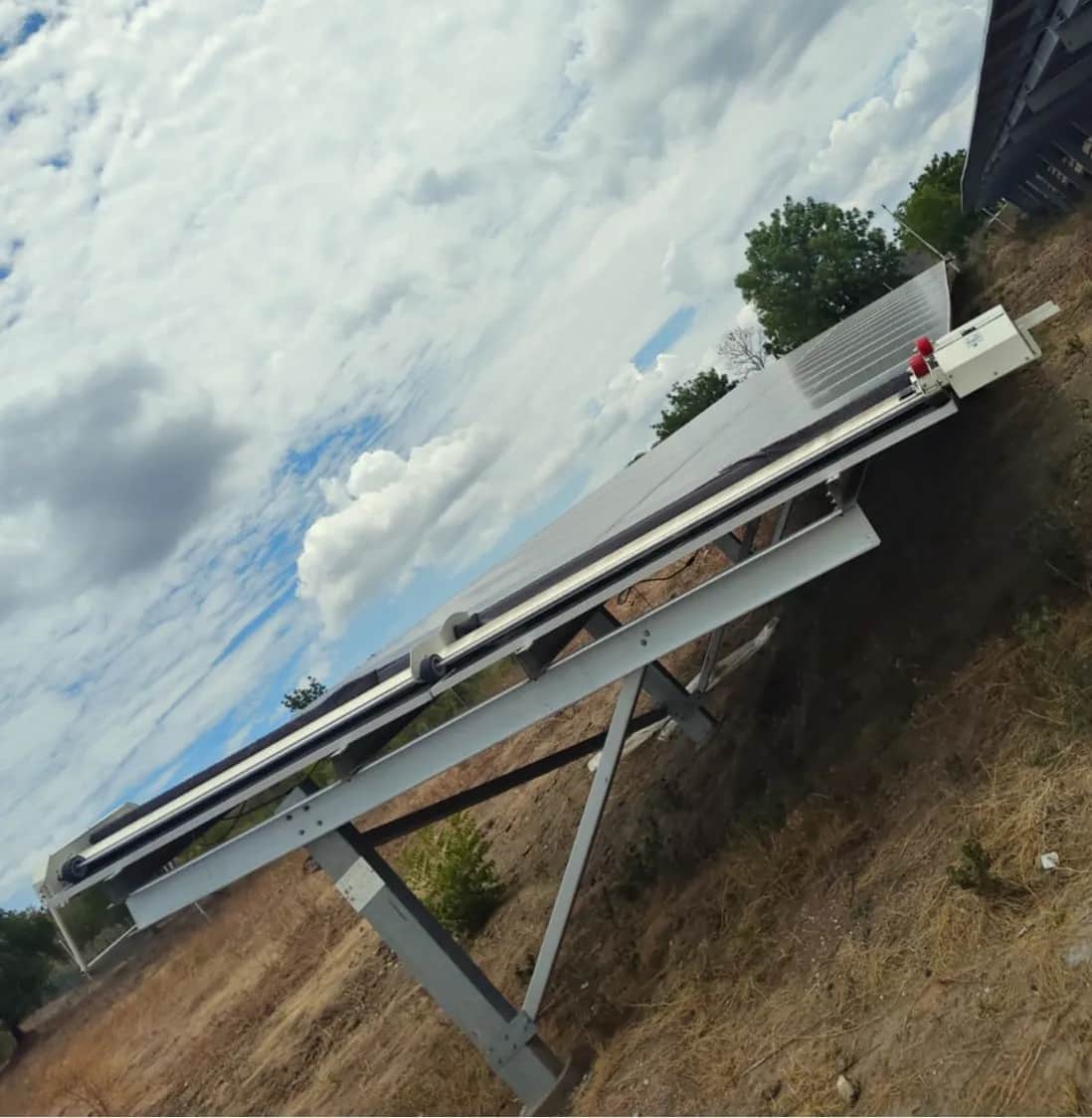
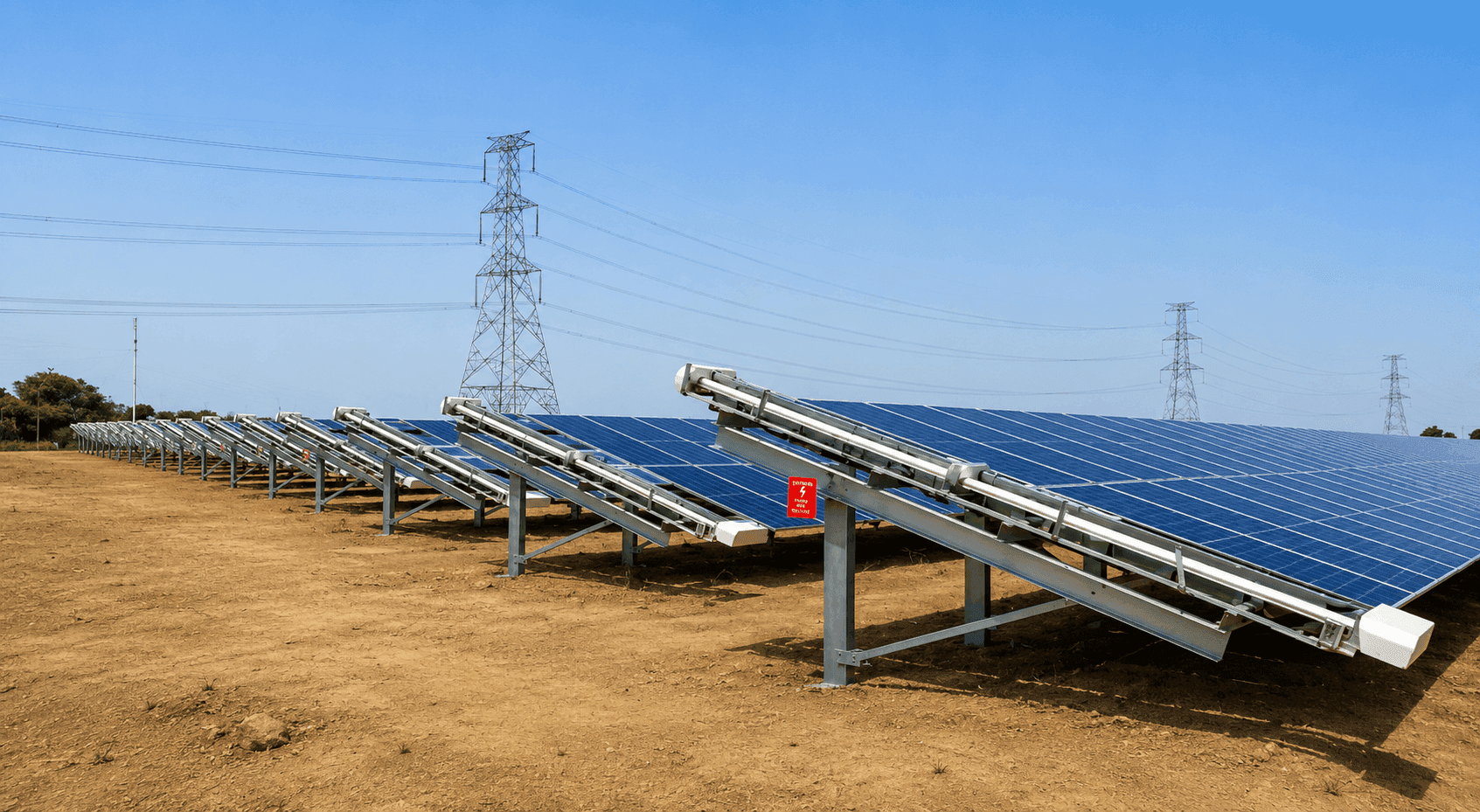
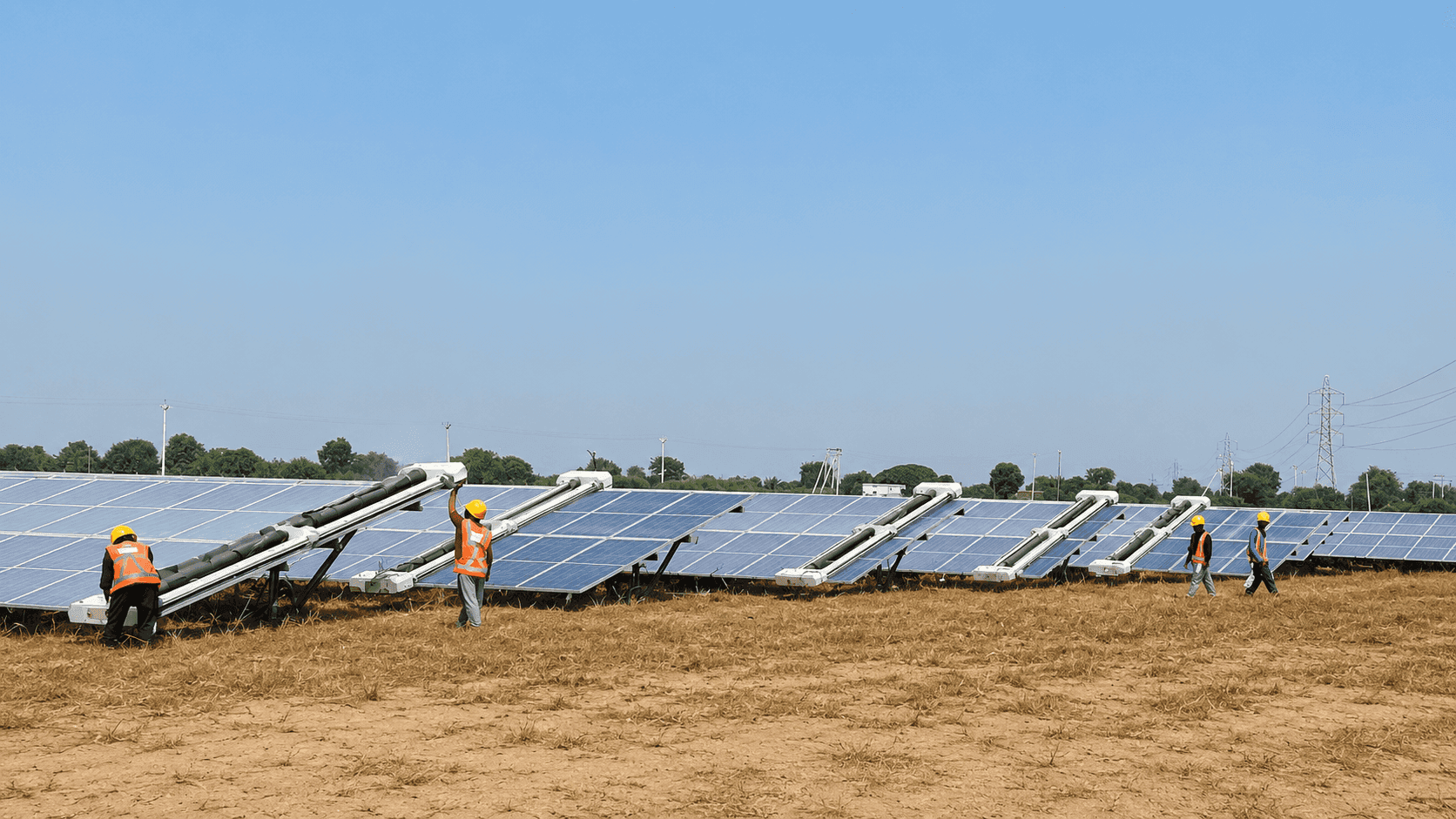
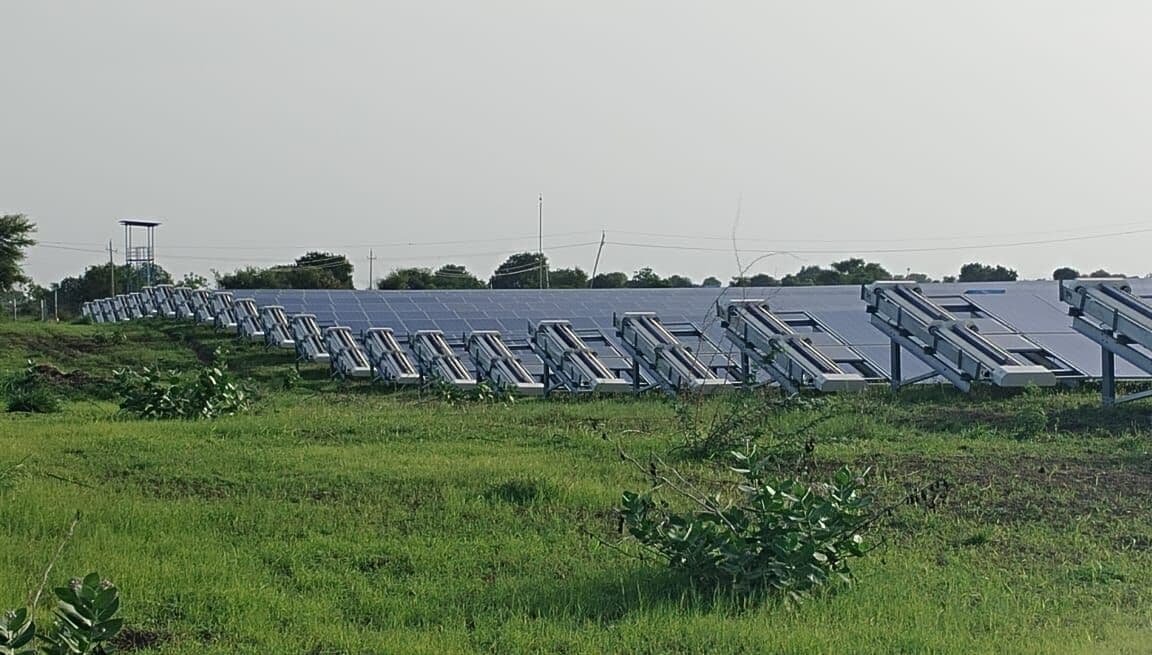
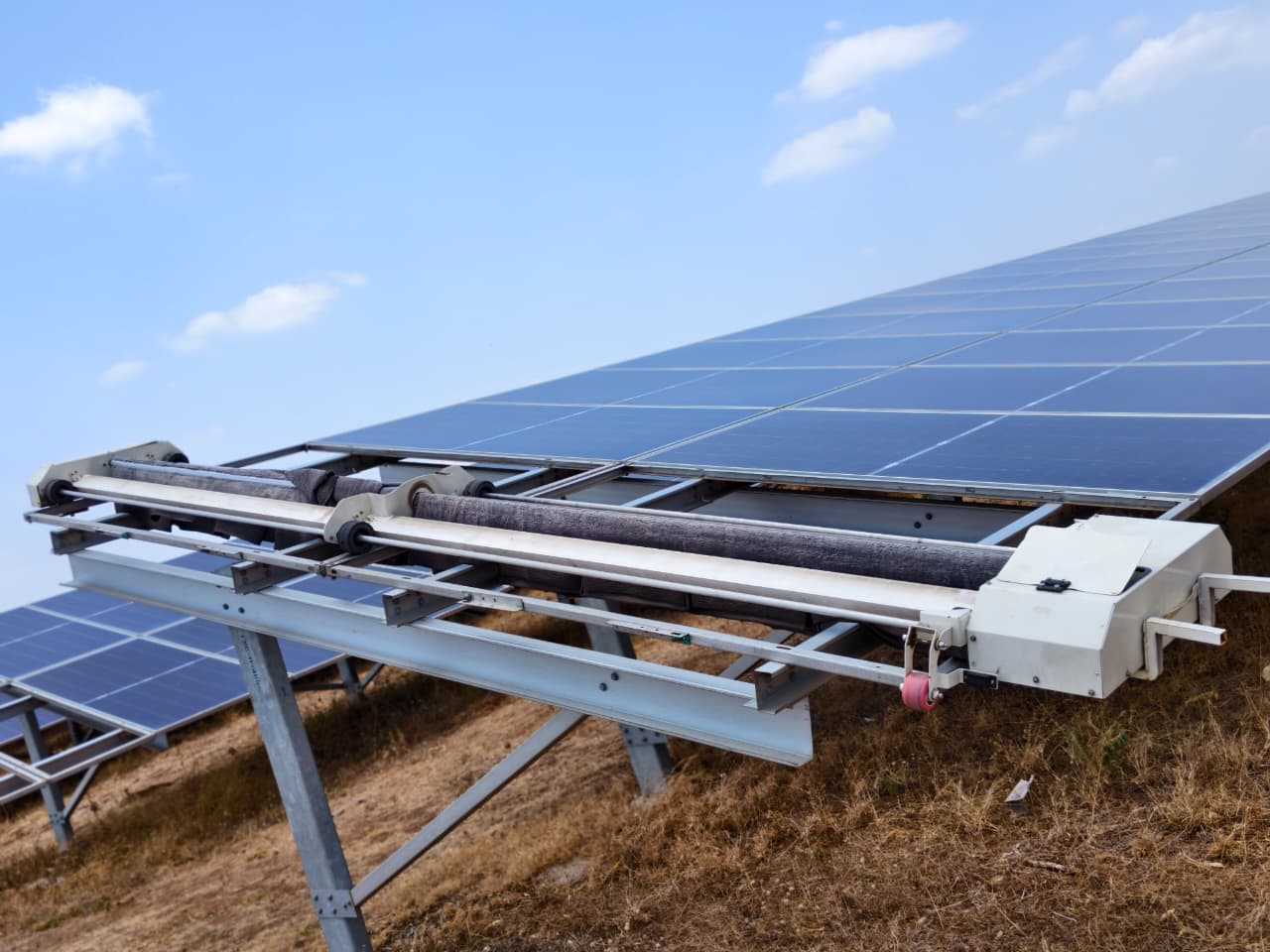
For the 5 MW ground-mount array in Ahmadnagar, Maharashtra, Taypro implemented a Capex procurement model featuring a fleet of two semi-automatic NYUMA robots. This configuration was selected to integrate with the site's ground-mount architecture, replacing water-intensive manual processes with a waterless, single-pass PBT brush system.
Commissioning focused on resolving existing O&M frictions, specifically the lack of granular visibility into cleaning cycles. The deployment was engineered to provide supervisors with verifiable, per-block proof of cleaning, eliminating the audit gaps associated with previous manual night crew scheduling. By deploying these units, the facility addressed the uneven string-level soiling caused by agricultural dust and road grit without the logistical burden of water transport.
The resulting deployment provides a structured cleaning framework that ensures consistent module performance across the entire 5 MW site, shifting the operational focus from resource-heavy water logistics to a predictable, robot-led maintenance schedule.
Operations and monitoring
Operational Transition and Monitoring
The deployment of semi-automatic NYUMA robots replaces water-intensive manual labor with a structured robotic cycle. This shift resolves previous scheduling conflicts where night crew logistics and water transport competed with vegetation and civil O&M windows.
Accountability has moved from unreliable manual inspections to NECTYR, which provides supervisors with verifiable per-block proof of cleaning. The cleaning cadence is now optimized for the specific agricultural soiling of Ahmadnagar, moving away from the myth of daily washing to a data-led schedule. To protect the fleet, operational protocols include strict wind holds, ensuring safe execution during high-wind events while maintaining uniform efficiency across the 5 MW plant.
Results and impact
Results and Impact
The deployment of the NYUMA semi-automatic fleet has fundamentally improved the plant's operational stability in Ahmadnagar. By adopting waterless technology, the facility achieves significant annual water savings, drastically reducing the logistical burden of water transport and local resource consumption. This transition also solves critical visibility challenges for the maintenance team. Plant supervisors now benefit from verifiable, per-block proof of cleaning cycles, ensuring that uneven soiling from agricultural dust and road grit is managed with precision. This shift from manual, labor-intensive schedules to a structured robotic workflow allows for seamless integration with other O&M windows, providing consistent module performance and reliable maintenance data across the entire site.