Executive summary
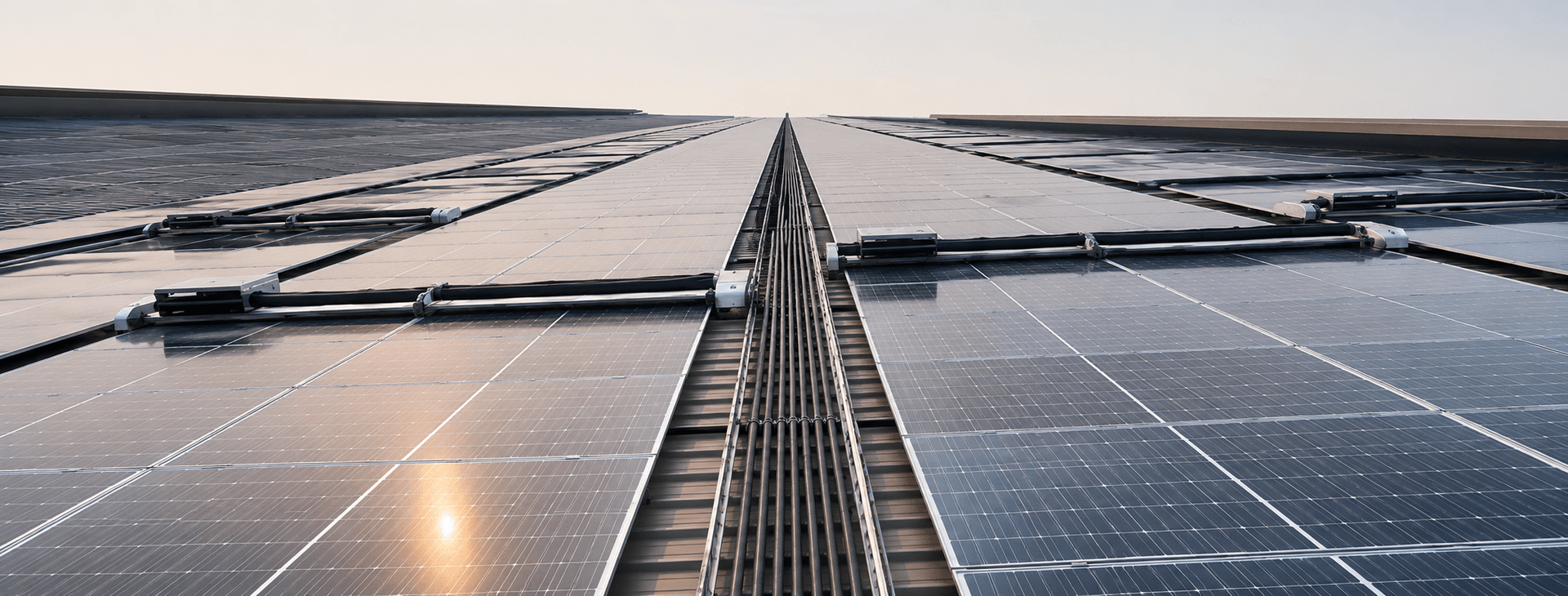
solar panel cleaning robot India, The 48.8 MW solar plant in APEX-Nagpur faced many operational problems. Regional dust and dirt covered the panels constantly. Traditional cleaning methods used too much water. These old methods also cost a lot of money. Manual washing could not keep the modules clean. This led to unpredictable energy losses. To fix this, the plant moved to a Capex model. They invested in a fleet of five GLYDE robots. These robots provide autonomous, waterless cleaning.
This deployment uses GLYDE’s patented dual-pass microfiber technology. The robots perform daily waterless cleaning cycles across the whole site. Automation helps the plant keep a steady energy output. It also removes the need to find and move water. This change recovered 48.8 MWh of clean energy every year. It also reduced CO2 emissions by 24 metric tons annually. Most importantly, the site saves 182,000 litres of water each year. This sets a new standard for sustainable solar power in India.
Environment and soiling at APEX- Nagpur
Regional Soiling Dynamics at APEX-Nagpur
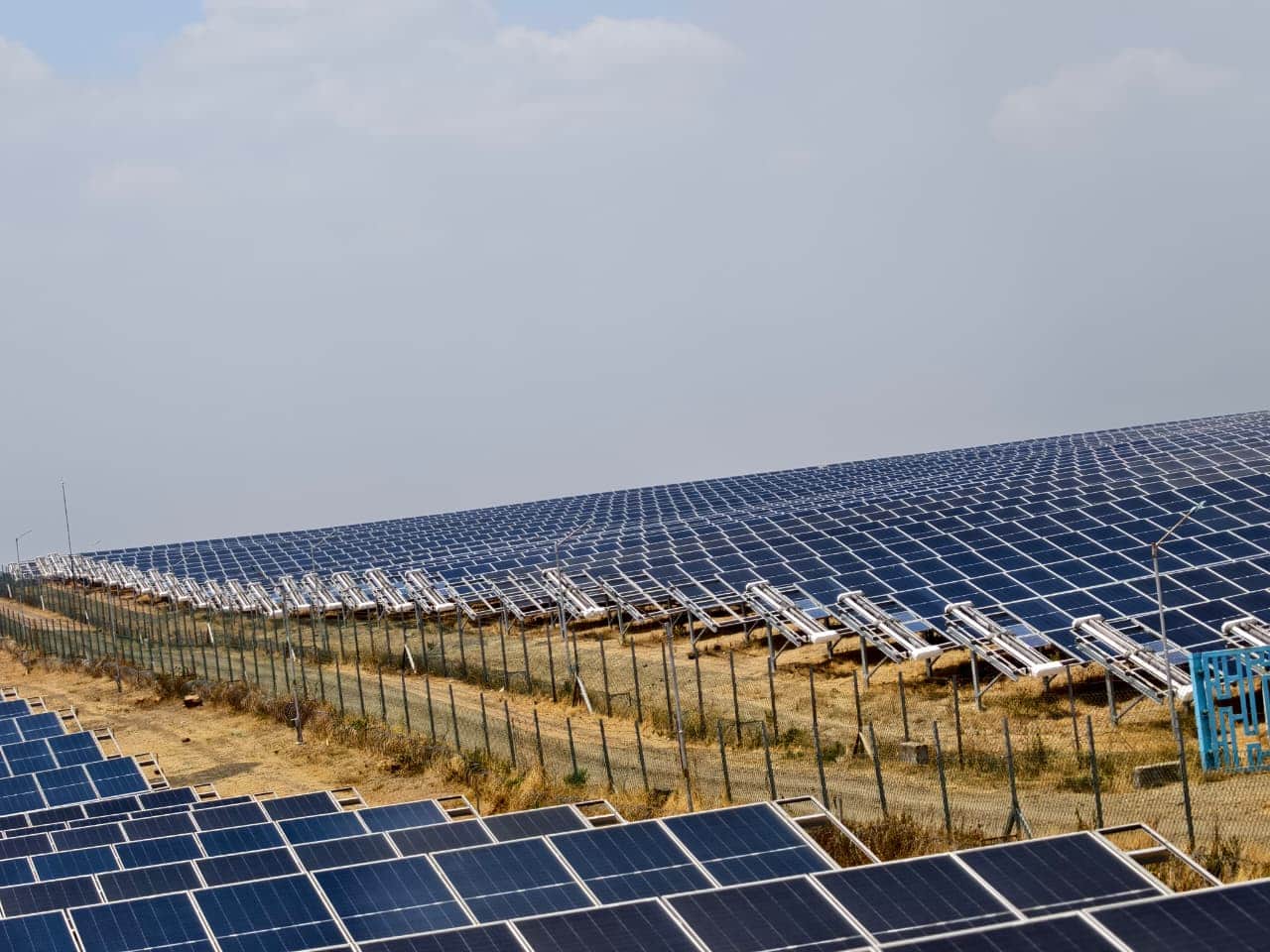
The APEX-Nagpur site is in an arid, inland region. This area has a specific micro-climate. It is known for constant dust and very high temperatures. It is not like a humid coastal region. Instead, the area has intense sunlight and very dry air. This air carries fine dust particles. These particles settle quickly on the solar panels. They create a thin, stubborn layer of grime. This layer blocks light from reaching the cells. This is a major issue during the hot, dry months.
The 48.8 MW installation is at high risk. The local landscape makes it easy for wind-blown silt to build up. Without regular cleaning, this dust forms a hard crust. This crust causes shading on the panels. It can also create hot spots on the PV strings. These hot spots can damage the equipment. The regional weather demands a very frequent cleaning schedule. The plant needs constant care to keep performance high.
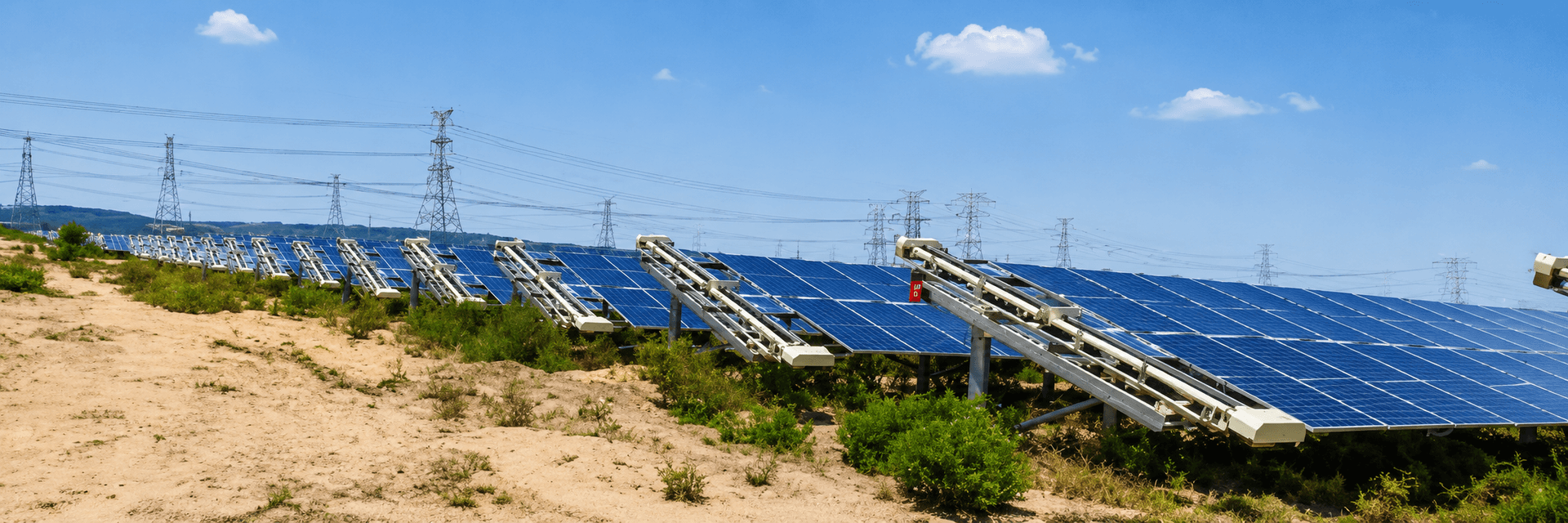
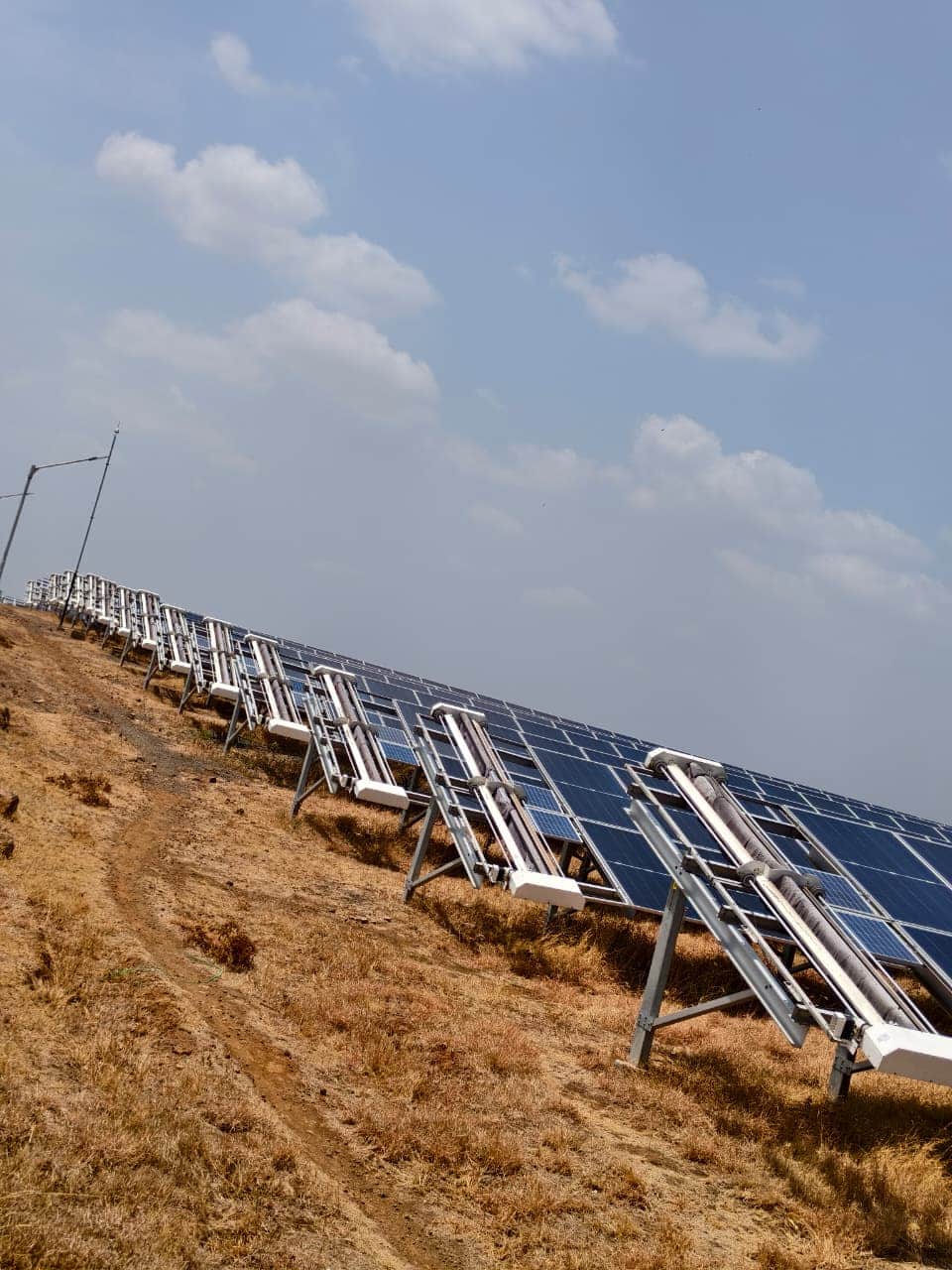
The plant uses five GLYDE units to fight these issues. These robots use patented dual-pass microfiber technology. They remove dry dust safely and effectively. They do not need any water to work. This is vital because water is very scarce in Nagpur. The robots run daily waterless cleaning cycles. This keeps the modules clear and bright. It protects the plant from the heavy soiling found in the Vidarbha landscape.
O&M before Taypro
Manual Cleaning Hurdles and Audit Gaps at 48.8 MW APEX-Nagpur
Before using the GLYDE system, the site used manual labor. Workers washed the solar panels by hand. This water-based approach was hard to manage at a 48.8 MW scale. Managing human teams across such a large area is difficult. Cleaning cycles were often inconsistent. Some areas of the plant were very dirty. Other areas received cleaning at irregular times. This created uneven energy production across the site.
The manual method caused several major problems:
- The site used too much water. This made water sourcing and transport very expensive.
- It was hard to keep all rows equally clean. This caused large energy losses from uneven soiling.
- There was no automated way to audit the work. O&M teams could not easily verify if cleaning was done. They also could not track how cleaning affected specific strings.
These issues made it hard to reach peak power output. This was especially true during the dusty seasons in Nagpur. The plant lacked real-time performance data. Management had to make decisions with very little information. This made operations reactive rather than proactive.
Fleet and deployment at 48.8 MW
Fleet and Deployment at 48.8 MW: Strategic Capex Investment
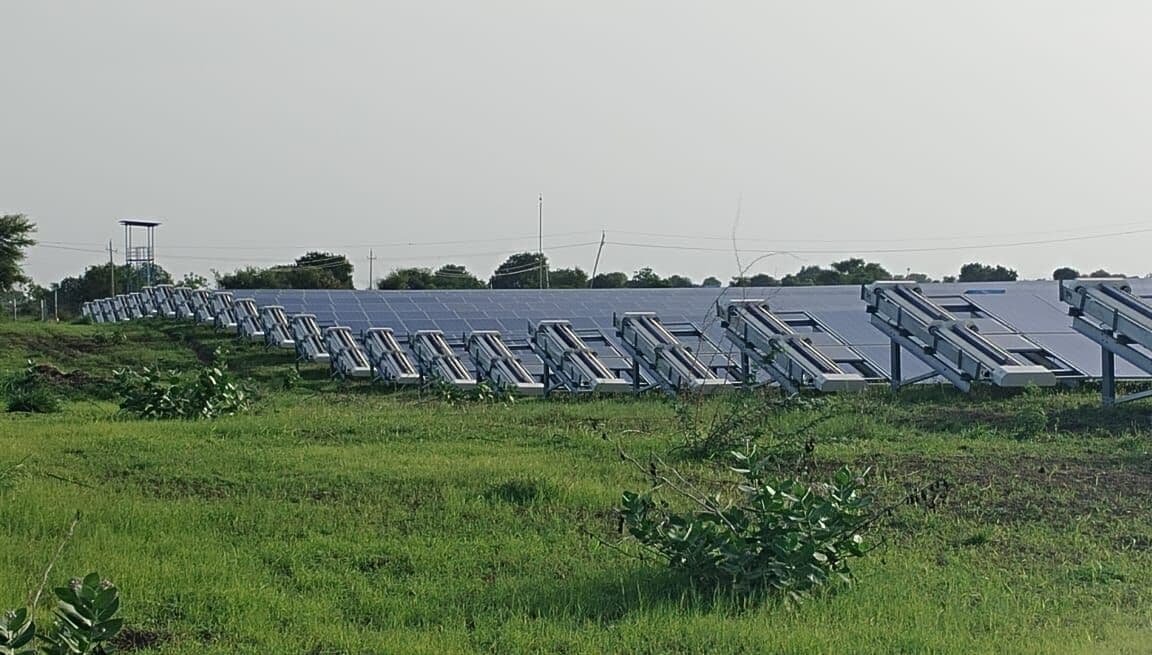
The project chose a Capex procurement model to solve these problems. They bought a dedicated fleet of five GLYDE robots. This investment provides long-term autonomy. The site no longer relies on the unpredictability of manual labor. Instead, it uses a standardized, high-performance cleaning system. By owning the fleet, the project ensures consistent care for all 48.8 MW of capacity.
The GLYDE system is the core of this deployment. It is designed for fully autonomous, waterless cleaning on fixed-tilt plants. The robots use patented dual-pass microfiber technology. This method removes dry dust without using any water. Traditional brushes can be different. The dual-pass airflow and microfiber design provide a deep clean. This saves over 180,000 litres of water every year. This is a huge benefit in the water-stressed Vidarbha region.
The five-robot fleet follows a daily waterless cleaning cycle. This schedule is managed through the NECTYR operations portal. High-frequency cleaning is essential for this site. It helps the plant capture maximum sunlight every day. This supports the goal of recovering 48.8 MWh of extra energy per year. The fleet also helps the environment. It reduces CO2 emissions by 24 metric tons every year. The site now maintains 99%+ dust removal per cycle. This provides the reliable, clear data that modern solar owners need for asset management.
Operations and monitoring
Operations and Monitoring: Establishing a Continuous Audit Trail
The APEX-Nagpur facility has moved to proactive operations. It now uses the NECTYR fleet management portal. The site has replaced manual cleaning with a daily waterless cleaning cycle. This removes the performance swings seen with manual washing. NECTYR provides a 24/7 audit trail. It logs the exact location of every robot. It also records the cleaning status and completion time for all five GLYDE units. This covers the entire 48.8 MW installation.
This data makes cleaning very transparent. Accountability is now part of the daily plant operations. The system is also very smart. It automatically detects high winds. It will pause the robots during extreme weather to prevent damage. This protects the equipment while keeping the schedule safe. Manual programs often fail due to poor access or logistics. The automated daily routine ensures the panels stay at peak efficiency.
- Daily waterless cleaning cycles ensure steady power output.
- NECTYR provides a real-time audit trail for all cleaning tasks.
- Smart sensors detect wind and pause robots to prevent damage.
- Daily scheduling replaces inefficient monthly cleaning windows.
Results and impact
Results and Impact: Sustaining Yield at APEX-Nagpur
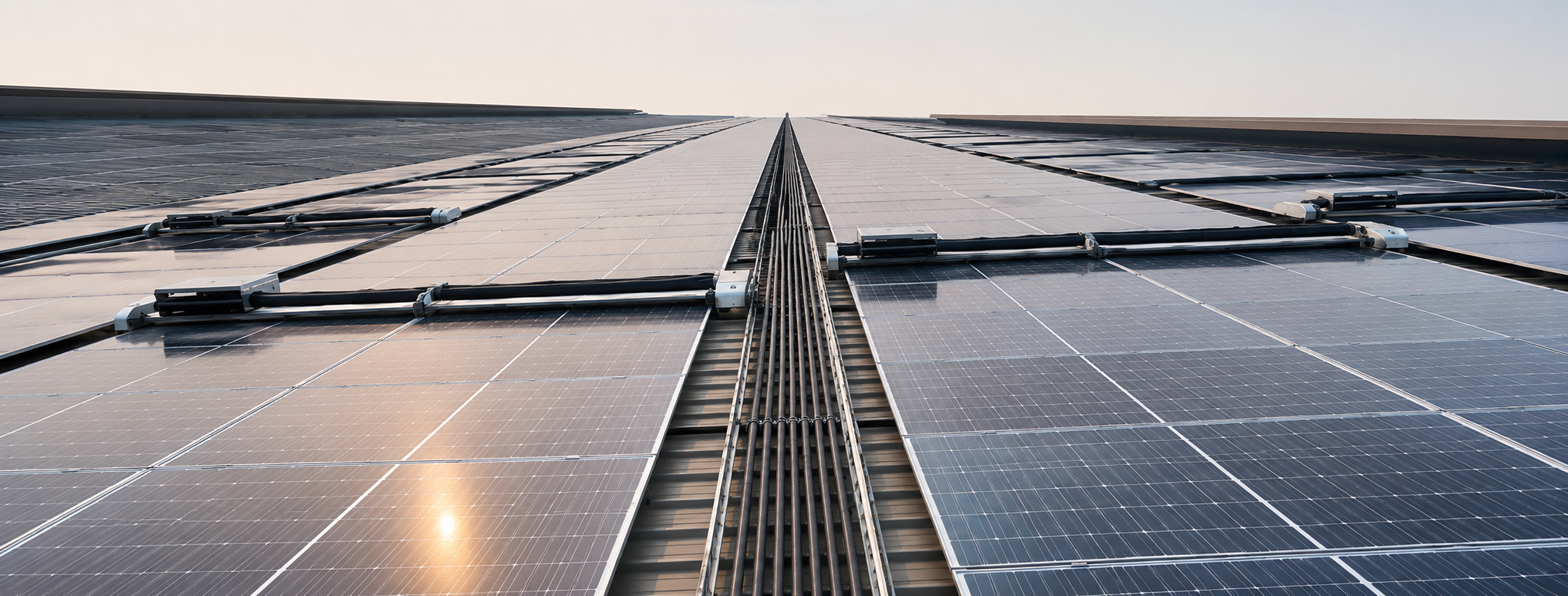
The GLYDE robot fleet has transformed this site. The daily waterless cleaning routine prevents energy losses. In the past, dust caused significant power drops. Now, the high-frequency cleaning keeps the modules clean. This provides a major boost to annual energy generation. The plant produces much more power than it did with manual cleaning.
The project also provides great resource efficiency. Moving away from manual washing saves vital water. Local water reserves are now better protected. The project also reduces operational costs. It cuts down on the logistics of moving water and workers. Using specialized microfiber also reduces panel degradation. This extends the useful life of the solar modules. The project shows a clear ROI through better sustainability and consistent yields.
- The site saves 182,000 litres of water every year.
- Annual energy generation is much higher due to consistent cleaning.
- Carbon footprints are lower by 24 metric tons of CO2 per year.
- Autonomous cycles remove the risks of manual labor and logistics.
Peer comparison and planning checklist
Peer Comparison and Planning Checklist for Utility-Scale Solar
The 48.8 MW APEX-Nagpur plant is different from many sites in Maharashtra. Many nearby sites still use manual washing teams. Some use semi-automatic systems. These systems often lack the efficiency of a full, automatic fleet. Manual labor causes variable cleaning quality. It also creates high, recurring costs. Small semi-automatic setups often cannot clean every day. This is a problem in high-dust areas. By using a fully automatic GLYDE fleet, this site stays consistent. It achieves a level of performance that manual methods cannot match. This shift to a daily, autonomous schedule sets a new standard for the region.
- Check your site's soiling rates. Decide if you need daily autonomous cycles.
- Compare total costs. Look at manual labor wages versus a one-time Capex investment.
- Review your plant layout. Ensure it is compatible with GLYDE robots and NECTYR.
- Plan your infrastructure. Ensure you have the grid and communication needed for connectivity.
- Set a baseline. Measure your current energy losses to track future gains.