Executive summary
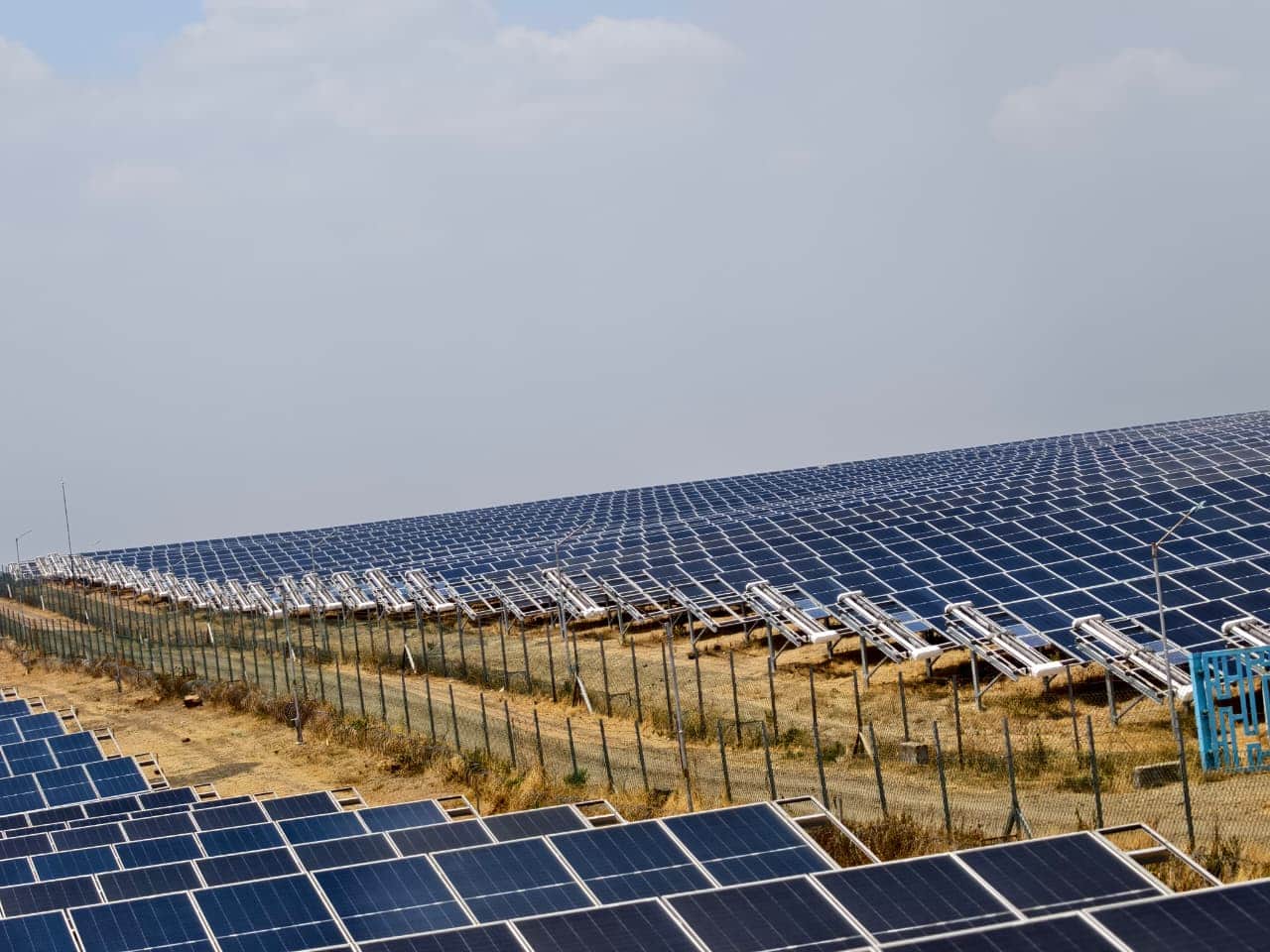
The 300 MW Bachau DVC solar plant is located in Gujarat. This site faces unique challenges due to its desert environment. The facility deals with two main types of contamination. First, there is heavy inland cementitious dust. This dust comes from local quarries. Second, there is a sticky coastal film. This film is caused by sea salt and moisture. These two factors create uneven soiling across the solar arrays. The dirt is often worse near haul roads and quarry boundaries. This makes it very hard to maintain steady energy levels.
In the past, the plant used manual washing. This method was not reliable. It also required a lot of water. Water is hard to find in this part of Gujarat. Using water tankers is expensive and difficult to manage. These issues caused big changes in the plant's Performance Ratio (PR). This made it hard for finance teams to predict energy yields. Large solar portfolios need steady data to stay profitable.
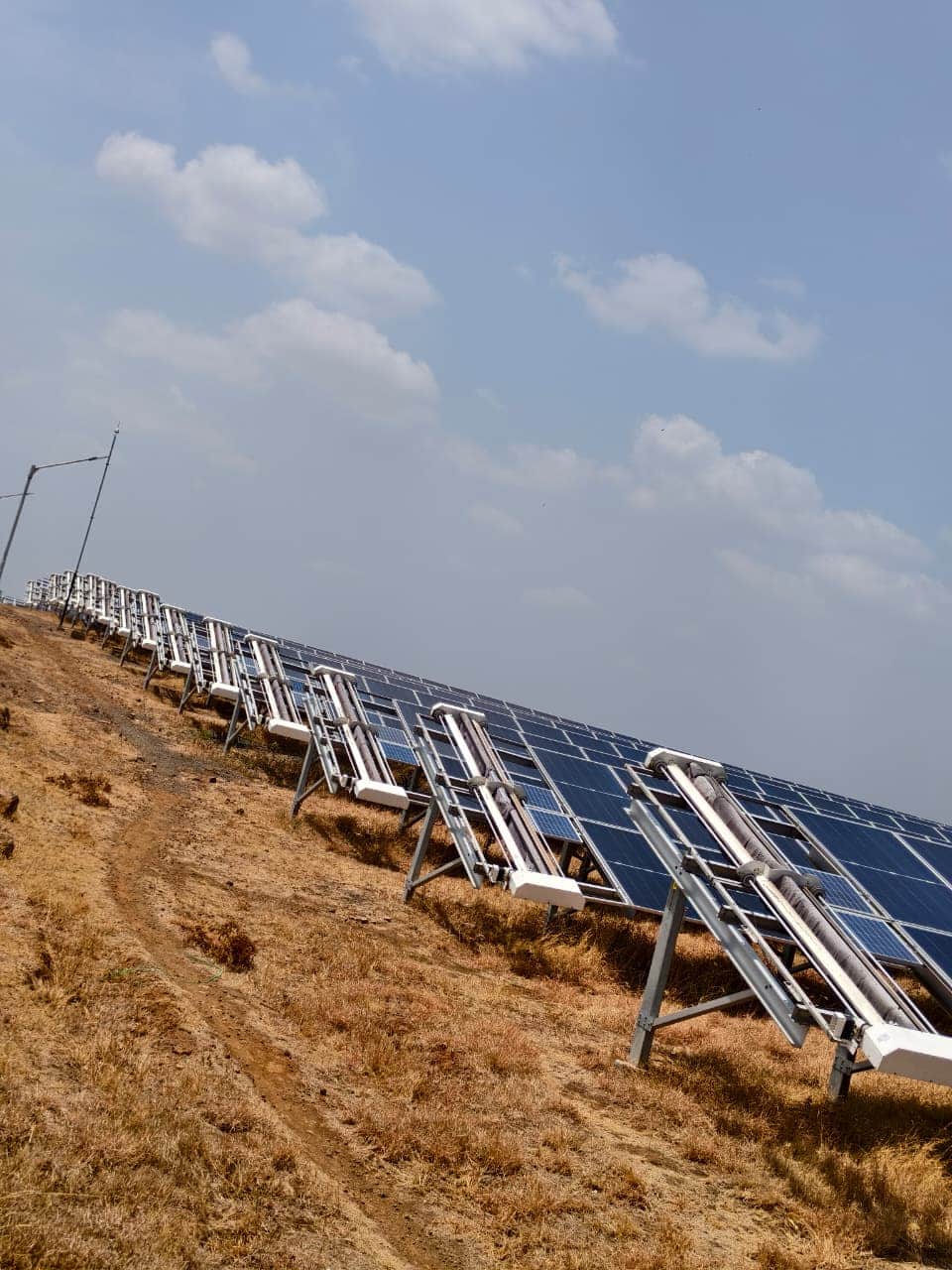
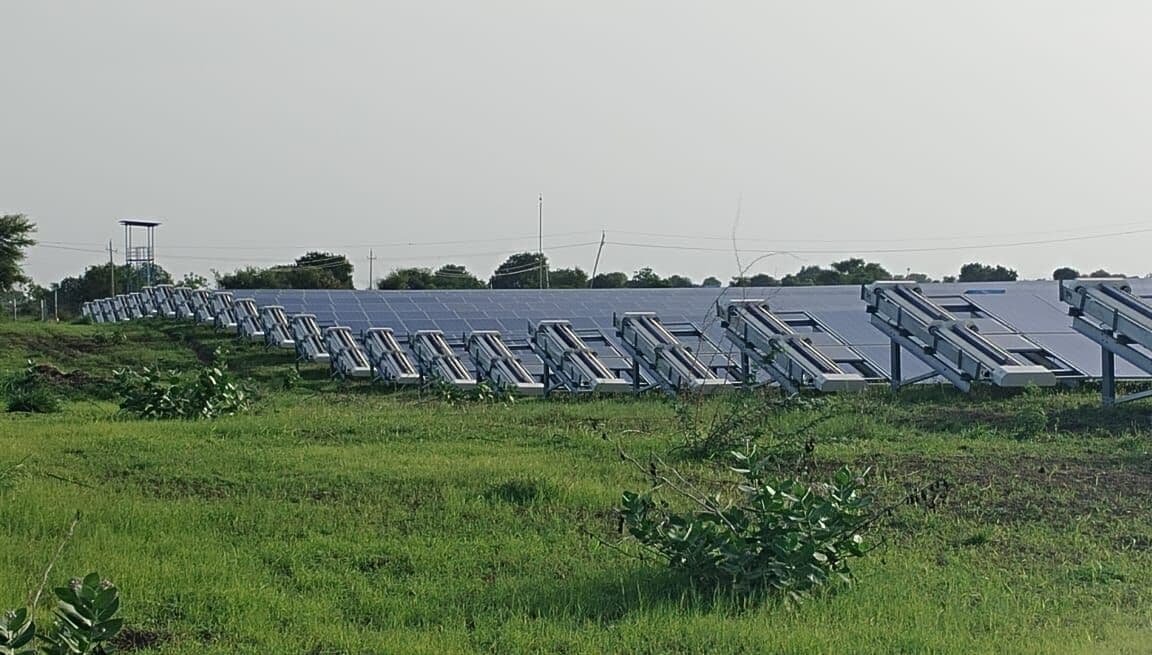
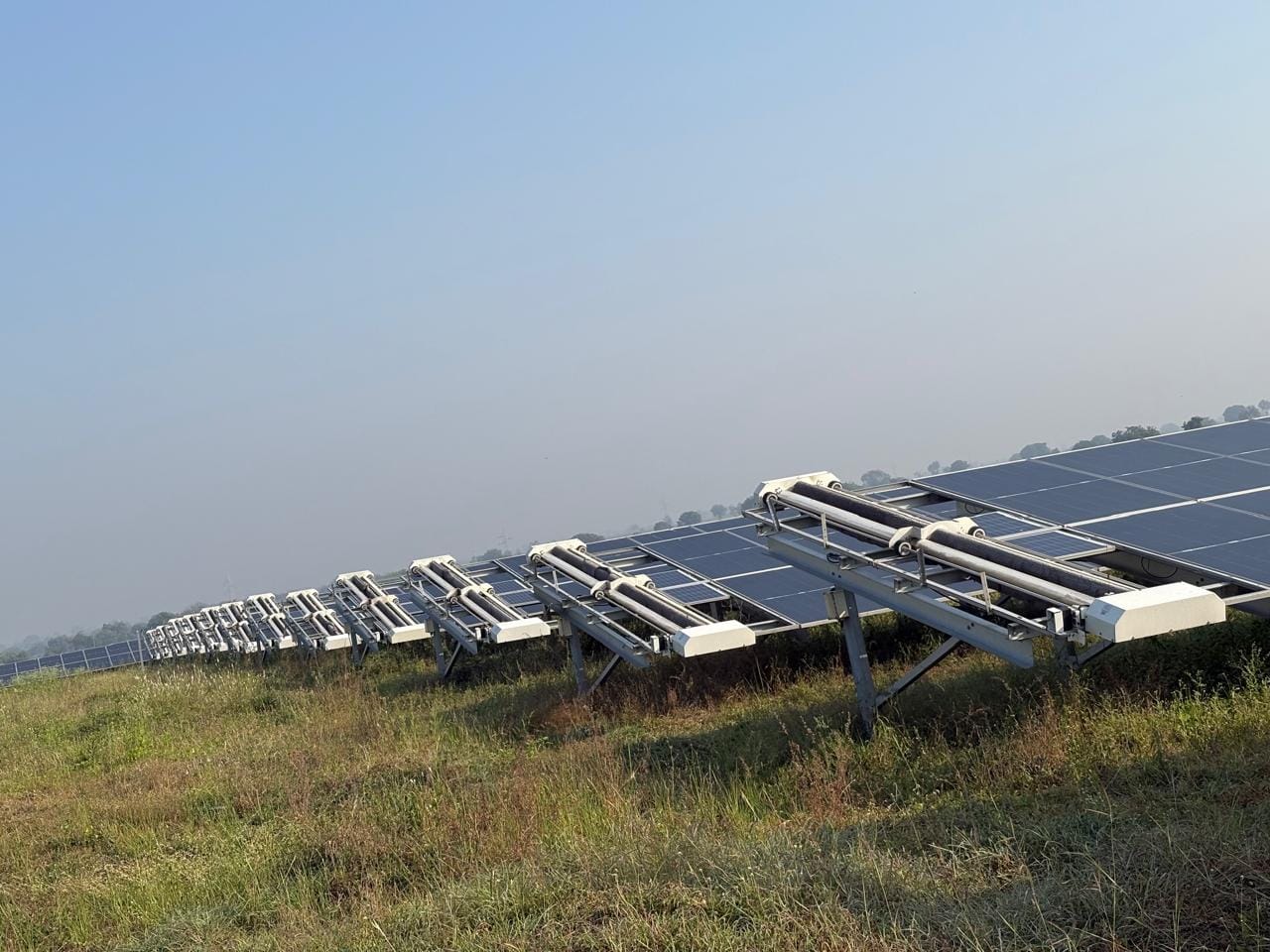
To solve these problems, the plant deployed 172 GLYDE robots. These robots are fully autonomous. They follow a daily waterless cleaning cycle. The GLYDE system uses a patented dual-pass microfiber method. This technology cleans the panels deeply without using any water. This shift has improved the plant significantly. The facility no longer depends on water tankers. It now recovers 11.25 GWh of solar generation every year. It also saves 42 million litres of water annually.
Environment and soiling at Bachau DVC, Gujarat
Managing uneven soiling: The Bachau DVC 300 MW environmental profile
The Bachau DVC site in Gujarat is a tough place for solar assets. The environment creates a complex cleaning challenge. The site faces a "dual-threat" soiling profile. This means there are two different types of dirt. Each type affects the solar panels in a different way.
The first threat is inland cementitious dust. This dust is produced by nearby industrial quarries. It also comes from heavy traffic on haul roads. This dust settles on the modules very quickly. It can form a hard crust on the glass. This crust blocks sunlight and reduces power output. It is much harder to clean than regular sand.
The second threat is coastal film. The site is close to the coast. Sea-salt aerosols travel through the air. These salts settle on the solar panels. When they mix with moisture, they create a sticky film. This film acts like glue. It traps the cementitious dust on the panel surface. This creates a very thick and uneven layer of grime.
This combination leads to several specific problems:
- Localized dust buildup: Modules near unpaved roads get much dirtier than others.
- Uneven performance: Some strings of panels produce less power than others. This makes the whole plant less efficient.
- Water shortages: Finding enough groundwater for wet cleaning is difficult. During peak dust months, water availability is very low.
- Logistical stress: Moving water tankers across a 300 MW site is a huge task. It is also very expensive to do repeatedly.
By using GLYDE robots, the site now handles this uneven soiling. The robots perform daily waterless cleaning cycles. This keeps the dust from bonding to the glass. It ensures that every part of the 300 MW array stays clean. This method is much more reliable than manual washing.
O&M before Taypro
Logistical Volatility and the O&M Challenge at Bachau
Running a 300 MW solar plant in Gujarat requires high precision. Before the GLYDE robots arrived, the site faced many hurdles. The main problem was the lack of a steady cleaning schedule. The site relied on manual wet-washing. This method was very unstable. It depended on two things: water and people. Both were hard to manage at this scale.
Water scarcity was a constant issue. The local groundwater levels are often low. To clean the panels, the site had to use water tankers. These tankers are hard to coordinate. If a tanker is late, the cleaning stops. If the dust levels rise, the site needs more water. This creates a cycle of high costs and low reliability.
This instability caused two major problems for the O&M team:
- Operational gaps: The team could not clean the panels often enough. During the dustiest months, they simply could not find enough water. This led to significant energy losses.
- Data and transparency issues: Large solar portfolios need proof of work. Finance teams need to know why the Performance Ratio (PR) changes each month. Without robots, there were no digital logs. It was hard to prove that cleaning was actually working. This made it difficult to explain performance to investors.
Because cleaning was irregular, the soiling was uneven. Strings near the quarries or roads suffered the most. The O&M team could not easily target these specific areas. They had to clean the whole site or nothing at all. This lack of control made the 300 MW asset hard to optimize. Moving to an autonomous model was the only way to fix this.
Fleet and deployment at 300 MW
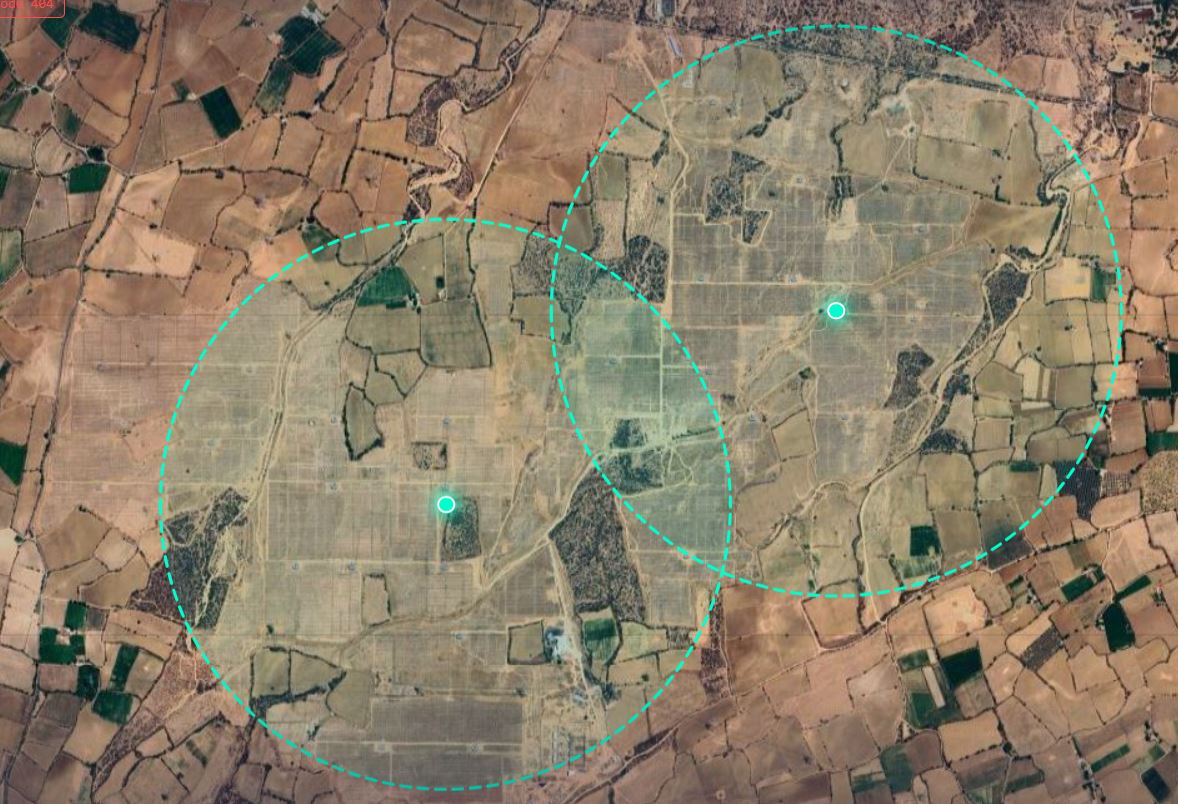
Fleet Deployment and Autonomous Scaling for the 300 MW Bachau DVC Project
The Bachau DVC project needed a scalable solution. To achieve this, they chose a CAPEX procurement model. They invested in a fleet of 172 GLYDE robots. This fleet is designed for utility-scale ground mount arrays. The robots are fully autonomous. This means they do not need constant human supervision. They can clean the large 300 MW site without a massive manual workforce.
The GLYDE robots use highly advanced technology. Each robot features a patented dual-pass microfiber cleaning method. This is not a simple single-pass brush. The robot uses airflow and microfiber to lift dirt. This is perfect for removing the sticky coastal film and heavy dust. It cleans the modules deeply without using a single drop of water.
The deployment focuses on three main areas:
- Daily cleaning cycles: The robots perform daily waterless cleaning. This prevents dust from turning into a hard crust. It keeps the panels transparent every single day.
- Full NECTYR integration: All 172 robots connect to the NECTYR portal. This software tracks every movement. It provides a digital log of every cleaning cycle. This data is vital for plant management.
- Targeted cleaning: The fleet is used to manage high-risk areas. This includes strings near haul roads and quarries. By cleaning these areas daily, the plant ensures uniform power output.
The results of this deployment are very clear. The plant has recovered 11.25 GWh of solar generation every year. This is a massive boost to the bottom line. Additionally, the site saves 42 million litres of water every year. The GLYDE fleet has turned a difficult maintenance task into a predictable, data-driven process. The site is now much more resilient to environmental changes.
Operations and monitoring
Operations and Monitoring at Bachau DVC
Managing a 300 MW site requires more than just cleaning. It requires constant monitoring. At Bachau DVC, the operations team uses the NECTYR fleet portal. This software acts as the brain of the cleaning operation. It allows the team to manage 172 GLYDE robots with ease. The system moves the site from manual labor to digital oversight.
The daily waterless cleaning schedule is set through NECTYR. This ensures that no row is missed. Because the cleaning is daily, the dirt never builds up. The dual-pass microfiber technology works best when used frequently. This keeps the panels at peak efficiency. It also removes the human error that comes with manual cleaning crews.
The NECTYR platform provides several key operational benefits:
- Digital audit trails: Every cleaning cycle is logged automatically. This creates a reliable record for the finance department. They can now see exactly how cleaning impacts the Performance Ratio (PR).
- Weather-safe operations: The system monitors site conditions in real time. If wind speeds become too high, the robots enter a safety mode. This protects the robots and the solar panels from damage.
- Efficiency tracking: The software identifies which rows are getting dirty the fastest. This allows the team to optimize the robot paths. They can focus more effort on the most impacted areas of the 300 MW array.
This digital-first approach solves the water problem. Since the robots are waterless, the site does not need to manage water tankers. The operations team can focus on higher-value tasks. They no longer have to worry about groundwater shortages or labor availability. The 11.25 GWh of extra energy is protected by this automated system.
Results and impact
Results and Impact: Recovering Energy and Water at Bachau DVC
The transition to autonomous cleaning has changed everything for the Bachau DVC site. The project has successfully separated energy production from environmental risks. Before, the weather and water supply dictated how much power the plant made. Now, the GLYDE robot fleet provides consistent, predictable results. The plant has moved from a reactive model to a proactive one.
The impact can be seen in two main categories: energy and resources.
First, the energy impact is massive. The daily cleaning cycles prevent the buildup of cementitious dust and salt film. This ensures that the solar modules stay at maximum transparency. By preventing these losses, the plant recovers 11.25 GWh of generation every year. This extra energy directly increases the revenue of the asset. It also prevents the "performance dip" that usually happens during dusty months.
Second, the resource impact is significant. The site has eliminated its reliance on water for cleaning. This saves 42 million litres of water every single year. This is a huge win for the local environment. It also aligns with modern ESG (Environmental, Social, and Governance) goals. Using waterless technology makes the site more sustainable and secure for the long term.
The results are also verifiable. Through the NECTYR dashboard, asset owners can see the exact impact of the robots. They can see the correlation between cleaning and power output. This transparency is vital for large IPP portfolios. It builds trust with investors and finance teams. The Bachau DVC project is a perfect example of how robotics can optimize large-scale solar assets.

Peer comparison and planning checklist
Peer Comparison and Operational Scaling in Gujarat
The 300 MW Bachau DVC site serves as a model for the industry. It shows how to scale cleaning for very large plants. If we look at other projects in Gujarat, the difference is clear. For example, the 50 MW Maya project is much smaller. Smaller sites might use localized or manual cleaning to save on initial costs. However, they often face higher per-MW maintenance struggles.
The 250 MW Neneva project is also a useful comparison. While Neneva is a large site, Bachau DVC uses a higher level of automation. The use of the full GLYDE fleet and NECTYR allows for much tighter control. At the 300 MW scale, you cannot rely on manual logistics. The scale of Bachau makes water tanker management almost impossible. By using 172 autonomous robots, Bachau DVC handles the scale with ease. It uses data to drive every cleaning decision.
The key lesson is the importance of NECTYR. At 300 MW, you need a digital audit trail. You need to prove that cleaning is working. The GLYDE fleet provides this proof through daily, logged cycles. This prevents the performance variance that plagues smaller, manual sites. It ensures that the energy yield remains stable regardless of the dust levels.
Planning Checklist for Scaling Solar Robotics
If you are planning to scale your solar O&M, follow these steps:
- Analyze your soiling: Identify if you have cementitious dust, salt film, or both. Map the areas that get dirty the fastest.
- Evaluate water costs: Calculate the total cost of water tankers and groundwater use. This helps justify the CAPEX for robots.
- Choose the right technology: Use dual-pass microfiber robots like GLYDE for fixed-tilt plants with heavy dust.
- Integrate fleet software: Ensure your robots connect to a platform like NECTYR. You need digital logs for your finance teams.
- Set a daily cadence: Do not settle for monthly cleaning. Use daily waterless cycles to maintain a steady Performance Ratio.
- Plan for scale: Ensure your O&M framework can handle hundreds of robots across multiple rows.