Executive summary
solar panel cleaning robot India, The 37.5 MW Buldhana ground-mount solar facility faced a major problem. Regional dust accumulation was hurting energy production. Traditional manual cleaning was not enough to keep up. It was also risky for workers and used too much water. To fix this, management moved to a Capex-driven maintenance model. They chose Taypro’s fully autonomous cleaning technology to modernize the site.
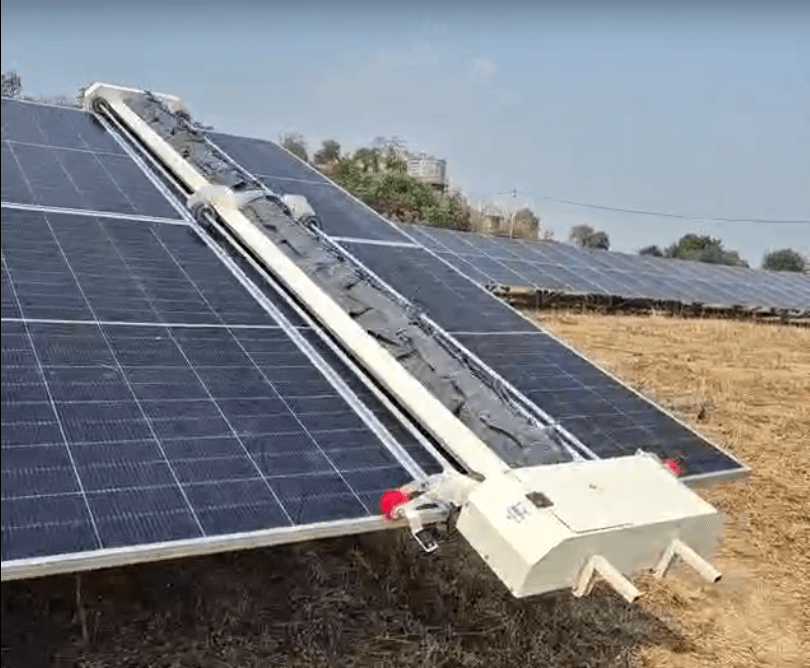
The facility deployed two GLYDE automatic solar panel cleaning robots. These robots provide a permanent solution to dust buildup. The system uses daily waterless cleaning cycles to keep panels clear. This shift has delivered massive operational gains. The plant now sees an annual generation increase of 37.5 MWh. It also saves 140,000 litres of water every year. Using patented dual-pass microfiber technology, the site maintains peak efficiency. The cleaning is now reliable, sustainable, and fully automated.
Environment and soiling at Buldhana
Environment and soiling at Buldhana
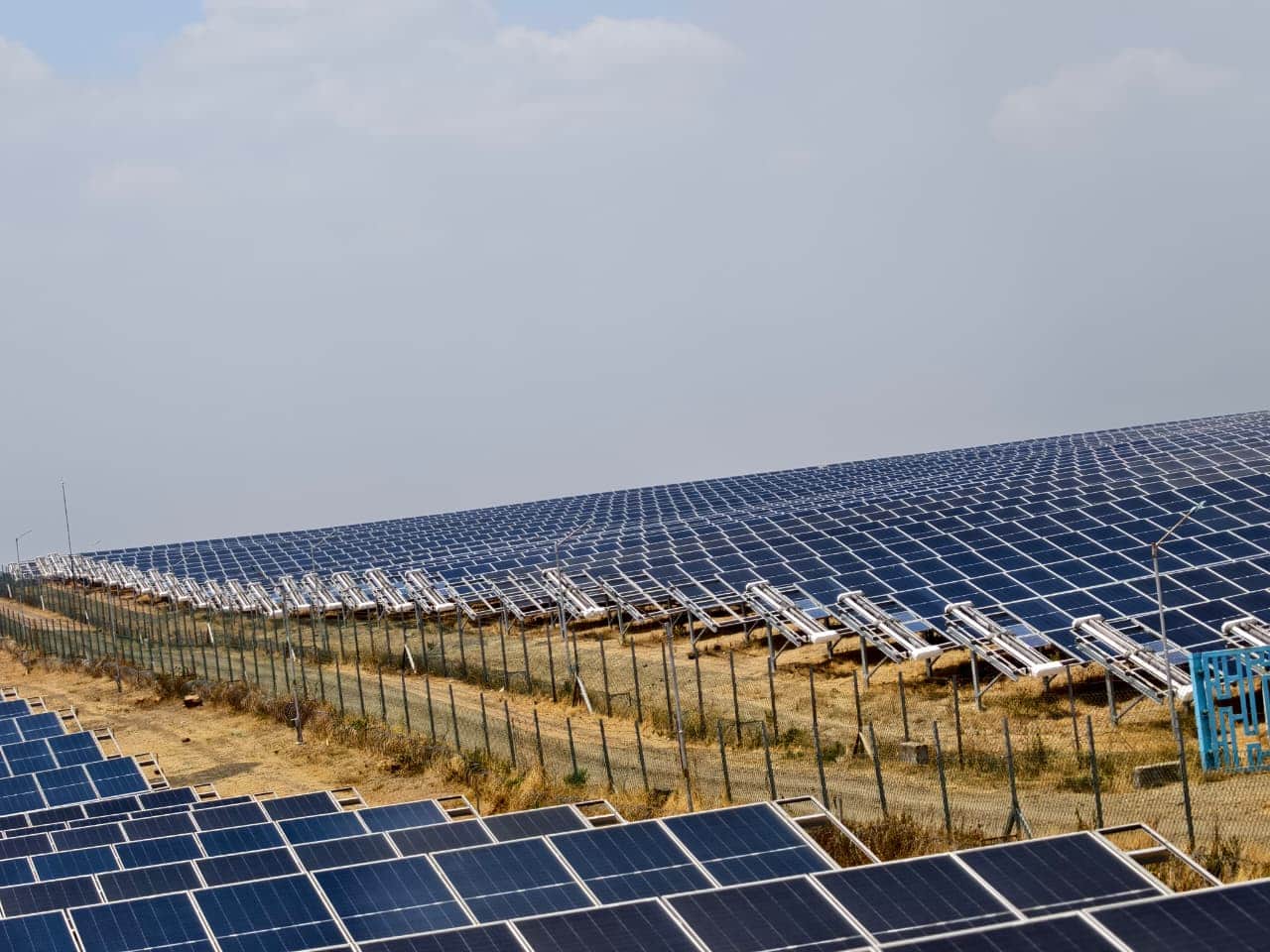
The Buldhana district has a tough, semi-arid climate. This region faces long dry spells and intense heat. These conditions cause dust to build up quickly on ground-mount modules. The dust is often mineral-heavy and very fine. Because it rarely rains, this dust layer hardens on the glass. It creates an abrasive film that is hard to remove. This film blocks sunlight and lowers daily energy yields.
The site geography adds to these challenges. As a ground-mount installation, the array is very exposed. The semi-arid plains of Maharashtra experience frequent wind-borne soil movement. This fine, silty dust settles across the panel surfaces. It causes micro-shading that reduces plant performance. Before the GLYDE fleet arrived, operators had a hard choice. They could accept energy losses or use heavy manual cleaning. Manual washing is difficult in this water-scarce region. It is not a sustainable long-term strategy for a 37.5 MW asset. The transition to autonomous, waterless cleaning solves this. It maintains high transparency without needing extra water.
O&M before Taypro
The O&M struggle before robotic automation
Before using the GLYDE system, the Buldhana plant used manual cleaning. This old method caused many operational problems. It created strain on the staff and led to inconsistent power output. The main challenges were very clear:
- High water consumption: Manual cleaning used huge amounts of water. Water is scarce and expensive in the Buldhana region.
- Labor dependency: A 37.5 MW ground-mount array needs a large workforce. This creates safety risks and human error. Cleaning quality was often inconsistent.
- Audit and PR gaps: The team lacked real-time data. This made it hard to keep a stable Performance Ratio (PR). Dust built up between manual cleaning sessions. This led to unavoidable energy losses.
These traditional methods were not financially sustainable. Manual labor made it impossible to have an optimized schedule. This led to constant soiling buildup. The shift to a Capex-based robotic model solved these issues. It removed the need for manual labor and heavy water use. The site can now maintain a steady cleaning routine every single day.
Fleet and deployment at 37.5 MW
Fleet composition and Capex-led deployment at the 37.5 MW Buldhana site
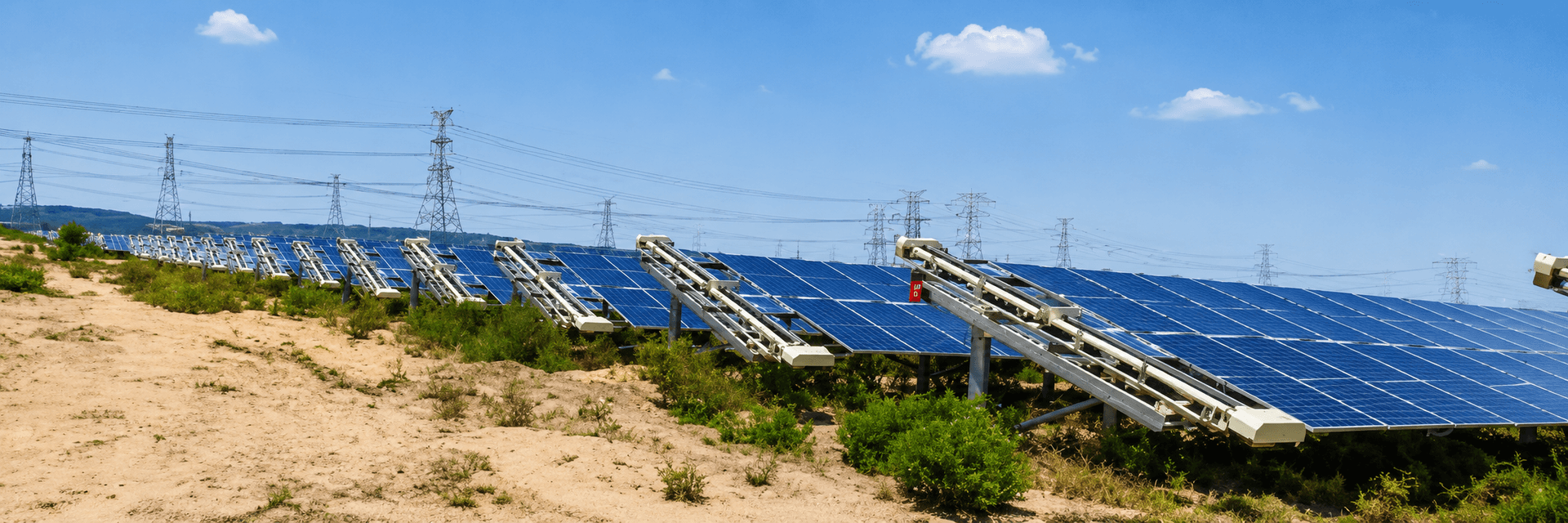
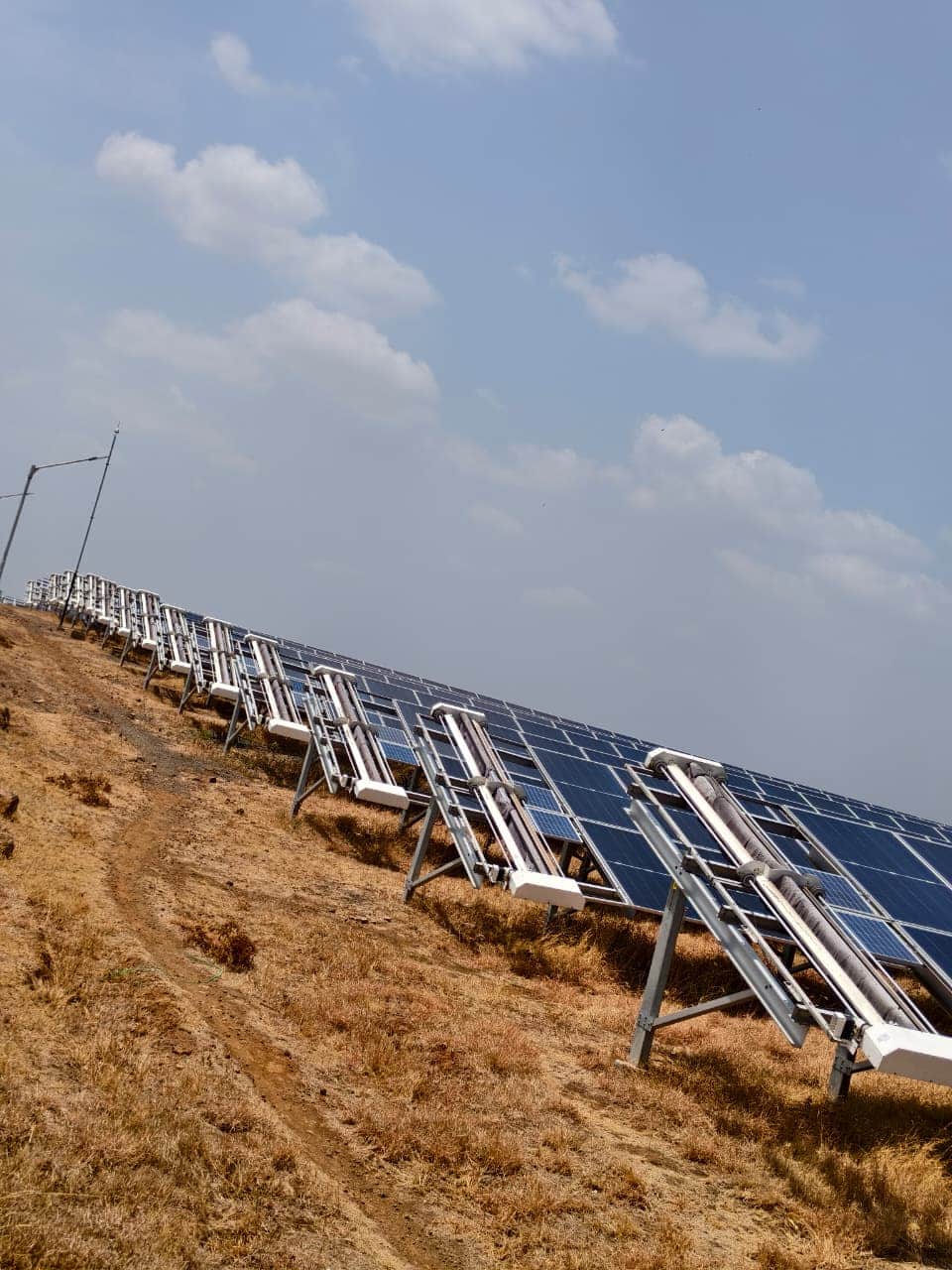
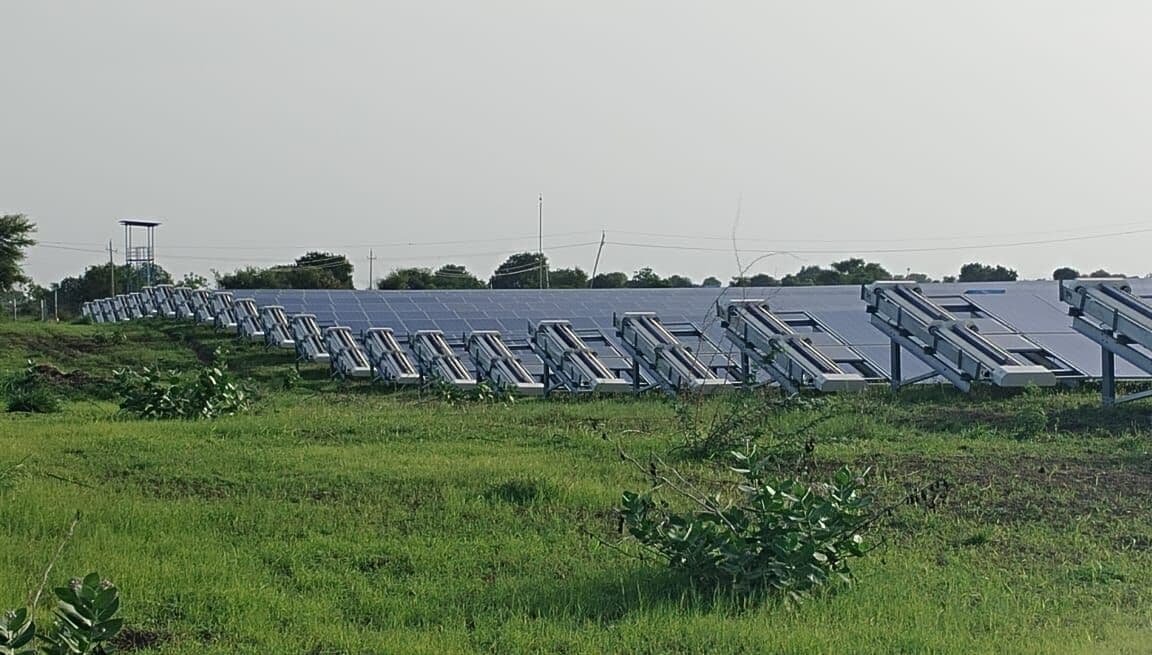
The Buldhana project uses a fleet of two GLYDE units. These robots provide full waterless coverage for the ground-mount array. The owner chose a Capex procurement model. This means they own the robotic assets completely. Ownership allows for better control over long-term costs. It also helps align the budget with the plant's lifecycle goals. This investment focuses on maximizing uptime for the entire asset.
The site uses the GLYDE system for its specialized cleaning. This technology uses a patented dual-pass method. It combines airflow with microfiber to clean the panels deeply. This system removes the need for human workers through several key features:
- Daily autonomous cycles: The robots perform daily waterless cleaning. This prevents dust from building up and hurting the Performance Ratio.
- Optimized surface care: The dual-pass airflow and microfiber method is very gentle. It cleans thoroughly without water. This protects the integrity of the solar modules.
- Connected operations: All cleaning is managed through the NECTYR portal. This gives managers real-time proof of cleaning progress.
The fleet was integrated quickly into the existing site layout. The GLYDE robots are fully autonomous. This allows for easy scheduling through the NECTYR software. The 37.5 MW capacity stays clean and productive. The plant has recovered significant generation capacity. It has also removed the logistics burden of water-based cleaning.
Operations and monitoring
Optimizing daily operations with autonomous robotic cleaning
The Buldhana facility uses a strict, automated schedule. This helps fight the regional dust accumulation. By using two GLYDE robots, the site ensures steady energy output. Manual cleaning is often inconsistent. In contrast, this automated system performs daily waterless cleaning cycles. This high frequency stops long-term soiling. It keeps the plant's performance ratio high.
The NECTYR fleet portal provides full operational accountability. This platform gives O&M teams real-time data. They can see robot locations and battery status. They can also track completed cleaning routes. This allows for precise, inspection-led management. Any mechanical alerts are caught early. This prevents performance issues before they affect power generation.
- Daily cycle precision: GLYDE units perform daily waterless cleaning. This keeps the panel surfaces transparent.
- Integrated monitoring: The NECTYR portal logs every single pass. This provides verifiable data for performance reports.
- Environmental safety: The system is smart. It automatically stops cleaning during high-speed wind events. This protects the hardware and ensures safety.
Results and impact
Quantifiable performance gains and resource optimization
The GLYDE robotic system has changed the Buldhana site. It has transformed the entire O&M profile. By using a daily waterless cleaning regime, the plant has boosted energy production. This uplift shows that keeping panels clean works. It is especially effective in the high-dust environment of Buldhana.
The project also met major sustainability goals. The shift away from water-based cleaning is a big win. It eliminates the heavy use of local water. This aligns the plant with modern environmental standards. The autonomous approach also reduces labor needs. This removes the inconsistencies seen with regional manual cleaning. The results are predictable and high-quality.
- Enhanced generation: Daily cleaning recovers significant annual power. This is much higher than previous manual cycles.
- Resource conservation: The site saves 140,000 litres of water per year. This helps address regional water scarcity.
- Operational efficiency: Fully autonomous technology ensures reliable results. This maximizes the overall performance ratio of the asset.
Peer comparison and planning checklist
Peer comparison and project planning
The Buldhana project shows that technology beats manual labor. A 30 MW plant using manual teams might struggle with output. In contrast, this site maintains 95%+ to 99%+ dust removal per cycle (by robot model). This is because the robots clean daily. Even a 50 MW site using semi-automatic HELYX units faces different challenges. Those sites still require manual pick-and-place steps. The GLYDE system offers more autonomy. It ensures standardized transparency without human overhead. These projects are part of Taypro’s massive global impact. Taypro has deployed over 5 GW of capacity. The company also preserves over 700 million litres of water every year.
Use this checklist to plan your own deployment:
- Assess your site terrain. Confirm GLYDE is compatible with your row lengths for daily cycles.
- Audit your current water infrastructure. Quantify the savings from switching to waterless methods.
- Check your NECTYR connectivity. Ensure you have strong data telemetry across your entire array.
- Set a procurement timeline. Align your Capex investment with your maintenance windows.
- Define your docking protocols. Plan for robot storage to ensure peak uptime.