Executive summary
Looking for a reliable solar panel cleaning robot India? The 11.3 MW utility-scale facility in Butiburi faced serious power issues. High regional soiling levels caused constant power drops. Traditional manual cleaning methods relied on heavy water usage. These methods also lacked the consistency needed for high power output. These labor-intensive practices added high operational costs. They also increased safety risks for the workers. These issues limited the site's ability to maintain peak capacity.
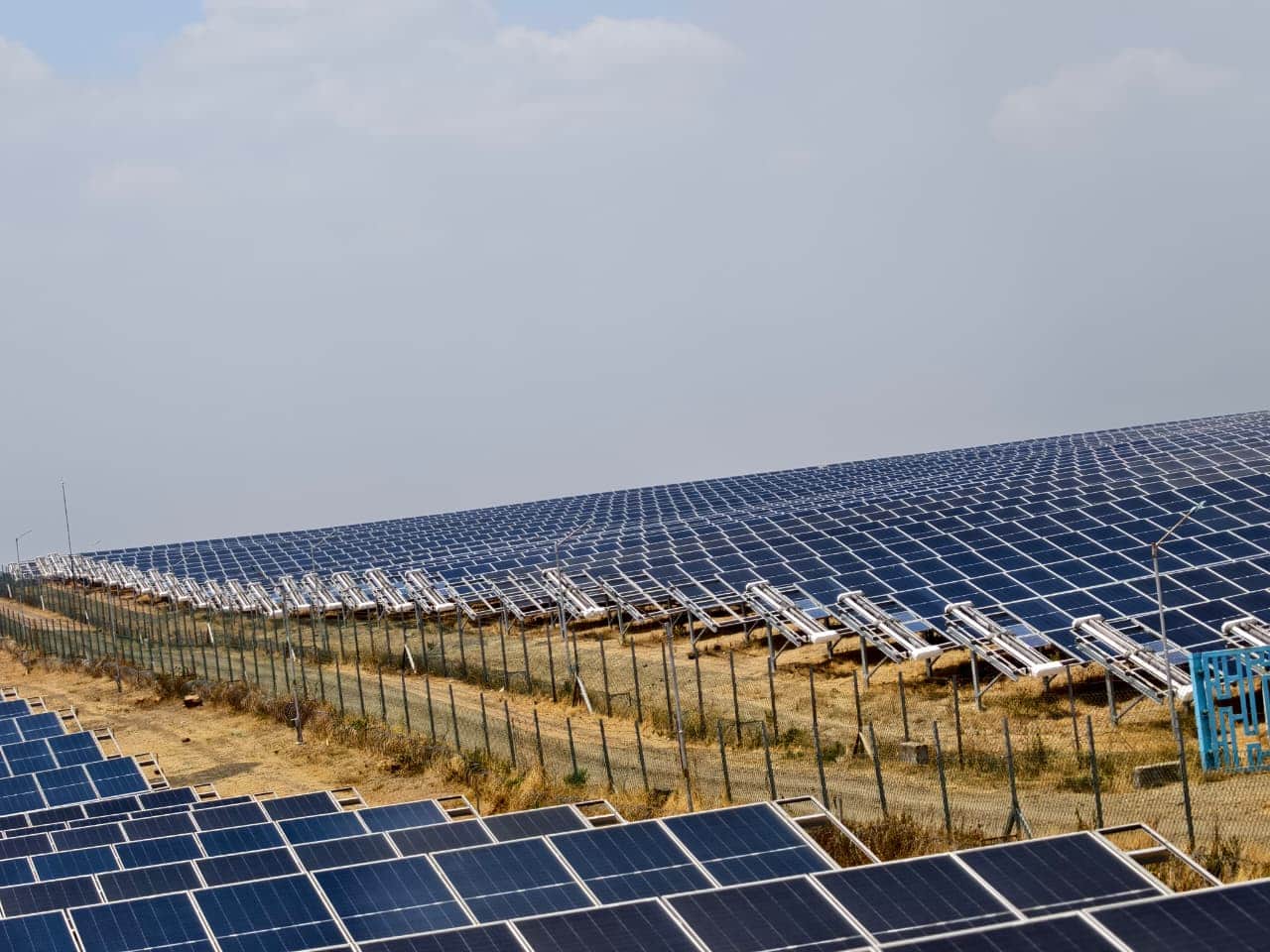
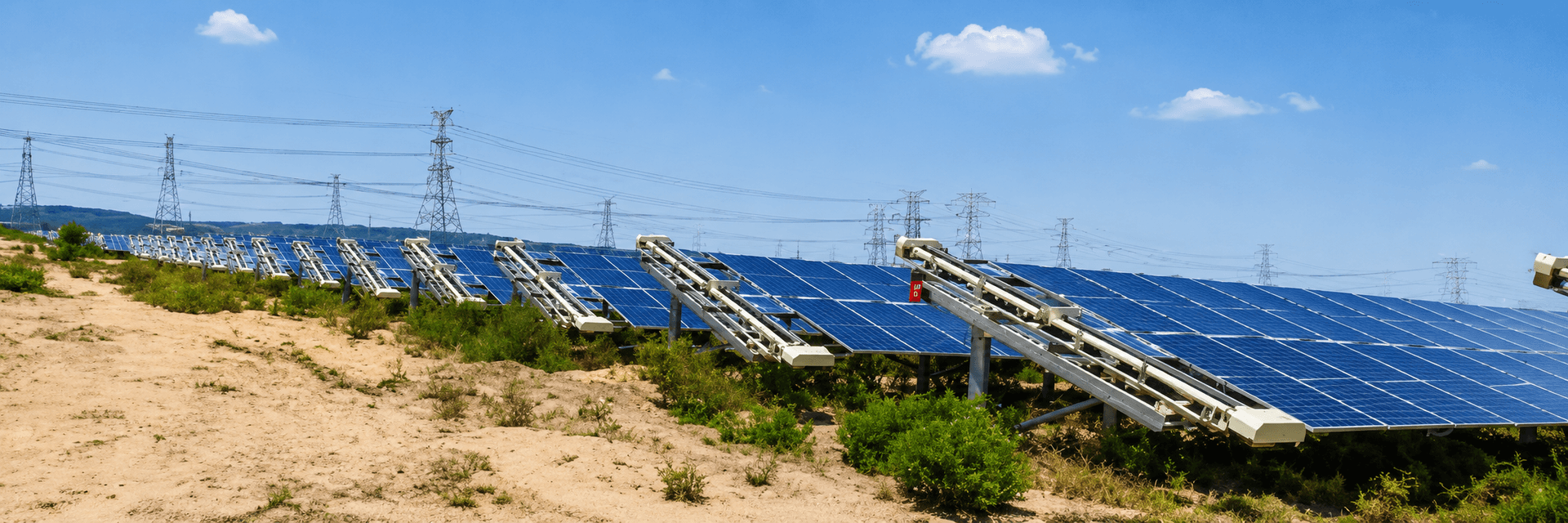
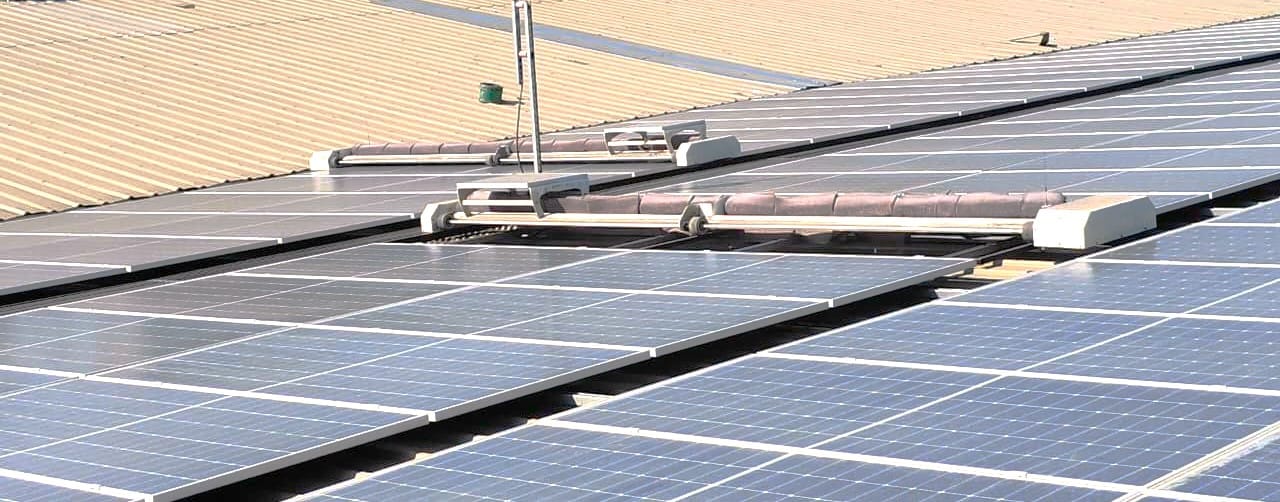
To solve these problems, the facility moved to a Capex model. They deployed four GLYDE automatic robots. These units use patented dual-pass microfiber technology. They perform daily waterless cleaning cycles. This ensures modules remain clear of dust and debris. This deployment saved 42,000L of water every year. It also recovered 11.3 MWh of additional generation annually. This process reduced the site's carbon footprint by 6 metric tons every year.
Environment and soiling at Butiburi
Environmental Challenges and Soiling Profiles at Butiburi
The Butiburi region presents unique environmental challenges. The area experiences long and harsh dry seasons. Local industrial activity contributes heavy particles to the air. Unpaved roads nearby also create significant dust. This results in a persistent layer of fine-grained dust on solar modules. This layer blocks sunlight. It reduces the amount of energy the panels can produce. Unlike coastal regions, the humidity here is very low. This low humidity causes dust to bake onto the module surfaces. It makes the dirt very hard to remove.
Manual dry-brushing is not effective in these conditions. Water-based cleaning is also difficult because water is scarce locally. The site needed a more consistent cleaning protocol. By deploying four GLYDE robots, the site moved to high-frequency maintenance. These robots manage the local environment through several key advantages:
- The patented dual-pass microfiber technology lifts abrasive industrial dust. It does this without scratching the glass surfaces.
- Fully autonomous operation removes the need for manual site access. This is vital during peak soiling periods.
- Precision scheduling via NECTYR matches cleaning cycles with local weather. It also accounts for daily dust settlement patterns.
O&M before Taypro
Operational Hurdles and Manual Cleaning Constraints in Butiburi
Before implementing Taypro's autonomous solutions, the 11.3 MW Butiburi facility used manual labor. This approach created major logistical problems. The site depended heavily on water tanker deliveries. Sourcing and transporting water was both costly and unreliable. This often caused delays in the cleaning schedule. Modules would stay covered in industrial dust for long periods. This led to significant energy losses.
Manual cleaning also lacked the consistency needed for high power output. Labor-intensive washing schedules were often unorganized. They were also very difficult for managers to audit. This resulted in large gaps in cleaning coverage across the arrays. These inconsistencies caused unpredictable energy losses. Human-led teams could not match the high-frequency cleaning needed. This is a major requirement for modern utility-scale solar sites.
Fleet and deployment at 11.3 MW
Fleet and Deployment at 11.3 MW
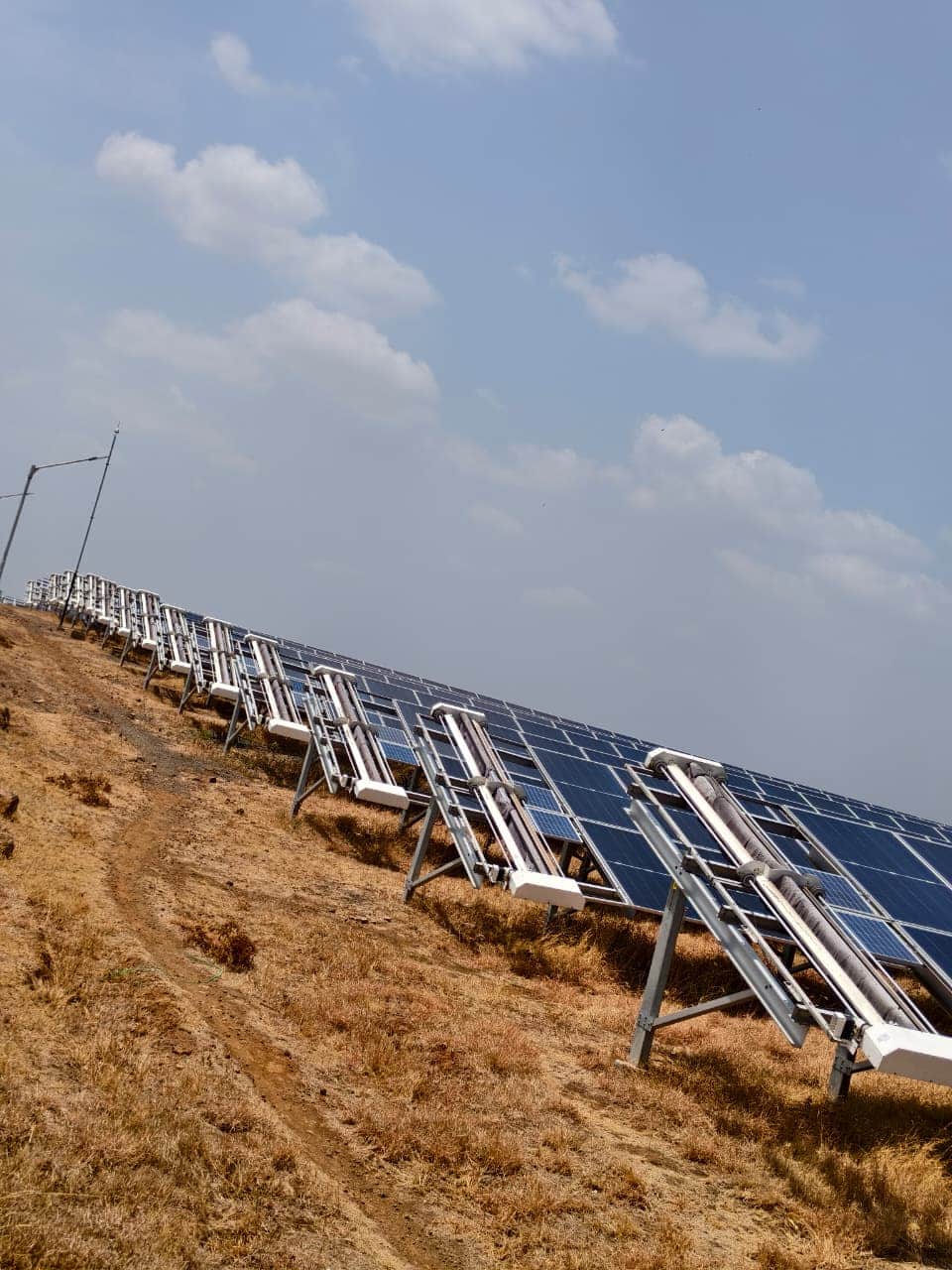
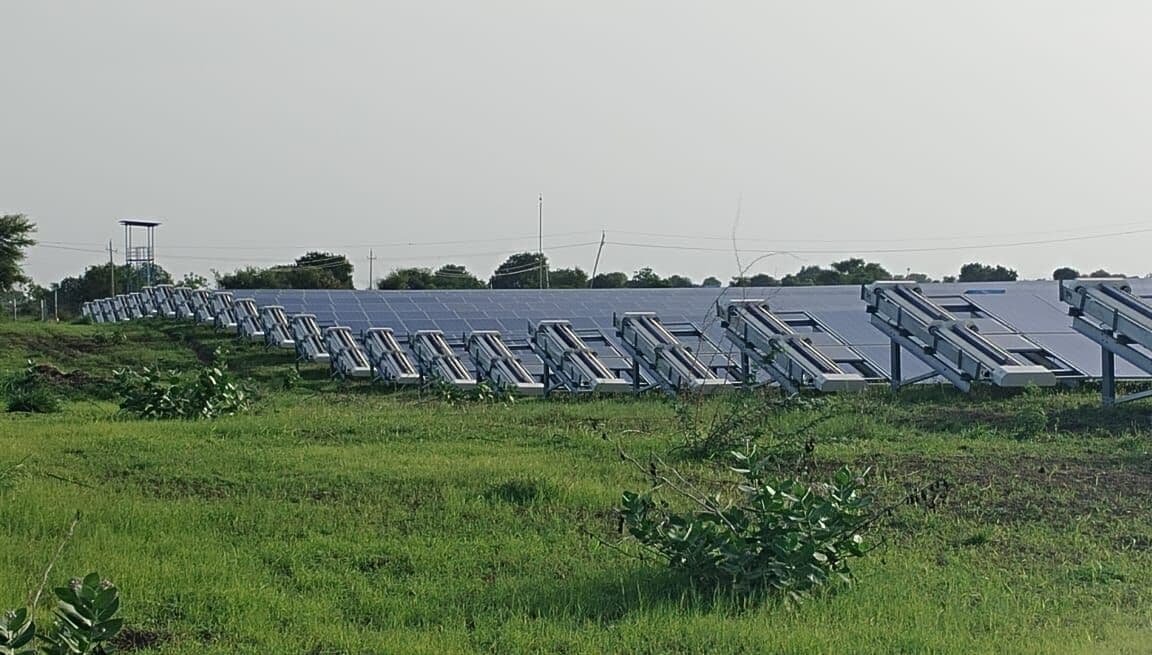
The plant addressed the soiling problem by choosing a Capex procurement model. They integrated four GLYDE robots into the fixed-tilt infrastructure. This deployment replaces manual labor with high-frequency autonomous work. This ensures that the full 11.3 MW capacity stays under constant oversight. The GLYDE system is perfectly suited for this plant layout. It provides a standardized and repeatable cleaning cycle. Manual interventions could not sustain this level of performance.
- Daily waterless cleaning cycles are managed through NECTYR. This ensures modules stay clear of regional dust.
- The GLYDE system uses patented dual-pass microfiber technology. This maintains glass integrity while removing thick industrial buildup.
- The four units recover 11.3 MWh of additional annual generation. They also remove the site's dependency on water.
- The project achieves a 6 metric ton reduction in CO2 annually. This comes from better efficiency and lower water transport needs.
Operations and monitoring
Operations and monitoring with NECTYR
The Butiburi site uses the NECTYR fleet portal for management. This gives the team detailed control over the four GLYDE robots. This digital layer replaces manual guesswork with data-driven scheduling. By using daily waterless cleaning cycles, the facility prevents heavy soiling losses. NECTYR provides the necessary accountability for the O&M team. It logs every single cleaning pass. This ensures all performance metrics are tracked in real time.
- Nectyr automatically triggers and monitors daily autonomous cleaning cycles.
- The system manages wind holds through integrated sensor feedback. This pauses the robots during extreme weather to protect them.
- The inspection-led approach ensures 99 percent cleaning efficiency across the site.
- Centralized digital logging provides site managers with precise and auditable reports. This makes every cleaning event easy to track.
Results and impact
Sustainable performance and operational gains
The implementation of GLYDE robotics marks a shift toward high-precision management. The facility replaced manual tasks with a fully automated waterless system. This successfully reduced the effect of regional soiling on energy production. The plant now operates at its best capacity. It no longer faces the burden of water procurement. It also avoids the high costs of manual labor. The autonomous system provides reliable and repeatable cleaning results. These results sustain long-term power output for the owner.
- Daily cleaning cycles helped recover a large amount of annual generation.
- The waterless process leads to substantial yearly water conservation at the site.
- The site's environmental impact is lower. This is due to the significant reduction in annual CO2 emissions.