Executive summary
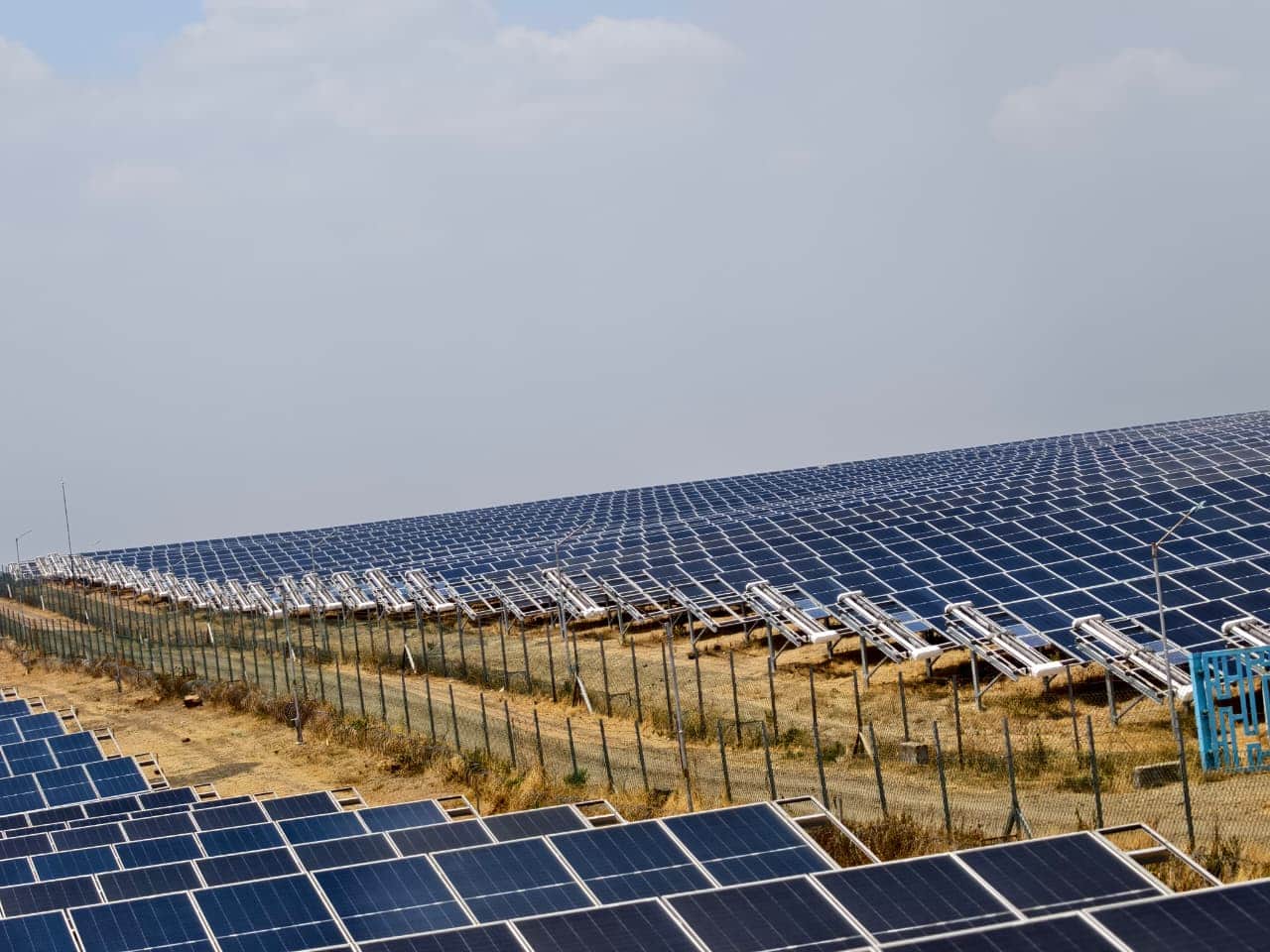
The Chhayan plant is a 150 MW ground-mount facility. It sits on the arid edge of the Thar Desert in Rajasthan. This location presents a massive operational challenge for solar asset managers. Frequent dust storms and high levels of airborne particles are common here. These factors cause rapid dust buildup on solar modules. This soiling often causes a drop in the performance ratio (PR) very quickly. This drop usually happens before the dust is even visible to the naked eye.
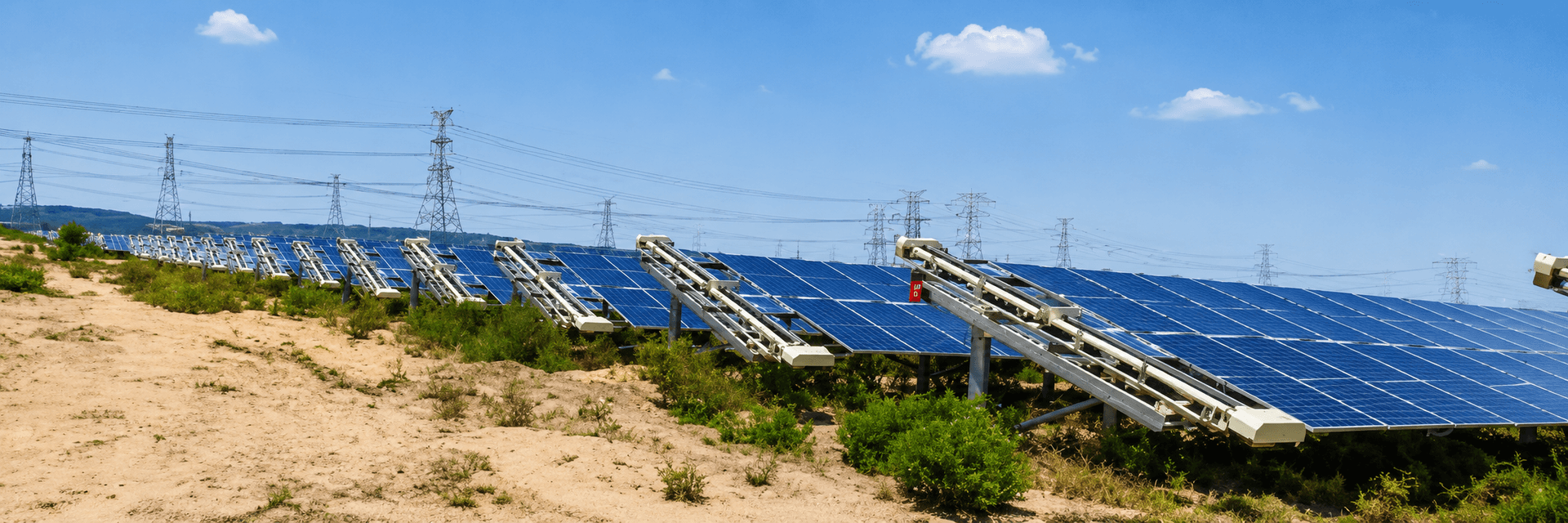
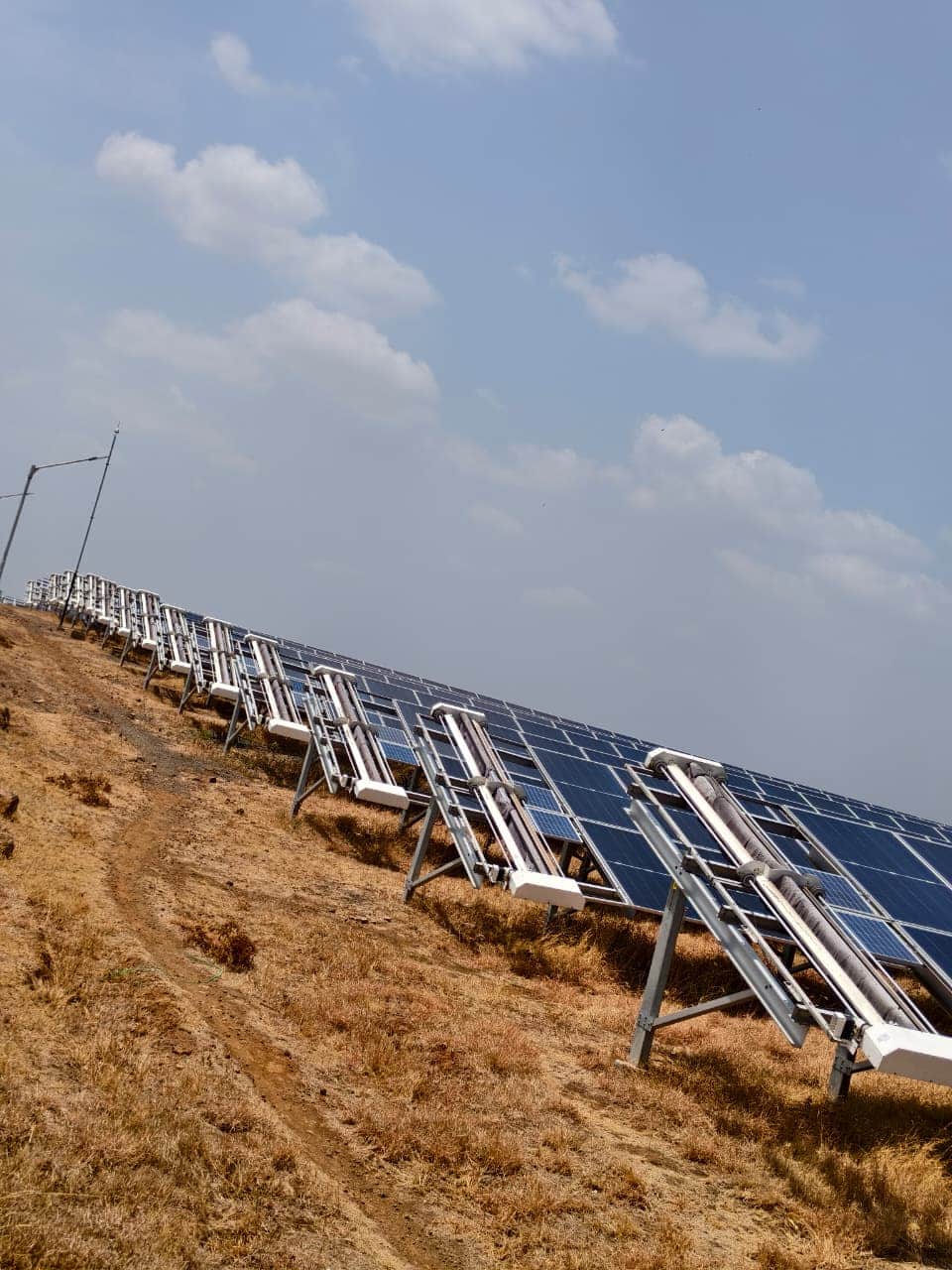
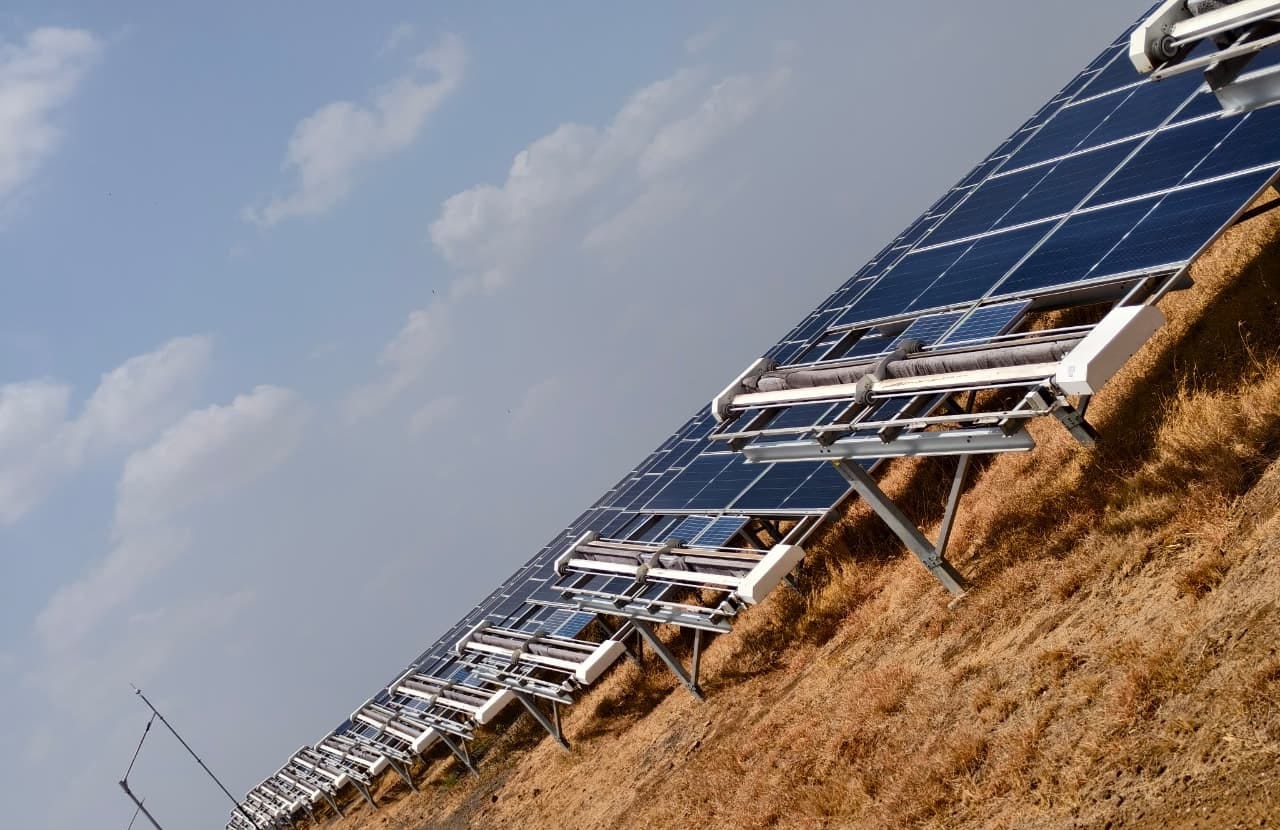
In this water-stressed region, traditional cleaning methods are not viable. Relying on water tanker logistics is far too expensive. It is also very unreliable for a large-scale plant. To solve these problems, the facility moved to a CAPEX procurement model. They deployed a fleet of 25 GLYDE automatic cleaning robots. These robots use patented dual-pass microfiber technology. They perform daily waterless cleaning cycles to keep the modules clear.
This autonomous approach has changed how the plant operates. It has removed the safety risks of manual labor. It has also removed the inefficiencies of human crews. The results are clear and verifiable. The deployment has recovered 5.63 GWh of generation every year. It has also saved 21 million liters of water annually. This shows the power of automated dry cleaning in extreme desert conditions.
Environment and soiling at Chhayan, rajasthan
Managing Thar-edge Soiling Dynamics at the Chhayan 150 MW Plant
The Chhayan 150 MW facility faces a harsh environment. It is located right on the edge of the Thar Desert. This region experiences frequent and intense dust storms. These storms carry high concentrations of fine airborne particulates. These particles settle on the solar panels in a consistent layer. This layer of grime is often very fine. Because it is so fine, it is hard to see during a normal walk-through.
This desert dust creates a specific type of soiling problem. The dust can cause a measurable drop in the performance ratio (PR). This drop often occurs long before a technician can see the dirt. This means the plant is losing energy while the panels still look relatively clean. Managing this "invisible" soiling is vital for maximizing revenue. Traditional cleaning methods cannot keep up with this specific desert profile.
In an arid area like Rajasthan, water is a precious resource. Most solar plants in this region rely on water tankers for cleaning. However, water-based cleaning is unsustainable here. The cost of transporting water to remote desert sites is very high. It is also difficult to schedule tankers reliably. The scale of a 150 MW plant makes manual wet-washing a logistical nightmare. This creates a gap between when dust settles and when it is cleaned.
To close this gap, the project uses 25 GLYDE automatic robots. These robots provide a consistent solution for Thar-edge soiling. They follow a daily waterless cleaning schedule. This ensures that the modules stay clear of fine particulates. The system provides several critical advantages for this specific site:
- Daily Soiling Mitigation: The robots perform regular, autonomous dry cleaning. This prevents fine dust from settling and hardening on the glass.
- Downwind Row Protection: Dust often settles more heavily in downwind rows. The GLYDE units address these specific performance dips.
- Significant Water Conservation: Moving to waterless technology saves 21 million liters of water every year. This is vital for the local ecosystem.
- Verifiable Cleaning Data: Every cycle is logged through NECTYR. This provides proof of cleaning that manual labor cannot offer.
By using this automated approach, the plant stays ahead of the dust. It has successfully recovered 5.63 GWh of generation annually. This helps offset the production losses caused by the Thar Desert environment.
O&M before Taypro
Managing Thar-Edge Soiling: The Transition From Manual Crews to Autonomous Robotics
Before the Taypro deployment, the 150 MW Chhayan project faced many operational hurdles. The location on the Thar Desert edge was the main problem. Frequent dust storms meant the solar array was always under threat. A fine layer of grime would constantly cover the modules. This desert-specific dust profile was very difficult to manage. It caused drops in the performance ratio (PR) very early in the day.
The plant could not rely on traditional wet-wash methods. Rajasthan is a water-scarce state. This makes tanker-based cleaning both expensive and hard to manage. For a 150 MW site, the logistics are massive. Coordinating enough water tankers is often impossible. Manual crews also struggled to keep up. The dust returns so quickly that the crew could never finish the whole site before it got dirty again. This created a constant cycle of loss.
Another major issue was the lack of visibility. Managing a large crew across 150 MW is difficult. Managers could not easily verify if every single row was cleaned. There was no way to get block-level completion proof. This meant that some areas might be missed entirely. This created significant gaps in the plant's maintenance data. The lack of accountability led to unpredictable energy yields.
The project decided to shift from manual labor to 25 GLYDE automatic robots. This change addressed the core inefficiencies of the old model. The new system provided four main improvements:
- Efficient Dust Management: Autonomous cycles prevent the rapid buildup of desert dust. This keeps the panels cleaner for longer periods.
- Reliable Logistics: The robots do not need water tankers. This removes the dependency on erratic water deliveries in dry districts.
- Data-Driven Accountability: NECTYR logs every single operation. This provides a digital record of cleaning that manual crews cannot match.
- Better Asset Performance: Daily cleaning prevents the performance dips seen in downwind rows. This recovers energy that was once lost.
Fleet and deployment at 150 MW
Fleet Integration and Commissioning at the 150 MW Chhayan Array
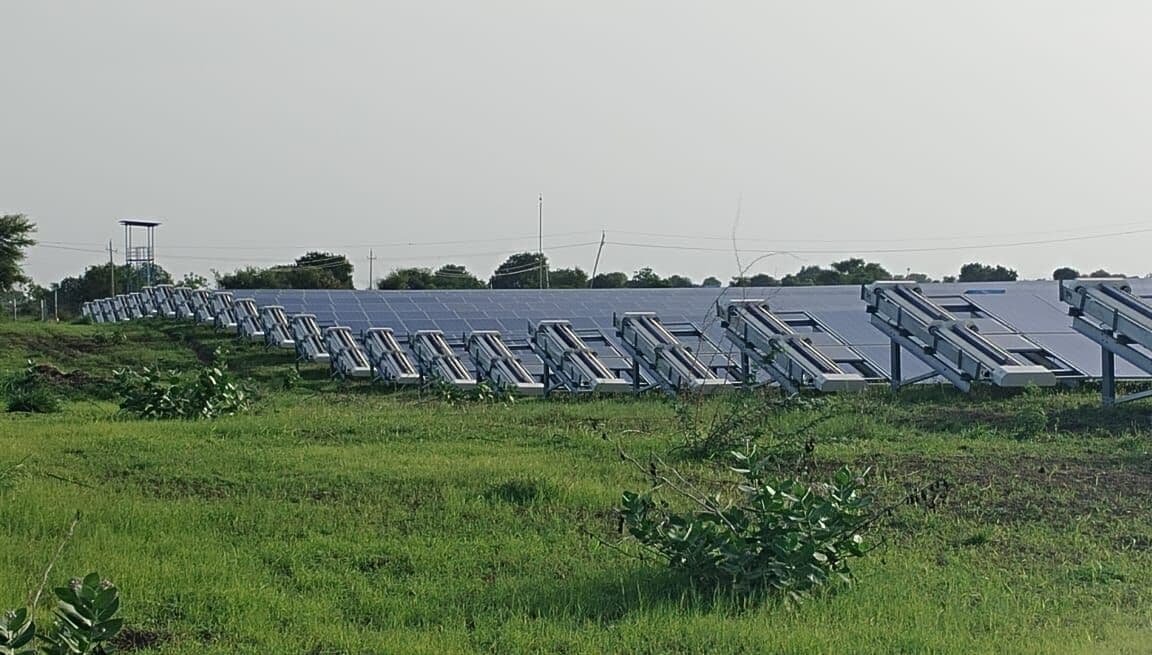
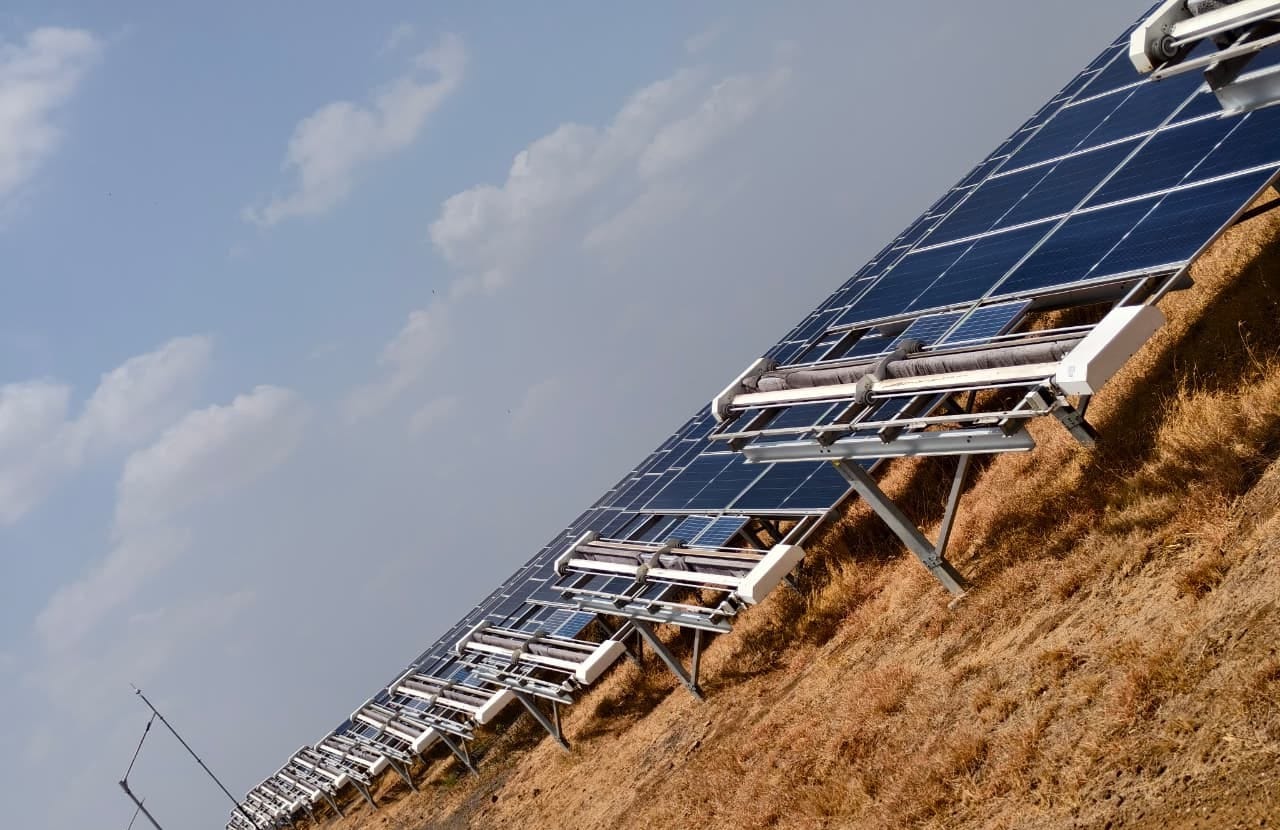
The deployment at Chhayan followed a CAPEX procurement model. This means the site operators purchased the robot hardware. Owning the robots allows for better control over long-term costs. It also gives the operators full control over the asset lifecycle. The fleet consists of 25 GLYDE robots. These were specifically chosen for the Rajasthan climate. They are built to handle the fine dust and heat of the region.
The commissioning process was very detailed. Engineers had to map the entire site topography. They needed to ensure the robots could navigate the specific row lengths. The plant uses fixed-tilt mounting structures. The GLYDE units were designed to work perfectly with this layout. They were installed as a permanent cleaning layer. This replaced the inconsistent manual cleaning that the plant used before.
Each GLYDE robot uses patented dual-pass microfiber technology. This is a core Taypro technology. The first pass uses airflow to lift the dust. The second pass uses microfiber to wipe the surface clean. This method is highly effective and requires no water. It protects the module surface while ensuring high performance. This is ideal for a site in a water-scarce district.
The operational deployment is managed through the NECTYR software. NECTYR provides continuous oversight of the entire fleet. The team can monitor battery health remotely. They can also check cleaning logs and mechanical diagnostics. This allows the site to run on a daily waterless cleaning schedule. This frequency is much higher than manual crews could ever achieve. It directly solves the problem of rapid dust return.
During commissioning, the team tested the RF mesh connectivity. This is a vital part of the system. The network allows the robots to communicate across the large 150 MW array. It ensures that the fleet can be adjusted in real time. If a certain block needs more attention, the schedule can change. This CAPEX investment has moved the plant from reactive to proactive. The facility now uses data to protect its energy output.
Operations and monitoring
Optimizing Performance via Daily Waterless Cleaning Cycles
The 150 MW ground mount array in Chhayan faces constant soiling. The dust from the Thar Desert settles quickly. This often causes performance ratio (PR) dips. These dips are most common in the downwind rows. In these rows, fine particulates settle very fast. Manual cleaning could not match the speed of this dust return. The plant needed a more consistent way to clean the panels.
The solution was the deployment of 25 GLYDE robots. This system replaced manual labor with daily waterless cleaning cycles. The robots use dual-pass microfiber technology to clean the glass. This process is fast and highly effective. It removes the need for water tankers. This eliminates both the environmental cost and the logistical burden. The site has moved from reactive maintenance to a scheduled recovery cycle.
Operations are now highly structured and data-driven. The team uses several key tools and methods:
- NECTYR Fleet Oversight: The team manages the entire fleet through NECTYR. This platform gives real-time visibility into the robots. It tracks cleaning logs and battery health automatically.
- Granular Accountability: Manual crews often have oversight gaps. The robotic fleet provides block-level proof of completion. Managers can verify every single pass through the NECTYR dashboard.
- Climate Resilience: The system is built for the desert. Cleaning schedules are integrated with wind hold protocols. This prevents the robots from working during dangerous weather.
- Consistent Performance: By cleaning every day, the site avoids the "visual soiling" trap. This ensures a steady energy harvest throughout the year.
This automated strategy works well for high-capacity plants. It proves that you can maintain peak efficiency even in water-scarce regions. The Chhayan project shows that removing water-intensive cleaning leads to a more scalable O&M model. This model directly improves the annual power output of the site.
Results and impact
Quantifiable Operational Gains at the Chhayan Solar Site
The transition to autonomous robotics has changed the Chhayan plant. The 150 MW facility has a completely new O&M profile. By using a daily cleaning cadence, the site has solved the soiling problem. It has mitigated the heavy dust typical of the Thar Desert. The performance data shows clear, massive gains. The energy recovered far exceeds what manual cleaning could ever achieve.
The impact goes beyond just energy generation. The move to waterless technology has saved a huge amount of resources. It has eliminated the high costs of water tankers. Managing water logistics in Rajasthan is very difficult. The project is now a benchmark for resource conservation. It reduces annual water consumption by 21 million liters. This makes the plant more sustainable and more profitable.
The benefits of this deployment can be seen in four main areas:
- Systematic Yield Recovery: The GLYDE fleet recovers energy that was lost to dust. This keeps the plant operating near its theoretical peak capacity.
- Environmental Conservation: The site preserves vital water resources. It also reduces the need for external tanker logistics.
- Operational Certainty: NECTYR monitoring provides 24/7 visibility. Managers receive verifiable proof of every cleaning pass. This allows for better, data-driven decisions.
- Long-term Financial Value: The combination of higher generation and zero water use stabilizes the budget. This provides a predictable return for the asset owner.
This project proves that large solar farms can thrive in demanding climates. Automated waterless cleaning is the best way to maintain performance. It ensures consistency across large, dust-prone solar infrastructure. The Chhayan plant is now a model for efficient desert solar operations.
Peer comparison and planning checklist
Peer Comparison and Implementation Planning
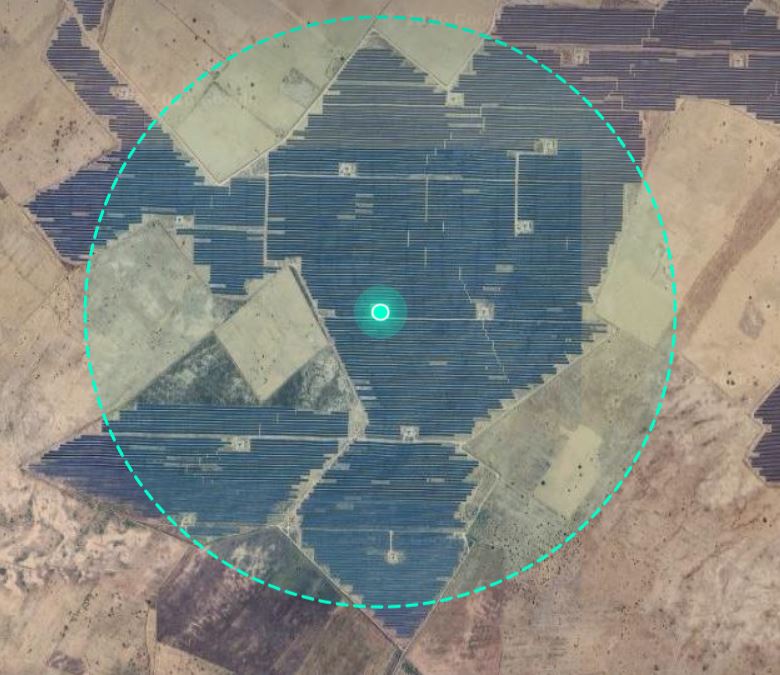
The Chhayan 150 MW site is part of a major Rajasthan solar corridor. It sits near other large projects like Akhadana (360 MW) and Bhadla (300 MW). These plants all deal with Thar-edge soiling. However, Chhayan uses a different approach. It relies on the high-frequency precision of the GLYDE fleet. Many larger assets still use manual or low-frequency cleaning. This often leads to rapid performance drops in downwind rows.
Managing a 150 MW block requires a shift in strategy. You must move away from the volatility of water tankers. In water-stressed Rajasthan, tankers are a major cost. By choosing a CAPEX-based strategy, Chhayan avoids these costs. The project also avoids the labor issues seen at larger sites. Manual crews often have inconsistent cleaning logs. Chhayan uses NECTYR to maintain 99%+ dust removal per cycle. This sets a standard that manual labor cannot reach.
If you are planning a similar deployment, follow this checklist:
- Define Cleaning Windows: Use NECTYR to set daily cleaning schedules. Match these schedules to local dust patterns.
- Verify Site Infrastructure: Check your row-end spacing. Ensure the ground is level enough for GLYDE robots to dock and travel.
- Audit Your Logistics Budget: Look at your current water-tanker costs. Use this to calculate the ROI of a CAPEX robotic system.
- Set Up Connectivity Early: Deploy your RF mesh and NECTYR system during construction. This ensures seamless telemetry from day one.
- Use Block-Level Auditing: Use the NECTYR dashboard to track soiling trends. Focus on downwind rows to ensure data-driven cleaning.
By following these steps, operators can secure their energy yields. They can also protect their assets from the harsh desert environment. The Chhayan case study proves that automation is the path to reliable solar O&M.