Executive summary
solar panel cleaning robot India, The 26.3 MW solar facility in Hariwansh, Nagpur, faced constant energy losses. Severe regional soiling caused heavy dust to cover the modules. Manual cleaning methods struggled to keep the panels clear. This led to unpredictable power drops and high maintenance costs. To fix these issues, the asset owners chose a Capex-driven strategy. They wanted long-term efficiency and better resource management.
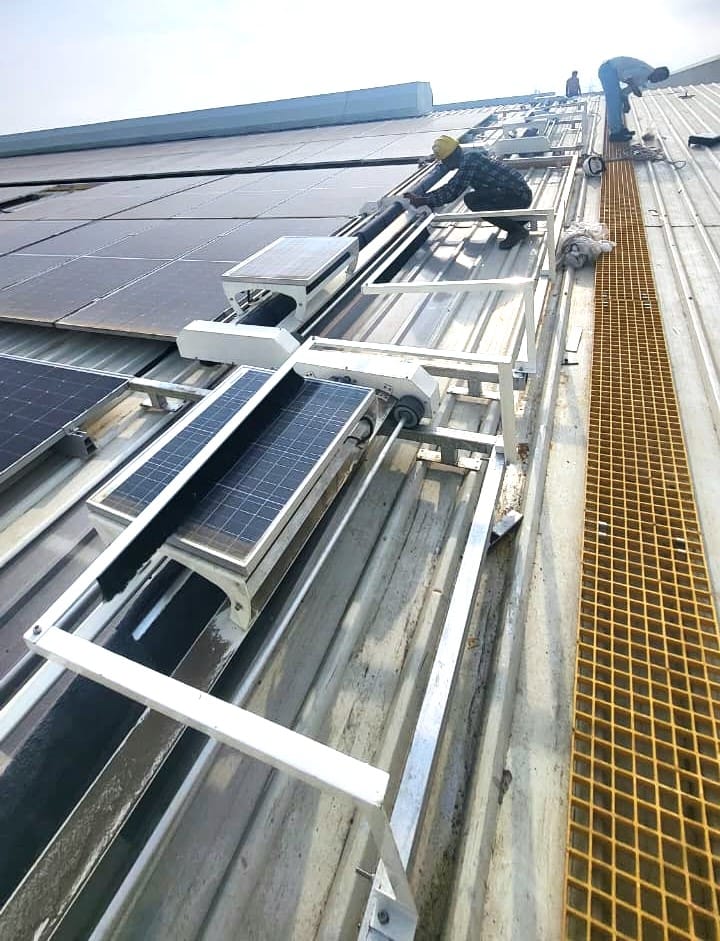
Taypro solved these problems by deploying three GLYDE automatic robots. These robots use patented dual-pass microfiber technology. They perform daily waterless cleaning cycles to stop dust buildup. This change recovered 26.3 MWh of extra energy every year. The system also saved 98,000 litres of water annually. The project proves that autonomous, waterless maintenance works. It reduces the plant's carbon footprint by 13 metric tons per year.
Environment and soiling at Hariwansh - Nagpur
Regional Soiling Patterns in Nagpur
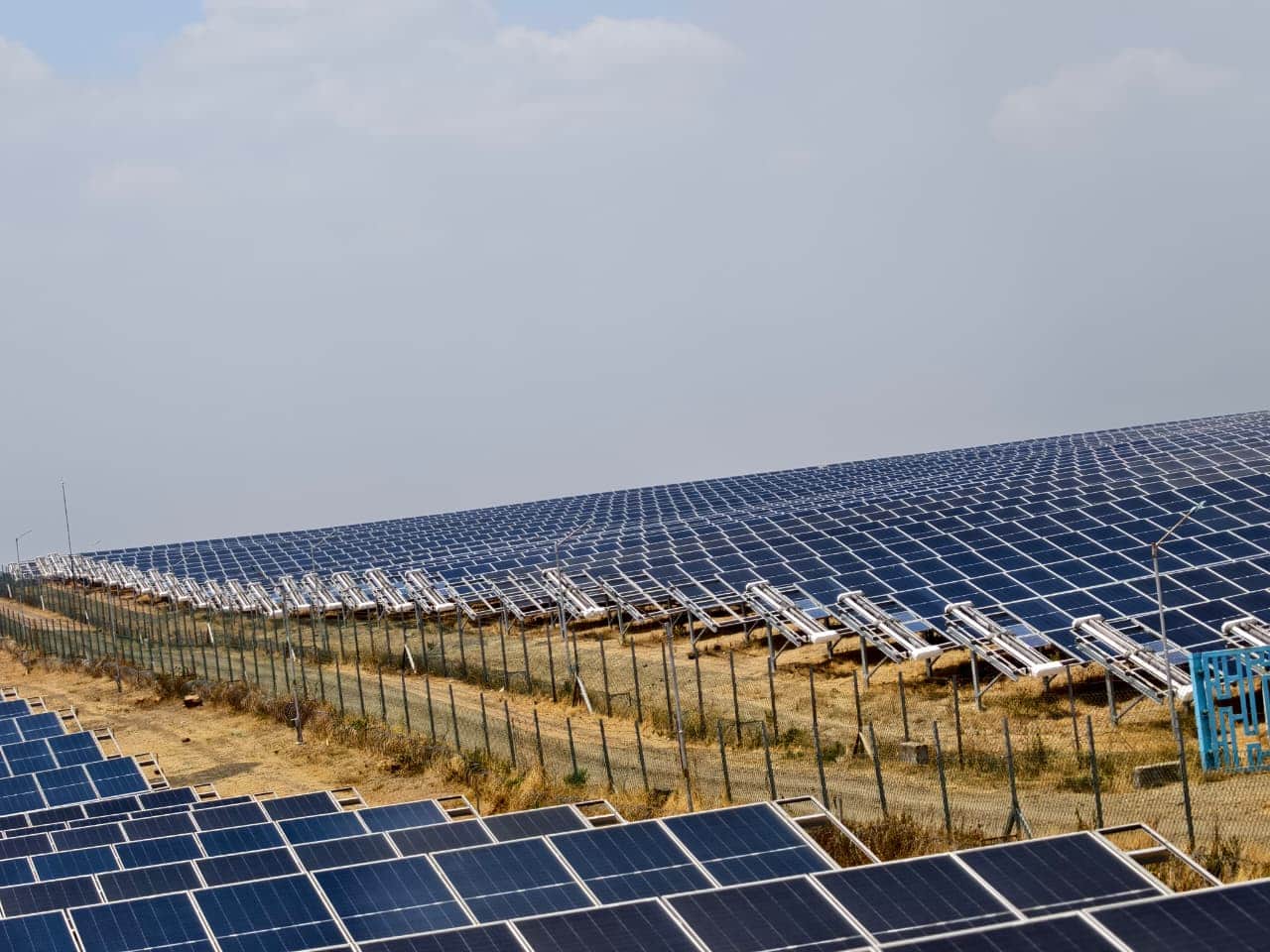
The Hariwansh site is located in the Nagpur district. This area has extreme seasonal temperature shifts. It also has a very dry climate. These conditions create a high-pressure environment for solar farms. The region sees long periods of intense heat. High levels of dust from nearby industry and farms float in the air. Without active cleaning, these fine particles settle on the modules. During summer, this dust forms a hard, opaque layer on the glass.
The high solar irradiance in the Vidarbha region makes this worse. When dust hits hot glass, it can bond to the surface. This creates localized shading on the solar cells. Shading leads to immediate drops in energy output. It also increases the risk of hot spots on the modules. The GLYDE robot fleet helps prevent these risks. The robots remove debris before it can fuse to the glass. By running daily waterless cleaning cycles, the system keeps the modules clean. This ensures the Hariwansh plant produces maximum energy despite the heavy regional dust.
O&M before Taypro
Operational Pain Points: The High Cost of Manual Maintenance
Before using Taypro robots, the 26.3 MW Hariwansh plant faced major O&M challenges. The site suffered from unpredictable energy shortfalls. This was caused by heavy soiling patterns common in Nagpur. Traditional manual cleaning could not keep up with the dust. These old methods also created several operational hurdles:
- Resource Scarcity: Manual washing used huge amounts of water. This was not sustainable because water is scarce in this region. Buying and moving water was also very expensive.
- Labor Instability: Managing a large cleaning crew was difficult. It led to inconsistent schedules and high management costs.
- Audit and Quality Gaps: Manual teams could not provide clear records. It was hard to verify if the cleaning was actually effective. This led to gaps between planned and actual energy output.
The buildup of dirt caused a continuous loss of revenue. Management needed a new approach. They wanted to move to a waterless, autonomous model. This would remove the need for manual labor and stabilize the annual energy yield.
Fleet and deployment at 26.3 MW
Fleet and Deployment Strategy at 26.3 MW
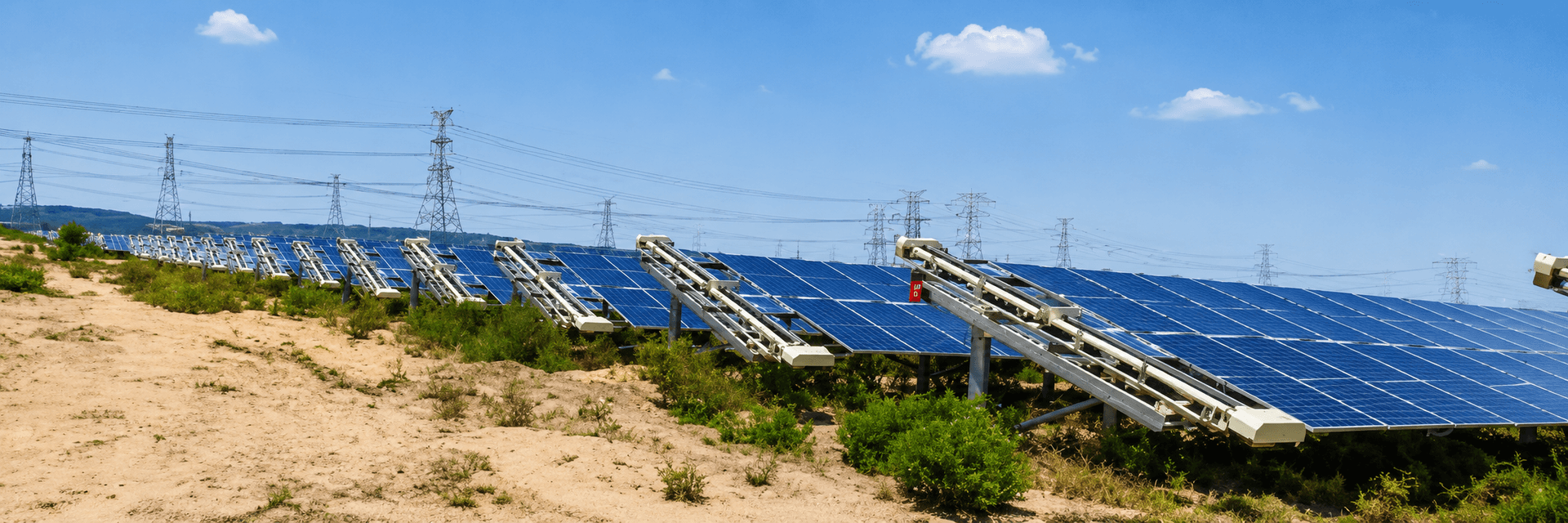
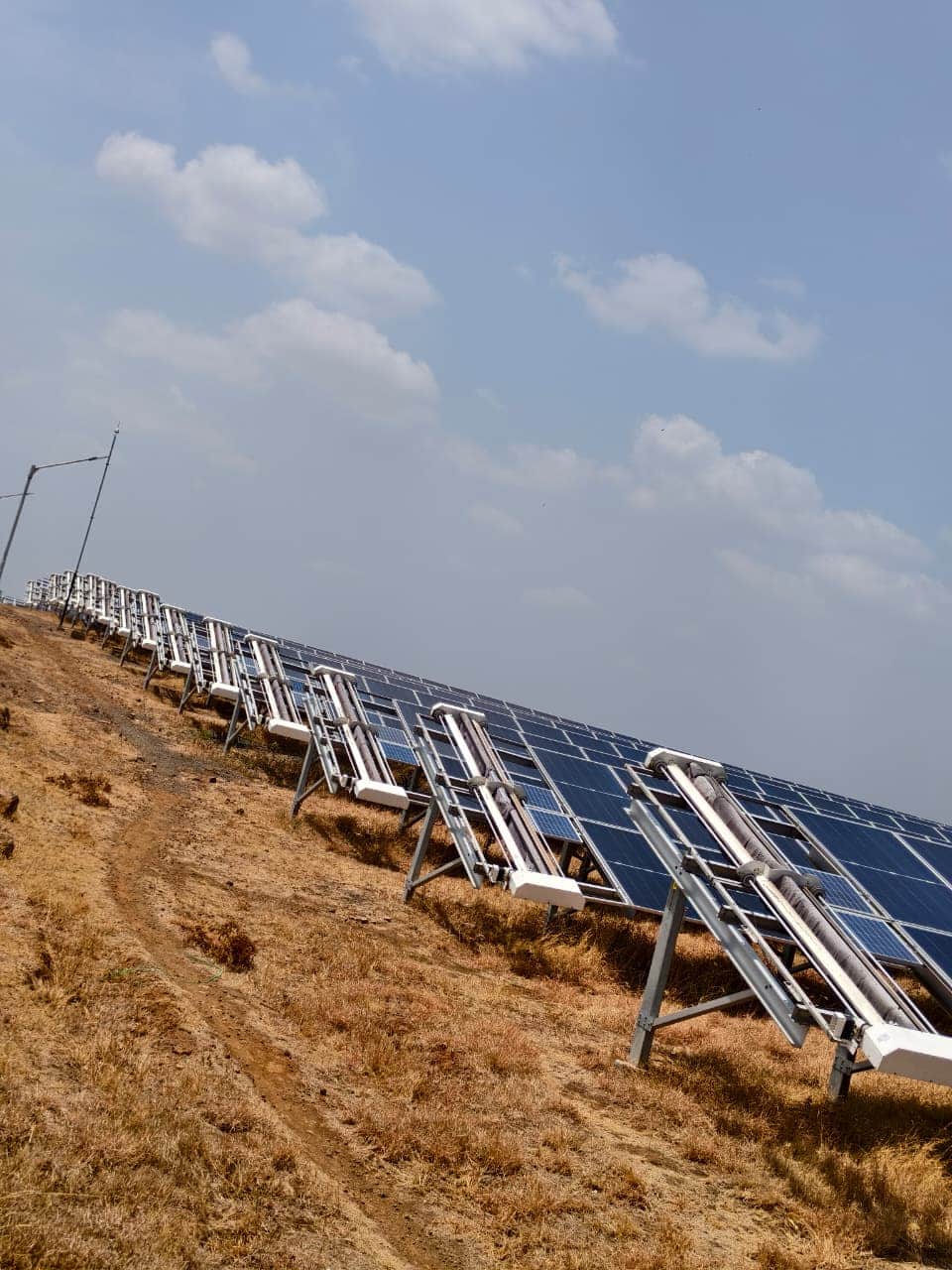
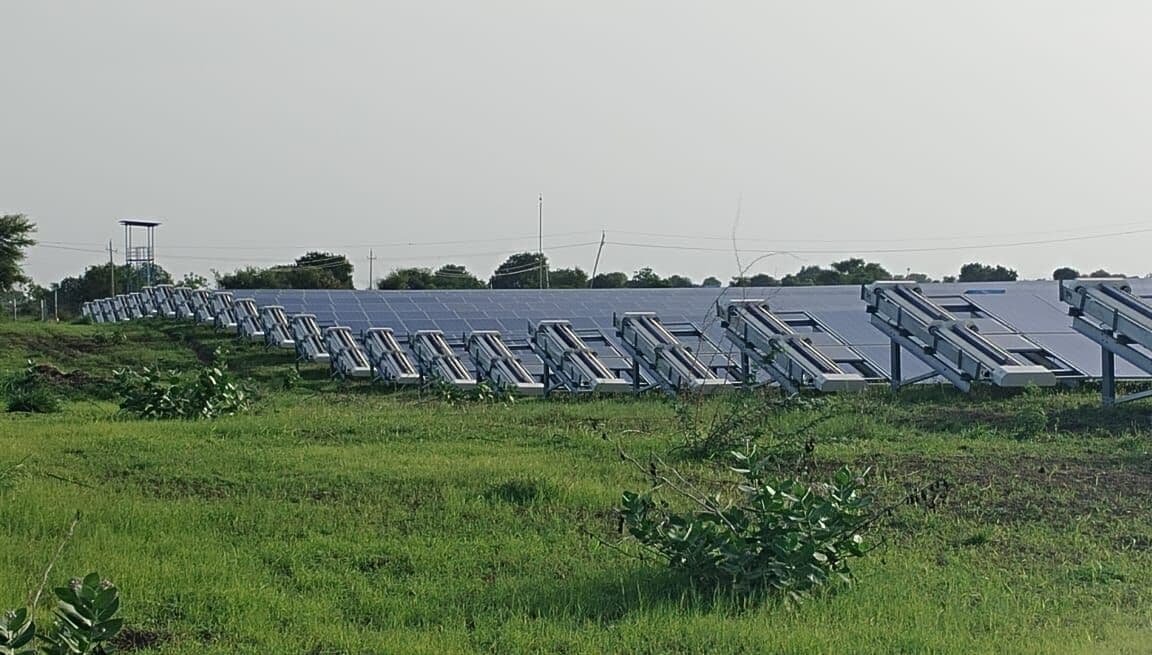
The project team deployed three GLYDE robots to meet the needs of the Hariwansh plant. This deployment uses a Capex procurement model. This means the plant owners own the robots directly. This model gives the facility full control over its maintenance. It also removes the need for ongoing service fees. Direct investment helps secure long-term operational efficiency.
The fleet uses the GLYDE system. This system is built specifically for fixed-tilt utility plants. The core technology is a patented dual-pass microfiber process. Unlike simple brush systems, GLYDE uses a unique method. It combines dual-pass airflow with high-performance microfiber. This process lifts and removes dust without using any water. This ensures the module surfaces stay clear. High transparency is vital for maximizing power in the dusty Nagpur region.
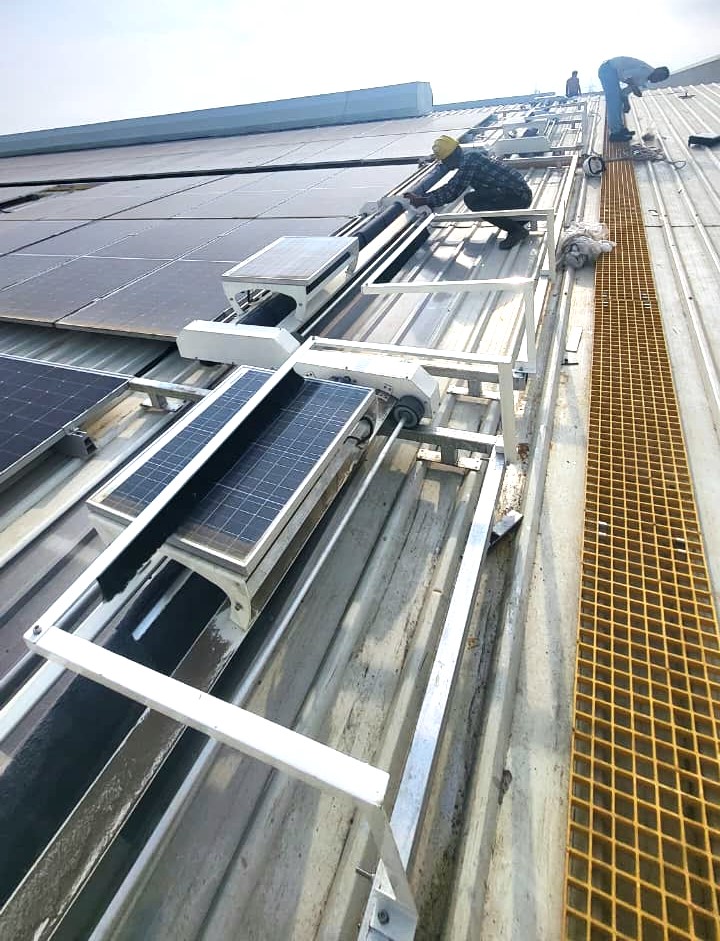
The robots are fully autonomous. They integrate seamlessly with the NECTYR fleet management portal. Each robot is programmed for daily waterless cleaning cycles. This prevents dust from bonding to the glass under high heat. The deployment was designed for fast integration. The 26.3 MW plant saw immediate improvements in energy yield. This robotic fleet also helps meet sustainability goals. It saves about 98,000 litres of water every year. It also recovers 26.3 MWh of generation. Finally, it reduces CO2 emissions by 13 metric tons annually.
Operations and monitoring
Operations and Monitoring at the Hariwansh Solar Site
Success at the Hariwansh plant relies on a strict maintenance schedule. Moving from manual labor to robots required a new management framework. The site now uses a predictable, high-frequency waterless schedule. This replaces the inconsistent cleaning patterns of the past.
Every GLYDE robot connects to the NECTYR portal. This gives operators total control over the cleaning tasks. The team uses the NECTYR dashboard for real-time data. They can monitor robot health, battery levels, and task logs. NECTYR also allows for smart scheduling. Operators can adjust plans based on how much dust is on the panels. This ensures the 26.3 MW array always stays optimized for energy harvest.
- Daily Cleaning Cadence: The robots run daily waterless cleaning cycles. This stops stubborn grime from building up on the modules.
- Accountability and Inspection: The site uses NECTYR for all reporting. This replaces old manual logbooks with digital records. Every row covered is verified through the system.
- Advanced Safety: The robots have built-in wind-hold sensors. They automatically park and lock themselves during high winds. This protects the assets without needing human help.
Results and impact
Driving Operational Excellence at the Hariwansh Solar Site
Autonomous cleaning has changed the O&M profile at the Hariwansh plant. The facility no longer relies on water-heavy manual cleaning. This removes the risks of water scarcity and high resource costs. The three GLYDE robots keep the array free of debris. They achieve this through consistent, daily waterless cycles.
The impact is clear in the energy yield and the environmental data. The project recovered significant energy that was once lost to soiling. It also reduced the plant's total carbon emissions. The dual-pass microfiber technology is a perfect solution for high water use areas. It conserves local water while keeping module uptime high. This project shows how robotic fleets transform solar assets. It turns them into sustainable and high-performing power generators.
Peer comparison and planning checklist
Peer Comparison and Planning Checklist
The Hariwansh plant performs very well compared to other regional projects. For example, a 10 MW site using HELYX pick-and-place units is semi-automatic. That site still requires human logistics. In contrast, this 26.3 MW site is fully automatic. It removes human delays from the process. Another example is a 50 MW site using NYUMA robots. Those sites use PBT brush cleaning. The Hariwansh site uses GLYDE's patented dual-pass microfiber. This provides a cleaner finish for fixed-tilt modules. It avoids the friction caused by traditional brushes. Taypro has a large footprint with over 5 GW deployed. This project proves that autonomous cleaning works at scale.
- Check your site topography. Decide if you need fixed-tilt (GLYDE/NYUMA) or tracker (GLYDE-X/NYUMA-X) robots.
- Calculate your annual soiling losses. Use this to justify the switch to a CAPEX robotic model.
- Confirm network connectivity is available. You will need this for NECTYR to monitor your fleet in real-time.
- Work with the Taypro technical team. They will help coordinate any rail installation needed for docking.
- Use the Taypro ROI calculator. This helps align the deployment with your site's O&M budget.