Executive summary
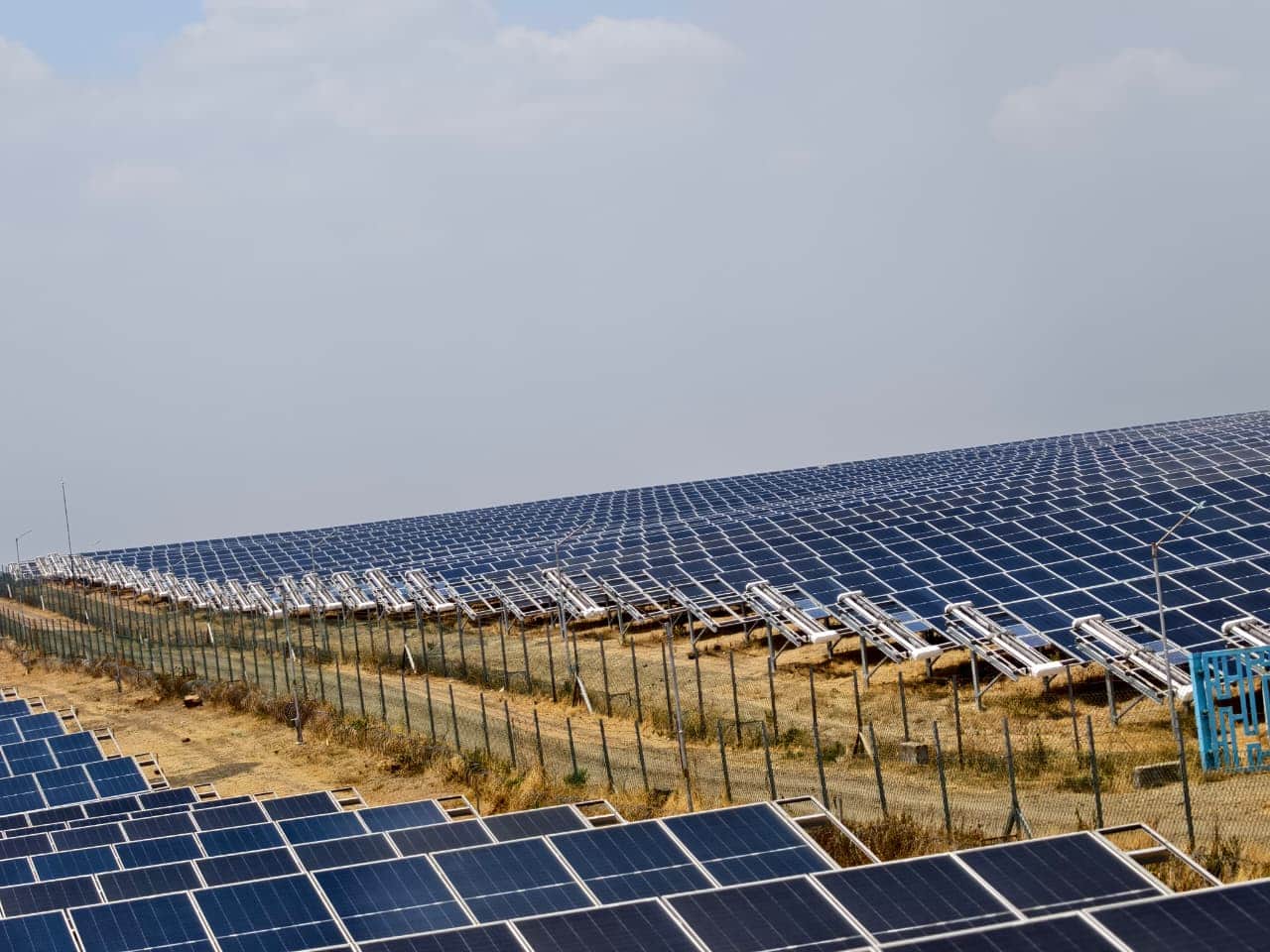
The KMF facility is a 75 MW solar plant in Karnataka. It represents a major shift in solar O&M. The site has moved from traditional wet cleaning to autonomous waterless operations. This change was driven by the need for better efficiency and resource management.
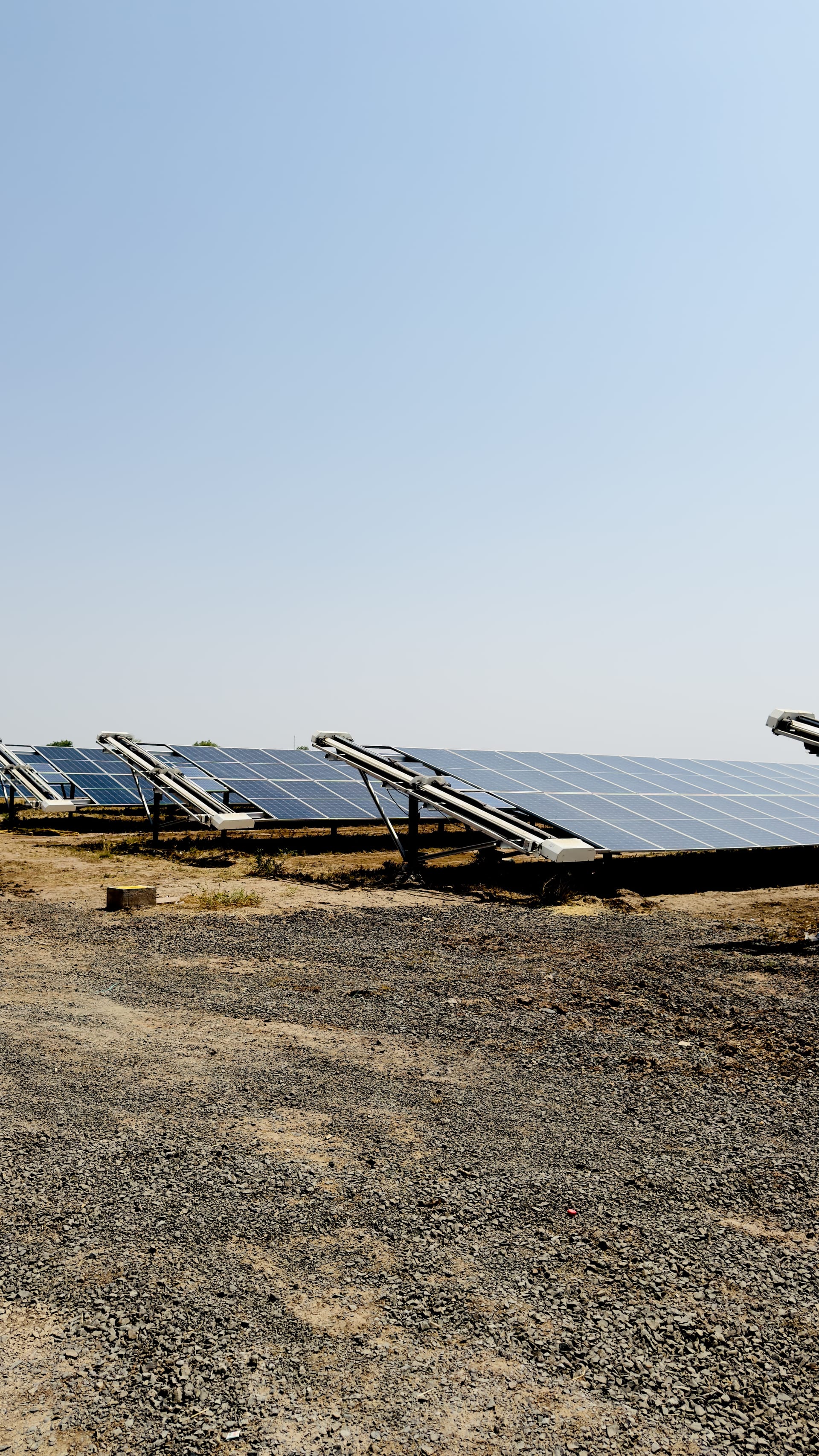
The site faces specific challenges due to its location. The region has high levels of red-soil dust. During the dry season, this dust builds up on the module glass. When short rains occur, they do not clean the panels. Instead, they create a difficult rinse-and-spot pattern. This pattern blocks sunlight and lowers energy output. Manual wet washing cannot solve this easily. It also uses too much water and relies on inconsistent labor.
To solve these issues, Taypro deployed 85 GLYDE autonomous robots. These robots provide a daily waterless cleaning cycle. The system uses a patented dual-pass microfiber method. This approach removes both loose dust and stubborn residue. The results have been significant for the plant. The facility recovered 2.81 GWh of additional generation every year. It also saved 10.5 million litres of water annually. This project proves that automated care is essential for large-scale solar assets in India.
Environment and soiling at KMF, Karnataka
Managing Red-Soil Particulate and Unpredictable Rainfall at KMF
The KMF solar site faces a unique environmental challenge. The region in Karnataka produces high-density red-soil particulate. This dust is fine and rich in iron. During the long dry seasons, these particles settle on the glass. They form a thick layer that blocks incoming sunlight. This buildup leads to direct losses in energy production.
The weather in this region makes the problem worse. The area often experiences unpredictable short rains. These rains are too light to wash the panels. Instead, they mix with the red soil to create a slurry. This slurry dries into a stubborn rinse-and-spot pattern. These spots act like small shadows on the module cells. They create uneven energy yields across the entire array. This effect is particularly damaging to fixed-tilt solar installations.
Traditional cleaning methods struggle with this environment. Manual wet washing requires massive amounts of water. In many parts of Karnataka, water is a scarce resource. Using water for cleaning creates competition with local needs. Furthermore, manual washing often leaves mineralized spots behind. These spots can lead to permanent damage over time. Taypro replaced these manual tasks with an autonomous robotic fleet.
The new system maintains a uniform cleaning standard. It does this through several key methods:
- Mitigating Rinse-and-Spot: The GLYDE robots use patented dual-pass microfiber technology. The first pass uses airflow to clear loose dust. The second pass uses microfiber to remove moisture-bound residue. This prevents the formation of hard spots.
- Fleet Intelligence: The NECTYR platform tracks how weather affects the site. O&M teams can see how rain impacts specific plant blocks. This allows for very precise cleaning schedules.
- Sustainability: Automation removes the need for water-intensive cycles. This makes the plant more sustainable and less dependent on local water supplies.
Daily robotic cleaning cycles now keep the modules pristine. This prevents the calcification of soil on the glass. The plant can now maintain a high performance ratio. This stability is vital even when local weather patterns are volatile.
O&M before Taypro
Managing Red-Soil Soiling and Water Constraints at KMF
Before Taypro arrived, the KMF site used manual cleaning. This strategy was labor-intensive and often unpredictable. The 75 MW site struggled to manage the red-soil particulate. During the dry seasons, the dust settled heavily across all modules. The O&M teams had to work hard to keep up with the accumulation.
The intermittent rains made the situation even harder. The rain was never enough to clean the panels properly. Instead, it caused the erratic performance seen in the past. The module strings would show uneven energy yields. This was caused by the stubborn spot patterns left by the rain. It was difficult for plant managers to predict performance levels.
Water availability was another major constraint. Large utility-scale sites require vast amounts of water for wet washing. The KMF site often faced limits on local water supply. This meant cleaning could not happen as often as needed. When teams delayed cleaning, the Performance Ratio (PR) dropped significantly. This created a cycle of declining efficiency.
The lack of data was also a problem. Manual cleaning lacks digital accountability. It was difficult to verify if every module was cleaned correctly. The uneven coverage from manual teams left large data gaps. Managers could not tell if losses were from soiling or electrical issues. This uncertainty made long-term planning nearly impossible.
The old O&M model suffered from several gaps:
- Resource Strain: Manual washing competed for limited local water. This created operational bottlenecks.
- Data Transparency: There was no automated way to log cleaning completion. This made auditing very difficult.
- Performance Variability: The rinse-and-spot patterns caused huge month-to-month PR swings.
The facility needed a more precise solution. Transitioning to an autonomous, waterless system was the only way to fix these gaps. This allowed the KMF site to move toward data-driven maintenance.
Fleet and deployment at 75 MW
Fleet Deployment and Capex Strategy for 75 MW at KMF
The deployment at KMF was designed for maximum efficiency. The strategy focused on a Capex-led rollout. This means the facility purchased the robots as permanent assets. This direct procurement model is ideal for large utility-scale plants. It allows the facility to move away from variable labor costs. Instead, they now have a standardized, company-owned robotic infrastructure.
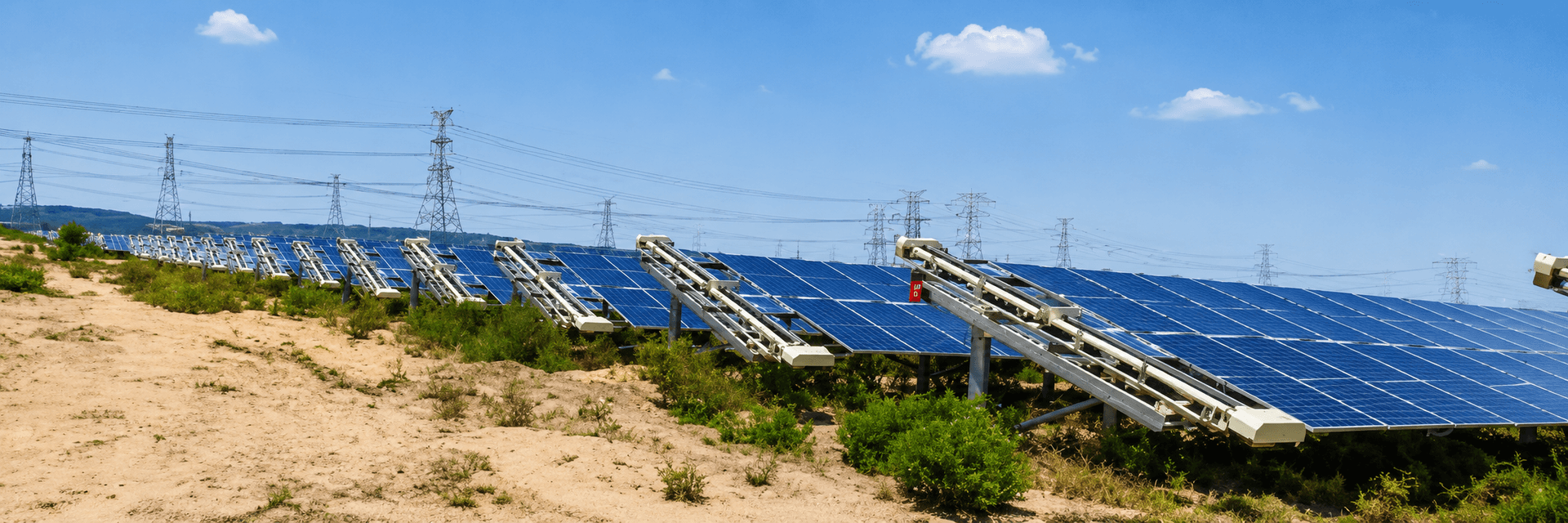
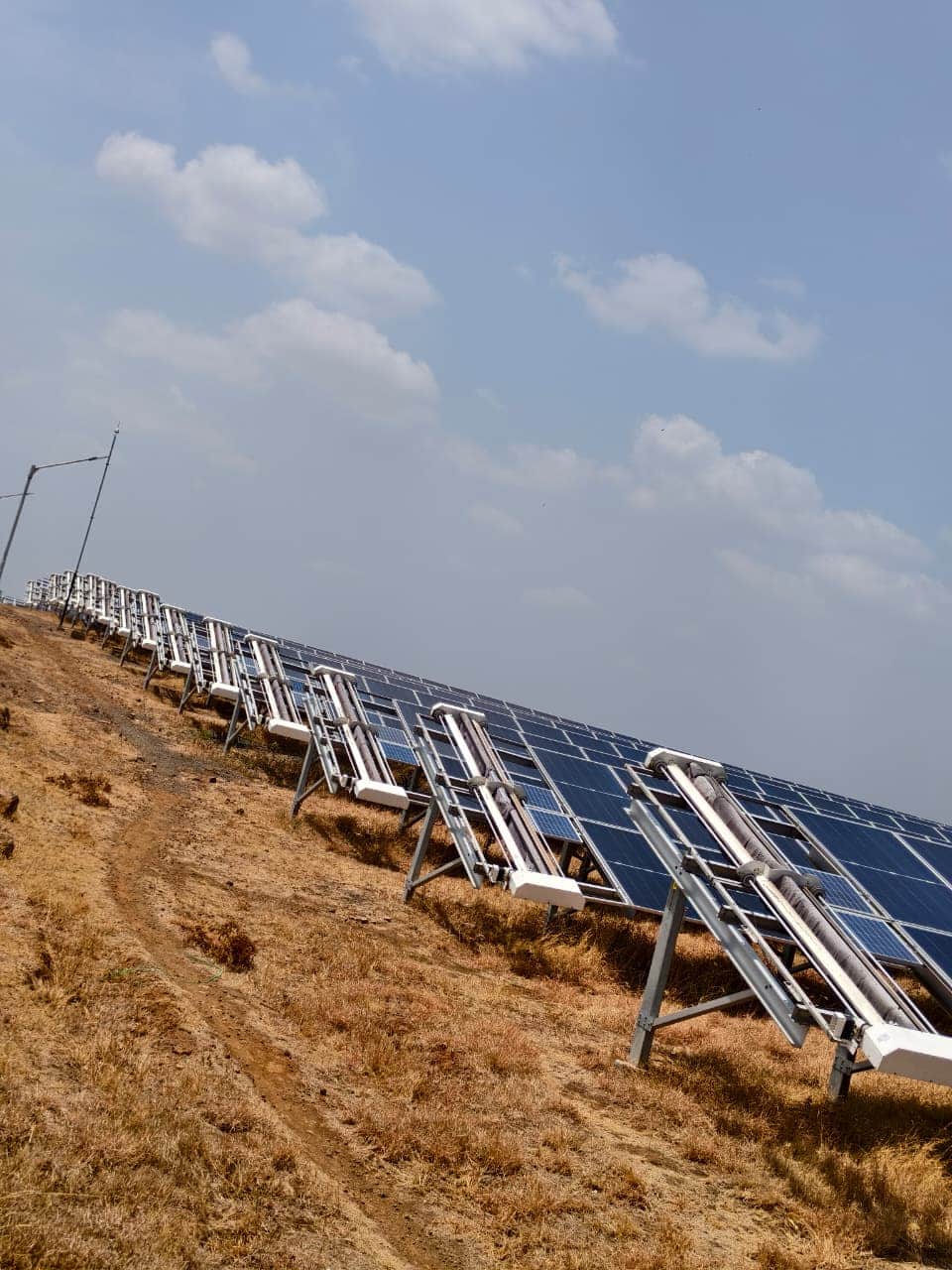
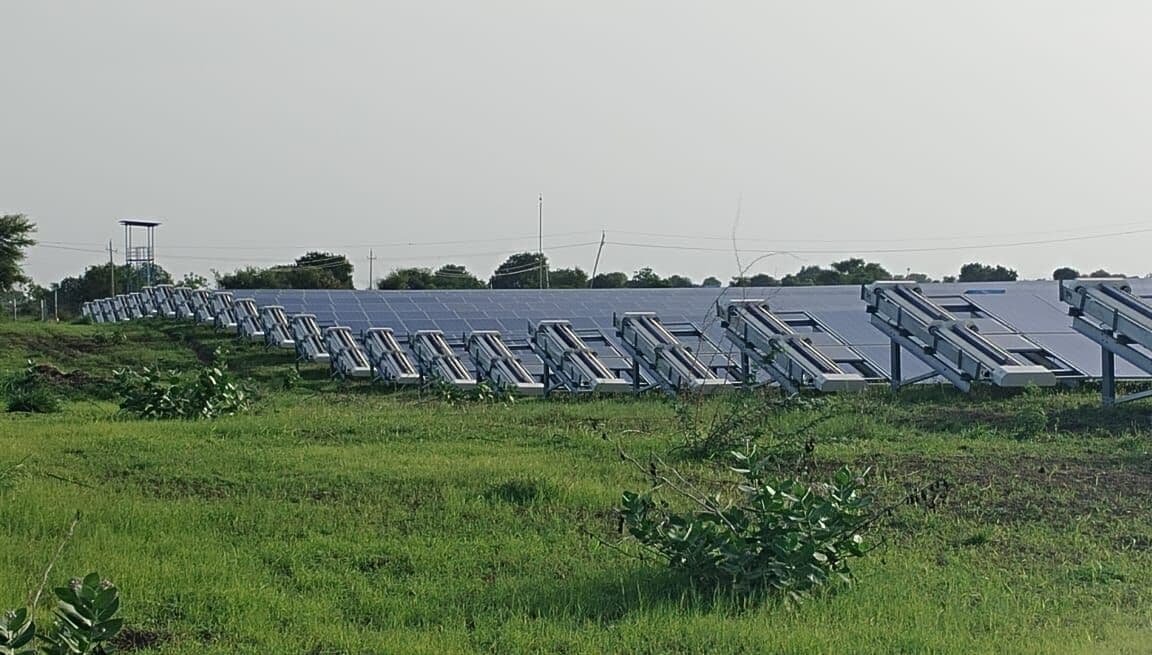
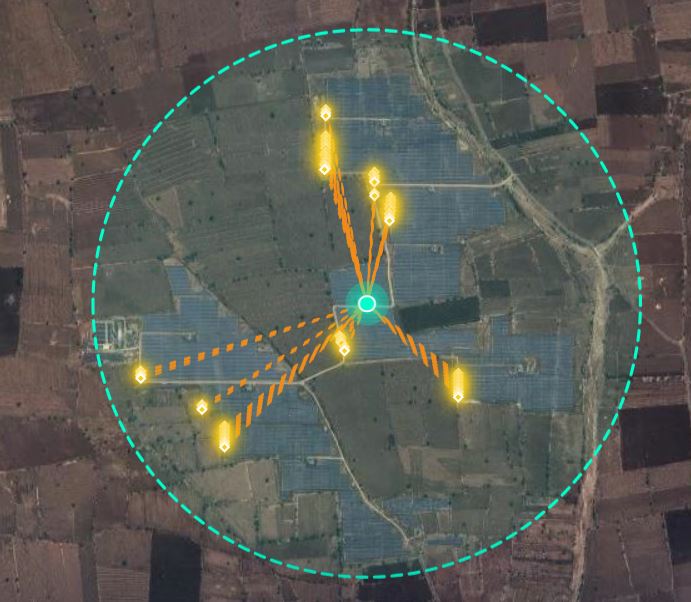
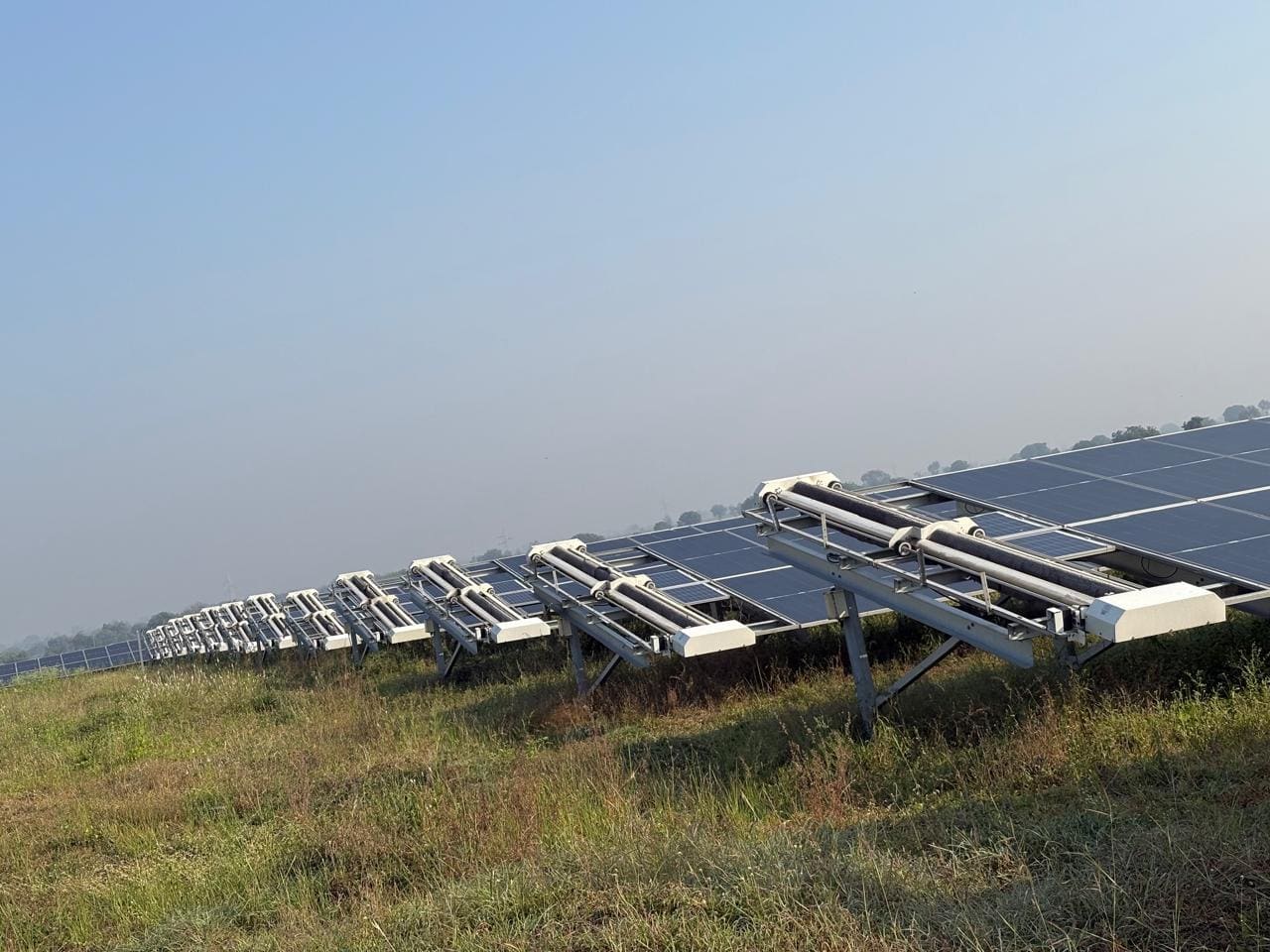
Taypro deployed 85 GLYDE robots for this 75 MW ground-mount array. This fleet size ensures total coverage of every module. The GLYDE system was chosen for its advanced cleaning method. It uses a patented dual-pass process. This process combines airflow with microfiber contact. This is perfect for fixed-tilt modules in dusty regions. The robots work without any water. This removes the logistical burden of managing water supply chains.
The deployment was highly organized. Each robot is a 38 kg machine. They are designed for heavy-duty utility use. The robots move at speeds between 10 and 15 meters per minute. This allows them to cover vast areas quickly. The deployment was integrated directly with the NECTYR platform. This ensures that every robot is tracked in real time.
Key aspects of the deployment include:
- Fleet Composition: 85 GLYDE robots provide full autonomous coverage. They handle the entire 75 MW ground-mount installation.
- Procurement Model: The Capex approach provides long-term asset control. The cleaning fleet is now a permanent part of the site.
- Operational Integration: The robots perform daily autonomous cycles. All data is synced to the NECTYR dashboard.
- Performance Validation: Real-time logging allows operators to see the link between cleaning and PR recovery.
During commissioning, the team mapped every array block. These blocks were then added to the NECTYR dashboard. This allows for precise robot dispatching. The daily dry cleaning cycles mitigate the risk of spot-pattern soiling. This ensures the array stays at peak performance. The facility now generates much more energy than it did with manual cycles.
Operations and monitoring
Optimizing Operations through NECTYR and Daily Autonomous Cycles
Operations at the KMF site are now highly predictable. The strategy relies on consistent, daily waterless cleaning cycles. By using 85 GLYDE robots, the site avoids manual scheduling issues. Manual schedules are often erratic and hard to manage. In contrast, the robotic fleet operates on a strict, autonomous schedule. This keeps the modules free from red-soil dust every single day.
The switch to robots has solved the water scarcity problem. Because GLYDE is a waterless system, the site does not need to source water for O&M. This is a huge advantage for plant managers. They no longer have to worry about local water supply constraints. They can maintain a steady cleaning schedule regardless of the season. This reliability is essential for maintaining energy output.
Monitoring is handled through the NECTYR fleet portal. This software provides total visibility into the cleaning process. It offers several critical operational benefits:
- Accountability: Every cleaning cycle is logged automatically. This provides verifiable data on fleet health. Managers can see that every robot completed its route.
- Weather-Adaptive Logic: NECTYR helps reconcile Performance Ratio (PR) variations. When short rains occur, they leave rinse-and-spot patterns. The dashboard shows which blocks were partially cleaned by rain. Managers can then send robots to clean those specific areas immediately.
- Performance Stability: Automation "smooths" the energy generation curve. It prevents the large PR drops caused by delayed manual cleaning.
- Safety Protocols: The system includes integrated wind-hold protocols. If wind speeds get too high, the robots dock safely. They resume work automatically once the wind settles.
This combination of hardware and software creates a powerful operations layer. The plant no longer reacts to soiling. Instead, it proactively manages it through data and daily automation.
Results and impact
Maximizing Energy Yield and Water Conservation at the 75 MW Karnataka Facility
The shift to autonomous cleaning has transformed the KMF plant. The transition from manual methods to 85 GLYDE robots has been a success. The facility has eliminated the volatility that caused previous performance drops. By using daily dry cleaning cycles, the site prevents red-soil buildup. This is the most effective way to maintain peak performance in Karnataka.
The results of this deployment are clear and measurable. The impact is seen in energy, water, and labor. Key results include:
- Significant Generation Recovery: The robot fleet has led to a major increase in annual energy. This directly recovers the losses caused by historical soiling. The 2.81 GWh annual uplift is a direct result of this consistency.
- Massive Water Savings: The site has achieved huge reductions in water usage. By using a waterless method, it saves 10.5 million litres every year. This removes the need for expensive water transport and logistics.
- Predictable Plant Health: The NECTYR platform gives managers total visibility. They can see exactly how clean the modules are. This allows for precise adjustments during the rainy season.
- Operational Efficiency: The plant is no longer dependent on manual labor. The autonomous system manages the entire ground-mount array. This provides a steady and verifiable Performance Ratio all year long.
The KMF project serves as a model for utility-scale solar. It shows how technology can solve environmental and resource challenges. The plant is now more productive, more sustainable, and easier to manage.
Peer comparison and planning checklist
Benchmarking Automated Efficiency Across Karnataka Utility Assets
The 75 MW KMF deployment is a benchmark for Karnataka. It shows how to scale waterless cleaning for large assets. Using 85 GLYDE robots demonstrates a higher level of efficiency than previous projects. For example, the 50 MW Yadgir solar project was a pioneer. Yadgir showed how robots could solve red-soil issues. However, the KMF project takes this further by scaling the architecture.
Scaling to 75 MW required a more robust NECTYR integration. This ensures that cleaning remains optimized across much larger blocks. In smaller sites, logistics can lead to fragmented cleaning. In the KMF project, the cleaning is uniform and daily. This is a sharp contrast to manual or semi-automatic methods. In those models, performance depends on the availability of water tankers. By standardizing the fleet, KMF achieves much higher PR stability. It also provides better long-term protection for the solar modules.
The KMF project proves that automation is the best path for growth. As plants get larger, manual cleaning becomes too difficult to manage. Robotic fleets provide the consistency that large-scale investors require.
Planning Checklist for Scaling Robotic Cleaning
If you are planning to scale robotic cleaning at your site, follow this checklist:
- Assess Infrastructure Readiness: Check your row-end clearances. Ensure the structure can support the 38 kg weight of a GLYDE robot.
- Analyze Regional Soiling: Study your local dust patterns. Determine if you need a daily cleaning cycle to combat red-soil buildup.
- Evaluate Water Logistics: Calculate your potential water savings. Compare the cost of manual water transport against a waterless robotic Capex model.
- Integrate Fleet Intelligence: Plan for NECTYR deployment from day one. You need to sync robot schedules with weather and telemetry data.
- Optimize CAPEX Allocation: Review your multi-site strategy. Ensure your robot-to-module ratio is optimized to reduce long-term O&M costs.