Executive summary
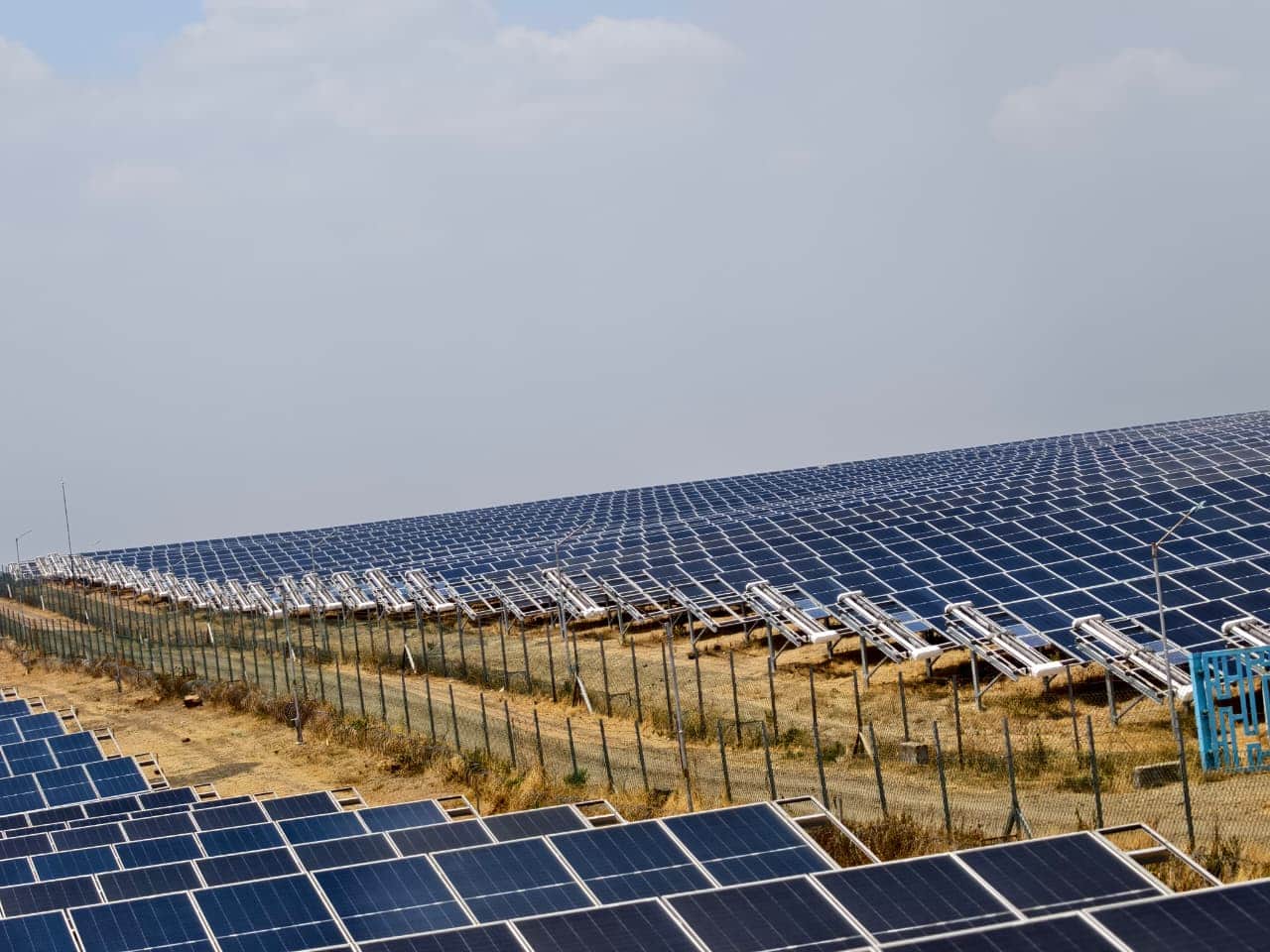
The 50 MW ground-mount solar facility in Prayagraj, Uttar Pradesh, faces tough operational challenges. Regional dust and heavy post-harvest particles settle on the panels very quickly. This dust hits the downwind strings and access-road edges first. This uneven buildup causes inconsistent energy generation across the site. In the past, the plant relied on water tankers for wet cleaning. This traditional method was hard to scale as the plant grew. It also struggled to keep up during peak dust weeks. This made it difficult for finance teams to track performance accurately. They could not easily separate soiling losses from grid curtailment or weather changes.
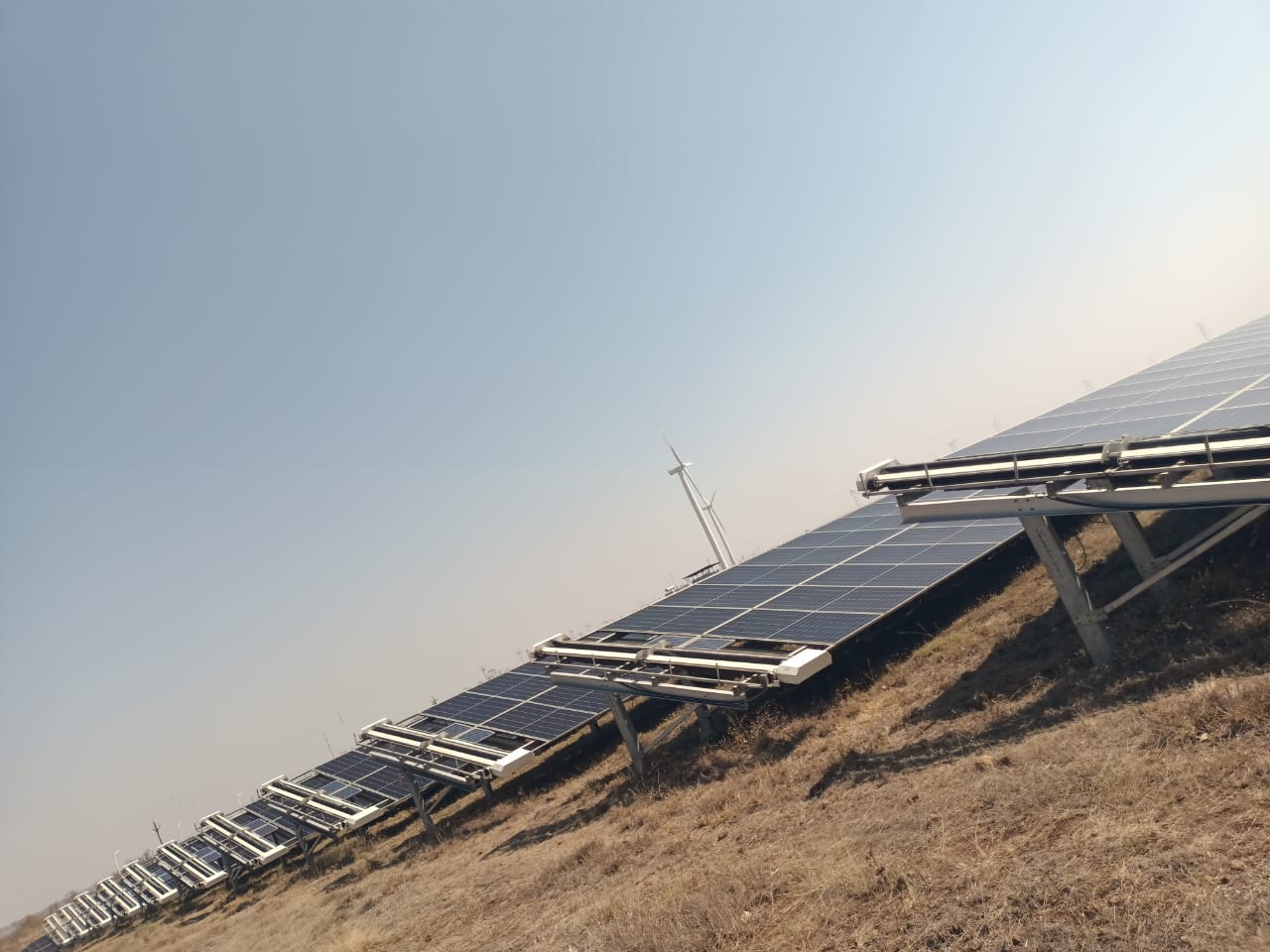
To solve these issues, Taypro deployed 52 GLYDE automatic robots. This system uses daily waterless cleaning cycles to keep the panels clear. The shift to autonomous cleaning ensures every module stays clean without manual labor. The facility now gains 1.88 GWh of extra energy every year. It also saves 7 million litres of water annually. By using this Capex-based robotic solution, the site has a clear cleaning baseline for better performance.
Environment and soiling at Prayagraj, Uttar Pradesh
Environmental Context and Soiling Dynamics in Prayagraj
The 50 MW installation in Prayagraj deals with unique environmental factors. The region experiences heavy wind-blown dust from the surrounding plains. Additionally, local farming cycles create a large amount of post-harvest particulate matter. These particles settle on the solar arrays very quickly. The soiling does not happen evenly across the whole site. Dust accumulates most heavily on the downwind strings. It also settles fast on modules located near the access roads.
For a plant of this size, rapid dust buildup is a major problem. It causes the performance ratio to drop quickly. Historically, the site used tanker-based wet cleaning to manage this. However, the logistics of moving water tankers were difficult to manage. The cleaning crews could not scale up during peak dust weeks. This led to long periods of low energy output. Effective management requires a more consistent and frequent cleaning routine.
A daily, autonomous, waterless cleaning regime solves this problem. It creates a stable cleaning baseline for the site. This allows the operations and finance teams to see the true impact of dust. They can now distinguish between genuine soiling and other factors like weather or curtailment. This data-driven approach is vital for maintaining high output in Uttar Pradesh.
O&M before Taypro
Addressing Operational Scaling and Performance Baselines at 50 MW
Managing a 50 MW ground-mount site in Prayagraj involves many logistical hurdles. The local environment is very dusty. Plain wind-blown dust and post-harvest particles settle aggressively on the panels. These particles hit the downwind strings and road edges first. This causes localized drops in power that eventually spread across the whole plant. These performance drops were hard to manage with old methods.
Before the robotic solution, the site used tanker-dependent wet cleaning. This method relied heavily on manual labor and water supplies. As the number of solar blocks increased, the cleaning task became much harder. The team struggled to scale the service during peak dust weeks. This was the time when cleaning was most critical for the plant. As a result, the site faced unpredictable energy losses.
Finance teams also faced a significant challenge with data. They needed an attributable cleaning baseline to measure their ROI. Because manual cleaning was inconsistent, they could not isolate soiling impacts. It was impossible to tell if low power came from dust or from grid curtailment. Establishing a predictable, data-backed protocol became the top priority for the facility. They needed a way to restore long-term asset performance.
Fleet and deployment at 50 MW
Fleet Deployment and Robotic Integration at the 50 MW Prayagraj Site
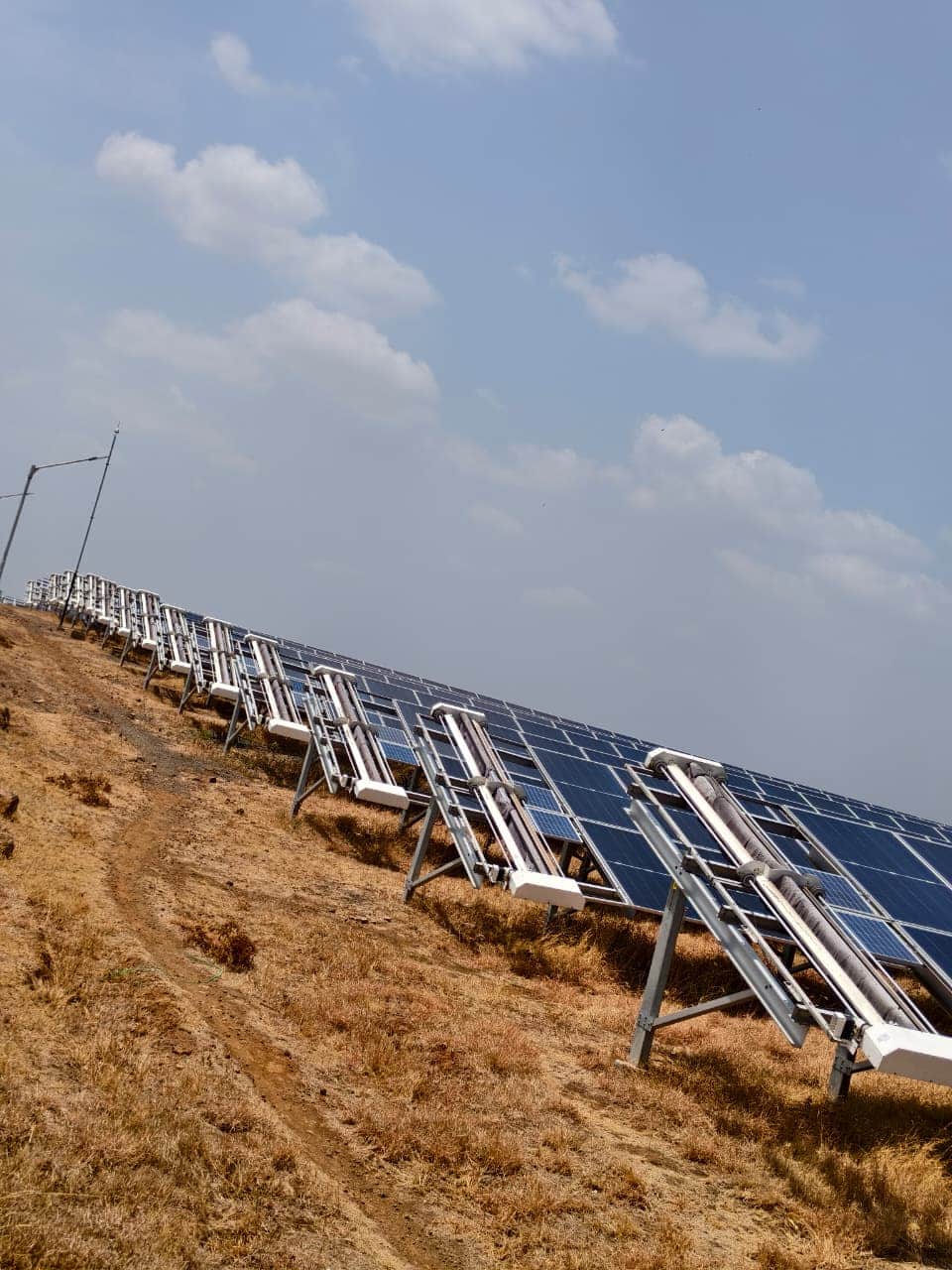
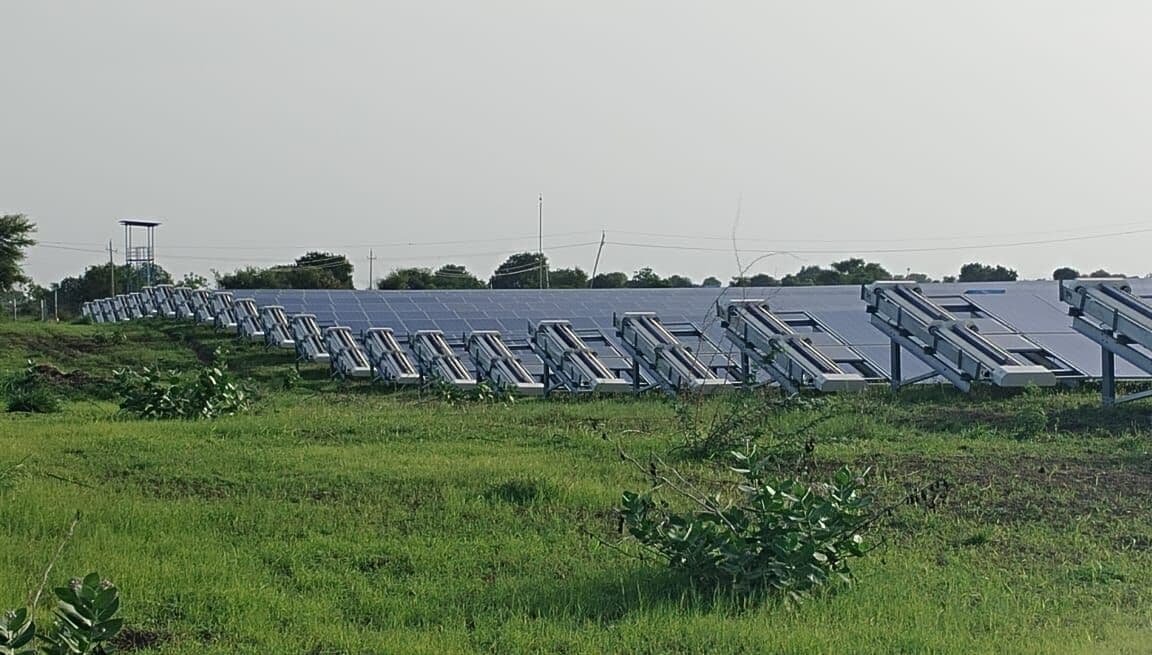
The 50 MW Prayagraj facility transitioned to an autonomous cleaning model. They deployed a fleet of 52 GLYDE robots. This was a Capex investment. This allows the site to have total ownership of the cleaning hardware. The GLYDE system was chosen for its ability to handle the heavy dust in Uttar Pradesh. These robots are perfect for fixed-tilt utility plants.
The deployment follows these high operational standards:
- Fully Autonomous Fleet: The 52 robots use patented dual-pass microfiber technology. They perform daily waterless cleaning cycles. This keeps the modules clear of all dust build-up.
- Advanced Cleaning Method: Each GLYDE robot uses a combination of airflow and microfiber. The airflow lifts the dust first. Then, the microfiber removes the remaining particles. This process is entirely waterless.
- Data-Driven Reliability: The robots use RF mesh connectivity. This connects the entire fleet to the NECTYR portal. This ensures reliable communication across all array blocks.
- Operational Impact: This system removes the need for water tankers and manual crews. It helps recover 1.88 GWh of generation annually. It also reduces water use by 7 million litres every year.
This deployment shows the power of a dedicated robotic fleet. It provides the high-frequency cleaning needed for harsh environments. The result is a standardized protocol for the entire site. Asset managers can now maintain high performance despite the heavy local dust. The site now operates with much higher efficiency and less human error.
Operations and monitoring
Operations and Monitoring at the Prayagraj 50 MW Facility
The 50 MW Prayagraj site uses the NECTYR fleet portal for all monitoring. This system gives managers full visibility of the 52 GLYDE robots. It centralizes all scheduling and performance data in one place. Site managers can verify daily waterless cleaning cycles for every row. This replaces the old, unreliable tanker schedules. The facility no longer worries about labor shortages or water supply issues.
Operations follow these strict accountability standards:
- Daily Cleaning Cadence: The robots follow a strict daily schedule. This prevents dust from building up on downwind strings.
- Verified Cleaning Logs: Every single cleaning action is logged in NECTYR. This provides proof of coverage that is independent of the weather.
- Weather-Ready Protocols: The team uses NECTYR to manage regional wind events. They can safely pause the robots during high winds. The robots resume their work automatically once it is safe.
- Attributable Data: The automated nature of the GLYDE units creates clean data. This allows teams to isolate soiling impacts from other variables.
With NECTYR, the site operates with high transparency. Managers can see exactly which modules were cleaned and when. This level of detail is essential for large-scale utility projects. It ensures the cleaning is actually happening as planned.
Results and impact
Quantifiable Operational Gains for the 50 MW Prayagraj Site
The move to an autonomous waterless fleet has changed the site's economics. The facility has replaced sporadic washing with daily GLYDE operations. This has stabilized the plant's performance ratio. The consistency of the robots ensures that all areas remain clean. This includes the edges and downwind strings that usually suffer most from dust. The technical and financial gains are very clear.
The project has achieved several key impacts:
- Major Generation Recovery: The system eliminates soiling losses. This delivers a massive annual increase in total energy output.
- Massive Water Savings: The process is purely waterless. The project has removed its need for local water tankers. This saves 7 million litres of water every year.
- Improved Operational Efficiency: The O&M team no longer manages manual cleaning crews. They can focus on higher-value tasks like predictive maintenance.
- Clear Financial Data: The NECTYR logs provide a clear cleaning baseline. Finance teams can now see the true ROI of their maintenance. They can separate cleaning gains from grid curtailment or seasonal changes.
The 50 MW site is now a model for efficient solar O&M. It proves that automation can solve complex environmental challenges. The results show both environmental and financial benefits.
Peer comparison and planning checklist
Peer Comparison and Implementation Planning
The 50 MW Prayagraj site is highly efficient compared to its peers. The 60 MW Deoria project faces different terrain and logistics. However, Prayagraj excels at managing intense post-harvest dust. The 50 MW Banda solar project also shows that automation is better than manual labor. While manual sites suffer from labor variability, Prayagraj uses a standardized framework. The use of 52 GLYDE robots ensures uniform energy output across all rows. This level of consistency is hard to achieve with water tankers.
Follow this checklist to ensure your own project success:
- Audit your row lengths and spacing for GLYDE robot compatibility.
- Set a baseline soiling metric before you start the robots.
- Check your site connectivity for RF mesh or NECTYR coverage.
- Create clear workflows for your O&M team to manage alerts.
- Prioritize cleaning for high-impact zones like downwind array edges.
- Plan your procurement to avoid any disruption to grid exports.